African Foodstuffs: A Guide to the Continent's Staples
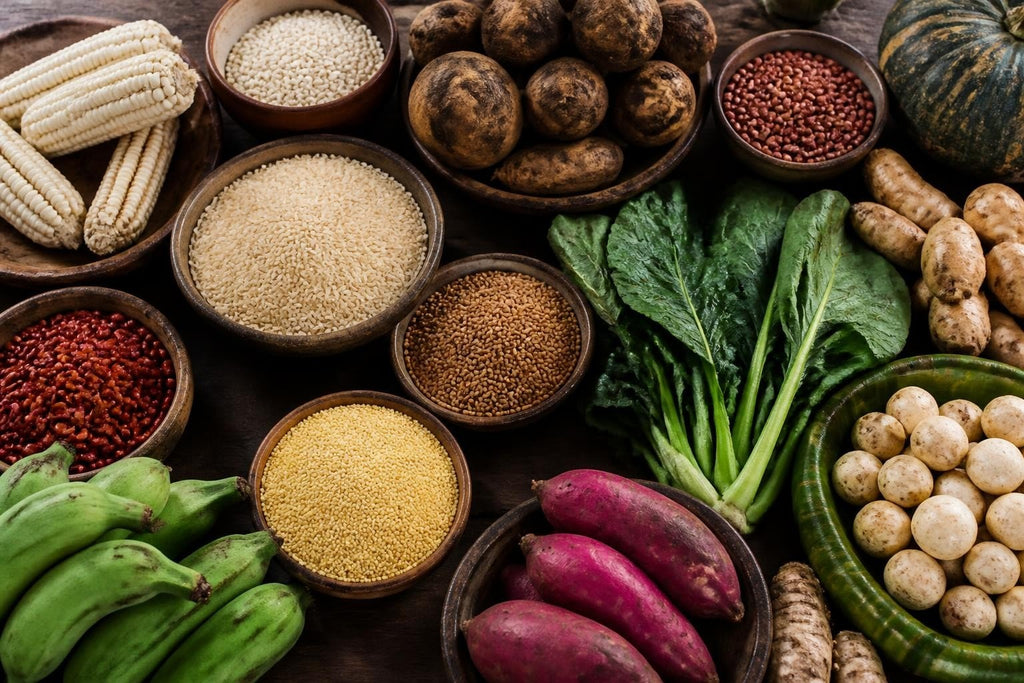
The diversity of African foodstuffs spans thousands of kilometres and countless cultural traditions, creating a tapestry of ingredients that has sustained communities for millennia. From the sorghum fields of West Africa to the teff paddies of Ethiopia, these staples represent more than sustenance. They embody agricultural innovation, climate resilience, and deep-rooted food heritage. For South Africans living abroad in places like New Zealand, understanding the broader context of African foodstuffs helps maintain connection to a culinary legacy that extends far beyond national borders.
The Foundation of African Cuisine
African foodstuffs form the backbone of diverse regional cuisines across 54 countries, each with distinct agricultural practices and food traditions. The continent produces an extraordinary range of indigenous crops that have adapted to varied climates, from arid savannahs to tropical rainforests.
Ancient Grains and Staple Cereals
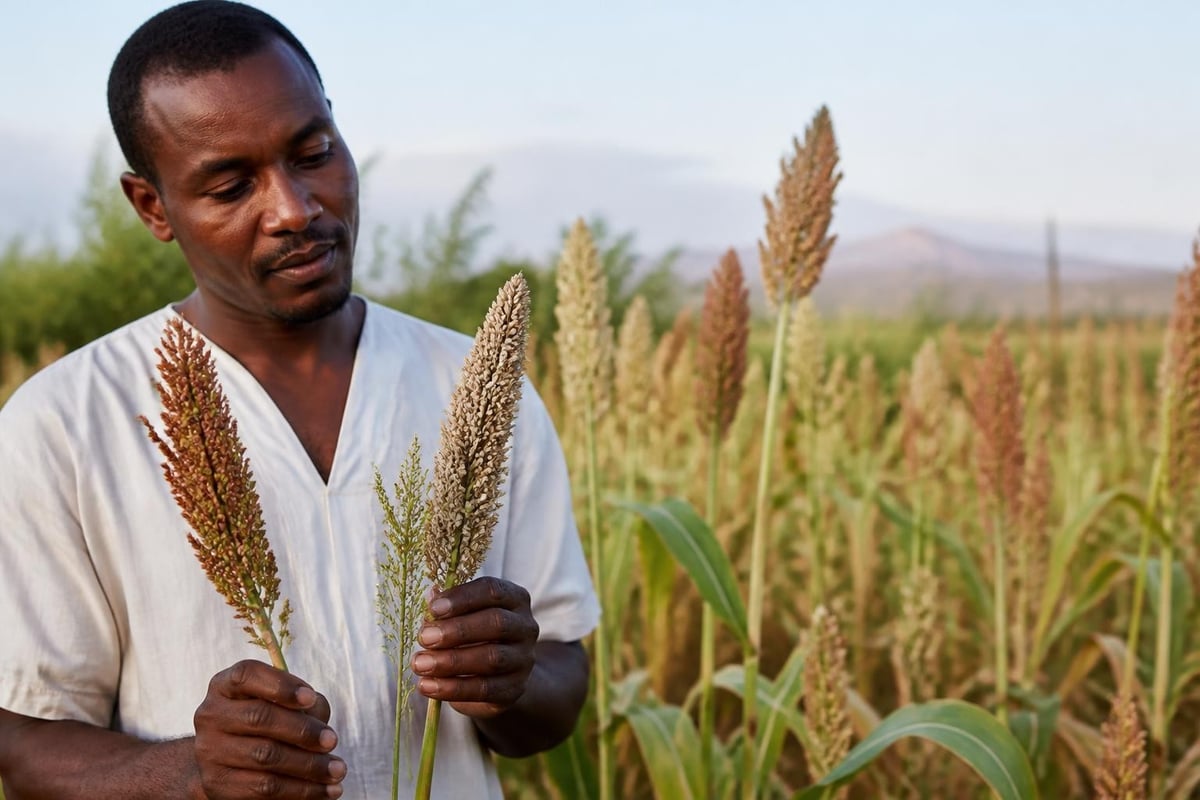
Sorghum stands as one of Africa's most important foodstuffs, cultivated for over 5,000 years and ranking as the fifth most important cereal crop globally. Recent research on sorghum improvement for climate resilience demonstrates how breeding programmes enhance drought tolerance and nutritional content. This grain thrives in conditions where other cereals fail, making it essential for food security.
Millet varieties, including pearl, finger, and foxtail millet, provide nutritious alternatives to wheat and rice. These small-seeded grasses offer exceptional nutritional profiles rich in protein, fibre, and micronutrients. Evidence from climate-smart agriculture studies in Ghana shows how farmers successfully adopt improved practices for millet and sorghum cultivation.
Teff, the tiny grain native to Ethiopia and Eritrea, produces the spongy injera bread central to Horn of Africa cuisine. This gluten-free grain contains high levels of iron, calcium, and protein in remarkably small seeds.
| Grain | Protein Content | Key Minerals | Primary Growing Regions |
|---|---|---|---|
| Sorghum | 11-12% | Iron, Phosphorus | West Africa, Eastern Africa, Southern Africa |
| Pearl Millet | 11-14% | Iron, Zinc | Sahel region, India |
| Teff | 13-14% | Iron, Calcium | Ethiopian Highlands |
| Finger Millet | 7-8% | Calcium, Iron | East Africa, South Asia |
Indigenous Vegetables and Leafy Greens
The category of african foodstuffs extends to hundreds of indigenous vegetable species, many of which remain underutilised despite superior nutritional profiles compared to introduced varieties.
Traditional Leafy Vegetables
African leafy vegetables (ALVs) represent a crucial component of traditional diets. Species like amaranth, spider plant, African nightshade, and jute mallow provide essential vitamins, minerals, and proteins. The FAO report on wild and neglected foods highlights their untapped potential for improving dietary diversity and nutrition security.
Morogo, the collective Setswana term for edible leafy greens, encompasses numerous species gathered from fields and cultivated in home gardens throughout Southern Africa. These greens require minimal water and inputs whilst delivering exceptional nutritional returns.
Cassava leaves serve dual purposes in Central and West African cooking, with both the starchy roots and protein-rich leaves consumed as valuable foodstuffs. Properly prepared leaves provide essential amino acids and vitamins often lacking in root-based diets.
Root Vegetables and Tubers
- Yams (Dioscorea species) serve as primary carbohydrate sources across West Africa, with Nigeria producing over 60% of global output
- Cassava provides reliable calories even in poor soils and drought conditions
- Sweet potatoes, particularly orange-fleshed varieties, deliver vitamin A alongside energy
- Cocoyam (taro) thrives in forest margins and wet areas unsuitable for other crops
Pulses and Protein Sources
Legumes represent critical african foodstuffs that fix nitrogen in soils whilst providing plant-based proteins essential for balanced nutrition. The CGIAR case study on PICS bags in Tanzania demonstrates how improved post-harvest storage technologies reduce aflatoxin contamination and storage losses in groundnuts and other pulses.
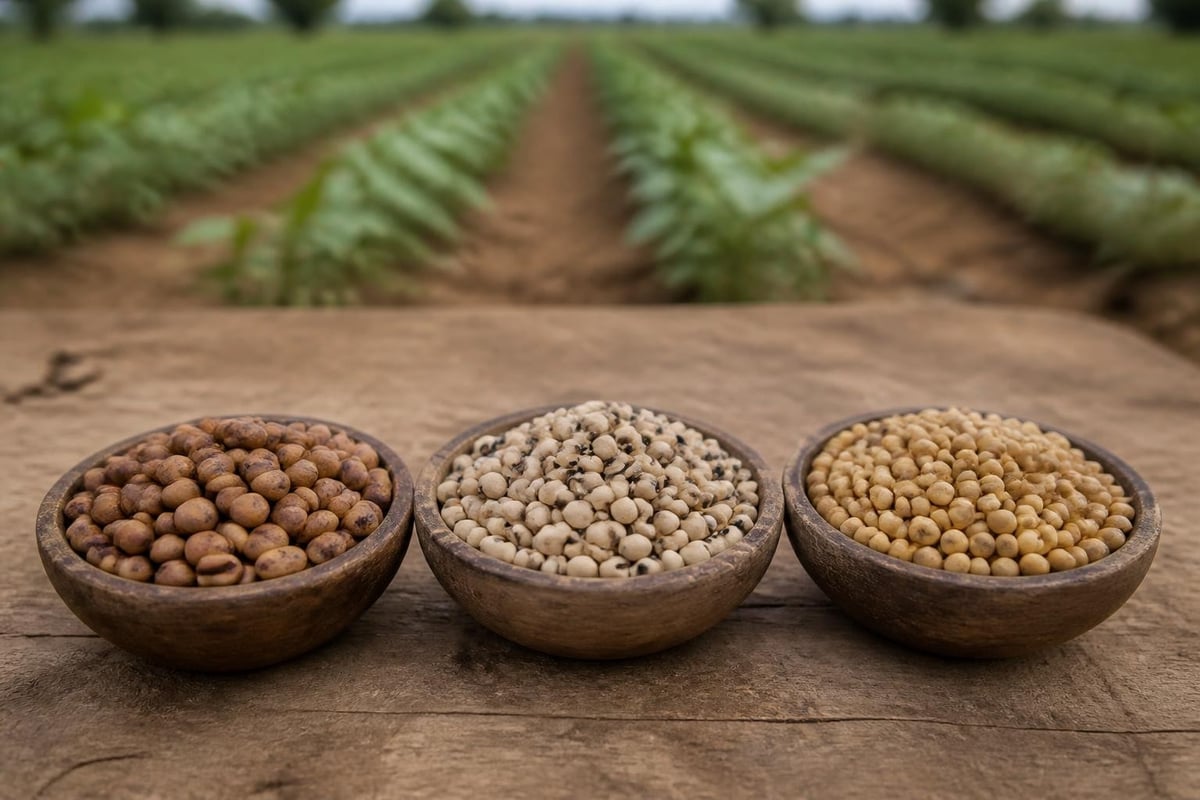
Bambara groundnut, an indigenous African legume, produces nutritious seeds high in protein and requiring minimal agricultural inputs. This drought-tolerant crop deserves wider cultivation and recognition as a climate-resilient food source.
Cowpeas feature prominently across the continent, with leaves, green pods, and dried seeds all consumed as african foodstuffs. These versatile legumes improve soil fertility whilst providing affordable protein to millions.
Food Processing and Preservation
Traditional methods of processing african foodstuffs demonstrate sophisticated understanding of food science developed over generations. Fermentation techniques enhance nutrition, improve digestibility, and extend shelf life of perishable ingredients.
Fermented Foods and Beverages
Fermentation transforms raw african foodstuffs into distinctive products with enhanced nutritional profiles. Ogi or akamu, fermented cereal porridges made from maize, sorghum, or millet, provide easily digestible nutrition for infants and adults. The fermentation process increases B-vitamin content whilst reducing anti-nutritional factors.
Injera production involves multi-day teff fermentation that develops characteristic sour flavours and spongy texture. This process breaks down phytic acid and increases mineral bioavailability.
Dawadawa and other fermented locust bean condiments add umami depth to West African soups and stews whilst contributing protein and probiotics. These traditional seasonings represent sophisticated preservation techniques.
South African Foodstuffs in New Zealand
For South Africans who have relocated to New Zealand, access to familiar african foodstuffs maintains vital cultural connections and dietary preferences. The South African immigration community in New Zealand continues to grow, creating demand for authentic products from home.
Staples Available Locally
Something From Home stocks more than 2,500 South African products, including many traditional african foodstuffs that South Africans grew up enjoying. This South African shop in New Zealand serves as a culinary lifeline for expatriates seeking familiar flavours.
Maize meal remains the cornerstone of South African cuisine, whether for making pap (the staple porridge) or enjoying as samp and beans. These traditional african foodstuffs connect families to heritage recipes and comfort food memories.
Biltong and droëwors, dried meat products with origins in preservation necessity, now represent cherished snacks. Those seeking authentic flavours can explore homemade biltong recipes or purchase ready-made varieties from specialist retailers.
The popularity of traditional cooking methods continues amongst New Zealand's South African community. Potjiekos, the iconic three-legged pot cooking technique, transforms simple african foodstuffs into layered, flavourful meals perfect for social gatherings.
| Product Category | Examples | Cultural Significance |
|---|---|---|
| Grains & Starches | Maize meal, samp, rice | Foundation of daily meals |
| Meat Products | Biltong, droëwors, boerewors | Protein sources and snacks |
| Condiments | Chutney, atchar, peri-peri | Flavour enhancers |
| Beverages | Rooibos tea, coffee | Social and comfort drinks |
Economic and Policy Dimensions
The IFPRI Africa report on agrifood systems provides comprehensive analysis of trade patterns, value chains, and policy priorities affecting african foodstuffs. Understanding these systems illuminates opportunities for increased commercialisation and improved food security across the continent.
Value Chain Development
Processing african foodstuffs adds value whilst creating employment throughout agricultural economies. The World Bank Food Systems Annual Report 2025 documents investments in infrastructure, private-sector partnerships, and value-addition initiatives that strengthen food systems.
Small-scale milling operations transform grains into flours and meals accessible to urban consumers lacking traditional processing equipment. These enterprises bridge traditional african foodstuffs with modern retail channels.
Packaging innovations extend shelf life and improve marketability of traditional products. Vacuum-sealed dried vegetables, portioned spice blends, and ready-to-cook meal kits introduce african foodstuffs to new audiences whilst serving diaspora communities.
Neglected and Underutilised Species
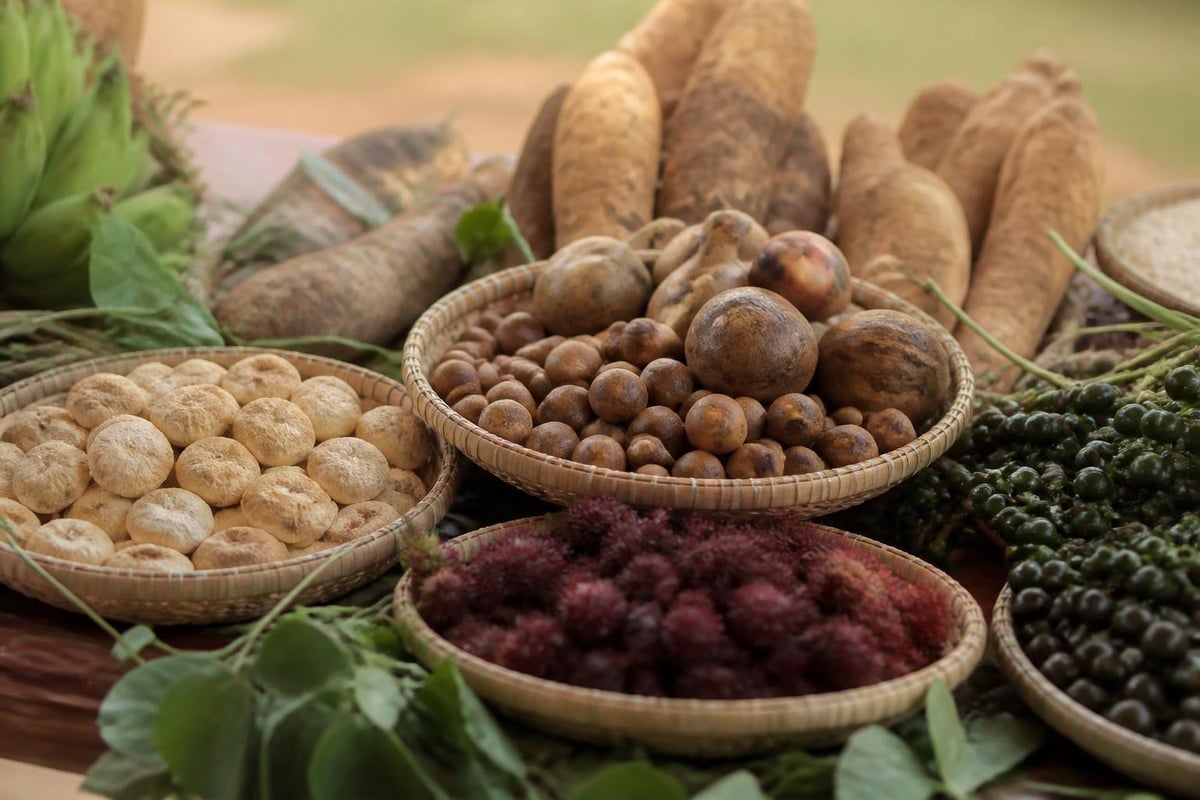
The Compendium of Forgotten Foods in Africa catalogues hundreds of indigenous species with proven nutritional value and agro-ecological benefits. These forgotten african foodstuffs offer solutions to contemporary challenges including climate change, malnutrition, and agricultural sustainability.
Rediscovering Indigenous Species
Fonio (Digitaria exilis), an ancient West African grain, delivers exceptional nutrition in crops that mature within 60-70 days. This climate-resilient cereal tolerates poor soils and erratic rainfall whilst providing gluten-free grains rich in amino acids.
Tamarind pods yield tart pulp used in beverages, condiments, and sweets throughout Africa. The trees improve soil fertility, provide shade, and produce nutritious foodstuffs with minimal inputs.
Baobab fruits contain powdered pulp exceptionally high in vitamin C, calcium, and antioxidants. This indigenous superfood gains recognition in international health food markets whilst remaining underutilised in local diets.
African eggplant varieties (Solanum species) offer bitter, nutritious fruits distinct from Asian eggplants. These vegetables contain beneficial phytochemicals and adapt well to various growing conditions.
Cultural Significance and Food Identity
African foodstuffs carry profound cultural meanings that transcend nutritional value. Specific dishes mark celebrations, lifecycle events, and seasonal transitions. For diaspora communities, these foods become especially significant as tangible connections to heritage and identity.
Ceremonial and Festive Foods
Traditional beer brewing using sorghum or millet represents important social and ceremonial functions across many African cultures. These fermented beverages bring communities together whilst supporting local grain economies.
Ugali, pap, sadza, and nsima share similar preparation methods despite different regional names. This stiff maize porridge serves as the neutral base that accompanies flavourful relishes and stews throughout Eastern and Southern Africa.
Wedding celebrations, coming-of-age ceremonies, and religious observances each feature specific african foodstuffs prepared according to traditional methods. These culinary traditions pass between generations, maintaining cultural continuity.
Nutrition and Health Considerations
Modern nutritional science increasingly validates traditional knowledge surrounding african foodstuffs. Indigenous grains, vegetables, and pulses offer superior nutrition compared to many introduced crops whilst requiring fewer agricultural inputs.
Addressing Micronutrient Deficiencies
Biofortification programmes enhance iron, zinc, and vitamin A content in staple crops like sweet potatoes, cassava, and maize. These improved varieties combat widespread micronutrient deficiencies using agronomic rather than pharmaceutical interventions.
Dietary diversity improves when households incorporate traditional african foodstuffs alongside modern staples. Mixed diets that include leafy greens, pulses, and whole grains deliver balanced nutrition supporting health across life stages.
The shift towards highly processed foods in urban Africa concerns nutritionists who recognise the superior nutritional profiles of traditional foodstuffs. Promoting indigenous crops supports both cultural heritage and public health objectives.
| Nutrient | Traditional Source | Benefit |
|---|---|---|
| Iron | Amaranth leaves, finger millet | Prevents anaemia |
| Calcium | Teff, morogo, sesame | Supports bone health |
| Vitamin A | Orange sweet potato, palm oil | Eye health, immunity |
| Protein | Bambara groundnut, cowpeas | Growth and repair |
Sustainable Agriculture and Climate Resilience
African foodstuffs demonstrate remarkable climate adaptation, having evolved across the continent's diverse ecosystems over millennia. These crops offer models for sustainable agriculture facing contemporary environmental challenges.
Drought Tolerance and Water Efficiency
Sorghum and millet require significantly less water than rice or wheat whilst delivering comparable nutritional value. Their deep root systems access soil moisture unavailable to shallow-rooted cereals, making them invaluable in semi-arid regions.
Cassava survives extended drought periods by entering dormancy, then resumes growth when rains return. This resilience ensures food security even during erratic weather patterns increasingly common under climate change.
Indigenous vegetables like amaranth and spider plant thrive with minimal irrigation, producing nutritious leaves throughout growing seasons. These efficient crops suit smallholder systems and urban agriculture initiatives.
Culinary Applications and Modern Adaptations
Contemporary chefs increasingly incorporate traditional african foodstuffs into innovative dishes that honour heritage whilst embracing modern techniques. This culinary evolution introduces these ingredients to broader audiences both within Africa and internationally.
Traditional Recipes and Contemporary Twists
Vetkoek, deep-fried dough balls, exemplify comfort food that crosses cultural boundaries within South Africa. Whether served with savoury mince or sweet toppings, vetkoek represents accessible indulgence using simple african foodstuffs.
Bobotie, the Cape Malay curry-influenced mince dish, combines African and Asian culinary traditions. Its spiced meat base topped with savoury custard showcases how african foodstuffs adapt and evolve through cultural exchange.
The iconic Peppermint Crisp tart, whilst using manufactured ingredients, demonstrates South African dessert creativity. For expatriates in New Zealand, recreating such treats requires sourcing specific products from specialist South African food stores.
Shopping for African Foodstuffs in New Zealand
South Africans living in New Zealand need reliable sources for authentic ingredients that capture the tastes of home. Online shopping provides convenient access to extensive product ranges that local supermarkets rarely stock.
Finding a comprehensive South African shop eliminates the frustration of searching multiple retailers for specific brands and products. Specialist importers understand exactly which african foodstuffs matter most to their customer base, curating selections that balance popularity with authenticity.
Shipping considerations matter when ordering groceries online, particularly for items sensitive to temperature or transit time. Reputable South African food stores in New Zealand offer reliable delivery services that maintain product quality from warehouse to doorstep.
Building Community Through Food
Food naturally brings people together, and african foodstuffs serve this connective function especially powerfully within diaspora communities. Sharing traditional meals recreates the warmth and fellowship of home whilst introducing New Zealand-born family members to their cultural heritage.
Social Gatherings and Food Traditions
Braais (barbecues) represent quintessential South African social occasions centred around grilled meats and outdoor cooking. These gatherings maintain social bonds amongst expatriate communities whilst showcasing South African food culture to Kiwi friends and neighbours.
Potjiekos cooking creates opportunities for slow-food celebrations where meal preparation becomes part of the entertainment. The layered cooking method allows diverse african foodstuffs to meld into complex, satisfying dishes.
Sports viewing parties, particularly during rugby matches, feature traditional South African snacks and finger foods. These occasions combine cultural pride with culinary nostalgia, reinforcing identity through shared food experiences.
Preserving Culinary Heritage
Documentation and transmission of traditional food knowledge ensures african foodstuffs remain relevant to future generations. Recipe collections, cooking demonstrations, and cultural education all contribute to preserving these vital aspects of heritage.
Families living abroad face particular challenges maintaining food traditions without extended family networks and familiar retail environments. Intentional effort to source authentic ingredients and teach traditional cooking methods becomes essential for cultural continuity.
Digital resources including blogs, videos, and online communities help expatriates share recipes, troubleshoot ingredient substitutions, and support one another in maintaining culinary connections to home. These platforms complement physical access to african foodstuffs through specialist retailers.
Quality and Authenticity Standards
When purchasing african foodstuffs internationally, quality and authenticity matter enormously. Products should match the tastes and textures remembered from home, not disappointing approximations that fail to satisfy nostalgic cravings.
Reputable South African food stores prioritise authentic brands and fresh stock rotation. Understanding best before dates and proper storage ensures customers receive products at peak quality.
Product selection reflects understanding of customer preferences. Successful retailers stock diverse brands and varieties, recognising that regional preferences and family traditions influence purchasing decisions. A warehouse offering 2,500+ South African products demonstrates commitment to comprehensive selection rather than token representation.
African foodstuffs represent far more than agricultural commodities; they embody cultural identity, nutritional wisdom, and sustainable agricultural practices developed over millennia. For South Africans in New Zealand, maintaining access to these familiar ingredients preserves vital connections to heritage and home. Whether you're seeking traditional ingredients for authentic recipes or introducing family to South African food culture, Something From Home provides the comprehensive selection and reliable service that makes every meal a taste of home.