
7 Ways the African Market Is Shaping Global Trends in 2026
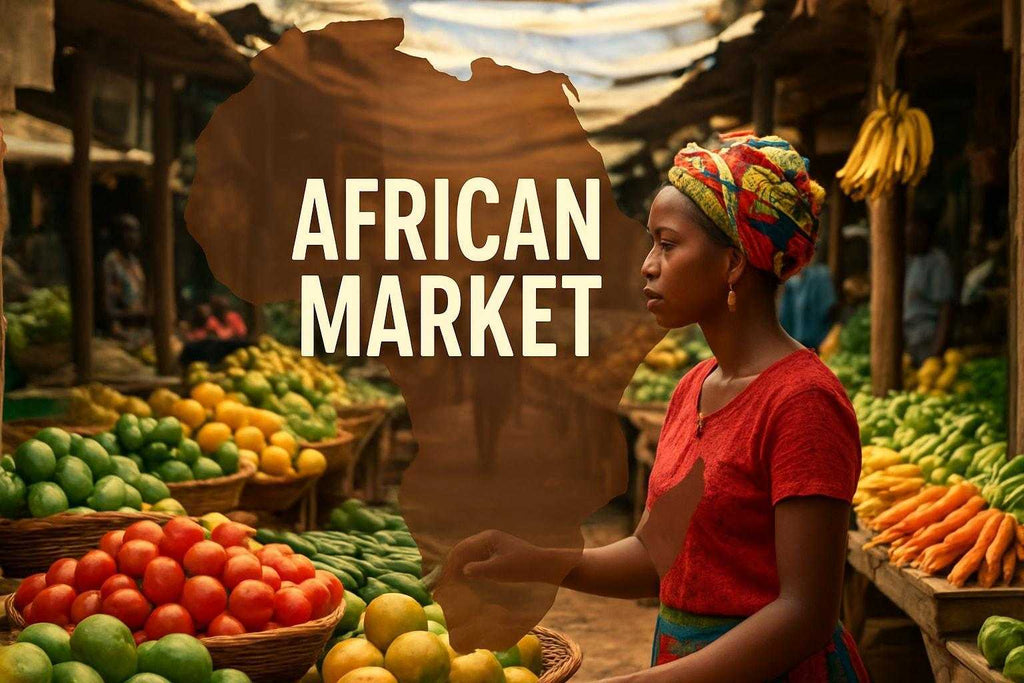
Africa’s influence on global trends is surging in 2026, capturing the world’s attention across innovation, culture, and commerce. As the african market expands, it is driving change and shaping the direction of key industries worldwide.
This article explores how Africa’s dynamic population, creativity, and digital transformation are positioning the continent as a global trendsetter. From fashion and fintech to music and health tech, discover seven powerful ways Africa is setting the pace for international trends.
Are you ready to see how Africa’s bold ideas are inspiring the world? Let’s dive in.
The Rise of Africa as a Global Trendsetter
Africa stands at the forefront of global change, rapidly transforming industries and shaping the future of commerce, technology, and culture. The african market is not only growing but also setting the pace for innovation worldwide. As we look to 2026, Africa’s influence continues to expand, making it a key driver in the global landscape.
Africa’s Economic and Demographic Growth
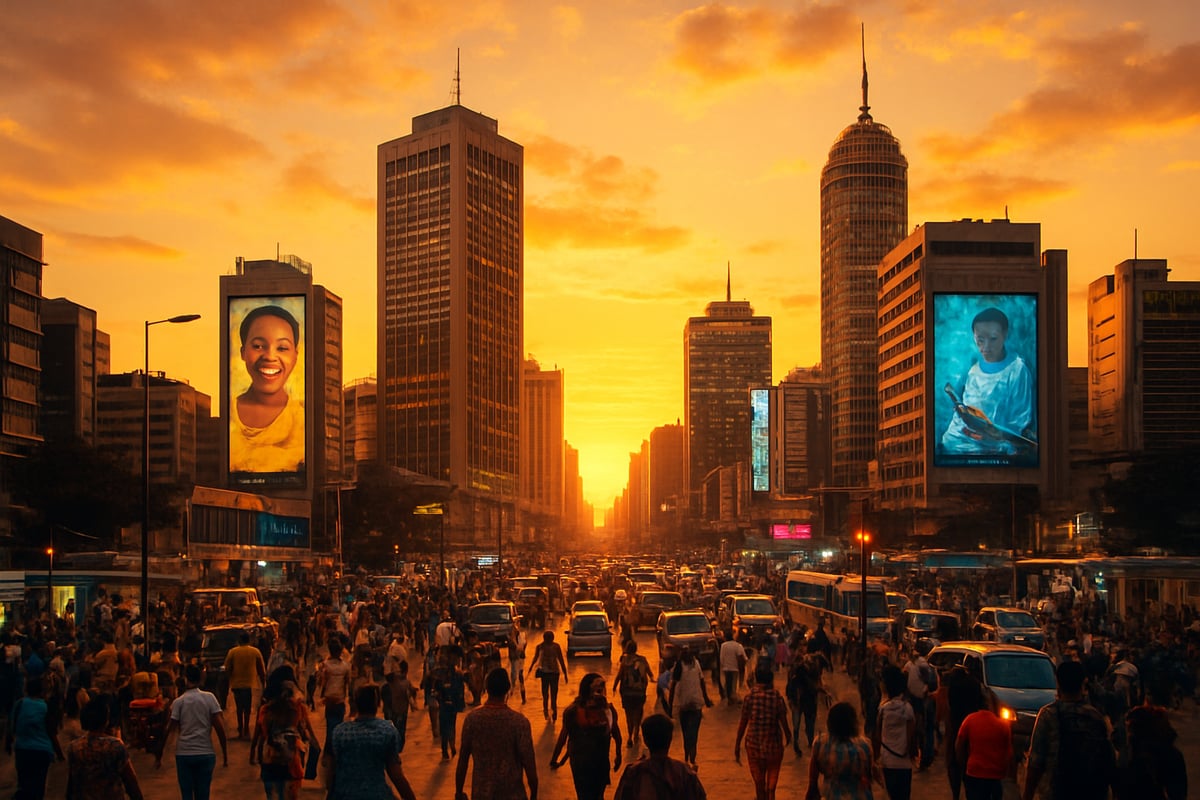
Africa’s population is surging, projected to reach 1.5 billion by 2026. This growth is coupled with a rapidly expanding middle class, leading to a notable rise in consumer spending power. Cities such as Lagos, Nairobi, and Johannesburg have become innovation hotspots, attracting both local entrepreneurs and global investors.
Urbanisation rates are climbing, transforming rural communities into urban economies. The african market is experiencing increased foreign direct investment, as multinational companies recognise the continent’s potential. Global brands now tailor their products to suit African consumers, reflecting a shift in international business strategies.
Africa’s youthful population is another key factor. With a median age under 20, young people are driving digital adoption and shaping modern consumption patterns. This demographic advantage fuels creativity, entrepreneurship, and demand for new services.
According to Africa's economic growth projections, several African economies are outpacing global GDP averages, underscoring the continent’s economic dynamism. As the african market becomes more influential, it sets new benchmarks for innovation and business growth.
Digital Transformation and Mobile-First Innovation
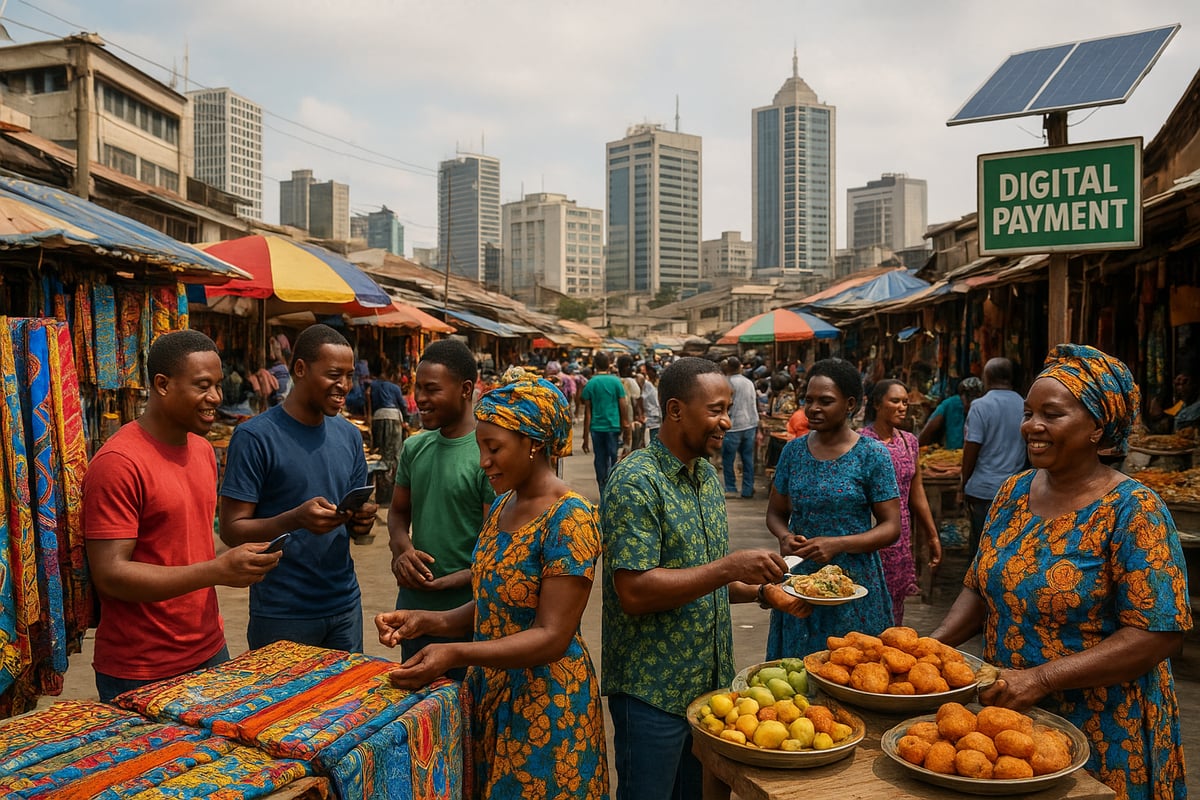
Africa’s digital transformation is rewriting the rules for emerging markets. Many countries have leapfrogged legacy infrastructure, opting instead for advanced mobile technologies. Mobile penetration rates are among the highest worldwide, and the african market leads in mobile payments and digital finance adoption.
Innovative fintech solutions such as M-Pesa and Flutterwave have revolutionised how people access banking and financial services. These platforms enable millions to participate in the economy, even in remote areas, and their success stories inspire global fintech models.
Social media usage is booming, with influencers and creators shaping trends that reach far beyond the continent. The african market has become a testbed for digital commerce, where brands experiment with new engagement strategies and mobile-first campaigns.
Statistics show that more than half of internet users in Africa utilise mobile payment methods, highlighting the region’s role as a digital pioneer. As these innovations spread, the african market continues to influence global standards for convenience, inclusivity, and connectivity.
7 Ways the African Market Is Shaping Global Trends in 2026
Africa’s influence on global trends is accelerating rapidly as the african market grows more dynamic and interconnected. From fashion runways in Paris to fintech platforms in Silicon Valley, innovations originating in Africa are shaping the way the world does business, consumes culture, and adopts technology.
Below, we explore seven transformative ways the african market is setting the pace for global industries in 2026.
1. Driving Sustainable Fashion and Ethical Sourcing
The african market has emerged as a powerhouse in the global fashion industry, blending heritage with innovation. African designers are gaining prominence at international events, and their creations now influence major brands worldwide.
Demand for ethically sourced materials such as kente and Ankara fabrics is surging. Major fashion houses are collaborating with African artisans to ensure eco-friendly sourcing. This shift is reshaping supply chains and encouraging more brands to adopt fair trade practices.
- African Fashion Week events in cities like London and New York spotlight designers who prioritise sustainability.
- International retailers now stock African-inspired prints, increasing the market value of exports from the continent.
- Notable brands like Maxhosa Africa and Lisa Folawiyo have achieved international acclaim for their unique aesthetics.
According to recent data, the market value of African fashion exports has climbed steadily, with projections exceeding $15 billion by 2026. This growth is not just economic; it is driving a global movement toward ethical consumerism. The african market’s commitment to fair wages and traditional craftsmanship is influencing purchasing decisions far beyond the continent.
As a result, African brands are setting the standard for transparency and integrity in fashion, inspiring a more responsible industry worldwide.
2. Revolutionising Digital Finance and Mobile Payments
The african market leads the world in digital finance innovation, pioneering mobile payment solutions that have set new benchmarks for inclusion and convenience. Platforms like M-Pesa, Paga, and MTN Mobile Money allow millions to access financial services without traditional banking infrastructure.
Mobile penetration rates are exceptionally high, with over 60 percent of Africans using mobile banking or payment apps. This has enabled the african market to leapfrog older technologies, inspiring fintech models in Asia, Europe, and beyond.
- Mobile money systems facilitate cross-border payments and remittance flows, supporting families and businesses globally.
- Western banks are now adopting African payment technologies to reach unbanked populations.
- The volume of mobile transactions in Africa rivals, and often surpasses, that of other regions.
For up-to-date statistics on this trend, see Africa's mobile payment adoption statistics.
African fintech startups like Flutterwave are expanding internationally, bringing innovative solutions to new markets. The african market’s leadership in digital finance is making secure, instant transactions a global norm.
This transformation is not only revolutionising commerce in Africa but also providing a blueprint for financial inclusion worldwide.
3. Setting Trends in Urban Food and Beverage Culture
The african market’s culinary scene is captivating global taste buds, with African cuisine and beverages becoming staples in major cities. Dishes like jollof rice, injera, and biltong are now featured in restaurants from New York to Sydney.
Urban food markets and pop-ups introduce African flavours to diverse audiences. The african market has also popularised superfoods such as moringa and baobab, aligning with the global shift toward plant-based diets.
- Collaboration between African chefs and international restaurants is elevating traditional recipes.
- African beverages like rooibos tea and craft beers are gaining recognition for their unique profiles.
- African food exports and restaurant openings are growing steadily, reflecting rising demand.
These trends have enhanced multicultural dining experiences and encouraged more people to explore African-inspired menus. The african market’s influence in food and beverage is fostering a greater appreciation for diversity and authenticity in global gastronomy.
4. Innovating in Renewable Energy and Off-Grid Solutions
The african market is pioneering renewable energy adoption, particularly in solar and off-grid technologies. With limited access to traditional energy infrastructure in many regions, African innovators have developed scalable solutions that are now being adopted globally.
Companies like M-KOPA Solar and d.light provide affordable solar power to millions, empowering rural communities and reducing reliance on fossil fuels. Community microgrids are further expanding access to clean energy.
- Partnerships with international energy firms have accelerated technology transfer.
- Over 10 percent of African households now use renewable energy, a figure that is rapidly increasing.
- African innovations are exported to Asia, Latin America, and other emerging markets.
These advancements are helping the world move closer to achieving the UN Sustainable Development Goals. The african market’s leadership in renewable energy is transforming global models for sustainability and energy access.
By 2026, Africa’s expertise in off-grid solutions will continue to inspire innovation in other regions, making clean energy more accessible worldwide.
5. Influencing Global Music, Film, and Pop Culture
The african market has become a cultural powerhouse, with African music, film, and pop culture resonating globally. Genres such as Afrobeats and Amapiano dominate international charts and streaming platforms.
Nollywood, Nigeria’s film industry, is now one of the world’s largest, producing content that attracts millions of viewers across continents. African artists regularly collaborate with international stars, further expanding their reach.
- Cultural festivals in cities like London and Paris celebrate African creativity.
- Streaming numbers for African music have quadrupled over the past five years.
- African celebrities, including Burna Boy and Sho Madjozi, have become global influencers in fashion and dance.
This cultural wave is driving new trends in youth culture, fashion, and entertainment. The african market’s creative industries are not only shaping tastes but also redefining narratives and representation on the world stage.
6. Shaping E-Commerce and Cross-Border Retail
The african market is experiencing a boom in e-commerce, with platforms like Jumia, Takealot, and Kilimall transforming how people shop. This digital revolution is introducing innovative logistics and last-mile delivery solutions, many of which are being studied and adopted by global companies.
Cross-border shopping is on the rise, fuelled by diaspora demand for African products and increased digital wallet adoption. International brands are partnering with African marketplaces to tap into this growing consumer base.
- E-commerce growth rates in Africa outpace many other regions.
- Demographics show a youthful, tech-savvy customer base driving online retail.
- New payment methods are making it easier for customers to access goods across borders.
Challenges remain, such as regulatory hurdles and infrastructure gaps, but the african market’s rapid digital transformation is opening new opportunities for cross-border trade.
As e-commerce matures, Africa’s innovative retail models will continue to influence global commerce and supply chain strategies.
7. Pioneering Health Tech and Telemedicine Solutions
The african market is at the forefront of health tech innovation, developing solutions for both urban and remote populations. Mobile health services and telemedicine platforms have bridged critical gaps in healthcare delivery.
Startups like mPharma, Zipline (using drones for medical deliveries), and Hello Doctor are revolutionising access to care, especially in underserved areas. The african market’s health tech sector collaborates with global health organisations to scale these solutions.
- Telemedicine adoption rates are rising, leading to improved patient outcomes.
- African innovations are being exported to other emerging markets, offering valuable lessons in efficiency and reach.
- The continent played a vital role in pandemic response and vaccine distribution, demonstrating agility and resilience.
These advancements are influencing global healthcare models, making quality care more accessible and affordable. The african market’s commitment to health innovation is setting new standards for the industry worldwide.
The African Diaspora: Amplifying Global Influence
Across the globe, the African diaspora is a driving force in amplifying the reach and influence of the african market. From New Zealand and Australia to Europe and North America, African communities are shaping global tastes, business models, and cultural experiences. Their presence not only introduces authentic products and traditions but also accelerates demand for African innovations on the world stage.
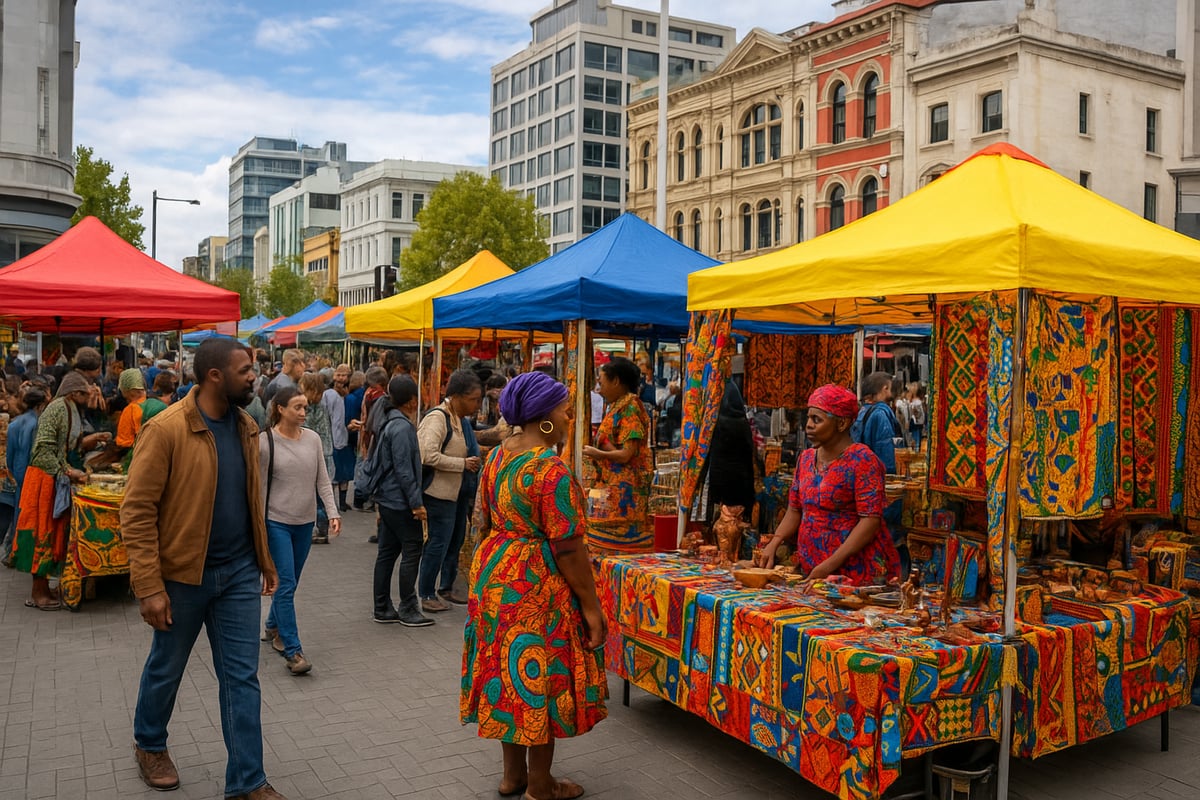
African-owned businesses and entrepreneurs are at the heart of this transformation. They launch restaurants, grocery stores, and online shops that bring the flavours and vibrancy of the african market to new audiences. In cities like Auckland and Sydney, community markets and African food festivals have become annual highlights, attracting locals eager to experience unique dishes, music, and crafts. For Kiwis seeking authentic products, finding South African shop locations in NZ is now easier than ever, reflecting the growing footprint of the african market.
The influence of the diaspora extends beyond retail. Cultural events, music concerts, and art exhibitions promote African creativity and foster cross-cultural exchange. The economic impact is equally significant, with remittances sent home supporting families and funding new ventures. Many diaspora entrepreneurs use their global perspective to launch cross-border businesses, connecting local demand with African suppliers. If you are searching for authentic ingredients or specialities, the demand for South African groceries in New Zealand highlights just how integrated the african market has become in everyday life abroad.
As we look ahead, the African diaspora will continue to serve as a catalyst for the african market’s expansion. Their entrepreneurial spirit, cultural pride, and commitment to community are set to drive even greater global influence in the years to come.
Challenges and Opportunities Ahead for Africa’s Global Impact
Africa is rapidly emerging as a force in shaping worldwide trends, but the journey is not without obstacles. The african market faces several key challenges that could slow its momentum.
One major hurdle is infrastructure. Many regions still lack reliable roads, electricity, and digital connectivity, making it harder for businesses to scale. Regulatory barriers and inconsistent policies can deter investment and stifle innovation. Access to capital is another common challenge, especially for startups and small enterprises eager to compete on a global stage.
Despite these issues, opportunities abound. The african market is primed for breakthroughs in technology, renewable energy, and creative sectors. With initiatives focused on sustainability and digital transformation, Africa is positioned to influence global models. The continent’s youthful population is a powerful driver for innovation, underscoring the importance of education and upskilling to prepare for future industries.
International partnerships and cross-border collaborations are vital. By working with global investors and sharing best practices, Africa can accelerate growth. Economic forecasts are optimistic, with Africa's fastest-growing economies in 2026 expected to lead new waves of expansion. As Africa continues to overcome barriers, its influence on global trends is set to grow well beyond 2026.
As we’ve explored, Africa’s influence is reshaping everything from food to fashion, technology, and beyond, making its mark on global trends in 2026. If you’re inspired by the innovative spirit and rich flavours highlighted in this article, why not bring a taste of South Africa into your own home? You’ll find the largest selection of authentic favourites, from beloved snacks to cherished staples, ready to be delivered across New Zealand and Australia. Discover the unique products that so many around the world are embracing—View product range and experience the essence of Africa for yourself.