African Shop: Your Guide to Authentic Products in NZ
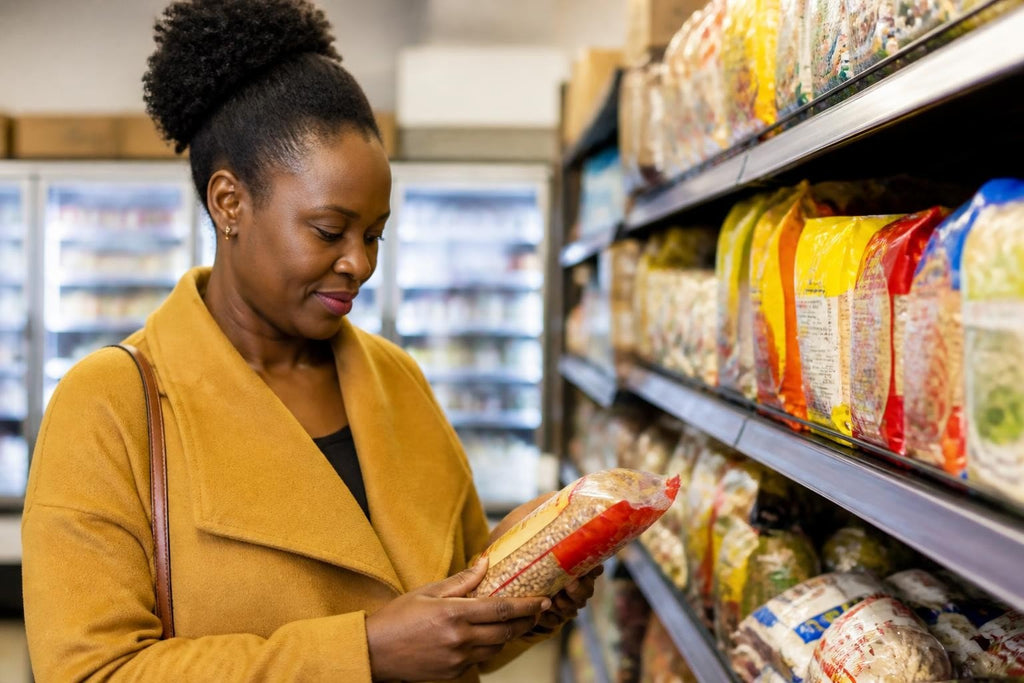
Living abroad creates a unique longing for the tastes, smells, and products that remind us of home. For South Africans and other African communities in New Zealand, finding an african shop that stocks authentic groceries, snacks, and cultural staples becomes more than just shopping-it's about maintaining connection to heritage and identity. These specialty stores serve as cultural hubs where expats can find everything from beloved childhood treats to essential cooking ingredients that simply aren't available in mainstream supermarkets.
Understanding the African Shop Landscape
An african shop differs significantly from standard grocery retailers by focusing on products that cater specifically to African communities living abroad. These establishments curate their inventory based on customer demand, cultural relevance, and the authentic taste profiles that resonate with African diaspora populations.
The retail landscape for African products has evolved considerably over recent years. While traditional markets remain central to African retail culture, international african shop locations have adapted to serve expats through both physical stores and online platforms. This transformation mirrors broader changes in how African communities access familiar products regardless of their geographic location.
What Defines an Authentic African Shop
Several key characteristics distinguish a genuine african shop from general international food retailers:
- Extensive product range spanning multiple African countries and regions
- Authentic brands that locals recognize and trust from their home countries
- Cultural knowledge from staff who understand product usage and preparation
- Regular stock updates to include new releases and seasonal items
- Community connection serving as gathering points for cultural exchange
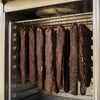
The importance of authenticity cannot be overstated. South Africans in New Zealand, for instance, don't just want any biltong-they want the specific brands they grew up with, prepared according to traditional methods.
The South African Shop Experience in New Zealand
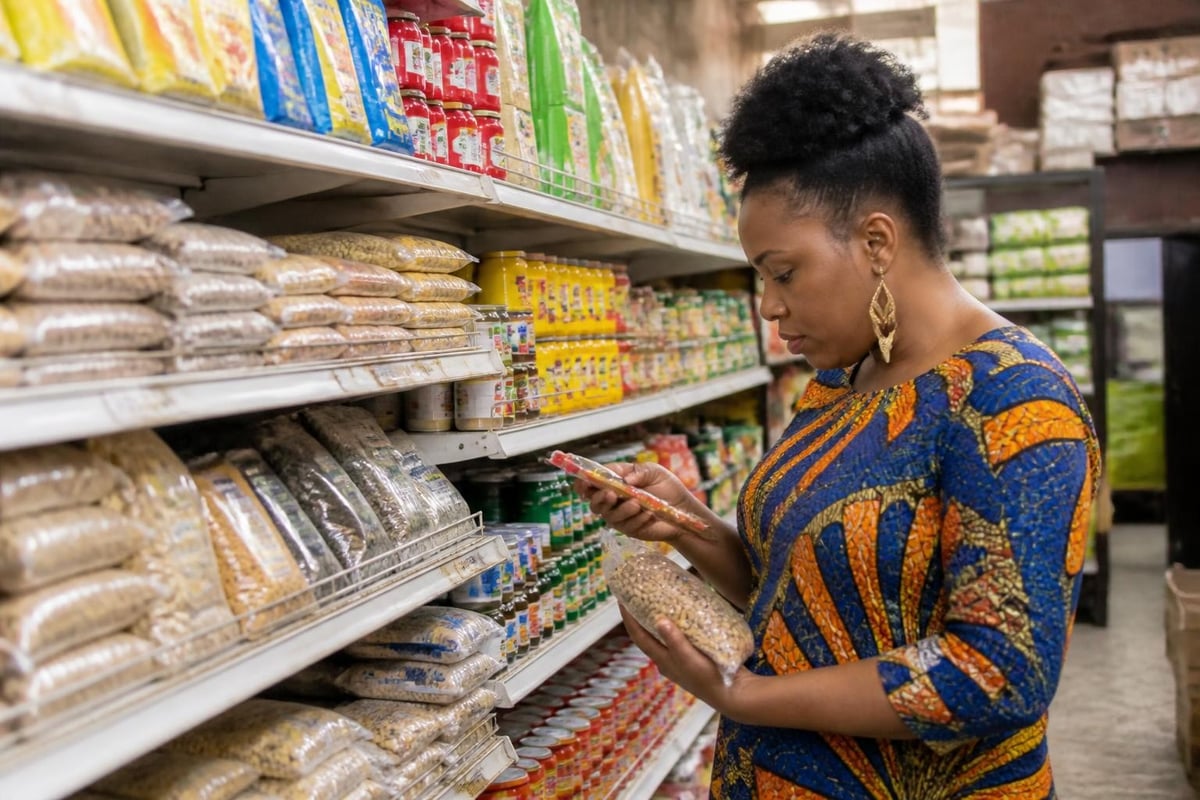
For South African expats in New Zealand, specialized retailers like Something From Home have become indispensable resources. These shops understand that certain products carry emotional significance far beyond their practical purpose.
Why South Africans Seek Familiar Products:
South African food culture is distinctive, shaped by diverse influences including indigenous traditions, Dutch heritage, Indian spices, and Malay cooking techniques. When South Africans relocate to New Zealand, they discover that many staple items simply don't exist in local supermarkets.
Common products sought in a South African african shop include:
- Mrs Ball's Chutney for that essential sweet-tangy flavor
- Ouma Rusks for morning coffee dunking rituals
- Aromat seasoning that defines South African home cooking
- Simba chips in flavors unavailable elsewhere
- Biltong and droëwors prepared according to traditional recipes
Something From Home stocks more than 2,200 South African groceries, making it one of New Zealand's most comprehensive african shop options for expat South Africans.
Cultural Significance of Food from Home
Food serves as a powerful cultural anchor. The smell of koeksisters or the taste of peppermint crisp can instantly transport someone back to childhood memories in Johannesburg or Cape Town. This emotional connection drives the demand for authentic african shop experiences.
Research shows that diaspora communities actively seek products that reinforce cultural identity. For South Africans, this might mean hosting a proper braai with authentic braai spices and equipment, complete with boerewors and Mrs Ball's Chutney potato salad.
Product Categories You'll Find
A well-stocked african shop organizes products to help customers quickly locate what they need while also discovering new items that might interest them.
| Category | Examples | Cultural Significance |
|---|---|---|
| Snacks & Treats | Biltong, droëwors, rusks, chips | Daily comfort foods and traditional preserved meats |
| Cooking Staples | Spices, sauces, condiments, flour | Essential ingredients for authentic home cooking |
| Beverages | Rooibos tea, specific soft drinks | Familiar tastes and traditional drinks |
| Baking Supplies | Specialty flours, cake mixes, decorations | Enables traditional baking and celebrations |
| Personal Care | Specific brands unavailable locally | Trusted products from home |
The biscuits and rusks collection at specialized South African retailers demonstrates the breadth of product variety that matters to customers. It's not just about having biscuits-it's about having the exact tennis biscuits or Marie biscuits that taste right.
Seasonal and Special Occasion Products
An african shop that truly understands its customer base stocks items for cultural celebrations and holidays. South Africans might need specific ingredients for Heritage Day celebrations, Christmas traditions that differ from Kiwi customs, or products associated with rugby match gatherings.
The retail sector serving African diaspora communities has learned to anticipate these needs. Trends in African retail show increasing sophistication in understanding consumer behavior and cultural purchasing patterns.
Shopping Online vs. Physical Stores
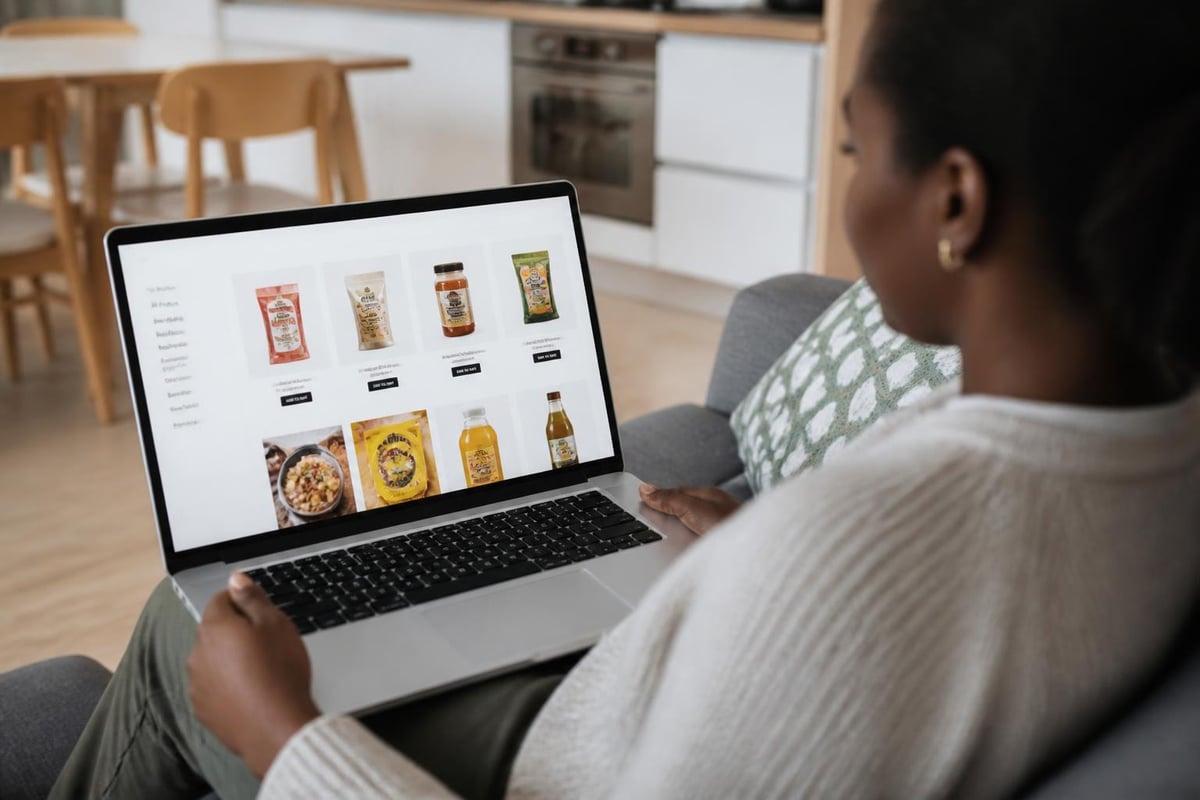
The modern african shop experience extends well beyond physical retail locations. Online shopping has revolutionized how African communities access authentic products, particularly in countries like New Zealand where African populations may be geographically dispersed.
Advantages of Online African Shop Platforms:
- Access from anywhere in New Zealand, including rural areas
- Broader product selection without physical space constraints
- Detailed product descriptions and preparation suggestions
- Home delivery eliminating transport challenges
- Regular email updates about new stock arrivals
Something From Home operates as both a warehouse and online platform, recognizing that many South African expats prefer browsing their full catalogue from home before placing orders.
The Physical Store Experience
Despite online convenience, physical african shop locations offer distinct advantages. Walking into a store stocked with familiar brands creates an immediate emotional response. The ability to examine products, ask staff questions, and discover items you hadn't specifically searched for online adds value.
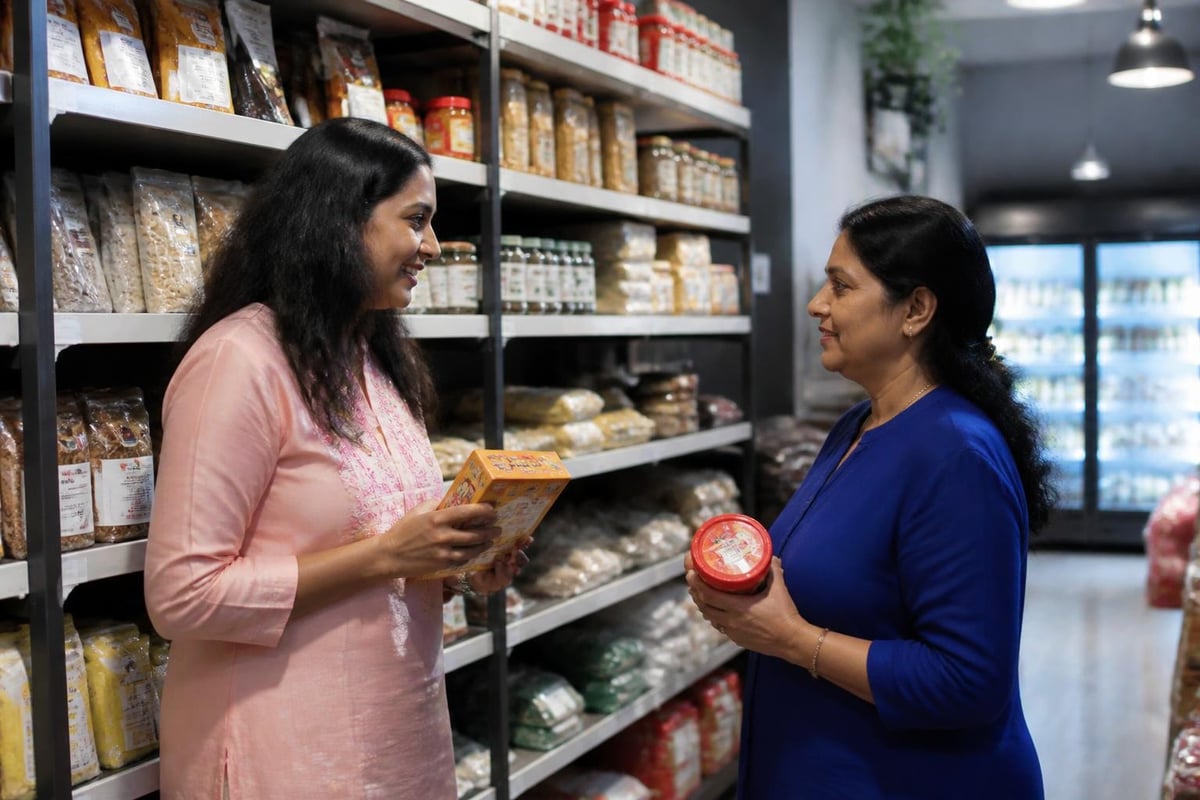
Physical stores also serve as community gathering points. Customers often share recipes, swap stories about home, and build connections with others from their home country or region.
Quality and Authenticity Considerations
Not all retailers claiming to be an african shop maintain the same standards. Discerning customers look for several quality indicators when choosing where to purchase their cultural staples.
Authenticity Markers
Genuine african shop retailers demonstrate:
- Direct relationships with manufacturers and authorized distributors
- Proper importation and food safety compliance
- Correct labeling and expiration date management
- Product knowledge extending beyond basic descriptions
- Customer service from people familiar with the products
The rise of African multi-brand retailers in various sectors shows growing sophistication in how African products reach global markets. This professionalization benefits customers through improved quality assurance and authentic sourcing.
Price Considerations
Import costs mean that products at an african shop typically cost more than locally produced alternatives. However, customers willingly pay premium prices for authentic items because substitutes simply don't satisfy the same need.
| Cost Factor | Impact on Pricing | Customer Perspective |
|---|---|---|
| Import shipping | 15-30% of retail cost | Acceptable for authentic products |
| Small volume orders | Higher per-unit costs | Worth it for hard-to-find items |
| Currency fluctuations | Price variability | Understood as necessary |
| Customs and compliance | Additional overhead | Expected for imported goods |
Transparent pricing builds trust. Quality african shop operators explain cost structures and work to offer competitive prices while maintaining product authenticity.
The Business Side of African Retail
Operating an african shop requires specialized knowledge beyond standard retail management. Understanding cultural nuances, maintaining supply chains across continents, and navigating import regulations demand expertise.
Supply Chain Complexities
Sourcing authentic African products for New Zealand customers involves coordinating with manufacturers, distributors, and shipping partners across multiple countries. Africa's retail infrastructure continues evolving, with technology playing an increasing role in connecting retailers with authentic product sources.
Key operational challenges include:
- Maintaining consistent stock levels despite international shipping delays
- Managing perishable items with appropriate storage and rotation
- Navigating customs regulations for food imports
- Balancing inventory investment against customer demand
- Adapting to currency exchange rate fluctuations
Successful african shop operators develop robust systems to handle these complexities while keeping customers informed about stock availability and expected delivery timeframes.
Customer Service Excellence
The relationship between an african shop and its customers extends beyond transactional exchanges. Many customers view their preferred retailer as a lifeline to cultural identity, making customer service particularly important.
Excellence in this sector means understanding that a customer asking about a specific product might be seeking something for a cherished family recipe or a childhood favorite. Staff knowledge about product usage, preparation methods, and cultural context adds significant value.
Building Community Through Retail
The best african shop locations become more than commerce platforms-they evolve into community hubs. This social dimension distinguishes specialty ethnic retailers from mainstream grocery stores.
Community-Building Activities:
- Sharing recipes and cooking tips through blogs and social media
- Hosting cultural events or sponsoring community gatherings
- Creating customer groups for sharing product recommendations
- Facilitating connections among expats from similar regions
- Supporting cultural organizations and initiatives
For South Africans in New Zealand, finding others who appreciate biltong and braai culture creates valuable social connections. An african shop that facilitates these connections provides value beyond its product offerings.
Digital Community Engagement
Modern african shop operators leverage digital platforms to build community. Social media channels showcase new products, share customer stories, and create spaces for cultural exchange. Email newsletters keep customers informed while reinforcing the sense of belonging to a community that understands shared cultural references.
The transformation of retail through digital channels, particularly in African markets, demonstrates how technology enables community building even when customers are geographically dispersed.
Finding the Right African Shop for Your Needs
Selecting an african shop depends on several factors including product range, reliability, pricing, and customer service. South Africans in New Zealand should consider what matters most to them personally.
Evaluation Criteria
When assessing potential african shop options, consider:
- Product selection breadth - Does the store stock your essential items plus variety?
- Stock reliability - Are favorite products consistently available?
- Delivery options - Can they ship to your location efficiently?
- Customer communication - How do they handle queries and issues?
- Community reputation - What do other customers say about their experience?
Something From Home has built its reputation by addressing each of these criteria, maintaining an extensive inventory that serves as a comprehensive South African food store for the New Zealand market.
Making the Most of Your Shopping Experience
Maximize value from your african shop relationship by:
- Signing up for notifications about new products and specials
- Exploring beyond your usual purchases to discover new favorites
- Sharing feedback about products you'd like to see stocked
- Following the retailer's recipe suggestions and usage tips
- Connecting with other customers through community channels
Regular customers often develop relationships with staff who remember their preferences and can suggest products they might enjoy based on previous purchases.
The Future of African Retail Abroad
The african shop sector continues evolving as technology advances and diaspora communities grow. Several trends are shaping how these retailers operate and serve their customers.
Emerging Developments:
- Enhanced online platforms with improved product search and recommendations
- Subscription services delivering regular shipments of staple items
- Expanded product ranges including fresh and frozen options
- Partnership networks enabling faster international shipping
- Digital payment options accommodating multiple currencies
Cultural and contextual intelligence becomes increasingly important as retailers use technology to better serve their communities. Understanding not just what products customers want, but why they want them and how they use them, enables superior service.
Sustainability and Ethical Sourcing
Modern consumers, including those shopping at an african shop, increasingly value sustainability and ethical business practices. Forward-thinking retailers address these concerns through transparent sourcing, reduced packaging waste, and support for fair-trade products where available.
The balance between maintaining affordability and implementing sustainable practices presents challenges for specialty importers, but customer demand is driving gradual improvements across the sector.
An african shop serves as far more than a simple retail outlet-it's a cultural bridge connecting diaspora communities with their heritage through authentic products and shared experiences. For South Africans in New Zealand seeking familiar tastes and trusted brands, specialized retailers provide essential services that mainstream stores cannot replicate. Whether you're looking for your favorite childhood snacks, essential cooking ingredients, or items for cultural celebrations, Something From Home offers a comprehensive range of authentic South African products delivered throughout New Zealand.