
South African Warehouse & Food Storage in NZ | 2026
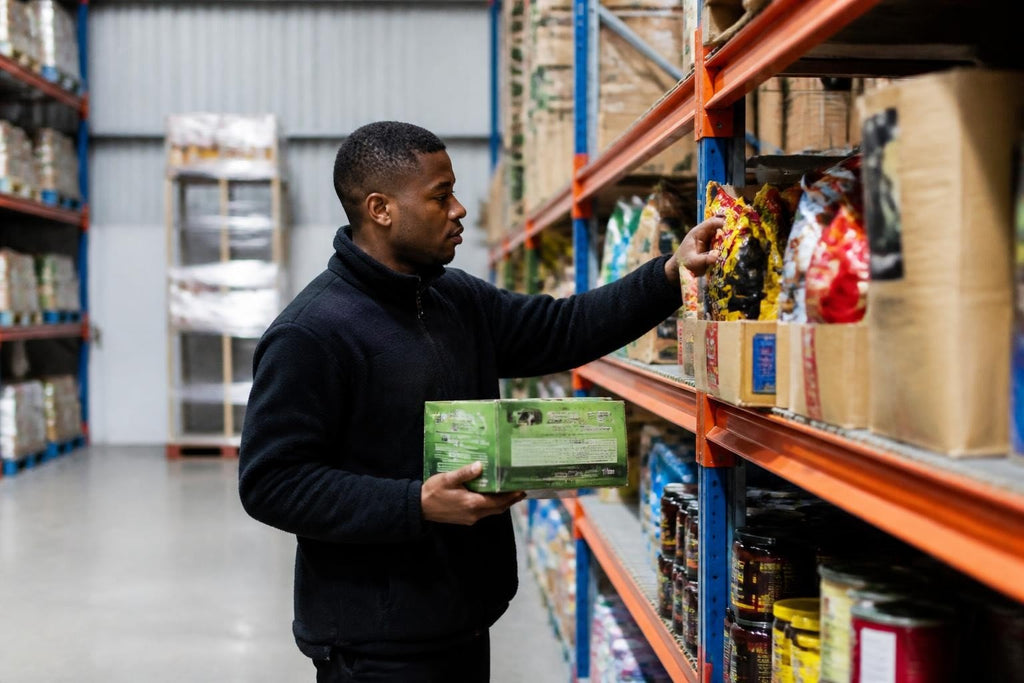
The South African warehouse sector has experienced remarkable transformation over the past decade, driven by e-commerce growth, evolving consumer demands, and sophisticated logistics requirements. For South Africans living abroad, particularly in New Zealand, understanding how warehouse operations connect to the availability of authentic products reveals the complex supply chain that brings a taste of home across the globe. The modern south african warehouse represents more than just storage space; it's a critical link in preserving food quality, managing diverse product ranges, and ensuring that familiar favourites reach distant markets efficiently.
The Evolution of Warehouse Operations in South Africa
South Africa's warehousing industry has undergone significant expansion in recent years. According to industry analysis, warehouse occupancy across Africa reached 83% in the first half of 2025, with South Africa serving as a pivotal hub for the continent's logistics network. This growth stems from multiple factors:
- E-commerce expansion driving demand for distribution centres
- Cold-chain infrastructure development for perishable goods
- Advanced automation technologies improving efficiency
- Strategic geographic positioning for regional distribution
The south african warehouse landscape now supports a sophisticated network of storage facilities, from ambient temperature units for shelf-stable products to specialized cold storage for items requiring climate control.
Technology and Automation
The South African warehouse automation market is projected to reach $2,010 million by 2031, reflecting the industry's commitment to modernisation. Warehouse management systems (WMS) now direct workflows with precision, enabling facilities to handle higher volumes whilst maintaining accuracy. These technological advancements ensure that products move efficiently through the supply chain, from manufacturers to international distributors.
Storage Challenges and Solutions for South African Products
Managing a diverse inventory of South African groceries presents unique challenges that require specialized warehouse solutions. Temperature-sensitive items like biltong, dairy products, and chocolate require careful climate control to maintain quality during storage and international shipping.
Product Categories and Storage Requirements
Different South African products demand specific warehousing approaches:
| Product Category | Storage Requirements | Special Considerations |
|---|---|---|
| Dried meats (biltong, droëwors) | Cool, dry conditions | Humidity control essential |
| Chocolate and confectionery | Climate-controlled | Temperature stability prevents blooming |
| Tinned goods and preserves | Ambient temperature | Rotation systems for freshness |
| Spices and seasonings | Dry storage | Protection from moisture |
| Rusks and baked goods | Ambient, sealed | Prevention of staleness |
Effective warehouse operations implement best practices for high-volume operations, including ABC-velocity slotting that places fast-moving items in easily accessible locations. This proves particularly valuable when managing popular South African snacks that experience consistent demand from expatriate communities.
Quality Preservation During Transit
The journey from a south african warehouse to New Zealand spans thousands of kilometres and multiple climate zones. Maintaining product integrity requires:
Proper packaging protocols that protect against humidity, temperature fluctuations, and physical damage during handling. Vacuum-sealed products maintain freshness, whilst sturdy outer packaging prevents crushing.
Strategic inventory rotation ensures customers receive products with optimal shelf life remaining. First-in, first-out (FIFO) systems prevent stock from aging unnecessarily in storage.
Documentation and tracking allows precise monitoring of shipment conditions and delivery timelines, critical for perishable items.
The South African Warehouse Connection to New Zealand
South Africans living in New Zealand often seek familiar products that evoke memories of home. The connection between warehouse operations in South Africa and retail availability in New Zealand involves multiple stakeholders and careful coordination. Importers must navigate customs requirements, food safety regulations, and shipping logistics to bring authentic products to the New Zealand market.
Supply Chain Complexity
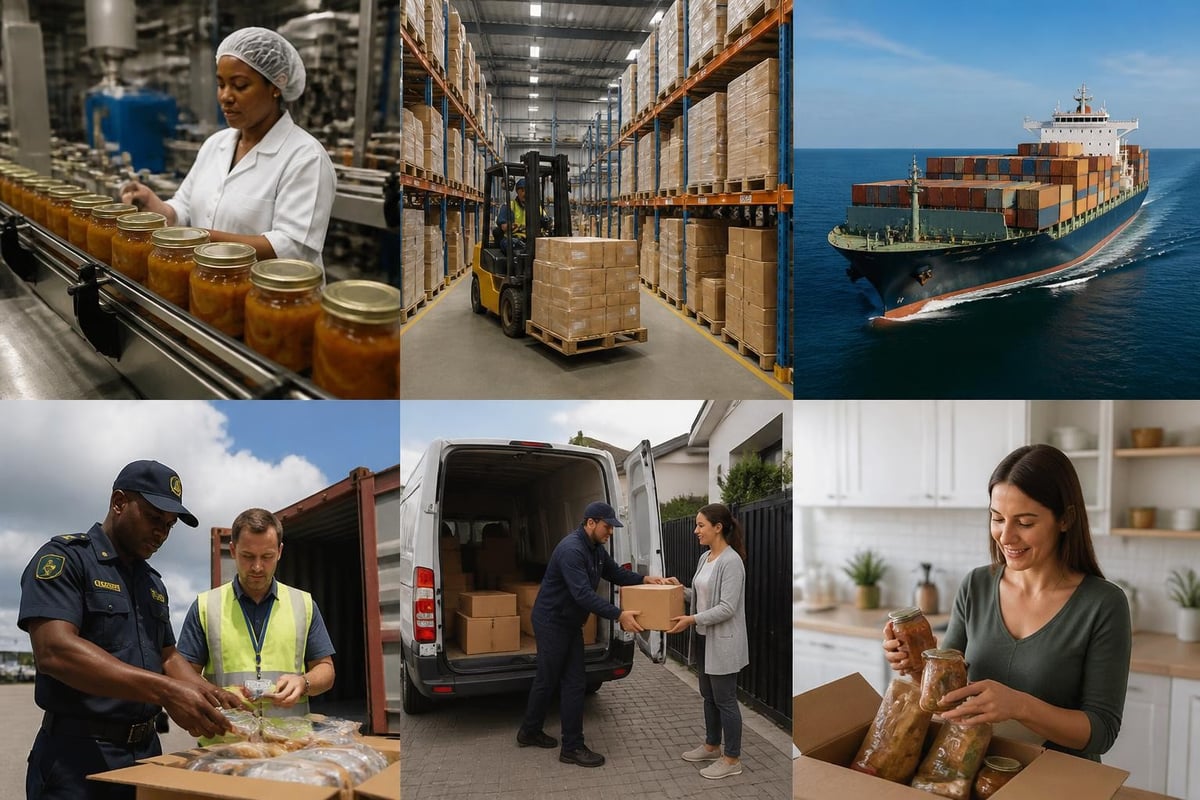
The typical pathway includes:
- Manufacturers producing goods across South Africa
- Consolidation warehouses aggregating products from multiple suppliers
- International freight via sea or air transport
- New Zealand importers clearing customs and managing local distribution
- Retail warehouses storing products for consumer purchase
- Direct-to-consumer delivery completing the final mile
Something From Home operates as a South African shop that manages its own warehouse facilities in New Zealand, stocking more than 2,200 authentic South African products. This local warehousing approach reduces delivery times and ensures product availability without the extended wait times associated with direct importation.
Warehouse Management Best Practices for Food Products
Operating a south african warehouse dedicated to food products requires adherence to strict standards that protect consumer health whilst maintaining efficiency. Warehouse management best practices emphasize systematic approaches to organization, cleanliness, and continuous improvement.
Critical Operational Elements
Receiving and inspection processes verify product quality upon arrival. Each shipment undergoes checks for damage, temperature compliance, and documentation accuracy. This initial control point prevents substandard products from entering inventory.
Zone segregation separates different product types appropriately. Dry goods, refrigerated items, and hazardous materials (like cleaning products) occupy distinct areas with appropriate environmental controls.
Systematic cycle counting maintains inventory accuracy without requiring full shutdowns for annual stocktakes. Regular partial counts identify discrepancies early, enabling prompt correction.
The implementation of these practices ensures that whether customers visit a physical location or buy South African food online in New Zealand, they receive products that meet quality expectations.
Staff Training and Safety
Warehouse personnel require comprehensive training covering:
- Food safety protocols including allergen awareness and contamination prevention
- Equipment operation for forklifts, pallet jacks, and inventory systems
- Emergency procedures addressing spills, injuries, or equipment failures
- Customer service awareness understanding how their work impacts end consumers
Creating a culture of continuous improvement encourages staff to identify inefficiencies and suggest operational enhancements. This participatory approach yields innovation that benefits both the business and its customers.
E-Commerce Impact on South African Warehouse Operations
The rapid growth of South Africa's warehousing sector reflects fundamental shifts in consumer behaviour. Online shopping has transformed how products move from warehouses to consumers, requiring facilities to adapt their operations accordingly.
Warehouse Layout Optimization
Traditional warehousing focused on bulk storage and pallet-level picking for retail distribution. E-commerce demands different configurations:
- Individual item picking zones for direct-to-consumer orders
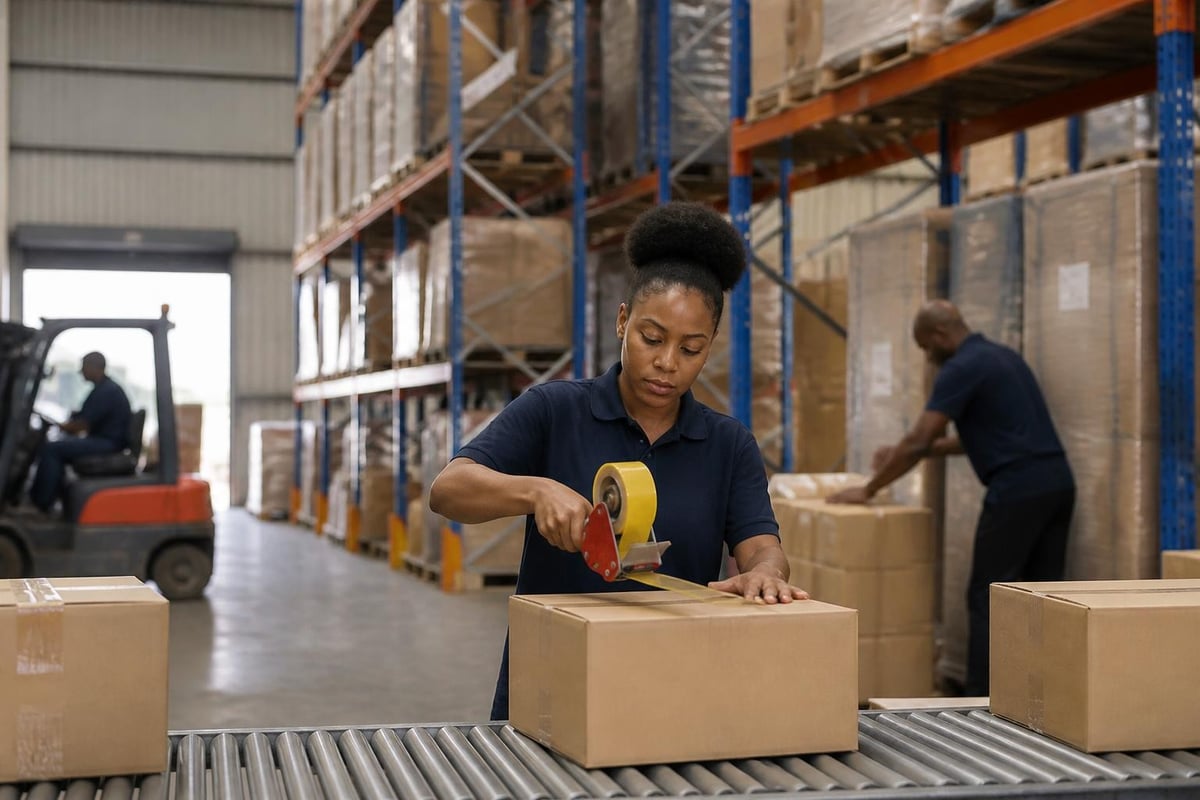
- Packing stations equipped for order assembly and shipping preparation
- Returns processing areas handling product returns efficiently
- Integration with courier services enabling smooth handoffs
For businesses serving the New Zealand market with South African products, these operational changes prove essential. Customers expect convenient online ordering with reliable delivery, placing pressure on warehouse operations to perform flawlessly.
Market Trends Shaping Warehouse Development
Current trends influencing the south african warehouse sector include:
Increased cold storage demand: Perishable products and health-conscious consumers drive need for refrigerated space. Cape Town warehouse demand has surged particularly in sectors like cold storage, leading to tighter vacancy rates.
Sustainability initiatives: Modern warehouses incorporate solar power, rainwater harvesting, and energy-efficient lighting to reduce environmental impact whilst controlling operational costs.
Multi-channel distribution: Facilities now serve wholesale customers, retail stores, and direct consumers simultaneously, requiring flexible operational models.

Product Variety and Inventory Challenges
A comprehensive south african warehouse serving international markets manages extraordinary product diversity. From Mrs Ball's Chutney to Ouma Rusks, Simba chips to Cadbury chocolates, the range spans hundreds of SKUs (stock keeping units) across multiple categories.
Balancing Variety and Efficiency
Popular staples like biltong, Milo, and Jungle Oats require substantial storage allocation and frequent replenishment. These fast-moving items occupy prime warehouse real estate for quick access.
Specialty products may have slower turnover but remain essential for completeness. Items like koeksisters mix or melktert ingredients serve specific customer needs and justify their shelf space despite lower velocity.
Seasonal variations affect demand patterns. Braai essentials peak during summer months, whilst comfort foods see increased interest during winter.
Managing this complexity requires sophisticated inventory planning that balances customer expectations against storage costs and product shelf life.
The Financial Dynamics of Warehouse Operations
Operating a south african warehouse involves significant capital investment and ongoing operational expenses. Understanding these financial realities provides context for pricing and product availability in international markets.
Major Cost Components
Warehouse expenses include:
- Facility costs: Rent or mortgage payments, property rates, insurance
- Utilities: Electricity for lighting, refrigeration, climate control
- Labour: Staff wages, training, benefits
- Equipment: Forklifts, racking systems, technology infrastructure
- Inventory carrying costs: Capital tied up in stock, obsolescence risk
Rising rental rates and limited warehouse availability in South Africa's major commercial centres increase pressure on operators. These costs ultimately influence retail pricing, particularly for exported products that bear additional freight and importation expenses.
Economic Efficiency Through Scale
Larger warehouses achieve economies of scale that benefit consumers through:
Volume purchasing power enabling better pricing from manufacturers and suppliers. Bulk orders reduce per-unit costs, savings that can pass to customers.
Operational efficiency spreading fixed costs across higher transaction volumes. Automated systems and optimized processes reduce per-order handling expenses.
Freight consolidation combining multiple products into efficient shipping containers maximizes space utilization and minimizes per-item transport costs.
Cultural Significance of South African Products
For South Africans living in New Zealand, access to familiar foods represents more than mere sustenance. These products carry cultural significance, evoking memories and maintaining connections to heritage. A south african warehouse serving this community performs a valuable cultural function alongside its commercial purpose.
Food as Cultural Connection
Specific products trigger powerful associations:
- Peppermint Crisp recalls childhood treats and family celebrations
- All Gold Tomato Sauce represents the authentic taste of home cooking
- Cremora brings back memories of morning coffee rituals
- Nik Naks and Simba snacks recall gatherings with friends
Warehouse operations that reliably supply these products enable expatriates to maintain cultural traditions, share heritage with children born abroad, and create familiar experiences in their adopted homes.
Meeting Diverse Community Needs
The South African community in New Zealand includes:
Recent arrivals seeking familiar brands during the adjustment period to life in a new country. Having access to South African groceries eases homesickness and provides comfort.
Long-established residents who maintain connections to South African food culture even after decades abroad. Regular purchases of favourites keep traditions alive.
New Zealanders with South African partners or friends who discover and enjoy products like biltong, rooibos tea, or boerewors.
Digital Integration and Customer Experience
Modern warehouse operations integrate seamlessly with digital platforms to enhance customer experience. Real-time inventory systems connected to online storefronts prevent disappointment by displaying accurate stock availability. Customers browsing the Something From Home website see current product availability, enabling informed purchasing decisions.
Technology-Enabled Convenience
Order tracking systems provide transparency throughout the fulfilment process. Customers receive confirmation when orders are picked, packed, and dispatched, with courier tracking information enabling delivery monitoring.
Automated notifications alert customers to new product arrivals, restocked favourites, or special promotions. This communication keeps the community informed about warehouse inventory changes.
Data analytics help warehouse managers anticipate demand, optimize stock levels, and identify trending products. Understanding purchasing patterns enables better service delivery.
For customers wondering how to track parcels, integrated systems provide complete visibility from warehouse shelf to doorstep delivery.
Regulatory Compliance and Food Safety
Operating a south african warehouse handling food products requires strict adherence to regulatory frameworks. In New Zealand, imported food products must comply with Food Standards Australia New Zealand (FSANZ) regulations, requiring careful attention to labelling, ingredients, and safety standards.
Import and Certification Requirements
Biosecurity clearance ensures products meet New Zealand's strict border protection requirements. Processed foods undergo assessment to verify they contain no prohibited ingredients or contaminants.
Labelling compliance requires clear declaration of ingredients, allergens, nutritional information, and country of origin. Products must meet New Zealand labelling standards even when manufactured in South Africa.
Temperature-sensitive goods require documentation proving proper handling throughout the supply chain. Cold chain integrity verification protects consumer health and product quality.
Warehouse operators maintain detailed records demonstrating compliance, essential for regulatory audits and quality assurance.
Sustainability and Environmental Considerations
Contemporary warehouse operations increasingly prioritize environmental sustainability. The south african warehouse sector recognizes that responsible practices benefit both business performance and broader environmental goals.
Green Warehouse Initiatives
Forward-thinking facilities implement:
- Solar panel installations reducing reliance on grid electricity
- LED lighting systems cutting energy consumption significantly
- Rainwater harvesting for non-potable water needs
- Waste reduction programmes minimizing packaging waste and recycling materials
- Efficient routing systems optimizing delivery routes to reduce fuel consumption
These initiatives align with consumer values whilst generating operational savings. Customers increasingly appreciate businesses that demonstrate environmental responsibility.
Future Outlook for South African Product Distribution
The market for South African products in New Zealand continues evolving. As the expatriate community grows and New Zealanders develop tastes for international foods, demand for warehouse capacity and sophisticated distribution networks will increase.
Emerging Opportunities
Expanded product ranges incorporating new manufacturers and innovative products from South Africa. The warehousing market projected to reach $22.1 billion by 2030 suggests continued industry growth supporting product diversity.
Enhanced cold chain capabilities enabling distribution of additional perishable products previously unavailable due to logistics constraints.
Regional distribution centres potentially serving different areas of New Zealand more efficiently through strategically located satellite warehouses.
The south african warehouse supporting New Zealand's expatriate community will continue adapting to changing consumer expectations, technological capabilities, and market opportunities.
Understanding the warehouse operations behind South African product distribution reveals the complex logistics that bring familiar favourites to New Zealand. Whether you're craving koeksisters, need braai essentials, or simply want your favourite childhood snacks, reliable warehouse management ensures these products remain accessible. Something From Home operates comprehensive warehouse facilities stocking over 2,200 authentic South African products, combining efficient logistics with the cultural understanding that makes finding a taste of home in New Zealand both convenient and meaningful.