
Baking Flour: A Complete Guide for South African Expats
When you're living far from home, recreating the flavours of South Africa becomes more than just cooking-it's about preserving memories and traditions. The foundation of many beloved South African recipes lies in choosing the right baking flour, whether you're making koeksisters, rusks, or milk tart. Understanding the differences between flour types and how they behave in your favourite recipes can transform your baking from acceptable to exceptional.
Understanding Baking Flour Fundamentals
Baking flour serves as the structural backbone of virtually every baked good you create. The protein content in flour determines how much gluten develops when mixed with liquid, which directly impacts the texture and rise of your final product.
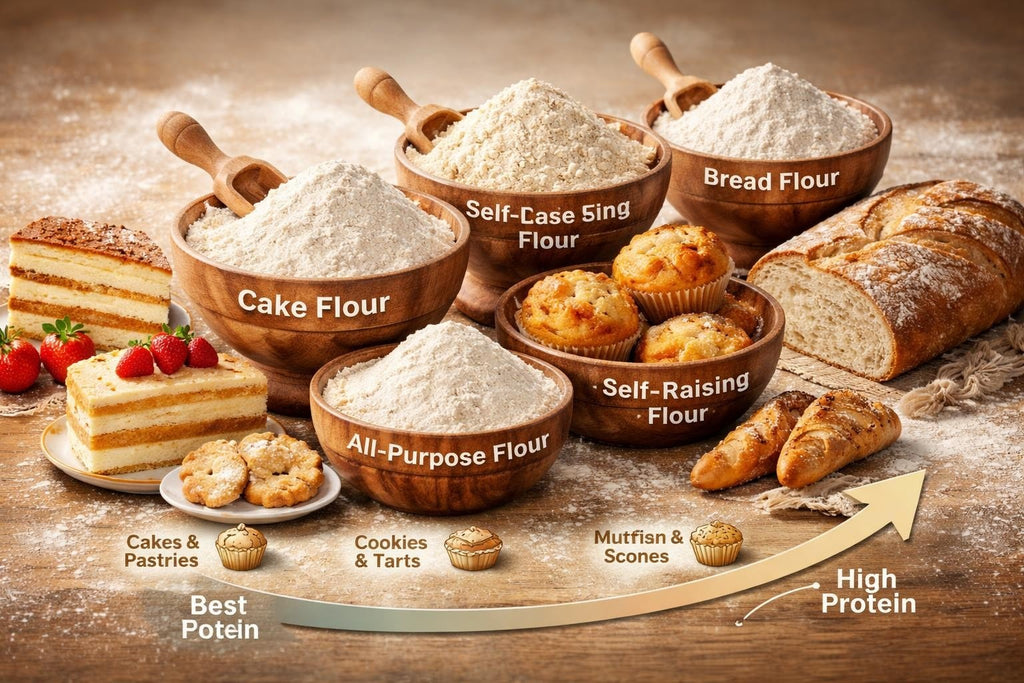
Protein content varies significantly across flour types:
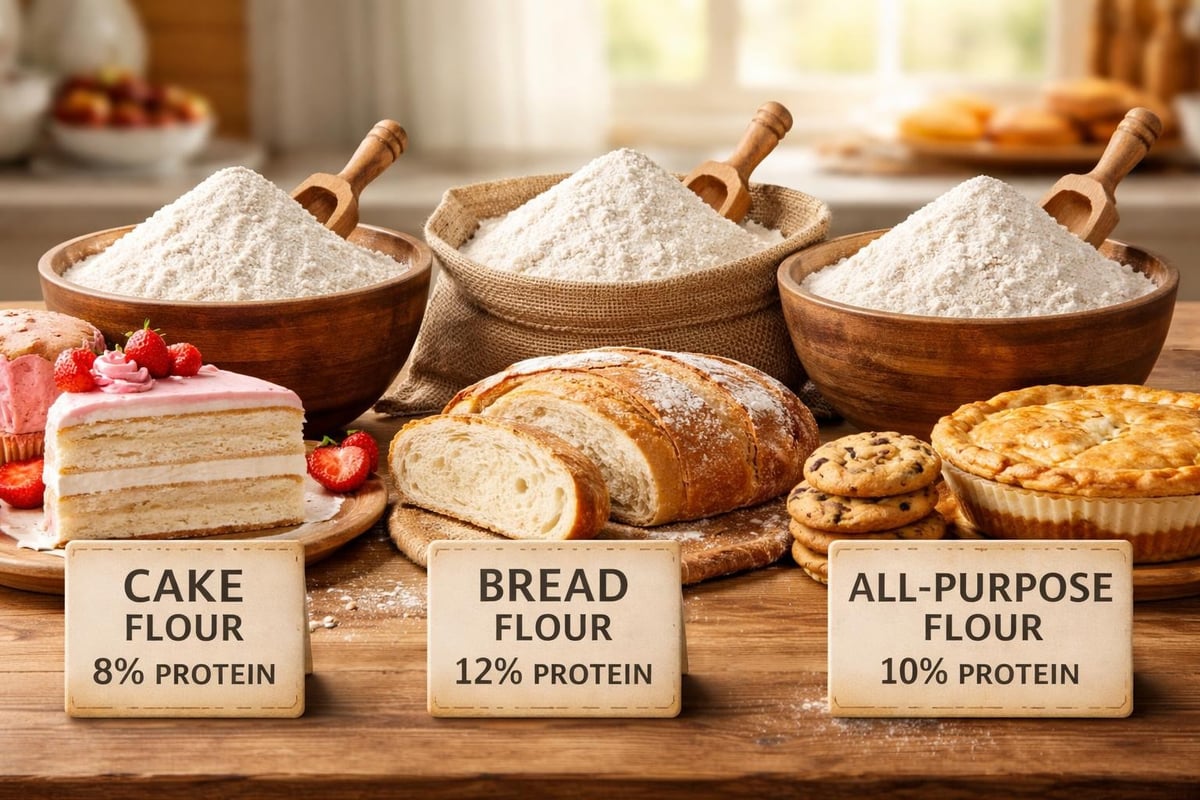
- Cake flour: 7-9% protein
- Pastry flour: 8-10% protein
- All-purpose flour: 10-12% protein
- Bread flour: 12-14% protein
South African bakers typically work with cake flour and bread flour as their primary options, which differ from the all-purpose flour commonly found in New Zealand and Australian supermarkets. This distinction matters because traditional recipes developed in South Africa assume specific flour characteristics that may not translate directly when using local alternatives.
The milling process also affects baking flour performance. Finely milled flours create tender, delicate crumb structures ideal for cakes and biscuits, whilst coarser grinds provide the substantial texture needed for rusks and hearty breads. Different types of flours used in baking each bring unique properties to your kitchen creations.
Cake Flour for Traditional South African Treats
Cake flour remains the workhorse of South African home baking, featured in countless family recipes passed down through generations. Its low protein content produces exceptionally tender results in cakes, tarts, and biscuits.
When making a classic milk tart, cake flour creates that distinctive smooth, custard-like filling texture that New Zealanders often struggle to achieve with all-purpose flour. The difference becomes immediately apparent-all-purpose flour can make the filling slightly grainy or tough, whilst cake flour delivers the silky consistency you remember from home.
Ideal uses for cake flour include:
- Koeksisters and other syrup-soaked pastries
- Victoria sponge cakes
- Shortbread biscuits
- Scones and tea cakes
- Cremora tarts and milk tarts
Finding authentic South African cake flour in New Zealand and Australia can prove challenging. Many expats resort to creating substitutes by combining all-purpose flour with cornflour, though this doesn't perfectly replicate the results of genuine cake flour.
Selecting Flour for Different Baking Applications
The relationship between flour choice and recipe success cannot be overstated. Each type of baking flour creates distinct textures and structures that suit specific applications.
| Flour Type | Protein Content | Best For | Texture Result |
|---|---|---|---|
| Cake Flour | 7-9% | Milk tart, sponge cakes | Tender, soft crumb |
| All-Purpose | 10-12% | Versatile baking | Moderate structure |
| Bread Flour | 12-14% | Rusks, vetkoek | Chewy, substantial |
| Self-Raising | 10-11% + leavening | Quick breads, scones | Light, risen |
Bread Flour for Structure and Chew
South African rusks demand a robust flour that can withstand the double-baking process and create that satisfying crunch. Bread flour's higher protein content develops strong gluten networks essential for these traditional treats.
When preparing vetkoek, bread flour provides the structural integrity needed for deep frying whilst maintaining a fluffy interior. The dough holds its shape better and produces a more authentic texture compared to lower-protein alternatives.
Bread flour also excels in:
- Sourdough and artisan breads
- Savoury roosterkoek
- Traditional beskuit
- Pizza bases for South African-style toppings
The gluten development in bread flour creates elasticity that allows dough to trap gases during fermentation and baking, resulting in better rise and texture. This proves particularly important when working with yeast-based recipes where structure matters as much as flavour.
Self-Raising Flour Convenience
Self-raising flour combines all-purpose flour with baking powder and salt, offering convenience for quick breads and simple baked goods. Whilst not traditional in many South African recipes, it serves specific purposes in the expat kitchen.
This baking flour variant works beautifully for pancakes, drop scones, and simple sponge cakes where you want reliable rise without measuring multiple leavening agents. The pre-mixed nature ensures consistent results, particularly helpful when adapting recipes in unfamiliar kitchens.
Important considerations when using self-raising flour:
- Check expiration dates as leavening agents lose potency over time
- Don't add extra baking powder unless the recipe specifically calls for it
- Store in airtight containers to maintain freshness
- Altitude differences between South Africa and New Zealand may require adjustments
Many South Africans living abroad maintain both self-raising and plain baking flour in their pantries, allowing flexibility across different recipe types. Understanding various flour types and their uses helps determine when convenience flour makes sense versus when you need precise control over leavening.
Specialty Flours for Dietary Requirements
Modern baking extends beyond traditional wheat-based options, with numerous alternative flours available for those with dietary restrictions or preferences. The South African expat community increasingly seeks these options whilst maintaining connection to traditional flavours.
Gluten-Free Baking Alternatives
Gluten-free baking flour blends attempt to replicate wheat flour's properties using combinations of rice flour, potato starch, tapioca flour, and xanthan gum. These blends vary significantly in performance, and success requires understanding their limitations.
When recreating gluten-free versions of South African favourites, expect different textures and potentially adjusted ratios. Koeksisters made with gluten-free flour won't achieve identical crispness, but they can still deliver satisfying results with proper technique.
| Gluten-Free Option | Properties | Best Applications |
|---|---|---|
| Rice Flour Blend | Light, slightly gritty | Biscuits, shortbread |
| Almond Flour | Dense, moist | Tarts, dense cakes |
| Coconut Flour | Very absorbent | Requires recipe modification |
| Pre-Mixed Blends | Variable | Follow manufacturer guidance |
The nutritional content of specialty baking flours differs substantially from traditional wheat flour, often containing higher fat or lower carbohydrate levels depending on the base ingredients.
Whole Wheat and Brown Bread Flours
Whole wheat baking flour retains the wheat kernel's bran and germ, providing increased fibre, vitamins, and minerals compared to refined white flour. This creates denser, more flavourful baked goods with enhanced nutritional profiles.
South African brown bread traditions translate well to New Zealand and Australian kitchens using local whole wheat flour. The robust flavour complements traditional toppings like jam, peanut butter, or cheese, creating satisfying breakfast and lunch options that feel familiar despite being thousands of kilometres from home.
Tips for working with whole wheat flour:
- Substitute up to 50% of white flour in most recipes without major texture changes
- Increase liquid slightly as bran absorbs more moisture
- Expect denser, heavier results compared to white flour equivalents
- Allow dough to rest longer for improved texture
Whole wheat baking flour works particularly well in rusks, where the hearty texture and nutty flavour enhance the traditional twice-baked process. The additional fibre also makes them more satisfying with your morning coffee or tea.
Storage and Freshness Considerations
Proper storage extends baking flour shelf life and maintains quality, particularly important when purchasing South African specialty flours that may not be readily replaced. Flour deteriorates through oxidation, moisture absorption, and potential pest infestation if not stored correctly.
Optimal storage practices include:
- Transfer flour to airtight containers immediately after opening
- Store in cool, dark locations away from heat and humidity
- Label containers with purchase dates
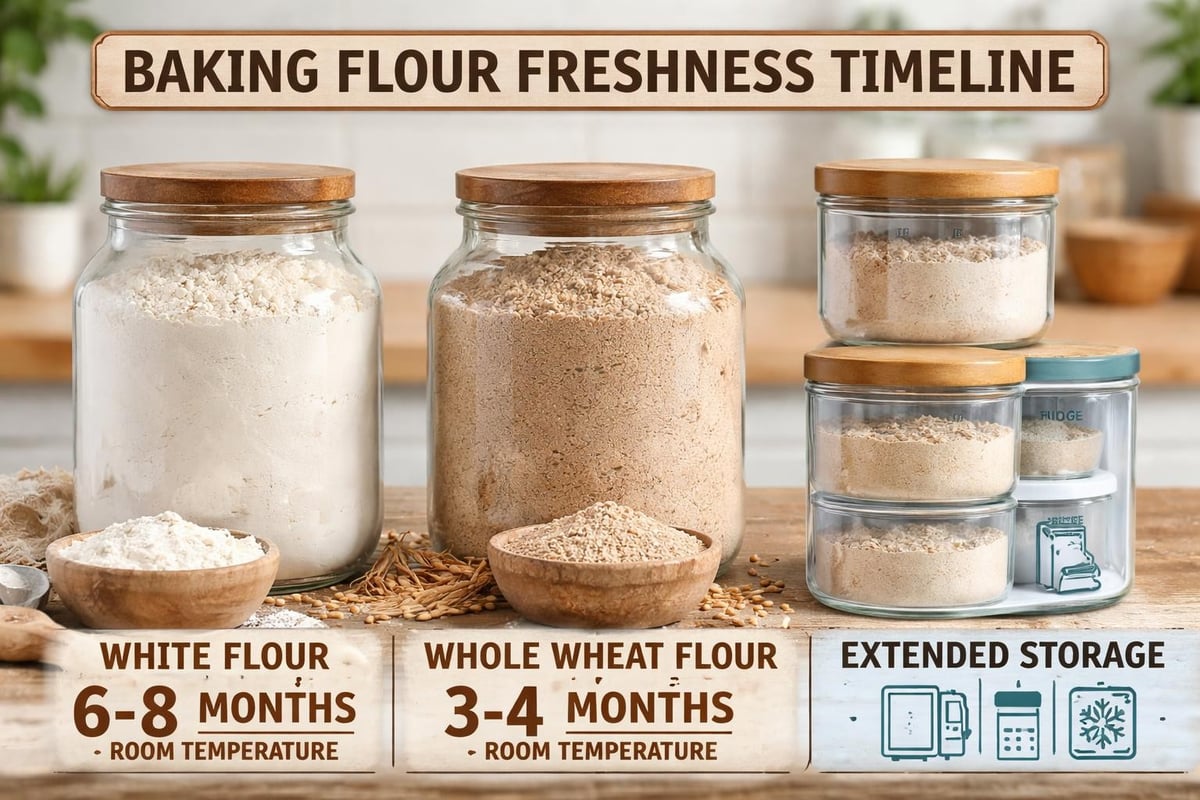
- Use within 6-8 months for best quality
- Refrigerate or freeze whole grain flours to prevent rancidity
New Zealand's variable humidity levels across regions affect flour storage differently than South African conditions. Coastal areas require extra attention to moisture prevention, whilst drier inland regions may allow longer storage periods without quality degradation.
Recognising Flour Quality Issues
Several indicators signal that baking flour has passed its prime and should be replaced. Off odours represent the most obvious warning sign-fresh flour smells neutral or slightly sweet, whilst rancid flour develops a bitter, unpleasant aroma.
Visual inspection reveals other problems. Clumping indicates moisture exposure, whilst discolouration or visible insects require immediate disposal. When in doubt about flour quality, particularly with expensive imported products, err on the side of caution and replace questionable stock.
Understanding best before dates on products helps you make informed decisions about flour freshness, though proper storage often extends usability beyond printed dates.
Adapting South African Recipes for Local Conditions
Moving between countries means adjusting to different environmental conditions that affect baking. Altitude, humidity, and temperature variations between South Africa and New Zealand or Australia require recipe modifications for consistent results.
New Zealand's generally higher humidity compared to many South African regions means dough may require less liquid or additional flour to achieve proper consistency. Wellington's notorious wind and Auckland's moisture levels create different challenges than Johannesburg's dry highveld or Cape Town's Mediterranean climate.
Temperature and Humidity Adjustments
Baking flour absorbs atmospheric moisture, affecting how much liquid you need in recipes. On humid days, start with slightly less liquid than recipes specify, adding more only if necessary. Conversely, during dry conditions, you may need extra moisture to prevent tough, dry results.
Environmental factors affecting baking:
- High humidity: Reduce liquid by 1-2 tablespoons per cup of flour
- Low humidity: Increase liquid slightly or reduce flour marginally
- High altitude (relevant in some NZ regions): Increase liquid, decrease leavening
- Temperature variations: Allow ingredients to reach proper temperature before mixing
Traditional South African recipes like koeksisters prove particularly sensitive to humidity during frying. The dough consistency must be perfect to achieve that characteristic crunch exterior and syrup-soaked interior, requiring adjustment based on your local conditions.
Measuring Accuracy Matters
Baking flour measurement technique significantly impacts recipe outcomes. South African recipes traditionally use metric weight measurements, whilst some New Zealand recipes still reference cups-an inherently less accurate method.
| Measurement Method | Accuracy | Recommendation |
|---|---|---|
| Weight (grams) | Highest | Always preferred |
| Volume (cups) | Variable | Spoon and level method |
| Scooping directly | Inconsistent | Avoid this approach |
Investing in a digital kitchen scale removes guesswork and ensures consistent results, particularly when working with precious imported ingredients or recreating cherished family recipes. The different types of flour each have different densities, making weight measurement even more critical for accuracy.
Combining Flours for Optimal Results
Experienced bakers often blend different baking flour types to achieve specific characteristics unavailable in single-flour recipes. This technique proves valuable when authentic South African flours aren't accessible or when you want to enhance particular aspects of your baked goods.
Combining cake flour with bread flour creates a middle-ground option approximating all-purpose flour with customised protein content. Mix three parts cake flour with one part bread flour for roughly 10% protein content suitable for many applications.
Common flour blending ratios:
- Tender cookies: 75% cake flour, 25% all-purpose
- Sturdy muffins: 60% all-purpose, 40% bread flour
- Delicate scones: 100% cake flour with extra baking powder
- Artisan breads: 80% bread flour, 20% whole wheat
Blending allows you to compensate when you can't find exact flour matches for South African recipes. This flexibility becomes essential for expats determined to recreate authentic flavours despite ingredient availability challenges.
Creating Cake Flour Substitutes
When genuine cake flour isn't available, create an approximation using all-purpose baking flour and cornflour. For each cup needed, measure one cup all-purpose flour, remove two tablespoons, and replace with two tablespoons cornflour. Sift together at least three times to ensure even distribution.
This substitute works reasonably well for most applications, though purists notice subtle differences in texture and crumb structure. For critical recipes like special occasion cakes or milk tart, sourcing authentic ingredients produces superior results worth the extra effort.
Sourcing Authentic Ingredients Abroad
Finding familiar baking flour brands and types presents ongoing challenges for South Africans living in New Zealand and Australia. Local supermarkets stock different brands with varying characteristics compared to Snowflake, Eureka, or other trusted South African labels.
Specialty shops catering to expat communities offer the best options for authentic products. These retailers understand the specific requirements of traditional South African baking and stock appropriate flour types alongside other essential ingredients like Bakers Coconut, oats for rusks, and proper bicarb for vetkoek.
Resources for South African ingredients:
- Dedicated expat food shops
- Online retailers specialising in South African products
- Community groups sharing sourcing tips
- Bulk buying cooperatives among expat networks
Building relationships with suppliers who understand your needs makes a substantial difference. Shops focusing on South African communities recognise that baking flour isn't merely a commodity-it's a connection to home, family traditions, and cultural identity.
Selecting the right baking flour transforms your ability to recreate beloved South African recipes whilst living abroad, ensuring your koeksisters crunch properly and your milk tart achieves that perfect creamy texture. Whether you need cake flour for delicate biscuits or bread flour for authentic rusks, understanding these fundamentals empowers your kitchen success. Something From Home stocks the authentic South African ingredients you need, including proper baking flours and all the specialty items that make your traditional recipes taste like they should, with convenient shipping throughout New Zealand and Australia to bring those treasured flavours directly to your door.