Chakalaka: South Africa's Vibrant Vegetable Relish
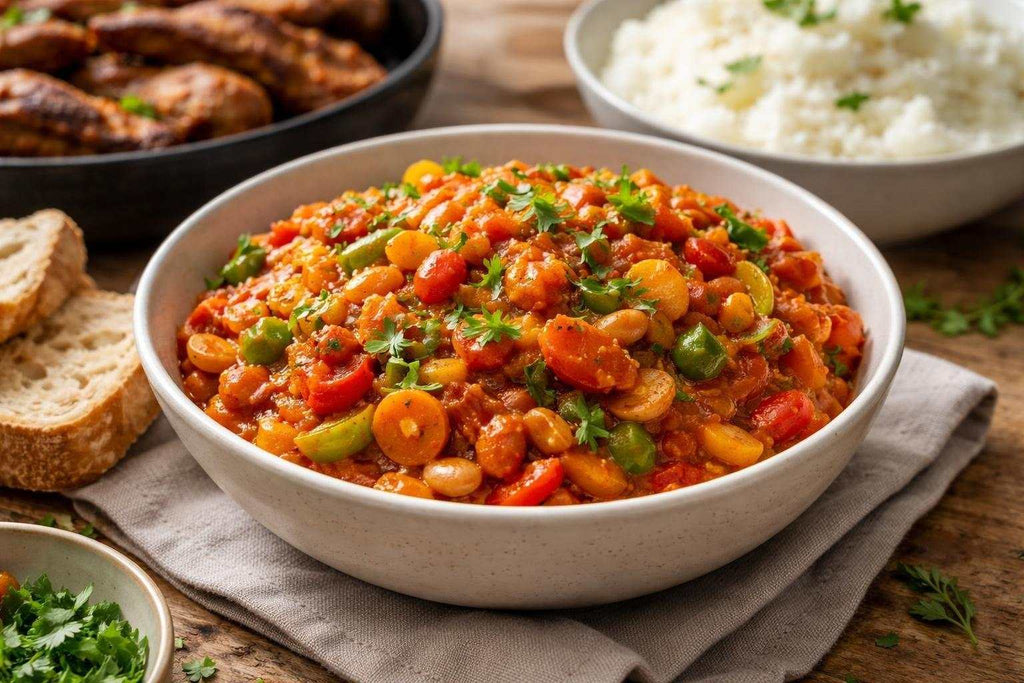
Few dishes capture the spirit of South African cuisine quite like chakalaka, a vibrant vegetable relish that has earned its place as one of the country's most beloved side dishes. This spicy, flavourful accompaniment brings together simple vegetables and aromatic spices to create a dish that's both nutritious and bursting with character. Whether served alongside a sizzling braai, spooned over steaming pap, or enjoyed with crusty bread, chakalaka embodies the warmth and diversity of South African food culture. For South Africans living in New Zealand, this iconic relish represents a taste of home that connects them to family gatherings, weekend braais, and the comfort of familiar flavours.
What Is Chakalaka and Where Did It Come From
Chakalaka is a vegetable-based relish that originated in the townships of South Africa, where it developed as an affordable, nutritious side dish that could stretch meals and feed large families. The name itself is thought to derive from the sound of vegetables sizzling in a hot pan, capturing the essence of this lively dish.
At its core, chakalaka combines a medley of vegetables cooked together with spices to create a thick, flavourful relish. While recipes vary from household to household and region to region, the fundamental character remains consistent: a spicy, tangy vegetable mixture that adds excitement to any meal.
The dish gained popularity across all communities in South Africa during the latter half of the 20th century, evolving from its township origins to become a nationwide favourite. Today, chakalaka is recognised internationally as a distinctive South African contribution to global cuisine, much like bobotie or boerewors.
The Essential Ingredients That Define Chakalaka
The beauty of chakalaka lies in its adaptability, but certain ingredients form the foundation of this beloved relish. Understanding these core components helps explain why the dish delivers such robust flavour and satisfying texture.
Primary vegetables typically include:
- Onions (providing aromatic base notes)
- Tomatoes (creating the sauce foundation)
- Carrots (adding sweetness and colour)
- Green or red peppers (contributing freshness and bite)
- Cabbage (offering texture and substance)
- Baked beans (providing protein and creaminess)
The spice profile is equally important in defining authentic chakalaka. Curry powder forms the backbone of the seasoning, while chilli adds the characteristic heat that makes this relish so distinctive. Garlic, ginger, and sometimes cumin or coriander round out the flavour profile, creating layers of complexity.
Some variations incorporate additional ingredients like cauliflower, green beans, or even jalapeños for extra heat. Traditional recipes often include grated carrots for texture, while others prefer diced carrots for a chunkier consistency.
| Ingredient Category | Common Options | Purpose |
|---|---|---|
| Base Vegetables | Onions, tomatoes | Foundation flavour |
| Colourful Additions | Carrots, peppers, cabbage | Texture and nutrition |
| Protein Element | Baked beans, kidney beans | Substance and creaminess |
| Spices | Curry powder, chilli, garlic | Heat and aromatic depth |
The Flavour Profile That Makes Chakalaka Irresistible
What sets chakalaka apart from other vegetable dishes is its bold, unapologetic flavour. This is not a subtle side dish but rather a robust relish that commands attention on any plate.
The taste experience begins with the warming notes of curry powder, which infuses every vegetable with aromatic depth. The chilli heat follows, ranging from mild to fiery depending on the cook's preference and regional traditions. This spiciness is balanced by the natural sweetness of carrots and the acidity of tomatoes, creating a harmonious blend that's both complex and comforting.
The texture adds another dimension to the eating experience. When properly prepared, chakalaka offers a satisfying combination of tender vegetables with slight resistance, creating mouthfeel that's neither mushy nor raw. The baked beans contribute creaminess, while the peppers and cabbage maintain structure even after cooking.
Some families prefer their chakalaka with more sauce, allowing it to function almost like a vegetable stew. Others cook it down to a thicker consistency, creating a relish that holds its shape when spooned onto a plate. Both approaches have their merits, and many cooks develop their signature style over years of preparation.
The overall effect is warming, satisfying, and deeply flavourful without overwhelming the main dish it accompanies. This balance is what makes chakalaka such a versatile addition to South African meals.
How Chakalaka Is Traditionally Served in South African Cuisine
Understanding how to serve chakalaka reveals much about its role in South African food culture. This versatile relish adapts to various meal contexts, from casual weeknight dinners to festive braai gatherings.
Perfect Pairings for Chakalaka
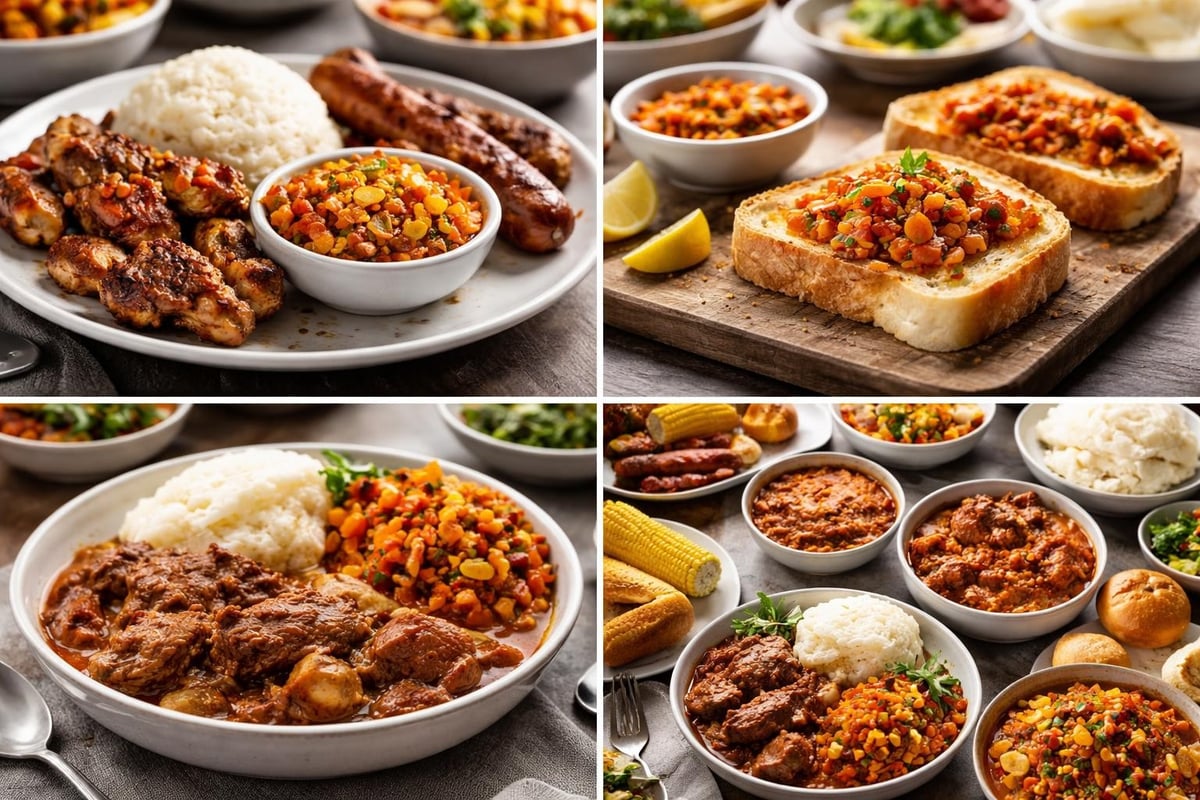
The most iconic pairing is chakalaka with pap, South Africa's staple maize porridge. The neutral, creamy texture of pap provides the perfect canvas for the spicy, flavourful relish. Together, they create a complete meal that's nutritious, affordable, and deeply satisfying. This combination appears on tables across South Africa, from humble homes to upscale restaurants celebrating traditional cuisine.
At braais, chakalaka serves as an essential side dish alongside grilled meats. Whether it's boerewors, lamb chops, chicken pieces, or steak, the relish's tangy spiciness cuts through the richness of barbecued meats beautifully. Many braai masters consider chakalaka as essential as the meat itself, recognising its role in balancing the meal.
Common serving contexts include:
- Spooned over pap as a complete vegetarian meal
- Served cold as a relish alongside braai meats
- Used as a topping for bread or toast
- Paired with rice for a quick dinner
- Combined with stews to add vegetable content and flavour
The versatility extends to serving temperature as well. While some prefer chakalaka hot and freshly cooked, others enjoy it at room temperature or even cold from the refrigerator. Creative cooks have even adapted it to serve with fried eggs for breakfast, demonstrating its flexibility across meal times.
Why Chakalaka Remains a Household Staple
The enduring popularity of chakalaka in South African households stems from several practical and cultural factors that make it indispensable in daily cooking.
From an economic perspective, chakalaka represents excellent value. The ingredients are affordable and widely available, making it accessible to families across all income levels. A single batch can feed many people or provide multiple meals when stored in the refrigerator, stretching household budgets without sacrificing nutrition or flavour.
Nutritionally, chakalaka offers substantial benefits. The vegetable-rich composition provides fibre, vitamins, and minerals, while the beans add protein. For families seeking to incorporate more vegetables into their diet, chakalaka makes this goal achievable and delicious rather than feeling like a chore.
The cultural significance cannot be overstated. For many South Africans, chakalaka connects to childhood memories, family gatherings, and the comfort of home cooking. The dish carries stories passed down through generations, with each family's recipe reflecting their unique heritage and preferences.
Practical advantages include:
- Long shelf life when refrigerated
- Improves in flavour after a day or two
- Can be prepared in large batches
- Reheats well for quick meals
- Adaptable to dietary preferences and restrictions
The flexibility of the recipe means cooks can adjust ingredients based on what's available or in season, reducing food waste while maintaining the dish's essential character. This adaptability has helped chakalaka remain relevant across changing food trends and economic conditions.
Homemade Versus Canned Chakalaka Options
Modern South African households have choices when it comes to chakalaka, with both homemade and commercially canned versions offering distinct advantages. Understanding these options helps cooks decide which approach suits their needs best.
The Appeal of Making Chakalaka From Scratch
Preparing chakalaka at home allows complete control over ingredients, spice levels, and texture. Cooks can adjust the heat to family preferences, add favourite vegetables, or reduce salt content for health reasons. The process itself is relatively straightforward, requiring no specialised equipment or advanced cooking skills.
Homemade chakalaka typically tastes fresher, with vegetables maintaining better texture and flavour than their canned counterparts. The aroma that fills the kitchen during preparation adds to the experience, creating anticipation for the meal to come.
However, homemade versions require time for chopping vegetables and monitoring the cooking process. For busy households or those without access to all ingredients, this can present challenges.
The Convenience of Canned Chakalaka
Canned chakalaka emerged as a practical solution for time-pressed cooks and those living outside South Africa who struggle to find fresh ingredients. These ready-made versions capture the essential flavour profile while offering unmatched convenience.
| Aspect | Homemade Chakalaka | Canned Chakalaka |
|---|---|---|
| Preparation Time | 30-45 minutes | 2-5 minutes |
| Customisation | Fully adjustable | Fixed recipe |
| Shelf Life | 5-7 days refrigerated | 2+ years unopened |
| Cost per Serving | Generally lower | Slightly higher |
| Ingredient Control | Complete | Limited |
| Consistency | Varies by batch | Standardised |
For South Africans living in New Zealand, canned chakalaka provides reliable access to this beloved dish without hunting for specific vegetables or spices. It eliminates the guesswork of recreating childhood flavours from memory, delivering consistent taste every time.
Many families keep both options in rotation, preparing homemade batches when time permits while maintaining canned versions in the pantry for quick meals or unexpected guests. This hybrid approach maximises both authenticity and convenience.
Finding Chakalaka and South African Ingredients in New Zealand
South Africans who have relocated to New Zealand often experience intense cravings for familiar foods that connect them to their heritage. Chakalaka represents one of these comfort foods that can transform an ordinary meal into something that feels like home.
The challenge lies in sourcing authentic South African products in a country where these items aren't available in mainstream supermarkets. While some ingredients like carrots, onions, and peppers are universally available, finding the right curry powder blend or accessing canned chakalaka requires specialised suppliers.
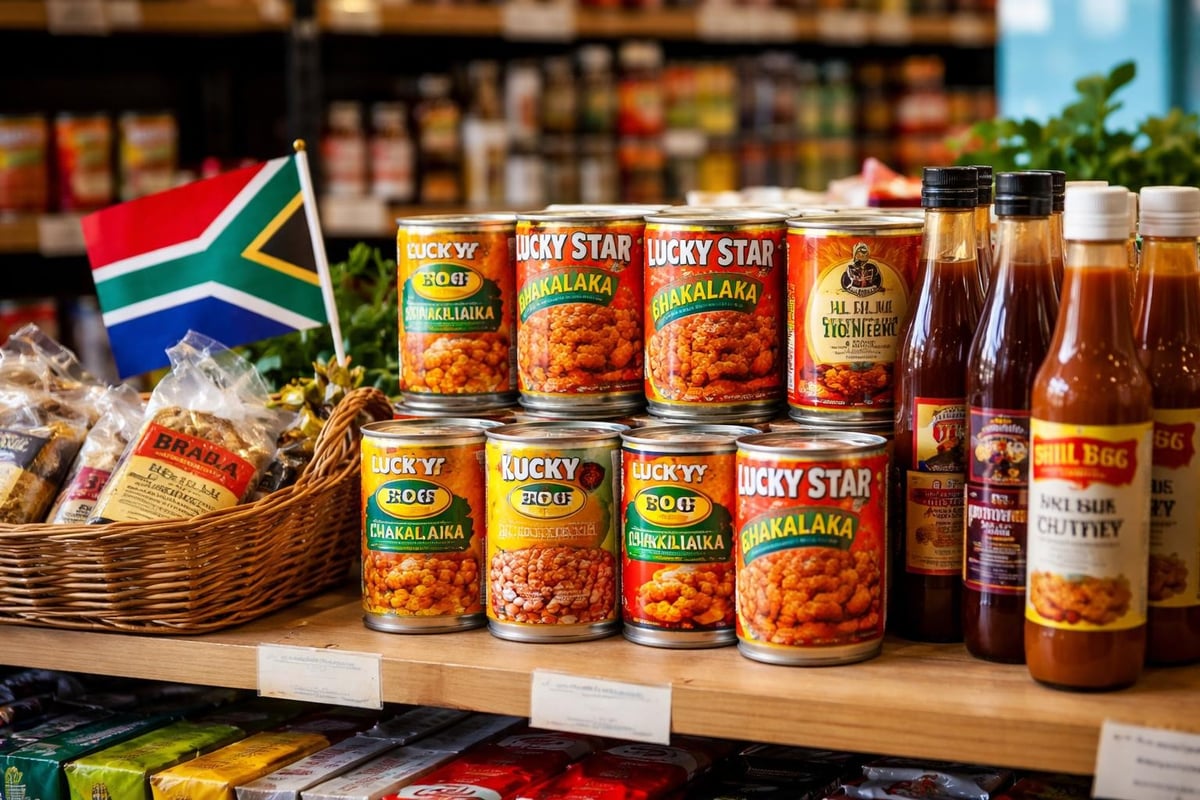
This is where dedicated South African food stores become invaluable resources for expat communities. Something From Home operates as a South African shop in New Zealand, maintaining a warehouse stocked with more than 2,500 South African products specifically for Kiwis missing flavours from home.
Building Your South African Pantry in New Zealand
Creating a well-stocked South African pantry in New Zealand enables spontaneous cooking of beloved dishes like chakalaka without last-minute ingredient hunts. Essential items include curry powder formulated to South African taste preferences, which differs from Indian or Thai curry powders available locally.
Canned chakalaka provides ready-made convenience while also serving as a flavour reference when attempting homemade versions. Having this backup ensures you're never without this essential side dish, whether planning a braai or simply craving a taste of home.
Key South African pantry staples for Kiwi expats:
- Various curry powder brands (different heat levels)
- Canned chakalaka from trusted South African producers
- Proper braai spices and marinades
- Baked beans in South African-style sauce
- Atchar and other traditional condiments
Something From Home ships these products throughout New Zealand, making it possible for South Africans in Auckland, Wellington, Christchurch, or smaller towns to access authentic ingredients without travelling to specialised stores. The online shopping experience replicates browsing a South African supermarket, complete with familiar brand names and product descriptions.
For those new to cooking South African food or New Zealanders curious about this cuisine, having access to authentic ingredients makes the difference between approximating flavours and achieving genuine taste. Chakalaka prepared with proper South African curry powder simply tastes more authentic than versions using substitutes.
Chakalaka's Place in Modern South African Food Culture
While chakalaka originated as humble township fare, it has evolved to occupy a respected position across South African food culture in 2026. The dish appears on restaurant menus alongside fine dining interpretations of traditional cuisine, demonstrating its versatility and enduring appeal.
Contemporary chefs experiment with chakalaka by incorporating it into fusion dishes, using it as a pizza topping, mixing it into pasta, or serving it as a accompaniment to grilled fish. These innovations honour the original while demonstrating the dish's adaptability to modern culinary trends.
Yet despite these creative applications, chakalaka remains fundamentally a home-cooked dish. Its true home is family kitchens, weekend braais, and casual gatherings where people come together over good food and conversation. This authenticity contributes to its lasting popularity, as no restaurant version quite captures the comfort of chakalaka prepared by someone who has been making it for decades.
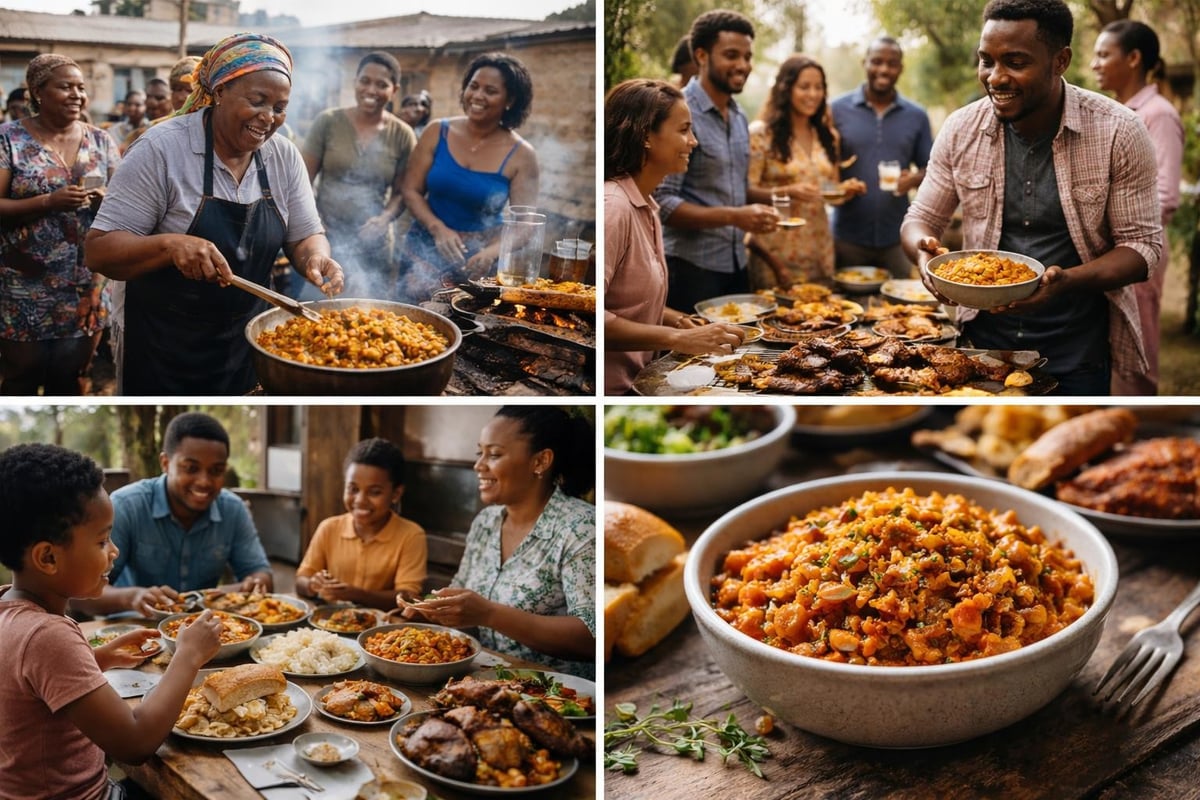
The dish also represents South African culinary identity abroad. When South Africans gather in New Zealand or other countries, preparing chakalaka and other traditional foods becomes an act of cultural preservation and community building. These shared meals strengthen bonds between expats and introduce others to South African hospitality and flavour.
The Social Dimension of Chakalaka
Beyond nutrition and taste, chakalaka facilitates social connection. Recipes pass between friends and family members, often with personal variations that reflect individual creativity. Braai gatherings naturally include discussions about whose chakalaka recipe is best, creating friendly competition and lively conversation.
For younger generations growing up outside South Africa, learning to make chakalaka represents cultural education and connection to heritage. Parents and grandparents teaching these recipes ensure traditions continue, adapting as needed to local ingredient availability while maintaining essential character.
This social and cultural function elevates chakalaka beyond simple vegetable relish to become a carrier of memory, tradition, and identity. Each batch prepared in a New Zealand kitchen strengthens connections to South African roots while creating new memories in adopted homes.
Nutritional Benefits and Dietary Considerations
Modern health consciousness has brought renewed appreciation for chakalaka's nutritional profile. This vegetable-rich dish aligns well with dietary recommendations emphasising plant-based foods, making it both traditionally authentic and contemporary relevant.
The high vegetable content provides essential vitamins, particularly vitamin A from carrots and vitamin C from peppers and tomatoes. The beans contribute plant-based protein and fibre, supporting digestive health and providing sustained energy. For families seeking to reduce meat consumption without sacrificing satisfaction, chakalaka offers a flavourful solution.
Nutritional highlights per typical serving:
- High in dietary fibre (supporting digestion)
- Rich in vitamins A and C (antioxidants)
- Contains plant-based protein from beans
- Low in saturated fat (when prepared with minimal oil)
- Provides complex carbohydrates for sustained energy
The dish naturally accommodates various dietary preferences. It's inherently vegetarian and can easily be made vegan by checking that canned beans don't contain animal-derived ingredients. For those managing sodium intake, homemade versions allow salt control, while canned options should be checked for sodium content.
The spiciness, while flavourful, may require adjustment for those with sensitive digestion. Reducing chilli while maintaining curry powder allows milder versions that retain character without excessive heat. This flexibility makes chakalaka accessible to diverse palates and dietary needs.
Preserving and Storing Chakalaka for Best Results
Understanding proper storage extends chakalaka's usefulness and maintains its quality, whether preparing large homemade batches or managing opened canned versions. Proper handling ensures food safety while preserving the flavours that make this dish special.
Freshly cooked chakalaka should cool to room temperature before refrigeration, preventing condensation that could affect texture. Store in airtight containers to maintain flavour and prevent absorption of other refrigerator odours. Properly stored homemade chakalaka keeps for five to seven days, though many cooks report the flavour actually improves after a day or two as spices meld together.
For longer preservation, chakalaka freezes successfully. Portion into freezer-safe containers, leaving slight headspace for expansion. Frozen chakalaka maintains quality for up to three months. Thaw overnight in the refrigerator and reheat gently, adding a splash of water if needed to restore consistency.
Canned chakalaka, once opened, requires refrigeration and should be consumed within three to four days. Transfer unused portions to glass or plastic containers rather than storing in the original can. Unopened cans store at room temperature until the best-before date, making them excellent pantry staples.
When reheating, gentle warming preserves vegetable texture better than high heat. Microwave in short intervals, stirring between, or warm slowly on the stovetop. Adding fresh chopped coriander or a squeeze of lemon juice when reheating can refresh flavours and add brightness.
Chakalaka exemplifies how simple ingredients, thoughtful seasoning, and cultural tradition combine to create something truly special that nourishes both body and spirit. For South Africans in New Zealand seeking to maintain connections to their culinary heritage or share these flavours with Kiwi friends and family, accessing authentic ingredients makes all the difference. Whether you're stocking your pantry with canned chakalaka for convenient weeknight meals or gathering ingredients for a proper homemade batch, Something From Home provides the South African products that transform ordinary cooking into taste memories of home.