Curry and Rice: A Global Comfort Food with South African Roots

Curry and rice represents one of the world's most beloved comfort food combinations, transcending cultural boundaries while maintaining distinct regional identities. For South Africans living in New Zealand, this dish carries particular significance, evoking memories of family gatherings, Sunday lunches, and the rich culinary heritage that defines South African cuisine. The pairing of fragrant, spice-laden curry with perfectly cooked rice has evolved differently across continents, yet the fundamental appeal remains universal: accessible ingredients, bold flavours, and the ability to feed families with warmth and satisfaction.
Understanding the Cultural Significance of Curry and Rice
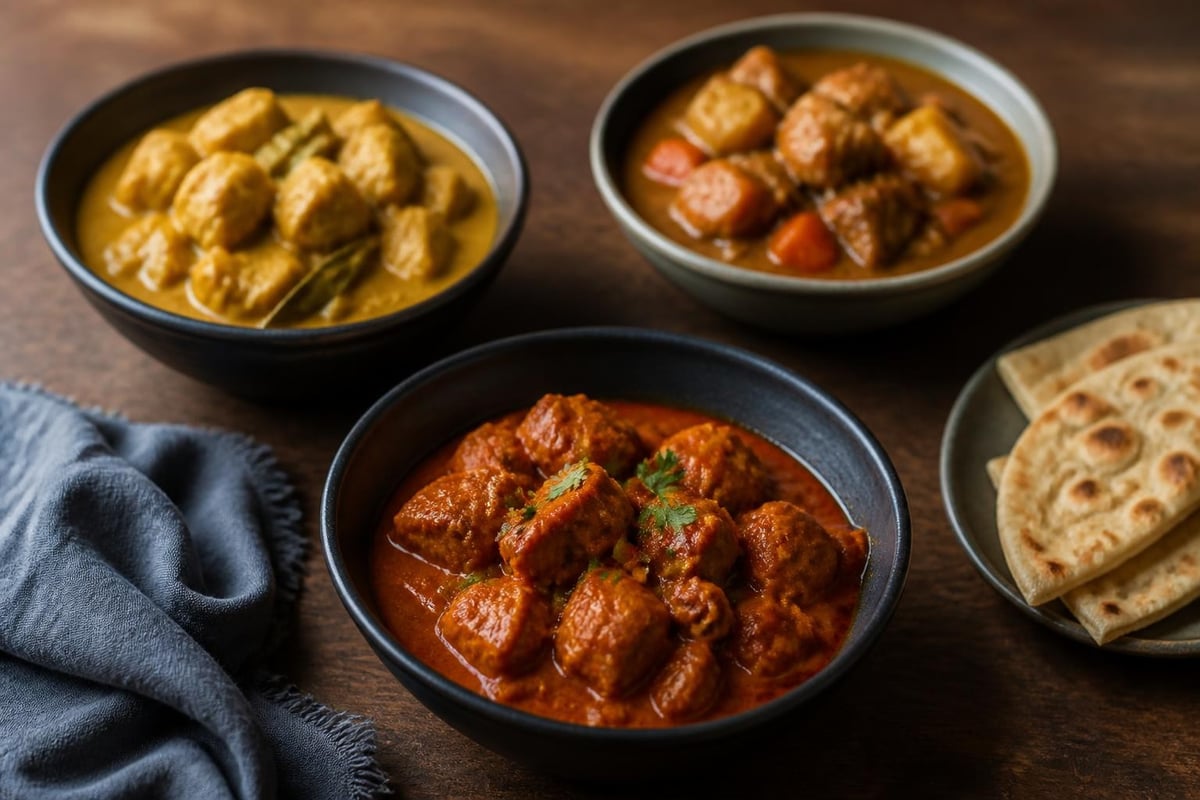
South African curry traditions reflect the country's complex history, particularly the influence of Indian and Cape Malay communities who arrived during the colonial period. These culinary pioneers adapted their traditional recipes using locally available ingredients, creating distinctive curry styles that differ markedly from their Asian counterparts.
The South African approach to curry and rice emphasises robust spice blends, often incorporating cumin, coriander, turmeric, and chilli in generous proportions. Unlike milder European adaptations, South African curries maintain the heat and complexity that characterise authentic Indian cooking whilst incorporating local preferences for richer, heartier preparations.
Regional Variations Within South African Curry
Different regions and communities across South Africa have developed their own curry signatures:
- Durban Curry: Known for intense heat and complex spicing, typically featuring prominent use of curry leaves, mustard seeds, and generous amounts of chilli
- Cape Malay Curry: Sweeter and more aromatic, often incorporating dried fruit, tamarind, and subtle spicing that reflects Indonesian influences
- Afrikaner Curry: Milder preparations that adapted traditional recipes to local palates, frequently using readily available vegetables and meats
For South Africans now residing in New Zealand, recreating these distinctive curry styles requires access to authentic spice blends and ingredients. Something From Home, a South African food store in New Zealand with more than 2,500 South African products, stocks the essential spices and curry powders that enable expatriates to maintain their culinary traditions.
Rice Selection and Its Impact on Curry Dishes
The rice component of curry and rice deserves equal consideration to the curry itself. Rice selection dramatically influences texture, flavour absorption, and overall dining satisfaction. Understanding rice varieties enables home cooks to elevate their curry and rice preparations from adequate to exceptional.
Long-Grain Versus Short-Grain Rice
Long-grain rice varieties such as basmati and jasmine remain the preferred choice for curry accompaniment across most traditions. These grains maintain separation after cooking, providing distinct texture that contrasts beautifully with rich, sauce-based curries.
Basmati rice offers aromatic qualities and a distinctive nutty flavour that complements spiced dishes without competing. The grains elongate during cooking rather than expanding in width, creating an elegant presentation.
Jasmine rice provides subtle floral notes and slightly stickier texture compared to basmati, though still maintaining adequate separation for curry service.
Short-grain rice varieties prove less suitable for traditional curry and rice preparations, as their higher starch content creates clumpy, sticky results that fail to showcase curry sauces effectively.
The International Rice Research Institute maintains comprehensive resources on rice breeding and variety characteristics, highlighting how different grain types suit specific culinary applications.
| Rice Variety | Grain Length | Texture When Cooked | Best Curry Pairing |
|---|---|---|---|
| Basmati | Extra long | Separate, fluffy | Rich, heavily spiced curries |
| Jasmine | Long | Slightly sticky | Mild to medium curries |
| Brown rice | Varies | Chewy, separate | Healthier curry variations |
| White medium-grain | Medium | Moderately sticky | Not recommended for traditional preparations |
Cooking Techniques for Perfect Rice
Achieving consistently excellent rice requires attention to ratios, timing, and method. The University of Maryland Extension's cooking guidance provides evidence-based recommendations for various rice types and cooking methods.
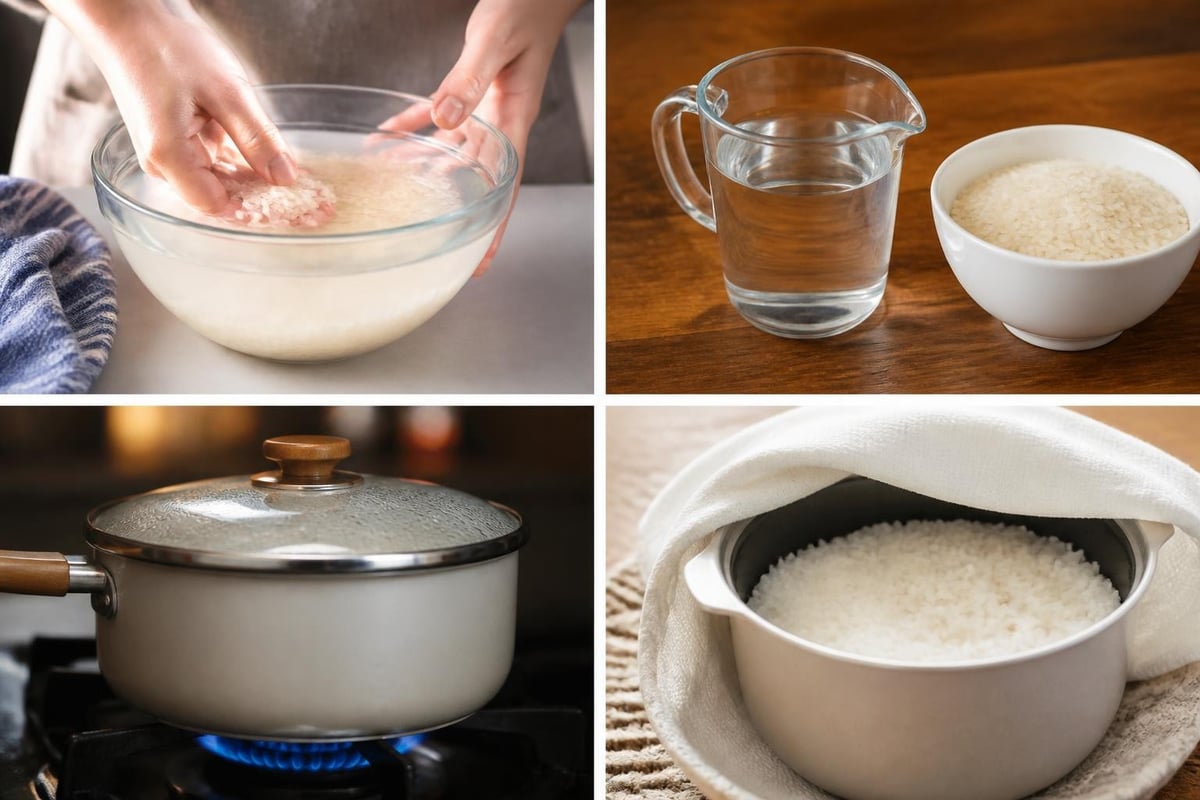
The Absorption Method
This technique, preferred by most home cooks, involves cooking rice in measured water that becomes completely absorbed during the process.
- Rinse rice thoroughly under cold water until water runs clear, removing excess surface starch
- Measure water accurately using a 1.5:1 or 2:1 ratio (water to rice) depending on variety
- Bring to a boil uncovered over high heat
- Reduce heat immediately when boiling, cover tightly, and simmer for 15-18 minutes
- Rest off heat for 5-10 minutes before fluffing with a fork
The absorption method produces consistently superior results for curry and rice preparations compared to boiling methods that require draining excess water.
Enhancing Rice Flavour
Simple additions during cooking transform plain rice into a flavourful component worthy of complex curries:
- Add whole spices (cardamom pods, cinnamon stick, bay leaves) to cooking water
- Toast rice briefly in butter or oil before adding liquid
- Replace a portion of water with stock for added depth
- Incorporate a pinch of salt and squeeze of lemon juice
Building Authentic South African Curry
South African curry preparations vary widely, but certain techniques and ingredients remain consistent across regional variations. Understanding these fundamentals enables home cooks to recreate authentic flavours regardless of location.
Essential Spice Components
The foundation of any South African curry begins with quality spices. Unlike pre-mixed curry powders, building flavour from whole or freshly ground spices produces superior results.
Core spices include:
- Cumin seeds (jeera) for earthy, warming notes
- Coriander seeds (dhania) providing citrus undertones
- Turmeric for colour and subtle bitterness
- Fenugreek seeds contributing maple-like sweetness
- Mustard seeds adding pungent, sharp flavour
Research published by the National Center for Biotechnology Information examines clinical evidence for culinary doses of herbs and spices commonly used in curry preparations, including turmeric, cumin, coriander, and ginger. While health claims require careful evaluation, these spices do contribute beneficial compounds when consumed as part of regular meals.
The active compound in turmeric, curcumin, has been extensively studied, with systematic reviews examining randomized trials on its effects. These investigations provide context for understanding how traditional spice combinations may contribute to overall dietary health.
The Curry Base: Onions, Tomatoes, and Technique
South African curry typically begins with slowly caramelised onions, a process that requires patience but delivers essential sweetness and depth. Rushing this stage produces inferior results with harsh, raw onion flavours that persist throughout cooking.
Proper technique involves:
- Slice onions thinly and uniformly for even cooking
- Cook over medium-low heat in adequate oil or ghee
- Stir regularly, allowing 20-30 minutes for proper caramelisation
- Add garlic and ginger once onions achieve golden colour
- Incorporate ground spices, toasting briefly to release aromatics
- Add tomato only after spices bloom, preventing premature burning
This foundation supports any protein or vegetable addition, whether preparing chicken curry, lamb curry, bean curry, or vegetable variations.
Global Curry and Rice Traditions
While South African curry maintains its distinctive character, exploring global variations provides perspective on how different cultures approach this fundamental dish pairing.
Japanese Curry Rice
Japanese curry represents perhaps the most divergent adaptation of curry traditions. The Guardian's exploration of Japanese curry rice highlights how this dish evolved from British naval curry, itself an adaptation of Indian cuisine, creating something entirely unique to Japan.
Japanese curry features:
- Thick, smooth sauce with no visible spice particles
- Sweet-savoury flavour profile incorporating apple and honey
- Mild heat levels accessible to children
- Roux-based preparation rather than spice-toast technique
- Short-grain rice served alongside rather than underneath curry
This style demonstrates how curry and rice adapts to local preferences while maintaining core appeal.
Thai and Southeast Asian Variations
Thai curries, including green, red, and yellow varieties, pair with jasmine rice and emphasise fresh herbs, coconut milk, and balanced sweet-sour-salty-spicy flavour profiles. These preparations contrast sharply with South African approaches but share the fundamental comfort food appeal.
| Curry Style | Base Ingredients | Heat Level | Rice Pairing | Sauce Texture |
|---|---|---|---|---|
| South African Durban | Tomato, onion, spice blend | High | Basmati | Medium-thick |
| Cape Malay | Dried fruit, tamarind | Medium | Basmati | Rich, sweet |
| Japanese | Roux, apple, vegetables | Mild | Short-grain | Very thick |
| Thai Green | Coconut milk, fresh herbs | High | Jasmine | Thin, aromatic |
Nutritional Considerations and Sustainable Choices
Modern curry and rice preparations increasingly consider nutritional balance and environmental impact alongside traditional flavour priorities.
Making Healthier Curry Choices
Traditional curry recipes often feature generous amounts of oil or ghee and rich coconut-based sauces. Modifying these elements whilst maintaining flavour requires strategic ingredient substitutions:
- Replace half the oil with vegetable stock during onion caramelisation
- Use light coconut milk or yoghurt rather than full-fat coconut cream
- Increase vegetable content relative to meat portions
- Choose brown rice for additional fibre and nutrients
- Incorporate legumes (lentils, chickpeas) for plant-based protein
These adjustments reduce caloric density whilst preserving the essential curry and rice experience.
Environmental Considerations for Rice Production
Rice cultivation carries significant environmental implications, particularly regarding water usage and methane emissions. The FAO's climate-smart rice materials examine sustainable production methods and their potential for reducing environmental impact.
Conscious consumers can:
- Select rice varieties grown using water-efficient irrigation
- Support producers implementing alternate wetting and drying techniques
- Consider organic certification that limits synthetic inputs
- Purchase from suppliers transparent about sourcing practices
Preparing Curry and Rice for Different Occasions
Curry and rice adapts beautifully to various dining contexts, from quick weeknight meals to elaborate entertaining scenarios.
Weeknight Curry Solutions
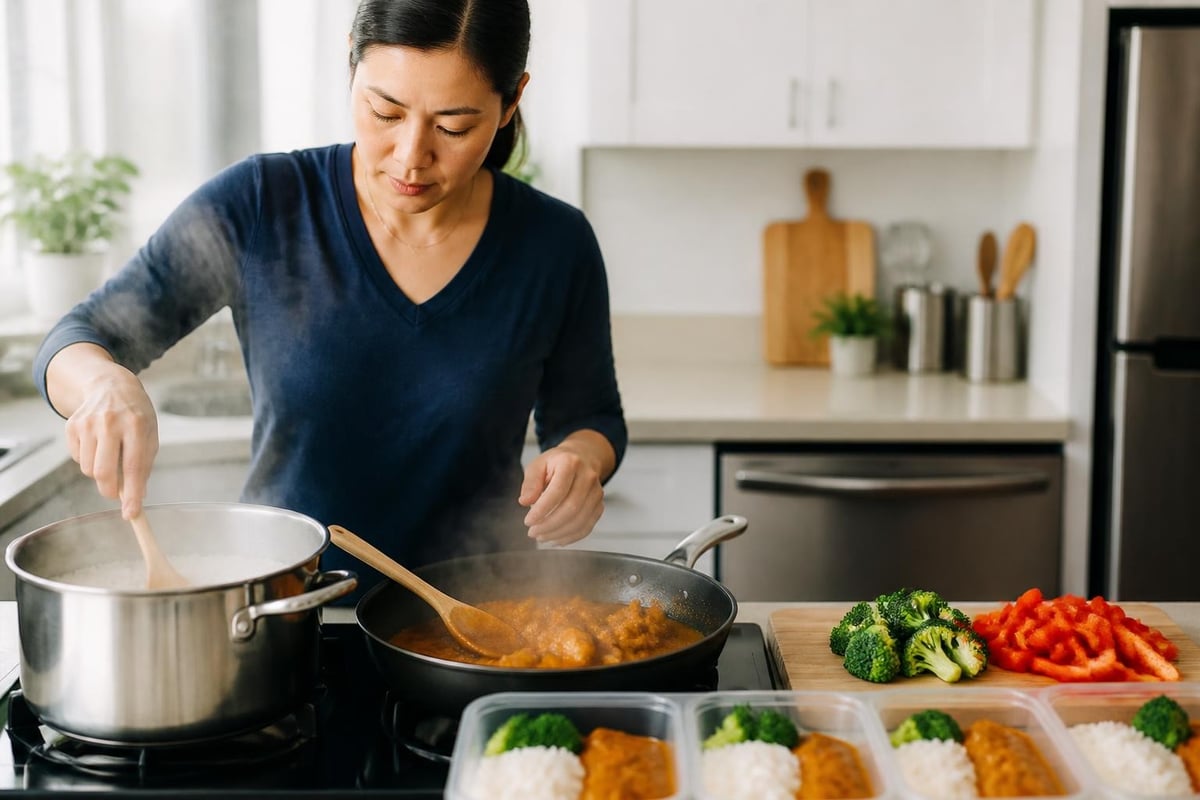
Busy schedules demand efficient cooking without sacrificing quality. Several strategies accelerate curry and rice preparation:
- Prepare spice blends in bulk, storing in airtight containers
- Use pressure cookers or instant pots to reduce cooking time by 50-60%
- Cook rice in rice cookers whilst preparing curry on the stovetop
- Batch-cook curry bases on weekends, freezing portions for later use
- Maintain stocks of pre-cut frozen vegetables for quick additions
South Africans in New Zealand can access authentic curry spices and ready-made blends through specialist suppliers, eliminating the time-consuming task of sourcing individual components from multiple retailers.
Entertaining with Curry and Rice
When serving curry and rice for guests, presentation and variety elevate the experience beyond everyday meals.
Consider offering:
- Multiple curry options (varying protein and heat levels)
- Fragrant rice preparation with whole spices and herbs
- Traditional accompaniments (sambals, chutneys, pickles)
- Fresh garnishes (coriander, mint, crispy onions)
- Cooling elements (raita, sliced cucumber, yoghurt)
South African entertaining traditions often feature generous spreads allowing guests to customise their plates. This approach accommodates varying spice tolerances whilst showcasing culinary skill.
Sourcing Authentic Ingredients in New Zealand
For South African expatriates, maintaining culinary traditions requires access to familiar ingredients that may prove difficult to source through mainstream New Zealand retailers.
The Challenge of Authentic Spice Blends
Generic "curry powder" available in standard supermarkets rarely matches the complexity and character of South African curry blends. These mass-market products typically feature turmeric as the dominant component, lacking the nuanced layering of properly balanced spice combinations.
Authentic South African curry preparation benefits from access to:
- Traditional curry powder blends reflecting regional styles
- Whole spices for custom grinding and toasting
- Curry leaves (fresh or dried) essential for Durban-style preparations
- Quality masalas and spice mixes
- Specialty ingredients like tamarind paste and fenugreek
Something From Home addresses this challenge by stocking comprehensive spice selections alongside other South African grocery essentials. This centralised access eliminates the frustration of hunting through multiple stores for individual components.
Building a South African Pantry in New Zealand
Creating curry and rice dishes that truly taste like home requires maintaining a well-stocked pantry of essential South African products. Beyond spices, this includes:
- Chutneys and pickles that provide authentic accompaniments
- Familiar rice brands that match taste memories
- Traditional condiments and sauces
- Preserved ingredients used in family recipes
The ability to purchase South African food online in New Zealand has transformed expatriate cooking, enabling maintenance of food traditions without compromise. Rather than adapting recipes to available ingredients, home cooks can now recreate dishes exactly as remembered.
Teaching the Next Generation
For South African families raising children in New Zealand, passing on food traditions carries cultural significance beyond mere cooking skills. Curry and rice preparation offers opportunities to share heritage, language, and family history.
Making Curry Child-Friendly
Introducing children to curry and rice requires patience and strategic modifications:
- Begin with mild spice levels, gradually increasing as palates develop
- Involve children in preparation (measuring rice, stirring curry)
- Create familiar presentations (curry served alongside rather than over rice)
- Emphasise the stories and memories associated with specific recipes
- Allow customisation with varied accompaniments
Many South African families maintain two curry preparations during the transition period: traditional versions for adults and adapted versions for children, eventually converging as young palates mature.
Preserving Recipe Heritage
Documenting family curry recipes ensures these culinary traditions survive generational transitions. Recording not just ingredients and proportions but techniques, timing, and the stories surrounding specific dishes creates invaluable family archives.
Advanced Curry Techniques
Experienced home cooks can elevate their curry and rice preparations through advanced techniques that add complexity and refinement.
Layering Flavours Through Multiple Stages
Professional curry preparation involves building flavour through distinct stages rather than combining all ingredients simultaneously:
Stage one: Whole spices bloomed in hot oil release essential oils Stage two: Aromatics (onion, garlic, ginger) caramelised slowly Stage three: Ground spices toasted briefly to develop depth Stage four: Tomato base reduced until oil separates Stage five: Main ingredients added and braised Stage six: Finishing touches (fresh herbs, cream, lemon juice)
This methodical approach produces demonstrably superior results compared to simplified one-pot methods, though it requires additional time and attention.
Tempering and Finishing Techniques
South African curry sometimes incorporates tempering, a technique borrowed from Indian cooking where whole spices are briefly fried in hot oil or ghee, then poured over finished curry immediately before serving. This final addition provides aromatic intensity and textural contrast.
Common tempering ingredients include:
- Mustard seeds that pop and crackle
- Curry leaves releasing distinctive aroma
- Dried chillies for visual appeal and concentrated heat
- Cumin seeds for earthy fragrance
Curry and rice remains a cornerstone of South African culinary identity, offering comfort, nourishment, and connection to heritage regardless of geographic location. For South Africans living in New Zealand, maintaining these food traditions requires access to authentic ingredients that capture the flavours of home. Whether you're preparing weeknight family dinners or elaborate entertaining spreads, having reliable access to quality South African spices and specialty ingredients makes all the difference in recreating the tastes you remember. Explore the extensive range of South African products, from traditional curry blends to familiar pantry staples, at Something From Home.