Dutch Rusks: A Beloved South African Tradition
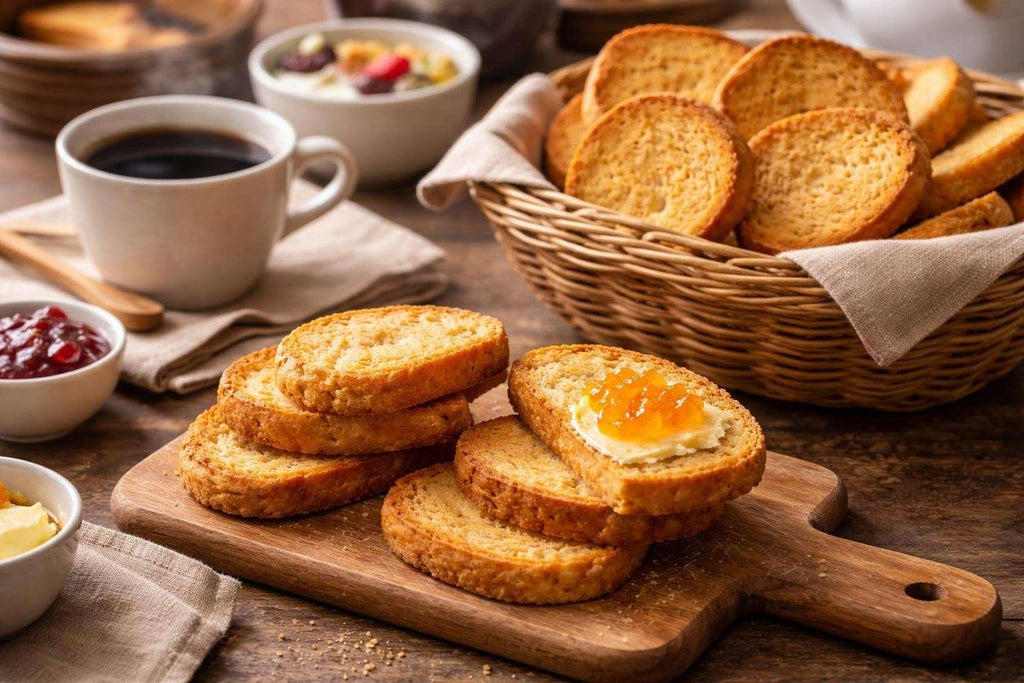
For South Africans living in New Zealand and Australia, few foods evoke the comfort of home quite like a perfectly dunked rusk with morning coffee or rooibos tea. These twice-baked treats, known as dutch rusks, have become an integral part of South African culture despite their European heritage. Understanding the story behind these beloved biscuits reveals not only culinary tradition but also the fascinating journey of how food evolves when cultures intersect. Whether you grew up enjoying them at your ouma's kitchen table or discovered them later in life, dutch rusks represent a connection to heritage that transcends borders.
The Historical Journey of Dutch Rusks
The origins of dutch rusks trace back to the Netherlands, where they were known as beschuit. The history of rusks reveals their development from practical necessity during the 17th and 18th centuries. Dutch sailors needed food that could withstand long voyages without spoiling, leading to the creation of these durable, twice-baked breads.
The double-baking process was revolutionary for food preservation. Bakers would first create small round breads, then slice them horizontally and bake them again at low temperatures to remove all moisture. This technique created a product that could last months without refrigeration, making it invaluable for maritime travel.
From Netherlands to South Africa
When Dutch settlers arrived at the Cape in the 1600s, they brought their culinary traditions with them. Rusks as we know them became adapted to local ingredients and tastes over generations. The transformation from Dutch beskuit to South African rusks involved incorporating buttermilk, adding distinctive flavors like aniseed and muesli, and developing unique regional variations.
British settlers also influenced rusk culture in South Africa, bringing their own traditions of hard, dry biscuits designed for dunking. This cultural melding created something distinctly South African, though the name "dutch rusks" acknowledges the primary heritage of these treats.
Understanding the Traditional Preparation Method
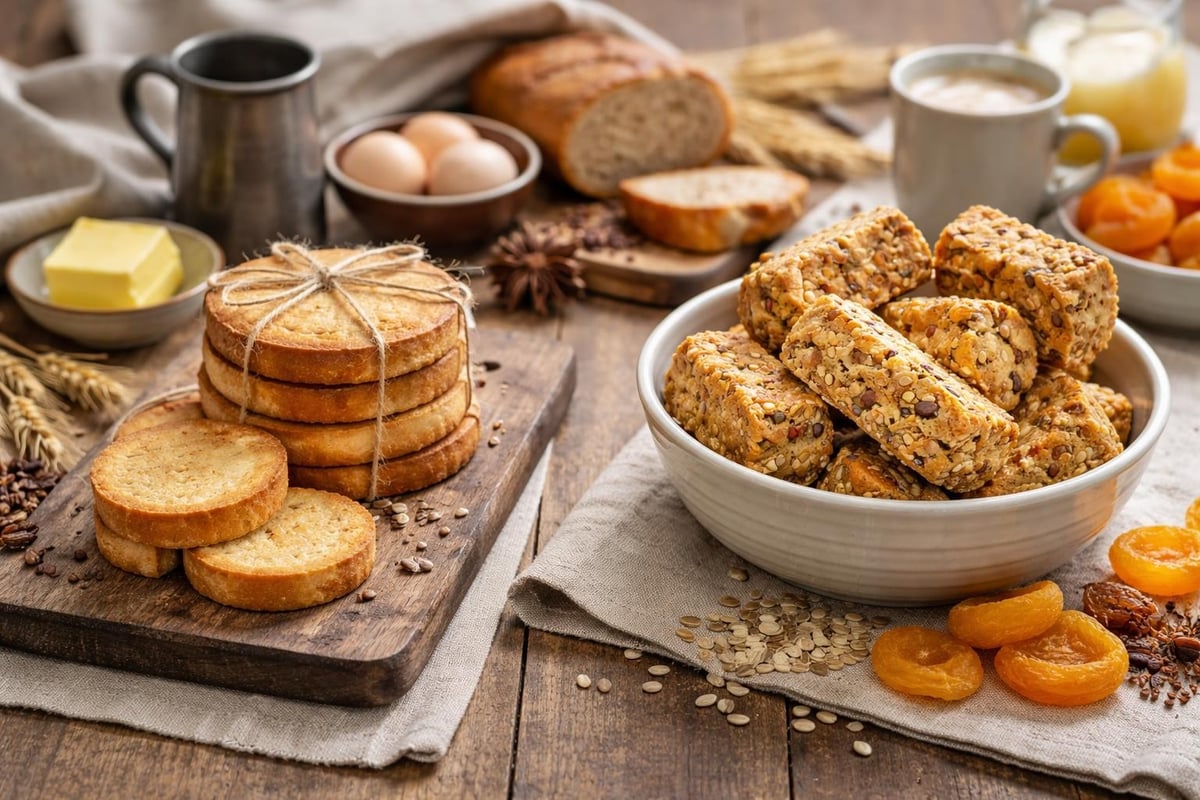
Creating authentic dutch rusks requires patience and attention to detail. The process differs significantly from ordinary baking because it involves two distinct cooking stages that develop the characteristic texture and flavor.
First Baking Stage
The initial dough typically combines:
- All-purpose or bread flour for structure
- Butter or margarine for richness
- Sugar for subtle sweetness
- Buttermilk or yoghurt for tang and tenderness
- Baking powder for lift
- Salt for balance
- Optional seeds, nuts, or dried fruit for variation
Bakers mix these ingredients to form a soft dough, which they then shape into small rolls or press into rectangular tins. The first baking occurs at moderate temperatures until the dough sets and develops a light golden color. This stage creates the basic structure of the rusk.
Second Baking for Preservation
After the initial bake, the crucial step differentiates rusks from regular bread. Bakers slice each piece horizontally while still warm, then arrange the halves cut-side up on baking trays. The second baking happens at very low temperatures, sometimes as low as 80-100°C, for several hours.
This extended drying process removes virtually all moisture, creating the distinctive hard, dry texture that makes dutch rusks perfect for dunking. The slow drying also develops complex flavors through gentle caramelization of sugars and concentration of ingredients.
| Traditional Ingredients | Modern Variations | Health-Conscious Options |
|---|---|---|
| White flour | Whole wheat flour | Almond flour |
| Full-fat buttermilk | Low-fat yoghurt | Coconut milk |
| Butter | Margarine | Coconut oil |
| White sugar | Brown sugar | Stevia or xylitol |
| Raisins | Cranberries | Chia seeds |
Cultural Significance in South African Life
Dutch rusks occupy a unique position in South African culture that extends far beyond simple breakfast food. They represent comfort, tradition, and connection to heritage in ways that few other foods can match.
Morning Rituals and Tea Time
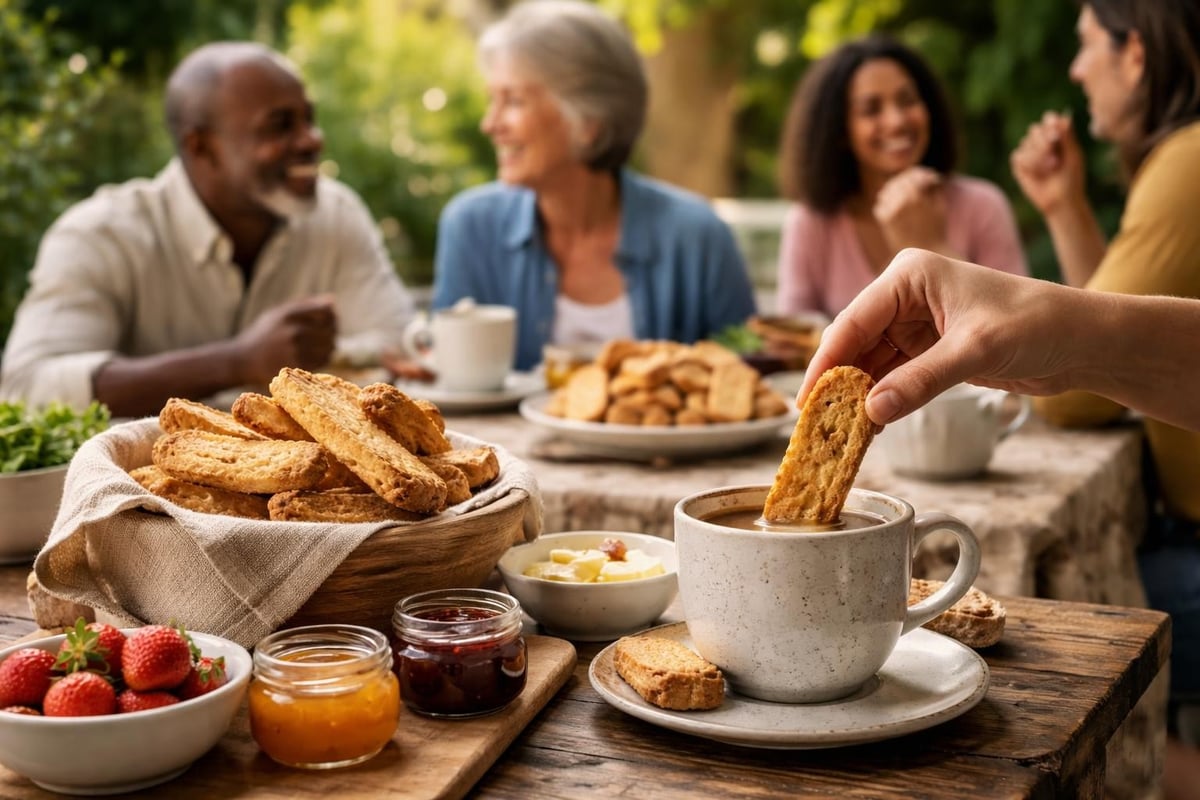
For many South African families, the day doesn't properly begin without a rusk dunked in coffee or tea. This morning ritual creates a moment of calm before the day's activities commence. The act of dunking transforms the hard biscuit into a soft, flavorful treat that releases its subtle sweetness and buttery notes.
The social aspect matters tremendously. Sharing rusks during tea time fosters conversation and connection. Whether at home, in the office, or after church on Sundays, offering rusks demonstrates hospitality and creates opportunities for community building.
Celebrations and Special Occasions
Dutch rusks feature prominently in South African celebrations. Traditional Dutch culture includes beschuit met muisjes (rusks with aniseed sprinkles) to celebrate new births, a tradition some South African families maintain. Wedding receptions, funeral gatherings, and family reunions all feature rusks as essential refreshments.
The portability of rusks makes them ideal for road trips, camping excursions, and outdoor adventures. Many South Africans recall childhood holidays where rusks provided sustenance during long car journeys or around braai fires in the bushveld.
Popular Varieties and Flavor Profiles
The evolution of dutch rusks in South Africa has produced remarkable variety. While traditional buttermilk rusks remain beloved, innovation has created options for every preference and dietary requirement.
Classic Traditional Flavors
Buttermilk rusks represent the foundation of South African rusk culture. Their subtle tang and slight sweetness make them versatile enough for any time of day. The buttermilk creates a tender crumb that becomes perfectly crispy after the second bake.
Muesli rusks incorporate rolled oats, seeds, nuts, and dried fruit for added nutrition and texture. These hearty versions appeal to health-conscious consumers while maintaining traditional preparation methods. The combination of whole grains and fruits creates complex flavors that develop during the slow drying process.
Aniseed rusks feature the distinctive licorice-like flavor that divides opinions. Those who appreciate aniseed find these rusks absolutely delightful, while others prefer plainer versions. The aromatic seeds add digestive benefits alongside their unique taste.
Modern Innovations
Contemporary bakers have expanded the rusk repertoire considerably:
- Chocolate chip rusks satisfy sweet cravings
- Bran rusks offer high fiber content
- Low-sugar options cater to diabetic consumers
- Gluten-free versions use alternative flour blends
- Savory rusks incorporate cheese, herbs, or seeds
Ouma Rusks, one of South Africa's most recognized brands, produces numerous varieties that have become household staples. Their commercial success demonstrates the enduring appeal of these traditional treats.
Nutritional Considerations and Health Benefits
Understanding the nutritional profile of dutch rusks helps consumers make informed choices. While recipes vary significantly, examining general characteristics provides useful guidance.
Basic Nutritional Content
Traditional rusks contain primarily carbohydrates from flour and sugar, with moderate fat from butter or oil. A typical rusk provides approximately 80-120 calories, depending on size and ingredients. The twice-baking process concentrates nutrients while removing moisture.
Macronutrient breakdown for standard rusks:
- Carbohydrates: 15-20 grams per rusk
- Protein: 2-3 grams per rusk
- Fat: 3-5 grams per rusk
- Fiber: 1-2 grams per rusk (higher in whole grain varieties)
Health-Conscious Choices
Healthy South African rusks can provide nutrient-dense snacking options when made with thoughtful ingredient selections. Whole grain flour increases fiber content, supporting digestive health and providing sustained energy. Seeds like sunflower, pumpkin, and flax add omega-3 fatty acids and minerals.
Reducing sugar content creates options suitable for diabetic consumers or those managing blood glucose levels. Using natural sweeteners or simply decreasing overall sweetness allows the grain and dairy flavors to shine through more prominently.
The portion control aspect of rusks works in their favor. One or two rusks provide satisfying snacking without the tendency to overeat that softer baked goods sometimes encourage. The requirement to dunk them slows consumption, promoting mindful eating.
Enjoying Dutch Rusks: Traditional and Creative Serving Ideas
While dunking in hot beverages remains the classic approach, dutch rusks offer surprising versatility for creative culinary applications.
Traditional Serving Methods
Coffee dunking represents the quintessential rusk experience. The hot liquid softens the exterior while the interior maintains slight firmness, creating perfect texture contrast. Strong filter coffee, cappuccino, or flat white all work beautifully. Timing matters-dunk too briefly and the rusk stays too hard; too long and it disintegrates into the cup.
Tea pairing offers equal enjoyment. Rooibos tea, with its naturally sweet, earthy notes, complements buttery rusks magnificently. Black tea with milk provides robust flavor that stands up to sweeter rusk varieties. The tannins in tea balance the richness of butter-based rusks.
Hot chocolate creates an indulgent combination, particularly with plain or chocolate rusks. The cocoa beverage transforms rusks into dessert-like treats perfect for cold winter mornings.
Innovative Culinary Applications
Creative cooks have discovered numerous ways to incorporate rusks beyond simple dunking:
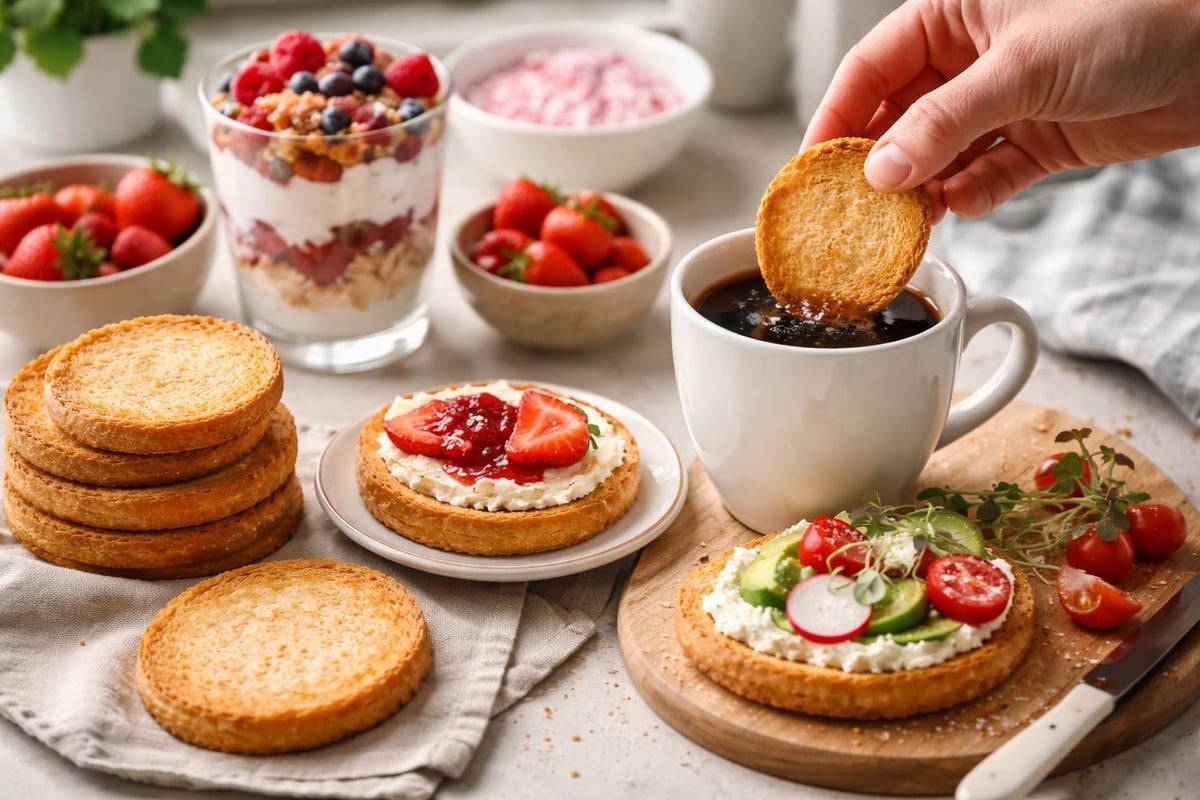
- Crushed rusk toppings for ice cream or yoghurt
- Rusk crumb bases for cheesecakes and tarts
- Savory croutons using herb or cheese rusks in soups
- Bread pudding made with chocolate or fruit rusks
- Rusk butter created by grinding rusks with butter and honey
| Beverage Pairing | Recommended Rusk Type | Flavor Notes |
|---|---|---|
| Strong black coffee | Buttermilk or plain | Classic combination, balanced flavors |
| Rooibos tea | Muesli or fruit | Complementary sweetness and earthiness |
| Cappuccino | Chocolate chip | Indulgent, dessert-like experience |
| Chai latte | Aniseed or spiced | Aromatic spices harmonize beautifully |
| Hot chocolate | Plain or almond | Rich, comforting combination |
Making Dutch Rusks at Home
Creating homemade dutch rusks allows complete control over ingredients, flavors, and textures. While the process requires time, it doesn't demand advanced baking skills.
Essential Equipment and Ingredients
Equipment needed:
- Large mixing bowl
- Baking tins (loaf or rectangular)
- Sharp serrated knife
- Multiple baking trays
- Wire cooling racks
Basic ingredient list:
- 1 kilogram all-purpose flour
- 500 milliliters buttermilk or plain yoghurt
- 250 grams butter or margarine
- 200 grams sugar
- 4 teaspoons baking powder
- 1 teaspoon salt
- Optional additions (seeds, nuts, dried fruit)
Step-by-Step Process
Begin by preheating the oven to 180°C. Cream butter and sugar until light and fluffy, then alternate adding dry ingredients and buttermilk to create a soft, sticky dough. Avoid overmixing, which develops gluten and creates tough rusks.
Press the dough into greased baking tins, filling them about two-thirds full. Bake for 45-60 minutes until golden and a skewer inserted in the center emerges clean. Cool the loaves for 10-15 minutes before slicing.
Cut each loaf into individual rusks approximately 2 centimeters thick using a sharp serrated knife. Arrange pieces cut-side up on baking trays, ensuring they don't touch. Reduce oven temperature to 100°C and dry for 4-6 hours, turning once halfway through.
The rusks are ready when completely hard and dry throughout. Allow them to cool completely before storing in airtight containers. Properly dried rusks keep for several months at room temperature.
The Role of Dutch Rusks in Expatriate Communities
For South Africans living abroad in places like New Zealand and Australia, dutch rusks serve as powerful cultural touchstones. These simple biscuits carry memories of home and maintain connections to heritage despite geographic distance.
Comfort Food and Nostalgia
The cultural significance of rusks in South African communities extends far beyond nutrition. Expatriates often describe the emotional response to finding authentic rusks in specialty stores. That first bite after months or years abroad can evoke powerful memories of family kitchens, Sunday mornings, and simpler times.
The familiar ritual of dunking provides comfort during adjustment to new countries. Maintaining this small piece of daily routine helps ease homesickness and creates continuity between past and present lives.
Building Community Connections
South African expatriate communities often gather around shared food traditions. Rusks feature prominently at these gatherings, whether formal events or casual meetups. Sharing rusks creates instant recognition and camaraderie among fellow South Africans.
Many expatriates introduce local friends to dutch rusks, explaining the traditions and proper dunking techniques. This cultural exchange strengthens friendships while preserving heritage. The selection of authentic South African products available to overseas communities has expanded significantly in recent years, making maintaining these traditions easier than ever.
Storing and Preserving Dutch Rusks
Proper storage ensures rusks maintain optimal quality and flavor for extended periods. Their low moisture content naturally resists spoilage, but following best practices maximizes longevity.
Optimal Storage Conditions
Store completely cooled rusks in airtight containers to prevent moisture absorption from the environment. Glass jars, sealed plastic containers, or resealable bags all work well. Avoid containers that allow air circulation, which can introduce humidity.
Room temperature storage suits rusks perfectly. Unlike many baked goods, refrigeration offers no benefit and may actually introduce unwanted moisture. A cool, dry pantry provides ideal conditions.
Storage duration expectations:
- Homemade rusks: 2-3 months in airtight containers
- Commercial rusks (unopened): 6-12 months
- Commercial rusks (opened): 3-4 months if properly resealed
Preventing Common Storage Issues
Moisture represents the primary enemy of rusk quality. If rusks absorb humidity, they lose their characteristic crunchiness and may develop mold. Warning signs include softness, flexibility, or any visible spotting.
Preventing moisture problems requires vigilance. Never store rusks while still warm, as trapped steam creates condensation. Ensure containers are completely dry before filling them. Consider adding food-grade silica gel packets to containers in particularly humid climates.
If rusks do soften slightly, refreshing them in a low oven (100°C) for 30-60 minutes can restore their texture. Allow them to cool completely before returning to storage containers.
Purchasing Authentic Dutch Rusks in New Zealand and Australia
Finding genuine South African rusks overseas once required relatives to pack suitcases full of treats or waiting for care packages. Today's expatriates enjoy significantly better access through specialized importers and online retailers.
What to Look for in Quality Rusks
Authentic rusks should exhibit specific characteristics regardless of brand or variety. They should be uniformly hard and dry throughout, with no soft or doughy centers. Breaking a rusk should produce a clean snap rather than crumbling or bending. Color should be even, ranging from light golden to deeper brown depending on ingredients.
Check ingredient lists for quality components. Traditional rusks contain flour, buttermilk or yoghurt, butter, sugar, baking powder, and salt. Avoid products with excessive preservatives, artificial flavors, or unrecognizable additives. While some stabilizers appear in commercial varieties, simpler ingredient lists generally indicate better quality.
Trusted Brands and Varieties
Several South African brands have earned loyal followings among expatriate communities. Each offers distinct characteristics and flavor profiles that appeal to different preferences. Exploring various brands helps identify personal favorites.
Commercial rusks provide consistency and convenience, while artisanal producers offer handcrafted varieties with unique ingredients. Many expatriates maintain supplies of both types, choosing based on occasion and mood.
When exploring the extensive range of products available from specialized South African food importers, consider trying several varieties to discover which best satisfy your preferences. Personal taste plays a significant role in rusk enjoyment.
Dutch Rusks Compared to International Biscuit Traditions
Understanding how dutch rusks relate to similar products worldwide provides interesting cultural context. Many cultures developed twice-baked breads or dry biscuits for preservation purposes, yet each evolved distinctive characteristics.
European Biscuit Relatives
Italian biscotti share the twice-baking technique but typically incorporate almonds and achieve an even harder texture. They're shaped into long, flat slices rather than the round or rectangular forms common in rusks. Biscotti often feature stronger flavors like anise, citrus, or chocolate.
Wikipedia's comprehensive overview details numerous international variations. German zwieback resembles rusks more closely, traditionally given to teething babies and served at breakfast. British rusks tend to be sweeter and lighter, often marketed specifically for infant feeding.
Distinctive South African Characteristics
What sets South African dutch rusks apart involves several factors. The buttermilk creates distinctive tang and tenderness impossible to replicate with other liquids. The variety of flavors available exceeds most international rusk traditions. Most importantly, the cultural significance and daily integration into South African life surpasses the role rusks play elsewhere.
The social rituals surrounding rusk consumption in South Africa create unique meaning. While Italians might enjoy biscotti after dinner with wine, South Africans build their mornings around rusks and coffee. This difference in timing and context shapes how the foods developed and what they represent culturally.
Regional Variations Within South Africa
South Africa's diverse population has created regional rusk variations that reflect local preferences and available ingredients. While commercial brands maintain consistency, home bakers incorporate regional characteristics.
Coastal Influences
Coastal areas often feature dried fruit in rusks, utilizing preserved peaches, apricots, or figs abundant in nearby growing regions. The humidity along the coast requires extra care during the drying process to achieve proper texture.
Inland Preferences
Interior regions traditionally favor heartier rusks incorporating whole wheat flour and seeds. The drier climate facilitates the second baking process, producing reliably crispy results. Karoo lamb farmers' wives developed robust rusks that sustained workers during long days in the veld.
Urban Innovations
Cities have become centers for rusk innovation, with cafés and bakeries experimenting with international flavors. Matcha, turmeric, and activated charcoal versions appear alongside traditional offerings. These modern interpretations attract younger consumers while maintaining core rusk characteristics.
Dutch rusks represent far more than simple baked goods; they embody cultural heritage, family traditions, and the comforting flavors of home. Whether enjoying traditional buttermilk varieties or exploring modern innovations, these twice-baked treats connect South African expatriates to their roots while introducing others to beloved culinary traditions. For those living in New Zealand or Australia and craving authentic tastes from home, Something From Home offers an extensive selection of genuine South African rusks and groceries, delivering the foods and flavors you miss most directly to your door throughout New Zealand and Australia.