
Easter Eggs Warehouse: The Ultimate Storage Guide
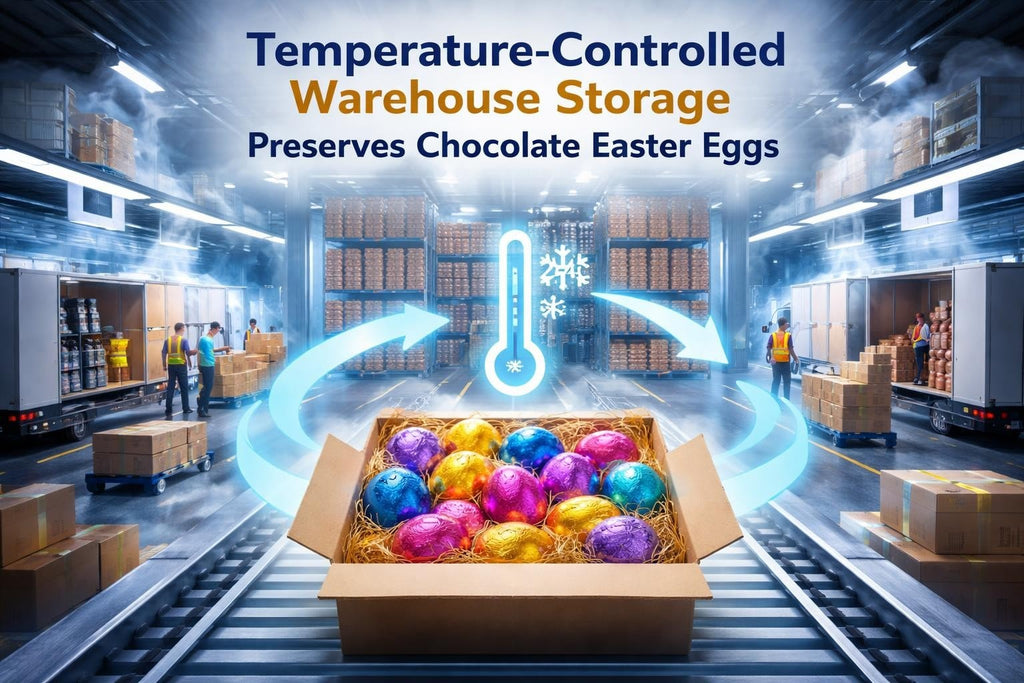
For South African expats living in New Zealand and Australia, the Easter season brings a bittersweet longing for familiar flavours and traditional treats. Managing an easter eggs warehouse requires specialised knowledge in temperature control, inventory management, and logistics, particularly when dealing with premium chocolate products imported from South Africa. Whether you're a retailer stocking beloved brands or simply curious about the complexity behind seasonal confectionery distribution, understanding warehouse operations ensures that those cherished Easter memories arrive in perfect condition. This comprehensive guide explores the intricate world of seasonal chocolate storage and distribution, with insights specifically valuable for businesses serving the South African diaspora.
Understanding the Unique Challenges of Easter Egg Storage
Operating an easter eggs warehouse demands considerably more attention to detail than standard dry goods storage. Chocolate products are notoriously sensitive to environmental fluctuations, requiring precise climate control to maintain their quality, texture, and taste.
The primary challenge centres on temperature regulation. Chocolate begins to deteriorate when exposed to temperatures above 20°C, developing bloom (that whitish coating indicating fat or sugar crystals migrating to the surface) and losing its characteristic snap and shine. For an easter eggs warehouse serving the Antipodean market, this becomes particularly critical during the Southern Hemisphere's autumn months when Easter falls.
Critical Storage Parameters
Maintaining optimal conditions requires constant monitoring of several environmental factors:
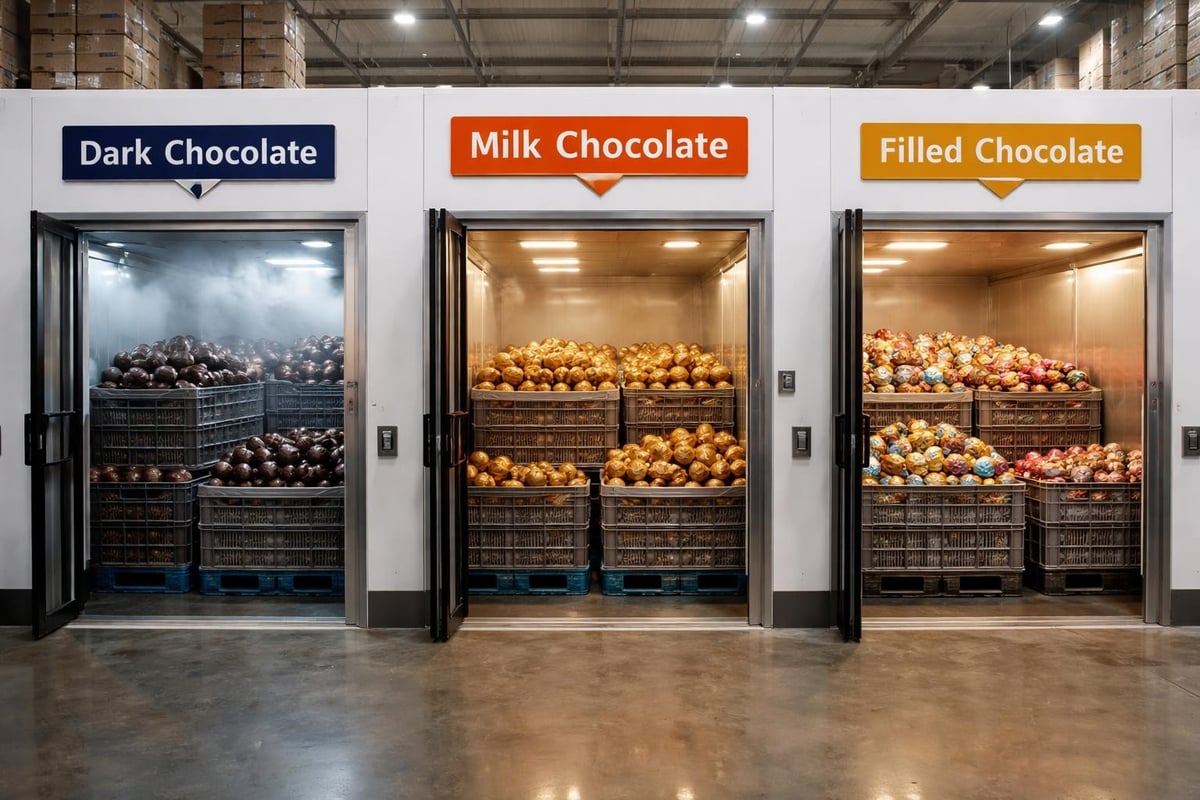
- Temperature range: 15-18°C for dark chocolate products, 12-15°C for milk chocolate varieties
- Humidity levels: 50-55% relative humidity to prevent moisture absorption
- Air circulation: Consistent ventilation without direct drafts on products
- Light exposure: Minimal UV light to prevent flavour degradation
- Odour isolation: Separate storage from strong-smelling products as chocolate absorbs surrounding scents
The complexity increases when managing inventory from South African suppliers, where products may have experienced varying storage conditions during international transit. Implementing cold chain logistics becomes essential for maintaining product integrity throughout the supply chain.
Inventory Management Strategies for Seasonal Products
Unlike year-round grocery items available through Something From Home, Easter eggs present unique inventory challenges due to their concentrated demand window. An effective easter eggs warehouse operation requires sophisticated forecasting and rotation systems.
Implementing a robust first-in-first-out (FIFO) system proves crucial for chocolate products. Even with optimal storage conditions, Easter eggs have limited shelf life, typically ranging from six to twelve months depending on formulation and packaging. The warehouse management system must track production dates, best-before dates, and implement automated alerts for approaching expiration dates.
Forecasting Demand Patterns
| Month | Activity Level | Focus Area |
|---|---|---|
| November-December | Initial planning | Order placement with South African suppliers |
| January | Receiving peak | Bulk shipments arrive, quality checks |
| February | Pre-season preparation | Final orders, promotional stock allocation |
| March-April | Distribution peak | Order fulfilment, rapid turnover |
| May | Wind-down | Clearance, surplus management |
Accurate demand forecasting prevents both stockouts and excessive surplus. Historical sales data, pre-order numbers, and market trends inform purchasing decisions. For retailers specialising in South African groceries, understanding the diaspora community's preferences for specific brands becomes particularly valuable.
Warehouse Layout and Zone Design
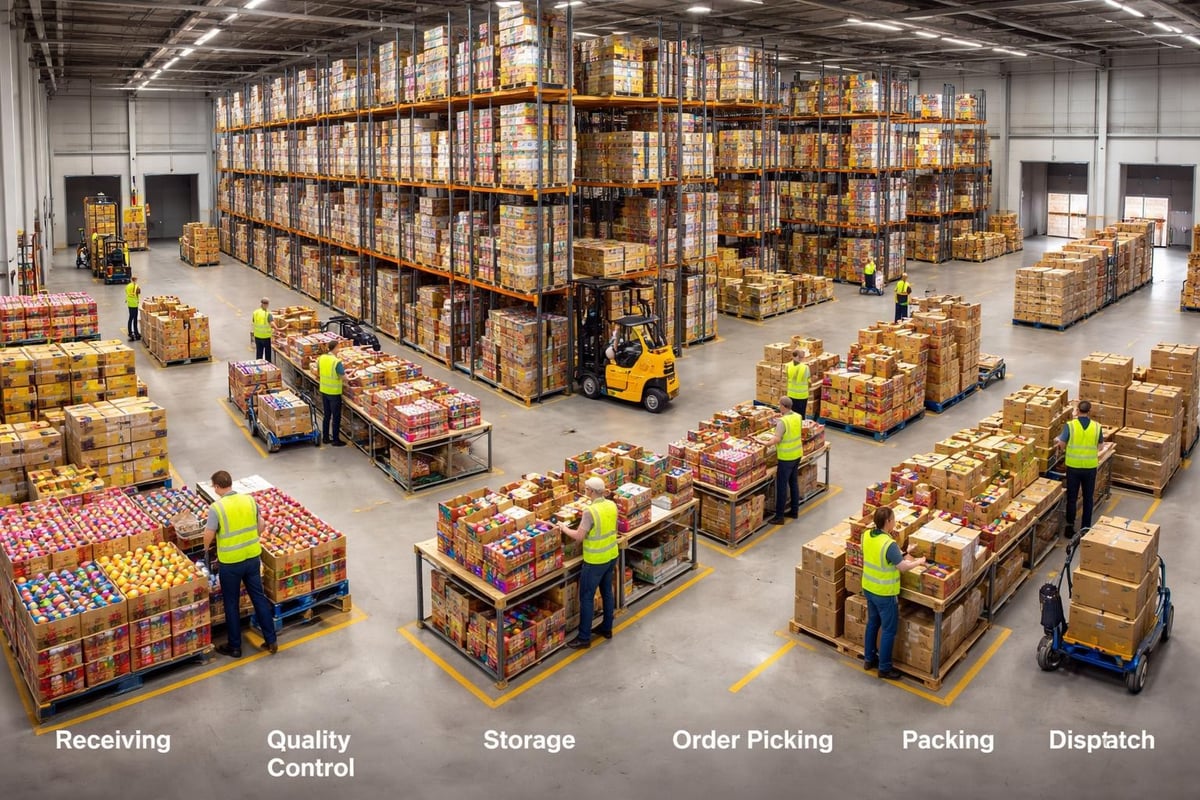
The physical configuration of an easter eggs warehouse significantly impacts operational efficiency and product preservation. Strategic zone planning separates different product categories whilst facilitating smooth workflow from receiving to dispatch.
Temperature-sensitive zones should occupy the most climate-stable areas of the facility, away from loading docks and external walls. Many successful operations, similar to Rotterdam warehouses, implement multiple temperature zones to accommodate various chocolate types and complementary Easter products.
Optimal Zone Configuration
Receiving area: A climate-controlled buffer zone where incoming shipments undergo temperature stabilisation before moving into main storage. This prevents thermal shock that could damage chocolate.
Primary storage: The largest section maintaining consistent 15-18°C for standard Easter egg inventory. High-density racking systems maximise space utilisation whilst ensuring adequate air circulation.
Pick and pack zone: A temperature-controlled area where orders are assembled. This zone requires efficient layout to minimise picker travel time during peak season when order volumes surge.
Dispatch staging: A transitional area where completed orders await collection or delivery. Insulated packaging and temperature monitoring ensure products maintain quality during the final distribution stage.
The warehouse should also include separate zones for packaging materials, damaged goods quarantine, and returns processing. Each zone requires clear signage and defined access protocols to maintain organisation during high-volume periods.
Quality Control and Product Inspection
Rigorous quality control distinguishes professional easter eggs warehouse operations from basic storage facilities. Every shipment entering the warehouse requires comprehensive inspection to identify potential issues before products reach customers.
Visual inspection forms the first line of defence. Staff examine packaging for damage, check seals for integrity, and look for signs of temperature abuse such as chocolate bloom or misshapen eggs. This proves especially important for imported South African products that have travelled significant distances.
Multi-Stage Quality Protocols
- Incoming inspection: Check all boxes for visible damage, verify quantities against packing lists, random sample testing for temperature exposure
- Storage monitoring: Daily temperature and humidity readings, weekly stock condition checks, monthly comprehensive inventory audits
- Pre-dispatch verification: Final quality check before order fulfilment, packaging integrity confirmation, correct product selection validation
- Customer feedback loop: Systematic collection and analysis of quality complaints, continuous improvement implementation
Temperature logging throughout storage provides crucial documentation. Modern warehouse management systems integrate with environmental sensors, creating automated alerts when conditions deviate from acceptable parameters. This data becomes invaluable for insurance claims and supplier disputes.
Packaging and Shipping Considerations
The final stage of an easter eggs warehouse operation requires equal attention to detail. Even perfectly stored chocolate can arrive damaged if inadequately protected during the dispatch phase.
Insulated packaging materials tailored to transit duration and external temperatures protect products during delivery. For shipments across New Zealand and Australia, thermal liners and gel packs maintain stable temperatures, particularly important during warmer periods.
| Packaging Component | Purpose | Specifications |
|---|---|---|
| Insulated box liners | Temperature regulation | R-value 4.0+ for multi-day transit |
| Gel packs (frozen) | Active cooling | Food-grade, non-toxic formulation |
| Bubble wrap/air pillows | Physical protection | Cushioning around individual eggs |
| Thermal tape | Seal integrity | Maintains insulation effectiveness |
Working with reliable courier services familiar with perishable goods handling ensures the last mile meets the same standards as warehouse storage. Clear labelling indicating temperature-sensitive contents alerts handlers to exercise appropriate care.
Technology Integration for Modern Operations
Contemporary easter eggs warehouse management leverages technology to optimise efficiency and accuracy. Barcode scanning, warehouse management systems (WMS), and automated inventory tracking reduce human error whilst accelerating order processing.
Cloud-based inventory systems provide real-time visibility across multiple locations, essential for businesses operating both New Zealand and Australian distribution points. Integration with e-commerce platforms enables seamless order flow from customer purchase through to dispatch.
Essential Technology Components
- Warehouse Management System (WMS): Central control for inventory locations, stock levels, order routing
- Barcode/RFID scanning: Accurate receiving, put-away, picking, and dispatch verification
- Environmental monitoring: Automated temperature and humidity logging with alert systems
- Order management integration: Direct connection to online sales platforms and point-of-sale systems
- Reporting and analytics: Performance metrics, stock turnover rates, demand forecasting data
Advanced operations implement pick-to-light or voice-picking systems during peak season, significantly increasing order fulfilment speed. For businesses specialising in South African products, these systems accommodate multi-language requirements and diverse SKU ranges beyond just Easter seasonal items.
Staff Training and Seasonal Workforce Management
Human expertise remains irreplaceable despite technological advances. An easter eggs warehouse requires trained staff who understand chocolate handling, food safety requirements, and efficient warehouse operations.
Permanent core staff provide operational continuity and institutional knowledge. However, the seasonal nature of Easter egg distribution typically necessitates temporary workforce expansion during peak months. Structured training programmes ensure seasonal staff maintain quality standards.
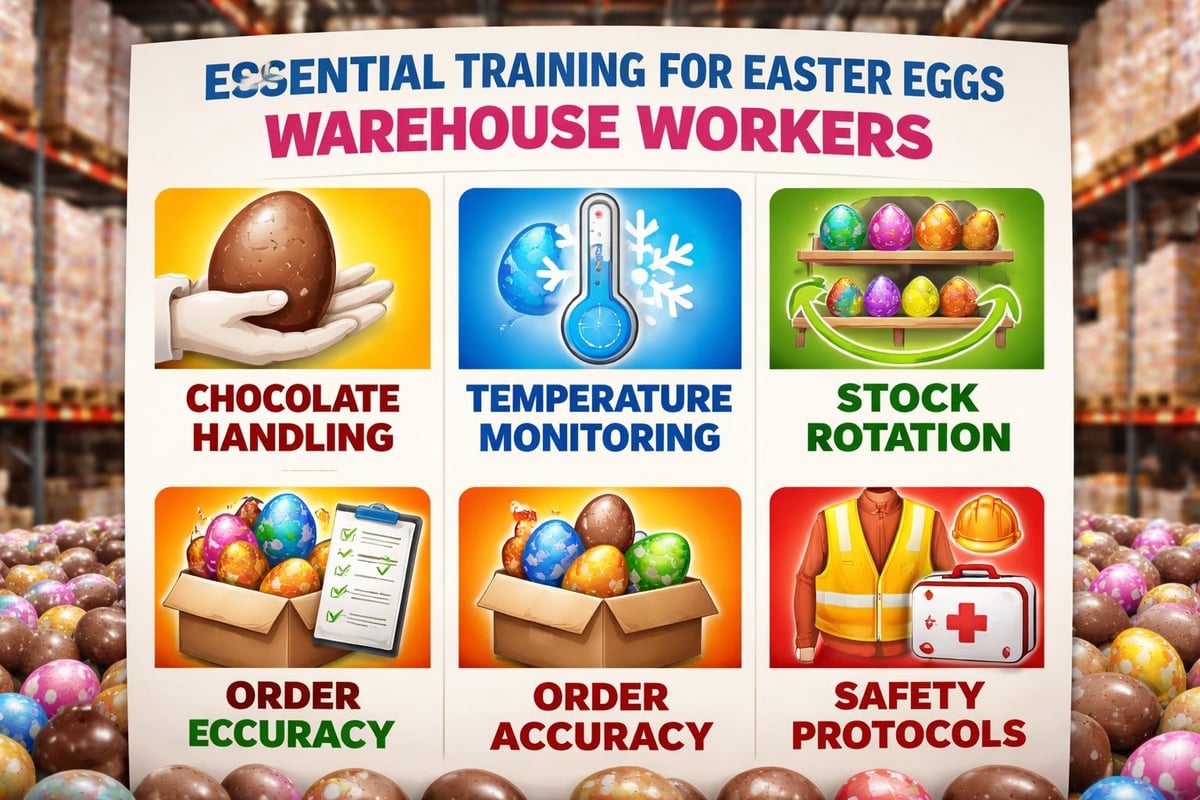
Training should cover product knowledge (particularly for South African brands unfamiliar to local staff), proper handling techniques, storage requirements, picking accuracy methods, and customer service standards. Regular refresher sessions keep quality top-of-mind throughout the season.
Sustainability and Waste Management
Modern easter eggs warehouse operations increasingly prioritise environmental responsibility alongside operational efficiency. Sustainable practices reduce costs whilst appealing to environmentally conscious consumers.
Packaging waste represents a significant concern. Implementing recycling programmes for cardboard, plastic, and protective materials minimises landfill contribution. Some operations partner with packaging suppliers offering take-back programmes for foam boxes and gel packs.
Product waste management requires careful planning. Near-expiry stock might be offered through discount channels, donated to charitable organisations, or processed through recycling programmes. Clear policies prevent waste whilst maintaining brand integrity.
Environmental Initiatives
Energy efficiency: LED lighting, motion sensors, and optimised refrigeration systems reduce power consumption in climate-controlled areas.
Packaging optimisation: Right-sizing boxes, using recycled materials, and minimising void fill reduces material usage without compromising protection.
Transport consolidation: Combining shipments and optimising delivery routes decreases carbon footprint associated with distribution.
For businesses connecting South African expats with familiar treats, demonstrating environmental stewardship enhances brand reputation whilst supporting broader sustainability goals. Resources about payment options and tracking systems show how customer transparency extends beyond environmental initiatives.
Managing Supplier Relationships
Successful easter eggs warehouse operations depend heavily on strong supplier partnerships. For businesses importing South African chocolate products, maintaining reliable supplier relationships ensures consistent quality and timely deliveries.
Early ordering commitments provide suppliers with production visibility, potentially securing preferential pricing and guaranteed allocation during high-demand periods. Regular communication about demand forecasts, quality expectations, and delivery schedules prevents misunderstandings.
Documentation requirements for international shipments include certificates of origin, food safety compliance documents, and customs declarations. Experienced suppliers familiar with antipodean import regulations streamline the clearance process, reducing delays during critical pre-Easter periods.
Marketing and Customer Experience
The easter eggs warehouse serves not just as a storage facility but as the fulfilment backbone supporting customer satisfaction. Efficient operations enable retailers to deliver memorable experiences during this sentimental season.
Creative approaches, such as the Easter egg scavenger hunt concept employed in other industries, demonstrate how warehouses can support promotional activities. For retailers serving the South African community, authentic product availability creates emotional connections that transcend simple transactions.
Fast, accurate order fulfilment becomes the warehouse's primary contribution to customer satisfaction. Meeting promised delivery dates, maintaining product quality, and handling special requests professionally build customer loyalty extending beyond the Easter season.
Risk Management and Contingency Planning
Despite meticulous planning, easter eggs warehouse operations face potential disruptions requiring robust contingency strategies. Equipment failures, supply chain interruptions, or demand surges beyond forecasts can jeopardize seasonal success.
Backup refrigeration systems, redundant environmental monitoring, and emergency response protocols protect against technical failures. Relationships with alternative suppliers provide options when primary sources face production issues.
| Risk Category | Potential Impact | Mitigation Strategy |
|---|---|---|
| Temperature control failure | Product spoilage | Backup cooling, emergency relocation protocols |
| Supply delay | Stock shortage | Safety stock levels, alternative supplier network |
| Demand surge | Stock-out situation | Flexible supplier agreements, reserve inventory |
| Quality issues | Customer dissatisfaction | Rigorous QC, supplier accountability clauses |
| Transport disruption | Delivery delays | Multiple courier partnerships, local stock holdings |
Insurance coverage appropriate to inventory value and seasonal concentration provides financial protection against catastrophic losses. Regular policy reviews ensure coverage keeps pace with business growth.
Compliance and Regulatory Requirements
Operating an easter eggs warehouse in New Zealand and Australia requires adherence to food safety regulations, import requirements, and storage standards. Compliance protects both consumers and business operators.
Food safety certification, such as HACCP (Hazard Analysis Critical Control Points) implementation, demonstrates systematic approach to identifying and controlling safety risks. Regular audits verify ongoing compliance and identify improvement opportunities.
Import documentation for South African products must satisfy biosecurity requirements, customs regulations, and labelling standards. Working with experienced customs brokers and maintaining detailed records facilitates smooth importation during peak season when processing delays prove particularly costly.
Successfully managing an easter eggs warehouse combines precise environmental control, sophisticated inventory systems, and operational expertise to deliver beloved chocolate treats in perfect condition. Whether stocking traditional South African Easter favourites or serving the broader market, attention to temperature management, quality control, and efficient logistics distinguishes professional operations. When you're ready to experience authentic South African Easter products delivered with the same care and expertise described throughout this guide, explore the extensive selection at Something From Home, where you'll find the foods and flavours you miss most, now shipping throughout New Zealand and Australia.