Koeksister: The Sweet South African Treat Explained

The golden, glistening koeksister stands as one of South Africa's most recognizable sweet treats, a dessert that carries generations of tradition within its plaited form. For South Africans living in New Zealand, this syrup-soaked delicacy represents more than just a sugary indulgence; it embodies memories of weekend baking sessions, church bazaars, and family gatherings around the kitchen table. The distinct crackling sound as you bite through the crispy exterior, followed by the rush of sweet syrup, creates a sensory experience that instantly transports expats back home.
The Historical Roots of South African Koeksisters
The origins of koeksisters trace back to Dutch settlers in the Cape Colony during the 17th century, though the exact timeline remains subject to historical debate. The name itself derives from the Dutch word "koekje," meaning cookie, combined with "sissen," referring to the sizzling sound the dough makes when dropped into hot oil.
Two Distinct Traditions
South African koeksister culture actually encompasses two completely different treats, each with its own devoted following:
Afrikaner Koeksister Characteristics:
- Plaited dough strips deep-fried until golden
- Immediately plunged into ice-cold syrup
- Crispy exterior with syrup-soaked interior
- Bright, sticky finish with honey-sweet flavor
- Often enjoyed with strong coffee or tea
Cape Malay Koeksister Features:
- Spiced, oval-shaped dumplings rolled in coconut
- Infused with cinnamon, ginger, and cardamom
- Soft, cake-like texture throughout
- Less syrupy, more subtly sweet
- Distinct cultural heritage within the Cape Malay community
The traditional Afrikaner koeksister remains the more widely recognized version internationally, though both hold equal importance within South African culinary heritage.
The Art of Making Perfect Koeksisters
Creating authentic koeksisters requires precision, patience, and practice. The process involves several critical steps that separate exceptional koeksisters from mediocre attempts.
Essential Ingredients and Equipment
| Component | Purpose | Key Consideration |
|---|---|---|
| Cake flour | Creates tender texture | Must be sifted for lightness |
| Baking powder | Provides lift | Fresh for best results |
| Butter | Adds richness | Cold, cubed for proper incorporation |
| Ice-cold syrup | Creates signature crunch | Temperature contrast is critical |
| Deep fryer | Consistent temperature | Maintain 180°C throughout |
The syrup preparation represents perhaps the most crucial element. Professional bakers emphasize that the syrup must be prepared the night before and refrigerated until ice-cold. When the hot, freshly fried koeksister meets the frigid syrup, the temperature shock creates that characteristic crunchy coating while allowing maximum syrup absorption.
The Plaiting Technique
Mastering the three-strand plait takes practice, but it serves both aesthetic and functional purposes. The plaited shape increases surface area, allowing more syrup penetration while creating textural variation in each bite.
Step-by-Step Plaiting Process:
- Roll dough into a rectangle approximately 5mm thick
- Cut into strips 8cm long and 2cm wide
- Slice each strip into three sections, leaving one end connected
- Plait the three strands tightly together
- Pinch the loose end firmly to seal
- Maintain consistent thickness throughout
Understanding how to make koeksisters properly requires attention to these technical details that transform simple ingredients into an iconic treat.
Cultural Significance and Social Traditions
Koeksisters occupy a special place in South African social culture, appearing at virtually every community gathering, fundraising event, and celebration. Church bazaars across South Africa have long relied on koeksister sales as primary fundraising mechanisms, with dedicated volunteers rising before dawn to produce hundreds of these golden treats.
Community Baking Traditions
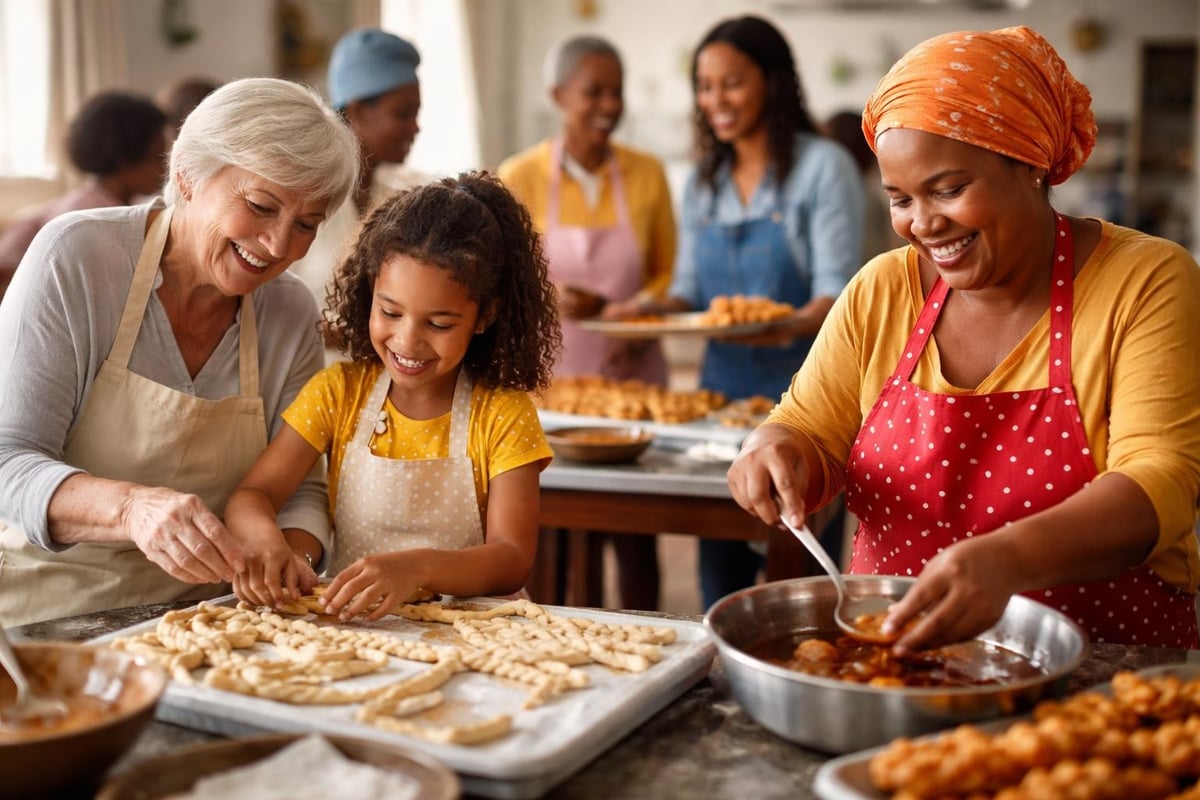
The communal nature of koeksister-making has created lasting bonds within South African communities. Large-scale production requires teamwork: some volunteers handle dough preparation, others manage the frying stations, while the most experienced members oversee syrup timing and coating.
This collaborative tradition has continued among South African expat communities worldwide. In New Zealand, South African cultural associations often organize koeksister-making workshops, allowing the younger generation to learn these skills while maintaining connections to their heritage.
Nutritional Considerations and Modern Variations
While koeksisters remain an indulgent treat, understanding their nutritional composition helps consumers make informed choices. A traditional koeksister contains approximately 200-250 calories, with significant sugar content from the syrup coating.
Contemporary Adaptations
Modern bakers have experimented with various koeksister innovations:
- Baked versions: Reducing oil content while maintaining shape
- Alternative sweeteners: Using honey or agave in the syrup
- Gluten-free variations: Substituting alternative flour blends
- Miniature sizes: Creating bite-sized portions for events
- Flavor infusions: Adding vanilla, lemon zest, or orange blossom water
Some innovative bakers have even created koeksister-flavored rusks, combining two beloved South African treats into a unique fusion product. These adaptations demonstrate how traditional foods evolve while respecting their cultural foundations.
The Cape Malay Koeksister Distinction
The Cape Malay koeksister deserves special recognition as a completely distinct creation. This version reflects the rich culinary heritage of the Cape Malay community, descendants of Southeast Asian slaves and political exiles brought to the Cape during the 17th and 18th centuries.
Unique Preparation Methods
Unlike their Afrikaner counterparts, Cape Malay koeksisters feature:
Spice Profile:
- Ground ginger for warmth
- Cardamom for aromatic complexity
- Cinnamon for sweet spice notes
- Aniseed for subtle licorice undertones
- Naartjie (tangerine) peel for citrus brightness
The dough itself contains these spices, creating flavor throughout rather than relying solely on external coating. After frying, these oval dumplings receive a light syrup coating before rolling in desiccated coconut, creating a textured exterior vastly different from the glossy Afrikaner version.
Koeksisters in the South African Diaspora
For South Africans living abroad, particularly in New Zealand, accessing authentic koeksisters presents both challenges and opportunities. The specific texture and flavor profile prove difficult to replicate without proper technique and ingredients.
Why Authenticity Matters
The emotional connection South Africans maintain with their traditional foods extends beyond mere taste preferences. These treats serve as tangible links to homeland, family traditions, and cultural identity. When living thousands of kilometers from South Africa, finding or creating authentic koeksisters becomes an act of cultural preservation.
Many South African expats in New Zealand report that certain ingredients prove challenging to source locally. The specific cake flour texture, golden syrup brands, and even the correct oil for frying can impact the final product's authenticity. This is where specialized South African food stores become invaluable resources for maintaining culinary traditions.
The Rise of South African Food Culture in New Zealand
New Zealand's South African community has grown substantially over recent decades, creating demand for authentic South African products and ingredients. This demographic shift has fostered appreciation for South African culinary traditions among broader New Zealand audiences as well.
Accessing Traditional Treats Abroad
South Africans in New Zealand seeking authentic koeksisters and other traditional treats have several options:
- Home baking: Following traditional recipes with locally sourced ingredients
- Community events: Attending South African cultural gatherings
- Specialized retailers: Shopping at dedicated South African food stores
- Online ordering: Purchasing from businesses specializing in South African imports
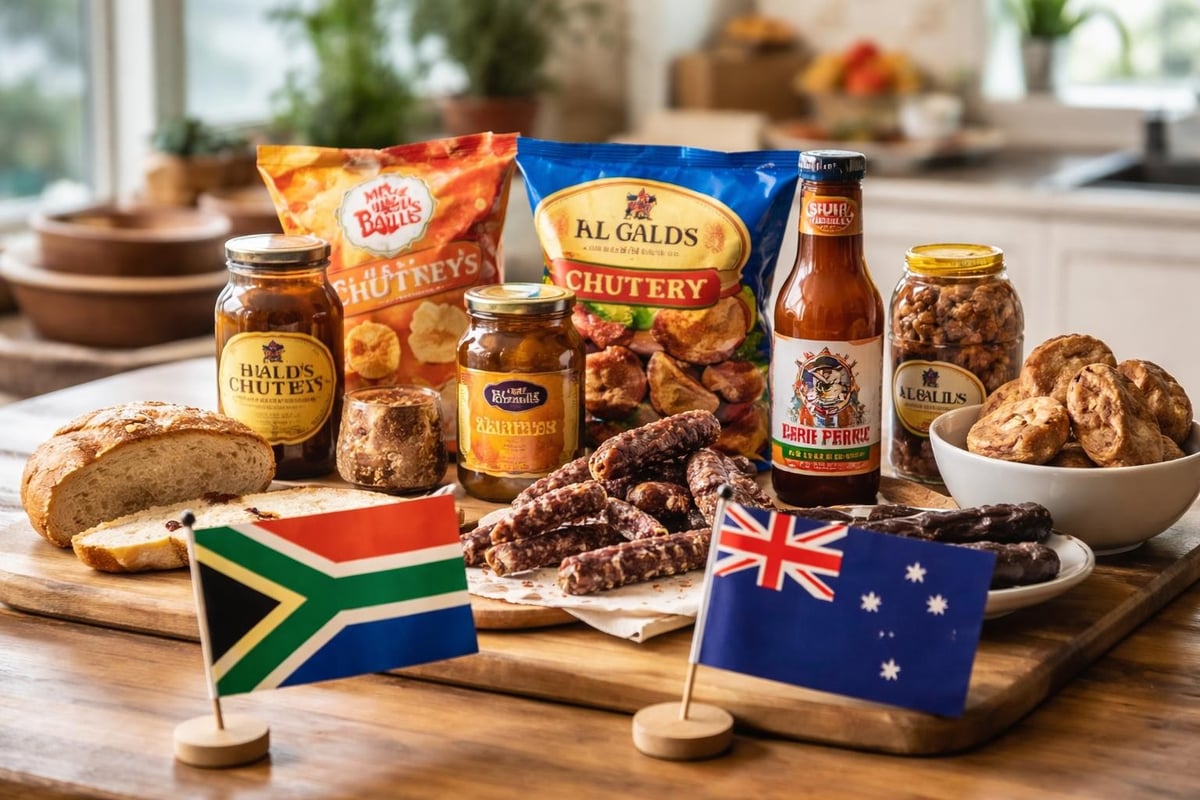
Something From Home has emerged as a comprehensive solution for South Africans craving authentic tastes from their homeland. This South African food store in New Zealand stocks more than 2,500 South African products, creating a one-stop destination for expats seeking everything from traditional biscuits and chocolates to specialty grocery items.
Serving Suggestions and Perfect Pairings
Koeksisters shine brightest when served fresh, ideally within hours of preparation. However, understanding proper serving contexts enhances the overall experience.
Traditional Serving Occasions
| Event Type | Serving Style | Typical Quantity |
|---|---|---|
| Church bazaars | Individually wrapped | 6-12 per customer |
| Family gatherings | Platters with coffee | 2-3 per person |
| Fundraisers | Pre-packaged dozens | Bulk purchases |
| Celebrations | Dessert table feature | Unlimited supply |
Ideal Beverage Pairings:
- Strong filter coffee (traditional favorite)
- Rooibos tea for authentic South African combination
- Black tea with milk
- Cold milk for children
- Sweet dessert wine for special occasions
The best occasions for serving koeksisters range from casual weekend brunches to significant cultural celebrations. Their versatility makes them appropriate for virtually any gathering where sweet treats are welcome.
Storage and Preservation Tips
While koeksisters taste best fresh, proper storage extends their enjoyment period. The syrup coating creates unique preservation challenges, as too much moisture causes sogginess while insufficient humidity leads to hardening.
Optimal Storage Methods
Short-term (1-2 days):
- Store in airtight container at room temperature
- Place parchment paper between layers
- Avoid refrigeration, which hardens the syrup
- Keep away from direct sunlight
Extended Storage (up to 1 week):
- Freeze individually wrapped koeksisters
- Thaw at room temperature before serving
- Re-crisp briefly in warm oven if needed
- Accept slight texture changes from freezing
Many experienced bakers advise against attempting to refresh day-old koeksisters, as the magic lies in that initial temperature contrast and fresh-fried texture. This reality explains why koeksister fundraisers typically operate on pre-order systems, ensuring customers receive the freshest possible product.
The Economics of Koeksister Production
For those considering koeksister-making as a small business venture or serious fundraising effort, understanding the economics proves essential. The ingredients remain relatively inexpensive, but the time investment and skill requirements create value.
Cost Analysis
A typical batch of 24 koeksisters requires:
- 500g cake flour
- 250ml sugar (for syrup)
- 125g butter
- Oil for deep frying
- Baking powder, salt, eggs
Total ingredient cost approximates $8-12 NZD, while individual koeksisters typically retail for $2-4 each, creating substantial profit margins for fundraising efforts or commercial ventures. However, factoring in time, energy costs, and skill development presents a more complex picture.
Modern Koeksister Culture and Innovation
Contemporary South African bakers continue pushing koeksister boundaries while respecting traditional foundations. Social media has facilitated recipe sharing, technique demonstrations, and creative variations that honor the original while embracing innovation.
Commercial Availability
In South Africa, koeksisters remain readily available from:
- Supermarket bakeries
- Specialized koeksister vendors
- Street food markets
- Home bakers operating small businesses
- Restaurant dessert menus
Understanding Cape Malay koeksister variations reveals how different communities maintain distinct traditions even within this single dessert category. This diversity enriches South African culinary culture, offering multiple authentic interpretations rather than a single "correct" version.
Teaching the Next Generation
Ensuring koeksister-making skills transfer to younger generations requires intentional effort, particularly within diaspora communities. Many South African parents in New Zealand prioritize teaching their children these traditional recipes as cultural preservation acts.
Educational Approaches:
- Family baking sessions documenting each step
- Video recording experienced bakers for future reference
- Written family recipe books with personal notes
- Community workshops bringing generations together
- School cultural days showcasing traditional foods
These efforts ensure that koeksisters remain living traditions rather than museum pieces, evolving naturally while maintaining their essential character.
The Sensory Experience of Koeksisters
Beyond recipes and techniques, koeksisters create a distinctive sensory experience that words struggle to capture fully. The initial visual appeal of golden, glistening plaits leads to the satisfying crackle as teeth break through the crispy exterior. The syrup rush follows immediately, coating the mouth with sweetness while the tender interior provides textural contrast.
Describing the Indescribable
South Africans often find themselves attempting to explain koeksisters to international friends, struggling with comparisons. "Like a donut" falls short, missing the plaited shape and syrup intensity. "Similar to churros" approaches closer but lacks the cold syrup plunge that defines the koeksister experience. Ultimately, koeksisters resist easy categorization, standing as uniquely South African creations.
For those exploring South African groceries in New Zealand, understanding these traditional treats provides cultural context that transforms shopping from mere purchasing into cultural connection.
Koeksisters represent far more than simple sweet treats; they embody South African cultural heritage, community traditions, and the enduring power of food to connect us with our roots. For South Africans in New Zealand seeking authentic tastes of home, Something From Home provides access to traditional ingredients and products that keep these precious culinary traditions alive, offering a tangible connection to the flavors and memories that make South Africa home.