
Something From Home: Your Essential Guide for 2026
Longing for a taste of home or a connection to your roots in 2026? You’re not alone. Whether you’re an expat, a traveller, or simply seeking comfort and nostalgia, this guide is designed to help you bring something from home into your everyday life.
Discover why home comforts matter for your wellbeing, and explore practical steps to find familiar products, create meaningful routines, and connect with community. With expert insights, digital solutions, and real stories, you’ll find actionable tips to make any place feel like home.
Let’s embark on this journey together to rediscover the warmth and joy of home, wherever you are.
The Power of Home: Why Familiarity Matters in 2026
Feeling at home is more than a fleeting emotion. In 2026, as more people live, work, and travel far from their birthplace, the need for something from home grows stronger. Whether you are an expat, a new migrant, or simply someone living abroad, the comfort of the familiar can shape your wellbeing in profound ways.

The Psychological Benefits of Familiarity
Accessing something from home provides a vital anchor for mental health. Studies show that more than 60% of expats experience improved happiness and reduced homesickness when they can access familiar foods, music, or cultural items. Simple comforts, like a favourite snack or a well-known brand, offer emotional security.
These familiar items become lifelines, especially in times of stress or transition. For many, browsing a shelf of authentic South African groceries in New Zealand is not just about taste, but about feeling seen and understood. The act of reconnecting with your roots, even in small ways, supports resilience and creates a sense of belonging.
The Science of Nostalgia: Why Memories Matter
Nostalgia is more than a pleasant daydream. Research reveals that familiar tastes, smells, and objects activate positive memories in the brain, releasing chemicals linked to happiness and calm. When you enjoy something from home, your senses trigger a cascade of comforting associations, from childhood meals to family celebrations.
This process can reduce anxiety and foster optimism. Smelling a beloved spice or hearing a traditional song can instantly transport you back to special moments, helping you cope with change. In 2026, as global mobility increases, these sensory cues are vital tools for emotional stability and wellbeing.
Real-life Stories: Finding Joy in Small Reminders
Across New Zealand and Australia, expats share moving stories about the power of something from home. One South African family in Auckland described how sharing biltong at weekend braais made their children feel connected to their heritage. Another customer, new to Wellington, found joy in discovering her favourite rusks at a local shop, calling it “a taste of childhood in every bite.”
For many, these moments are more than nostalgia. They are acts of self-care and connection. Whether it is attending a cultural festival or recreating a family recipe, each experience helps build a bridge between old and new, making the unfamiliar feel more like home.
Tradition, Routine, and the Global 2026 Context
Tradition and routine play a critical role in helping people adapt to new environments. Practicing rituals, whether daily tea or Sunday lunch, gives structure and predictability. In 2026, globalisation and higher migration rates mean more people are seeking authentic, home-based experiences wherever they settle.
The demand for something from home is not just a passing trend. It is a reflection of the human need for continuity and identity. Digital communities and online shops now make it easier to find traditional goods and connect with fellow expats, ensuring that the support of home is never out of reach.
Step-by-Step: How to Bring Something From Home Into Your Life
Bringing something from home into your daily routine is more than a simple comfort. It is a way to maintain your identity, boost wellbeing, and create a sense of belonging, wherever you are. This section will guide you through each step, making it easy to reconnect with your roots and enjoy those special touches that mean so much.
Step 1: Identify What ‘Home’ Means to You
Start by reflecting on what truly represents something from home for you. Is it a favourite meal, the sound of your native language, a cherished family tradition, or a particular scent? Take a few moments to journal your memories, list the rituals that make you feel grounded, and recall objects or foods that spark positive emotions.
Every culture has unique markers of home. For some, it could be a morning cup of rooibos tea, while for others, it might be Sunday lunches or special music. Remember, something from home is highly personal and can shift over time. The process of defining it is the first and most important step toward feeling settled and content in a new place.
Step 2: Sourcing Authentic Products and Goods
Once you know what you need, the next step is finding those special items. Many expats start by exploring local ethnic shops or international supermarkets, where you might discover familiar snacks or ingredients from your homeland. Compare shops in your area with online retailers that specialise in authentic products.
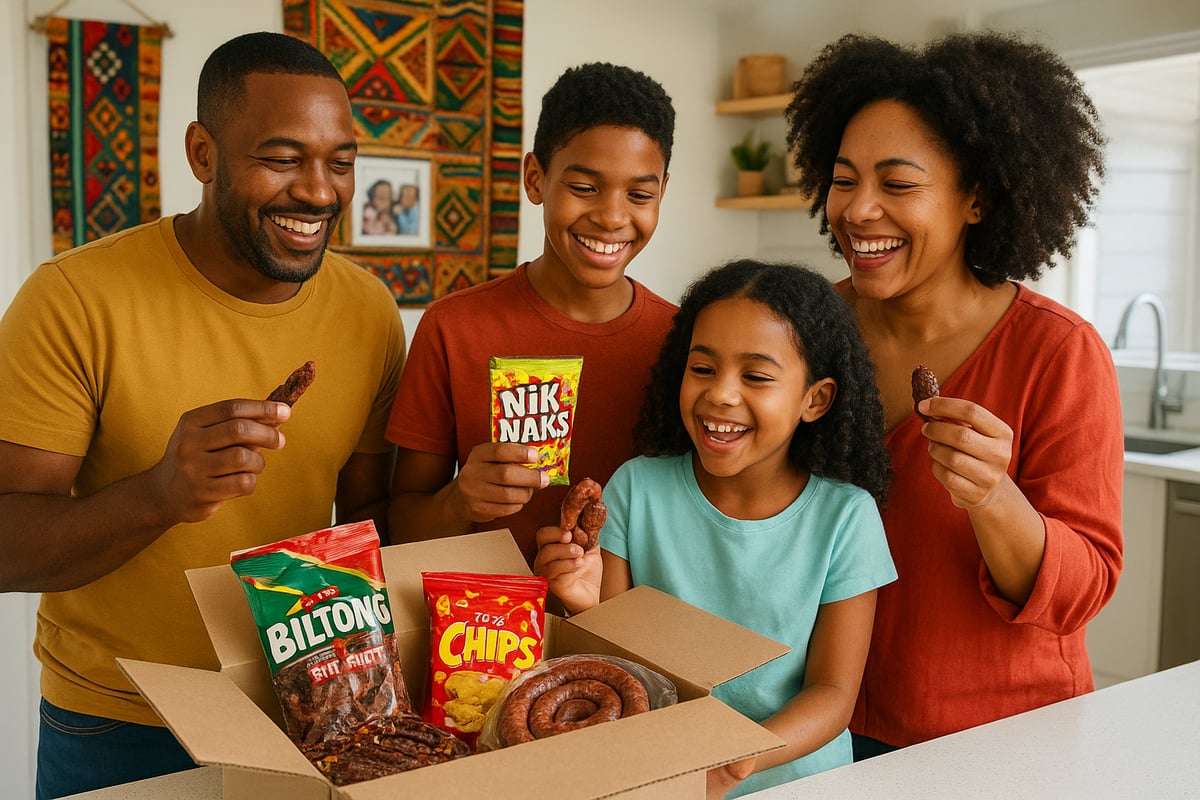
The internet has made it easier than ever to order something from home, whether you miss biltong, pap, or Mrs. Ball’s chutney. Online shops often offer subscription boxes or curated collections for diaspora communities, ensuring you never run out of essentials. When shopping online, always check for product authenticity and customer reviews to guarantee you are getting the real deal.
A growing number of South African expats in New Zealand and Australia rely on trusted suppliers, such as those offering biltong and braai essentials, to keep their pantries stocked with favourites. Many customers share stories of fast shipping and excellent service, making it possible to recreate beloved recipes and traditions in their new homes.
Here is a quick comparison to help you decide where to start:
| Source | Pros | Cons |
|---|---|---|
| Ethnic shops | Immediate access, local support | Limited selection, higher prices |
| International supermarkets | Wider range, occasional specials | May lack niche brands |
| Online retailers | Broad selection, home delivery | Shipping costs, waiting time |
| Subscription boxes | Curated, convenient | Less control over contents |
In 2024, 45 percent of expats said they prefer shopping online for their home products, confirming the growing trend toward digital sourcing. Using these strategies, you can bring something from home to your doorstep, no matter where you live.
Step 3: Digital Solutions for Staying Connected
Digital platforms offer powerful ways to experience something from home, even from afar. Streaming services let you watch your favourite TV shows, listen to local radio, or enjoy music that reminds you of family gatherings. Many expats join virtual events and online cultural festivals, which help maintain cultural ties and create new memories.
Social media groups, forums, and messaging apps like WhatsApp make it easy to connect with others who share your background. You can swap recipes, language tips, or event invitations, all from your phone. Language learning apps and online recipe collections are also excellent tools for keeping traditions alive.
For example, South African Kiwis often use WhatsApp groups to organise meetups or share news. These digital connections make it simple to access something from home, even on the busiest days.
Step 4: Creating a Home-Like Environment
Physical surroundings play a big role in how we feel. To bring something from home into your space, use familiar scents, colours, and décor that remind you of where you come from. Simple DIY projects, such as photo walls or traditional textiles, can instantly change the mood of a room.
Cooking home-style meals fills your space with comforting aromas and flavours. Even if you are renting or sharing a flat, small touches like a favourite mug or a piece of art can make a difference. Sensory cues, such as a specific spice blend or the sound of familiar music, can transport you back in time and boost your mood.
In Auckland, many South African families decorate with art and memorabilia from home, turning their new houses into warm, welcoming spaces. By making thoughtful choices, you can always have something from home close at hand.
Step 5: Building Community and Support Networks
Finding a supportive community is essential for lasting happiness. Join local cultural clubs, sports teams, or expat organisations to meet people who understand your journey. Attending community events or festivals can help you celebrate your roots and make new friends.
Volunteering or participating in group activities builds a sense of belonging. South African community BBQs in Wellington, for example, are popular for sharing stories, food, and laughter. By reaching out, you give yourself and others the gift of connection, keeping something from home alive in every interaction.
Sourcing Authentic South African Products in New Zealand and Australia
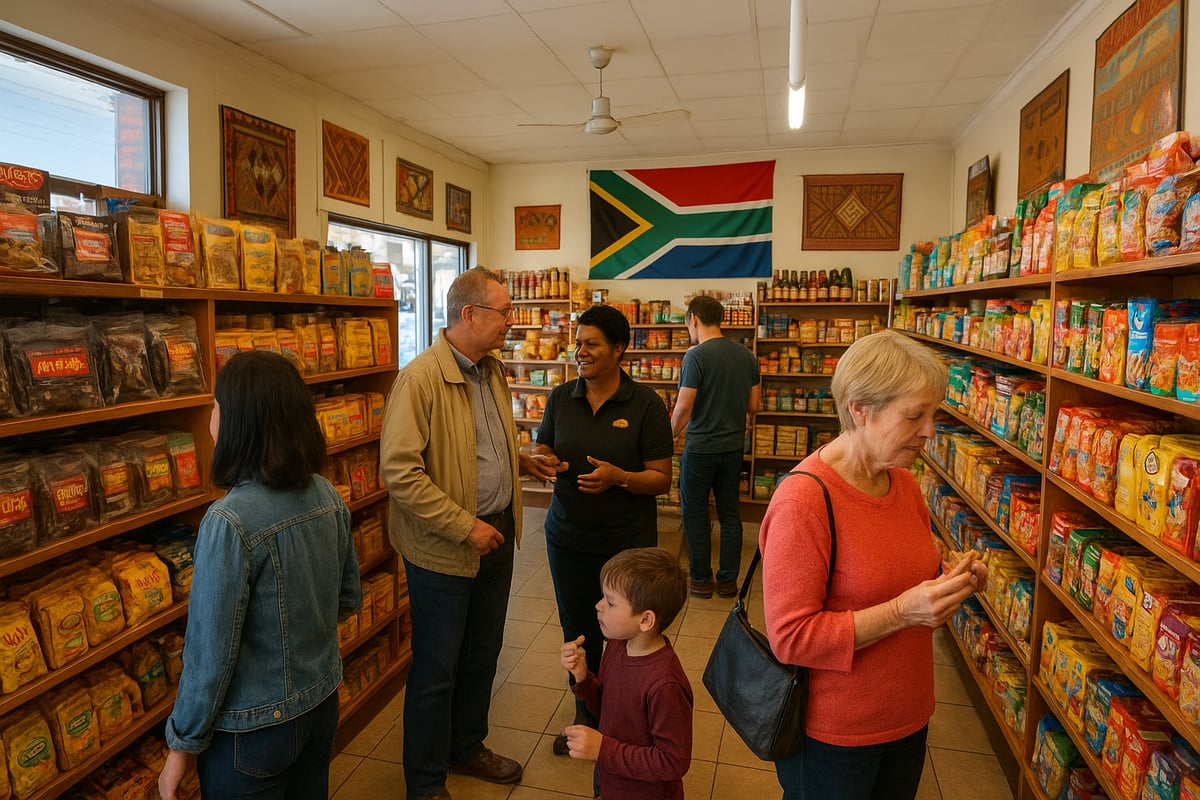
Finding a reliable source for authentic South African products can feel like searching for a needle in a haystack, especially when you live far from home. Something from home is changing that experience for South Africans across New Zealand and Australia. As the only South African warehouse in New Zealand, this shop has become the ultimate destination for those longing for the tastes, smells, and comforts of home.
Introduction and Overview
Something from home stands out as the largest supplier of genuine South African favourites in the region. Since opening its doors in 2020, it has built a reputation for making it ultra easy to access beloved foods, no matter where you live. With direct imports and a public-facing warehouse, shoppers can enjoy both in-store and online convenience, with shipping available anywhere in New Zealand and Australia.
Product Range and Exclusive Offerings
Walking into the store, or browsing online, you will find a vast selection of South African essentials. The shelves are lined with biltong, dry wors, boerewors, rusks, chutneys, and baking ingredients, as well as a variety of snacks and sauces. For those craving something from home that is hard to find elsewhere, exclusive items like DIY biltong kits, potjie pots, and braai accessories are also available.
Here is a quick overview of what you can expect:
| Product Category | Examples |
|---|---|
| Cured Meats | Biltong, dry wors, chilli beef sticks |
| Traditional Foods | Boerewors, pap, Mrs. Ball’s chutney |
| Snacks & Treats | Romany Creams, Ouma rusks, Simba chips |
| Baking & Cooking | Maizena, baking ingredients, spices |
| Kitchenware | Potjie pots, braai tools |
By importing directly, Something from home guarantees authentic taste and quality, bringing the true flavours of South Africa to your doorstep.
Customer Experience and Community
Customer reviews consistently highlight the exceptional service and welcoming atmosphere. One recent visitor shared, “I visited this South African shop for the first time and it was such a great experience. The lady who helped me was so kind and informative, she recommended I try the chilli beef sticks, a true South African delicacy.” Another customer noted the super quick delivery to the South Island, making it easier than ever to get something from home, even in remote areas.
Beyond just products, the shop fosters community by offering expert advice, cultural guides, and recipe inspiration. If you are looking to recreate the flavours of your childhood, you might enjoy browsing their Cremora tarts recipe inspiration for a nostalgic dessert that brings back fond memories.
Bridging Home and Abroad
What truly sets Something from home apart is its commitment to bridging the gap between home and abroad. Direct import ensures genuine quality, while regular promotions and transparent shipping costs make authentic products accessible. The shop is more than just a place to buy groceries, it is a hub where newcomers and long-term expats connect, learn, and celebrate their heritage.
For many, discovering a familiar treat or sharing South African snacks with friends brings comfort and joy. Something from home empowers you to maintain your traditions, whether you are hosting a braai, baking with family, or simply seeking a taste that reminds you of your roots.
In a world where the feeling of home is deeply personal, having a trusted source for authentic South African products is not just a luxury, it is essential. Something from home makes that connection possible, every day.
Beyond Food: Emotional and Cultural Anchors for 2026
Feeling settled in a new country often means seeking something from home that goes far beyond the taste of familiar foods. Language, music, and cherished rituals are powerful anchors, helping people reconnect with their roots and maintain a strong sense of identity.

Cultural traditions play a vital role for expats and families, especially in 2026. When you celebrate national holidays or host a braai for neighbours, you create new memories while keeping something from home alive. These moments allow everyone, young and old, to feel connected, even far from their original homeland.
Sharing stories, recipes, and customs is another way to strengthen your bond with something from home. Inviting friends to join in Diwali, Eid, or Christmas celebrations fosters understanding and builds bridges between cultures. These acts of hospitality can turn strangers into friends and help communities thrive.
Music and language are powerful tools for emotional well-being. Listening to childhood songs or speaking your mother tongue at home can instantly transport you back, providing comfort during challenging times. Many expats find that singing traditional songs or telling family stories brings warmth and laughter, making any house feel like something from home.
Digital heritage is increasingly important. In 2026, families are preserving recipes, photo albums, and oral histories online. This ensures that something from home is always within reach, even for children growing up in a new country. Passing on these digital treasures helps the next generation understand their roots and appreciate where they come from.
A recent Global Family Survey found that 72 percent of expats believe cultural rituals help children adapt to new places. When you practise something from home in daily life, you provide stability and comfort for your family, supporting resilience and a positive outlook.
Here is a summary of key emotional and cultural anchors:
| Anchor Type | Example Activity | Emotional Benefit |
|---|---|---|
| Language | Speaking at home, storytelling | Identity, comfort |
| Music | Playing traditional songs | Nostalgia, happiness |
| Rituals | Celebrating festivals | Belonging, connection |
| Digital Heritage | Preserving recipes, photos | Continuity, legacy |
Remember, something from home is not only about what you eat or buy. It is about the people you share it with and the traditions you continue. By embracing these emotional and cultural anchors, you can create a sense of belonging and enrich your life, no matter where your journey takes you.
Overcoming Challenges: Homesickness, Adaptation, and Resilience
Feeling far from home can be one of the toughest parts of living abroad. Many expats and travellers face moments of isolation, longing for something from home to anchor them during transitions. Understanding these challenges is the first step to building resilience and finding comfort, no matter where you are.
Common Challenges for Expats
Adjusting to a new country brings a range of emotional and practical hurdles. Many experience homesickness, cultural confusion, and language barriers, which can impact both mental and physical wellbeing. According to Mental Health Challenges for Expats, expatriates are at significant risk for anxiety and depression, often triggered by feelings of disconnection. Even simple activities like shopping or socialising can feel daunting without familiar routines and support systems.
Coping Strategies and the Comfort of Routine
To manage these challenges, it helps to intentionally add something from home into your daily life. Establishing routines, such as cooking a favourite meal or listening to familiar music, can provide a sense of stability. Journalling, mindfulness exercises, and regular video calls with loved ones are practical ways to process emotions and stay connected to your roots. For many, recreating the taste or scent of something from home, like a Sunday roast or a special treat from a South African shop, offers powerful emotional relief. These small acts can make a big difference, helping you feel grounded and secure even in unfamiliar surroundings.
Finding Community and Support Networks
Building connections with others who share your background can ease the burden of homesickness. Joining local cultural clubs, attending community events, or participating in expat groups can foster a sense of belonging. Sharing stories, recipes, and traditions with new friends helps maintain your identity while integrating into your new environment. Many find comfort in community BBQs, language classes, or volunteering opportunities, all of which offer a chance to give back while reconnecting with something from home.
Building Resilience for the Long Haul
Resilience is not a one-time achievement but a continual process. Practising self-compassion and patience is essential as you adapt to new surroundings. Research shows that regular engagement with home culture, such as maintaining traditions or reaching out to support groups, can reduce homesickness by up to 40 percent. By blending personal rituals with community involvement, you can transform challenges into opportunities, making something from home an enduring source of strength and comfort for the future.
Future Trends: The Evolving Meaning of ‘Home’ in a Connected World
What does something from home mean in a rapidly changing world? As we look to 2026, the concept of home is shifting. Technology, migration, and the blending of cultures have transformed the way we stay connected to our roots. Instead of viewing home as a single place, many now see it as a dynamic mix of memories, traditions, and digital touchpoints that travel with us wherever we go.
The Digital Bridge: Technology Redefining Home
Digital technology is now the main bridge for those seeking something from home. Virtual reality allows people to walk through their childhood neighbourhoods or attend festivals as if they were still there. Streaming services, social media, and messaging apps make it easier than ever to maintain relationships across continents.
This digital connection is not without challenges. Recent data shows that 80% of expats experience negative mental health symptoms due to their work environment and the pressures of living abroad, as highlighted in the AXA Global Healthcare's 2024 Mind Health Report. Yet, these same platforms are vital for accessing traditions, recipes, and conversations that offer comfort and stability.
Fusion, Sustainability, and the New Global Family
The future of something from home also lies in the way cultures blend and adapt. Families now celebrate multiple holidays, cook fusion dishes, and preserve traditions through digital photo albums or AI-powered recipe translators. Virtual reality tours of home towns and interactive cultural workshops are becoming standard, helping children and adults alike embrace a hybrid identity.
Sustainability is another growing trend. There is increasing demand for ethically sourced products that support small producers from home countries. Shoppers want their favourite treats and crafts, but they also want their purchases to make a positive impact. This shift towards conscious consumption means that something from home is not just about nostalgia, but about creating a better future for both communities and the planet.
A Fluid, Inclusive, and Accessible Concept of Home
Looking ahead, the meaning of something from home will only become more inclusive and accessible. Data suggests that 58% of third-culture kids now identify with more than one home country, reflecting the growing fluidity of modern identities. Technology, global communities, and a focus on sustainability ensure that anyone can find or create a sense of home, no matter where they are.
As the world grows more connected, embracing something from home is about celebrating diversity, fostering resilience, and building bridges between past and present. Home is no longer just a place, but a collection of experiences, people, and values that we carry with us, always.
Article written using RankPill.