Guide to South African Sausage Boerewors: Flavours of 2026

Discover why south african sausage boerewors is more than just a staple at the braai. This legendary sausage is a bold symbol of culture, tradition, and evolving taste, and it is poised to make a global impact in 2026.
In this guide, we explore its rich history, unique flavour profiles, preparation secrets, and the latest trends. Whether you are a seasoned enthusiast or new to the world of boerewors, you will learn how to enjoy authentic tastes and find quality ingredients in New Zealand and Australia.
Get ready to experience the appeal and versatility that keep boerewors at the heart of celebrations worldwide.
The Origins and Cultural Significance of Boerewors
South African sausage boerewors is much more than a meal. Its origins stretch back to the 17th century, where Dutch settlers and indigenous communities combined their skills and ingredients to develop a robust, flavourful sausage. The blend of European sausage-making techniques with African spices and preservation methods set the foundation for what would become a national treasure.
The name “boerewors” itself tells a story. “Boere” means farmer and “wors” means sausage in Afrikaans. This reflects its deep roots in rural South Africa, where farmers crafted the first south african sausage boerewors to preserve meat and celebrate harvests. Over generations, boerewors became inseparable from the braai, the iconic South African barbecue. Today, a braai without boerewors is almost unthinkable, especially during family gatherings, public holidays, and sporting events.
Regional diversity has further enriched the tradition. In the Cape Malay region, sweet spices like cinnamon and cloves add a unique twist. The Karoo is known for earthy, savoury notes, while coastal areas infuse their own local flavours. Each variation of south african sausage boerewors speaks to the landscape and history of its community, ensuring no two braais are ever quite the same.
Boerewors has also come to symbolise unity in post-apartheid South Africa. Around the braai, people of all backgrounds gather, forging connections and celebrating shared heritage. This sense of togetherness is especially powerful during national celebrations and festivals, where the aroma of boerewors fills the air.
As South Africans have travelled and settled around the world, the tradition has crossed oceans. Today, the diaspora keeps the spirit alive, with south african sausage boerewors featured at events from local braais in Auckland to Rugby World Cup gatherings in Sydney. These global celebrations preserve the authentic taste and meaning of boerewors for future generations. For a deeper look at the history and preservation of this tradition, see Boerewors: A Traditional South African Sausage.
The journey of south african sausage boerewors, from humble farm kitchens to a global icon, highlights its enduring cultural significance. Whether at a small family braai or a major sporting event, it continues to unite people and celebrate South Africa’s rich culinary heritage.

Traditional Flavours and Ingredients of Boerewors
Few foods capture the spirit of South African cuisine like south african sausage boerewors. Its unique blend of meats, spices, and preparation techniques creates a flavour profile that is both distinctive and deeply rooted in tradition. Understanding what goes into authentic boerewors is essential for anyone seeking to recreate or appreciate this iconic sausage.
Core Ingredients and Their Purpose
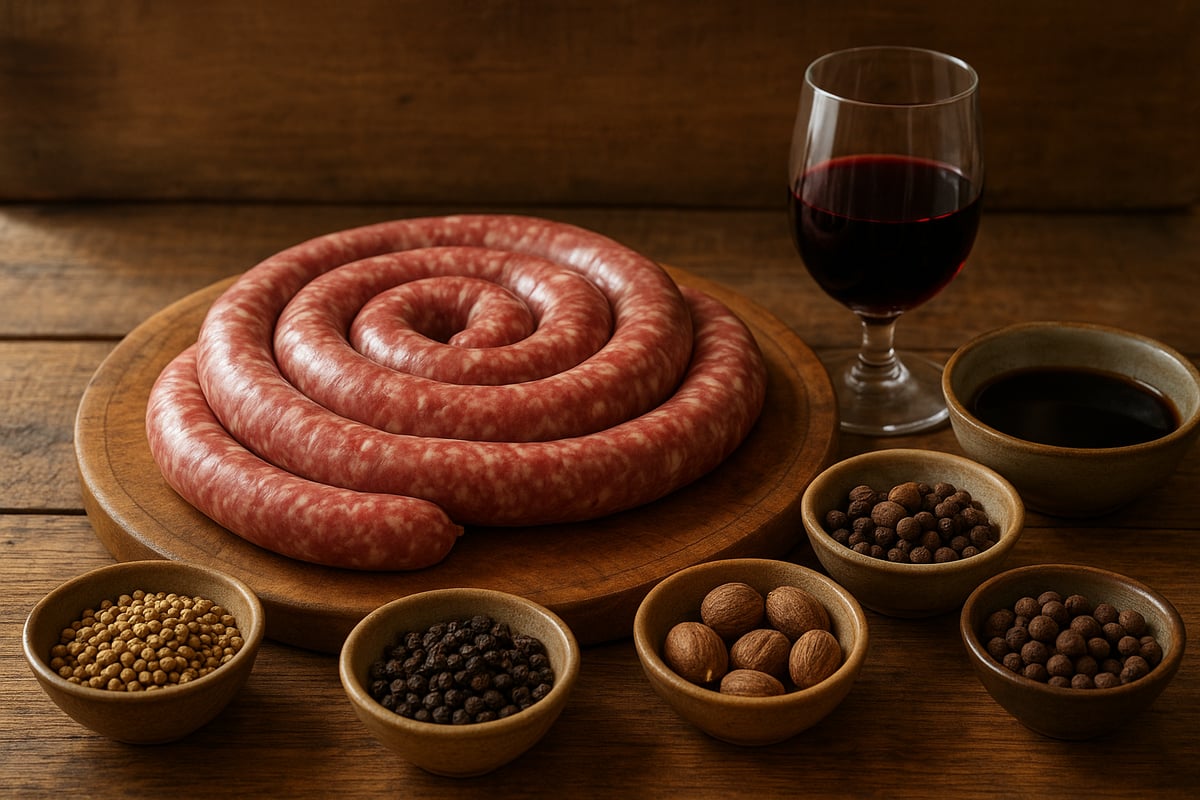
At its heart, south african sausage boerewors starts with quality meat. Beef is the primary protein, chosen for its robust flavour and texture. To achieve the sausage’s signature juiciness, pork or lamb is blended in, supplying the vital fat content. The most authentic recipes follow a 70% meat to 30% fat ratio. This balance ensures every bite is succulent, never dry or crumbly.
Spices play a defining role in south african sausage boerewors. The classic combination includes toasted coriander seeds, freshly ground black pepper, nutmeg, cloves, and allspice. Coriander, in particular, lends a fragrant, citrusy note that sets boerewors apart from other sausages. These spices are usually ground just before use, releasing essential oils and aromas that infuse the meat.
Casings are equally crucial. Natural casings, such as hog or lamb, are preferred for their texture and ability to hold the filling without splitting. They also allow for a gentle snap when cooked. Synthetic casings are sometimes used for convenience, but purists agree that natural options yield the best results. For more on choosing the right casing, see this Boerewors Sausage: History, Recipe & Cultural Guide.
Liquids like vinegar or red wine are added to the meat mixture. These ingredients not only provide a subtle tang but also help bind the spices to the mince, preserving the sausage and enhancing its depth of flavour.
Regional variations offer even more diversity. Cape Malay boerewors features sweet spices such as cinnamon and cardamom, while Karoo-style sausages lean towards savoury, earthy flavours. Ingredient sourcing matters, too. Using high quality, fresh spices and grass-fed meat will make a marked difference in the final taste and authenticity of your south african sausage boerewors.
Here’s a summary of classic ingredient ratios:
| Ingredient | Classic Ratio (per 3kg meat) |
|---|---|
| Beef | 2kg |
| Pork | 1kg |
| Coriander seeds | 45ml |
| Black pepper | 10ml |
| Nutmeg, cloves | 5ml each |
| Vinegar/Red wine | 100ml |
Traditional boerewors is more than a recipe—it is a carefully balanced blend of ingredients that honours South Africa’s rich culinary heritage.
Modern Adaptations and Dietary Trends
While tradition is vital, south african sausage boerewors has evolved to meet changing dietary needs and creative tastes. Today, you will find beef-only versions for those avoiding pork, as well as lamb-based sausages that offer a deeper, slightly gamey flavour. Pork-free and low-fat options respond to dietary restrictions, ensuring everyone can enjoy this staple at the braai.
The move toward cleaner eating has led to MSG-free, preservative-free, and keto-friendly boerewors. These versions emphasise natural ingredients and minimal additives, appealing to health-conscious consumers. Alternative casings, such as thin lamb or thick hog, provide variety in both texture and presentation.
Fusion cuisine has taken south african sausage boerewors to new heights. Curry-flavoured boerewors is a popular twist, marrying classic South African spice blends with Indian-inspired notes. This approach celebrates both tradition and innovation, making boerewors a favourite for adventurous cooks and foodies alike.
Producers have started offering gluten-free and allergen-friendly versions, broadening the sausage’s appeal. Sourcing remains crucial, as the quality of meat and spices directly impacts both taste and texture. Look for reputable butchers or specialist South African grocers that focus on fresh, transparent ingredients.
Modern boerewors recipes continue to respect the sausage’s roots while embracing new trends. Whether served at a traditional braai or reimagined in global fusion dishes, south african sausage boerewors remains a versatile and beloved food.
The Boerewors-Making Process: Step-by-Step Guide for 2026
Crafting authentic south african sausage boerewors at home is both an art and a science. This beloved staple of South African cuisine requires attention to detail, quality ingredients, and a respect for tradition. Whether you are a seasoned sausage maker or a curious beginner, follow this detailed process to create boerewors that captures the rich flavours of 2026.

Preparing the Meat and Spices
The foundation of south african sausage boerewors is high-quality meat. Traditionally, a blend of 70% beef and 30% pork or lamb is used. Select well-matured cuts with a good balance of lean and fat. Trim away sinew and excess gristle, then cut the meat into cubes. For optimal mincing, partially freeze the cubes. This ensures a coarse, even texture and prevents the fat from smearing.
Spices are what give south african sausage boerewors its signature aroma. Toast whole coriander seeds and cloves in a dry pan, then grind them fresh for maximum flavour. A classic spice mix includes coriander, black pepper, nutmeg, cloves, allspice, and salt. Some recipes add sugar or brown vinegar for subtle tang and moisture.
Use a hand mincer or stand mixer with a coarse plate to mince the meat and fat together. Distribute the spice mix evenly, working it gently into the mince. Consistency is key; overworking can toughen the sausage. If you are new to the process, practical advice from the Six sizzling tips for home sausage making can help you avoid common mistakes and achieve the perfect blend.
Stuffing and Shaping the Sausage
Casing selection is essential for authentic south african sausage boerewors. Natural casings, such as hog or lamb, offer a traditional snap and flavour. Rinse the casings thoroughly in cool water to remove excess salt and soak them until pliable. Inspect for holes by running water through each length.
Attach the casing to a sausage stuffer or filling horn, taking care not to twist or tear. Feed the seasoned mince into the stuffer, gently filling the casing. Avoid overstuffing, which can cause splitting during cooking. Work with a partner if possible, as one can control the flow while the other guides the casing.
Shape the sausage into a continuous spiral, the hallmark of south african sausage boerewors. Use a light touch to prevent air pockets. If necessary, prick small bubbles with a sterilised needle. Tie off the ends securely. This step preserves the sausage’s juiciness and classic appearance.
Drying, Storing, and Preserving Boerewors
Freshly made south african sausage boerewors can be cooked immediately or stored for future use. For short-term storage, keep the sausage in the refrigerator for up to three days. For longer preservation, portion and freeze the boerewors, either in vacuum-sealed bags or tightly wrapped cling film. Properly frozen, it can last up to 12 months without significant loss of flavour.
Humidity and temperature control are vital in preventing spoilage. Always store boerewors at or below 4°C in the fridge, and below -18°C in the freezer. If you prefer to cure the sausage, hang it in a cool, well-ventilated space for a few days, monitoring for mould or off-odours.
Safety is paramount when making south african sausage boerewors at home. Clean all equipment thoroughly before and after use. Wash hands frequently and work quickly to keep ingredients cold. Refer to food safety guidelines to ensure your homemade sausage is both delicious and safe to eat.
Cooking Boerewors: Braai, Grill, and Pan Techniques
Mastering the art of preparing south african sausage boerewors is essential for any braai enthusiast. The right cooking method brings out its signature spices and juicy texture, making every bite memorable. Whether you are grilling over wood, charcoal, or using a modern gadget, each approach offers unique results.
The Art of the South African Braai
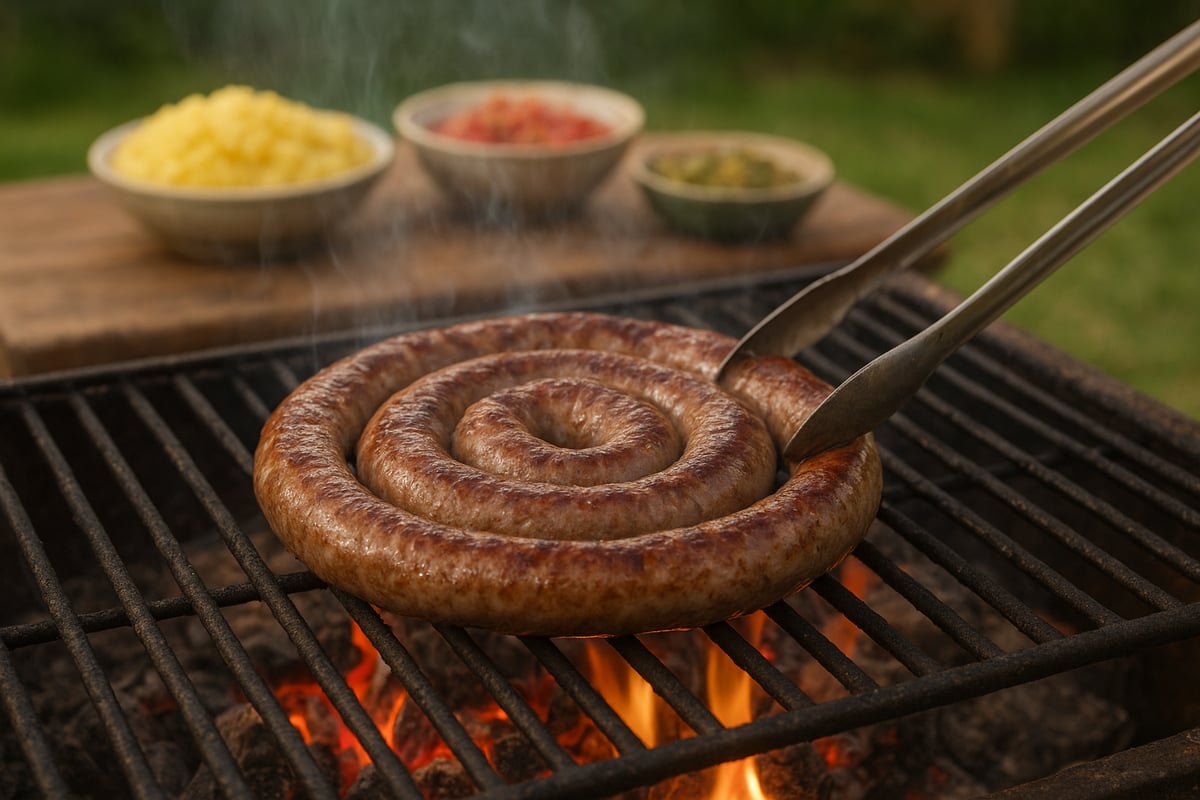
Cooking south african sausage boerewors over an open flame is a cherished tradition. The choice of fuel—wood, charcoal, or gas—directly influences the final flavour. Wood and charcoal impart a subtle smokiness, which many consider the hallmark of a true South African braai.
To achieve the perfect texture, keep the heat medium and steady. Place the boerewors coil on the grill, turning it gently every few minutes. Resist the urge to poke or cut it, as this causes precious juices to escape. The goal is a crisp, golden-brown skin with a juicy, slightly pink centre.
When using a CADAC Skottel Braai, you can cook south african sausage boerewors outdoors with great control, ensuring even browning. Modern gas grills also work well, especially in urban settings or during unpredictable weather.
Here is a quick reference table for optimal cooking times and temperatures:
| Cooking Method | Temperature | Time | Notes |
|---|---|---|---|
| Wood/Charcoal Braai | Medium heat | 15–20 mins | Turn every 2–3 mins |
| Gas Grill | 180–200°C | 15–18 mins | Watch for flare-ups |
| Pan Fry | Medium | 12–15 mins | Turn gently, avoid overcooking |
| Oven Roast | 180°C | 20–25 mins | Place on rack, turn once |
For those keen to serve boerewors the traditional way, the Boerewors roll recipe and tips offer expert advice for classic flavour and presentation.
Modern grilling gadgets, like electric braais or pellet smokers, are gaining popularity. They provide consistent heat and simplify the process, making them ideal for both beginners and experienced cooks.
Common Mistakes and Expert Tips
Even experienced cooks can make mistakes when preparing south african sausage boerewors. The most frequent issue is overcooking, which dries out the sausage and diminishes its signature flavour. To avoid this, always monitor the heat and turn the sausage regularly.
Never poke holes in the casing. This releases the juices, leading to a dry, crumbly result. Instead, use tongs to turn the boerewors gently. Allow the sausage to rest for a few minutes after cooking, which helps redistribute the juices and enhances the eating experience.
A common misconception is that boerewors must be cooked until fully brown throughout. In reality, a slight pinkness in the centre indicates perfect doneness and moisture retention. Use a meat thermometer if unsure—an internal temperature of 70°C is ideal.
For those using a pan or oven, avoid crowding the sausage. Give each coil enough space to cook evenly. In wet weather, pan-frying provides a reliable alternative to outdoor grilling, ensuring you never miss out on the taste of south african sausage boerewors.
To summarise, follow these expert tips:
- Maintain medium, steady heat.
- Turn frequently with tongs.
- Avoid piercing the casing.
- Let the sausage rest before serving.
- Use a thermometer for accuracy.
With these techniques, you can enjoy the full flavour and texture of authentic boerewors at your next gathering.
Serving and Enjoying Boerewors: Classic and Contemporary Pairings
South african sausage boerewors is celebrated not only for its bold, aromatic flavour but also for its versatility at the table. Whether you are honouring tradition or exploring new trends, the way you serve boerewors can transform every gathering into a memorable feast.
Traditional South African Sides and Meals
Classic South African gatherings often begin with coiled south african sausage boerewors sizzling over the braai, filling the air with enticing aromas. The most beloved companion is pap, a soft maize porridge, usually topped with a rich tomato and onion relish. This pairing is a staple at family braais and public celebrations alike.
Boerewors rolls, also called "boerie rolls," are another icon. A freshly grilled sausage nestles into a soft roll, generously topped with chakalaka, a spicy vegetable relish, or tangy atchar. These are crowd-pleasers at sports matches and food markets, capturing the spirit of South African hospitality.
Boerewors is not limited to the grill. It stars in hearty stews, traditional potjies simmered over the fire, and even breakfast plates alongside eggs and fried tomatoes. In recent years, inventive cooks have transformed south african sausage boerewors into meatballs or burgers, offering a fresh take on an old favourite.
Pairing drinks is an art in itself. South African red wines, especially robust Shiraz or Pinotage, complement the sausage's spice. For a more casual affair, craft beers with malty depth or crisp lagers are perfect choices.
To explore more about the cultural importance and traditional serving methods, read Boerewors: The Ultimate South African Sausage.
Global and Fusion Pairings
South african sausage boerewors has made its mark on the international food scene, inspiring creative pairings well beyond its homeland. In 2026, food trucks and pop-ups are serving boerewors in tacos, wraps, and even as a pizza topping, blending South African flair with global street food trends.
For a lighter approach, boerewors pairs beautifully with fresh salads, roasted root vegetables, or grilled corn. Vegan and vegetarian sides are increasingly common, such as charred aubergine, spicy couscous, or zesty slaws, making the meal inclusive for all guests.
Contemporary food blogs highlight trending pairings like boerewors with kimchi, pickled onions, or avocado salsa, reflecting a fusion of cultures and tastes. These modern accompaniments keep the experience of south african sausage boerewors dynamic and inviting for a new generation.
No matter how it is served, south african sausage boerewors remains a centrepiece that brings people together, honouring its past while embracing new culinary adventures.
Where to Find Authentic Boerewors and Ingredients in New Zealand & Australia
Finding authentic south african sausage boerewors in New Zealand and Australia is easier than ever, thanks to a growing community of expats and food enthusiasts. Whether you are planning a traditional braai or looking to recreate a taste of home, sourcing genuine ingredients is key to capturing the real flavour of this beloved sausage.
Sourcing Quality South African Products Locally
When searching for south african sausage boerewors, start with specialist butchers and South African grocers in major cities like Auckland, Wellington, Sydney, and Melbourne. These stores often stock freshly made boerewors, imported spice mixes, and even traditional pap for a complete meal. Many butchers offer custom orders, letting you specify your preferred fat content or spice level.
Online shops have made it even easier to access authentic boerewors and ingredients. Look for retailers that provide clear information about product origins, ingredient transparency, and customer reviews. Freshness is crucial, so check for vacuum-sealed packaging and quick delivery options. If you are making your own boerewors at home, the quality of sausage casings is vital for the right bite and texture. For a detailed overview of casings and their impact on flavour and authenticity, see the Guide to sausage casings from NZ.
Community events and food festivals are also excellent places to discover south african sausage boerewors. These gatherings often feature local producers, pop-up food stalls, and cooking demonstrations, giving you a chance to taste, compare, and purchase directly from experts.
Something From Home: Your Source for Authentic South African Flavours
For those who want a one-stop shop, Something From Home offers an extensive range of south african sausage boerewors, spice blends, sausage casings, and DIY biltong kits for home cooks. Their selection includes traditional boerewors recipes and regional spice mixes, ensuring you can find the exact flavour profile you crave.
Nationwide shipping across New Zealand and Australia makes it easy for expats, locals, and food lovers to enjoy authentic products at home. The website features detailed product descriptions, preparation guides, and customer testimonials that attest to the freshness and quality of their range. Beyond ingredients, Something From Home supports the community with recipes, braai tips, and expert advice to help you perfect your south african sausage boerewors.
Ordering is simple, with secure checkout and responsive customer service ready to answer any questions. For those seeking the true taste of home, browse and shop their full range of authentic boerewors and ingredients to elevate your next braai.
From finding local butchers to ordering online, sourcing authentic south african sausage boerewors is all about choosing quality, transparency, and community support. With the right ingredients, every meal can be a celebration of South African heritage.
Boerewors Trends and Flavours to Watch in 2026
The world of south african sausage boerewors is evolving faster than ever, with new flavours and trends capturing the attention of food lovers across New Zealand, Australia, and beyond. As global palates shift, boerewors is stepping into the spotlight with creative twists, sustainable practices, and a growing presence at food festivals and restaurant tables.
Innovative Flavours and Global Influences
In 2026, the range of south african sausage boerewors flavours is more diverse than ever. Traditional recipes still anchor the category, but adventurous cooks and producers are pushing boundaries. Fusion varieties such as curry, peri-peri, and even Asian-inspired spice blends are gaining popularity. Gourmet options like truffle-infused or smoked boerewors now appear at specialty butcheries and farmer’s markets.
There is a rising demand for health-conscious alternatives. Leaner cuts, plant-based boerewors, and gluten-free recipes are now widely available, catering to a broader audience. Artisanal, small-batch producers are experimenting with unique spice profiles and sustainable ingredients, bringing a new level of craftsmanship to this iconic sausage.
Food trucks and cooking competitions highlight these innovations, showcasing modern takes on boerewors at community events and festivals. For those eager to experiment at home, The ultimate sausage making guide offers practical tips and inspiration for crafting your own signature south african sausage boerewors.
Sustainability and Ethical Sourcing
Sustainability is now at the forefront for many south african sausage boerewors producers. With consumers becoming more eco-conscious, there is a noticeable shift towards grass-fed, free-range, and organic meat options. Producers are also introducing eco-friendly packaging and prioritising local ingredient sourcing to reduce environmental impact.
Ethical sourcing extends beyond ingredients. Many small-scale South African producers are focusing on community-driven production, ensuring fair wages and supporting local economies. This trend not only boosts authenticity but also strengthens the connection between makers and customers.
A growing number of retailers now provide transparency about sourcing and sustainability practices. Shoppers can look for certifications and ask questions about the origin of their south african sausage boerewors. These efforts help ensure that each bite is not only delicious but also responsibly made.
The Future of Boerewors in Global Cuisine
Looking ahead, south african sausage boerewors is set to play a bigger role in the culinary scenes of New Zealand and Australia. The influence of South African expat communities is introducing local diners to boerewors through restaurant menus, street food, and pop-up events. Chefs are incorporating boerewors into fusion dishes, from sliders to gourmet platters, expanding its appeal.
Market data shows a steady rise in boerewors sales abroad, particularly among younger consumers interested in bold, authentic flavours. Culinary competitions and food festivals in 2026 are expected to feature boerewors as a star ingredient, further cementing its place in modern cuisine.
With its adaptability, cultural heritage, and flavourful profile, south african sausage boerewors is poised to remain a favourite for years to come.
If you’re ready to bring the true taste of South Africa to your next braai, exploring authentic boerewors and traditional flavours is the perfect place to start. Throughout this guide, we’ve uncovered the history, unique spices, and preparation techniques that make boerewors so special. The good news is, you don’t have to miss out on these iconic flavours—right here in New Zealand and Australia, you can find everything you need to recreate this beloved sausage at home. Take the next step and View product range to discover genuine South African boerewors, spices, and all the essentials for an unforgettable culinary experience.