South Africa Shop: Your Guide to Authentic Groceries
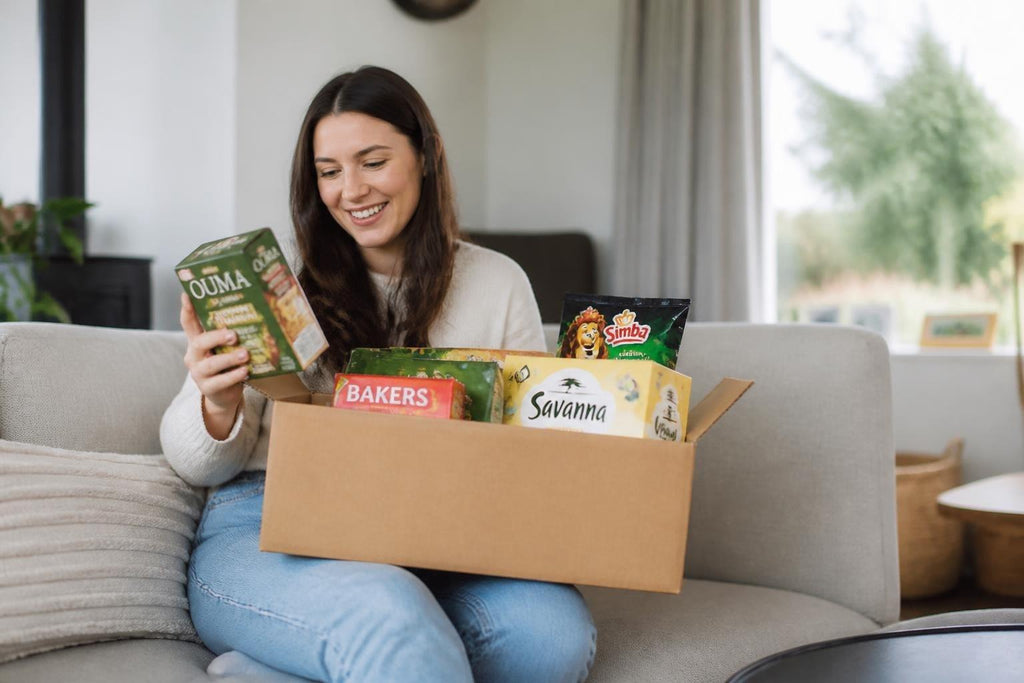
Finding authentic South African products in New Zealand can feel like discovering a piece of home thousands of kilometres away. For the growing community of South Africans living in New Zealand, access to a reliable South Africa shop isn't just about convenience-it's about maintaining cultural connections, recreating childhood memories, and sharing familiar flavours with family and friends. The demand for authentic South African groceries has grown substantially as more South Africans make New Zealand their home, creating a vibrant market for specialty food retailers who understand the unique needs of this community.
Understanding the South Africa Shop Landscape in New Zealand
The concept of a South Africa shop in New Zealand extends far beyond simply stocking imported goods. These specialised retailers serve as cultural hubs where expatriates can reconnect with their heritage through food, beverages, and household products that define South African living.
What Defines an Authentic South Africa Shop
An authentic South Africa shop typically carries a comprehensive range of products across multiple categories:
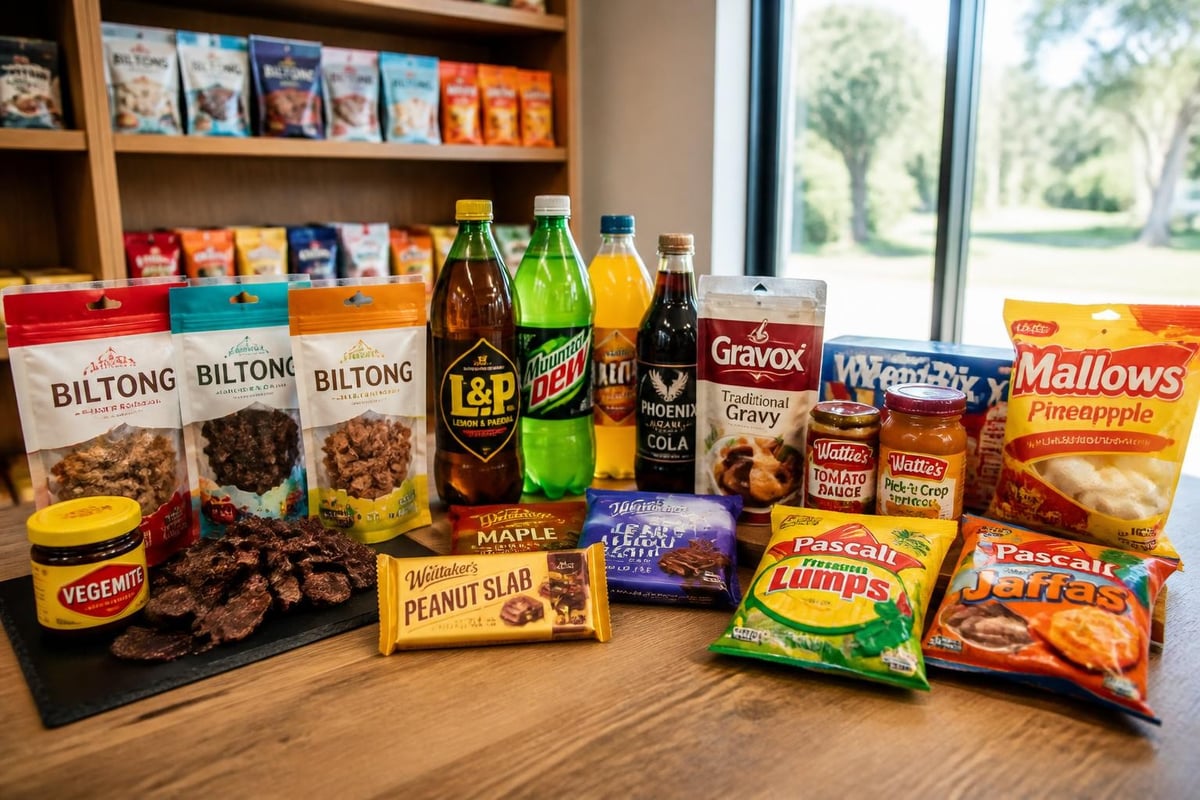
- Biltong and droëwors prepared according to traditional recipes
- Rusks and biscuits including brands like Ouma and Bakers
- Confectionery such as Peppermint Crisp, Lunch Bar, and Tex bars
- Beverages including Rooibos tea, canned drinks, and coffee blends
- Cooking essentials like Mrs Ball's Chutney, Aromat, and Robertsons Spices
- Breakfast cereals and spreads including Milo and peanut butter varieties
These products represent more than simple grocery items. They embody memories of family braais, childhood lunches, and the distinctive culinary traditions that make South African food culture unique.
The South African retail sector has evolved significantly over recent decades, with grocery retail remaining a dominant force in consumer spending patterns. This expertise translates internationally as South African retailers and suppliers expand their reach to serve diaspora communities worldwide.
The Growing Demand for South African Products Abroad
South African expatriates represent a significant global community, with New Zealand becoming an increasingly popular destination. According to recent tourism statistics, South Africa continues to see robust travel numbers, reflecting strong international connections that extend to trade and cultural exchange.
The emotional connection to familiar foods drives consistent demand. When South Africans relocate, they often report that food is one of the aspects of home they miss most intensely. A proper South Africa shop addresses this need by providing:
- Consistent product availability throughout the year
- Authentic brands that match what's sold in South African supermarkets
- Fair pricing that accounts for import costs while remaining accessible
- Reliable delivery options for customers across New Zealand
- Product variety spanning multiple categories and dietary preferences
Essential Products Every South Africa Shop Should Stock
The product selection within a South Africa shop reveals much about its understanding of customer needs. While individual preferences vary, certain items appear consistently on shopping lists across the South African community in New Zealand.
Savoury Snacks and Biltong
Biltong remains the undisputed champion of South African snacks, with droëwors following closely behind. These dried meat products aren't merely snacks-they represent a culinary tradition dating back centuries. Quality matters enormously, as expatriates can immediately detect differences in preparation, spicing, and texture.
A comprehensive South Africa shop stocks multiple varieties:
| Product Type | Common Varieties | Key Characteristics |
|---|---|---|
| Biltong | Beef, game, chicken | Different moisture levels, spice blends |
| Droëwors | Traditional, chilli, cheese | Various thickness and flavouring |
| Snapsticks | Beef, mixed meats | Convenient portion sizes |
| Boerewors | Fresh, frozen | Authentic spice ratios |
Beyond biltong, South African savoury snacks include Simba chips, Nik Naks, and Flings-each with distinctive flavours that don't exist in New Zealand's mainstream snack market. These products often trigger powerful nostalgic responses, making them essential inventory for any credible South Africa shop.
Sweet Treats and Confectionery
South African chocolate and sweets occupy a special category characterised by unique flavour profiles and textures. Peppermint Crisp stands as perhaps the most iconic example, with its distinctive green mint filling creating a taste that's instantly recognisable to anyone who grew up in South Africa.
Popular confectionery items include:
- Chocolate bars: Lunch Bar, Tex, Bar One, Crunchie
- Hard sweets: Wilson's toffees, Chappies bubblegum
- Liquorice and traditional sweets: Wine gums, jelly tots
- Biscuits: Tennis biscuits, Marie biscuits, Romany Creams
The retail trends affecting South Africa show that confectionery remains a strong category, with consumers maintaining loyalty to established brands even as new products emerge. This brand loyalty transfers internationally, making these items essential stock for a South Africa shop serving the New Zealand market.
Cooking Essentials and Pantry Staples
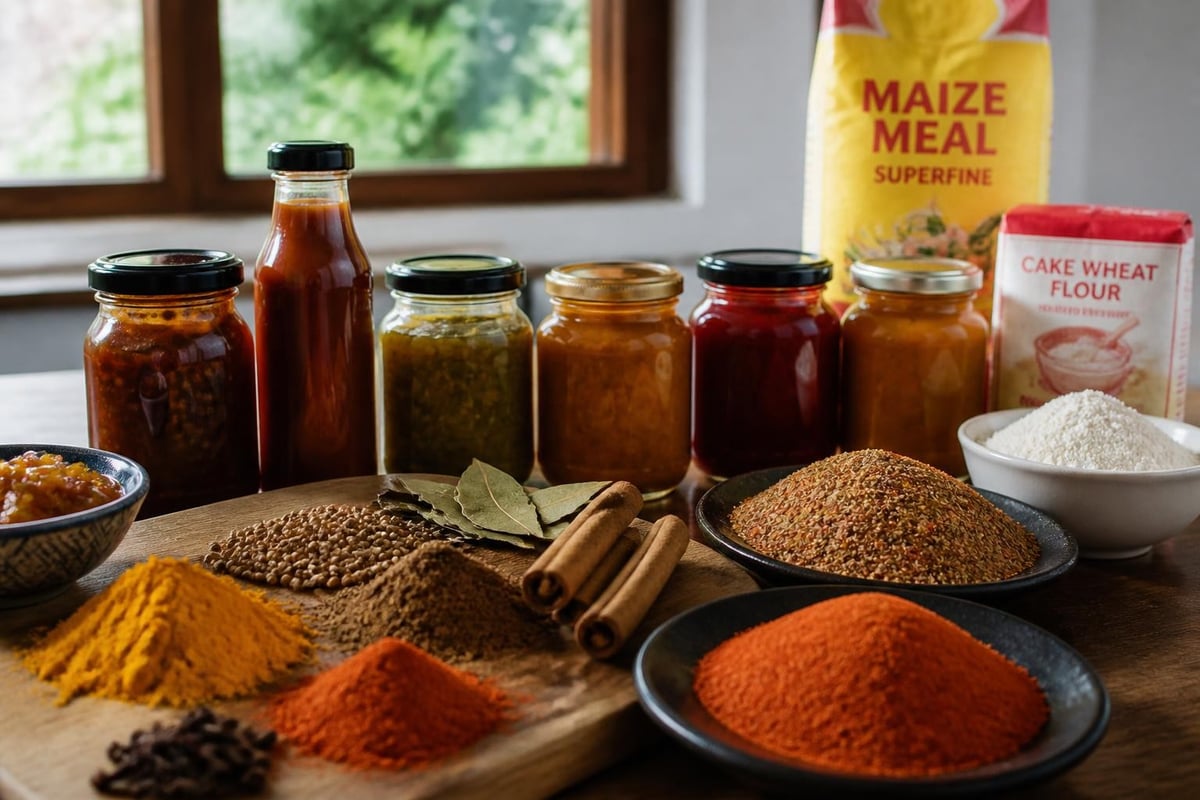
Recreating authentic South African meals requires specific ingredients that define the cuisine's character. Mrs Ball's Chutney exemplifies this perfectly-while other chutneys exist globally, nothing quite replicates its sweet-tangy profile that complements curry, cheese, and cold meats.
Essential cooking products include:
Spices and seasonings: Aromat, Robertsons Spices, Bisto gravy powder, chicken spice blends
Condiments and sauces: All Gold Tomato Sauce, Nando's Peri-Peri sauce, Steers sauce, monkey gland sauce
Baking ingredients: Snowflake cake flour, custard powder, jelly powder in authentic flavours
Beverages: Rooibos tea, Five Roses tea, Ricoffy coffee
These products enable home cooks to prepare traditional dishes like bobotie, sosaties, malva pudding, and koeksisters with authentic flavours that transport families back to South African kitchens.
Shopping at a South Africa Shop: What to Expect
The shopping experience at a South Africa shop differs significantly from visiting mainstream supermarkets. Understanding these differences helps customers maximise their purchases while supporting businesses that cater specifically to their cultural needs.
Physical Stores Versus Online Shopping
South Africa shops in New Zealand operate through various models, with online retail becoming increasingly dominant. The rise of e-commerce in South African retail reflects broader consumer trends that extend to international markets serving South African communities.
Physical store advantages:
- Immediate product availability
- Ability to inspect items before purchase
- Social interaction with fellow South Africans
- Spontaneous discovery of new products
Online shopping benefits:
- Convenience for customers across New Zealand
- Broader product selection without physical space constraints
- Detailed product descriptions and ingredient lists
- Home delivery eliminating transport challenges
Something From Home operates as a comprehensive online South Africa shop, offering more than 2,500 authentic South African products with delivery throughout New Zealand. This extensive range ensures customers can find both popular staples and harder-to-source specialty items.
Pricing Considerations
Import costs, shipping, duties, and currency fluctuations all impact pricing at a South Africa shop. Products typically cost more than they would in South Africa, reflecting the logistical complexity of bringing goods from one country to another.
Understanding price factors helps set realistic expectations:
- Freight costs for shipping containers from South Africa
- Import duties and taxes applied by New Zealand customs
- Storage and warehousing expenses
- Smaller order quantities compared to major supermarket chains
- Specialist sourcing for less common products
Despite higher individual prices, many South Africans find that buying from a dedicated South Africa shop offers better value than attempting to source individual items through various channels or purchasing inferior substitutes from mainstream retailers.
Building Your Shopping List
Strategic shopping maximises value when purchasing from a South Africa shop. Rather than buying everything at once, many customers develop a rotation that balances immediate cravings with long-term pantry building.
High-priority items (purchased frequently):
- Fresh or regularly consumed items like rusks and biscuits
- Biltong and droëwors
- Tea and coffee
- Favourite confectionery
Pantry staples (purchased periodically):
- Spices and seasoning blends
- Condiments with long shelf lives
- Cooking sauces and marinades
- Baking supplies
Occasional treats (purchased for special occasions):
- Premium chocolates
- Specialty beverages
- Traditional sweets for holidays
- Recipe-specific ingredients
Something From Home's product range allows customers to browse across categories, making it easier to plan comprehensive shopping lists that cover immediate needs and longer-term pantry requirements.
The Cultural Significance of South African Food Products
Food serves as a powerful cultural connector, and for South Africans living abroad, access to familiar products through a South Africa shop represents more than mere consumption-it's about identity, community, and heritage preservation.
Food as Cultural Identity
Every culture expresses itself through distinctive culinary traditions, and South African food culture reflects the nation's diverse heritage. From Cape Malay influences in bobotie and bredie to Afrikaner traditions in biltong and koeksisters, South African cuisine tells stories of migration, adaptation, and fusion.
When expatriates shop at a South Africa shop, they're participating in cultural preservation. Children born in New Zealand to South African parents learn about their heritage partly through food experiences. Sharing braai traditions with Kiwi friends introduces aspects of South African culture that transcend simple explanation.
The growth in South African tourism demonstrates continued international interest in the country's culture, with food playing a central role in tourism experiences. This cultural export extends through diaspora communities who maintain traditions through accessible products from a reliable South Africa shop.
Sharing South African Food Culture
South Africans in New Zealand frequently become cultural ambassadors, introducing colleagues, neighbours, and friends to distinctive products and traditions. A South Africa shop enables this sharing by providing access to items that spark conversations and create connection opportunities.
Common sharing scenarios include:
- Bringing biltong to work lunches and explaining the preparation process
- Hosting braais that introduce New Zealanders to boerewors and traditional side dishes
- Sharing Peppermint Crisp tart recipes using authentic ingredients
- Offering Rooibos tea to friends curious about caffeine-free alternatives
- Creating gift baskets featuring South African treats
These interactions strengthen both South African community bonds and cross-cultural understanding, with the South Africa shop serving as the essential supply source enabling these exchanges.

Navigating Product Availability and Import Challenges
Operating a South Africa shop involves complex logistics that impact product availability, pricing, and selection. Understanding these challenges helps customers appreciate the effort required to maintain consistent stock levels.
Import Regulations and Compliance
New Zealand maintains strict biosecurity and food safety standards that affect which South African products can be imported. Meat products face particularly rigorous requirements, while packaged foods must meet labelling and ingredient disclosure standards.
Successful South Africa shop operations require:
Regulatory expertise to navigate import requirements
Supplier relationships with South African manufacturers and distributors
Quality assurance systems ensuring products meet New Zealand standards
Documentation management for customs clearance and compliance
Stock rotation practices maintaining product freshness
These behind-the-scenes complexities explain why not every South African product appears on New Zealand shelves. Some items face prohibitive import costs, while others don't meet specific regulatory requirements.
Seasonal Availability and Stock Fluctuations
Unlike mainstream supermarkets with predictable supply chains, a South Africa shop may experience stock fluctuations based on shipping schedules, supplier availability, and demand patterns. Container shipments arrive periodically rather than continuously, creating natural inventory cycles.
Customers can manage expectations by:
- Signing up for stock notifications when favourite items become available
- Purchasing adequate quantities of non-perishable favourites when in stock
- Exploring alternative products during temporary shortages
- Communicating preferences to help shops understand demand
For customers seeking specific products, checking with Something From Home about expected arrival dates helps with planning. The shop's extensive inventory across multiple categories provides options even when particular items face temporary unavailability.
Supporting Your Local South Africa Shop
The survival of specialised retailers serving niche communities depends on customer support and engagement. South Africans in New Zealand who value access to authentic products can strengthen these businesses through various means beyond simple purchasing.
Building Community Through Shopping
A South Africa shop functions as more than a retail operation-it's a community touchpoint where expatriates connect with shared cultural experiences. Many shops facilitate this through:
- Social media groups where customers share recipes and product recommendations
- Event hosting for South African holidays and celebrations
- Product request systems allowing customers to suggest new inventory
- Loyalty programmes rewarding regular customers
- Information sharing about South African news and community events
Participating in these community aspects strengthens the broader South African presence in New Zealand while supporting the businesses that serve these needs.
Product Requests and Feedback
Customer feedback directly influences inventory decisions at a South Africa shop. When enough people request specific products, shops can justify the investment in importing new items.
Effective feedback includes:
Specific product names and brand details
Purchase commitment indicating genuine intent to buy
Quantity estimates helping shops understand demand levels
Usage context explaining why the product matters
Alternative suggestions if first-choice items prove unavailable
Something From Home stocks more than 2,500 South African products, with this extensive range reflecting years of customer feedback and market understanding. The contact options available make it easy for customers to share preferences and suggestions that shape future inventory decisions.
Sustainable Shopping Practices
Supporting a South Africa shop sustainably involves balancing personal needs with broader business viability. Thoughtful purchasing patterns help these specialised retailers maintain the inventory breadth that makes them valuable to the entire community.
Strategic approaches include:
| Practice | Benefit | Implementation |
|---|---|---|
| Bulk buying | Reduces per-unit costs | Purchase multiple units of favourites |
| Mixed baskets | Supports product variety | Include both popular and niche items |
| Regular orders | Enables demand forecasting | Establish routine purchasing patterns |
| Gift purchasing | Introduces new customers | Share products with non-South African friends |
| Review writing | Builds shop credibility | Share experiences online |
These practices create stability that allows a South Africa shop to invest in broader inventory, better pricing negotiations with suppliers, and improved service offerings.
Online Shopping: The Modern South Africa Shop Experience
Digital retail has transformed how expatriate communities access cultural products, with online South Africa shop operations offering unprecedented convenience and selection compared to physical-only models.
Advantages of Online South African Grocery Shopping
The transition to e-commerce has particularly benefited South African communities in New Zealand, where geographic spread previously limited access to specialty products. Online shopping eliminates location barriers, enabling customers throughout New Zealand to access the same product range.
Key online shopping benefits:
Comprehensive browsing without time pressure or physical store constraints
Detailed product information including ingredients, nutritional data, and usage suggestions
Search functionality helping customers locate specific items quickly
Order history tracking enabling easy reordering of favourites
Home delivery eliminating transport challenges for bulk purchases
Something From Home's online platform exemplifies these advantages, offering New Zealand's most extensive South African product range with convenient delivery options nationwide. The ability to browse thousands of products from home transforms the shopping experience compared to hoping local stores might stock desired items.
Navigating Online Product Catalogues
Effective online shopping at a South Africa shop requires understanding how to navigate digital catalogues efficiently. Most platforms organise products into logical categories mirroring physical store layouts.
Common category structures:
- Biltong and dried meats
- Confectionery and snacks
- Beverages (hot and cold)
- Cooking sauces and condiments
- Baking supplies
- Breakfast cereals and spreads
- Cosmetics and toiletries
- Gift items and hampers
Using search functions with specific brand names or product types quickly narrows results. Many customers maintain wish lists for future purchases, building carts over time as they identify needs rather than shopping in single intensive sessions.
Delivery Considerations and Logistics
Understanding delivery processes helps customers receive South African products efficiently and in optimal condition. Most South Africa shop operations in New Zealand partner with reliable courier services offering tracking and insurance options.
Delivery factors to consider:
- Order minimums for free shipping thresholds
- Packaging methods protecting fragile items like biscuits and chips
- Delivery timeframes varying by location within New Zealand
- Storage requirements upon arrival for perishable items
- Seasonal impacts on chocolate and temperature-sensitive products
Tracking parcels provides peace of mind and helps customers plan for receipt of their South African groceries. Understanding these logistics ensures products arrive in excellent condition, ready to enjoy or store appropriately.
The Future of South Africa Shop Retail in New Zealand
The landscape for South African product retail in New Zealand continues evolving, influenced by changing consumer behaviours, technological advances, and growing community size.
Emerging Trends in Specialty Food Retail
Several trends shape how South Africa shops operate and serve their customers in 2026. Digital transformation extends beyond simple online ordering to encompass sophisticated customer relationship management, personalised recommendations, and community engagement platforms.
Current retail trends include:
Enhanced mobile shopping experiences optimised for smartphones
Subscription models delivering regular shipments of favourite products
Virtual community events connecting South Africans across New Zealand
Expanded product photography and video content showing preparation methods
Integration with recipe platforms linking ingredients to traditional dishes
These innovations reflect broader retail industry developments that prioritise customer experience and convenience while maintaining the personal touch that defines specialty retailers.
Growing Product Diversity
As the South African community in New Zealand expands, demand increases for broader product ranges representing different dietary preferences and regional specialties. Modern South Africa shops stock options for various needs:
Dietary accommodations: Halaal certified products, vegetarian alternatives, gluten-free options
Regional specialties: Cape Malay ingredients, Durban curry components, traditional Afrikaans baking supplies
Health-focused products: Rooibos tea varieties, biltong as protein sources, traditional remedies
Lifestyle categories: Cosmetics and toiletries, cleaning products, baby care items
This diversification transforms a South Africa shop from purely a food retailer into a comprehensive source for products enabling South African lifestyle maintenance abroad.
Community Integration and Cultural Exchange
The most successful South Africa shops recognise their role extending beyond retail transactions into cultural preservation and community building. Future developments likely emphasise these community aspects through:
- Event sponsorship supporting South African gatherings and celebrations
- Recipe sharing platforms featuring authentic preparation methods
- Cultural education resources helping younger generations understand heritage
- Cross-cultural initiatives introducing New Zealanders to South African traditions
- Supplier partnerships highlighting stories behind products
These initiatives strengthen both the South African community in New Zealand and the businesses serving it, creating sustainable models that benefit all participants.
Finding authentic South African products in New Zealand needn't be a challenge when you have access to a comprehensive South Africa shop that understands expatriate needs. Whether you're craving biltong, seeking ingredients for traditional recipes, or wanting to share South African treats with Kiwi friends, having reliable access to quality products makes all the difference. Something From Home offers New Zealand's most extensive range of South African groceries, with over 2,500 authentic products available for delivery nationwide, ensuring you're never far from the flavours and traditions that make South Africa special.