Yum Yum: The Iconic Comfort Food South Africans Adore

When South Africans living in New Zealand talk about comfort food, the phrase "yum yum" often emerges in conversation. This simple expression captures more than just delicious taste-it represents a deep connection to childhood memories, family gatherings, and the distinct food culture that makes South African cuisine so special. For expatriates seeking familiar flavours in a new country, understanding what makes certain foods genuinely "yum yum" becomes part of maintaining cultural identity while building a life far from home.
The Cultural Significance of Yum Yum in South African Food Traditions
The term "yum yum" transcends simple description in South African households. It embodies the satisfaction of biting into a perfectly made koeksister, the comfort of a warm vetkoek filled with mince, or the nostalgic taste of a childhood biscuit shared during morning tea.
South African food culture celebrates bold flavours and generous portions. Traditional recipes passed down through generations often feature ingredients and techniques unique to the region. These dishes create what South Africans genuinely consider yum yum moments-those instances when food transports you back to braais in the backyard, Sunday lunches with extended family, or roadside stops during school holidays.
Why Familiar Foods Matter for South African Expatriates
Living abroad heightens appreciation for home comforts. South Africans in New Zealand frequently report that accessing familiar grocery products helps them maintain connections to their heritage. Children raised in New Zealand benefit from experiencing their parents' food traditions, creating bridges between cultures and generations.
The search for authentic South African products drives many expatriates to seek specialist suppliers. While mainstream Asian instant noodles like Yum Yum have their own dedicated following, South Africans typically crave the specific brands and flavours they grew up with-products that deliver that genuine yum yum experience unique to their homeland.
Iconic South African Treats That Deserve the Yum Yum Label
Several categories of South African food consistently earn the yum yum designation among locals and expatriates alike. Understanding these products helps explain why specialist South African food stores remain essential for the community.
Traditional Baked Goods and Sweet Treats
Rusks and Biscuits
South African rusks represent breakfast tradition at its finest. These twice-baked treats, designed for dunking in coffee or tea, come in numerous varieties:
- Buttermilk rusks with their distinctive tang
- Muesli rusks packed with seeds and dried fruit
- All Bran rusks offering wholesome fibre
- Condensed milk rusks providing extra sweetness
Tennis biscuits, Marie biscuits, and Romany Creams feature prominently in South African cupboards. Each brand carries memories of school lunchboxes, afternoon tea breaks, and late-night snacking sessions that expatriates desperately miss.
Koeksisters and Other Fried Delights
The perfectly twisted koeksister demonstrates South African baking expertise. These syrup-soaked plaited doughnuts deliver sweetness and texture in every bite. Making authentic koeksisters requires specific techniques, though many South Africans in New Zealand attempt recreating them using locally available ingredients.
Vetkoek represents another beloved fried favourite, served either savoury with mince filling or sweet with jam and cheese. This versatile dough-based treat appears at family gatherings, school events, and church fundraisers throughout South Africa.
Savoury Snacks and Biltong Products
| Product Category | Popular Varieties | Why They're Yum Yum |
|---|---|---|
| Biltong | Beef, game, chilli | Authentic spicing, perfect texture |
| Droëwors | Traditional, spicy | Portable protein snack |
| Chips | Simba, Willards, Lays flavours | Unique South African seasonings |
| Niknaks | Cheese, spice options | Nostalgic childhood favourite |
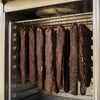
Biltong occupies sacred status among South African snacks. The art of making biltong requires proper techniques and quality ingredients, though many expatriates prefer purchasing professionally prepared versions that capture authentic flavours. Droëwors provides similar satisfaction in convenient sausage form, perfect for hiking, road trips, or casual snacking.
Understanding Different Yum Yum Interpretations Globally
While South Africans use "yum yum" as general praise for delicious food, the term carries specific meanings in other cultures worth noting. This global perspective helps South African expatriates appreciate how food terminology varies across regions.
Yum Yum Sauce in Japanese-American Cuisine
Japanese hibachi restaurants in the United States popularised Yum Yum Sauce, a creamy condiment combining mayonnaise, tomato paste, and spices. This sauce bears no relation to South African food culture but demonstrates how identical terms develop different meanings across culinary traditions.
Creating homemade Yum Yum Sauce involves blending readily available ingredients, though the flavour profile differs significantly from traditional South African sauces like Mrs Ball's Chutney or Nando's Peri-Peri.
The Broader Context of Food Enjoyment
Various uses of "yum yum" appear throughout global culture, from entertainment references to business names. American donut chains like Yum-Yum Donuts capitalise on the universal appeal of the phrase, though their products differ entirely from South African sweet treats like koeksisters or milk tart.
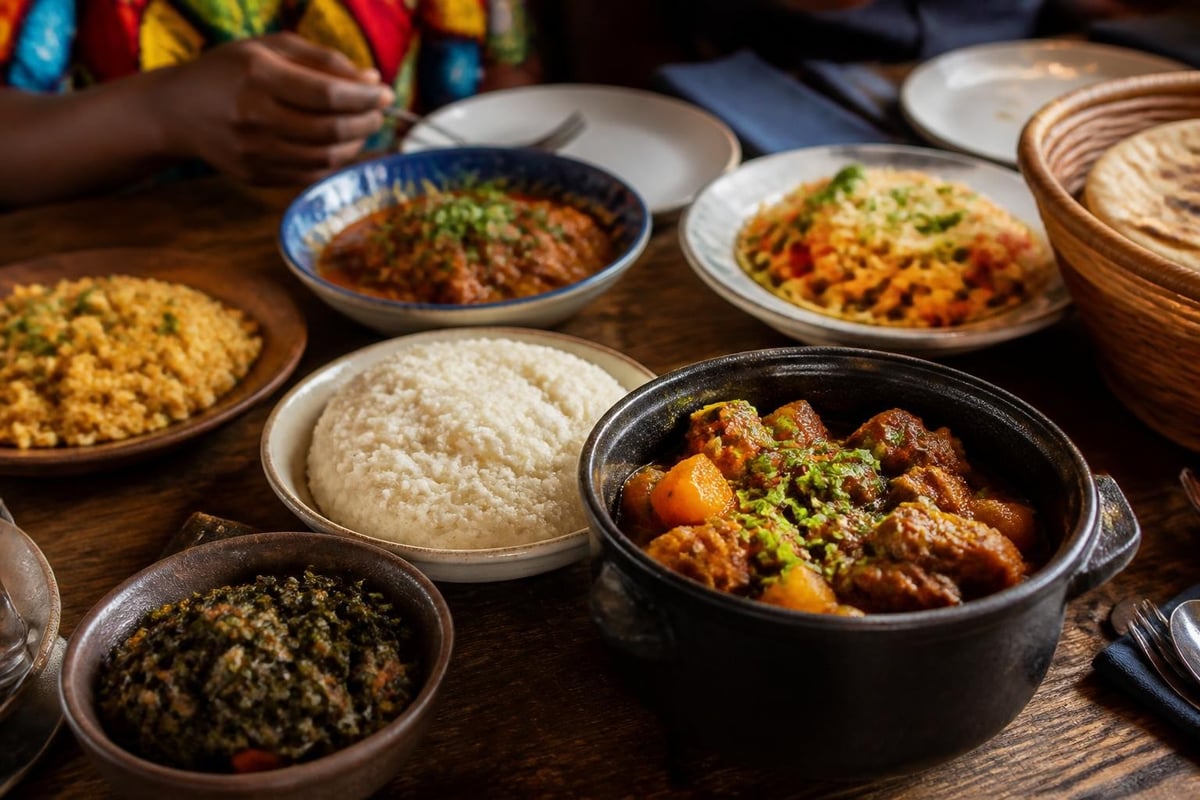
Finding Authentic South African Yum Yum Products in New Zealand
South Africans living in New Zealand face unique challenges accessing familiar grocery items. Mainstream supermarkets stock limited international selections, rarely including South African specialities. This scarcity makes specialist importers essential for maintaining food traditions.
The Role of Specialist South African Food Stores
Dedicated South African shops understand expatriate needs beyond basic grocery shopping. They provide cultural connection points where customers discover new products, share recipes, and maintain community bonds. Something From Home operates as a South African food store in New Zealand, stocking 2,200 products that deliver authentic yum yum experiences.
Key Product Categories Available:
- Baking ingredients and spice mixes
- Biscuits, rusks, and sweet treats
- Savoury snacks including biltong and droëwors
- Sauces, chutneys, and condiments
- Beverages including Rooibos tea and distinctive cordials
- Convenience foods and ready-made meals
Shopping for South African Food Online
Modern technology enables South Africans throughout New Zealand to access familiar products without travelling to physical stores. Online ordering systems allow customers in Auckland, Wellington, Christchurch, or rural areas to browse complete catalogues and arrange delivery.
The convenience of buying South African food online extends beyond product access. Digital platforms provide recipe inspiration, usage suggestions, and community connections that enhance the shopping experience. Customers discover new products while restocking favourites, expanding their culinary repertoire while maintaining traditional preferences.
Creating Yum Yum Moments with South African Recipes
Having authentic ingredients enables South Africans in New Zealand to recreate beloved dishes that define their food culture. Traditional recipes provide opportunities for family bonding, cultural education, and genuine comfort during homesick moments.
Classic South African Desserts
South African desserts combine European influences with local adaptations, creating unique sweet treats. Peppermint Crisp Tart represents modern South African dessert innovation, layering caramel, cream, and chocolate mint bars into an irresistible combination.
Milk tart showcases traditional baking skills, featuring creamy custard filling in crisp pastry dusted with cinnamon. Both desserts require specific ingredients that mainstream New Zealand supermarkets rarely stock, making specialist suppliers invaluable.
Hearty Mains and Traditional Dishes
| Dish | Key Ingredients | Cultural Significance |
|---|---|---|
| Bobotie | Mince, curry spices, egg topping | Cape Malay heritage |
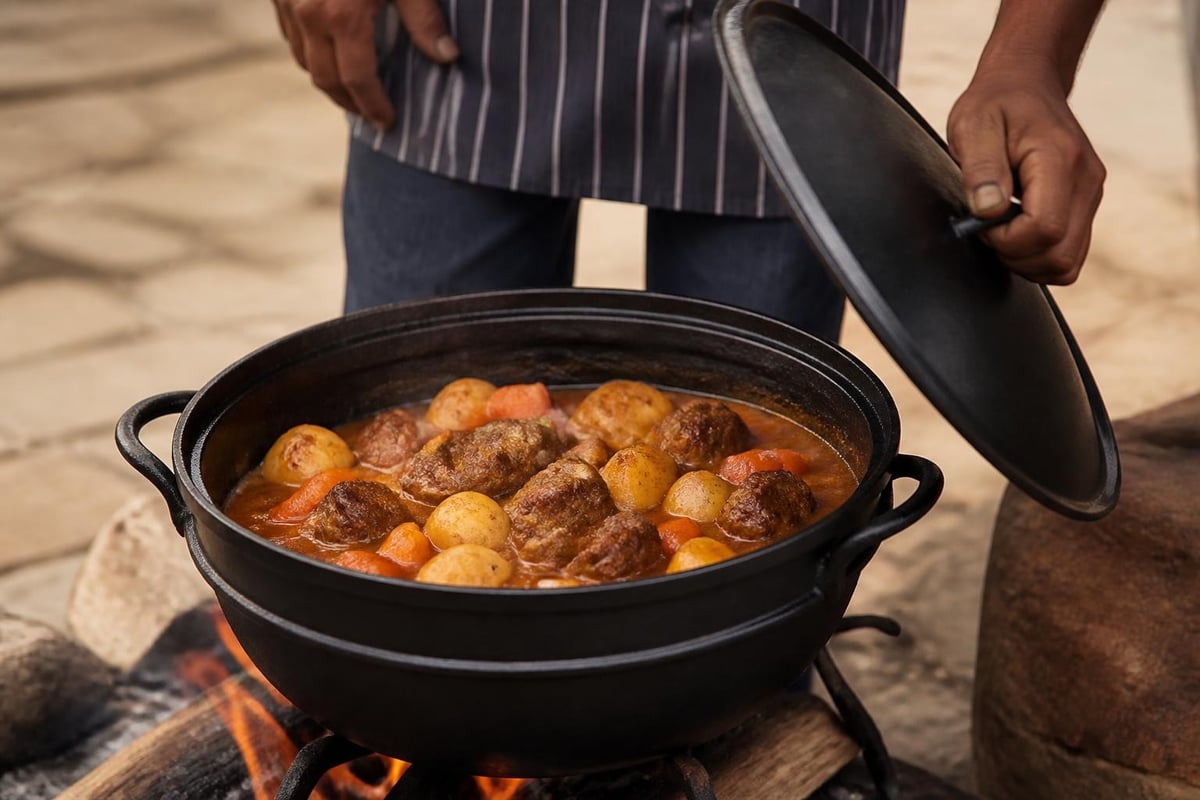
| Potjiekos | Meat, vegetables, three-legged pot | Outdoor cooking tradition |
| Curry and rice | Durban-style spices, sambals | Indian-South African fusion |
| Samp and beans | Dried corn, sugar beans | Indigenous African staple |
These dishes require authentic spices and ingredients to achieve proper flavour profiles. Substituting local alternatives rarely produces satisfactory results, driving demand for imported South African grocery products.
The Science Behind Comfort Food Cravings
Understanding why certain foods trigger powerful emotional responses helps explain South African expatriates' determination to access familiar products. Research into comfort food psychology reveals complex interactions between memory, culture, and taste preferences.
Modern nutrition science explores personalised food recommendations based on individual preferences and dietary needs. However, cultural food traditions often transcend purely nutritional considerations, satisfying emotional and social requirements alongside physical hunger.
Memory and Taste Connections
Childhood food experiences create lasting neural pathways linking specific flavours with positive emotions. When South Africans taste authentic rusks, biltong, or boerewors, their brains activate memory centres associated with home, family, and belonging. These connections explain why expatriates willingly pay premium prices for imported products that deliver genuine yum yum satisfaction.
Factors Influencing Food Nostalgia:
- Sensory triggers (smell, taste, texture)
- Social context of original consumption
- Frequency of childhood exposure
- Emotional significance of associated memories
- Availability in current environment
Cultural Identity Through Food
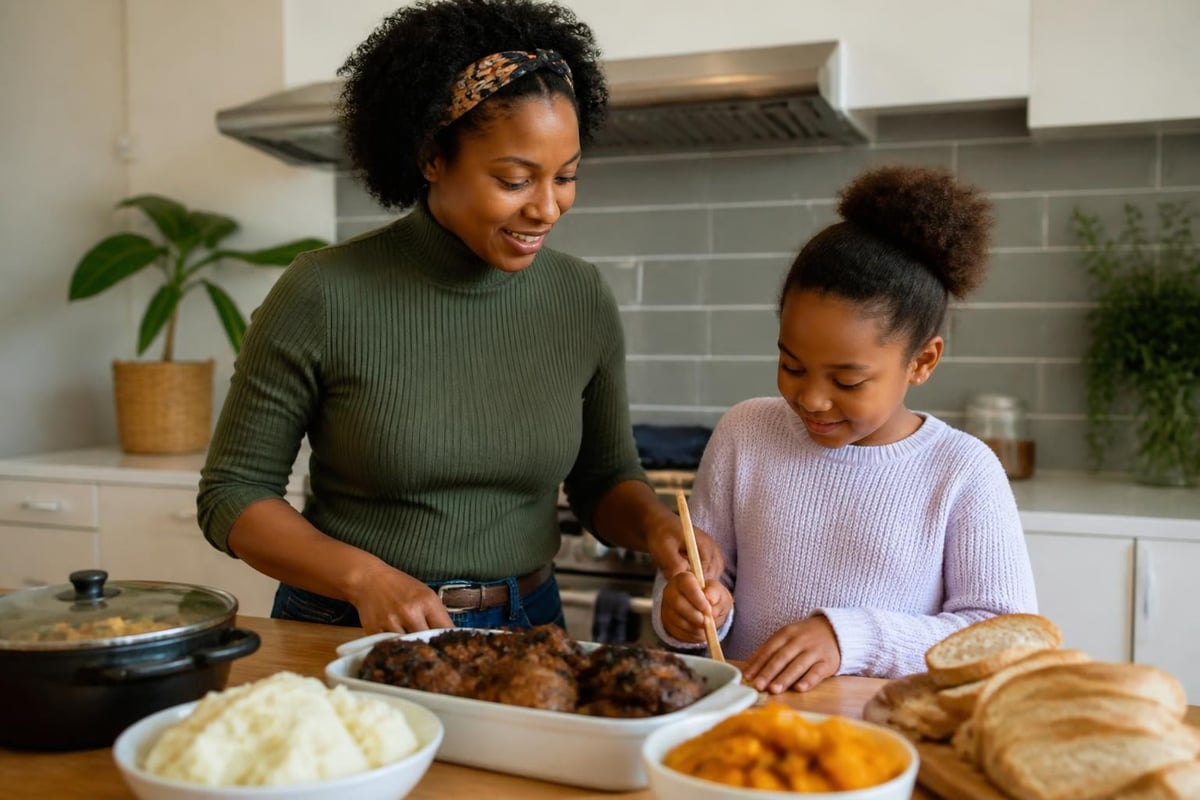
Food serves as tangible cultural expression, especially for expatriate communities. Preparing traditional dishes, sharing them with family, and teaching recipes to children reinforces cultural identity across generations. South Africans in New Zealand maintain connections to their heritage partly through continuing food traditions that define their community.
Practical Tips for South African Expatriates in New Zealand
Successfully maintaining South African food traditions while living in New Zealand requires strategic planning and resource awareness. These practical approaches help expatriates maximise yum yum moments despite geographical distance from home.
Building Your South African Pantry
Essential Staples to Stock:
- Multiple varieties of rusks for daily enjoyment
- Spice blends including curry powder, barbecue spice, and biltong spice
- Mrs Ball's Chutney and other signature sauces
- Baking essentials like condensed milk and custard powder
- Favourite biscuits and chocolate bars
- Rooibos tea and distinctive cordials
Strategic purchasing during promotions or bulk-buying popular items ensures constant availability of essential products. Understanding product shelf life and storage requirements helps minimise waste while maintaining well-stocked pantries.
Adapting Recipes for Local Ingredients
Some South African recipes accommodate New Zealand ingredient substitutions without compromising authenticity. Resources on finding alternatives like corn starch in New Zealand help expatriates navigate local supermarkets effectively. However, certain products demand authentic versions to achieve proper results.
Connecting with the South African Community
Fellow South Africans provide invaluable support, sharing supplier recommendations, recipe adaptations, and cultural connection. Community blogs and resources offer platforms for exchanging information, celebrating traditions, and maintaining collective identity despite geographical dispersion.
The Business of South African Food in New Zealand
Specialist importers meet growing demand from South Africa's substantial expatriate population in New Zealand. Understanding this market helps explain product availability, pricing structures, and service offerings that benefit consumers.
Import Logistics and Product Selection
Importing South African products involves complex logistics including:
- Sourcing authentic products from South African suppliers
- Managing international shipping and customs clearance
- Ensuring compliance with New Zealand food safety regulations
- Maintaining proper storage and handling throughout distribution
- Balancing product variety against demand patterns
Successful importers like Something From Home curate extensive catalogues of 2,200 products, providing comprehensive selections that meet diverse customer preferences. This variety enables expatriates to recreate authentic South African meals and maintain traditional eating patterns.
Pricing Considerations for Imported Products
Imported South African foods cost more than local alternatives due to transportation, customs duties, and specialised handling requirements. However, expatriates typically accept premium pricing for products delivering authentic yum yum experiences unavailable elsewhere.
Factors Affecting Product Pricing:
- Shipping costs from South Africa
- Import duties and taxes
- Storage and handling expenses
- Product weight and volume
- Demand levels and turnover rates
- Currency exchange fluctuations
Supporting Local South African Businesses
Purchasing from specialist South African suppliers supports businesses serving the expatriate community while ensuring product authenticity and quality. These enterprises often provide additional services including recipe resources, cultural information, and community connection opportunities that extend beyond simple retail transactions.
Seasonal and Festive Yum Yum Traditions
South African food culture includes seasonal specialities and festive traditions that expatriates maintain in New Zealand. Understanding these patterns helps importers stock appropriate products while enabling families to celebrate properly.
Christmas and Summer Holidays
South African Christmas traditions differ significantly from European-influenced New Zealand celebrations. Summer timing means outdoor braais, cold desserts, and refreshing beverages dominate festive menus rather than heavy roasted meals.
Popular festive treats include:
- Peppermint Crisp Tart for summer desserts
- Traditional Christmas biscuits and shortbread
- Festive sweets and chocolates
- Special braai meats and boerewors
- Refreshing cordials and soft drinks
Heritage Celebrations and Cultural Events
South African expatriate communities organise cultural celebrations throughout the year, creating demand for specific traditional foods. Heritage Day (September 24) typically features authentic braais, while other gatherings might highlight regional specialities or historical dishes.
Health and Nutrition Considerations
While nostalgia drives much South African food consumption, health-conscious expatriates balance traditional indulgences with nutritional awareness. Many classic products offer legitimate nutritional benefits alongside emotional satisfaction.
Nutritional Advantages of South African Staples
Rooibos Tea Benefits:
- Naturally caffeine-free
- Rich in antioxidants
- Supports heart health
- Contains beneficial minerals
Biltong as Protein Source:
- High protein, low fat content
- Minimal processing compared to many snacks
- Portable and shelf-stable
- Satisfying texture and flavour
Traditional Ingredient Nutrition:
Samp provides complex carbohydrates and fibre, while beans offer plant-based protein. Many South African dishes incorporate vegetables, legumes, and whole grains that contribute to balanced nutrition when prepared thoughtfully.
Balancing Tradition with Modern Dietary Needs
Contemporary South Africans often adapt traditional recipes to accommodate dietary restrictions or health goals. Reducing sugar in desserts, choosing leaner meat cuts, or incorporating more vegetables into classic dishes maintains cultural connections while supporting wellness objectives.
Whether you're craving the perfect koeksister, authentic biltong, or simply want to stock your pantry with familiar South African treats, accessing genuine products makes all the difference in creating those special yum yum moments. For South Africans throughout New Zealand seeking to maintain their food traditions and cultural connections, explore the extensive range of authentic products available at Something From Home, where you'll find everything needed to bring the tastes of home to your table.