Biltong Plus: South Africa's Premium Dried Meat Snack

For South Africans living in New Zealand, few snacks evoke home quite like biltong. This beloved dried meat has been a staple of South African food culture for generations, but today's market offers something more: biltong plus variations that take the traditional recipe to new heights. Whether you're seeking premium cuts, enhanced flavours, or specific nutritional profiles, understanding what sets biltong plus apart helps you choose the perfect snack for your taste and lifestyle.
What Makes Biltong Plus Different From Traditional Biltong
Traditional biltong has remained largely unchanged for centuries, relying on simple ingredients: meat, salt, vinegar, and spices. Biltong plus represents an evolution of this classic formula, incorporating modern processing techniques, premium ingredients, and enhanced nutritional profiles.
The "plus" designation typically indicates several key improvements over standard biltong:
- Superior meat selection from specific cuts or grass-fed sources
- Enhanced spice blends that balance traditional flavours with contemporary preferences
- Optimised moisture levels for improved texture and shelf life
- Reduced sodium formulations that maintain flavour while addressing health concerns
- Certified quality standards ensuring consistent production and safety
Research into sodium reduction strategies in biltong demonstrates how manufacturers can reformulate traditional recipes without compromising the authentic taste that South Africans expect. These innovations benefit consumers seeking healthier options while preserving the cultural heritage of this iconic snack.
Premium Meat Selection Standards
Biltong plus products often specify the exact cut and grade of meat used in production. Top sirloin, silverside, and topside cuts deliver superior tenderness compared to generic beef selections. Some producers source exclusively from grass-fed cattle, which influences both flavour profile and nutritional composition.
The meat quality directly affects the final product's texture, taste, and protein density. Premium selections contain less connective tissue, resulting in a more uniform slice that's easier to chew and more enjoyable to eat.
Nutritional Profile and Health Considerations
Understanding the nutritional composition of biltong plus helps consumers make informed dietary choices. According to research on the physicochemical characteristics of South African biltong, moisture content, water activity, and salt levels significantly influence both safety and nutritional value.
| Nutrient | Typical Amount (per 100g) | Benefit |
|---|---|---|
| Protein | 50-60g | Muscle maintenance, satiety |
| Fat | 8-15g | Energy, essential fatty acids |
| Sodium | 1,200-2,000mg | Flavour, preservation (reduced in some varieties) |
| Carbohydrates | <2g | Low-carb, keto-friendly |
| Iron | 3-4mg | Oxygen transport, energy |
Sodium Content and Reformulation
Traditional biltong contains significant sodium levels necessary for preservation and flavour development. However, modern health guidelines have prompted manufacturers to explore lower-sodium alternatives. South Africa's mandatory sodium-reduction policy has driven innovation in biltong plus formulations that deliver authentic taste with reduced salt content.
Biltong plus varieties labelled "reduced sodium" typically contain 20-30% less salt than traditional versions. This reduction requires careful balancing of spices, drying times, and pH control to maintain both safety and sensory appeal. For South Africans in New Zealand managing blood pressure or simply seeking healthier snack options, these reformulated products offer a practical solution.
The water activity levels in properly dried biltong plus remain low enough to prevent microbial growth even with reduced salt. Professional manufacturers follow strict validation protocols to ensure product safety throughout the shelf life.
Popular Biltong Plus Varieties Available in New Zealand
South African expats living in New Zealand have access to diverse biltong plus options through specialist retailers. Something From Home stocks an extensive range of South African products, making it easier to find authentic flavours without travelling back home.
Flavour Variations
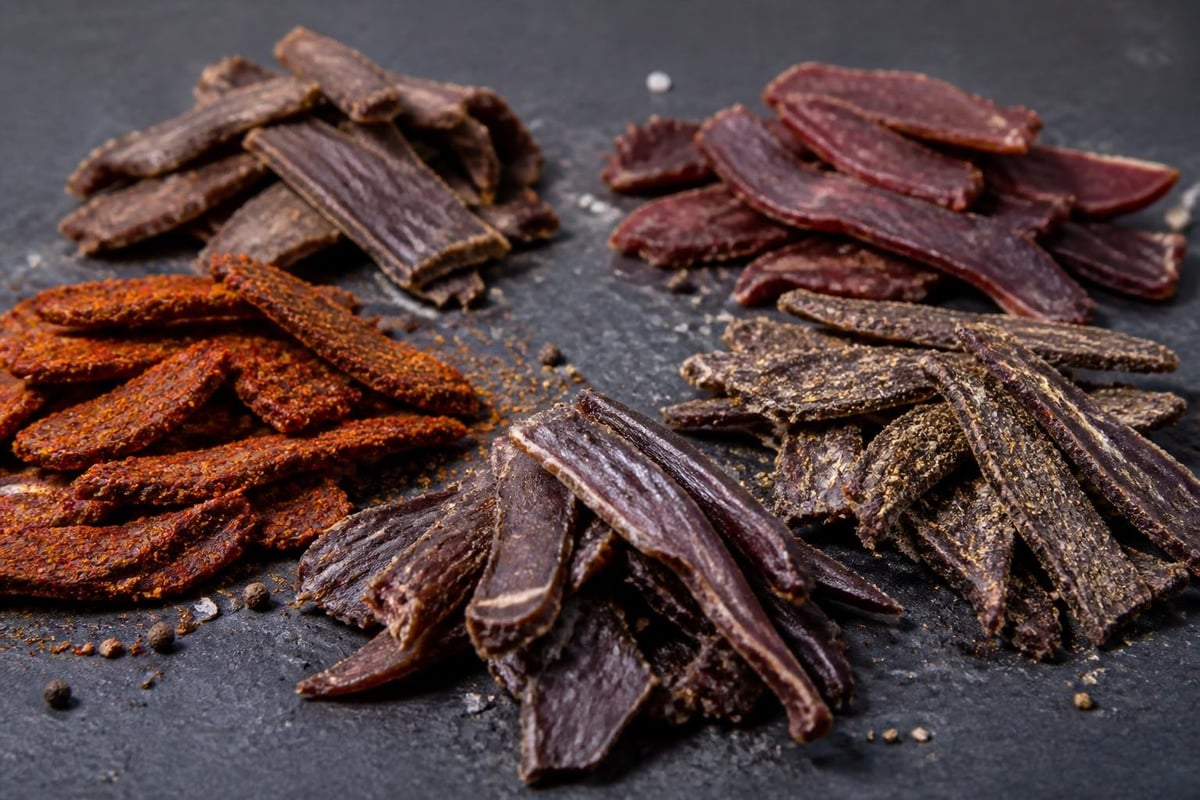
Modern biltong plus products extend beyond the classic black pepper and coriander seasoning:
- Chilli biltong adding heat without overpowering the meat's natural flavour
- Garlic-infused varieties for those who enjoy aromatic intensity
- Peri-peri spiced versions bringing Portuguese-African fusion to the traditional recipe
- BBQ and smokehouse styles incorporating contemporary flavour profiles
- Plain or lightly seasoned options highlighting the meat's natural taste
Each variation undergoes the same careful drying process but introduces unique spice combinations during the marinating stage. The result is a product range that appeals to both traditionalists and adventurous eaters.
Meat Type Options
While beef dominates the market, biltong plus encompasses alternative proteins:
- Game biltong from kudu, springbok, or ostrich delivers leaner protein with distinctive flavours
- Chicken biltong offers a poultry-based alternative with mild taste
- Venison biltong provides rich, complex flavour notes
- Droëwors (dried sausage) represents a closely related product category
For those seeking South African food online, understanding these distinctions helps narrow down preferences when ordering from specialised retailers who ship throughout New Zealand.
Production Standards and Safety Protocols
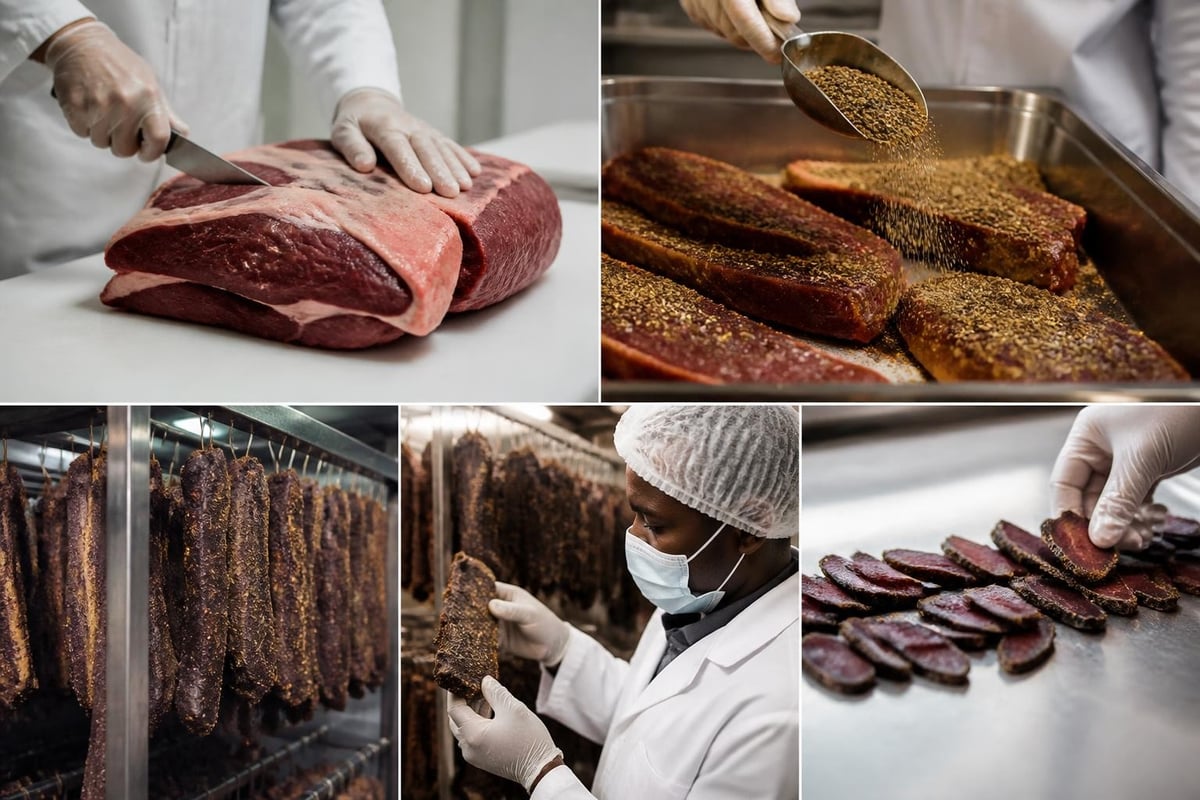
Quality biltong plus adheres to rigorous production standards that ensure both safety and consistency. USDA guidelines for ready-to-eat fermented, salt-cured, and dried products provide internationally recognised benchmarks that reputable manufacturers follow.
Critical Control Points
Professional biltong production monitors several key parameters:
- Initial meat temperature to prevent bacterial multiplication before processing
- Vinegar pH levels ensuring adequate acidity for pathogen control
- Drying chamber conditions maintaining optimal temperature and humidity
- Final moisture content targeting safe water activity levels
- Storage packaging protecting product integrity during distribution
Microbial profiling research has identified specific halotolerant species that can survive in biltong environments, highlighting why proper processing validation remains essential. Biltong plus manufacturers typically implement additional testing protocols beyond standard requirements to guarantee premium quality.
Shelf Life and Storage
Properly processed biltong plus maintains quality for extended periods when stored correctly:
| Storage Method | Expected Shelf Life | Conditions |
|---|---|---|
| Room temperature (sealed) | 3-6 months | Cool, dry location away from sunlight |
| Refrigerated | 6-12 months | Airtight container or original packaging |
| Frozen | 12-24 months | Vacuum-sealed or freezer-safe wrapping |
Opening the package introduces moisture and oxygen, which can accelerate spoilage. Consumers should reseal opened biltong plus packages carefully or transfer contents to airtight containers for optimal freshness.
The Cultural Significance of Biltong Plus
For South African communities abroad, biltong represents more than just a protein snack. It embodies cultural identity, nostalgic memories, and connection to homeland traditions. The evolution toward biltong plus reflects how expat communities adapt traditional foods to new contexts while maintaining authentic character.
Biltong in South African Food Culture
Historically, biltong served as a preservation method allowing trekkers and farmers to carry meat on long journeys without refrigeration. Today, it appears at social gatherings, sporting events, and family occasions. Many South African households prepare homemade biltong using family recipes passed through generations.
The rise of commercial biltong plus products hasn't diminished this home-making tradition. Instead, it complements it by offering convenience for busy professionals while providing benchmarks for quality and variety. South Africans in New Zealand often maintain both practices: making traditional biltong at home while purchasing premium varieties for specific occasions or flavour preferences.
Finding Community Through Familiar Foods
Living abroad intensifies the desire for foods that trigger memories of home. South African stores near me searches reflect this need, as expats seek retailers who understand their cultural preferences and stock authentic products.
Biltong plus purchases often coincide with gatherings of South African friends, rugby match viewings, or celebrations of national holidays. The shared experience of enjoying familiar flavours strengthens community bonds and helps preserve cultural heritage for younger generations born in New Zealand.
How to Select Quality Biltong Plus
Choosing superior biltong plus requires attention to several quality indicators. Whether shopping in person at a South African food store or ordering online, these criteria help identify premium products.
Visual Inspection
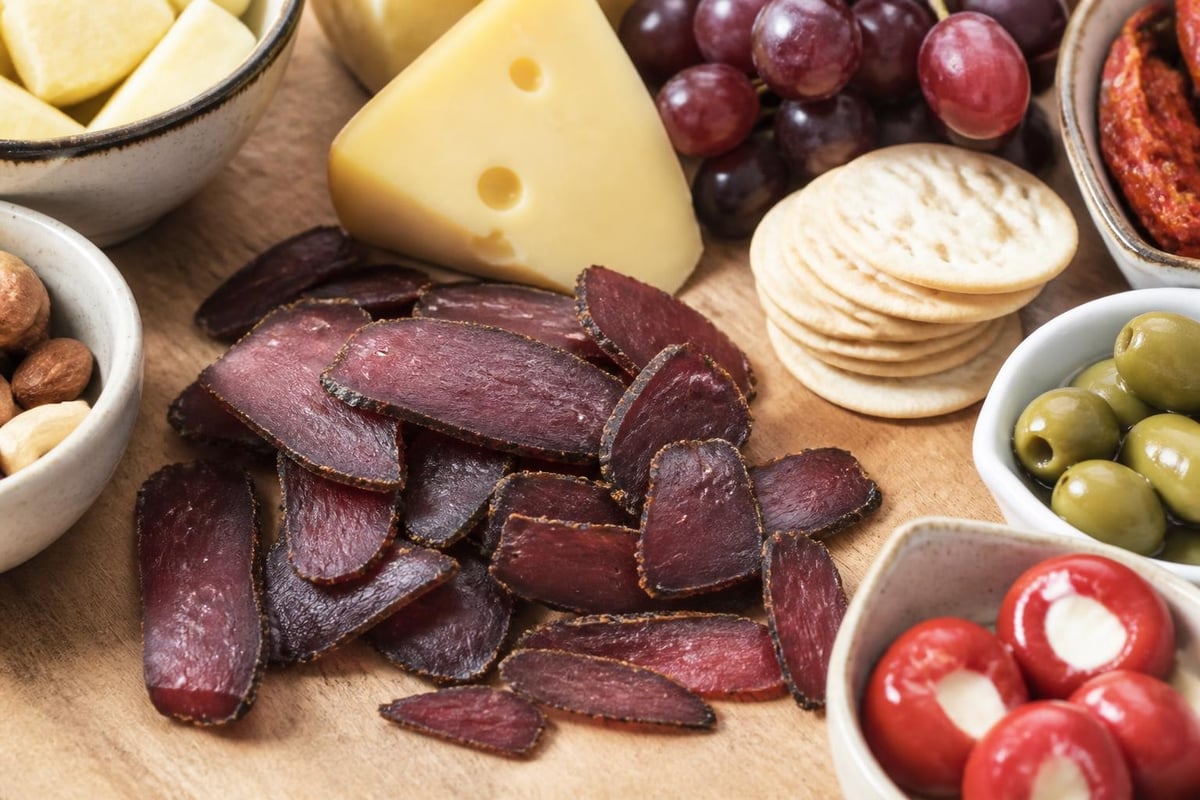
Quality biltong plus displays specific visual characteristics:
- Consistent colour ranging from deep red to brown depending on meat type and spices
- Minimal fat marbling unless specifically seeking a fattier cut
- Clean edges without excessive drying or cracking
- Even thickness indicating careful slicing and uniform drying
- Natural appearance free from artificial colours or excessive oils
Avoid biltong showing white crystalline deposits (salt migration), significant discolouration, or visible mould. While some surface mould can be trimmed in traditional preparation, commercial products should arrive pristine.
Texture and Moisture Content
Premium biltong plus strikes a balance between dry preservation and palatability. When bending a piece, it should flex slightly before breaking rather than crumbling immediately or remaining completely pliable. This indicates optimal moisture content for both safety and eating enjoyment.
Aroma and Flavour Markers
Fresh biltong plus emits a pleasant, spicy aroma dominated by coriander and pepper notes. Any off-odours, sourness, or ammonia-like smells indicate spoilage or improper processing. The flavour should be complex, balancing meat umami with spice notes and subtle tang from the vinegar marinade.
Incorporating Biltong Plus Into Your Diet
Beyond standalone snacking, biltong plus serves as a versatile ingredient in various dishes. South African expats have developed creative applications that introduce this traditional food to Kiwi friends and family.
Traditional Serving Methods
The classic approach involves slicing biltong into thin strips or shaving it into bite-sized pieces. Many South Africans pair it with:
- Cheese boards featuring cheddar, gouda, or cream cheese
- Crackers or rusks for textural contrast
- Fresh fruit such as grapes or apple slices
- Cold beverages including beer or wine
- Nuts and dried fruits creating a complete snack mix
Modern Culinary Applications
Creative cooks incorporate biltong plus into contemporary recipes:
- Salad toppings adding protein and umami depth
- Pizza garnish replacing or complementing traditional meats
- Pasta dishes stirred through creamy sauces
- Breakfast scrambles mixed with eggs and vegetables
- Soup garnish providing textural contrast and rich flavour
Biltong plus's intense flavour means a small amount delivers significant impact. This makes it cost-effective despite premium pricing, as portions go further than milder protein sources.
Regulatory Considerations and Import Standards
New Zealand's biosecurity and food safety regulations govern the importation and sale of meat products including biltong plus. Understanding these requirements helps explain pricing and availability differences compared to purchasing in South Africa.
MPI Import Requirements
The Ministry for Primary Industries (MPI) requires that imported meat products meet strict standards:
- Country approval from recognised food safety systems
- Processing certification verifying hygiene and pathogen control
- Proper labelling including ingredient lists and allergen declarations
- Documentation proving product origin and safety testing
These requirements ensure that biltong plus available in New Zealand meets high safety standards. Reputable importers work with certified South African producers who comply with international export regulations.
Quality Assurance for Consumers
Retailers specialising in South African products implement additional quality checks beyond regulatory minimums. This includes temperature monitoring during shipping, regular product rotation, and customer feedback systems that identify any quality issues promptly.
The Economics of Premium Biltong
Biltong plus commands higher prices than standard varieties due to several factors. Understanding these cost drivers helps consumers appreciate the value proposition.
Production Cost Factors
Premium biltong incurs additional expenses:
- Superior meat cuts costing 30-50% more than standard beef
- Extended processing time for optimal drying and flavour development
- Enhanced spice blends using premium coriander, pepper, and specialty ingredients
- Quality testing ensuring consistent safety and sensory profiles
- Smaller batch sizes allowing greater attention to detail
Additionally, analytical methods for measuring sodium concentrations and other quality parameters require specialised equipment and trained personnel.
Import and Distribution Costs
For South African products reaching New Zealand, additional expenses include:
| Cost Category | Impact on Final Price |
|---|---|
| International shipping | 15-25% |
| Import duties and taxes | 10-15% |
| Currency exchange fluctuations | Variable |
| Local distribution | 8-12% |
| Retail markup | 25-40% |
Despite these costs, demand remains strong among South African expats who prioritise authentic taste and quality. Specialist retailers can stock 2,200 South African products by consolidating shipments and building relationships with trusted suppliers.
Shopping for Biltong Plus in New Zealand
South Africans throughout New Zealand have several options for purchasing authentic biltong plus. Each approach offers distinct advantages depending on location, quantity needed, and time sensitivity.
Physical Retail Locations
Visiting a dedicated South African shop provides the opportunity to inspect products, ask staff questions, and discover new items. Stores specialising in South African groceries typically employ staff familiar with products who can offer preparation tips and pairing suggestions.
Physical shopping also eliminates shipping costs and waiting times, making it ideal for immediate needs or last-minute party planning.
Online Ordering Advantages
Purchasing South African food online offers convenience for those living outside major cities or with busy schedules. Online retailers often carry broader product ranges than physical stores can stock, including seasonal specialties and newly imported items.
Key benefits include:
- 24/7 browsing fitting shopping into any schedule
- Detailed product descriptions helping compare varieties
- Customer reviews providing insights from other buyers
- Nationwide delivery reaching rural and urban addresses
- Easy reordering of favourite products
Most online South African food stores ship throughout New Zealand, with delivery times ranging from 2-7 business days depending on location.
Bulk Purchasing Strategies
Biltong plus's long shelf life makes bulk buying economical for regular consumers. Purchasing larger quantities often unlocks volume discounts while reducing per-unit shipping costs.
Consider these bulk-buying approaches:
- Monthly subscription boxes ensuring regular supply at predictable costs
- Group orders with friends to share shipping expenses
- Seasonal stocking during holiday periods or special promotions
- Mixed variety packs sampling different flavours economically
Proper storage in airtight containers or vacuum-sealed bags maintains quality throughout extended periods.
Future Trends in Biltong Plus Development
The biltong plus category continues evolving as manufacturers respond to changing consumer preferences and nutritional science. Several trends are shaping the future of this traditional snack.
Plant-Based Alternatives
Following global movement toward plant-based proteins, some producers experiment with biltong-style products using mushrooms, soy, or pea protein. While not authentic biltong, these alternatives appeal to vegetarians and flexitarians who appreciate the flavour profile and convenience.
Traditional biltong plus remains dominant among South African communities, but plant alternatives may introduce the concept to broader New Zealand audiences.
Functional Nutrition Enhancements
Emerging biltong plus products incorporate additional nutrients:
- Omega-3 enrichment through grass-fed beef selection
- Probiotic additions supporting digestive health
- Vitamin fortification addressing specific dietary needs
- Mineral optimization balancing sodium reduction with other electrolytes
These innovations target health-conscious consumers seeking snacks that contribute meaningfully to nutritional goals beyond basic protein provision.
Sustainable Sourcing Practices
Environmental awareness influences purchasing decisions increasingly. Biltong plus brands highlighting ethical farming, carbon-neutral shipping, or regenerative agriculture practices may gain market share among environmentally conscious South African expats in New Zealand.
Transparency around sourcing, processing locations, and environmental impact will likely become standard expectations rather than premium features.
Biltong plus represents the evolution of South Africa's most iconic dried meat snack, combining traditional preparation methods with modern quality standards and diverse flavour profiles. Whether you're seeking reduced sodium options, premium meat cuts, or adventurous spice combinations, understanding the factors that define superior biltong helps you select products matching your preferences. For South Africans living in New Zealand, maintaining connection to home through authentic foods strengthens cultural identity and creates opportunities for sharing heritage with new communities. Explore the extensive range of South African snacks and groceries available at Something From Home, where you'll find quality biltong plus alongside thousands of other products that bring the flavours of home to your New Zealand kitchen.