Cake Flour NZ: Everything You Need to Know in 2026
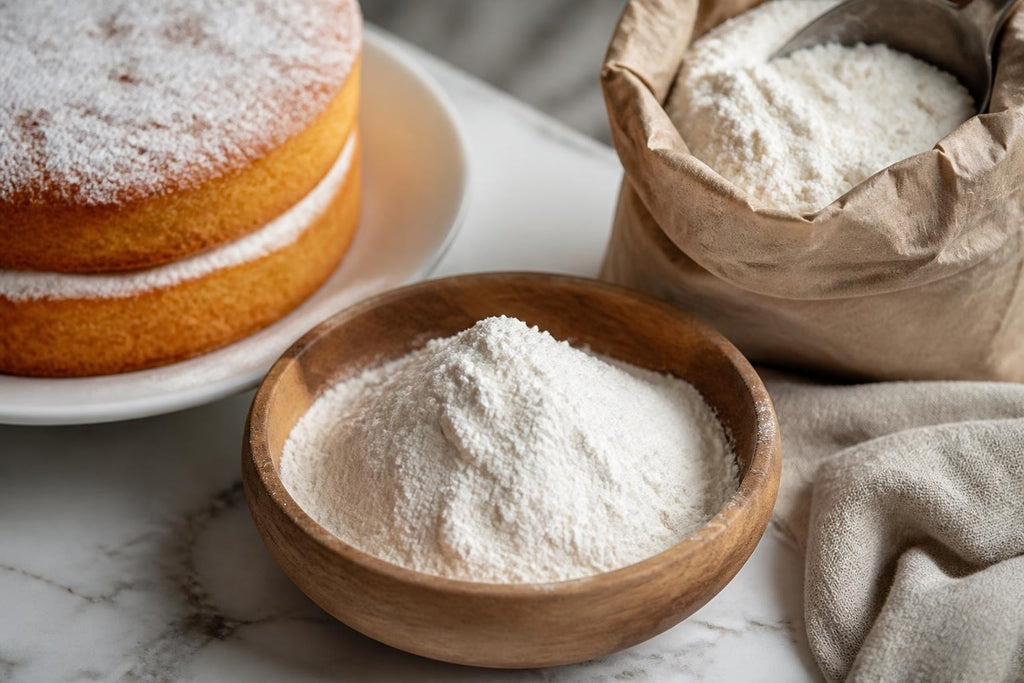
Finding the right flour for delicate cakes, tender sponges, and light biscuits can transform your baking from good to exceptional. Whether you're recreating a traditional South African milk tart or perfecting a classic Victoria sponge, understanding cake flour nz options helps you achieve professional results in your home kitchen. For South Africans living in New Zealand, the search for familiar baking ingredients often leads to questions about flour types, protein content, and which products deliver the soft, fine crumb that defines exceptional baking.
What Makes Cake Flour Different from All-Purpose Flour
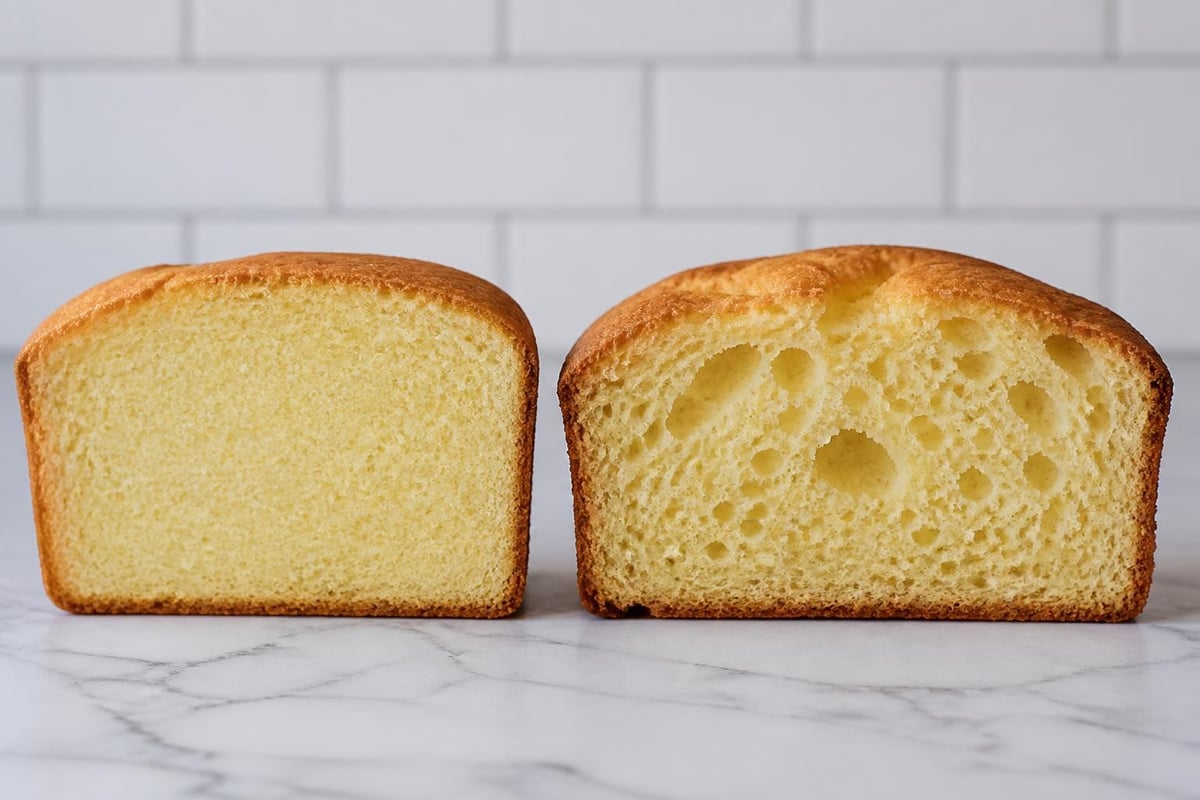
Cake flour stands apart from standard wheat flour due to its significantly lower protein content and ultra-fine milling. While all-purpose flour typically contains 10-12% protein, cake flour ranges between 6-8% protein, creating a fundamental difference in how baked goods develop structure and texture.
The American Society of Baking defines cake flour as a low-protein, fine-milled flour specifically formulated for tender cake formulations. This lower protein content means less gluten formation during mixing, resulting in cakes with a softer, more delicate crumb structure.
Protein Content and Gluten Development
When water combines with wheat flour proteins, gluten strands form and create the elastic network that gives bread its chewy texture. For cakes, however, excessive gluten development leads to tough, rubbery results. The reduced protein in cake flour nz products minimises gluten formation, allowing for:
- Tender crumb structure that melts in your mouth
- Finer grain throughout the cake
- Better rise with more delicate air pockets
- Lighter texture ideal for layer cakes and sponges
Milling and Particle Size
The technical specifications used by operative millers demonstrate that cake flour requires finer milling than bread flour. This ultra-fine particle size contributes to the smooth, velvety texture characteristic of premium cakes. The smaller particles distribute more evenly throughout the batter, creating a uniform structure that supports delicate cake layers.
Soft wheat varieties form the foundation for cake flour production. In New Zealand, wheat categorisation distinguishes between hard wheat (higher protein, used for bread) and soft wheat (lower protein, used for cakes and pastries). This agricultural distinction influences the cake flour nz market and availability.
Bleached versus Unbleached Cake Flour
Many cake flour products undergo bleaching, a process that affects both colour and chemical properties. Flour bleaching involves treating flour with agents that alter pH levels and modify how starch and protein behave during baking.
| Characteristic | Bleached Cake Flour | Unbleached Cake Flour |
|---|---|---|
| Colour | Bright white | Slightly cream/ivory |
| pH Level | Lower (acidic) | Neutral |
| Starch Damage | Modified for better gelatinisation | Natural starch structure |
| Baking Performance | Enhanced cake volume | Traditional results |
| Availability in NZ | Less common | More widely available |
Bleached cake flour performs exceptionally well with high-sugar, high-liquid cake formulations because the modified starch absorbs more liquid and the acidic pH helps set cake structure faster. Many traditional South African cake recipes, including those for koeksisters or melktert pastry, benefit from the characteristics bleached flour provides.
The chemistry behind bleaching reveals how these treatments affect baking performance at a molecular level. However, finding bleached cake flour nz options can prove challenging, as New Zealand's market predominantly stocks unbleached varieties.
Regulatory Framework for Flour in New Zealand
Understanding New Zealand's flour regulations helps explain why cake flour nz products differ from their international counterparts. The Australia New Zealand Food Standards Code governs wheat flour production, labelling, and fortification across both countries.
Folic Acid Fortification Requirements
Under mandatory fortification regulations, bread-making flour in New Zealand must contain added folic acid. However, this requirement specifically targets flour used for bread production, not cake flour.
The Ministry for Primary Industries documentation clarifies how New Zealand distinguishes bread-making flour (higher-protein) from other flour types. Cake flour, with its lower protein content and different end use, typically falls outside fortification requirements. This regulatory distinction affects how manufacturers label and market cake flour nz products.
Key regulatory points:
- Bread-making flour requires folic acid fortification
- Cake flour generally exempt due to lower protein content
- Labelling must accurately reflect flour type and specifications
- Compiled Food Standards Code provides complete legal framework
These regulations ensure consumers receive accurate information while protecting public health through targeted fortification programmes.
Where to Find Cake Flour in New Zealand
Sourcing cake flour nz requires knowing where to look and what alternatives exist when specialty products prove difficult to locate. Several options serve home bakers and professional pastry chefs throughout New Zealand.
Supermarkets and Mainstream Retailers
Major supermarket chains stock limited cake flour options, often in the specialty baking section. Champion brand cake flour appears most frequently, though availability varies by location and store size. Urban centres typically offer better selection than regional areas.
Specialty Baking Suppliers
Dedicated baking supply stores stock professional-grade cake flour alongside other specialty ingredients. These retailers often import products from Australia or offer bulk purchasing options for serious bakers. The trade-off involves higher prices but guaranteed product specifications.
Online Shopping Options
E-commerce platforms have revolutionised access to specialty ingredients. For South Africans seeking familiar products alongside cake flour nz options, buying South African food online provides convenient access to traditional ingredients without visiting multiple stores.

Making Your Own Cake Flour Substitute
When commercial cake flour proves unavailable, creating a homemade substitute delivers reliable results for most recipes. This practical solution requires only two common ingredients: all-purpose flour and cornflour (cornstarch).
Basic Substitution Formula
For every 1 cup (140g) of cake flour:
- Measure 1 cup all-purpose flour
- Remove 2 tablespoons of all-purpose flour
- Add 2 tablespoons cornflour
- Sift together at least three times
This ratio reduces overall protein content while the cornflour (which contains zero protein) dilutes the gluten-forming proteins in all-purpose flour. King Arthur Baking's flour guide explains why this substitution works chemically, though noting it cannot perfectly replicate commercially milled cake flour's ultra-fine particle size.
Important Considerations
The homemade substitute works best for:
- Layer cakes requiring tender crumb
- Vanilla or butter cakes
- Angel food cake (though true cake flour preferred)
- Biscuits and scones
It performs less ideally for ultra-delicate recipes like genoise or chiffon cakes, where commercial cake flour's precise specifications matter more. For South African favourites like milk tart, the substitute generally produces excellent results, though serious bakers prefer authentic cake flour nz products when available.
For those exploring different flour types, understanding the distinctions between maize flour and corn flour provides additional context about specialised baking ingredients.
Baking Techniques for Optimal Cake Flour Results
Success with cake flour nz products extends beyond ingredient selection to proper handling and technique. These methods maximise the benefits of low-protein flour while avoiding common pitfalls.
Measuring Cake Flour Accurately
| Method | Description | Accuracy Level |
|---|---|---|
| Weight (grams) | Use digital scale; 1 cup = 140g | Most accurate |
| Spoon and level | Spoon flour into cup, level with knife | Reliable |
| Scoop and shake | Scoop directly from bag, shake level | Least accurate (overmeasures) |
Never scoop cake flour directly from the bag with your measuring cup. This compacts the flour, adding 20-30% more by volume than recipes intend. Always use the spoon-and-level method or, preferably, weigh ingredients for consistent results.
Mixing Guidelines
Cake flour's delicate nature requires gentler mixing than all-purpose flour:
- Combine dry ingredients thoroughly before adding liquids to ensure even distribution
- Mix on low speed to prevent overdevelopment of gluten strands
- Stop mixing once ingredients just combined – overmixing creates tough cakes despite low protein
- Fold by hand for final additions like chocolate chips or fruit
Storage and Shelf Life
Cake flour stays fresh longer when stored properly:
- Transfer to airtight container immediately after opening
- Store in cool, dry pantry away from strong odours
- Use within 6-8 months of opening for best results
- Check for off smells before using older flour
South African Baking Traditions and Cake Flour
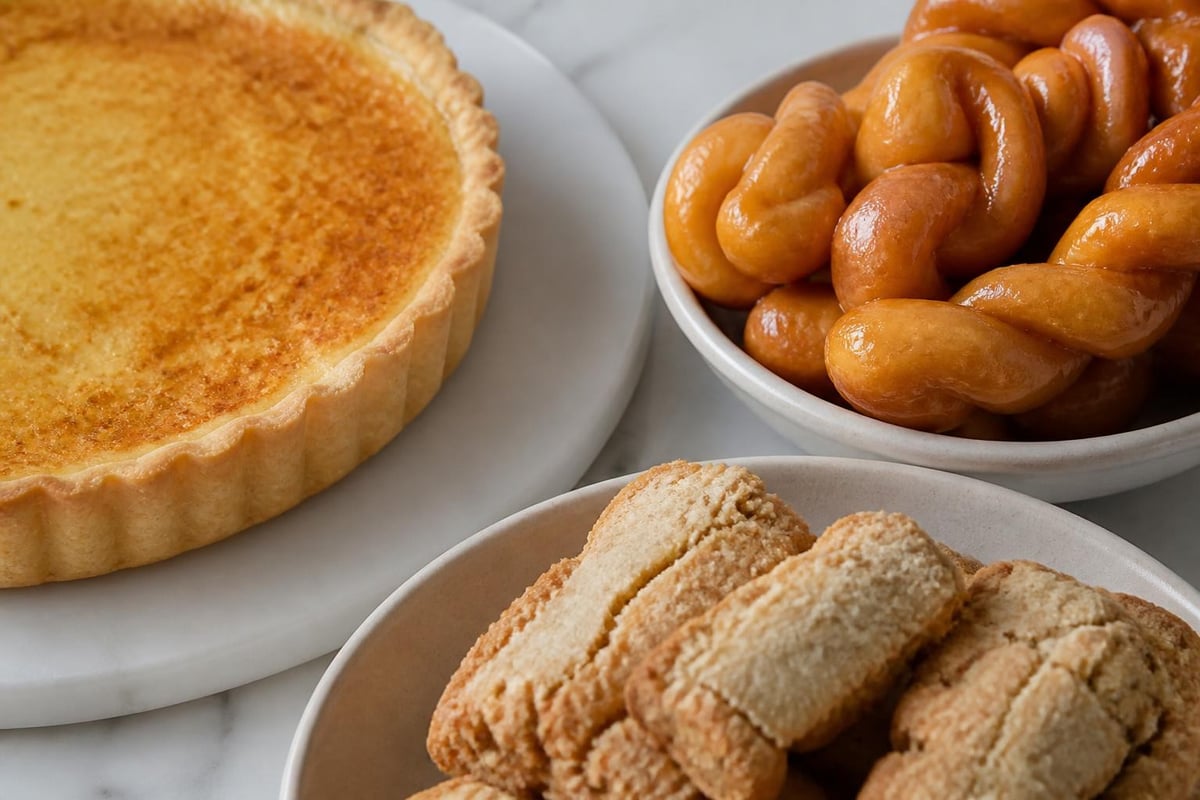
South African baking culture features numerous beloved recipes where cake flour makes the critical difference between good and extraordinary results. From koeksisters to melktert, these traditional treats rely on tender, delicate textures that only low-protein flour can deliver.
Traditional South African Cakes
Milk tart (Melktert) represents one of South Africa's most iconic desserts, combining a crisp pastry base with silky custard filling. The pastry benefits from cake flour's tender crumb, while the custard achieves its characteristic smoothness through careful technique.
Peppermint crisp tart, though not baked, often features cake layers that demand cake flour for the proper featherlight texture that balances the rich caramel and cream layers.
Hertzoggies – these traditional jam-filled cookies with coconut topping require delicate pastry that crumbles beautifully, a quality cake flour nz products deliver consistently.
Connecting to Food Heritage
For South Africans living in New Zealand, recreating these traditional bakes connects them to home and family memories. The challenge of finding authentic ingredients in a new country makes resources like South African stores invaluable for maintaining culinary traditions.
While cake flour itself isn't uniquely South African, many South African recipes specifically call for it because baking traditions developed around certain ingredient specifications. Understanding these connections helps preserve authentic preparation methods even when adapting to New Zealand's ingredient landscape.
Commercial Cake Flour Brands Available in NZ
The New Zealand market offers several cake flour options, each with distinct characteristics suited to different baking applications. Evaluating these products helps bakers select the right flour for their specific needs.
Champion Cake Flour
Champion represents the most widely distributed cake flour nz brand, available in most supermarkets nationwide. This unbleached flour typically contains approximately 8% protein, placing it at the higher end of the cake flour spectrum but still significantly lower than all-purpose varieties.
Specifications:
- Protein content: ~8%
- Type: Unbleached
- Package sizes: 1kg bags
- Best for: General cake baking, cupcakes, layer cakes
Imported Options
Some specialty retailers import Australian cake flour brands that occasionally offer bleached varieties. These products typically command premium prices but deliver results closer to American cake flour specifications.
Professional Mill Products
Commercial bakeries often purchase directly from flour mills that produce specialty grades. While these bulk options suit professional operations, they're generally impractical for home bakers due to minimum order quantities and storage requirements.
For bakers seeking comprehensive ingredient sources, Something From Home offers more than 2,500 South African products, helping connect expatriates with familiar tastes and traditional ingredients that complement New Zealand's available baking supplies.
Troubleshooting Common Cake Flour Baking Issues
Even experienced bakers encounter challenges when working with cake flour nz products. Understanding these common issues and their solutions ensures consistent results.
Dense, Heavy Cakes
Causes:
- Overmixing batter after adding flour
- Oven temperature too low
- Expired leavening agents
- Incorrect flour measurement (too much)
Solutions: Mix only until ingredients combine, verify oven temperature with thermometer, replace baking powder/soda regularly, and always measure accurately by weight.
Cakes Falling in Centre
Causes:
- Opening oven door too early
- Underbaking
- Too much leavening
- Incorrect pan size
Solutions: Wait until cake is at least 75% baked before checking, test for doneness with skewer, follow recipe leavening amounts precisely, and use specified pan dimensions.
Dry, Crumbly Texture
While cake flour produces tender cakes, excessive dryness indicates problems beyond flour type:
- Overbaking (most common cause)
- Insufficient fat or liquid in recipe
- Recipe formulation issues
Monitor baking times carefully and test for doneness slightly earlier than recipe suggests. Remember that cakes continue cooking briefly after removal from oven.
Adapting International Recipes for NZ Ingredients
Many baking recipes originate from the United States or United Kingdom, requiring adjustment for New Zealand ingredients and measurements. Successfully adapting these recipes ensures cake flour nz products deliver intended results.
Volume versus Weight Measurements
American recipes typically use volume measurements (cups), while professional baking relies on weight. This difference matters significantly with cake flour:
- 1 cup cake flour (US) = 140g
- 1 cup all-purpose flour (US) = 150g
- 1 cup plain flour (NZ/UK) = 150g
Converting recipes by weight rather than cup-for-cup substitution prevents measurement errors.
Ingredient Equivalents
| US Ingredient | NZ Equivalent | Notes |
|---|---|---|
| Cake flour | Cake flour or substitute | May need to create substitute |
| All-purpose flour | Plain flour | Direct equivalent |
| Self-rising flour | Self-raising flour | Direct equivalent |
| Confectioners' sugar | Icing sugar | Direct equivalent |
| Heavy cream | Thickened cream | Similar fat content |
Temperature Conversions
Most New Zealand ovens use Celsius while American recipes specify Fahrenheit:
- 325°F = 160°C (low cakes, cheesecakes)
- 350°F = 175°C (standard cake temperature)
- 375°F = 190°C (cookies, quick breads)
Fan-forced ovens require reducing temperature by 10-20°C from conventional oven specifications.
Specialty Applications Beyond Traditional Cakes
Cake flour nz products excel in applications beyond standard layer cakes, offering advantages for various delicate baked goods and even some unexpected uses.
Biscuits and Shortbreads
The low protein content creates exceptionally tender biscuits with the characteristic "short" texture that crumbles beautifully. Scottish shortbread, in particular, benefits from cake flour's delicate nature, producing the sandy, melt-in-mouth quality that defines authentic recipes.
Scones and Tea Breads
While many scone recipes use all-purpose flour, cake flour creates notably lighter results. The reduced gluten development allows scones to rise vertically rather than becoming tough and horizontal. For South African style baking traditions, this technique proves valuable.
Pastry Applications
Cake flour works beautifully in:
- Pie crusts requiring flaky, tender texture
- Tart shells for milk tart and other custard desserts
- Croissant dough (blended with bread flour for balance)
- Puff pastry layers that need delicate structure
Tempura and Batters
Japanese tempura benefits from cake flour's low protein, creating lighter, crisper coatings. The minimal gluten development prevents tough, chewy batters while maintaining enough structure for coating.
The Science of Protein Levels in Different Flours
Understanding protein specifications helps bakers select appropriate flour types for specific applications and appreciate why cake flour nz products perform differently than bread flour or all-purpose varieties.
Protein Content Spectrum
Flour Type Protein Ranges:
- Cake flour: 6-8% protein
- Pastry flour: 8-9% protein
- All-purpose flour: 10-12% protein
- Bread flour: 12-14% protein
- High-gluten flour: 14-15% protein
Each percentage point represents significant functional differences. The 2% protein gap between cake flour and pastry flour affects crumb structure, tenderness, and volume in finished products.
How Protein Affects Structure
When flour proteins (glutenin and gliadin) contact water and undergo mechanical action (mixing), they form gluten strands. These strands create elastic networks that:
- Trap carbon dioxide from leavening agents
- Provide structure as cakes bake and set
- Determine texture from tender (low gluten) to chewy (high gluten)
- Affect volume through network strength and gas retention
Cake flour's low protein limits gluten formation, allowing other structure builders (eggs, starches) to dominate. This balance creates the soft, fine crumb texture characteristic of quality cakes.
Soft Wheat versus Hard Wheat
The protein difference begins at the agricultural level. Soft wheat varieties naturally contain less protein than hard wheat, making them ideal for milling into cake flour. New Zealand grows primarily hard wheat for bread production, which partly explains why cake flour nz options sometimes require importation from Australia or other soft-wheat-producing regions.
Professional Baker Insights and Tips
Professional pastry chefs and bakers have developed techniques that maximise cake flour performance, insights valuable for home bakers seeking professional-quality results.
Sifting Strategy
While modern flour milling produces relatively lump-free products, sifting serves important functions beyond removing lumps:
- Aerates flour, increasing volume and lightness
- Evenly distributes leavening agents throughout flour
- Breaks up any minor clumps that formed during storage
- Incorporates other dry ingredients uniformly
Professional bakers typically sift cake flour at least twice before measuring, then sift again with other dry ingredients before adding to wet components.
Room Temperature Ingredients
Temperature affects how ingredients combine and interact:
Critical temperature points:
- Butter: 18-20°C (cool room temperature, still holds shape)
- Eggs: 20-22°C (room temperature)
- Milk/liquids: 20-22°C (room temperature)
Cold ingredients don't emulsify properly with fats, creating uneven batters that bake inconsistently. Plan ahead to bring ingredients to proper temperature naturally rather than forcing with microwaves.
Creaming Method Optimisation
When recipes call for creaming butter and sugar, technique matters enormously:
- Beat butter alone briefly to soften
- Add sugar gradually while beating
- Continue beating 3-5 minutes until light and fluffy
- Add eggs one at a time, beating well after each
- Alternate adding sifted dry ingredients and liquids
This method incorporates maximum air, creating lighter cakes even before chemical leaveners activate.
Sustainability and Local Flour Production
As environmental awareness grows, understanding flour production's sustainability aspects helps conscious consumers make informed choices about cake flour nz purchases.
Local Milling Versus Imports
New Zealand mills primarily process locally grown hard wheat into bread flour and all-purpose varieties. Cake flour production requires either:
- Importing soft wheat for local milling
- Importing finished cake flour from Australia
- Blending local flours to achieve lower protein content
Each approach carries different environmental footprints. Local milling reduces transport emissions but may require importing raw materials. Finished product imports involve greater transport distances but leverage Australia's established soft wheat industry.
Packaging Considerations
Most cake flour nz products come in plastic packaging, though some specialty brands offer paper bags with plastic liners. Consider:
- Purchasing larger quantities to reduce packaging waste
- Transferring to reusable containers immediately
- Supporting brands with sustainable packaging initiatives
- Recycling packaging where facilities exist
Supporting Local Agriculture
While New Zealand's wheat production focuses on bread varieties, supporting local grain farmers maintains agricultural diversity and food security. Even when cake flour requires importation, choosing products from nearby Australia supports regional agriculture over long-distance imports.
Finding the right cake flour transforms your baking results, whether you're recreating cherished South African treats or exploring new recipes in your New Zealand kitchen. Understanding protein content, regulatory frameworks, and proper techniques ensures consistently excellent outcomes with cake flour nz products. For South Africans seeking familiar ingredients alongside quality baking supplies, Something From Home stocks over 2,500 South African products, helping you maintain culinary connections to home while embracing your New Zealand lifestyle.