Braais: The Heart of South African Food Culture
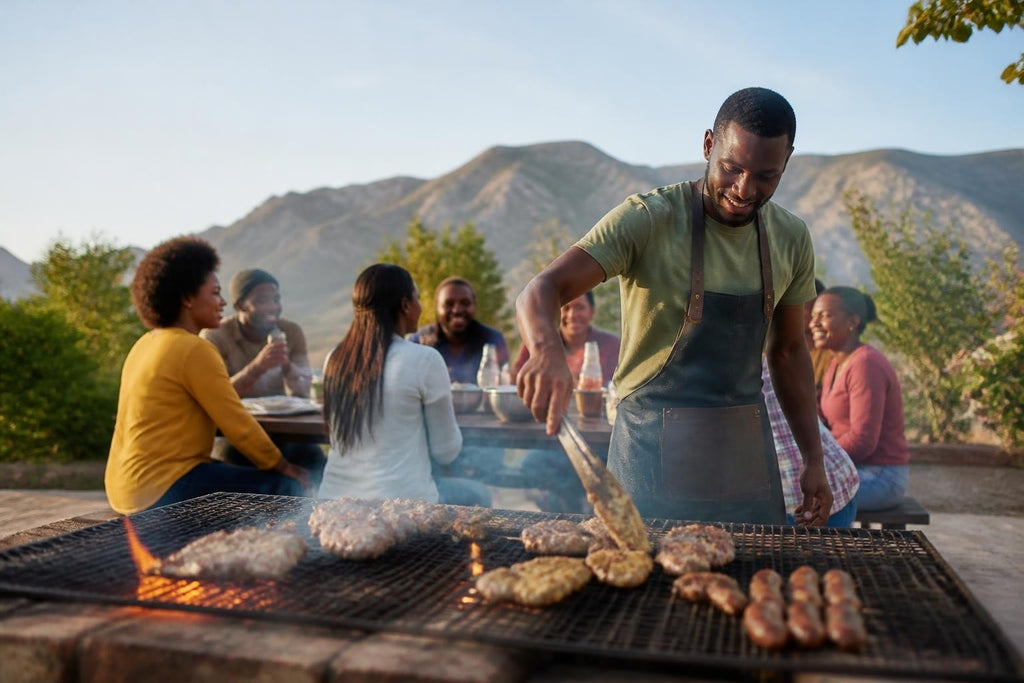
The braai stands as one of South Africa's most cherished culinary traditions, transcending mere cooking to become a cultural institution that brings families and communities together. For South Africans living in New Zealand, the aroma of boerewors sizzling over hot coals and the ritual of gathering around the fire evokes powerful memories of home. This outdoor cooking method represents far more than a weekend barbecue; it embodies a way of life, a social practice, and a connection to heritage that spans generations. Whether you're planning your first braai in Auckland or searching for authentic South African ingredients to recreate the experience, understanding this tradition helps maintain those precious cultural bonds.
The Cultural Significance of Braais in South African Heritage
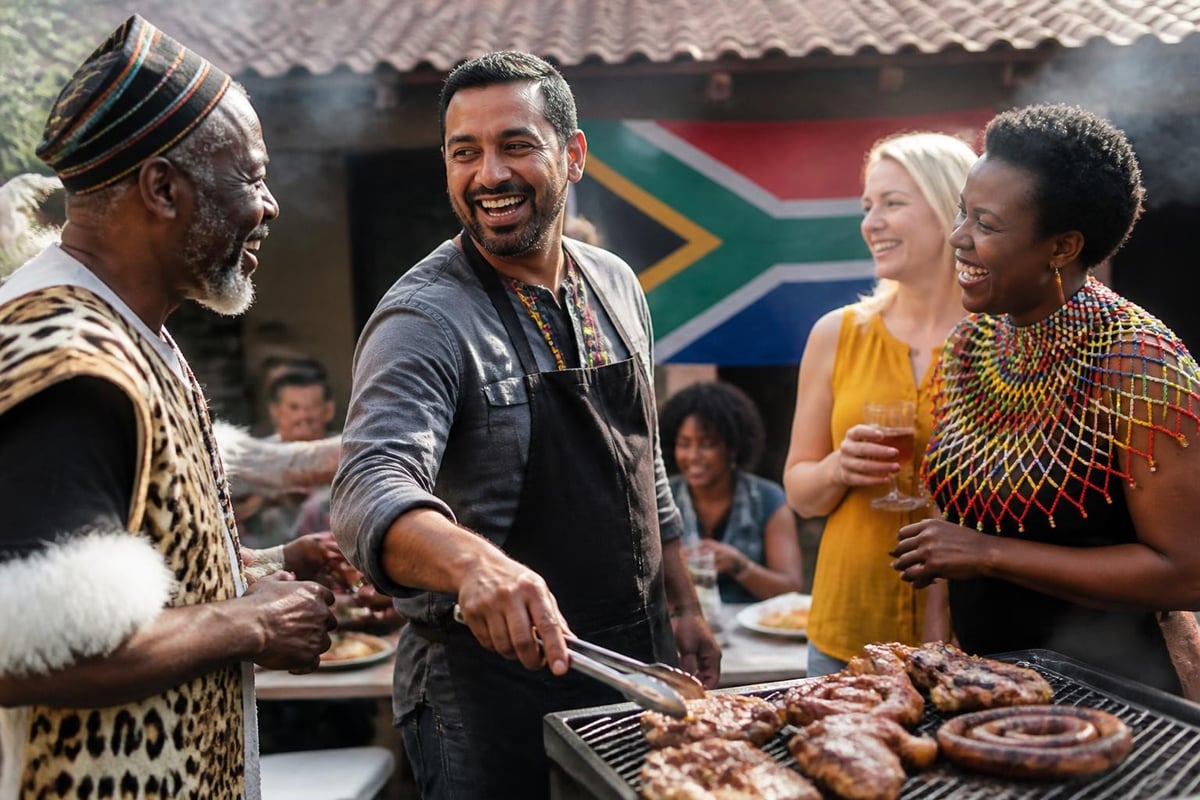
Braais occupy a unique position in South African society, serving as the cornerstone of social gatherings and celebrations. The tradition is so deeply rooted in national identity that Heritage Day on 24 September has become synonymous with National Braai Day, celebrating South Africa's diverse cultural tapestry through this unifying practice.
The practice extends beyond simple cooking methodology. Research from the University of Pretoria explores how braais function as social rituals, examining everything from gender roles to community building. These gatherings create spaces where stories are shared, relationships are strengthened, and cultural traditions pass from one generation to the next.
Regional Variations and Social Contexts
Different regions across South Africa have developed their own braai customs and preferences:
- Western Cape: Known for sophisticated wine pairings and lamb chops
- KwaZulu-Natal: Features spicier marinades and coastal seafood additions
- Gauteng: Urban shisa nyama culture blends traditional and contemporary approaches
- Eastern Cape: Strong Xhosa influences with specific meat preparation techniques
The shisa nyama tradition represents a distinctive braai experience where patrons select their meat and have it grilled on-site, creating vibrant social atmospheres in townships across the country.
Essential Equipment and Setup for Authentic Braais
Setting up for a proper braai requires specific equipment and preparation. The foundation begins with choosing the right braai stand or built-in facility, though many South Africans in New Zealand adapt by using quality kettle braais or building their own stands.
Core Equipment Requirements
| Equipment | Purpose | Key Considerations |
|---|---|---|
| Braai stand/grid | Primary cooking surface | Stainless steel or cast iron preferred |
| Fire starter | Initiating coals | Firelighters or chimney starter |
| Braai tongs | Meat handling | Long-handled for safety |
| Basting brush | Applying marinades | Natural bristles resist heat |
| Charcoal/wood | Heat source | Hardwood lump charcoal ideal |
The choice between wood and charcoal sparks passionate debates among braai enthusiasts. Wood braais deliver authentic smoky flavours, particularly when using indigenous hardwoods, while charcoal offers consistent heat control and convenience.
Quality braai equipment and accessories are available through Something From Home's braai collection, helping New Zealand-based South Africans maintain their traditions with authentic products.
Traditional Braai Foods and Ingredients
The cornerstone of any successful braai lies in selecting quality meats and preparing them with authentic South African seasonings. Boerewors reigns supreme as the quintessential braai sausage, crafted from coarsely ground beef with distinctive spicing including coriander, nutmeg, and cloves.
Popular Braai Proteins
- Boerewors: Traditional South African sausage, typically 90% meat content
- Lamb chops: Marinated or seasoned with simple salt and pepper
- Steak: Various cuts including rump, sirloin, and T-bone
- Chicken: Whole birds spatchcocked or marinated pieces
- Sosaties: Skewered, marinated meat kebabs with Cape Malay influences
- Wors rolls: Boerewors served in fresh bread with accompaniments
Marinades and rubs form an essential component of braai preparation. South African favourites incorporate ingredients like Mrs Ball's Chutney, peri-peri spices, and braai salt blends. The spices collection at Something From Home provides access to authentic South African seasonings that recreate those familiar flavours.
Side Dishes and Accompaniments
No braai is complete without traditional sides:
- Pap and sous: Maize porridge with tomato and onion relish
- Potato salad: Creamy style with mayonnaise and herbs
- Bean salad: Three-bean mix with vinaigrette
- Roosterkoek: Bread dough grilled over coals
- Green salad: Fresh vegetables with simple dressing
- Garlic bread: Wrapped in foil and warmed on the braai
Mastering Fire Management and Cooking Techniques
Understanding fire control separates exceptional braai masters from novices. The process begins well before any meat touches the grid, with fire-building representing both art and science.
Building the Perfect Braai Fire
Starting approximately 45 minutes before cooking allows coals to reach optimal temperature. Stack charcoal or wood in a pyramid formation, using natural firelighters rather than liquid accelerants that can impart chemical flavours. Once flames die down and coals glow with a light grey ash coating, the braai is ready.
Temperature zones create versatility for cooking different items simultaneously. Arrange coals to create hot, medium, and cool areas on the grid. Thick steaks start over high heat for searing before moving to moderate zones for even cooking, while boerewors benefits from consistent medium heat throughout.
According to comprehensive braai resources, maintaining proper distance between coals and grid (approximately 10-15 centimetres) prevents burning while ensuring adequate heat transfer.
Food Safety and Health Considerations for Braais
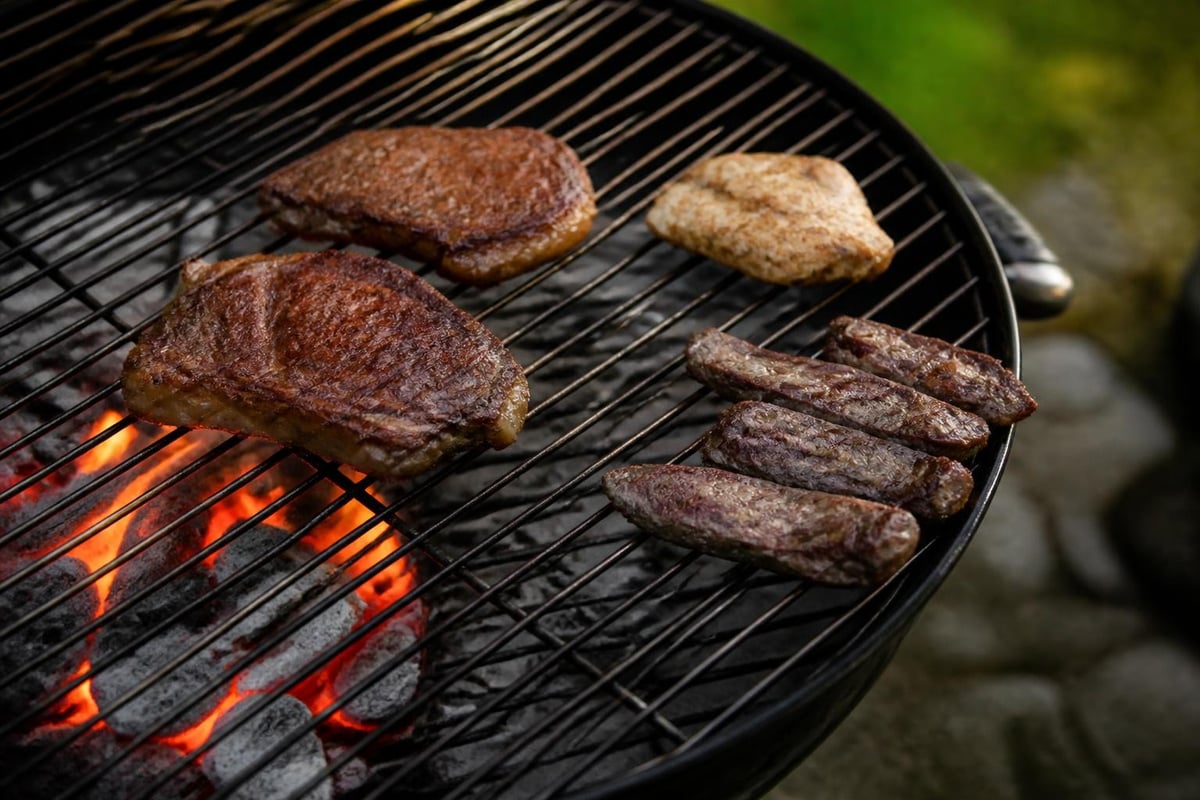
While braais deliver exceptional flavour, attention to food safety ensures healthy, enjoyable experiences. Research from the Cancer Association of South Africa highlights important considerations when cooking meats at high temperatures.
Safety Best Practices
- Trim excess fat before grilling to reduce flare-ups and harmful compounds
- Use marinades containing herbs and spices that may offer protective benefits
- Avoid charring meat excessively, removing any blackened portions
- Monitor internal temperatures using a meat thermometer
- Prevent cross-contamination by using separate utensils for raw and cooked meats
- Store meats properly before and after cooking
Recommended internal temperatures vary by protein:
| Meat Type | Safe Internal Temperature | Resting Time |
|---|---|---|
| Beef/Lamb (medium) | 63°C | 3 minutes |
| Pork | 71°C | 3 minutes |
| Chicken | 74°C | 5 minutes |
| Boerewors | 71°C | 2 minutes |
Recreating the Braai Experience in New Zealand
South Africans living in New Zealand face unique challenges when attempting to recreate authentic braai experiences. The climate, available ingredients, and outdoor cooking regulations differ significantly from what they knew back home.
Weather adaptation becomes crucial in New Zealand's variable conditions. Covered braai areas or gazebos extend the braai season, while portable braais offer flexibility for beach gatherings or park visits. Many Kiwi neighbourhoods welcome outdoor cooking, though checking local council regulations for open fires ensures compliance.
Sourcing Authentic Ingredients
Finding genuine South African products once posed significant challenges for expats. Today, accessing traditional braai essentials has become considerably easier. Something From Home operates as a dedicated South African food store in New Zealand, stocking more than 2,500 authentic products including boerewors, braai spices, chutneys, and specialty items.
The South African groceries collection provides everything needed to create authentic braais, from Mrs Ball's Chutney to traditional spice blends. For those wanting to expand their South African culinary repertoire, products like biltong-making kits complement the braai tradition perfectly.
Building Community Through Braais
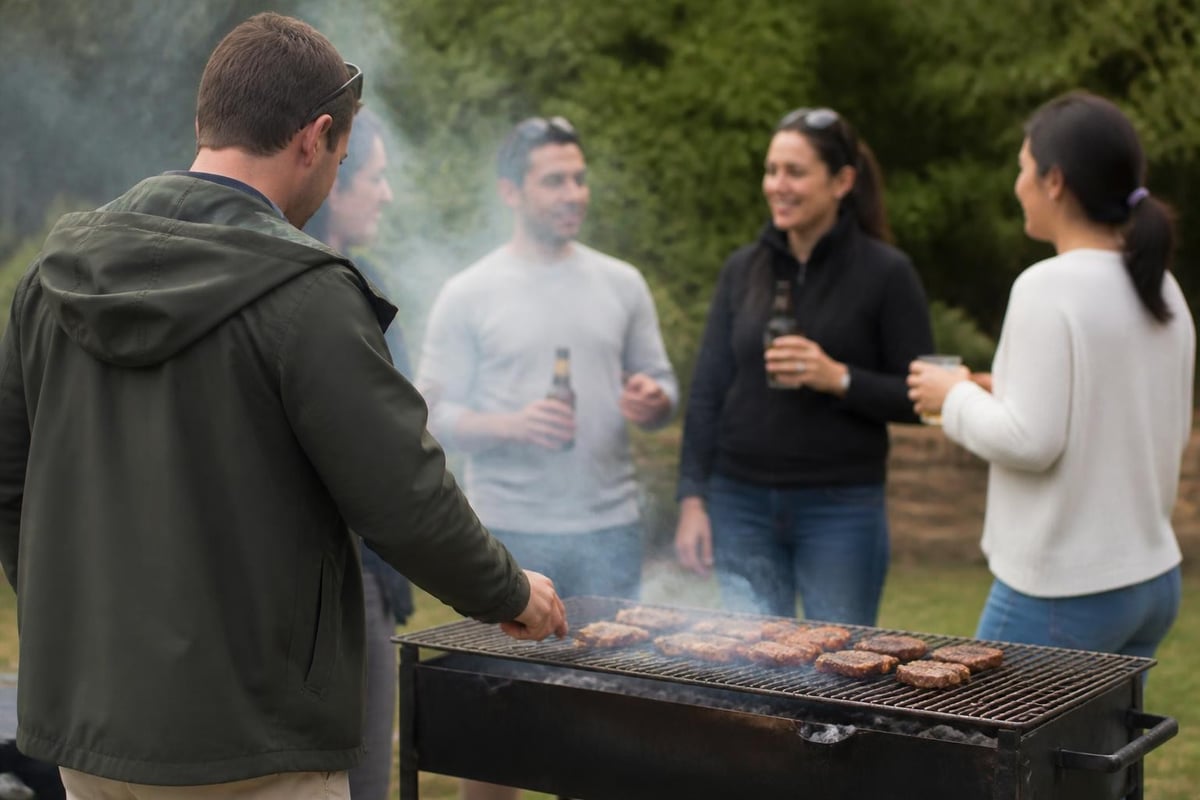
Braais serve as powerful tools for maintaining cultural connections while building new friendships in New Zealand. Regular braai gatherings create spaces where:
- South African expats share nostalgia and cultural practices
- Kiwi friends discover new culinary traditions
- Children learn about their heritage in engaging ways
- Business networks develop in relaxed social settings
Many New Zealand cities now host South African community groups that organise braai events around significant dates like Heritage Day, rugby matches, or simply to celebrate connection to home.
Advanced Braai Techniques and Regional Specialties
As braai skills develop, experimenting with advanced techniques and regional specialties adds depth to the experience. TasteLab's comprehensive guide explores various approaches to elevating braai craft.
Specialty Cooking Methods
Potjiekos represents a parallel tradition often enjoyed alongside braais. This three-legged cast-iron pot cooks layered stews over coals, creating rich, flavourful dishes that complement grilled meats. The slow-cooking process allows complex flavour development while freeing the braai grid for proteins.
Spit-braai involves rotating whole lambs, chickens, or pork over coals for hours, creating tender, evenly cooked meat with crispy skin. While requiring specialized equipment, spit-braais transform large gatherings into memorable events.
Smoking techniques borrowed from American barbecue traditions now feature in South African braais. Using wood chips or chunks creates aromatic smoke that infuses meats with additional layers of flavour.
Marinades and Rubs Worth Mastering
- Peri-peri marinade: Portuguese-influenced spicy blend with African bird's eye chillies
- Cape Malay curry: Sweet and aromatic for sosatie preparation
- Sticky basting sauce: Tomato-based with Worcestershire and brown sugar
- Dry rub blends: Coriander, paprika, garlic, and coarse salt combinations
- Beer marinade: Local lager with garlic and herbs for tenderizing
The Social Etiquette and Unwritten Rules of Braais
Understanding braai etiquette ensures smooth social interactions and respects this cherished tradition. While regional variations exist, certain principles remain consistent across South African culture.
The braai master holds ultimate authority over the fire and cooking process. Offering unsolicited advice or interfering with their methods is considered poor form, though friendly conversation and questions are welcome. This role typically passes to experienced braai enthusiasts who've proven their skills.
Guest Responsibilities and Expectations
When attending a braai as a guest:
- Confirm attendance promptly when invited
- Offer to bring sides, salads, or drinks
- Arrive on time (braai timing is less rigid than formal dinners)
- Don't hover over the braai master while they cook
- Help with setup or cleanup when appropriate
- Bring children's entertainment if it's a family gathering
The tradition of bringing own meat varies by occasion. Casual neighbourhood braais often follow a "bring and braai" format where guests supply their own proteins, while hosted events typically see the host providing all food.
Modern Adaptations and Contemporary Braai Culture
The braai tradition continues evolving as South Africans adapt to changing lifestyles, dietary preferences, and international influences. Urban living and time constraints have introduced gas braais and electric alternatives, though purists maintain that only wood or charcoal qualify as authentic.
Accommodating Dietary Preferences
Modern braais increasingly accommodate diverse dietary requirements:
- Vegetarian options: Grilled vegetables, halloumi, and plant-based sausages
- Seafood: Prawns, calamari, and line fish gaining popularity
- Health-conscious choices: Lean meats and vegetable-heavy sides
- Allergen awareness: Gluten-free bread options and dairy-free salads
Fusion influences bring new flavours to traditional braais. Asian marinades, Mediterranean herbs, and Pacific Island techniques create exciting variations while maintaining the essential braai spirit of outdoor cooking and social connection.
The commercial braai sector has expanded significantly, with restaurants and catering services offering professional braai experiences. Despite this, home braais remain the authentic expression of the tradition, where the process matters as much as the outcome.
Preserving Braai Traditions Across Generations
For South African families in New Zealand, passing braai knowledge to younger generations maintains cultural continuity. Children who learn fire-building, meat selection, and cooking techniques develop practical skills while connecting to their heritage.
Teaching Opportunities During Braais
- Fire science: Understanding combustion, heat transfer, and safety
- Food preparation: Knife skills, seasoning, and hygiene practices
- Cultural history: Stories about family traditions and South African heritage
- Social responsibility: Hosting skills, consideration for others, and community building
- Environmental awareness: Sustainable wood sourcing and waste management
Many South African parents report that braai traditions provide natural opportunities to discuss their homeland with New Zealand-born children, creating tangible connections to a country they may rarely visit.
Seasonal Considerations and Year-Round Braai Planning
While South Africans traditionally braai year-round regardless of weather, New Zealand's climate presents different challenges and opportunities. Summer braais align perfectly with beach trips and outdoor gatherings, while winter requires more planning and sheltered locations.
Seasonal Ingredient Advantages
| Season | Ideal Proteins | Seasonal Sides | Special Considerations |
|---|---|---|---|
| Summer | Chicken, fish, boerewors | Fresh salads, corn | Peak outdoor weather |
| Autumn | Lamb, beef steaks | Root vegetables | Comfortable temperatures |
| Winter | Pork ribs, sosaties | Hearty pap, stews | Need shelter/coverage |
| Spring | Mixed selection | New potatoes, greens | Variable weather prep |
Holiday braais mark significant occasions in the South African expat calendar. Christmas Day braais feel natural given the summer timing in the Southern Hemisphere, while New Year's celebrations and sporting events provide additional braai opportunities.
The braai tradition represents far more than a cooking method; it embodies South African identity, social connection, and cultural heritage. For South Africans in New Zealand, maintaining these traditions while sharing them with new communities creates meaningful bridges between past and present. Whether you're seeking authentic boerewors, traditional spice blends, or specialty braai equipment, Something From Home provides access to genuine South African products that help recreate those cherished moments around the fire.