
Cornflour: The Essential South African Pantry Staple
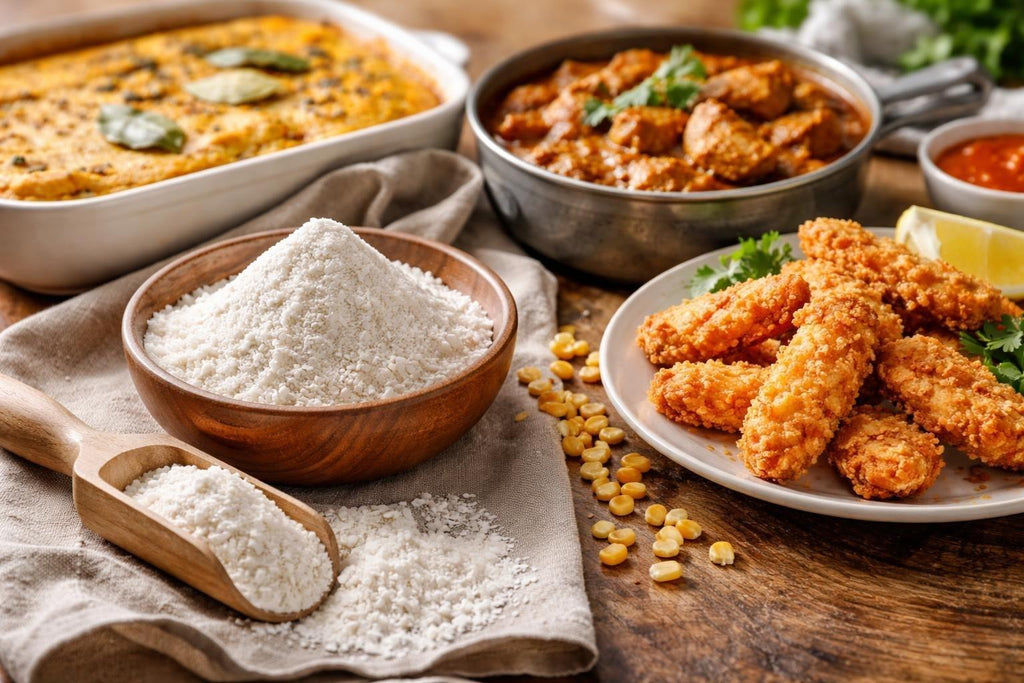
Cornflour remains one of those indispensable ingredients that South African home cooks refuse to do without, even when living abroad in New Zealand. This fine, powdery starch extracted from maize kernels plays a crucial role in countless traditional recipes, from thickening milk tart filling to creating the perfect coating for chicken pieces. For South Africans settling in New Zealand, finding familiar ingredients like cornflour isn't just about convenience but maintaining a connection to home cooking traditions that have been passed down through generations.
What Makes Cornflour Different From Other Starches
Cornflour stands apart from other thickening agents due to its unique properties and processing methods. Unlike wheat flour, cornflour contains no gluten, making it an essential ingredient for those following gluten-free diets. The nutritional composition of corn flour reveals a predominantly carbohydrate-based product with minimal protein and fat content.
The Production Process
The manufacturing of cornflour involves several distinct stages that transform whole maize kernels into the fine white powder familiar to South African cooks:
- Cleaning and steeping the maize kernels in water
- Separating the germ from the endosperm
- Grinding the endosperm into a fine powder
- Drying to remove excess moisture
- Sifting to achieve uniform particle size
This meticulous process ensures the final product possesses the smooth texture and neutral taste that makes cornflour so versatile in cooking applications.
Chemical Properties
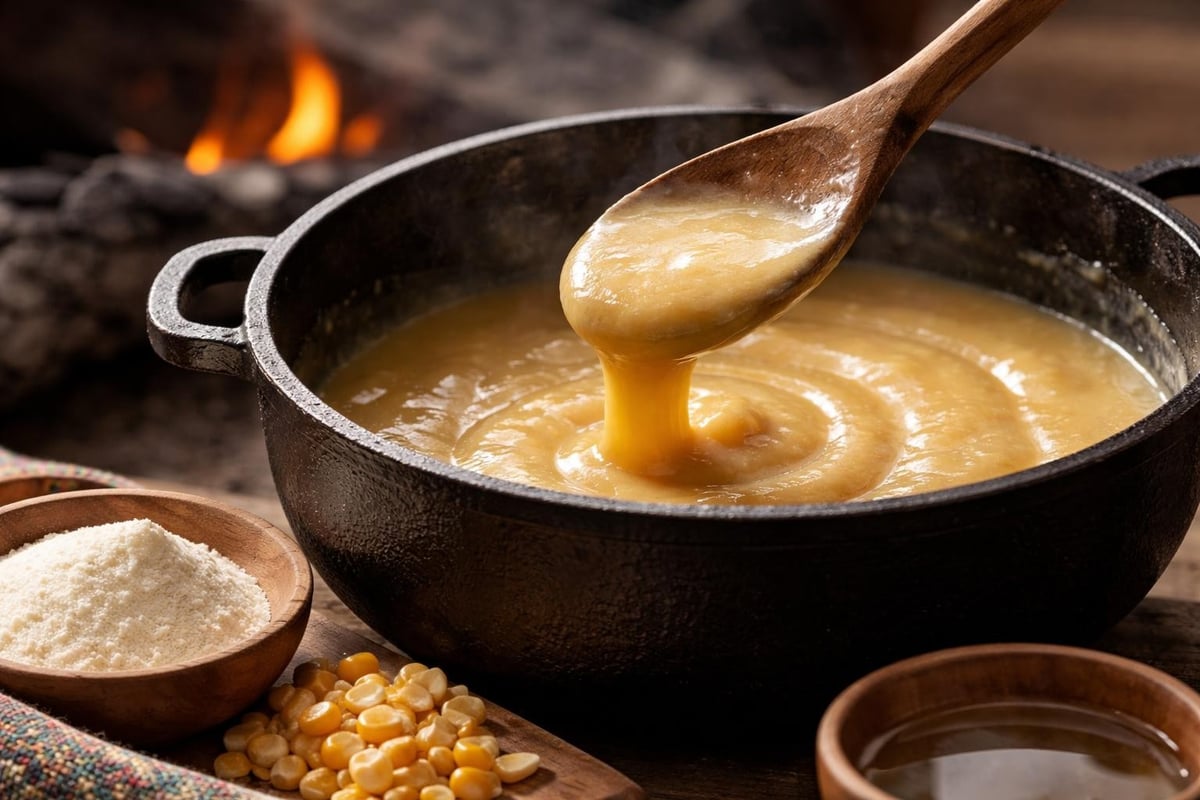
The starch molecules in cornflour behave differently when exposed to heat compared to other thickening agents. When mixed with cold liquid and then heated, these molecules absorb water and swell, creating a gel-like consistency. This gelatinisation process typically begins around sixty degrees Celsius, making cornflour particularly effective for sauces and gravies that require precise temperature control.
Traditional South African Uses for Cornflour
South African cuisine employs cornflour in numerous ways that differ from international cooking traditions. The ingredient appears in both sweet and savoury dishes, often serving multiple purposes within a single recipe.
Bobotie and Curries
In traditional bobotie, cornflour acts as a binding agent in the egg topping, preventing it from becoming watery during baking. Similarly, South African curry and rice dishes frequently incorporate cornflour to achieve the ideal sauce consistency. The starch helps coat the rice grains evenly, ensuring each mouthful delivers the full flavour profile.
Many South African cooks add a tablespoon of cornflour mixed with cold water to their curry during the final minutes of cooking. This technique creates a glossy, thick sauce that clings to meat and vegetables without becoming gluey or overpowering the spices.
Baking Applications
South African baking traditions rely heavily on cornflour for specific textural outcomes:
- Melktert (milk tart) filling requires cornflour to set properly without eggs
- Koeksisters benefit from a cornflour dusting to prevent sticking
- Shortbread incorporates cornflour for a delicate, crumbly texture
- Sponge cakes use cornflour to reduce gluten formation and create lighter crumbs
The health benefits of cornflour in baking include its ability to reduce the overall gluten content of baked goods, though it should not be considered a complete gluten-free solution unless all other ingredients are certified gluten-free.
Cornflour in Modern South African Cooking
Contemporary South African cuisine continues to find innovative applications for this traditional ingredient. Young chefs and home cooks experiment with cornflour in ways that honour traditional methods while embracing modern dietary preferences.
Coating and Frying
Creating crispy, golden coatings on fried foods represents one of cornflour's most valued functions. South African favourites like chicken schnitzel, fish, and vegetable fritters achieve their characteristic crunch through strategic cornflour application.
| Food Item | Cornflour Ratio | Additional Ingredients | Coating Method |
|---|---|---|---|
| Chicken schnitzel | 3:1 (flour:cornflour) | Salt, pepper, paprika | Double dip (egg, then coating) |
| Fish fillets | 2:1 (cornflour:flour) | Lemon zest, herbs | Single coat with egg wash |
| Vegetable fritters | 1:1 (cornflour:flour) | Baking powder, spices | Mixed into batter |
| Calamari rings | Pure cornflour | Garlic powder, cayenne | Dry coating only |
Sauce Enhancement
Professional and home cooks alike appreciate cornflour's ability to create restaurant-quality sauces. Unlike flour-based roux, cornflour produces translucent sauces that showcase the natural colours of ingredients. This quality proves particularly valuable in dishes where visual appeal matters, such as stir-fries and glazed vegetables.
When using products like Ina Paarman's Lemon Herb Coat & Cook sauce, a small amount of cornflour can extend the sauce further and adjust its consistency without diluting the flavour profile.
Nutritional Considerations for Health-Conscious Cooks
Understanding the nutritional profile of cornflour helps South African families make informed dietary decisions. While cornflour serves important culinary functions, its nutritional facts reveal a predominantly carbohydrate-based product with limited micronutrients.
Macronutrient Breakdown
A standard one-hundred-gram serving of cornflour contains approximately:
- Energy: 381 kilocalories
- Carbohydrates: 91 grams
- Protein: 0.3 grams
- Fat: 0.1 grams
- Dietary fibre: 0.9 grams
These figures demonstrate cornflour's role as an energy-dense ingredient that should be used judiciously in calorie-controlled diets.
Blood Sugar Impact
The high glycaemic index of cornflour means it can cause rapid spikes in blood glucose levels. South Africans managing diabetes or prediabetes should monitor their cornflour consumption and consider alternative thickening agents like xanthan gum or arrowroot powder for certain applications.
However, when used in small quantities as a thickening agent rather than a primary ingredient, cornflour's impact on blood sugar remains minimal. A typical serving of sauce or gravy contains only one to two teaspoons of cornflour per portion.
Sourcing Cornflour in New Zealand
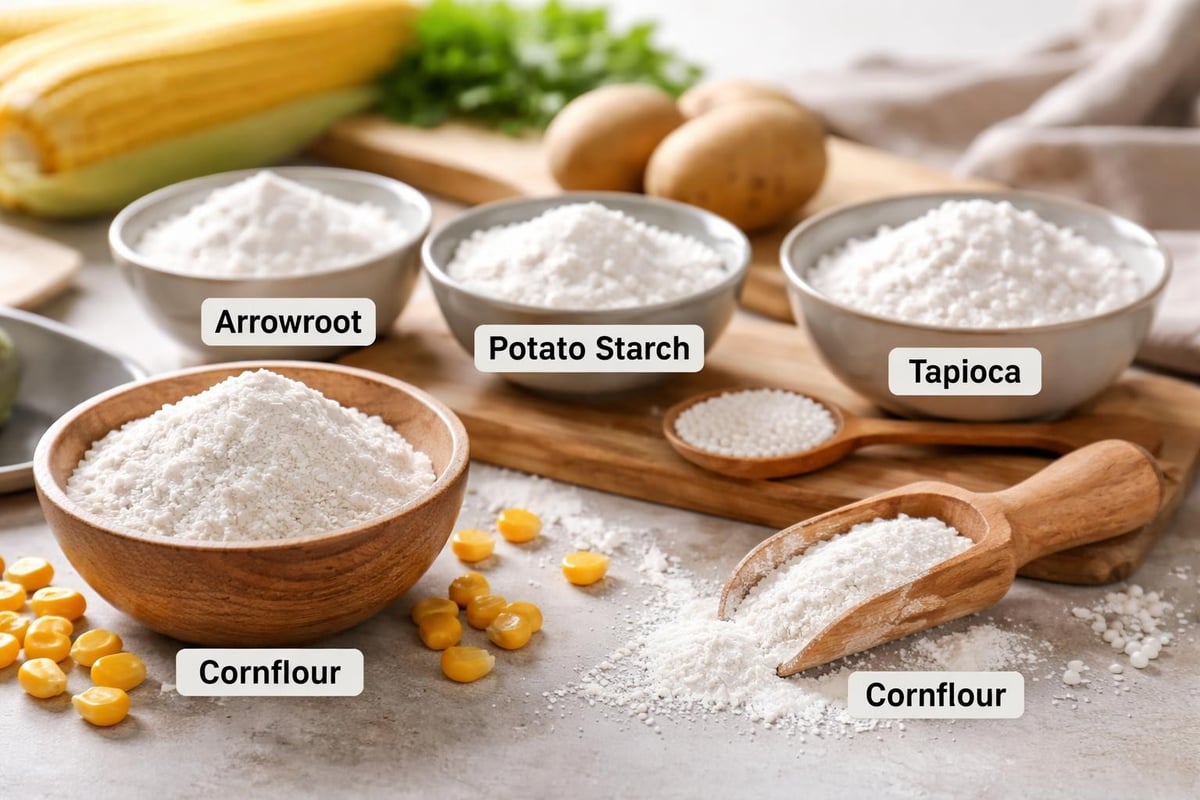
South Africans living in New Zealand often seek out familiar brands that deliver the same results as products from home. While local supermarkets stock generic cornflour varieties, the taste and texture can differ from what South African recipes were developed with.
Brand Preferences
Many expat South Africans prefer specific cornflour brands they grew up using. The processing methods, maize varieties, and grinding techniques vary between manufacturers, affecting the final product's performance in recipes. Finding these familiar brands helps recreate authentic flavours and textures in traditional dishes.
Something From Home operates as a South African food store in New Zealand, stocking more than 2,500 South African products including familiar pantry staples. This accessibility allows South African families to maintain their culinary traditions without compromise.
Storage and Shelf Life
Proper storage extends cornflour's usability significantly:
- Store in an airtight container to prevent moisture absorption
- Keep in a cool, dry pantry away from direct sunlight
- Check for lumps or discolouration before use
- Replace every twelve to eighteen months for optimal results
The fine powder absorbs odours readily, so storing cornflour near strong-smelling ingredients like coffee or spices can affect its neutral taste.
Creative Applications Beyond Traditional Recipes
South African home cooks in New Zealand discover new uses for cornflour that extend beyond conventional cooking applications. These innovative approaches reflect both resourcefulness and cultural adaptation.
Household Uses
Cornflour's absorptive properties make it useful for non-culinary purposes:
- Carpet freshening: Mix with bicarbonate of soda and essential oils
- Grease stain removal: Absorb fresh oil stains from fabrics
- Baby powder alternative: Natural moisture absorption for sensitive skin
- Window cleaning: Create streak-free shine when mixed with water
Beauty and Personal Care
Some South African families incorporate cornflour into homemade beauty products, continuing traditions of resourceful self-sufficiency. Dry shampoo, face masks, and deodorant formulations can include food-grade cornflour as a safe, natural ingredient.
Comparing Cornflour Across Different Cuisines
While South African cooking has distinct cornflour traditions, examining how other cultures employ this ingredient provides valuable perspective. The applications in food science demonstrate cornflour's global versatility.
International Variations
| Cuisine | Primary Use | Typical Dishes | Texture Goal |
|---|---|---|---|
| Chinese | Coating and thickening | Sweet and sour, stir-fries | Glossy, translucent sauce |
| British | Baking | Custards, shortbread | Smooth, delicate crumb |
| American | Breading | Fried chicken, fish | Extra crispy coating |
| South African | Multi-purpose | Bobotie, melktert, fritters | Varies by application |
Understanding these variations helps South African cooks adapt recipes from other cultures using familiar techniques and ingredients.
Troubleshooting Common Cornflour Challenges
Even experienced South African cooks encounter occasional difficulties when working with cornflour. Recognising and resolving these issues ensures consistent results.
Lumping Problems
Cornflour lumps in sauces when added directly to hot liquid. The exterior starch molecules gelatinise immediately, forming a waterproof barrier around dry powder. Prevention requires mixing cornflour with cold water before adding to hot dishes, creating what South African cooks call a "slurry."
The ideal ratio for a slurry typically follows one part cornflour to two parts cold water. This mixture should be stirred thoroughly until completely smooth before slowly pouring into the main dish while stirring constantly.
Over-Thickening Solutions
Sauces thickened with excessive cornflour develop an unpleasant, gelatinous texture. Unlike flour-based sauces that can be thinned with additional stock, cornflour-thickened dishes require more careful adjustment. Adding small amounts of acidic liquid like lemon juice or vinegar can help break down the starch bonds slightly, improving mouthfeel without drastically thinning the sauce.
Temperature Sensitivity
Cornflour-thickened sauces thin when held at high temperatures for extended periods. This characteristic makes cornflour less suitable for slow-cooked dishes or gravies kept warm for service. For these applications, a roux-based thickener or a cornflour addition near the end of cooking produces better results.
Substitutions and Alternatives
Situations arise where cornflour substitutions become necessary, whether due to availability, dietary restrictions, or recipe requirements. Understanding appropriate alternatives ensures South African dishes maintain their characteristic qualities.
Direct Replacements
Several starches can substitute for cornflour in most applications:
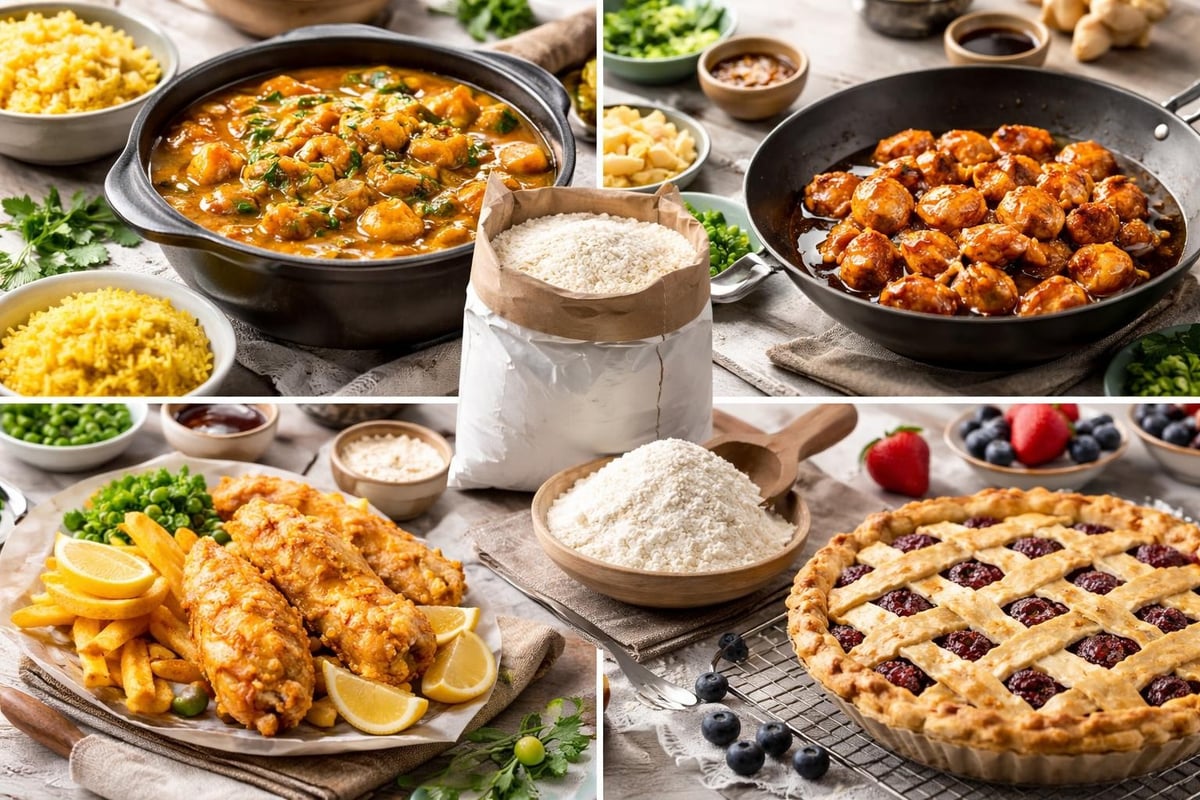
- Arrowroot powder: Use equal amounts, ideal for clear sauces
- Potato starch: Slightly denser, works well in baking
- Tapioca starch: Creates chewier textures, excellent for pie fillings
- Rice flour: Requires more quantity, suitable for gluten-free baking
When substituting in traditional South African recipes, adjustments may be necessary to achieve the expected texture and appearance.
Flour Conversions
Replacing cornflour with wheat flour requires doubling the quantity due to flour's lower thickening power. However, this substitution introduces gluten and creates opaque rather than translucent sauces. For coat and cook applications, flour can work adequately when combined with appropriate seasonings.
The Role of Cornflour in South African Food Culture
Beyond its practical culinary applications, cornflour represents a connection to South African food heritage. The comprehensive overview of its uses demonstrates how this simple ingredient weaves through multiple aspects of South African cooking.
Generational Knowledge Transfer
Many South African families pass down specific techniques for working with cornflour, from the proper slurry consistency for gravy to the ideal ratio for melktert filling. These methods represent accumulated wisdom that transforms basic ingredients into beloved dishes.
When South African families relocate to New Zealand, maintaining these cooking traditions helps children understand their cultural heritage. Teaching younger generations to work with cornflour in traditional ways preserves important connections to family history.
Community and Sharing
South African communities in New Zealand often gather around shared meals that feature traditional dishes relying on cornflour. These gatherings reinforce cultural identity and provide comfort through familiar flavours and textures. The ability to source proper ingredients from suppliers specialising in South African products makes these connections possible.
Maximising Cornflour's Potential in Your Kitchen
Developing expertise with cornflour opens numerous culinary possibilities. South African cooks who master this ingredient's properties can adapt recipes confidently and troubleshoot problems effectively.
Professional Techniques
Restaurant chefs employ several advanced cornflour techniques that home cooks can adopt:
- Velveting meat: Coating protein in cornflour before cooking for tenderness
- Double thickening: Using both roux and cornflour for complex sauce bodies
- Temperature staging: Adding cornflour at specific cooking stages for optimal results
- Combination coatings: Mixing cornflour with other starches for ideal texture
These methods elevate everyday dishes into restaurant-quality meals using a familiar pantry staple.
Recipe Development
Understanding cornflour's properties enables confident recipe adaptation and creation. South African cooks in New Zealand can modify traditional recipes to accommodate local ingredients while maintaining authentic textures through proper cornflour application.
Experimenting with different ratios and techniques builds intuitive knowledge that transcends specific recipes, creating versatile home cooks capable of producing excellent results consistently.
Cornflour's versatility and importance in South African cooking traditions make it an essential pantry staple for families maintaining their culinary heritage in New Zealand. Whether you're recreating beloved family recipes or exploring new applications for this adaptable ingredient, having access to familiar products ensures authentic results. Something From Home understands the importance of these connections, offering South African expats access to the ingredients that make their traditional dishes taste like home.