
Corn Flour: Uses, Benefits & South African Cooking
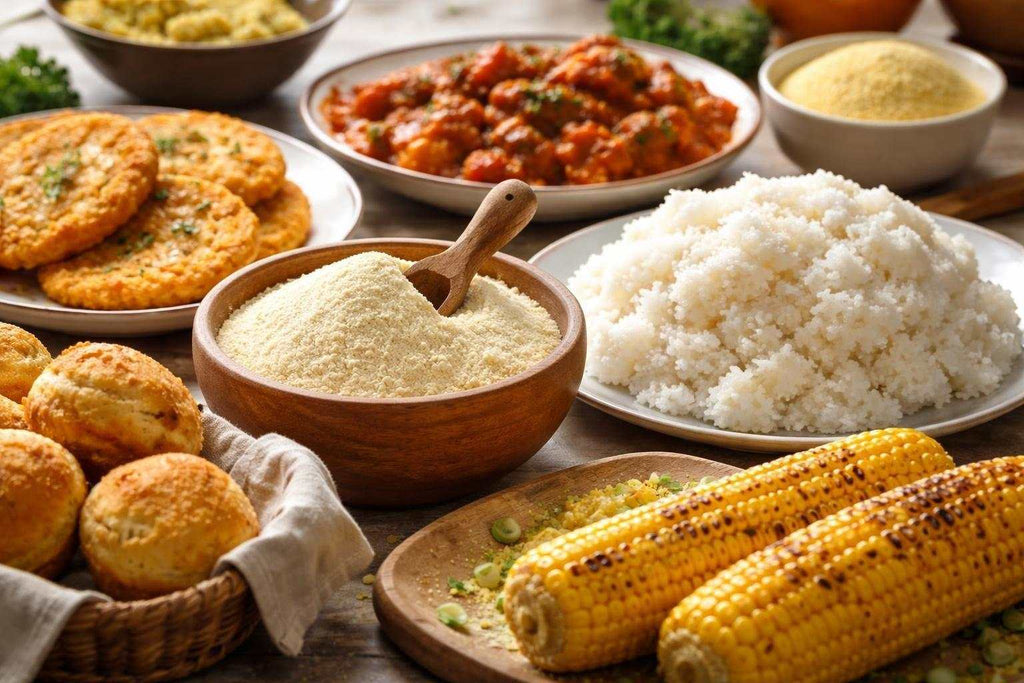
For South Africans living in New Zealand, certain pantry staples evoke memories of home cooking and family gatherings. Corn flour stands as one of those essential ingredients that bridges traditional recipes with modern culinary needs. This fine, powdery substance derived from maize has secured its place in kitchens worldwide, but it holds particular significance in South African food culture where maize-based products form a cornerstone of daily meals. Understanding this versatile ingredient helps expats recreate authentic flavours while discovering new applications in their New Zealand kitchens.
Understanding Corn Flour and Its Origins
Corn flour represents finely milled maize kernels ground into a smooth, silky powder. The production process involves removing the hull and germ from corn kernels before grinding them into a consistency finer than cornmeal but distinct from corn starch. Many home cooks confuse corn flour with corn starch, yet these products serve different culinary purposes despite sharing the same source ingredient.
The manufacturing process influences both texture and functionality. Whole-grain corn flour retains more nutrients and fibre compared to refined versions, while refined varieties produce lighter, smoother results in baking applications. Nutritional data on corn flour reveals that this ingredient provides carbohydrates, dietary fibre, and various micronutrients that contribute to balanced meals.
Regional Variations and Terminology
Different regions use varying terminology for corn-based products, which creates confusion when following international recipes. In South Africa, the term typically refers to the fine powder used for baking and thickening, whereas British recipes might use "cornflour" to describe what Americans call corn starch. This linguistic variation matters when South African expats search for familiar products in New Zealand supermarkets or specialty stores.
Key terminology differences include:
- South African corn flour: finely milled maize for baking and cooking
- American cornmeal: coarser texture for specific traditional dishes
- British cornflour: equivalent to American corn starch
- Maize meal: coarser grind common in South African porridges
Nutritional Profile and Health Considerations
The nutritional composition of corn flour makes it a valuable addition to diverse diets. According to research on corn flour consumption, this ingredient offers both benefits and considerations depending on processing methods and consumption patterns. Understanding these nutritional aspects helps consumers make informed decisions about incorporating it into their meal planning.
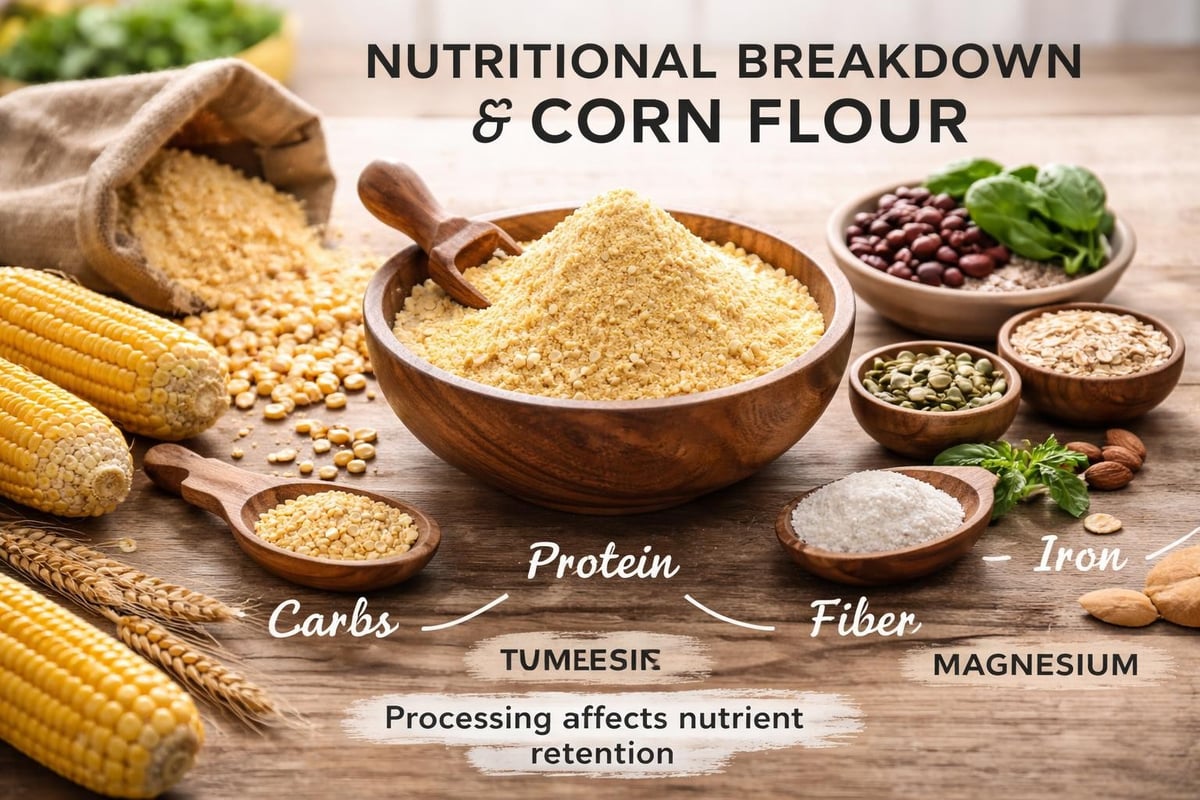
The mineral profile of corn flour demonstrates its contribution to daily nutritional needs. A typical serving provides meaningful amounts of iron, magnesium, phosphorus, and zinc. These minerals support various bodily functions from oxygen transport to bone health, making corn flour more than just a culinary convenience.
| Nutrient | Amount per 100g | Daily Value % |
|---|---|---|
| Energy | 361 kcal | 18% |
| Carbohydrates | 76.8g | 26% |
| Protein | 6.9g | 14% |
| Fibre | 7.3g | 29% |
| Iron | 2.4mg | 13% |
| Magnesium | 93mg | 23% |
Dietary Considerations
For individuals managing specific dietary requirements, corn flour offers several advantages. It naturally contains no gluten, making it suitable for those with coeliac disease or gluten sensitivity. However, cross-contamination during processing remains a concern, so certified gluten-free products provide added assurance for sensitive individuals.
Studies examining enriched corn flour and nutritional status suggest that fortification can address specific nutrient deficiencies in populations relying heavily on maize-based diets. This research particularly resonates with South African food traditions where maize products feature prominently in daily consumption patterns.
Culinary Applications in South African Cooking
South African cuisine showcases corn flour across numerous traditional and contemporary recipes. The ingredient's neutral flavour profile allows it to adapt seamlessly into both sweet and savoury preparations, from breakfast porridges to dinner accompaniments. For expats in New Zealand, having quality corn flour available means maintaining connections to cherished food memories.
Traditional South African Recipes
Popular uses include:
- Pap thickening and texture enhancement
- Baking koeksisters and other traditional sweets
- Coating for fried foods like fish and chicken
- Gravy and sauce preparation
- Pancakes and flatbreads
The versatility extends beyond traditional boundaries. Modern South African cooks incorporate corn flour into fusion recipes that blend cultural influences while respecting authentic techniques. Something From Home recognizes this need by stocking authentic South African ingredients that help recreate traditional flavours in New Zealand kitchens.
Baking Applications
In baking, corn flour contributes unique textural properties. When combined with wheat flour, it produces tender crumb structures in cakes and biscuits. The ingredient absorbs moisture effectively, extending the freshness of baked goods. South African milk tarts, rusks, and various sweet treats benefit from corn flour's ability to create delicate textures without overwhelming other flavours.
Professional bakers appreciate how corn flour reduces gluten development, resulting in more tender pastries. This characteristic proves particularly valuable when preparing traditional South African baked goods that require specific textural qualities. The ingredient also helps achieve crispy coatings on fried foods, a technique used in preparing vetkoek and similar comfort foods.
Practical Cooking Tips and Techniques
Mastering corn flour requires understanding its behaviour under different cooking conditions. Unlike wheat flour, it lacks gluten-forming proteins, which affects how it interacts with liquids and heat. This fundamental difference influences mixing techniques, cooking temperatures, and final texture outcomes.
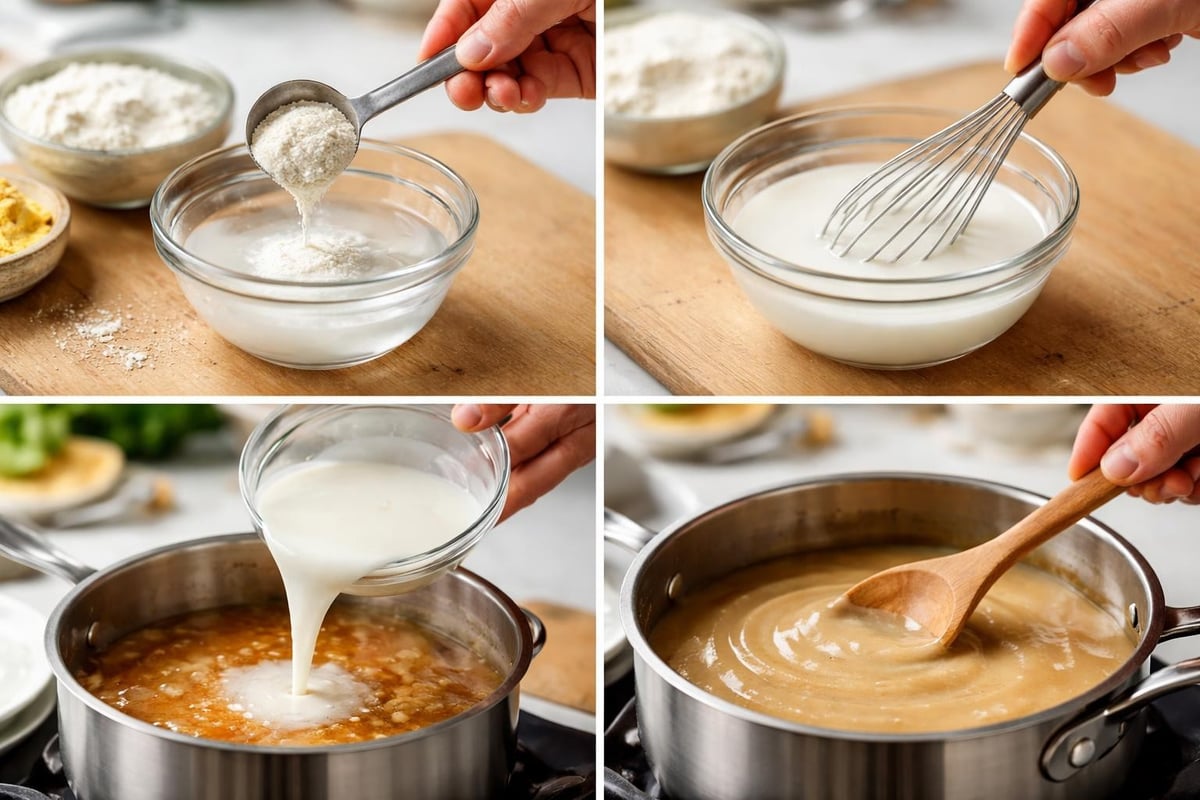
When using corn flour as a thickening agent, creating a slurry prevents lump formation. Mix the powder with cold liquid before introducing it to hot preparations, stirring constantly to achieve smooth consistency. This technique applies whether preparing gravies, sauces, or traditional South African stews that benefit from thickened cooking liquids.
Storage and Shelf Life
Proper storage maintains corn flour quality and prevents spoilage. The ingredient should reside in airtight containers within cool, dry environments. While refined corn flour boasts extended shelf life, whole-grain varieties contain oils that can become rancid over time. Refrigeration extends freshness for infrequently used packages.
Storage best practices:
- Transfer to airtight containers after opening
- Store in cool, dark pantry spaces
- Refrigerate whole-grain varieties
- Check expiration dates regularly
- Monitor for moisture absorption or odour changes
South African Food Culture and Ingredient Availability
The emotional connection South Africans maintain with familiar foods extends beyond mere sustenance. These ingredients represent cultural identity, family traditions, and childhood memories. When living abroad, accessing authentic products becomes essential for maintaining these connections and sharing heritage with new generations.
New Zealand's growing South African community has created demand for specialty products. South African groceries provide expats opportunities to cook traditional meals without compromise. Understanding where to source authentic ingredients transforms the expatriate cooking experience from approximation to authenticity.
The Role of Specialty Retailers
Specialty stores bridge the gap between geographic separation and culinary satisfaction. These retailers understand that corn flour isn't merely a cooking ingredient but a vessel carrying cultural significance. They stock brands familiar to South African consumers, ensuring recipes turn out exactly as remembered from childhood kitchens.
Something From Home operates as a South African food store in New Zealand with more than 2,500 South African products. This extensive selection means expats can prepare traditional meals without substituting ingredients or compromising authentic flavours. The convenience of accessing familiar brands online eliminates the disappointment of settling for unsuitable alternatives from mainstream supermarkets.
Comparing Corn Flour with Alternative Ingredients
Understanding when to use corn flour versus other thickening and baking agents optimizes cooking results. Each ingredient brings distinct properties affecting texture, flavour, and nutritional profiles. Traditional uses and nutritional aspects of corn flour demonstrate its unique position among cooking staples.
| Ingredient | Best Uses | Texture Impact | Gluten Content |
|---|---|---|---|
| Corn Flour | Thickening, gluten-free baking | Light, tender | None |
| Wheat Flour | General baking, roux | Structured | High |
| Potato Starch | Clear sauces, gluten-free | Smooth, glossy | None |
| Tapioca Flour | Binding, chewy texture | Elastic | None |
| Rice Flour | Asian cooking, delicate baking | Slightly gritty | None |
Substitution ratios vary depending on application context. When replacing wheat flour in baking, corn flour typically requires adjustment in liquid quantities due to different absorption rates. Understanding these nuances prevents recipe failures and ensures consistent results.
Complementary Ingredients in South African Cooking
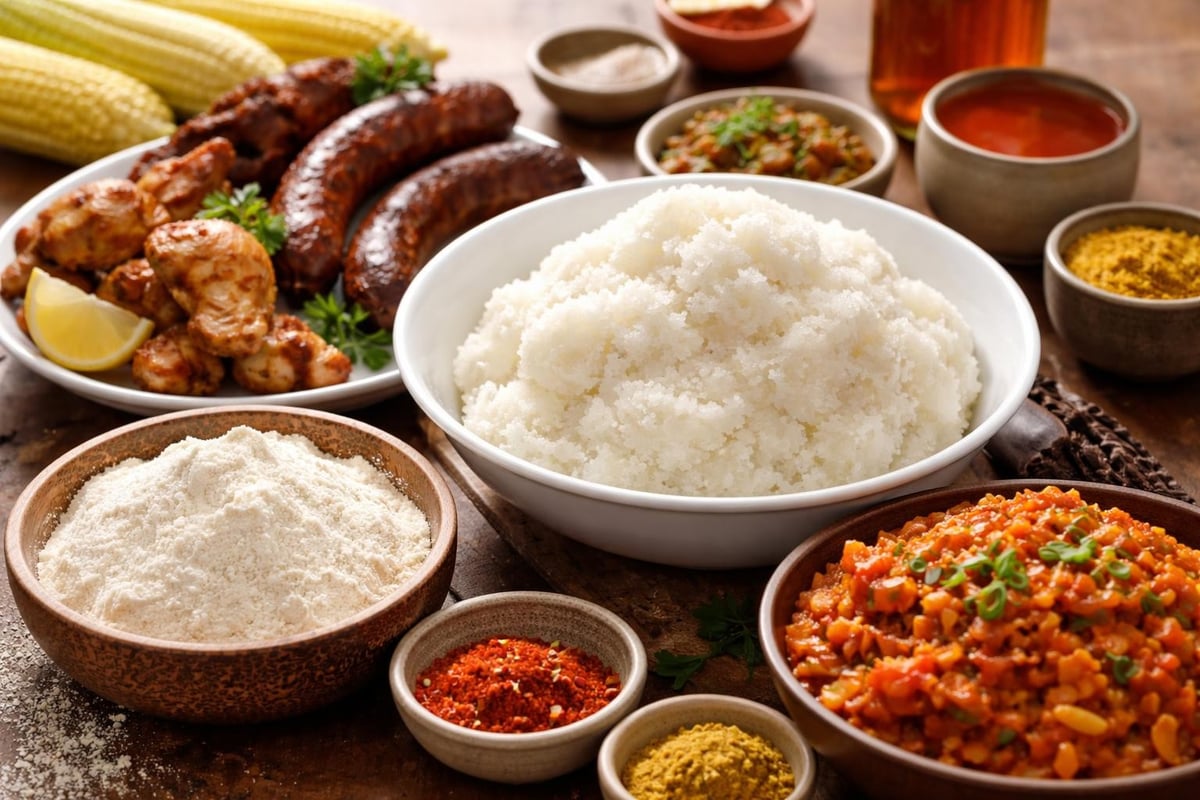
South African recipes often combine corn flour with other culturally significant ingredients. Spice blends, sauces, and condiments work harmoniously with corn flour-based preparations. For instance, pairing corn flour-thickened gravies with traditional seasonings creates comfort foods that satisfy both palate and nostalgia.
Modern Applications and Recipe Innovation
Contemporary cooks expand corn flour applications beyond traditional boundaries. The ingredient appears in experimental recipes blending South African traditions with international influences. This culinary evolution reflects the expatriate experience of maintaining cultural roots while embracing new environments.
Complete guides to corn flour uses and benefits reveal the ingredient's adaptability across global cuisines. South African expats living in New Zealand often develop hybrid recipes that honour heritage while incorporating local ingredients and techniques.
Creating Fusion Dishes
Innovative applications include:
- Corn flour-based pizza crusts combining traditional and modern elements
- Asian-inspired batters using South African spice profiles
- Gluten-free versions of classic baked goods
- Thickened sauces for contemporary fusion cuisine
- Textural enhancements in vegan and vegetarian adaptations
These creative approaches demonstrate how foundational ingredients transcend cultural boundaries. The neutral character of corn flour makes it an ideal canvas for culinary experimentation while maintaining connections to traditional cooking methods.
Shopping for Authentic South African Products Online
The digital marketplace has revolutionized how expatriates access homeland products. Online shopping eliminates geographic barriers, connecting South Africans in New Zealand with authentic ingredients that might otherwise remain unavailable. This convenience particularly benefits those living outside major urban centres where specialty stores concentrate.
When purchasing corn flour and other South African staples online, product authenticity matters. Reputable retailers source genuine brands familiar from South African supermarkets, ensuring recipes turn out exactly as intended. Reading product descriptions carefully helps confirm whether items meet specific requirements, particularly regarding gluten-free certification or organic production methods.
Evaluating Online Retailers
Consider these factors when selecting suppliers:
- Product range and brand authenticity
- Shipping costs and delivery timeframes
- Storage and handling practices
- Customer reviews and satisfaction ratings
- Return policies for damaged or incorrect items
Established online retailers understand the emotional investment customers place in these purchases. They recognize that each order represents more than a transaction but rather a connection to home, family, and cherished memories. This understanding shapes their approach to customer service and product curation.
Preserving Food Traditions Across Generations
Teaching children traditional cooking techniques ensures cultural continuity despite geographic displacement. When South African families in New Zealand prepare heritage recipes together, they transmit more than culinary skills. These kitchen moments become vessels for stories, values, and identity formation.
Corn flour serves as an accessible entry point for younger generations learning traditional cooking. Simple recipes using this ingredient allow children to participate meaningfully while developing foundational skills. The ingredient's forgiving nature tolerates beginner mistakes, building confidence that encourages further culinary exploration.
Building Culinary Confidence
Starting with straightforward corn flour applications creates positive cooking experiences. Children can assist with measuring, mixing, and observing how the ingredient transforms through cooking processes. These hands-on lessons embed cultural knowledge naturally within practical skill development.
| Recipe Type | Skill Level | Learning Outcomes | Cultural Connection |
|---|---|---|---|
| Simple porridge | Beginner | Measuring, stirring | Daily food traditions |
| Pancakes | Beginner | Mixing, heat control | Weekend family meals |
| Gravy preparation | Intermediate | Thickening techniques | Holiday gatherings |
| Traditional baking | Intermediate | Texture development | Special occasions |
Parents discover that cooking together strengthens family bonds while preserving cultural heritage. The kitchen becomes a classroom where lessons extend beyond recipes to encompass broader cultural values, storytelling, and intergenerational connection.
The Broader Context of South African Food in New Zealand
New Zealand's multicultural landscape welcomes diverse food traditions, creating opportunities for cultural exchange and culinary discovery. South African expats contribute to this tapestry by sharing their food heritage with broader communities. Corn flour-based dishes introduce unfamiliar audiences to new flavours and cooking techniques, fostering appreciation across cultural boundaries.
Community events, food markets, and cultural festivals provide platforms for showcasing South African cuisine. These gatherings demonstrate how ingredients like corn flour form foundations for dishes that tell stories about geography, history, and cultural identity. Sharing food becomes an act of cultural diplomacy, building understanding through sensory experience.
Whether you're recreating grandmother's recipes or experimenting with new culinary creations, having access to quality corn flour and authentic South African ingredients makes all the difference. Understanding this versatile ingredient's properties, applications, and cultural significance enriches both cooking outcomes and connections to heritage. For South Africans living in New Zealand seeking authentic products and familiar brands, Something From Home offers convenient access to more than 2,500 carefully curated items that bring the tastes of home to your kitchen.
-
Posted in
Cooking Tips, Corn Flour, Expat Recipes, Food Ingredients, South African Cooking