Gingernuts Guide: Everything You Need to Know in 2026
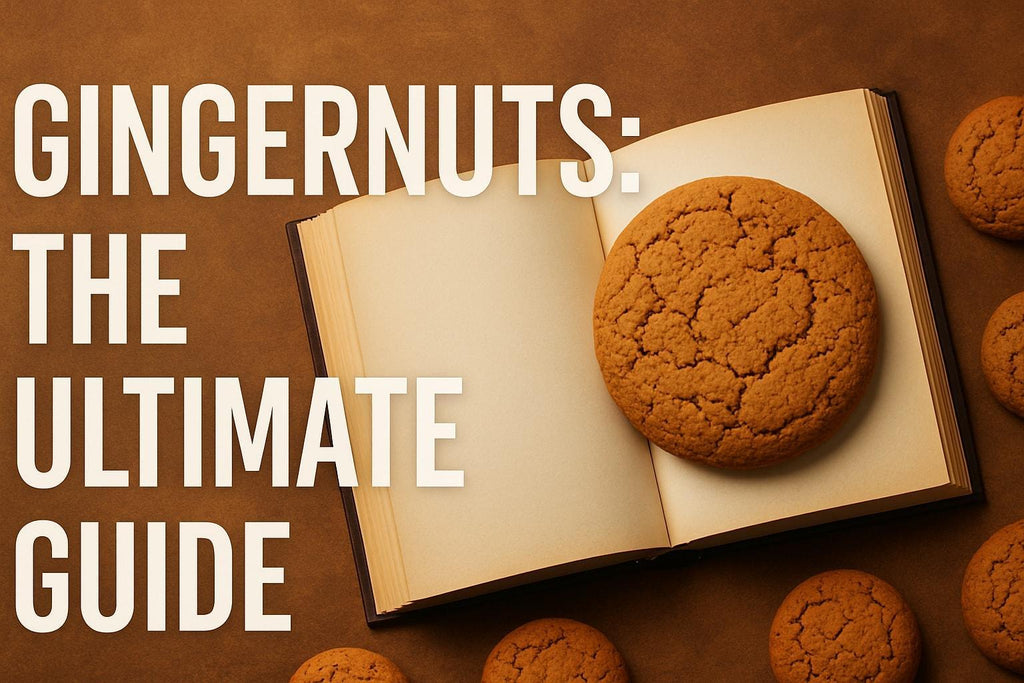
Few treats spark nostalgia in New Zealand homes quite like the unmistakable crunch of gingernuts. Whether dipped in a hot cuppa or shared at a family gathering, these iconic biscuits have earned a special place in Kiwi hearts.
This definitive 2026 guide explores gingernuts from their rich origins to today’s most popular brands, classic and creative recipes, health insights, and expert buying tips.
Discover why gingernuts remain the ultimate dunker, how their storied history shaped a national favourite, and what new twists await biscuit lovers. Ready to rediscover an old favourite? Let’s dive in.
The History and Origins of Gingernuts
Gingernuts hold a cherished place in the hearts of New Zealanders, but their story spans continents and centuries. To truly appreciate this crunchy classic, it helps to understand its journey from early spiced biscuits to a staple of Kiwi culture.
The Early Days of Ginger Biscuits
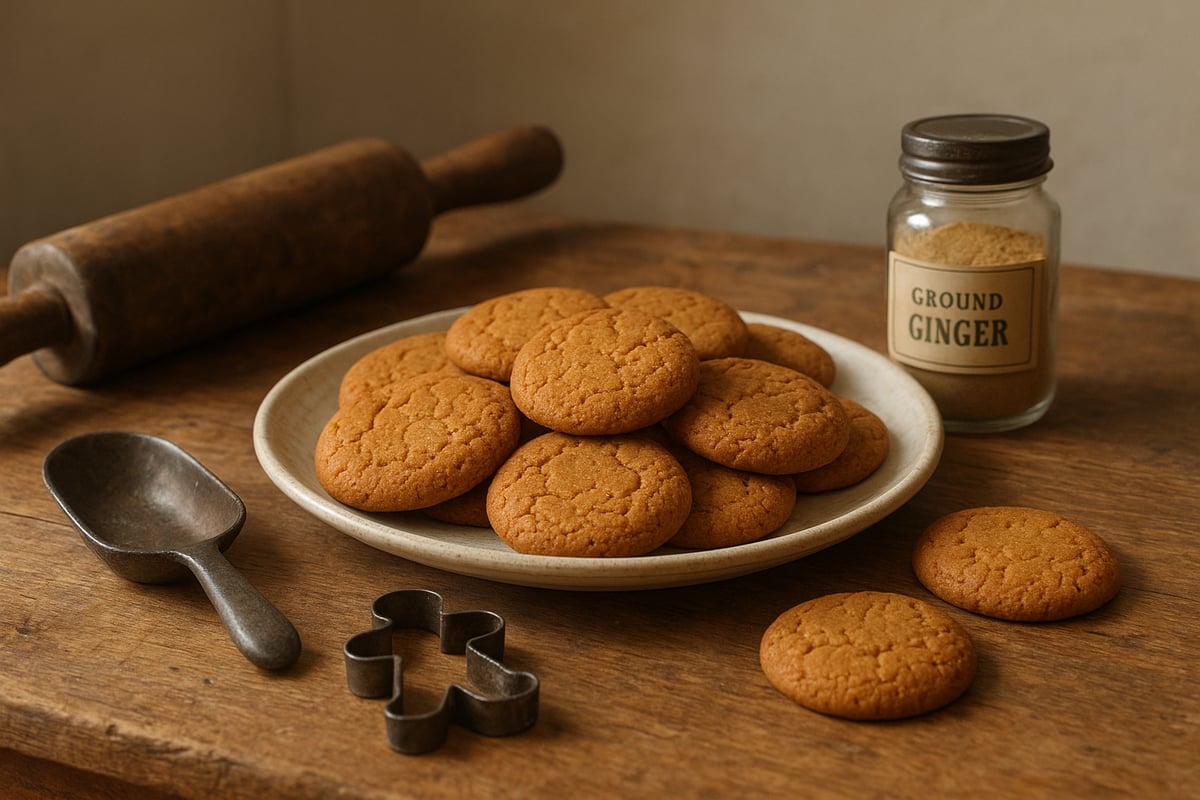
The origins of gingernuts can be traced to medieval Europe, where ginger was prized for its medicinal qualities and exotic flavour. Early ginger biscuits emerged as luxury treats, enjoyed by royalty and those who could afford imported spices.
As global trade expanded, ginger became more accessible, and bakers in Britain and the Netherlands began experimenting with spiced biscuits. These early recipes blended flour, honey, and ground ginger, resulting in crisp, aromatic creations that delighted palates across Europe. Over time, ginger biscuits became a staple in British households and spread to colonial outposts, where recipes adapted to local ingredients and tastes.
By the 19th century, ginger biscuits had become firmly established in British and Dutch baking traditions. The robust crunch and spicy-sweet flavour of these biscuits laid the foundation for what would eventually become gingernuts in the Southern Hemisphere. As settlers arrived in New Zealand and Australia, they brought their love of ginger biscuits with them, ensuring the continued evolution of this beloved treat.
Gingernuts in New Zealand and Australia
Gingernuts found fertile ground in New Zealand and Australia, where home bakers quickly embraced the recipe. The local adaptation often included golden syrup and baking soda, which contributed to the signature hard texture that set gingernuts apart from other ginger biscuits. Early New Zealand cookbooks featured gingernut recipes, reflecting the biscuit’s growing popularity in colonial kitchens.
The launch of commercial gingernuts marked a turning point. Griffin’s, established in the 19th century, became synonymous with the biscuit. Their enduring recipe, unchanged for decades, cemented gingernuts as a Kiwi icon. According to the Griffin's Gingernuts 90-Year Legacy, the brand’s heritage and consistent quality have made it a staple in households nationwide.
Gingernuts became a symbol of comfort and togetherness, featured at morning teas, picnics, and family gatherings. The hard, crunchy texture made them perfect for dunking, while their spicy aroma evoked nostalgia for generations of New Zealanders. Even today, gingernuts remain a fixture at the centre of Kiwi tables and memories.
Cultural Significance and Traditions
The cultural significance of gingernuts in New Zealand extends beyond just taste. For many, the ritual of sharing gingernuts with a hot cup of tea or coffee is a cherished tradition, passed down through families and friends. Their reputation as the ultimate “dunker” is well earned, as the biscuit’s sturdy crunch softens perfectly in a warm beverage without falling apart.
Surveys often rank gingernuts as one of New Zealand’s favourite biscuits, a testament to their enduring appeal. Community events, school fundraisers, and workplace morning teas frequently feature gingernuts, reinforcing their status as a unifying treat.
Stories abound of generations bonding over a shared pack, and gingernuts continue to play a role in Kiwi life, both as a nostalgic comfort food and a symbol of hospitality. This humble biscuit has truly become woven into the fabric of New Zealand culture.
What Makes a Gingernut? Ingredients, Flavour, and Texture
What sets gingernuts apart in the world of biscuits? For Kiwis, it comes down to a unique blend of ingredients, a famously hard texture, and a flavour profile that’s as bold as it is comforting. Let’s break down exactly what goes into making gingernuts the crunchy icons they are today.
Classic Gingernut Ingredients
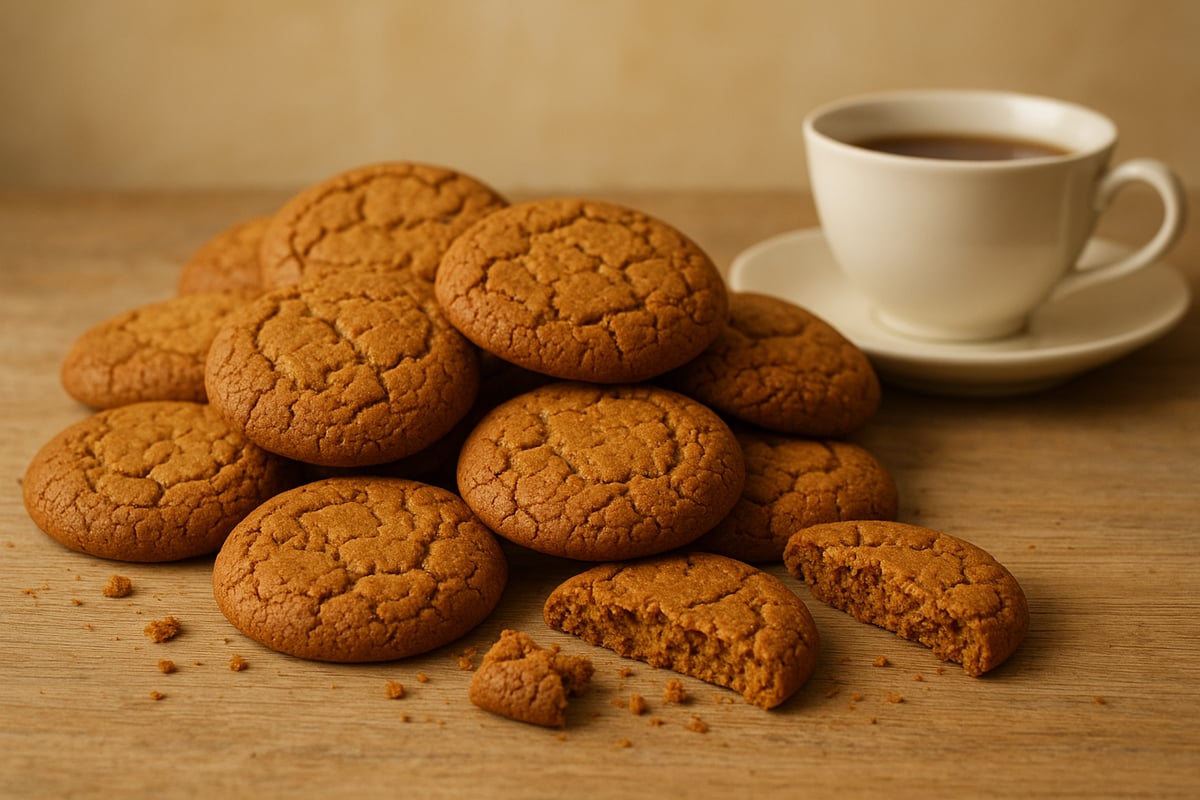
At the heart of gingernuts is a simple yet powerful ingredient list. The essentials include flour, sugar, golden syrup, ground ginger, baking soda, and butter. Each element plays a critical role. Flour builds the biscuit’s sturdy structure, while sugar and golden syrup add both sweetness and that signature deep, caramel note. Ginger is the star, delivering the spicy warmth that defines gingernuts.
Baking soda acts as a leavening agent, helping the biscuits rise slightly and contributing to their crisp finish. Butter rounds out the mixture, giving a subtle richness. Unlike softer ginger biscuits, gingernuts are crafted for crunch, with proportions and preparation designed to yield a firm bite.
To see how commercial brands balance these ingredients, check out Griffin's Gingernuts Product Details, which includes a full ingredient and nutrition list. Comparing these to homemade recipes shows how traditional foundations remain, even in mass-produced versions.
Here’s a quick comparison between classic gingernuts and ginger snaps:
| Biscuit Type | Texture | Sweetener | Spice Level |
|---|---|---|---|
| Gingernuts | Very hard | Golden syrup | Medium-High |
| Ginger snaps | Crisp, less hard | Molasses, sugar | Medium |
The Science of the Crunch
The legendary crunch of gingernuts is no accident. It’s achieved through careful balancing of moisture, sugar, and bake time. The dough is intentionally dry, with just enough liquid to bind the ingredients. This low moisture content, combined with a long bake at moderate heat, removes water and leaves a dense, firm biscuit.
Baking soda reacts with the golden syrup and heat, creating small air pockets that help gingernuts rise slightly without losing their hard edge. Experienced bakers know that even a few minutes too short or long in the oven can shift the texture from perfectly snappy to tooth-breakingly tough, or disappointingly soft.
Some bakers recommend chilling the dough before baking, allowing flavours to meld and the structure to set. This step can make a noticeable difference in the final crunch. The result is a biscuit that stands up to dunking, holding its shape and flavour even when paired with a hot drink.
Flavour Profiles and Modern Variations
Gingernuts are prized for their bold, spicy-sweet flavour. The ginger leads, but is often complemented by hints of cinnamon, cloves, or nutmeg, depending on the recipe or brand. Over time, regional preferences have led to subtle differences, with some gingernuts spicier and others leaning towards extra sweetness.
In 2026, the gingernuts market has expanded to include gluten-free, vegan, and reduced-sugar versions. These modern twists use alternative flours, plant-based fats, and natural sweeteners to cater to changing dietary needs while maintaining the signature crunch and spice. Some boutique bakers add extra ginger or a touch of orange zest for a contemporary spin.
The result is a biscuit that remains true to its roots but evolves with the times. Whether you prefer the classic recipe or a new-age variant, gingernuts continue to deliver the bite and flavour Kiwis love.
Popular Gingernut Brands and Products in 2026
New Zealand’s shelves in 2026 are bursting with gingernuts, and the range has never been broader. Whether you’re a loyal fan of the classics or keen to try a modern twist, there’s a gingernut for every palate and occasion. Let’s explore the most popular brands, international varieties, and where to find these crunchy biscuits today.
Griffin’s Gingernuts: A Kiwi Staple
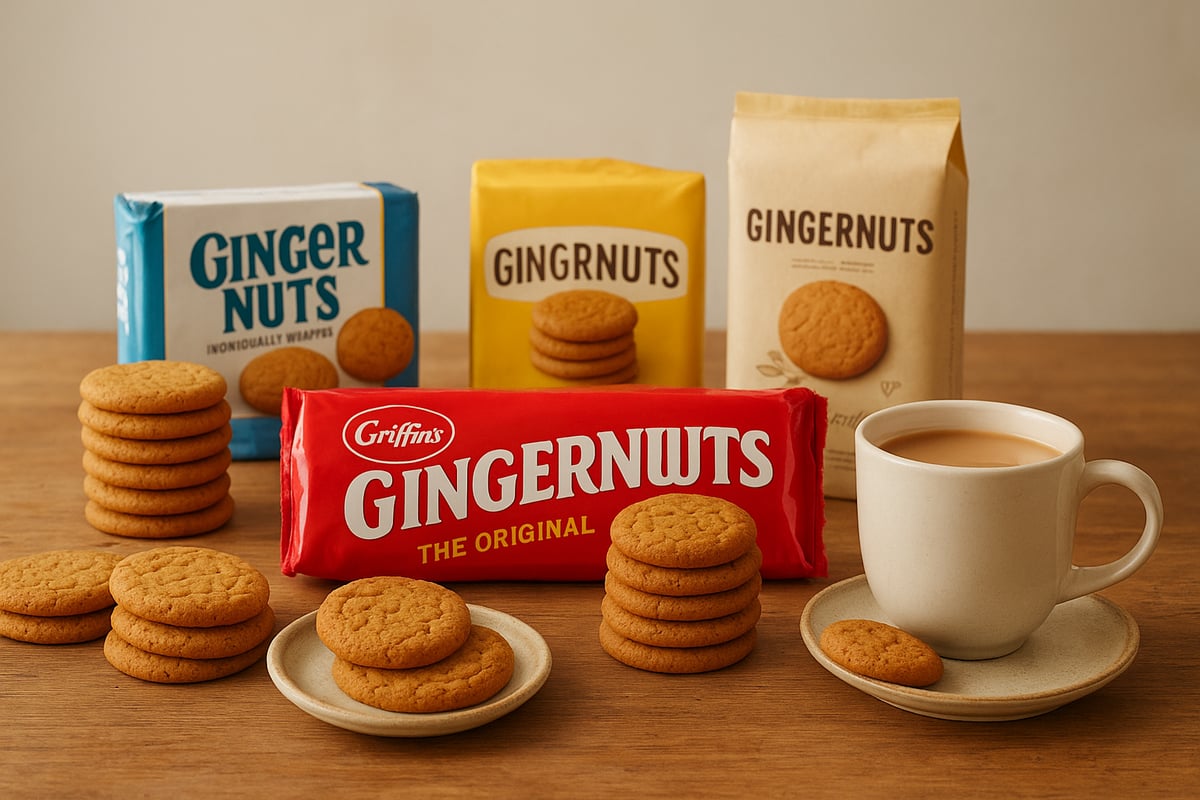
Griffin’s remains the undisputed leader in gingernuts across New Zealand. With over a century of biscuit making, Griffin’s has refined the gingernut to perfection. Their biscuits are renowned for their robust crunch, spicy-sweet flavour, and unbeatable dunkability.
In 2026, Griffin’s offers gingernuts in multiple pack sizes, from family packs to convenient snack packs for lunchboxes. Packaging has become more sustainable, embracing recyclable materials and clear freshness indicators. Recent recipe tweaks have enhanced ginger intensity while reducing added sugar, meeting modern preferences without sacrificing tradition.
Griffin’s gingernuts consistently top biscuit sales charts, with surveys confirming their status as a household favourite. The brand’s deep roots in Kiwi culture are highlighted in the Griffin's Factory 70-Year History, which showcases the company’s impact on the local economy and biscuit traditions.
Other Notable Brands and Supermarket Options
Beyond Griffin’s, a growing number of brands and supermarkets now offer their own takes on gingernuts. In New Zealand, popular supermarket chains like Countdown and New World have introduced private label gingernuts that appeal to both budget-conscious shoppers and those seeking something a little different.
Boutique bakeries are joining the scene, crafting small-batch gingernuts with extra spice blends, unique sweeteners, or locally sourced ginger. These artisanal options often boast a softer bite or an extra fiery kick, providing variety for adventurous biscuit lovers.
A quick comparison:
| Brand | Crunch Level | Spice Intensity | Price Range |
|---|---|---|---|
| Griffin’s | High | Classic | $$ |
| Countdown (Private) | Medium | Mild | $ |
| Boutique Bakeries | Varies | Bold | $$$ |
This diversity means gingernuts are now available for every taste and budget, making it easier than ever to find your perfect biscuit.
International Gingernut Variations
Gingernuts have crossed oceans and borders, resulting in fascinating regional differences. In the UK, “ginger nuts” tend to be thinner and a bit sweeter, with a lighter crunch compared to their Kiwi counterparts. Australian gingernuts are similar to New Zealand’s but sometimes feature a touch more molasses for added depth.
South African versions are celebrated for their extra snap and subtle spice, often found alongside other classic biscuits in specialty stores. In 2026, international food aisles and online shops make it possible for Kiwis to sample these global takes on gingernuts without leaving home.
Comparing ingredients, you’ll notice that while all gingernuts share ginger as a hero ingredient, sweetness and crunch vary by region. Some international brands even experiment with cinnamon, nutmeg, or allspice, offering new flavour experiences to gingernut enthusiasts.
Where to Buy Gingernuts in 2026
Finding gingernuts in 2026 is easier and more convenient than ever. Major supermarkets such as Countdown, New World, and Pak’nSave stock a wide selection of brands, including gluten-free and vegan options. Specialty food stores and boutique bakeries provide unique, small-batch alternatives for those seeking something special.
Online shopping has surged, with platforms offering gingernuts delivered straight to your door. Subscription snack boxes are also gaining traction, allowing biscuit lovers to receive curated selections of gingernuts and related treats monthly.
Export and import changes have broadened availability, especially for international varieties. Whether you’re shopping for a classic pack of Griffin’s or searching for a South African twist, the gingernut market in New Zealand is thriving and accessible for all tastes.
Baking Your Own: The Ultimate Gingernut Recipe Guide
There is something special about baking a batch of gingernuts at home. Not only do you fill your kitchen with the irresistible aroma of ginger and golden syrup, but you also get to enjoy biscuits fresh from the oven, tailored to your taste and dietary needs.
Step-by-Step Classic Gingernut Recipe
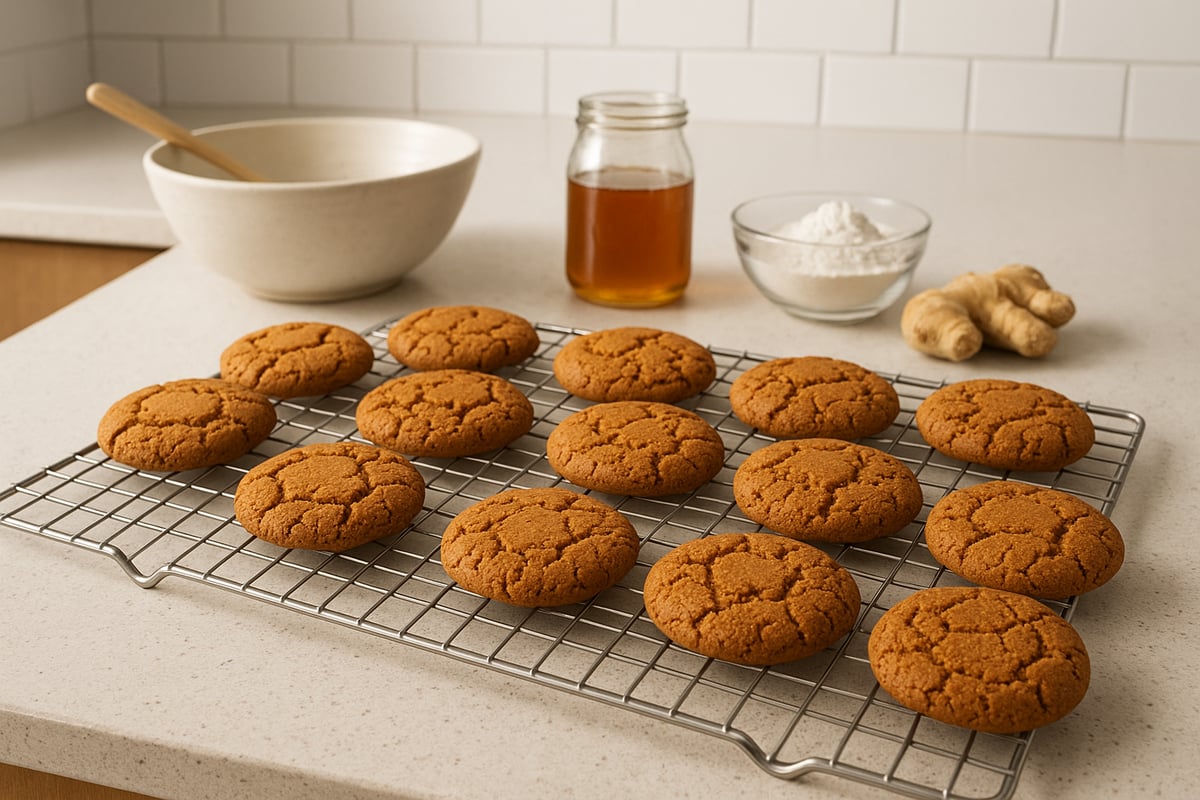
Baking classic gingernuts is a rewarding kitchen project. Start by gathering your ingredients: flour, sugar, golden syrup, ground ginger, baking soda, and butter. Each element plays a crucial role in building the signature crunch and spicy warmth of gingernuts. If you need pantry staples, explore our baking ingredients and essentials collection for quality products.
Follow these steps for perfect homemade gingernuts:
- Preheat your oven to 180°C and line a baking tray with paper.
- Cream the butter and sugar until pale and fluffy.
- Stir in golden syrup and beat until combined.
- Sift in flour, baking soda, and ginger, then mix to a firm dough.
- Roll dough into walnut-sized balls, place on tray, and flatten slightly.
- Bake for 12-15 minutes until deep golden and crisp.
For dietary adaptations, swap regular flour for a gluten-free blend and use plant-based butter for vegan gingernuts. Adjust the ginger amount to suit your spice preference, or add a pinch of cinnamon for extra warmth.
Enjoy the unmistakable crunch of freshly baked gingernuts with your favourite cuppa. Homemade versions offer a freshness and flavour unmatched by store-bought options.
Creative Gingernut Recipes and Uses
Gingernuts are more versatile than many realise. Beyond the classic biscuit, they shine as a base or ingredient in a variety of desserts. Try these ideas:
- Crushed gingernuts make an excellent cheesecake base, adding both flavour and texture.
- Sandwich a scoop of vanilla or ginger ice cream between two gingernuts for a Kiwi ice cream sandwich.
- Sprinkle crushed gingernuts over fruit crumbles or trifles for an aromatic crunch.
- Use gingernuts as a topping for yoghurt parfaits or to add bite to pavlova.
For festive occasions, dip gingernuts in dark chocolate and decorate with crystallised ginger. Readers often share their own twists, like using gingernuts in banoffee pie or as a crumble for baked apples. Social media is full of trending gingernut-inspired recipes, so keep an eye out for new ways to incorporate this classic into your baking repertoire.
Troubleshooting and Baking Tips
Achieving the ideal gingernut is part science, part art. If your gingernuts are too soft, bake them a few minutes longer and allow to cool fully on the tray. For biscuits that are too hard, reduce baking time slightly or check your oven temperature with an oven thermometer.
Uneven spice? Mix ground ginger thoroughly with the dry ingredients before combining with wet. If you prefer a milder flavour, reduce ginger slightly or add a touch of vanilla.
To keep homemade gingernuts crisp, store them in an airtight container away from moisture. If they lose their crunch, reheat on a low oven tray for a few minutes to revive them. For longer storage, freeze baked gingernuts and thaw as needed. Always let them cool completely before packing to prevent condensation.
With these tips and creative ideas, you are ready to master the art of gingernuts and enjoy them fresh, crunchy, and uniquely your own.
Health, Nutrition, and Dietary Considerations
Understanding what goes into gingernuts and how they fit into your diet is essential for making informed choices. Whether you enjoy them occasionally or as a regular treat, knowing their nutritional content and dietary suitability can help you savour every crunchy bite with confidence.
Nutritional Breakdown of Gingernuts
Gingernuts are a classic treat, but what do they offer nutritionally? A typical commercial gingernut contains around 60–70 calories, 2–3g of fat, 8–10g of carbohydrates, and less than 1g of fibre per biscuit. Homemade gingernuts can vary, especially if you use less sugar or substitute ingredients.
| Component | Commercial (per biscuit) | Homemade (per biscuit, approx) |
|---|---|---|
| Calories | 65 | 60–75 |
| Sugar (g) | 4.5 | 4–5 |
| Fat (g) | 2.2 | 2–3 |
| Fibre (g) | 0.6 | 0.6–1 |
While gingernuts are not a significant source of protein or fibre, they are lower in saturated fat compared to some cream-filled biscuits. Enjoying gingernuts in moderation can be part of a balanced lifestyle.
Allergen and Dietary Information
Most traditional gingernuts contain gluten from wheat flour and dairy from butter, making them unsuitable for those with these allergies. Egg is rarely used, but always check labels for commercial products. For those with special dietary needs, several gluten-free and vegan gingernuts are now available in 2026.
- Common allergens: gluten, dairy
- Vegan and gluten-free options widely available
- Reduced-sugar varieties for lower calorie diets
If you are searching for specialty biscuits, the Biscuits and rusks collection is a helpful resource to discover alternative gingernuts and related products to suit various diets.
Are Gingernuts a Healthy Snack?
Are gingernuts a healthy snack or simply an indulgence? The answer depends on how you enjoy them. One or two gingernuts with a cup of tea can fit into most eating plans, especially when paired with a healthy beverage and other nutritious foods.
Nutrition experts recommend portion control for biscuits like gingernuts due to their sugar and refined flour content. Choosing wholegrain versions or pairing with fruit can help balance your snack. Remember, occasional enjoyment can be part of a healthy, mindful diet.
Gingernuts in Special Diets
Gingernuts can be adapted for many eating styles. For those on a low-FODMAP or plant-based diet, homemade recipes can substitute standard flour with gluten-free blends and butter with plant oils. Reduced-sugar versions are suitable for those watching their sugar intake.
- Use almond or oat flour for gluten-free gingernuts
- Swap butter for coconut oil or vegan margarine
- Adjust spice levels for personal preference
Experimenting at home allows you to tailor gingernuts to your dietary needs while still enjoying their iconic crunch and flavour.
Gingernuts in Kiwi Culture and Everyday Life
Few foods are as deeply woven into New Zealand’s cultural fabric as gingernuts. These biscuits are more than just a treat—they are a cherished part of daily rituals, family moments, and nostalgic memories. From the familiar crunch at morning tea to their starring role in classic Kiwi adverts, gingernuts have a special place in our hearts.
The Social Ritual of Dunking
Dunking gingernuts into a hot drink is a beloved Kiwi pastime. The biscuit’s legendary crunch stands up to even the hottest cup, making it the ultimate “dunker” for tea or coffee. Many households have their own traditions—some swear by a quick dip for just the right softness, while others go for a longer soak.
Surveys consistently show gingernuts top the list as New Zealand’s favourite dunking biscuit. If you want to elevate your own ritual, explore a range of hot beverages for biscuit dunking to find your perfect pairing. Whether it’s English breakfast tea or a robust coffee, the experience is uniquely comforting.
Gingernuts at Events and Gatherings
Gingernuts are a fixture at Kiwi gatherings, from family morning teas to community fundraisers. They often appear on platters alongside scones and lamingtons, offering a nostalgic taste that appeals to all generations.
Parents frequently include gingernuts in school lunchboxes, knowing they will hold up until break time. Many Kiwis remember the comfort of a gingernut and a warm drink after a chilly winter walk, reinforcing their place as a staple in everyday life.
Gingernuts in Media and Pop Culture
From catchy advertising jingles to memorable TV campaigns, gingernuts have been celebrated in New Zealand media for decades. Griffin’s iconic jingles are instantly recognisable, sparking fond memories across the country.
Gingernuts also feature in Kiwi literature and film, where sharing a biscuit often symbolises hospitality and warmth. Their reliable presence in stories reflects their enduring popularity and status as a cultural icon.
Fun Facts and Trivia
Did you know gingernuts once set a record for the most biscuits dunked in a single minute at a community event? Regional customs differ, with some South Island families adding a touch of black pepper for extra kick.
Gingernuts are known for their impressive shelf life, making them a favourite for trampers and road trips. Their resilience has even earned them a place in quirky Kiwi trivia, such as being named “the biscuit most likely to survive a dunk.”
Buying Tips, Storage, and Sustainability in 2026
Selecting the best gingernuts in 2026 is about more than just taste. Begin by examining ingredient labels for quality ingredients and minimal additives. Packaging innovations, such as resealable pouches, help lock in freshness. When comparing brands, consider the crunch, spice blend, and price point. Specialty stores and international aisles sometimes stock unique varieties, including South African groceries and biscuits, for those seeking something different. Always check the best-before date to ensure your gingernuts have maximum shelf life.
How to Choose the Best Gingernuts
Look for gingernuts with a firm texture and a spicy aroma. The best brands use real ginger and golden syrup for authentic flavour. Crispness is a key sign of freshness, so avoid packs with visible crumbs or broken biscuits. Consider whether you prefer classic or modern variations, such as gluten free or vegan options. For those who enjoy exploring, some boutique brands and supermarkets offer regional twists on traditional gingernuts. Specialty retailers may also stock imported varieties, allowing you to compare international takes on this beloved treat.
Storing Gingernuts for Maximum Crunch
To keep gingernuts at their best, store unopened packs in a cool, dry cupboard. Once opened, transfer them to an airtight container to prevent moisture from softening the biscuits. If your gingernuts do lose their crunch, try placing them in a warm oven for a few minutes to revive them. Avoid storing them near strong smelling foods, as gingernuts can absorb odours. Proper storage ensures each biscuit remains crisp and perfect for dunking.
Sustainability and Ethical Considerations
Sustainability is increasingly important for gingernut lovers in 2026. Many brands now use recyclable or compostable packaging to reduce environmental impact. Some local producers source ingredients from nearby farms, supporting New Zealand growers. When shopping, look for brands that disclose their sourcing practices and packaging materials. By choosing sustainable gingernuts, you contribute to a greener future while enjoying your favourite treat.
The Future of Gingernuts
Looking ahead, the gingernuts market is set for more innovation. Expect new flavour combinations, health conscious recipes, and even smarter packaging designed for convenience and eco-friendliness. Consumer demand is driving brands to experiment with reduced sugar and plant based options, making gingernuts accessible to more people. As preferences evolve, the classic crunch and spicy kick of gingernuts will remain a staple in Kiwi homes.
After exploring the rich history, irresistible crunch, and cultural significance of gingernuts in New Zealand, you might be inspired to bring a little taste of home to your kitchen. Whether you’re searching for classic favourites or hoping to discover new varieties, having access to the largest selection of authentic South African products makes it easy to satisfy your cravings. If you’re ready to experience the comfort and nostalgia of gingernuts for yourself, you can browse a curated collection that ships anywhere in New Zealand and Australia.
View Range of South African Biscuits
-
Posted in
2026 food trends, baking tips, biscuit guide, ginger biscuits, gingernuts, Kiwi treats