Bunny Chow Food Guide: Discover Flavours in 2026
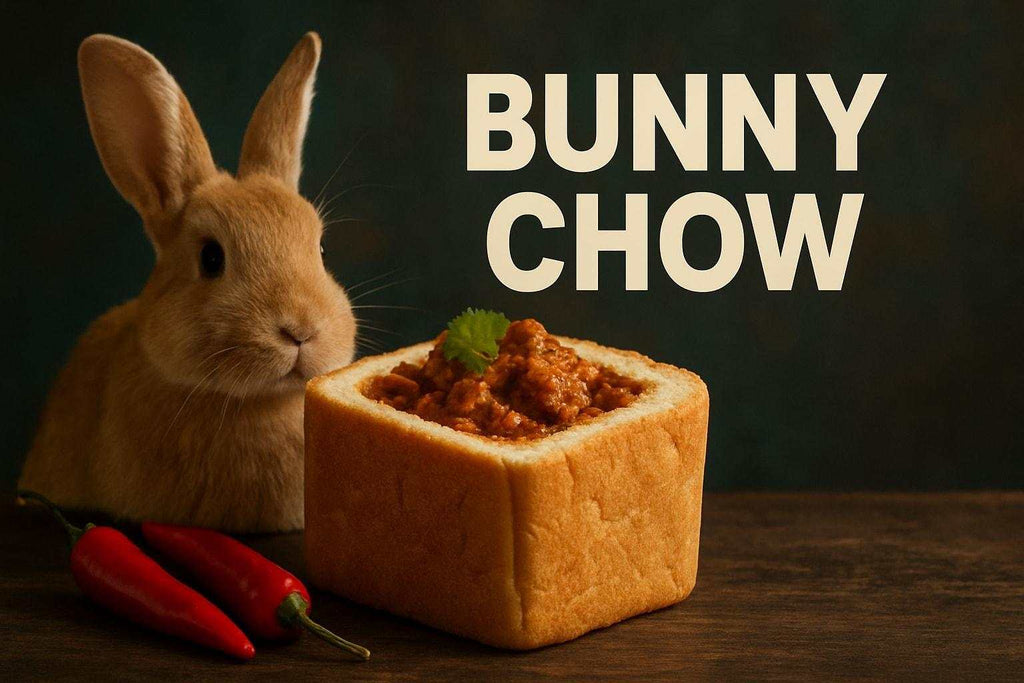
Step into the vibrant world of bunny chow food, where a humble loaf of bread transforms into a hearty, spice-filled experience. South Africa’s iconic street dish is not just a meal, but a celebration of culture and flavour, evolving in exciting ways as we look to 2026.
This guide will reveal the origins of bunny chow food, explore its unique ingredients, and showcase the many varieties and modern twists that keep it a must-try for food lovers. From its multicultural roots to its irresistible aromas, discover why this dish continues to unite communities and tempt taste buds around the globe.
Are you ready to savour the adventure? Let’s begin your journey into the world of bunny chow food.
The Origins and Cultural Significance of Bunny Chow
Bunny chow food is more than just a meal—it is a culinary icon born from the vibrant streets of Durban in the 1940s. Its story begins with Indian labourers who worked long hours on sugar plantations, seeking an affordable and portable way to enjoy a homemade curry during short breaks. To meet this need, enterprising local merchants began serving spicy curries nestled in hollowed-out loaves of white bread, creating a dish that was both filling and easy to eat on the go.
The name "bunny chow food" has unique origins. "Bunny" is derived from "bania," referencing the Indian merchant caste, while "chow" simply means food. Over time, "bania chow" evolved into the catchy term we know today. This name reflects the dish’s deep Indian roots, and its evolution into a beloved staple for all South Africans.
What makes bunny chow food so significant is its role as a symbol of multicultural fusion. The dish combines aromatic Indian spices, colonial-era white bread, and local South African adaptations, resulting in a meal that embodies the country’s diverse heritage. Early versions were strictly vegetarian, often filled with spicy bean curry, as many Indian labourers practised vegetarianism. Only later did meat options like lamb and chicken become popular, expanding the dish’s appeal even further.
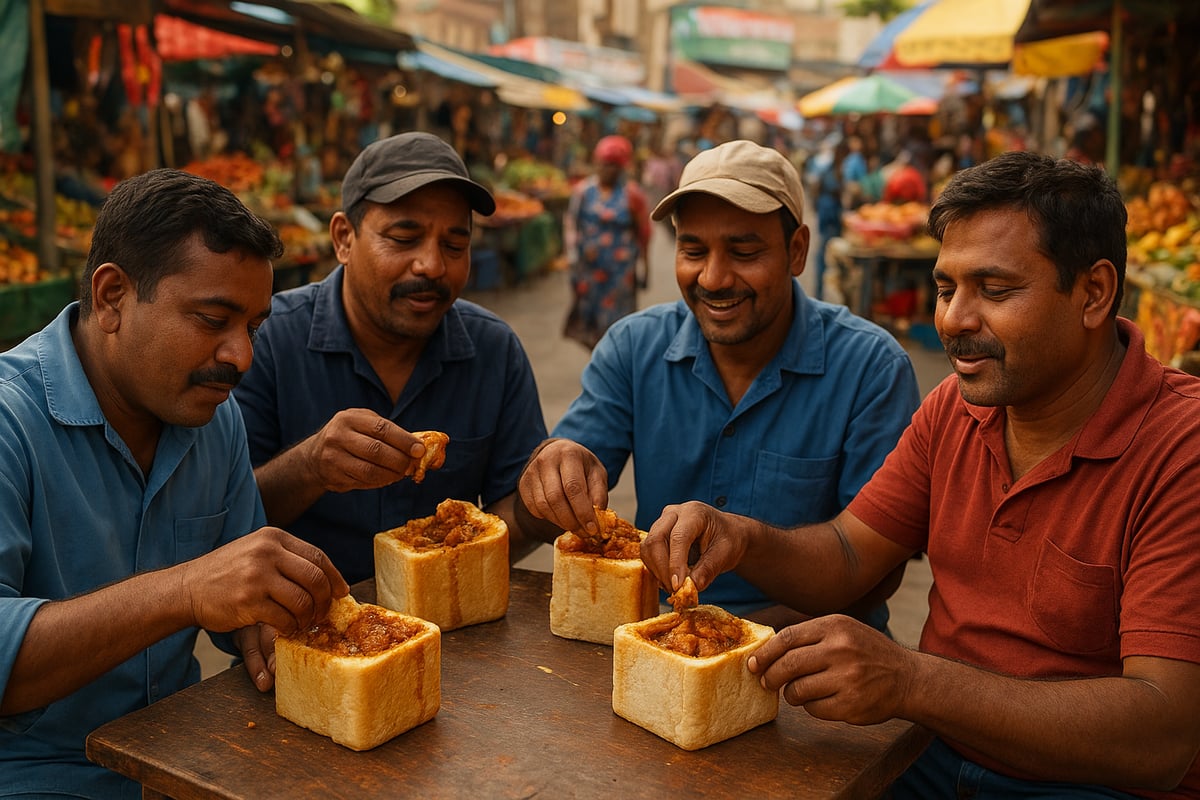
Bunny chow food rapidly became a unifying force across racial and economic divides in KwaZulu-Natal. It was affordable, satisfying, and could be shared among friends or family, no matter their background. The dish is frequently cited in both Food.com and Mission Food Adventure as a treasured comfort food in Durban, beloved for its rich flavours and communal spirit.
Durban’s large Indian population—still the biggest in South Africa—played a key role in shaping the evolution of bunny chow food, infusing it with authentic spices and culinary traditions. This enduring connection to Indian heritage is explored further in the Bunny Chow's Indian Roots article, which highlights the dish’s unique blend of cultures and flavours.
Today, bunny chow food stands as a testament to resilience, ingenuity, and unity. Its journey from humble beginnings to iconic street food mirrors the broader story of South Africa itself—a nation shaped by migration, adaptation, and shared experience.
| Early Bunny Chow Food (1940s) | Modern Bunny Chow Food |
|---|---|
| Vegetarian bean curry | Lamb, chicken, mutton, vegan |
| White “government loaf” bread | Sourdough, mini rolls |
| Eaten by Indian workers | Enjoyed by all communities |
Bunny chow food remains a must-try dish, cherished for its history, flavour, and the sense of belonging it brings to every table.
Essential Ingredients and Flavours in Bunny Chow
Step into the heart of bunny chow food and you will find a tapestry of textures and aromas that define this beloved South African street dish. From the humble bread bowl to the rich, spiced curry and vibrant garnishes, every element plays a crucial role in creating an unforgettable eating experience. Let us explore each essential layer of bunny chow food, ensuring you know exactly what makes this dish so iconic.
The Bread: Foundation of Bunny Chow
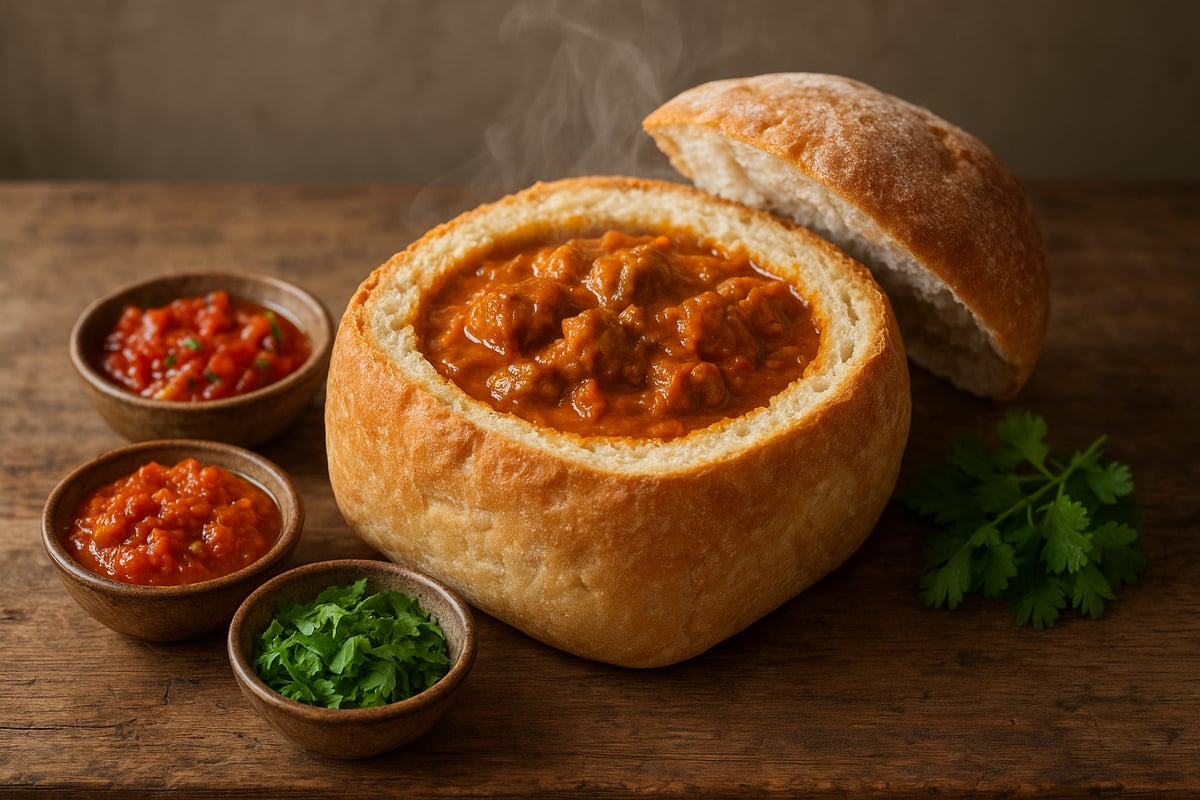
At the core of every authentic bunny chow food is the bread. The classic choice is an unsliced white “government loaf,” known for its soft crumb and thick crust. This bread is hollowed out to form a sturdy bowl, capable of soaking up rich curry while keeping its shape until the last bite.
Bread alternatives have emerged as bunny chow food has spread globally. Some cooks use sourdough pan loaves, which add tang and structure. Small boules or crusty rolls are perfect for mini “cocktail bunnies,” ideal for sharing at gatherings.
| Bread Type | Texture | Usage |
|---|---|---|
| White Government Loaf | Soft, sturdy | Traditional, full loaves |
| Sourdough | Tangy, firm | Gourmet or fusion versions |
| Boule/Roll | Crusty | Mini bunny chow food |
No matter the bread, texture is key. The crumb should be soft enough to absorb curry, yet the crust must be thick to prevent leaks. Always use a serrated knife and your fingers for precise hollowing, and patch any holes with leftover bread to avoid spills.
The Curry: Heart of the Dish
The soul of bunny chow food lies in its aromatic curry filling. Originally vegetarian with beans or lentils, the dish now features a variety of proteins including chicken, lamb, mutton, and beef. The curry is simmered with an array of signature South African spices such as garam masala, turmeric, coriander, cumin (both whole and ground), cinnamon, cardamom, bay leaves, and Kashmiri chilli powder.
Vegetables like potatoes, carrots, tomatoes, onions, garlic, and ginger build depth and body. Spice levels are easily customised—add more cayenne or Kashmiri chilli for heat, or mellow with extra tomato and potato.
For those seeking authenticity, sourcing the right spices is essential. Explore the South African Spices Collection for all the traditional blends needed to craft a true bunny chow food experience.
The result is a curry that is thick, deeply savoury, and layered with flavour. Always ensure the sauce is substantial enough to prevent the bread from turning soggy, as recommended by traditional recipes.
Accompaniments and Garnishes
No bunny chow food is complete without its colourful accompaniments. Classic sambals, such as grated carrot, chopped green chillies, onions, and coriander soaked in vinegar, add crunch and brightness. Pickled vegetables, fresh cilantro, and a spoonful of chutney balance the spice and bring freshness to the dish.
Optional sides include crisp salads or extra bread pieces for dipping. Traditional etiquette dictates that bunny chow food is always eaten with your hands, which enhances the sensory connection and enjoyment.
Serving bunny chow food with these garnishes not only elevates the flavour but also honours its communal, hands-on roots. Whether you are enjoying a quarter, half, or full loaf, these finishing touches make every bite memorable.
Step-by-Step Guide: How to Make Bunny Chow at Home
Embarking on your own bunny chow food adventure at home is both rewarding and surprisingly approachable. This step-by-step guide will walk you through every stage, from carving the perfect bread bowl to simmering a fragrant curry and assembling the final dish. With a few essential ingredients and a bit of patience, you can recreate the authentic flavours and textures of South Africa’s most beloved street food in your own kitchen.
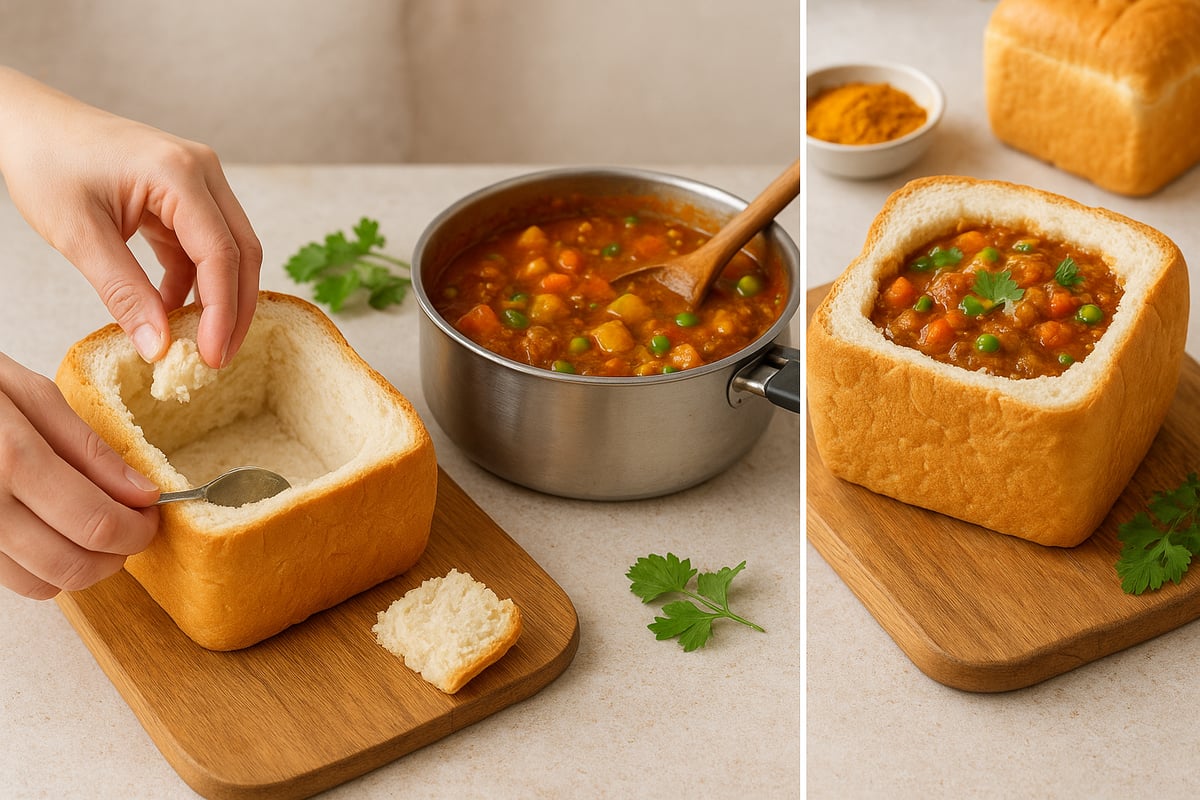
Preparing the Bread Bowl
The bread bowl is the unmistakable foundation of bunny chow food, and getting it right is essential for authenticity and enjoyment. Start with an unsliced, flat-topped white loaf, sometimes known as a “government loaf.” This type of bread is soft enough to absorb the curry yet sturdy enough to hold its shape.
To prepare, use a serrated knife to cut the loaf into your desired size: a quarter, half, or even a full loaf for sharing. Carefully hollow out the interior, leaving a thick wall and base to prevent leaks. Gently remove the crumb with your fingers, and if any holes appear, patch them using extra bread pieces. This technique ensures your bunny chow food will hold its filling without becoming soggy.
For a twist, you can use sourdough or small boules for mini versions, as seen in several modern recipes. However, the classic loaf remains the top choice for most traditionalists. Texture is key: the crumb should be soft and ready to soak up the curry, while the outer crust gives structure. Mission Food Adventure offers helpful visuals for carving bread without tearing, which can be especially useful for first-timers.
If you are outside South Africa, sourcing the right bread can be a challenge. Look for unsliced loaves at specialty bakeries or consider ordering a government loaf from a dedicated South African grocery supplier. This step sets the stage for a truly authentic bunny chow food experience.
Cooking the Curry Filling
The heart of bunny chow food lies in its rich, aromatic curry. Begin by heating oil in a heavy-bottomed pot. Add whole spices such as cinnamon sticks, cardamom pods, cumin seeds, and star anise. Fry these until fragrant to release their essential oils and infuse the oil with deep flavour.
Next, add finely chopped onions and cook until translucent. Stir in minced garlic and ginger, followed by ground spices: garam masala, turmeric, coriander, and Kashmiri chilli powder. This combination creates the unmistakable warmth and complexity that defines bunny chow food.
Once the spices are toasted, add chopped tomatoes to deglaze the pan and create a saucy base. Now, incorporate your chosen protein. Chicken, lamb, mutton, or beef are popular, but vegetarian options like beans or chickpeas are equally traditional. Add curry leaves for extra aroma, then let the mixture simmer gently.
Include diced potatoes and carrots, allowing them to cook until just tender. The curry should be rich and thick, not watery, to prevent the bread from becoming overly soggy. Adjust the seasoning with salt and a touch more spice if desired. Before serving, remove the whole spices to avoid biting into them unexpectedly.
If you are looking for a vegetarian alternative, you might find inspiration in recipes such as the Vegetarian Bunny Chow Recipe which showcases how plant-based curries can be just as flavourful and satisfying. Remember, the key to a great bunny chow food curry is balancing heat, spice, and texture for a bold yet comforting result.
Assembling and Serving
With the bread and curry ready, it is time to assemble your bunny chow food. Place the hollowed loaf on a plate and ladle the hot, thick curry into the cavity. Fill it generously, letting the sauce soak into the crumb. Replace the bread “lid” you removed earlier, which is perfect for dipping and scooping up any extra curry.
Garnish with fresh coriander, chopped green chillies, and a spoonful of sambals. Traditional accompaniments include grated carrot salad, pickled vegetables, and a side of chutney for a sweet counterpoint to the spices. Arrange the removed bread pieces around the bowl for extra texture and dipping.
Bunny chow food is meant to be enjoyed with your hands, never with cutlery. This tactile approach not only enhances the sensory experience but also connects you to the communal roots of this dish. Serve immediately, while the curry is piping hot and the bread remains soft but intact.
For special occasions or gatherings, consider making mini bunny chow food portions using small rolls or boules. This allows guests to sample different curries and enjoy the dish in a party-friendly format. Whether you are recreating a Durban street food classic or adding your own twist, the serving ritual is central to the bunny chow food experience.
Regional Variations and Modern Twists for 2026
Bunny chow food continues to evolve, reflecting South Africa’s rich culinary landscape and the global appetite for bold, authentic street food. As we move into 2026, regional adaptations and innovative twists keep this classic relevant for new generations of food lovers.
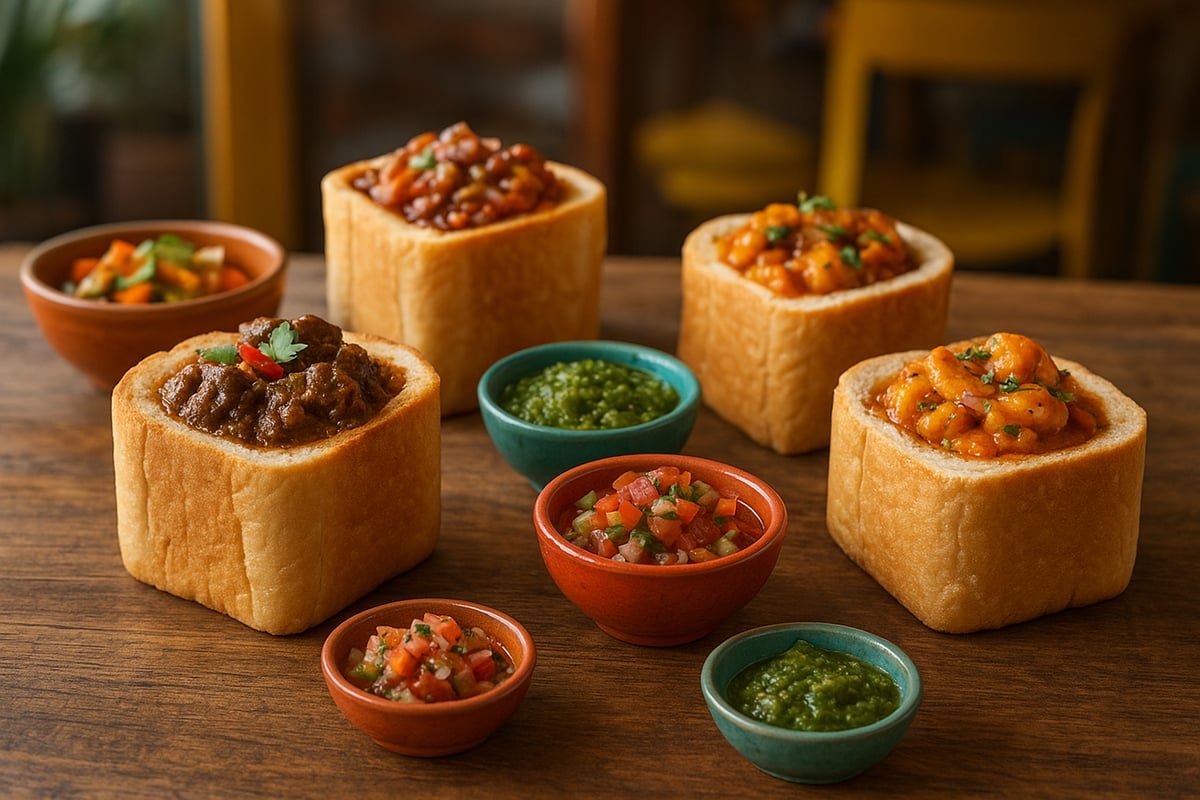
Regional Styles Across South Africa
Regional differences are at the heart of bunny chow food, making each experience unique. In Durban, the original bunny chow food features a spicy, thick lamb or bean curry in a soft white loaf. The bread soaks up the sauce, creating a comforting, flavourful dish.
Johannesburg and Cape Town have added their own spin. These cities often use milder or slightly sweeter curries, and local ingredients like sweetcorn or butternut. Coastal regions sometimes serve seafood bunny chow, using prawns or fish to reflect local tastes.
Below is a quick comparison of classic regional variations:
| Region | Typical Filling | Bread Type | Flavour Profile |
|---|---|---|---|
| Durban | Lamb, bean | Unsliced white loaf | Spicy, aromatic |
| Johannesburg | Chicken, beef | White or brown loaf | Milder, sweeter |
| Cape Town | Cape Malay curry | Artisanal loaves | Fragrant, mild heat |
| Coastal Areas | Seafood (prawns, fish) | White or sourdough | Savoury, fresh |
Each region’s approach to bunny chow food highlights the adaptability of this beloved street meal.
Vegetarian and Vegan Innovations
The rise of plant-based eating has brought new creativity to bunny chow food. Many South Africans now enjoy chickpea, bean, or lentil curries as the filling, delivering the same depth of flavour without meat. These vegetarian options are not only popular in Durban but have spread across the country.
Vegan bread alternatives are appearing in bakeries, ensuring everyone can enjoy bunny chow food regardless of dietary needs. Creative cooks experiment with fillings, adding roasted vegetables or tofu to enhance texture and nutrition.
Popular vegetarian fillings for bunny chow food:
- Spicy chickpea curry
- Mixed bean masala
- Lentil and potato stew
- Roasted vegetable curry
This plant-forward movement ensures that bunny chow food appeals to a broader audience in 2026.
Gourmet and Fusion Creations
In 2026, bunny chow food is embraced by both street vendors and upscale restaurants. Gourmet versions use premium meats or seafood, artisanal breads like sourdough, and unique spice blends to elevate the classic. Some restaurants present bunny chow food with butter chicken, Cape Malay curry, or even non-traditional fillings like pulled pork.
Fusion is a major trend. Mini “cocktail bunnies” are served at events, filled with everything from Thai green curry to vegan chilli. Upscale eateries may offer tasting platters featuring several bunny chow food variations, combining tradition with modern flair.
Notable modern twists for bunny chow food:
- Sourdough bread bowls for extra flavour and structure
- Luxury fillings such as lamb shank or seafood
- Mini versions for parties and catering
- Creative sides like pickled slaw or gourmet chutneys
These changes keep bunny chow food exciting and relevant for adventurous eaters.
Global Influence and Availability
Bunny chow food has achieved international recognition, appearing at food festivals and in South African restaurants worldwide. In places like New Zealand, Australia, and the UK, demand for authentic bunny chow food is growing rapidly.
Many South African expatriates and food enthusiasts seek out bunny chow food in cities like Auckland and Sydney. Some even order Bunny Chow kits or spice blends online to recreate the dish at home. For a closer look at the tradition’s journey abroad, see this Bunny Chow in New Zealand feature.
Today, bunny chow food is a symbol of cultural pride and culinary innovation, connecting communities across continents. Whether enjoyed in a Durban market or a London pop-up, its spirit remains the same—a celebration of flavour, history, and togetherness.
Bunny Chow Traditions: How to Eat and Serve Like a Local
Bunny chow food is more than just a meal, it is a cherished ritual woven into South African culture. Eating Bunny Chow is an experience that goes beyond taste, connecting people through shared tradition and lively gatherings.
The Ritual of Eating Bunny Chow
The heart of bunny chow food tradition is eating with your hands. Cutlery is never used, as the bread bowl is designed for scooping up the rich curry. The bread "lid" placed on top soaks up flavour and is perfect for dipping.
Eating together is a social event. Friends and family gather, tearing the soft bread and sharing stories as they eat. The communal nature of Bunny Chow makes it a favourite at gatherings, where everyone enjoys the same hearty meal.
This ritual is also a symbol of cultural fusion in South Africa. According to Bunny Chow's Cultural Fusion, the dish brings together diverse communities, reflecting unity through shared food traditions.
Pairings and Sides
No bunny chow food experience is complete without the right accompaniments. Traditional sides include:
- Fresh sambals: grated carrot, chopped onion, green chillies, coriander with vinegar
- Pickled vegetables for a tangy crunch
- Carrot salad for freshness and colour
Sweet cooldrinks or local beers are popular choices to cool the palate. For a more filling meal, some serve Bunny Chow with a Traditional South African Rice Dish, adding extra comfort to the meal.
Portions are tailored to appetite, with quarter, half, or full loaves available. The variety of sides and sizes makes Bunny Chow a versatile and satisfying food for all.
Etiquette and Cultural Tips
There are a few simple rules to follow when enjoying bunny chow food like a local:
- Never ask for cutlery in a traditional setting
- Embrace the mess, as curry-soaked fingers are part of the fun
- Use the bread lid and leftover bread pieces to mop up every last bit
Finishing your Bunny Chow without leaving a drop is a point of pride, especially in Durban. Locals believe that eating with your hands enhances the sensory experience and forges a stronger connection with the dish.
Respect for these customs shows appreciation for the heritage and community spirit behind Bunny Chow.
Celebrations and Events
Bunny chow food is a centrepiece at many South African festivals and family gatherings. It is common to find Bunny Chow stalls at street parties, cultural fairs, and sporting events.
Annual competitions celebrate the best Bunny Chow makers, drawing crowds eager to sample new twists and classic recipes. In Durban, Bunny Chow Day is marked with special events, live music, and plenty of fresh loaves filled with steaming curry.
These celebrations keep the tradition alive, inviting both locals and visitors to savour the unique flavours and joyful atmosphere of Bunny Chow.
Where to Find Authentic Bunny Chow in 2026
Looking to satisfy your craving for bunny chow food in 2026? Whether you want to taste the real deal in South Africa or hunt down a top spot closer to home, the options have never been more exciting. Here is where you can experience authentic bunny chow food, from Durban’s bustling streets to the heart of New Zealand.
Top Spots in South Africa
If you are after the most authentic bunny chow food, Durban remains the undisputed capital. The city’s legendary street vendors and family-run cafes serve quarter, half, and full loaves packed with spicy lamb or bean curry. Look for long queues and local crowds, especially in the Victoria Street Market and Grey Street areas.
In Johannesburg and Cape Town, you will find innovative twists on bunny chow food at popular restaurants and fusion eateries. Johannesburg’s Fordsburg district is famous for its Indian-South African cuisine, while Cape Town’s food markets offer everything from classic bunny chow food to seafood-infused versions.
Top places to try bunny chow food in South Africa:
- Durban: Victoria Street Market, Florida Road stalls, House of Curries
- Johannesburg: Fordsburg Market, Curry Up, The Bunny Chow Bar
- Cape Town: Eastern Food Bazaar, Mojo Market, Bunny Chow on Long
Bunny Chow Abroad: Global Hotspots
The global appetite for bunny chow food is growing fast. In New Zealand and Australia, South African restaurants and food trucks bring this street food favourite to life. Auckland’s multicultural food scene features several cafes and pop-ups serving authentic bunny chow food, often with a Kiwi twist. Sydney’s night markets and Melbourne’s South African eateries are also hotspots for fans.
Food festivals and cultural events frequently showcase bunny chow food, introducing new diners to its spicy, comforting flavours. In the UK, cities like London and Birmingham have embraced bunny chow food, with South African bakeries offering the signature “government loaf” and curry fillings.
Where to find bunny chow food outside South Africa:
- New Zealand: Auckland’s Lalele Street Food, The South African Shop
- Australia: Sydney’s Bunny Chow Down, Joburg Eats, Melbourne’s Springbok Foods
- UK: London’s Chakalaka, Birmingham’s Bunnychow Café
Making Bunny Chow at Home: Sourcing Ingredients
For those who prefer to create bunny chow food in their own kitchen, sourcing the right ingredients is key. Traditional curry powders, garam masala, and authentic “government loaf” bread are essential for achieving the classic taste. Specialty grocery stores in New Zealand and Australia often stock South African spices, sauces, and chutneys.
Online retailers make it even easier to buy everything you need for bunny chow food. Look for specialty sites offering delivery of South African products, from fresh loaves to curry pastes and pickles. If you want to elevate your homemade bunny chow food, try using Mrs Ball's Chutney or authentic Durban Curry Powder for a true taste of South Africa.
Whether you are sampling bunny chow food in Durban, grabbing a bite at a local food truck in Auckland, or making it at home, there have never been more ways to enjoy this iconic street food in 2026.
If reading about the vibrant world of Bunny Chow has inspired you to bring these iconic flavours into your own kitchen, you’re not alone. Creating an authentic Bunny Chow experience is all about using the right ingredients and genuine South African products, just like those you remember. Whether you’re craving the perfect curry powders, traditional breads, or unique sauces, you’ll find everything you need to start your Bunny Chow journey at Something From Home. Take the next step towards unforgettable meals and explore a wide range of authentic options – View product range today.