How to Make Biltong Recipe: Traditional South African Guide
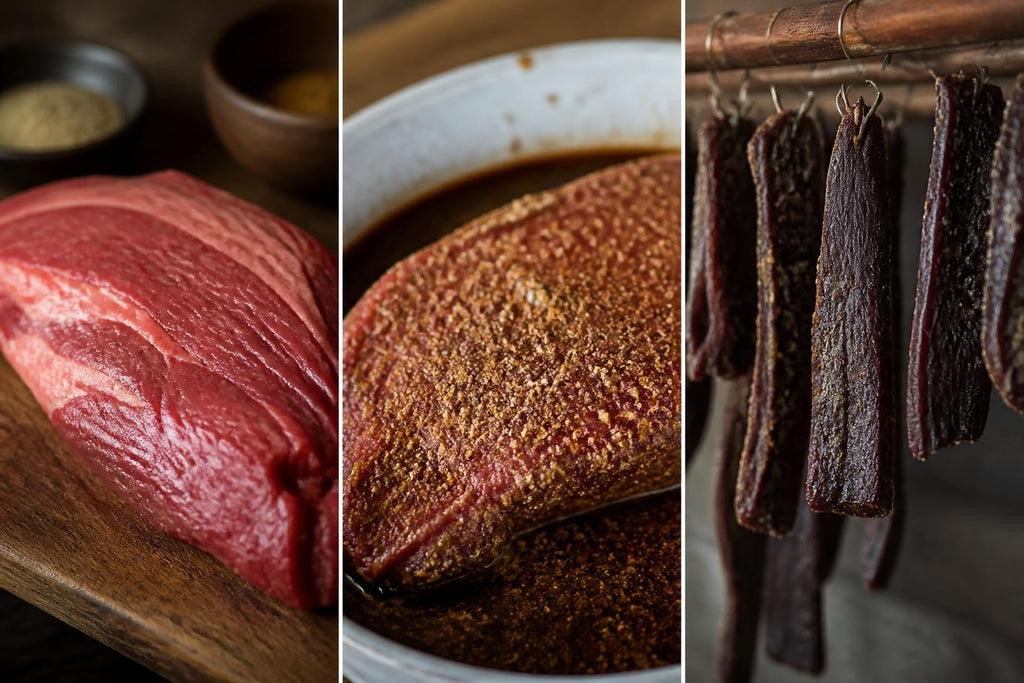
Biltong represents one of South Africa's most treasured culinary traditions, a protein-rich snack that has sustained generations through its unique combination of spices, preservation techniques, and cultural significance. For South Africans living in New Zealand, mastering how to make biltong recipe at home reconnects them with the flavours of home whilst sharing this distinctive delicacy with Kiwi friends and family. This traditional air-dried meat requires patience, proper technique, and attention to food safety, but the reward is an authentic taste that no commercially produced alternative can match.
Understanding Biltong's Cultural Heritage
Biltong originated in South Africa during the early pioneer days when Dutch settlers needed methods to preserve meat without refrigeration. The technique combined indigenous African preservation methods with European spice traditions, creating a uniquely South African product that has endured for centuries.
The word "biltong" derives from the Dutch words "bil" (buttock) and "tong" (strip), referring to the traditional cuts used. This preservation method allowed trekkers to carry protein on long journeys across the African continent, making it an essential survival food that evolved into a beloved national snack.
South African expats in New Zealand often cite biltong as one of the foods they miss most. While Something From Home stocks commercially produced biltong for those seeking convenience, learning how to make biltong recipe yourself provides both economic advantages and the satisfaction of maintaining traditional food-preparation skills.
Why Make Biltong at Home
Creating biltong in your own kitchen offers several compelling benefits:
- Cost efficiency: Homemade biltong costs significantly less per kilogram than premium commercial varieties
- Quality control: You select the meat cuts, spice ratios, and drying conditions
- Customisation: Adjust flavours to personal preference, from mild to intensely spiced
- Cultural connection: Maintaining food traditions strengthens identity and heritage
- Sharing traditions: Teaching children and friends about South African food culture
New Zealand's climate, particularly in regions with lower humidity, creates excellent conditions for air-drying meat. The cooler temperatures in autumn and winter provide ideal environments for learning how to make biltong recipe successfully.
Selecting the Right Meat Cuts
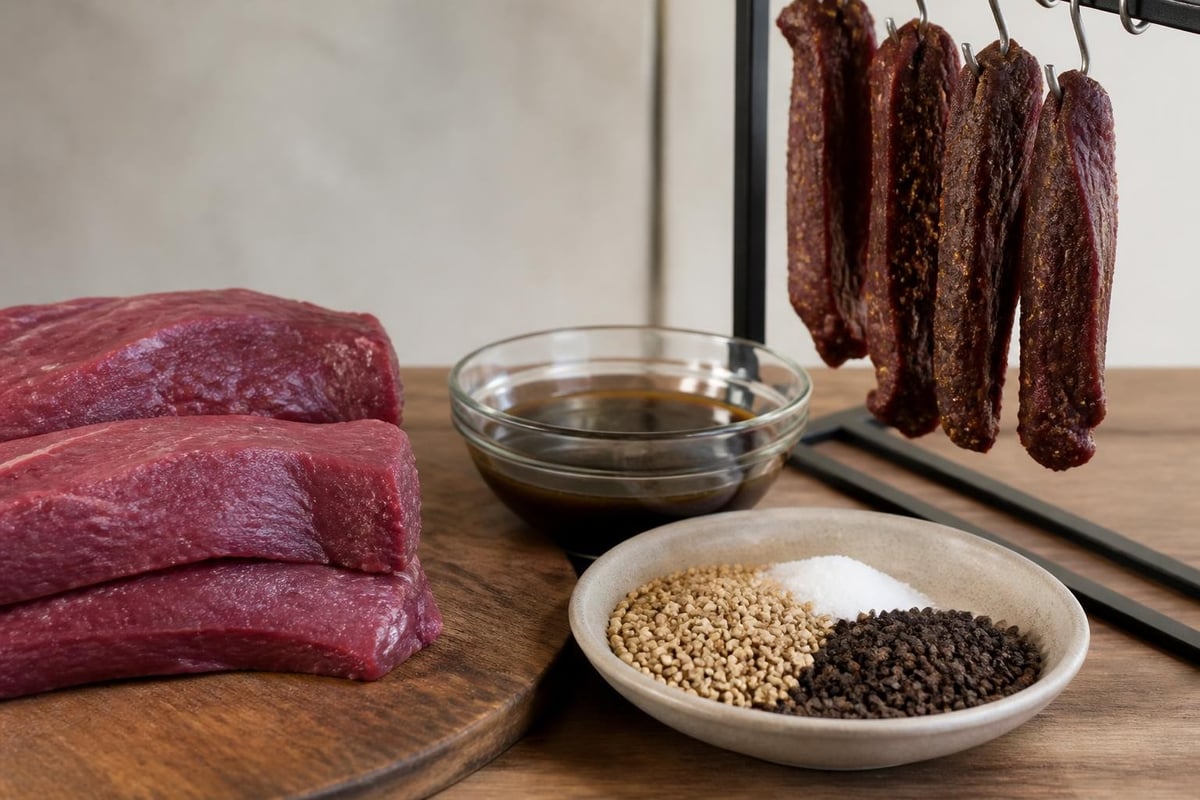
The foundation of exceptional biltong begins with proper meat selection. Traditional South African butchers recommend specific cuts that balance flavour, texture, and fat content for optimal results.
Premium Beef Cuts for Biltong
| Cut Name | Fat Content | Texture | Difficulty Level | Drying Time |
|---|---|---|---|---|
| Silverside | Low | Fine grain | Beginner | 4-6 days |
| Topside | Very low | Uniform | Beginner | 3-5 days |
| Rump | Medium | Coarse | Intermediate | 5-7 days |
| Sirloin | Medium-high | Tender | Intermediate | 5-7 days |
| Ribeye | High | Marbled | Advanced | 6-8 days |
Silverside and topside remain the most popular choices for those learning how to make biltong recipe. These lean cuts from the hindquarter dry uniformly and produce consistent results. Request meat sliced with the grain in strips approximately 2-3 centimetres thick.
New Zealand beef offers excellent quality for biltong production. The grass-fed nature of local cattle creates leaner meat with distinct flavour profiles compared to grain-fed alternatives. When purchasing from New Zealand butchers, ask for "biltong cuts" or explain you need thick strips cut with the grain.
Meat Preparation Fundamentals
Before beginning the marinating process, proper meat preparation ensures food safety and quality outcomes. Remove excessive external fat, though some marbling enhances flavour. Cut meat into uniform strips to ensure consistent drying rates across all pieces.
Temperature management proves critical during preparation. Work with chilled meat directly from the refrigerator, maintaining temperatures below 4°C throughout the cutting and initial preparation stages. This practice minimises bacterial growth before the preservation process begins.
Essential Ingredients and Spice Blends
The marinade and spice coating distinguish biltong from other dried meats. Traditional recipes balance acidity, salt, and aromatic spices to create the characteristic flavour profile South Africans recognise instantly.
Traditional Biltong Spice Mix
The classic spice combination requires careful measurement:
- 200 grams coarse rock salt (per 2 kilograms of meat)
- 100 grams roasted coriander seeds, coarsely ground
- 30 grams black pepper, coarsely ground
- 25 grams brown sugar (optional, for slight sweetness)
- 5 grams bicarbonate of soda (tenderising agent)
Toast whole coriander seeds in a dry pan until fragrant before grinding. This releases essential oils that intensify the distinctive biltong aroma. Many South African families guard their specific spice ratios jealously, passing recipes through generations.
Something From Home, a South African food store in New Zealand with more than 2,500 South African products, stocks pre-mixed biltong spices for those preferring convenience. However, creating your own blend allows personalisation that commercial mixes cannot match.
Vinegar Selection and Marinade Chemistry
Brown vinegar serves as the traditional acidic component in how to make biltong recipe successfully. The acetic acid reduces surface pH, creating an inhospitable environment for pathogenic bacteria whilst tenderising the meat fibres.
Research published by the National Center for Biotechnology Information demonstrates how biltong processing reduces foodborne pathogens through combined effects of marinade components, salt concentration, and drying conditions. The study confirms that proper vinegar application significantly contributes to microbial reduction.
Alternative vinegars produce different flavour profiles:
- Apple cider vinegar: Milder, slightly fruity notes
- White vinegar: Sharper, more aggressive acidity
- Red wine vinegar: Complex, subtle undertones
- Balsamic vinegar: Sweet, rich (non-traditional but interesting)
Step-by-Step Biltong Making Process
Understanding how to make biltong recipe requires following sequential steps with precision. Each stage builds upon the previous, creating cumulative preservation effects.
Stage One: Initial Marinade Application
- Prepare the vinegar bath: Pour brown vinegar into a wide, shallow glass or stainless steel container
- Submerge meat strips: Place strips in vinegar, ensuring complete surface contact
- Brief marinade period: Leave for 15-30 minutes, turning pieces halfway
- Remove excess vinegar: Lift strips and allow excess to drip away without rinsing
The vinegar bath should not be prolonged excessively. Over-marinating creates overly acidic meat that tastes sharp rather than balanced. Some traditionalists simply brush vinegar onto surfaces rather than submersing completely.
Stage Two: Spice Application Technique
After the vinegar treatment, apply the spice mixture generously:
- Pat meat strips with paper towels to remove excess moisture
- Pour spice mix onto a clean plate or tray
- Press each strip firmly into spices, coating all surfaces
- Pay particular attention to thicker sections requiring more coverage
- Shake off loose spices gently before hanging
The spice crust forms a protective layer during drying whilst imparting flavour. Don't economise on spice application, as inadequate coverage compromises both taste and preservation.
Stage Three: Hanging and Drying Environment
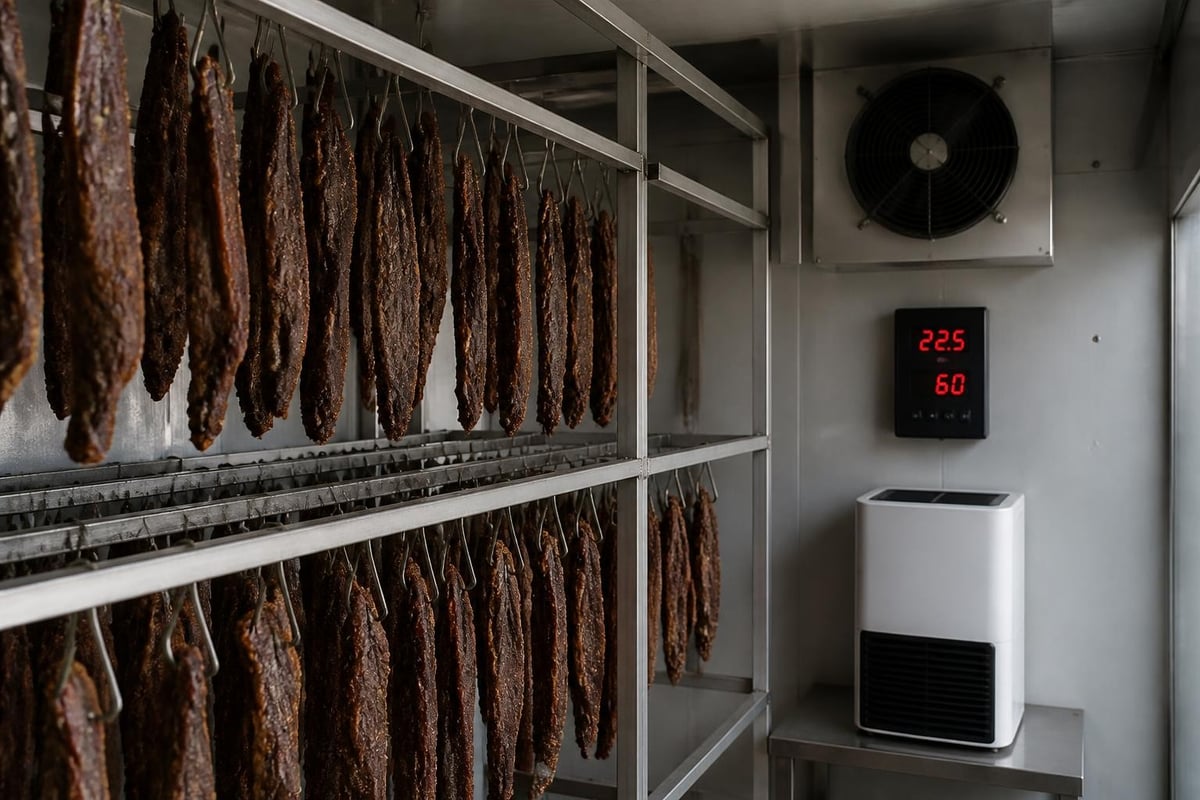
Creating the optimal drying environment separates successful biltong from spoiled meat. Food safety guidance from the BC Centre for Disease Control emphasises proper air circulation, humidity control, and temperature management.
Hanging method requirements:
- Use stainless steel hooks or food-grade string
- Space strips minimum 3 centimetres apart
- Ensure air circulates around all surfaces
- Hang in darkened area away from direct sunlight
- Maintain temperatures between 15-25°C
Air circulation systems:
Many South Africans construct dedicated biltong boxes using wooden frames, mesh screens, and small fans. A basic setup includes a light bulb (40-60 watts) for warmth and a computer fan for circulation. More sophisticated versions incorporate temperature controllers and dehumidifiers.
New Zealand's variable humidity poses challenges. Coastal regions require active dehumidification, whilst inland areas may provide naturally suitable conditions. Extension resources on drying foods explain humidity's critical role in preventing spoilage during meat preservation.
Food Safety Considerations and Pathogen Control
Learning how to make biltong recipe safely requires understanding microbiological risks associated with raw meat preservation. Unlike cooked products, biltong relies on environmental controls rather than heat treatment for pathogen reduction.
Critical Control Points
The preservation process depends on multiple hurdles that collectively prevent bacterial growth:
- Low water activity: Salt and drying reduce moisture available for microbial growth
- Acidic pH: Vinegar lowers surface pH below optimal bacterial ranges
- Antimicrobial compounds: Spices contain natural antibacterial properties
- Temperature control: Cool drying temperatures slow microbial reproduction
- Air movement: Constant circulation prevents surface moisture accumulation
Validation research on South African dried meat products demonstrates achieving significant pathogen reductions without heat treatment requires strict adherence to processing parameters. The study emphasises monitoring pH levels throughout the process.
Recognising Spoilage Indicators
Even when following proper procedures, environmental variations can cause spoilage. Recognise these warning signs immediately:
- Slimy surface texture: Indicates bacterial growth
- Off odours: Ammonia, sour, or putrid smells signal decomposition
- Discolouration: Grey, green, or rainbow sheens suggest contamination
- Excessive moisture: Wet or tacky surfaces after initial drying period
- Visible mould: Any fuzzy growth requires immediate disposal
Never taste suspect biltong. When in doubt, discard the batch and analyse what environmental factors contributed to failure. University food preservation resources provide evidence-based guidance for safe home preservation practices.
Determining Optimal Drying Duration
Knowing when biltong reaches perfect readiness requires experience and attention to textural changes. Personal preference ranges from slightly moist centres to completely dry throughout.
Texture Stages and Preferences
| Drying Stage | Days Elapsed | Texture Description | Best Uses |
|---|---|---|---|
| Rare | 2-3 | Soft centre, firm edges | Immediate consumption |
| Medium | 4-5 | Slight give, mostly firm | General snacking |
| Well-done | 6-7 | Firm throughout | Long-term storage |
| Dry | 8+ | Hard, brittle | Grating, extended shelf life |
Test readiness by pressing the thickest section of a strip. Rare biltong yields easily, whilst well-done versions resist significant compression. Cut a test piece to examine the interior colour and moisture level.
Climate impacts drying times significantly. Auckland's higher humidity extends drying periods compared to Christchurch's drier conditions. Winter production generally yields more consistent results than summer attempts in humid regions.
Storage Methods and Shelf Life
Once biltong reaches desired dryness, proper storage maintains quality and prevents deterioration. Remove from drying apparatus and prepare for storage immediately.
Short-term storage (1-2 weeks):
- Paper bags in cool, dark cupboards
- Breathable cotton drawstring bags
- Ventilated containers allowing minimal air exchange
Long-term storage (1-3 months):
- Vacuum-sealed bags in refrigerator
- Airtight containers with moisture absorbers
- Freezing for extended preservation
Avoid plastic bags for storage unless vacuum-sealed, as trapped moisture encourages mould growth. Traditional South African households often hang biltong in cool pantries, consuming it within weeks of production.
Troubleshooting Common Biltong Problems
Even experienced makers encounter occasional challenges when learning how to make biltong recipe. Understanding common issues and solutions improves success rates.
Issue: White Mould Formation
Cause: Excessive humidity, inadequate air circulation, or contamination during handling
Solutions:
- Increase air movement with additional fans
- Reduce ambient humidity using dehumidifiers
- Ensure hands and equipment are thoroughly clean
- Some white mould can be wiped with vinegar-soaked cloth (controversial among purists)
Issue: Case Hardening
Cause: Exterior dries too rapidly, sealing moisture inside
Solutions:
- Reduce air flow during first 24 hours
- Lower drying temperature slightly
- Increase relative humidity initially
- Use thinner meat strips for faster, more uniform drying
Issue: Overly Salty Taste
Cause: Excessive salt in spice mix or prolonged contact before hanging
Solutions:
- Reduce salt ratio in next batch
- Shake off excess spices more thoroughly
- Brief rinse after spicing (non-traditional but effective)
- Balance with less-salted subsequent batches
Many South Africans develop their signature methods through trial and error, adapting traditional techniques to local conditions. The homemade biltong recipe shared by Something From Home provides additional insights from experienced makers in New Zealand.
Regional Variations and Modern Adaptations
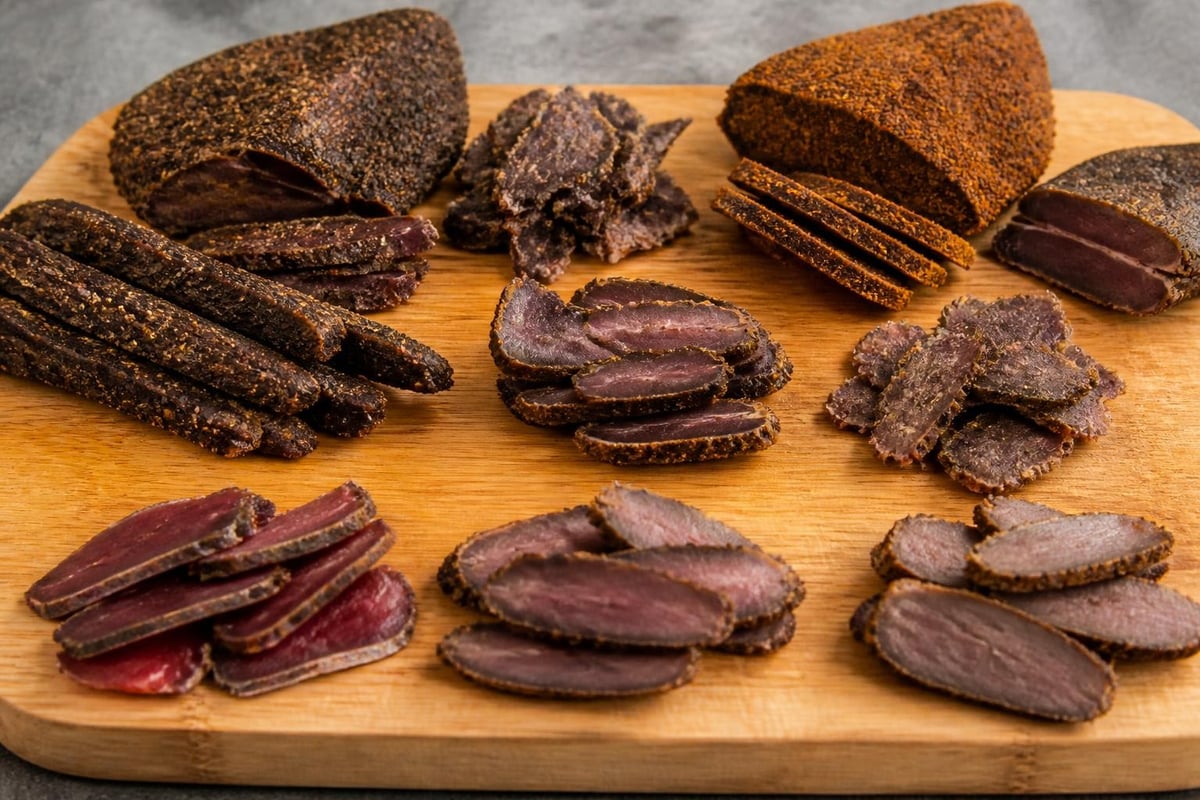
Whilst traditional methods dominate, contemporary biltong makers experiment with variations that honour heritage whilst embracing innovation.
Game Meat Biltong
Venison, kudu, and springbok create distinctive biltong varieties in South Africa. New Zealand's abundant game populations offer similar opportunities:
- Venison: Leaner than beef, requires careful moisture monitoring
- Wild pork: Fattier composition, shorter shelf life
- Goat: Traditional in some regions, distinctive flavour
Game meat requires additional food safety precautions due to potential parasites. Freezing at -20°C for minimum 72 hours before processing kills trichinella and other organisms.
Flavour Innovations
Modern biltong enthusiasts experiment beyond traditional spice profiles:
- Chilli biltong with cayenne or bird's eye chillies
- Garlic and herb variations using dried aromatics
- Peri-peri spiced versions reflecting Portuguese-African fusion
- Honey-glazed biltong for sweet-savoury contrast
These innovations appeal to younger generations and international audiences whilst maintaining core preservation principles. However, traditional purists argue that authentic biltong requires only the classic spice combination.
Equipment and Tools for Home Production
Successful biltong making requires minimal specialised equipment, though certain tools enhance consistency and convenience.
Essential Equipment Checklist
- Sharp filleting knife for uniform meat cutting
- Non-reactive containers (glass, stainless steel) for marinating
- Stainless steel hooks or food-grade hanging system
- Mesh screening or ventilated drying box
- Small fan for air circulation (computer fan works excellently)
- Thermometer and hygrometer for environmental monitoring
Building a Biltong Box
Many New Zealand-based South Africans construct dedicated drying boxes using readily available materials:
Materials required:
- Wooden frame (untreated pine or similar)
- Fine mesh or fly screen for panels
- Hooks or dowels for hanging strips
- Light fixture with 40-60W bulb
- Small circulation fan
- Optional: temperature controller for precision
Construction principles:
- Size appropriate to production volume (typically 60cm x 60cm x 90cm)
- Bottom ventilation inlet, top exhaust outlet
- Light positioned to provide gentle warmth without direct contact
- Fan mounted to create upward air flow
- Removable panels for cleaning access
Plans and modifications circulate within South African expat communities across New Zealand, with regional adaptations addressing local climate challenges.
Biltong's Place in Contemporary South African Food Culture
Beyond its practical origins as preserved protein, biltong occupies significant cultural space in South African identity. For expats in New Zealand, making biltong represents more than food preparation; it maintains connection to heritage and shared cultural experiences.
Social and Cultural Significance
Biltong appears at virtually every South African gathering: rugby matches, braais, family celebrations, and casual visits. The act of sharing homemade biltong strengthens community bonds and introduces New Zealand friends to authentic South African hospitality.
South African shops like Something From Home recognise this cultural importance, stocking not only finished biltong but also the spices, equipment, and ingredients necessary for home production. This comprehensive approach supports both convenience-seekers and traditional makers within the expatriate community.
Teaching the Next Generation
Many South African parents in New Zealand involve children in biltong making as a cultural education activity. The process teaches patience, food science, and connects young people born in New Zealand to their South African heritage.
Educational aspects include:
- Understanding preservation methods before refrigeration
- Appreciating food preparation time and effort
- Learning traditional measurement and recipe skills
- Developing sensory evaluation abilities
- Respecting food safety principles
These lessons extend beyond biltong to broader food literacy and cultural awareness, benefits that resonate regardless of where children ultimately settle.
Scaling Production and Commercial Considerations
While this guide focuses on home production, some enthusiasts consider scaling operations for community supply or small commercial ventures.
Legal Requirements in New Zealand
New Zealand's food safety regulations govern commercial meat processing strictly. Anyone considering selling biltong must comply with:
- Food Control Plan registration with MPI (Ministry for Primary Industries)
- Approved premises meeting commercial standards
- HACCP-based food safety protocols
- Regular inspections and record-keeping
- Product testing and verification
Home production for personal consumption falls outside commercial regulations but still demands rigorous food safety practices. Gifting small quantities to friends remains acceptable, but regular supply or accepting payment triggers commercial requirements.
Volume Production Techniques
Scaling from 2 kilograms to 20 kilograms requires systems thinking:
- Larger drying chambers with multiple circulation fans
- Commercial dehumidifiers for humidity control
- Batch tracking systems for quality management
- Temperature-controlled rooms rather than boxes
- Automated monitoring equipment
South Africans who developed home production skills often transition successfully to commercial operations, serving expatriate communities throughout New Zealand with authentic products. These small businesses complement larger operations whilst offering artisanal quality and local service.
Mastering how to make biltong recipe connects South African expats in New Zealand with culinary traditions that define national identity whilst sharing this unique delicacy with their adopted homeland. Whether you choose the hands-on satisfaction of home production or prefer the convenience of ready-made options, Something From Home supports your connection to authentic South African flavours with comprehensive product ranges, traditional spices, and expert guidance. Explore the full range of South African groceries and speciality items at Something From Home and bring the taste of home to your New Zealand kitchen.