Dainties: South African Sweet Treats & Baking Traditions
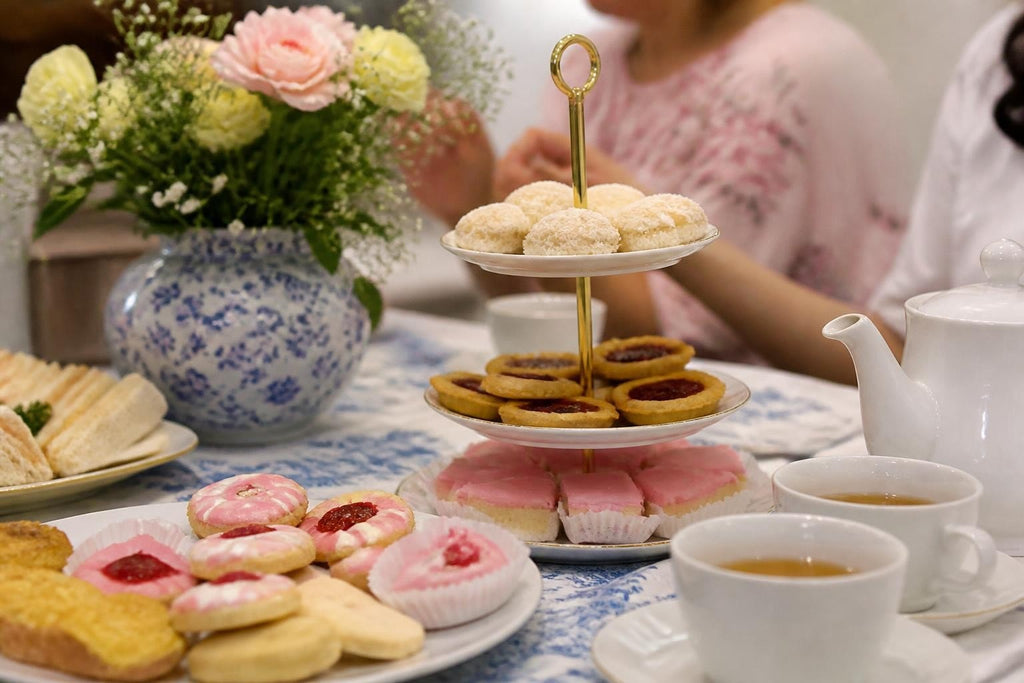
The term "dainties" evokes images of delicate, beautifully crafted sweet treats that occupy a special place in South African culinary tradition. For many South Africans now living in New Zealand, these small confections represent more than just dessert-they're a connection to childhood memories, family gatherings, and the warmth of home. Whether served at afternoon tea, weddings, or church bazaars, dainties have been a cornerstone of South African hospitality for generations. Understanding what makes these treats special requires exploring their origins, varieties, and the cultural significance they hold within the broader context of South African food heritage.
Understanding the Term "Dainties" in South African Context
The word dainty refers to something delicate, small, and pleasing, particularly in the culinary world. In South African usage, dainties specifically denotes small, sweet baked goods typically served at social gatherings, tea parties, and special occasions. These confections differ from everyday cakes or biscuits through their refined presentation, smaller portion sizes, and the care invested in their preparation.
Regional Variations and Historical Context
Interestingly, the term "dainties" appears in various English-speaking regions with nuanced meanings. The historical usage in Canadian prairie provinces shows how regional dialects shape culinary terminology. Similarly, Scottish confectionery traditions used "penny dainties" to describe small sweets, demonstrating the word's evolution across different cultures.
In South Africa, dainties emerged as a distinct category influenced by British colonial tea culture, Dutch baking traditions, and local ingredients. The result is a unique fusion that reflects the country's diverse heritage.
Types of Traditional South African Dainties
South African dainties encompass a wide range of sweet treats, each with distinct characteristics and preparation methods.
Classic Baked Varieties
Small cakes and tartlets form the foundation of any dainty selection:
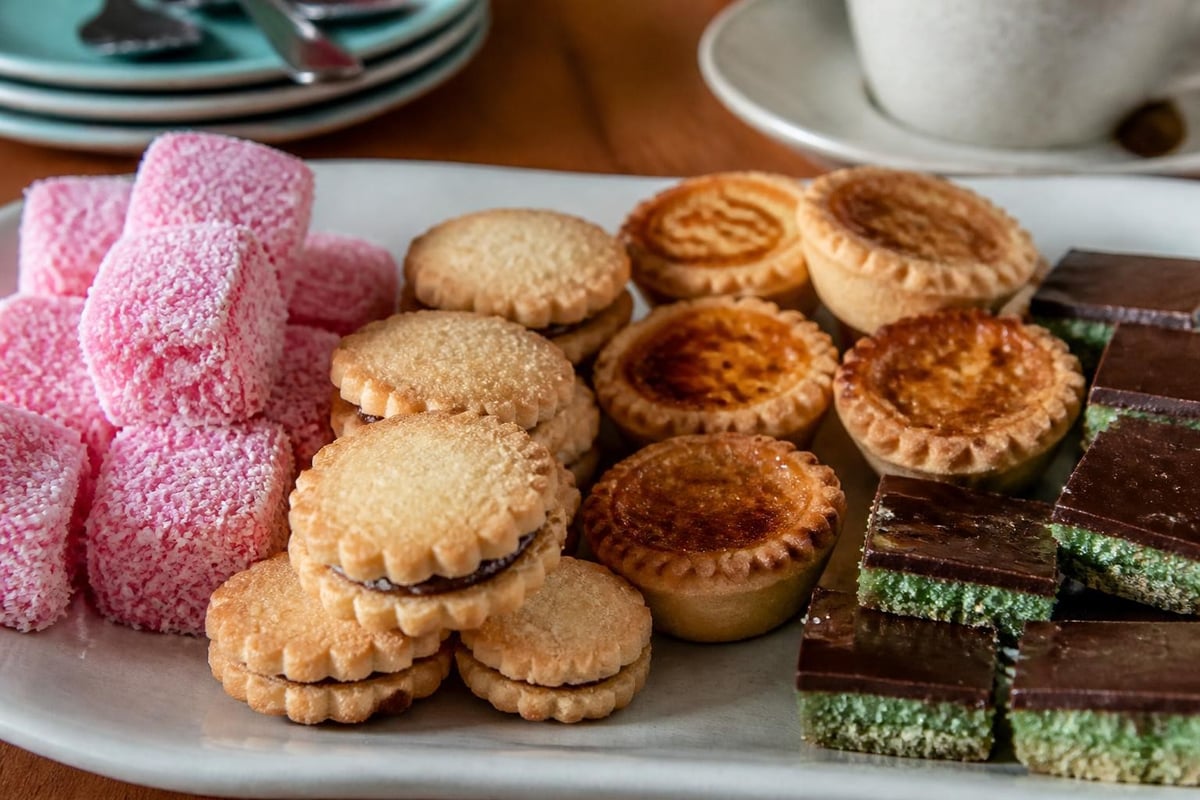
- Coconut ice squares with their vibrant pink and white layers
- Peppermint crisp squares that combine chocolate and mint flavours
- Hertzoggie cookies featuring apricot jam and coconut topping
- Mini milk tarts with their distinctive cinnamon-dusted custard filling
- Date squares packed with wholesome ingredients
For South Africans in New Zealand craving these nostalgic treats, date squares remain a popular choice that's relatively simple to recreate at home.
No-Bake Dainties
Not all dainties require oven time. Several beloved South African treats use refrigeration instead:
- Chocolate salami with its distinctive marbled appearance
- Peppermint crisp tart layers
- Fridge tart variations with Tennis biscuit bases
- Coconut ice made with condensed milk
The peppermint crisp tart exemplifies how iconic South African chocolate bars can transform into stunning no-bake dainties that impress at any gathering.
The Connection to Petit Fours and European Pastry Traditions
South African dainties share characteristics with French petits fours, those miniature confections served at the end of formal meals. The Oxford Companion to Food categorises petits fours into three types: glacé (iced), sec (dry), and frais (fresh). South African dainties often blur these categories, combining techniques from multiple traditions.
Professional Techniques Applied to Home Baking
While professional pastry guides detail advanced techniques for creating perfect petit fours, South African home bakers have adapted these methods to suit local tastes and available ingredients. The emphasis remains on creating visually appealing, bite-sized portions that showcase both skill and creativity.
Key techniques include:
- Precise cutting to ensure uniform sizes
- Smooth glazing or icing application
- Careful tempering of chocolate for decorative elements
- Strategic layering for visual impact
- Thoughtful flavour balancing
Cultural Significance in South African Society
Dainties occupy a meaningful position within South African social customs and traditions. They represent hospitality, celebration, and community connection.
Church Bazaars and Fundraising
Church bazaars throughout South Africa have long featured dainties as star attractions. Women's groups would spend days preparing hundreds of small treats, creating elaborate displays that showcased their baking prowess whilst raising funds for worthy causes. This tradition fostered community bonds and preserved baking knowledge across generations.
Wedding Receptions and Special Occasions
South African weddings traditionally feature extensive dainty platters alongside the main cake. The variety demonstrates the host's generosity and attention to detail. Guests expect to see familiar favourites alongside creative new variations, making the dainty table a focal point of reception refreshments.
| Occasion | Typical Dainty Selection | Serving Style |
|---|---|---|
| Afternoon Tea | 3-4 varieties, light flavours | Tiered cake stands |
| Wedding Reception | 8-12 varieties, diverse flavours | Large platters, individual serving |
| Church Bazaar | 15+ varieties, wrapped for sale | Individual packaging |
| Birthday Party | 5-6 varieties, child-friendly | Casual platters |
Making Dainties at Home: Essential Ingredients
Creating authentic South African dainties in New Zealand presents unique challenges, particularly regarding specialty ingredients. Many recipes rely on specific South African products that may not be readily available in standard New Zealand supermarkets.
Sourcing South African Ingredients in New Zealand
For South Africans seeking authentic ingredients, Something From Home operates as a dedicated South African food store in New Zealand, stocking more than 2,500 South African products. This accessibility allows home bakers to recreate traditional dainties with genuine ingredients rather than substitutions.
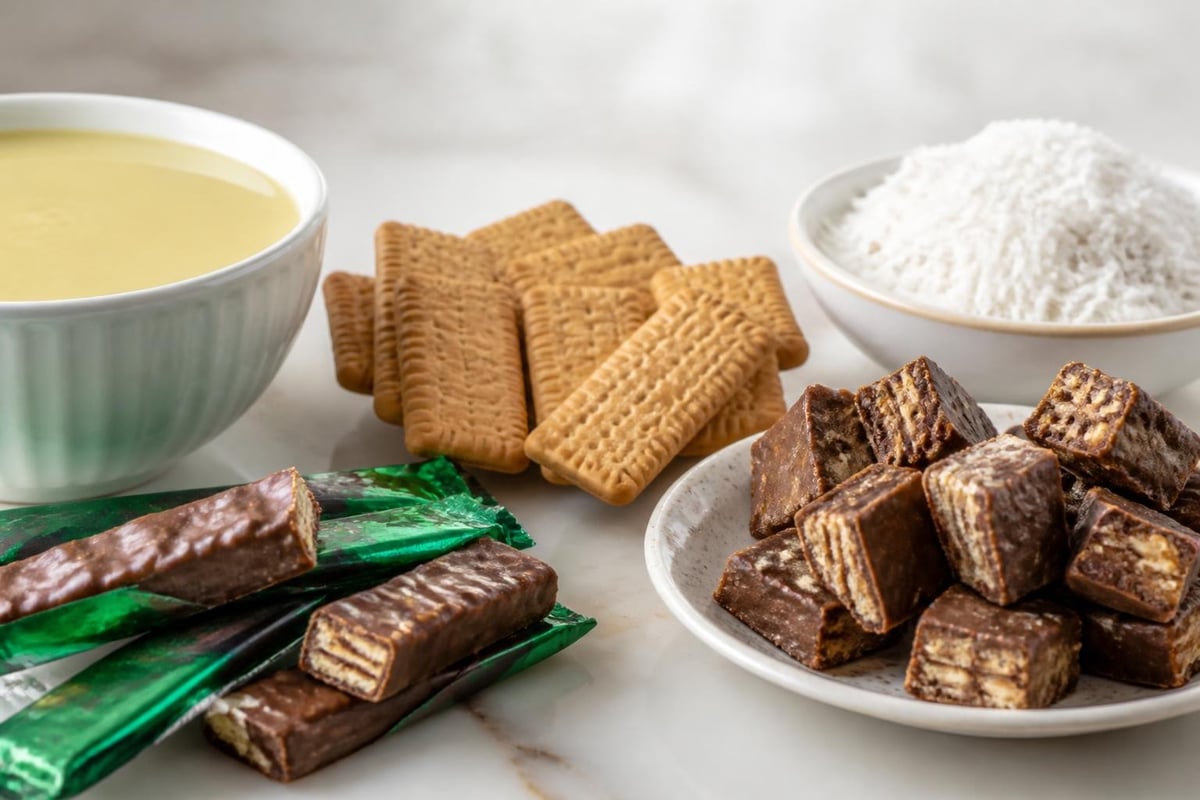
Essential South African baking ingredients include:
- Condensed milk (specific South African brands)
- Tennis biscuits for tart bases
- Peppermint Crisp chocolate bars
- Coconut (desiccated, medium or fine)
- Apricot jam (proper consistency for baking)
- Food colouring in traditional shades
Equipment and Preparation
Beyond ingredients, successful dainty-making requires appropriate tools and careful preparation:
- Sharp knives for clean cuts
- Quality baking tins in various sizes
- Palette knives for smooth icing
- Piping bags for decorative touches
- Accurate measuring tools
Popular Dainty Recipes for Home Bakers
Several South African dainty recipes have achieved legendary status, passed down through families and adapted across generations.
Coconut Ice
This vibrant treat combines condensed milk, icing sugar, and desiccated coconut, typically coloured pink and white. The simplicity belies its impact-coconut ice remains a bazaar bestseller and childhood favourite.
Basic proportions:
- 500g icing sugar
- 400g condensed milk
- 250g desiccated coconut
- Pink food colouring for half the mixture
- Vanilla essence for flavour enhancement
Hertzoggie Cookies
These jam-filled cookies topped with coconut meringue represent traditional Afrikaner baking at its finest. The name honours General J.B.M. Hertzog, though the exact origin story remains debated. What's certain is their enduring popularity across South African communities.
Peppermint Crisp Squares
Using the iconic Peppermint Crisp chocolate bar, these no-bake squares layer caramel, cream, and crushed chocolate for an intensely flavourful result. They exemplify how commercial confectionery integrates into home baking traditions.
The Evolution of Dainties in Modern South African Cuisine
Contemporary South African bakers continue evolving dainty traditions, incorporating new flavours whilst respecting classic foundations.
Health-Conscious Adaptations
Modern dietary preferences have influenced dainty recipes:
- Sugar-free versions using alternative sweeteners
- Gluten-free bases using almond or coconut flour
- Vegan adaptations replacing dairy components
- Reduced-size portions for calorie-conscious consumers
Fusion Flavours
Innovative bakers blend traditional dainty formats with contemporary flavour profiles, creating exciting variations:
- Rooibos-infused fridge tarts
- Amarula-flavoured chocolate treats
- Biltong-chocolate combinations (savoury-sweet fusion)
- Chilli-chocolate squares for adventurous palates
Preserving Traditions in the South African Diaspora
For South Africans living abroad, particularly in New Zealand, maintaining baking traditions provides tangible connections to their heritage. The act of making dainties becomes more than culinary-it's cultural preservation.
Teaching the Next Generation
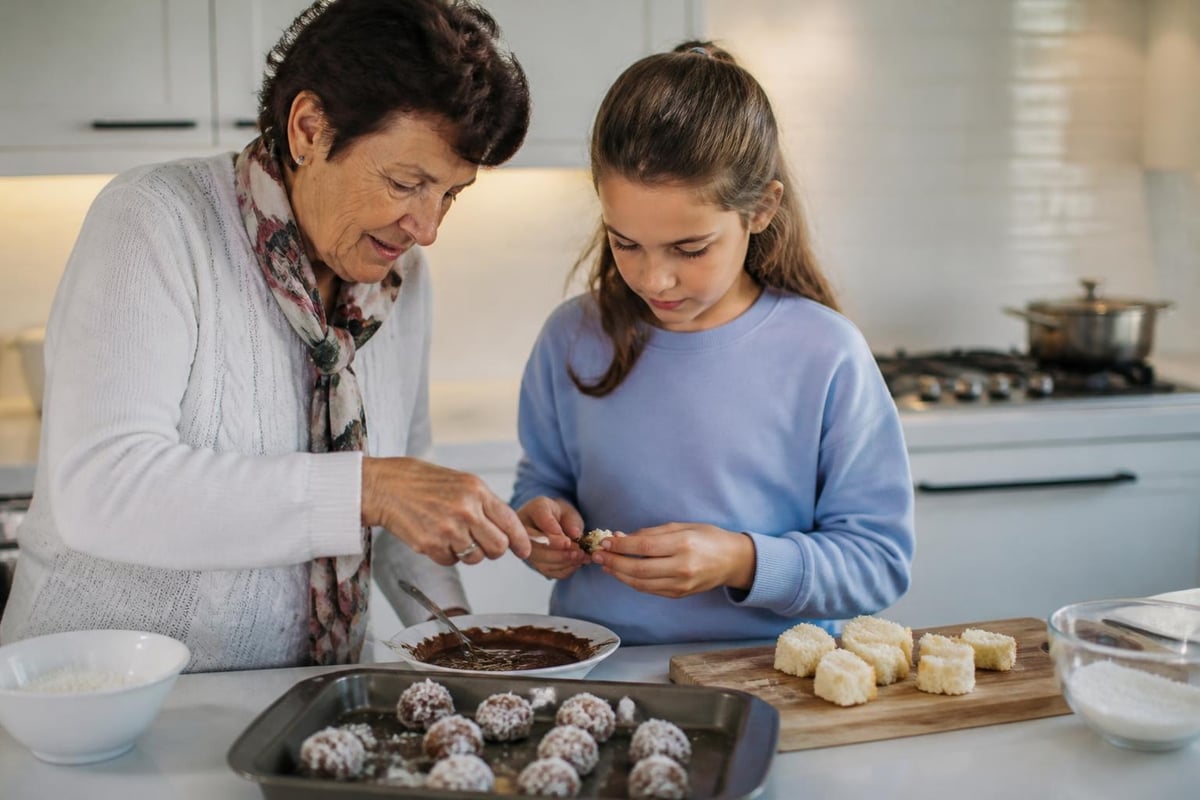
Many South African expatriates prioritise teaching their New Zealand-born children traditional recipes. These baking sessions transmit cultural knowledge, language (through recipe terminology), and family history alongside practical skills.
Community Gatherings and Cultural Events
South African communities in New Zealand often organise gatherings where traditional foods, including dainties, feature prominently. These events strengthen community bonds whilst sharing South African culture with broader New Zealand society.
Popular occasions include:
- Heritage Day celebrations (September 24th)
- Christmas gatherings with traditional foods
- Fundraising events supporting South African causes
- Informal potluck dinners among expatriate friends
Shopping for South African Products in New Zealand
The availability of authentic South African ingredients significantly impacts the ability to recreate traditional dainties. New Zealand's multicultural food landscape has expanded considerably, yet specific South African products remain specialised.
The Role of Specialist Importers
Businesses dedicated to importing South African goods fill crucial gaps in the market. These suppliers understand the specific products expatriates seek and maintain connections with South African manufacturers to ensure consistent availability.
For those seeking comprehensive selections, a South African shop offering online ordering with delivery throughout New Zealand provides convenience alongside authenticity. This accessibility means home bakers in Auckland, Wellington, Christchurch, or smaller centres can access identical ingredients to those used in Johannesburg or Cape Town.
Building Your South African Pantry
Establishing a well-stocked pantry of South African staples enables spontaneous baking:
| Product Category | Essential Items | Usage in Dainties |
|---|---|---|
| Biscuits | Tennis, Marie | Tart bases, crumb layers |
| Chocolate | Peppermint Crisp, Bar One | Fillings, toppings, decoration |
| Condiments | Apricot jam, condensed milk | Sweeteners, binders, flavourings |
| Dried Goods | Coconut, icing sugar | Core ingredients across recipes |
| Flavourings | Vanilla, peppermint essence | Flavour enhancement |
Packaging and Presentation
South African dainties aren't just about taste-presentation plays an essential role in their appeal and traditional service.
Traditional Serving Methods
Historically, dainties appeared on:
- Doily-lined serving platters
- Tiered cake stands for formal teas
- Individual cupcake cases for portable servings
- Decorative tins for gifting
Modern Presentation Trends
Contemporary approaches maintain elegance whilst embracing practicality:
- Clear cellophane bags tied with ribbon for individual pieces
- Compartmentalised boxes preventing damage during transport
- Colour-coordinated arrangements by flavour or type
- Sustainable packaging options using recyclable materials
Seasonal Variations and Holiday Specials
While many dainties remain year-round staples, certain treats associate strongly with specific seasons or holidays.
Christmas Specialties
December brings intensified dainty production as families prepare for summer gatherings:
- Increased chocolate varieties (despite warm weather)
- Fresh fruit tarts using summer produce
- Coconut variations perfect for outdoor entertaining
- Frozen dainties adapting to summer conditions
Winter Warmers
Cooler months inspire richer, more substantial treats:
- Sticky toffee pudding adapted into bite-sized portions
- Dense chocolate brownies cut small
- Ginger-spiced variations providing warming elements
- Caramel-heavy options for comfort eating
The Economics of Home Baking Versus Purchasing
South Africans in New Zealand face decisions about whether to bake dainties themselves or purchase them ready-made.
Cost Considerations
Home baking advantages:
- Lower per-unit cost when making large batches
- Ability to control ingredients and quality
- Customisation to dietary requirements or preferences
- Therapeutic value and skill development
Purchasing considerations:
- Time savings for busy families
- Access to professional techniques and presentation
- Convenience for unexpected occasions
- Support for small businesses and local bakers
Time Investment
Creating dainties requires significant time investment:
- Recipe research and planning (30-60 minutes)
- Ingredient sourcing and shopping (1-2 hours)
- Preparation and baking (2-4 hours depending on complexity)
- Cooling and setting time (2-8 hours)
- Decorating and packaging (1-2 hours)
Troubleshooting Common Dainty-Making Challenges
Even experienced bakers encounter difficulties when creating dainties, particularly when adapting to New Zealand conditions.
Humidity and Temperature Issues
New Zealand's climate differs significantly from many South African regions, affecting baking outcomes:
- Higher humidity impacts coconut ice setting times
- Temperature fluctuations during cooling affect chocolate work
- Storage challenges in humid coastal areas
- Ingredient behaviour changes requiring recipe adjustments
Ingredient Substitutions
When authentic South African ingredients prove unavailable, bakers must adapt:
| South African Product | NZ Substitute | Impact on Result |
|---|---|---|
| Tennis biscuits | Malt biscuits | Similar texture, different flavour |
| Peppermint Crisp | After Eight mint chocolate | Different texture, comparable taste |
| Specific condensed milk | Local brands | Slight sweetness variation |
| South African coconut | Standard desiccated | Minimal difference |
Dainties in Contemporary Food Culture
The place of dainties within modern South African food culture continues evolving as new generations reinterpret traditions.
Social Media Influence
Instagram and Pinterest have transformed how home bakers approach dainties:
- Increased emphasis on visual appeal and photography
- Viral recipe trends spreading rapidly across communities
- International influences merging with traditional methods
- Documentation and sharing of family recipes previously kept private
Professional Opportunities
Skilled home bakers increasingly monetise their talents, creating micro-businesses around dainty production:
- Custom orders for weddings and events
- Market stall sales at farmers markets
- Online stores with delivery services
- Catering specialisations focusing on traditional treats
Maintaining Quality and Food Safety
When preparing dainties for sale or large gatherings, food safety becomes paramount.
Storage Requirements
Different dainty types demand specific storage conditions:
- Refrigerated items requiring consistent cool temperatures
- Chocolate-based treats needing protection from heat
- Shelf-stable varieties with appropriate packaging
- Frozen options for extended storage periods
Shelf Life Considerations
Understanding how long dainties remain fresh ensures quality and safety:
- Fresh cream-based dainties: 2-3 days refrigerated
- Chocolate and caramel varieties: 1-2 weeks in cool storage
- Baked, non-cream items: 5-7 days in airtight containers
- Frozen dainties: 1-3 months with proper wrapping
Dainties represent a cherished aspect of South African culinary heritage, connecting expatriates to their roots through familiar flavours and traditions. For South Africans in New Zealand seeking authentic ingredients to recreate these beloved treats, Something From Home provides access to more than 2,500 South African products, ensuring your dainties taste just like home. Whether you're preparing for a special occasion or simply craving a nostalgic taste of South Africa, having access to genuine ingredients makes all the difference in capturing those authentic flavours that define true South African dainties.