Jaffle: South African Comfort Food with Heritage
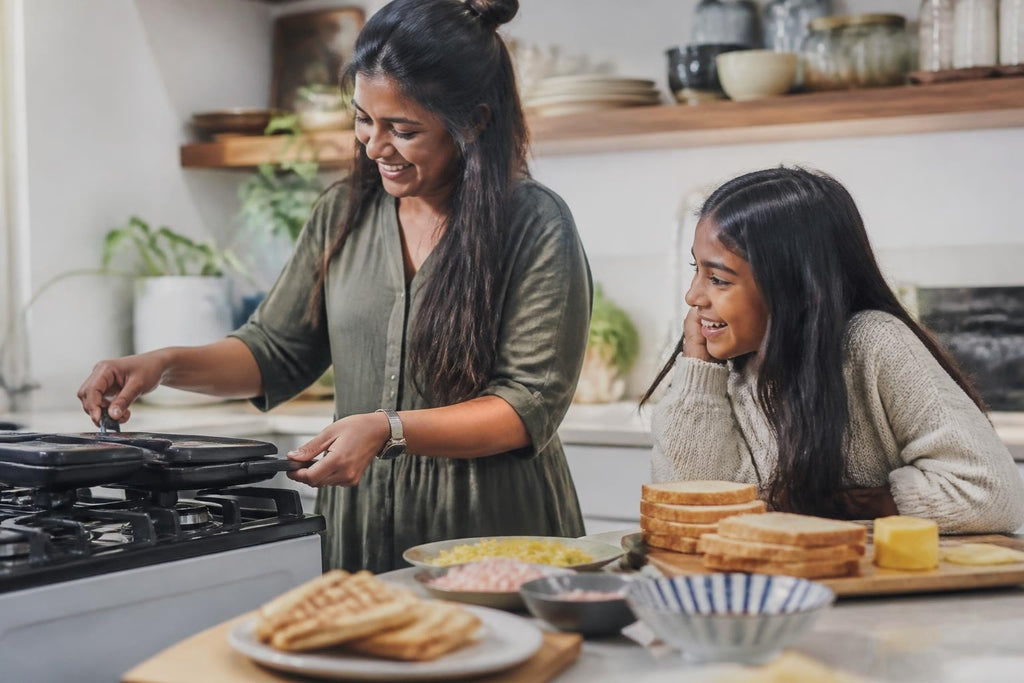
The humble jaffle holds a special place in South African food culture, representing more than just a toasted sandwich. For South Africans living in New Zealand, this sealed, golden-crusted creation evokes memories of Sunday lunches, camping trips, and quick weeknight dinners around the family table. Understanding the jaffle's heritage and versatility helps explain why it remains such a cherished comfort food for expats seeking familiar tastes far from home.
The Heritage and History of the Jaffle
The term "jaffle" originated in Australia, where Dr Ernest E. Smithers patented his design for a jaffle iron in 1949, sparking what became known as the jaffle craze. However, the concept of sealed toasted sandwiches extends much further back. The pie iron device has been used across multiple continents under various names, including pudgy pie in North America and toastie in Britain.
South Africa embraced the jaffle enthusiastically during the mid-twentieth century, integrating it into braai culture and family cooking traditions. The device became a staple in South African households, particularly for preparing quick meals and for outdoor cooking adventures.
Cultural Significance in South African Homes
In South African kitchens, the jaffle iron sits alongside other essential cooking equipment. Families developed their own signature recipes, passing them down through generations. The beauty of the jaffle lies in its simplicity: two slices of bread, a filling, and heat create a self-contained meal.
Key characteristics that made jaffles popular in South Africa:
- Quick preparation time suited busy family schedules
- Minimal ingredients required for satisfying meals
- Perfect for using leftover braai meat or vegetables
- Portable and ideal for camping trips
- Child-friendly format that encouraged picky eaters
The jaffle became intertwined with South African social occasions, from beachside holidays to mountain camping expeditions. Many South Africans recall making jaffles over open fires during school camps or family getaways.
Understanding Jaffle Equipment and Techniques
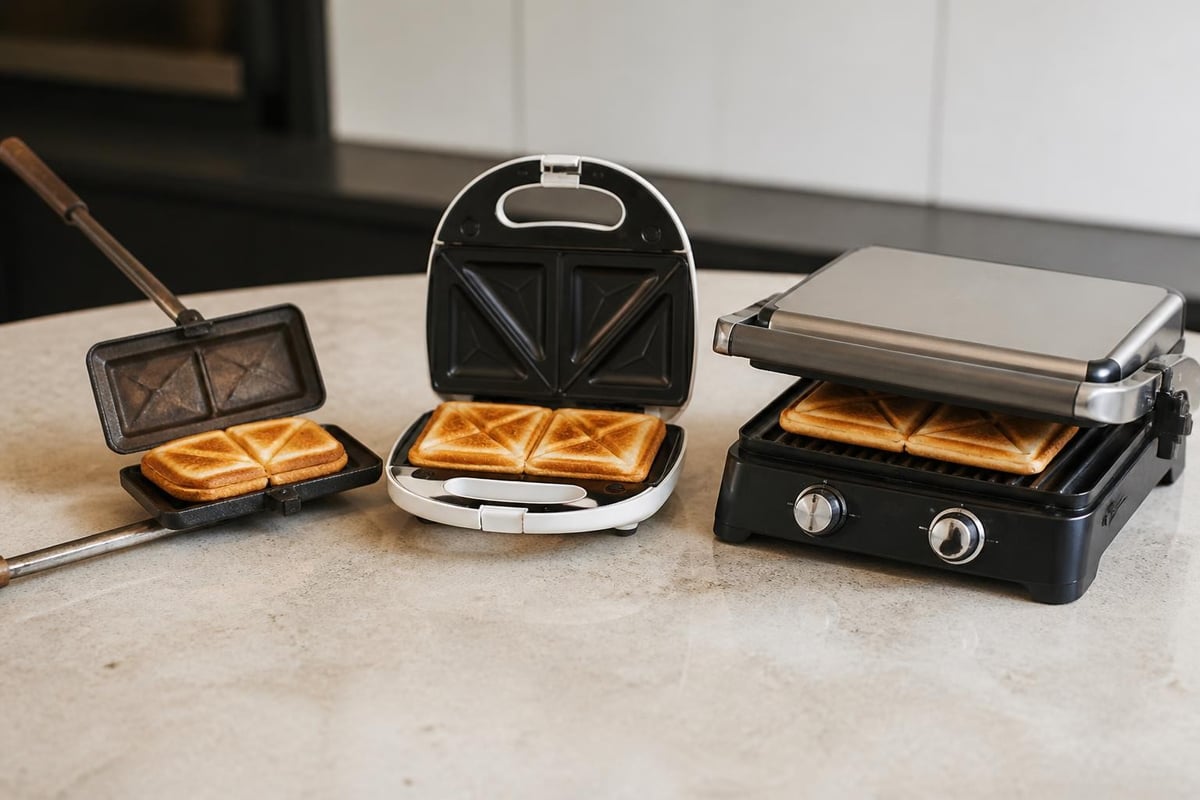
Modern jaffle makers come in various forms, from traditional cast-iron irons held over flames to electric sandwich presses with non-stick surfaces. Each type offers distinct advantages depending on your cooking environment and preferences.
| Equipment Type | Heat Source | Best For | Typical Price Range |
|---|---|---|---|
| Cast-iron jaffle iron | Open flame/coals | Camping, braais, authentic taste | $30-$80 NZD |
| Electric jaffle maker | Electricity | Home kitchens, consistent results | $40-$120 NZD |
| Stovetop jaffle iron | Gas/electric hob | Indoor cooking, compact storage | $25-$60 NZD |
| Sandwich press (multi-function) | Electricity | Versatility, multiple servings | $60-$200 NZD |
When selecting equipment, consider your primary use case. Consumer guides on sandwich presses highlight factors like heat distribution, ease of cleaning, and durability.
Mastering the Perfect Seal
The defining feature of a proper jaffle is the sealed edge that keeps fillings contained while creating crispy, caramelised crusts. Achieving this requires proper technique:
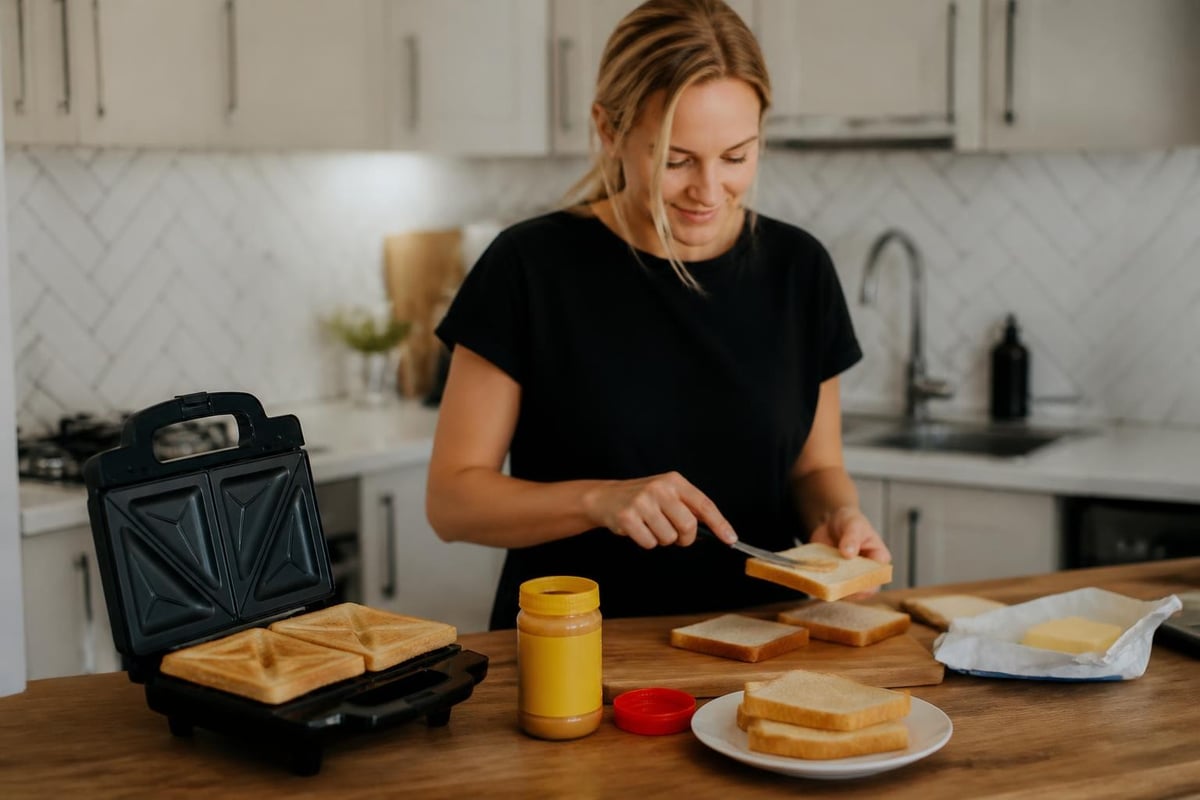
- Butter the outside of your bread to promote golden browning and prevent sticking
- Leave space around the edges for the seal to form properly
- Avoid overfilling which can cause leakage and messy cleanup
- Apply even pressure when closing the iron to ensure complete sealing
- Monitor heat carefully to prevent burning while ensuring thorough cooking
Temperature control matters significantly. Too hot, and you'll burn the bread before melting the cheese; too cool, and you'll end up with pale, soggy results. Cast-iron jaffle irons used over coals or campfires require regular rotation for even cooking.
Classic South African Jaffle Recipes
Traditional South African jaffle fillings reflect the country's diverse culinary influences and practical cooking approach. These recipes use readily available ingredients to create satisfying meals.
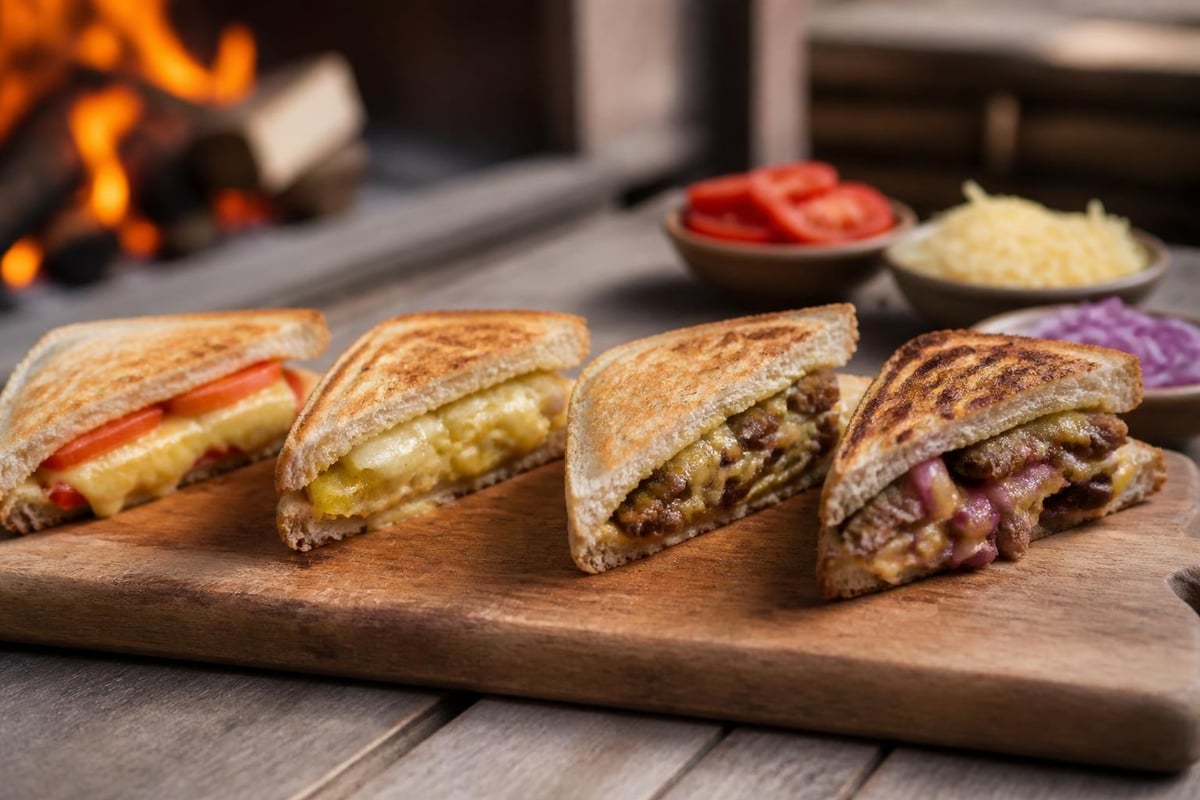
Cheese and Tomato Jaffle
The foundational jaffle recipe remains cheese and tomato. This simple combination creates the benchmark against which all other jaffles are measured.
Ingredients:
- 2 slices white or brown bread
- Cheddar cheese, grated
- Fresh tomato slices
- Salt and pepper
- Butter for coating
Layer cheese, tomato slices, and seasoning between buttered bread. The tomato's moisture balances the richness of melted cheese while adding fresh flavour.
Braai Leftover Jaffles
South Africans excel at repurposing braai leftovers into next-day jaffles. Boerewors, steak, or chicken pieces combine beautifully with cheese, onions, and barbecue sauce for hearty sandwiches.
This practice aligns perfectly with the South African approach to minimising food waste while maximising flavour. The sealed jaffle format works brilliantly for containing saucy, messy fillings that would otherwise drip everywhere.
Curried Mince Jaffle
Spiced mince filling represents another South African favourite. Leftover mince curry becomes an excellent jaffle filling when combined with chutney and cheese. The sealed edges prevent the curry from escaping while the bread absorbs flavourful juices.
Modern Jaffle Innovation and Global Influences
While traditional recipes maintain their popularity, contemporary cooks have embraced creative experimentation. Modern culinary approaches to jaffle makers demonstrate the device's versatility beyond classic combinations.
Innovative filling categories gaining popularity:
- Asian-inspired combinations like dan dan noodle jaffles
- Mediterranean ingredients including feta, olives, and roasted vegetables
- Breakfast jaffles with eggs, bacon, and hash browns
- Dessert jaffles featuring chocolate, marshmallows, and fruit
- Vegan options using plant-based cheeses and proteins
These innovations demonstrate the jaffle's adaptability to contemporary dietary preferences and global flavour profiles. The fundamental technique remains unchanged while the ingredient possibilities expand infinitely.
Sweet Jaffles for Dessert
Sweet jaffles deserve special mention for their nostalgic appeal and crowd-pleasing qualities. Classic combinations include:
- Chocolate and banana with a sprinkle of cinnamon
- Apple and cinnamon with a drizzle of honey
- Peanut butter and jam sealed into golden pockets
- Chocolate spread melted between crispy bread
- Condensed milk and coconut for tropical sweetness
Children particularly love sweet jaffles, making them excellent options for school holiday activities or family desserts. The sealed format prevents sticky fillings from creating excessive mess.
Jaffle Culture for South Africans in New Zealand
South Africans relocating to New Zealand often find themselves craving familiar comfort foods that remind them of home. The jaffle represents one such culinary tradition that travels well across continents. For insights on living in New Zealand as a South African expat, understanding which food traditions can be maintained helps ease the transition.
| Challenge | Solution |
|---|---|
| Finding familiar ingredients | Shop at specialty South African stores |
| Locating jaffle equipment | Purchase online or bring from South Africa |
| Recreating authentic flavours | Source proper South African condiments and spices |
| Sharing culture with Kiwi friends | Host jaffle-making gatherings |
The beauty of jaffle making lies in its communal aspect. Setting up a jaffle station during gatherings allows guests to create personalised combinations while sharing stories and traditions.
Camping Jaffles in New Zealand's Outdoors
New Zealand's spectacular camping locations provide perfect opportunities for traditional campfire jaffle cooking. The jaffle iron proves ideal for campfire treats, whether you're camping in Fiordland or the Coromandel Peninsula.
Cast-iron jaffle irons work exceptionally well over open flames, imparting subtle smoky flavours that enhance the overall experience. This cooking method connects directly to South African braai culture, making it particularly meaningful for expats.
Essential tips for camping jaffles:
- Pre-butter bread at home to simplify campsite preparation
- Pack fillings in sealed containers to prevent spoilage
- Bring extra bread as jaffles always prove more popular than expected
- Use long-handled jaffle irons to keep hands safely away from flames
- Allow coals to reach optimal temperature before cooking
Sourcing Authentic South African Ingredients in New Zealand
Creating authentic South African jaffles in New Zealand requires access to familiar ingredients. While basic components like bread and cheese are readily available, certain flavour elements prove harder to source locally.
Key South African Products for Authentic Jaffles
Chutney varieties, particularly Mrs Ball's, add distinctive South African character to savoury jaffles. These condiments aren't typically found in mainstream New Zealand supermarkets, making specialty importers essential for expats.
Something From Home stocks more than 2,500 South African products, including condiments, spices, and ingredients that help recreate authentic flavours. This South African food store in New Zealand understands the importance of familiar tastes for expats.
Essential South African ingredients for jaffles:
- Mrs Ball's Chutney for sweet-spicy depth
- Biltong pieces for protein-rich fillings
- Boerewors when available fresh or frozen
- South African cheese varieties
- Aromat seasoning for savoury enhancement
Access to authentic ingredients transforms ordinary jaffles into taste memories that transport you home. The difference between using local substitutes and genuine South African products significantly impacts the final result.
Building Your South African Pantry
Stocking a South African grocery selection ensures you can create authentic jaffles whenever the craving strikes. Essential pantry items extend beyond jaffle ingredients to support broader South African cooking.
Consider purchasing condiments, spices, and specialty items in bulk when available. Many South African products have excellent shelf life, making larger purchases economical for regular use.
Jaffle Making as Social Connection
For South African communities in New Zealand, food traditions serve as powerful connectors. Jaffle-making sessions provide opportunities to gather, share stories, and introduce Kiwi friends to beloved culinary heritage.
The informal nature of jaffle preparation encourages participation and conversation. Unlike elaborate meals requiring extensive preparation, jaffles invite guests into the cooking process, creating shared experiences rather than passive dining.
Teaching Children Food Heritage
Many South African parents in New Zealand prioritise passing food traditions to children who grow up in a different culture. Jaffle making offers an accessible entry point for youngsters to engage with their heritage.
Children can safely participate in ingredient selection, filling assembly, and (with supervision) the cooking process. The immediate gratification of creating their own sealed sandwich encourages ongoing interest in South African food culture.
Educational aspects of jaffle making for children:
- Understanding heat and cooking processes safely
- Developing creativity through filling combinations
- Learning about cultural food traditions
- Practicing following instructions and recipes
- Appreciating the value of simple, home-cooked meals
These lessons extend beyond the kitchen, building broader life skills while maintaining cultural connections.
Practical Considerations for Regular Jaffle Making
Incorporating jaffles into regular meal rotation requires some planning and organisation. The relatively quick preparation time makes them suitable for busy weeknights, but having ingredients ready maximises efficiency.
Storage and Preparation Strategies
Bread management:
- Freeze extra loaves and defrost as needed
- Slightly stale bread actually works better for jaffles
- Consider different bread types for variety (white, brown, sourdough)
Filling preparation:
- Pre-grate cheese in larger batches
- Prepare mince or meat fillings during meal prep sessions
- Store chopped vegetables in containers for quick assembly
- Label and date frozen portions clearly
Equipment care:
- Clean jaffle irons immediately after use
- Season cast-iron equipment regularly
- Store electric makers in accessible locations
- Check electrical cords periodically for damage
Proper maintenance extends equipment lifespan while ensuring consistent results. A well-seasoned cast-iron jaffle iron can last decades with appropriate care.
Health and Nutrition Considerations
While jaffles are undeniably comfort food, they can contribute to balanced nutrition when prepared thoughtfully. The key lies in ingredient selection and portion awareness.
| Nutritional Strategy | Implementation |
|---|---|
| Increase vegetables | Add spinach, mushrooms, peppers to fillings |
| Choose whole grains | Use wholemeal or seed bread varieties |
| Control portion sizes | Make smaller jaffles or share between two people |
| Balance cheese quantities | Use stronger-flavoured cheeses in smaller amounts |
| Incorporate lean proteins | Choose chicken, turkey, or plant-based alternatives |
Modern dietary preferences including vegetarian, vegan, and gluten-free diets can all accommodate jaffle variations. Speciality breads and plant-based cheeses expand accessibility while maintaining the essential jaffle experience.
Making Jaffles Work for Different Dietary Needs
Gluten-free bread requires slightly different handling as it tends to be more delicate. Ensuring adequate butter coating and gentle closure prevents crumbling. Vegan cheese options have improved dramatically in recent years, melting more effectively than earlier products.
For those watching calorie intake, open-faced jaffles using a single bread slice reduce overall energy density while maintaining satisfying flavours. Air-fryer adaptations also offer lower-fat alternatives to traditional methods.
The Future of Jaffle Culture in New Zealand
As South African immigration to New Zealand continues, culinary traditions like jaffle making become part of the broader Kiwi food landscape. This cultural exchange enriches both communities while preserving important heritage.
Recent food media coverage, including discussions on Australian food history programs, demonstrates growing mainstream interest in sealed sandwich traditions. This visibility helps normalise and celebrate diverse food practices.
Young South Africans growing up in New Zealand often blend traditions, creating fusion jaffles that reflect their bicultural experience. These innovations honour heritage while embracing their current home's ingredients and influences.
Emerging trends in New Zealand jaffle culture:
- Incorporation of Māori and Pacific ingredients
- Gourmet jaffle cafes in urban centres
- Social media recipe sharing among expat communities
- School holiday programme activities
- Corporate team-building events
The adaptability that made jaffles successful in South Africa ensures their continued relevance in New Zealand contexts. Whether cooked over beach bonfires or in modern electric makers, the fundamental appeal remains constant.
The jaffle represents far more than a simple toasted sandwich; it embodies cultural heritage, family memories, and the comfort of familiar flavours in a new land. For South Africans in New Zealand, maintaining food traditions helps preserve identity while building new lives. Whether you're recreating childhood favourites or introducing Kiwi friends to this beloved staple, authentic ingredients make all the difference. Explore the extensive range of South African products, condiments, and specialty items at Something From Home to bring genuine South African flavours to your New Zealand kitchen.