Mango Dried: A Complete Guide to This Nutritious Snack
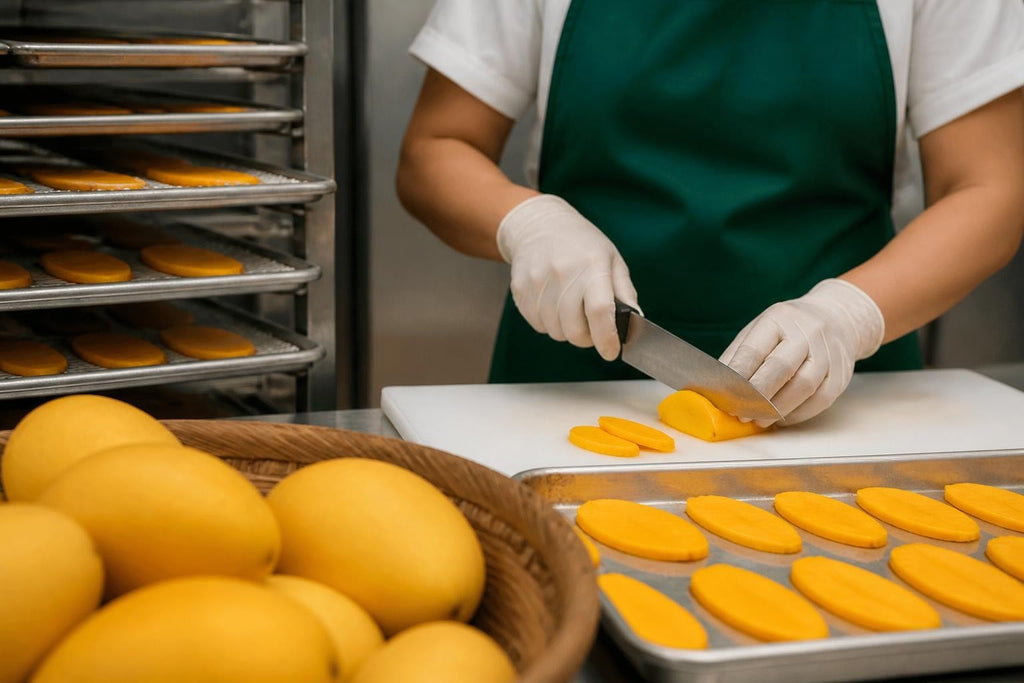
Mango dried represents one of nature's most convenient and nutritious snacks, transforming the tropical sweetness of fresh mangoes into a shelf-stable treat that can be enjoyed year-round. Whether you grew up with mango dried as a childhood favourite or you're discovering this golden delicacy for the first time, understanding the production process, nutritional benefits, and quality markers helps you make informed choices when purchasing this beloved snack. For South Africans living in New Zealand, finding authentic dried mango products that match the flavours from home becomes an important part of maintaining food traditions while adapting to life in a new country.
The Science Behind Mango Dried Production
The transformation of fresh mango into its dried form involves carefully controlled dehydration processes that preserve nutrients while extending shelf life significantly. Commercial producers employ multiple drying methods, each affecting the final texture, colour, and nutritional profile of the finished product.
Traditional and Modern Drying Techniques
Sun drying remains the most traditional method, particularly in mango-producing regions across Asia and Africa. This natural process exposes thinly sliced mango pieces to direct sunlight for several days, allowing moisture to evaporate gradually. However, modern food safety standards and efficiency requirements have led many producers to adopt controlled hot-air drying and solar-assisted technologies that offer consistent results.
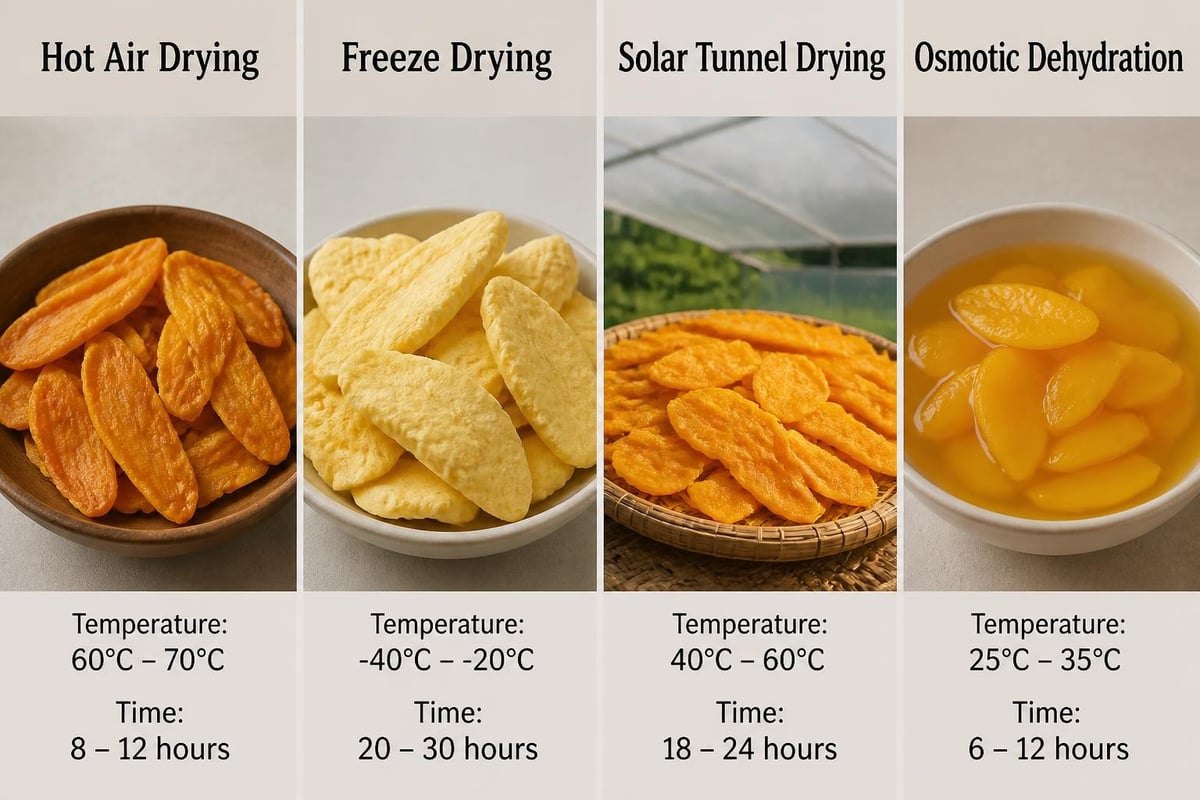
Key drying methods include:
- Hot air drying: Most common commercial method, using temperature-controlled chambers
- Freeze drying: Preserves maximum nutrients but increases production costs
- Solar tunnel drying: Combines traditional sun exposure with protective structures
- Osmotic dehydration: Pre-treatment that removes moisture before final drying
- Vacuum drying: Low-temperature process that maintains colour and flavour
The FAO postharvest guidance for mango emphasises proper handling from harvest through processing to ensure food safety and quality retention throughout the production chain.
Quality Factors in Production
Research demonstrates that ultrasound-assisted osmotic dehydration can improve mass transfer efficiency and final product quality. This pretreatment involves soaking mango slices in sugar or salt solutions before the main drying phase, reducing overall drying time while enhancing texture.
| Processing Factor | Impact on Final Product | Optimal Range |
|---|---|---|
| Drying temperature | Colour, nutrient retention | 55-70°C |
| Slice thickness | Drying time, texture | 3-6 mm |
| Pretreatment method | Moisture content, shelf life | Varies by technique |
| Storage humidity | Product stability | Below 60% RH |
The choice of mango variety significantly influences the dried product characteristics. Alphonso, Kent, Tommy Atkins, and Kensington Pride cultivars each offer distinct flavour profiles and sugar concentrations that translate differently when moisture is removed.
Nutritional Profile and Health Benefits
Mango dried concentrates the nutritional elements found in fresh mango while removing approximately ninety percent of water content. This concentration process intensifies both nutrients and natural sugars, creating a calorie-dense snack with substantial health benefits when consumed in appropriate portions.
According to USDA FoodData Central, a standard thirty-gram serving of mango dried provides significant amounts of vitamins A and C, dietary fibre, and various plant compounds with antioxidant properties.
Micronutrient Composition
Notable nutrients per 100 grams:
- Vitamin A: 2500-3000 IU supporting eye health and immune function
- Vitamin C: 40-60 mg contributing to collagen synthesis
- Dietary fibre: 2-4 grams promoting digestive health
- Potassium: 400-600 mg supporting cardiovascular function
- Iron: 1-2 mg important for oxygen transport
The drying process does reduce some heat-sensitive vitamins, particularly vitamin C, though retention rates vary based on processing temperature and duration. Studies examining cold plasma pretreatment effects show promising results for preserving phytonutrients during the drying process.
Understanding Sugar Content
The natural sugar concentration in mango dried requires mindful consumption, particularly for individuals monitoring carbohydrate intake. Fresh mango contains approximately thirteen to fifteen percent sugar by weight, while the removal of water concentrates this to sixty to seventy percent in the dried form.
Many commercial producers add supplementary sugar during processing, further increasing sweetness. Reading labels carefully helps consumers distinguish between naturally occurring sugars and added sweeteners, aligning purchases with dietary preferences and health goals.
Cultural Significance and Global Consumption Patterns
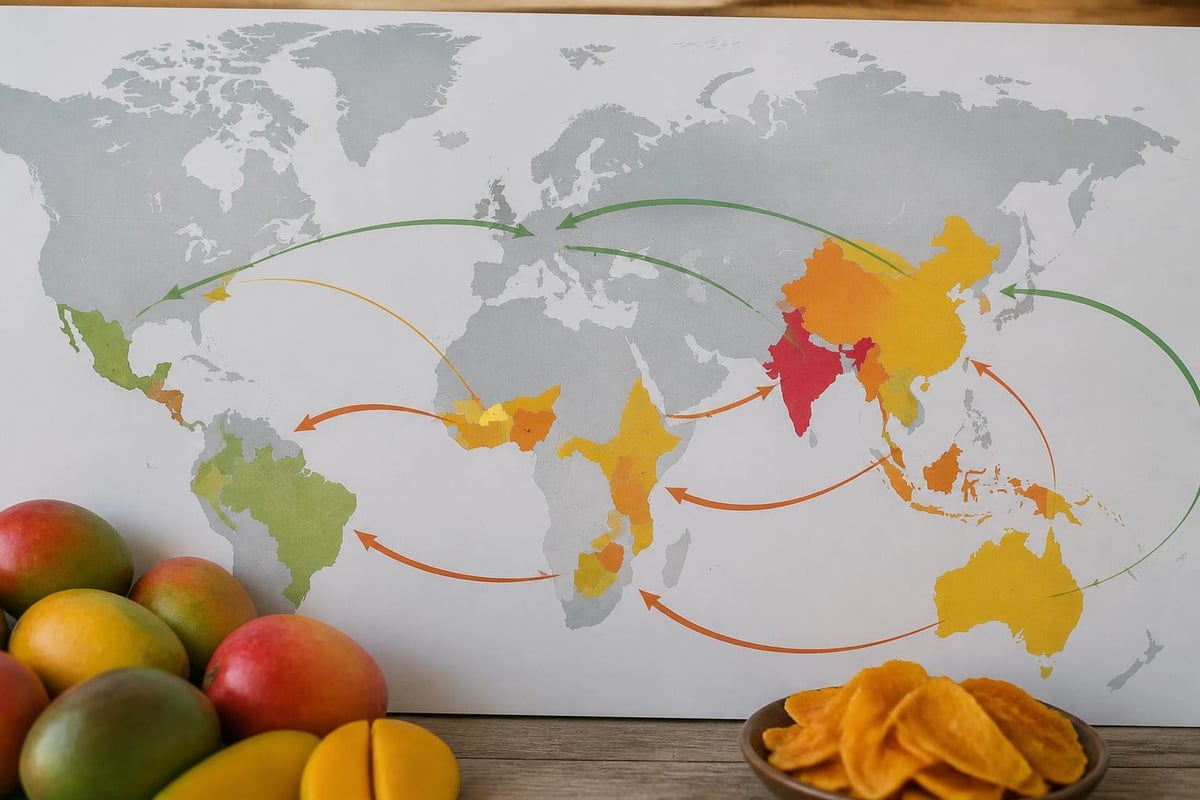
Mango dried holds special meaning across numerous cultures, particularly in South Asian, Southeast Asian, and African communities where mangoes represent both everyday sustenance and ceremonial significance.
South African Connection to Dried Fruit
South Africa's robust dried fruit industry extends beyond the famous apricots and raisins to include tropical varieties like mango dried. For South Africans who have relocated to New Zealand, finding authentic dried mango varieties can evoke powerful memories of home, much like sourcing traditional biltong or other familiar snacks.
The tradition of preserving seasonal fruits through drying connects directly to South African food culture, where resourcefulness and food preservation knowledge passed through generations. Whether enjoyed as a standalone snack or incorporated into traditional South African recipes, mango dried maintains its place in the culinary landscape.
Selection Criteria and Quality Indicators
Purchasing high-quality mango dried requires understanding the visual, textural, and packaging cues that indicate proper processing and storage. Whether shopping at a South African food store or exploring international options, these quality markers remain consistent.
Visual and Textural Assessment
Premium mango dried displays vibrant golden to orange colouration, indicating proper cultivar selection and processing conditions. Excessive browning suggests oxidation or temperature damage during drying, while unnaturally bright colours may indicate artificial colouring agents.
The texture should offer pliability without excessive stickiness. Properly dried mango bends without immediately snapping, suggesting appropriate moisture content (typically fifteen to twenty percent) that balances shelf stability with palatability.
Quality checklist when purchasing:
- Natural colour range from golden yellow to deep orange
- Flexible texture that isn't overly hard or mushy
- Pleasant sweet aroma without fermented notes
- Clear ingredient listing showing minimal additives
- Appropriate packaging that protects from moisture and light
Reading Labels and Understanding Standards
International food standards, including those outlined by Codex Alimentarius, provide frameworks for labelling requirements and quality specifications for dried mango products. These standards ensure consumers receive accurate information about ingredients, nutritional content, and country of origin.
Organic certification, fair trade labels, and non-GMO verification offer additional assurance for consumers prioritising specific production values. Understanding best before dates helps maximise freshness and avoid purchasing products nearing the end of their optimal consumption window.
| Label Element | What to Look For | Why It Matters |
|---|---|---|
| Ingredients | Mango listed first, minimal additives | Indicates proportion and purity |
| Sugar content | Differentiation between added/natural | Affects health impact |
| Origin country | Specific growing region | Relates to variety and quality |
| Certification marks | Organic, fair trade, quality standards | Verifies production practices |
| Storage instructions | Temperature and humidity guidance | Ensures proper shelf life |
Culinary Applications and Creative Uses
Beyond standalone snacking, mango dried serves as a versatile ingredient across numerous culinary applications. Its concentrated sweetness and chewy texture complement both sweet and savoury preparations, making it valuable for creative home cooks and professional chefs alike.
Sweet Applications
Incorporating mango dried into baked goods adds natural sweetness and tropical flavour complexity. Chopped pieces work beautifully in muffins, scones, and cookies, providing bursts of intense mango flavour throughout each bite. Rehydrating mango dried in warm water or fruit juice before adding to cake batters prevents excessive moisture absorption during baking.
Trail mix combinations benefit enormously from mango dried additions, balancing nuts' richness with fruity sweetness. Combining mango dried with macadamia nuts, coconut flakes, and dark chocolate creates a tropical-inspired blend that satisfies varied textural preferences.
Savoury Pairings
The sweet-tart profile of mango dried pairs exceptionally well with savoury dishes, particularly in cuisines that embrace fruit-meat combinations. Diced mango dried rehydrated in stock adds depth to tagines, curries, and braises, complementing warm spices like cumin, coriander, and turmeric.
Recommended savoury applications:
- Chopped into grain salads with quinoa or couscous
- Paired with aged cheeses on charcuterie boards
- Incorporated into stuffing for roasted poultry
- Added to rice pilafs for sweetness contrast
- Blended into chutneys and relishes
Storage and Shelf Life Optimization
Proper storage practices significantly extend mango dried shelf life while preserving optimal flavour and texture characteristics. Understanding the relationship between moisture, temperature, and degradation processes helps consumers maximise their investment in quality dried mango products.
Environmental Control
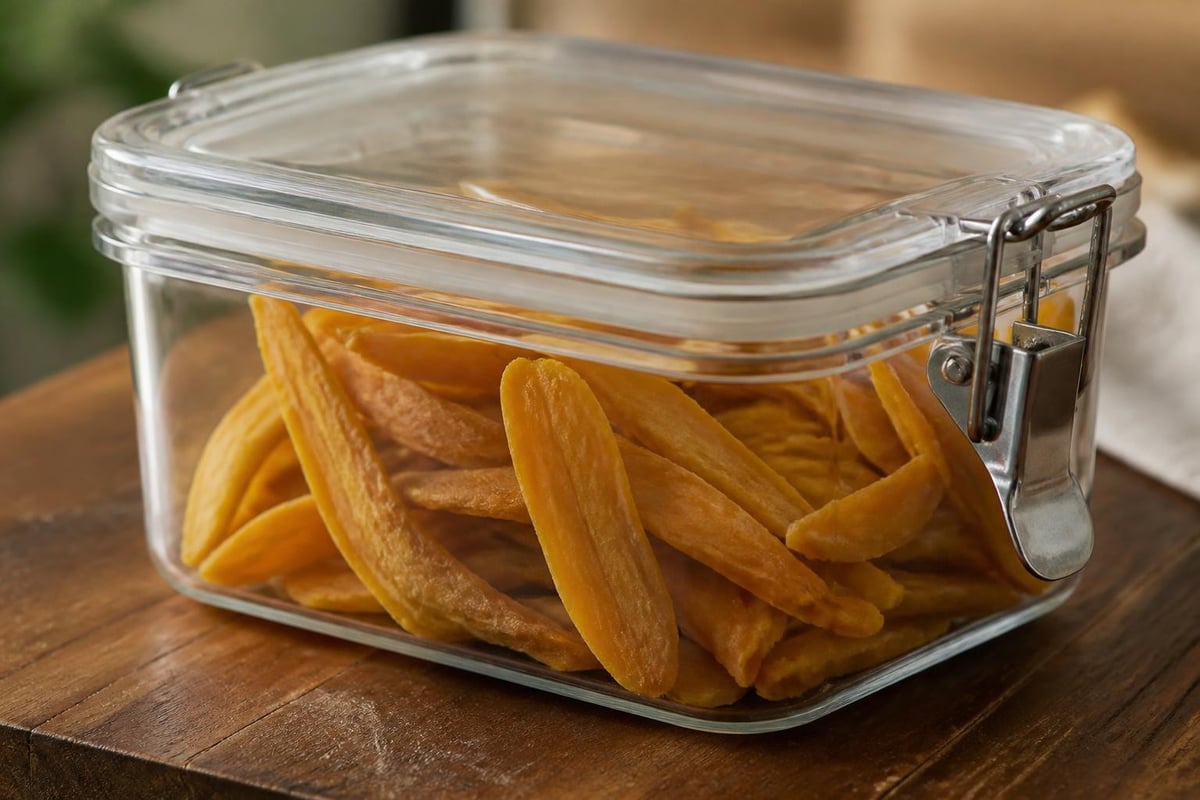
Mango dried remains most stable in cool, dry environments protected from direct sunlight. Exposure to heat accelerates sugar crystallisation and texture changes, while moisture promotes microbial growth and spoilage. Airtight containers made from glass or food-grade plastic provide excellent protection against environmental factors.
Research on drying kinetics and storage stability demonstrates that maintaining relative humidity below sixty percent during storage prevents moisture reabsorption that compromises product quality. In New Zealand's varied climate zones, this may require different storage approaches across regions.
Recognising Spoilage Signs
Despite careful storage, mango dried eventually degrades through oxidation, moisture absorption, or contamination. Recognising early spoilage indicators prevents consumption of compromised products and foodborne illness risks.
Warning signs requiring disposal:
- Visible mould growth (white, green, or black spots)
- Off-odours suggesting fermentation or rancidity
- Excessive stickiness or moisture on product surfaces
- Colour changes to brown or grey tones
- Unusual texture becoming either rock-hard or slimy
Sourcing Mango Dried in New Zealand
For South Africans and other dried fruit enthusiasts living in New Zealand, accessing quality mango dried products involves navigating both local and import options. The growing South African expat community has created demand for authentic products that match familiar flavours and quality standards from home.
Something From Home operates as a comprehensive South African food store serving customers throughout New Zealand with more than 2,500 South African products available for purchase. This extensive selection addresses the challenge many South Africans face when seeking familiar snacks and groceries that connect them to their heritage while living abroad.
Online Shopping Convenience
The ability to shop South African products online has transformed access for customers across New Zealand's diverse geography. Whether located in Auckland, Wellington, Christchurch, or smaller regional centres, customers can access the same product range with doorstep delivery eliminating the need for travel to physical stores.
Understanding shipping timeframes helps customers plan purchases appropriately, particularly when stocking up on favourite snacks or preparing for special occasions that call for traditional South African food items.
Health Considerations and Dietary Contexts
While mango dried offers substantial nutritional benefits, individual dietary needs and health conditions require consideration when incorporating this snack into regular eating patterns. Understanding potential concerns helps consumers make informed decisions aligned with personal health goals.
Portion Control Importance
The concentrated nature of mango dried makes portion awareness crucial for managing caloric intake and blood sugar responses. A standard serving size of approximately thirty grams contains similar energy to a medium fresh apple but occupies significantly less volume, potentially leading to overconsumption if eaten mindlessly.
Measuring portions before eating, rather than consuming directly from packages, promotes awareness and prevents excessive intake. Combining mango dried with protein sources like nuts or cheese slows sugar absorption and increases satiety, making smaller portions more satisfying.
Allergen and Sensitivity Information
Pure mango dried poses minimal allergen risks for most individuals, though cross-contamination during processing or packaging may introduce allergens from shared equipment. Products processed in facilities handling nuts, soy, or other common allergens should declare these potential exposures on packaging.
Sulphite sensitivity affects some individuals, particularly those with asthma. Many commercial producers apply sulphur dioxide to dried fruits to preserve colour and prevent microbial growth. Reading ingredient declarations carefully helps those with sulphite sensitivities avoid reactive products.
Economic and Environmental Considerations
The global mango dried market reflects complex interactions between agricultural practices, processing technologies, labour conditions, and environmental impacts. Conscious consumers increasingly consider these factors alongside taste and nutrition when making purchasing decisions.
Sustainability in Production
Mango cultivation requires substantial water inputs, particularly in regions without reliable rainfall during critical growing periods. Water management practices vary significantly between small-scale farmers and large commercial operations, affecting environmental sustainability and local water security.
Solar drying technologies offer environmental advantages over fossil fuel-powered systems, reducing carbon emissions associated with production. Supporting producers who invest in renewable energy infrastructure and sustainable agricultural practices aligns purchasing power with environmental values.
Fair Trade and Labour Practices
The labour-intensive nature of mango harvesting and processing raises important questions about worker treatment and compensation. Fair trade certification programmes establish minimum price guarantees and labour standards, though not all quality producers pursue formal certification due to cost and administrative barriers.
Researching brand values and production practices helps consumers support companies aligned with their ethical priorities. Transparency in supply chains, while increasingly common, remains inconsistent across the mango dried market.
Comparing Fresh Versus Dried Mango
Understanding the distinctions between fresh and dried mango helps consumers select the most appropriate form for specific applications and nutritional goals. Each format offers unique advantages depending on context and intended use.
| Characteristic | Fresh Mango | Mango Dried |
|---|---|---|
| Moisture content | 80-85% | 15-20% |
| Calories per 100g | 60-65 kcal | 300-320 kcal |
| Vitamin C retention | 100% (baseline) | 40-60% |
| Shelf life | 5-7 days refrigerated | 6-12 months sealed |
| Portability | Low (requires refrigeration) | High (shelf-stable) |
| Price per serving | Variable by season | Generally consistent |
Fresh mango provides superior vitamin C levels and hydration benefits, making it ideal for immediate consumption when in season. The drying process concentrates certain nutrients while reducing others, creating a different nutritional profile suited to particular dietary contexts.
Innovation in Mango Dried Products
The dried mango market continues evolving with innovations addressing consumer demands for convenience, health optimization, and novel flavour experiences. Understanding current trends helps consumers navigate expanding product options.
Flavour Innovations
Traditional mango dried relies on the fruit's natural sweetness without additional seasonings, but contemporary producers experiment with various flavour enhancements. Chilli-coated varieties appeal to those seeking heat alongside sweetness, while cinnamon or ginger additions create warming spice notes.
Savoury-seasoned mango dried represents a growing niche, with salt, lime, and pepper combinations mimicking fresh mango consumption styles popular in Latin American and Southeast Asian cultures. These variations expand mango dried applications beyond sweet snacking into cocktail garnishes and savoury cooking.
Functional Additions
Some manufacturers fortify mango dried with additional nutrients, creating functional snacks targeting specific health goals. Protein-enhanced versions appeal to fitness enthusiasts, while probiotic-coated products address digestive health interests.
The effectiveness and stability of these functional additions vary considerably, requiring careful evaluation of supporting research and manufacturing quality. Marketing claims sometimes exceed actual benefits, making critical assessment essential for informed purchasing.
Mango dried delivers concentrated nutrition, tropical flavour, and remarkable versatility whether enjoyed as a standalone snack or incorporated into creative culinary applications. For South Africans living in New Zealand who seek authentic dried mango alongside other familiar products from home, Something From Home provides convenient access to quality South African groceries and snacks with nationwide delivery, helping maintain food traditions while embracing life in New Zealand.