
Peppermint Crisp: A South African Icon in NZ | 2026

Few confectionery items inspire the same nostalgic warmth among South Africans as the distinctive green wrapper of a Peppermint Crisp bar. This mint-chocolate creation has transcended its status as a simple sweet to become a cultural icon, deeply embedded in the fabric of South African food traditions. For South Africans living in New Zealand, finding this familiar treat offers a tangible connection to home, a small luxury that carries memories of childhood, family gatherings, and the unique flavours of the Rainbow Nation. As one of the most sought-after South African snacks in expatriate communities worldwide, peppermint crisp represents more than just a confection; it embodies a taste of heritage.
The Origins and Evolution of a South African Classic
The peppermint crisp story began in South Africa in 1962, when Wilson-Rowntree first introduced this innovative chocolate bar to the market. The product combined a crispy mint-flavoured centre with a smooth milk chocolate coating, creating a texture and flavour profile that immediately distinguished it from other confectionery options available at the time.
Nestlé later acquired the brand and has continued production, maintaining the original recipe that South Africans have cherished for over six decades. The bar's enduring popularity stems from its distinctive construction: fine layers of crystallised mint toffee, creating that characteristic crunch, enrobed in creamy chocolate that melts on contact with the tongue.
Manufacturing Excellence and Quality Standards
The production of peppermint crisp requires precise temperature control and timing to achieve the signature texture. The mint centre undergoes a specialised crystallisation process that creates the fragile, honeycomb-like structure that shatters satisfyingly when bitten.
Key manufacturing elements include:
- Temperature-controlled crystallisation of mint toffee layers
- Precise coating application to ensure even chocolate coverage
- Quality control measures to maintain consistent texture
- Packaging designed to protect the delicate internal structure
- Adherence to food safety standards for both local and export markets
This attention to detail ensures that each bar meets the expectations of consumers who have grown up with the product, whether they purchase it in Johannesburg or order it from a South African food store in Auckland.

The Chemistry Behind the Mint Flavour Profile
Understanding what makes peppermint crisp so distinctive requires examining the biochemistry of peppermint flavouring. The characteristic cooling sensation and fresh taste come primarily from menthol and related compounds found in peppermint oil (Mentha x piperita).
According to peer-reviewed research on peppermint and menthol compounds, these naturally occurring substances activate specific cold-sensitive receptors in the mouth, creating the refreshing sensation associated with mint products. The European Medicines Agency documentation on peppermint oil provides comprehensive safety data for these flavouring components.
Component Breakdown
| Compound | Function | Sensory Impact |
|---|---|---|
| Menthol | Primary cooling agent | Creates fresh, cooling sensation |
| Menthone | Secondary flavour contributor | Adds minty depth |
| Menthyl acetate | Flavour enhancer | Provides fruity mint notes |
| Pulegone | Trace component | Contributes to overall aroma |
The WHO Food Additives Series documentation on menthol establishes acceptable intake levels, confirming the safety profile of these compounds when used in confectionery applications. The National Center for Complementary and Integrative Health guidance further supports the safety of peppermint oil consumption in food products.
Cultural Significance in South African Food Heritage
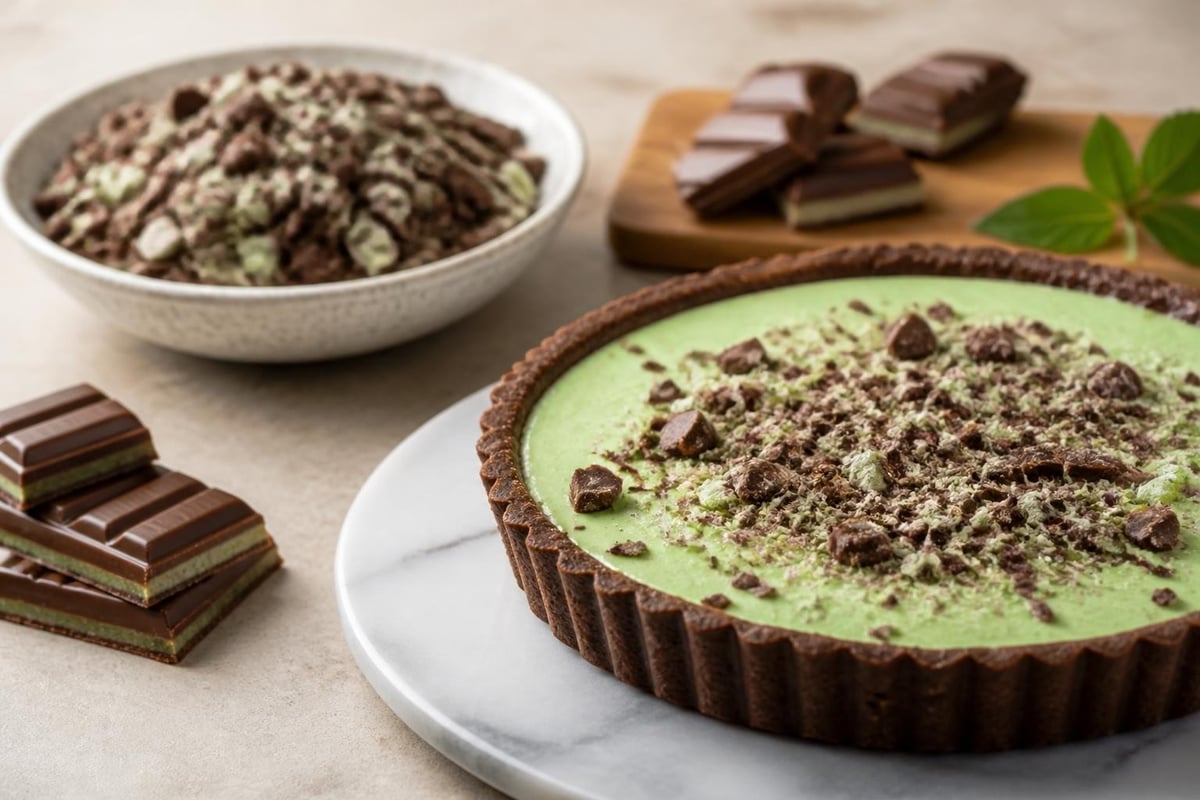
The peppermint crisp occupies a unique position in South African culinary culture, extending far beyond its role as a simple chocolate bar. Its most famous application appears in the beloved Peppermint Crisp tart, a no-bake dessert that has achieved iconic status at family gatherings, potlucks, and festive celebrations across South Africa.
As Daily Maverick's feature on South African food culture explores, this dessert has become synonymous with South African hospitality and home cooking. The TASTE magazine recipe documentation demonstrates how this chocolate bar transforms into an essential ingredient rather than merely a standalone confection.
Traditional Recipe Applications
Classic Peppermint Crisp tart preparation involves:
- Layering Tennis biscuits as the base
- Alternating whipped cream mixture with caramel treat
- Grating peppermint crisp generously over each layer
- Refrigerating overnight to allow flavours to meld
- Garnishing with additional grated chocolate before serving
This dessert appears at Heritage Day celebrations and South African food traditions, reinforcing its status as a cultural touchstone. The recipe's simplicity and the distinctive flavour combination have made it a staple at braais, birthday parties, and holiday gatherings throughout South Africa.
Beyond the famous tart, creative cooks incorporate crushed peppermint crisp into ice cream, milkshakes, cheesecakes, and even as a topping for hot chocolate. This versatility has cemented its position in South African kitchens as both a treat and an ingredient.
The Expatriate Experience and Food Nostalgia
For South Africans who have relocated to New Zealand, access to familiar food products serves an important psychological and cultural function. Food nostalgia represents more than simple preference; it connects individuals to their heritage, memories, and sense of identity.
Research into expatriate food-seeking behaviour demonstrates that familiar tastes trigger powerful emotional responses and memories. A peppermint crisp bar can transport someone instantly to a childhood birthday party, a family Christmas, or a summer afternoon in the Karoo. These sensory experiences provide comfort and continuity in a new environment.
Why South Africans Seek Familiar Products in New Zealand
The South African diaspora in New Zealand has grown significantly over the past two decades, creating demand for authentic products from home. Several factors drive this search:
- Cultural identity maintenance: Food serves as a daily reminder of heritage and roots
- Family traditions: Recreating traditional recipes and celebrations in a new country
- Taste preferences: Unique flavour profiles developed during childhood
- Social connection: Sharing South African foods with fellow expats and Kiwi friends
- Emotional comfort: Familiar tastes providing reassurance during transition periods
This demand has led to the establishment of specialised retailers who understand the importance of stocking authentic South African products. Something From Home operates as a dedicated South African shop in New Zealand, maintaining an inventory of more than 2,500 products that serve this community's needs.
Nutritional Considerations and Consumption Context
While peppermint crisp functions primarily as a treat rather than a nutritional staple, understanding its composition helps consumers make informed choices about incorporation into their diet. A standard 49-gram bar contains approximately 250 calories, derived primarily from sugars and fats present in both the chocolate coating and mint centre.
Nutritional snapshot per serving:
- Energy: Approximately 250 kcal
- Total fat: 10-12g (including saturated fat from milk chocolate)
- Carbohydrates: 35-38g (predominantly sugars)
- Protein: 2-3g
- Sodium: Minimal amounts
Moderate consumption as part of a balanced diet allows enjoyment without significant nutritional concerns. The portion-controlled single bar format actually encourages sensible serving sizes compared to larger sharing blocks.
Dietary Considerations and Allergen Information
| Consideration | Status | Notes |
|---|---|---|
| Gluten | May contain traces | Manufacturing environment considerations |
| Dairy | Contains milk | Present in chocolate coating |
| Nuts | May contain traces | Cross-contamination potential |
| Vegetarian | Generally suitable | Check specific formulation |
| Vegan | Not suitable | Contains dairy products |
Consumers with specific dietary requirements should always verify current ingredient listings, as formulations can vary by production batch and market. According to Wikipedia's comprehensive overview, the basic formulation has remained relatively consistent since introduction, though minor adjustments occur periodically.

Accessing South African Products in New Zealand
The logistical challenges of obtaining authentic South African food products in New Zealand have decreased significantly over recent years, thanks to specialised importers and online retail platforms. South Africans no longer need to rely solely on friends and family visiting from home or expensive international shipping.
Dedicated South African food stores now operate throughout New Zealand, offering both physical locations and online shopping platforms. These businesses understand the specific products that resonate with South African customers and maintain consistent stock levels of popular items.
The Something From Home Advantage
Something From Home has established itself as a comprehensive source for South African groceries, snacks, and specialty items in New Zealand. Their warehouse stocks authentic products across multiple categories:
- Confectionery: Including peppermint crisp, Jelly Tots, and other childhood favourites
- Biscuits: Such as Tennis Biscuits and Lemon Creams
- Beverages: Including Sparletta and Ricoffy
- Condiments: From Mrs Balls Chutney to Worcester sauce varieties
- Baking ingredients: Essential items for recreating traditional recipes
This comprehensive selection means customers can purchase all ingredients needed for authentic South African dishes in one transaction, simplifying the shopping experience significantly.
Storage and Preservation Best Practices
Maintaining the quality and distinctive texture of peppermint crisp requires appropriate storage conditions. The delicate crystalline structure of the mint centre can deteriorate if exposed to temperature fluctuations or excessive moisture.
Optimal storage guidelines:
- Store in a cool, dry location away from direct sunlight
- Maintain temperature between 15-20°C when possible
- Keep sealed in original wrapper until consumption
- Avoid refrigeration, which can cause moisture condensation
- Consume within recommended date codes for best quality
- Protect from strong odours that chocolate readily absorbs
When ordering online from a South African food store, consider seasonal temperatures during shipping. New Zealand's temperate climate generally supports safe transport, though summer months may require additional consideration for heat-sensitive products.
Shelf Life and Quality Indicators
Fresh peppermint crisp displays a vibrant appearance with the chocolate maintaining its sheen and the mint centre showing consistent colouration through the wrapper. Quality degradation becomes apparent through:
- Chocolate bloom (white or grey surface discolouration from fat or sugar crystallisation)
- Texture changes in the mint centre (becoming sticky or losing crispness)
- Flavour deterioration (diminished mint intensity or stale taste)
- Wrapper damage allowing moisture or air exposure
Reputable retailers rotate stock regularly and maintain proper storage conditions in their warehouses, ensuring customers receive fresh products with maximum remaining shelf life.
Comparison With International Mint Chocolate Products
While numerous mint-chocolate confections exist globally, peppermint crisp occupies a distinct position due to its unique texture and flavour profile. Understanding these differences helps explain why South Africans specifically seek this product rather than accepting local alternatives.
| Product | Origin | Texture | Flavour Profile | Cultural Significance |
|---|---|---|---|---|
| Peppermint Crisp | South Africa | Crystalline, shattering | Strong mint, milk chocolate | High (cultural icon) |
| Aero Peppermint | UK/International | Bubbly, light | Subtle mint, milk chocolate | Moderate (widely available) |
| After Eight | UK/International | Smooth fondant | Refined mint, dark chocolate | Moderate (dinner mint) |
| York Peppermint Patty | USA | Soft fondant | Bold mint, dark chocolate | Low (regional treat) |
| Mint Crisp | Australia | Crispy layers | Moderate mint, milk chocolate | Low (Aero variant) |
The crystalline texture of peppermint crisp creates a fundamentally different eating experience from the smooth fondants or aerated structures found in competing products. This distinction explains why substitution rarely satisfies South African consumers seeking the authentic article.
The Role of Comfort Food in Cultural Identity
Food anthropologists recognise that culturally specific foods serve functions beyond basic nutrition or enjoyment. They act as markers of identity, vehicles for cultural transmission, and sources of comfort during periods of change or stress.
For South African expatriates, maintaining access to products like peppermint crisp supports several important functions:
Identity preservation: Consuming familiar foods reinforces cultural identity and connection to heritage, particularly important for families raising children in a different cultural context.
Memory activation: Specific tastes and textures trigger autobiographical memories, providing emotional continuity across geographical displacement.
Social bonding: Sharing South African foods with fellow expatriates strengthens community connections and provides opportunities for cultural exchange with New Zealanders.
Ritual maintenance: Incorporating traditional ingredients into celebrations and gatherings preserves important family and cultural traditions across generations.
These functions explain why South Africans often go to considerable effort to source specific products rather than accepting local alternatives that might seem superficially similar.
Creative Recipe Applications Beyond the Classic Tart
While the Peppermint Crisp tart remains the most iconic application, innovative cooks have developed numerous creative uses for this versatile ingredient. These adaptations demonstrate the product's flexibility and inspire new traditions among South African families in New Zealand.
Modern Recipe Innovations
Dessert applications:
- Peppermint Crisp cheesecake with crushed biscuit base
- No-churn ice cream with swirled caramel and crushed bars
- Chocolate mousse topped with grated peppermint crisp
- Truffles rolled in finely crushed mint chocolate
- Milkshake blend with vanilla ice cream and crushed bars
Baking incorporations:
- Brownies with peppermint crisp chunks folded through batter
- Cupcakes topped with peppermint-infused buttercream and grated chocolate
- Cookies featuring chunks throughout the dough
- Pavlova garnished with cream and crushed peppermint crisp
- Fudge incorporating melted chocolate and mint pieces
These creative applications extend the product's relevance beyond nostalgic consumption, integrating it into contemporary cooking and entertaining. South African food culture continues evolving as expatriates adapt traditional ingredients to new contexts while maintaining connections to heritage.
Building Community Through Shared Food Experiences
The South African community in New Zealand has grown to include tens of thousands of individuals and families who maintain varying degrees of connection to their heritage. Food serves as a primary mechanism for community building and cultural preservation within this population.
Social gatherings centred around South African foods create opportunities for:
- Introducing New Zealand friends and partners to South African culture
- Teaching children about their heritage through familiar tastes
- Celebrating South African holidays and events in a new context
- Supporting fellow expatriates through shared understanding and experiences
- Maintaining language and cultural practices alongside food traditions
Peppermint crisp frequently appears at these gatherings, whether incorporated into the ubiquitous tart or enjoyed as individual treats alongside other South African confectionery like Jelly Tots or Eet-Sum-Mor biscuits.
The Economics of Importing South African Products
Understanding the pricing structure for imported South African goods helps consumers appreciate the value provided by specialised retailers. Multiple cost factors influence final retail pricing in New Zealand:
Import cost components:
- Product purchase price from South African suppliers
- International freight (sea or air transport)
- Customs duties and import taxes
- Compliance and certification requirements
- Currency exchange rate fluctuations
- Insurance and risk management
Efficient importers minimise these costs through volume purchasing, optimised logistics, and established supplier relationships. This efficiency allows them to offer competitive pricing while maintaining product freshness and availability.
Something From Home's position as an established South African food store enables them to import regular shipments, ensuring consistent stock levels and reasonable pricing across their extensive range of more than 2,500 products.
Seasonal Demand Patterns and Availability
Consumer demand for peppermint crisp and other South African products follows predictable seasonal patterns influenced by both Northern and Southern Hemisphere calendars. Understanding these patterns helps retailers manage inventory and helps consumers plan purchases.
Peak demand periods include:
- November-December: Christmas season drives demand for traditional desserts
- September: Heritage Day celebrations prompt South African food purchases
- April: Easter period increases chocolate product consumption
- School holidays: Family gatherings increase demand for nostalgic treats
- Sporting events: Rugby and cricket matches inspire traditional South African spreads
Smart retailers anticipate these patterns, ensuring adequate stock during high-demand periods. Online shoppers benefit from ordering ahead during peak seasons to guarantee product availability.
The Future of South African Food Retail in New Zealand
The market for South African products in New Zealand continues expanding as the expatriate community grows and awareness increases among the broader population. This growth trajectory suggests promising developments for consumers seeking authentic South African foods.
Emerging trends include:
- Expanded product ranges: Retailers continuously adding new items to their catalogues
- Improved logistics: Faster shipping times and reduced costs through optimised supply chains
- Digital integration: Enhanced online shopping experiences with better product information
- Local production: Some traditional products now manufactured in New Zealand under licence
- Cross-cultural appreciation: Increasing interest from non-South African New Zealanders
These developments benefit consumers through improved access, competitive pricing, and broader selection. Specialised retailers who understand both markets and maintain strong supplier relationships will continue driving this growth.
The peppermint crisp itself remains centrally positioned within this evolving market, maintaining its status as one of the most consistently requested South African confectionery items. Its cultural significance and unique characteristics ensure ongoing demand regardless of market changes or product availability fluctuations.
The enduring appeal of peppermint crisp demonstrates how a simple chocolate bar can carry profound cultural significance, connecting South African expatriates to their heritage through familiar flavours and cherished traditions. Whether enjoyed as a standalone treat or transformed into the iconic tart, this distinctive confection remains an essential element of South African food culture. For those seeking authentic South African products in New Zealand, Something From Home provides comprehensive access to this and thousands of other favourites, supporting the community's connection to home while building new traditions in Aotearoa.