South African Foods: Heritage, Culture & Flavour
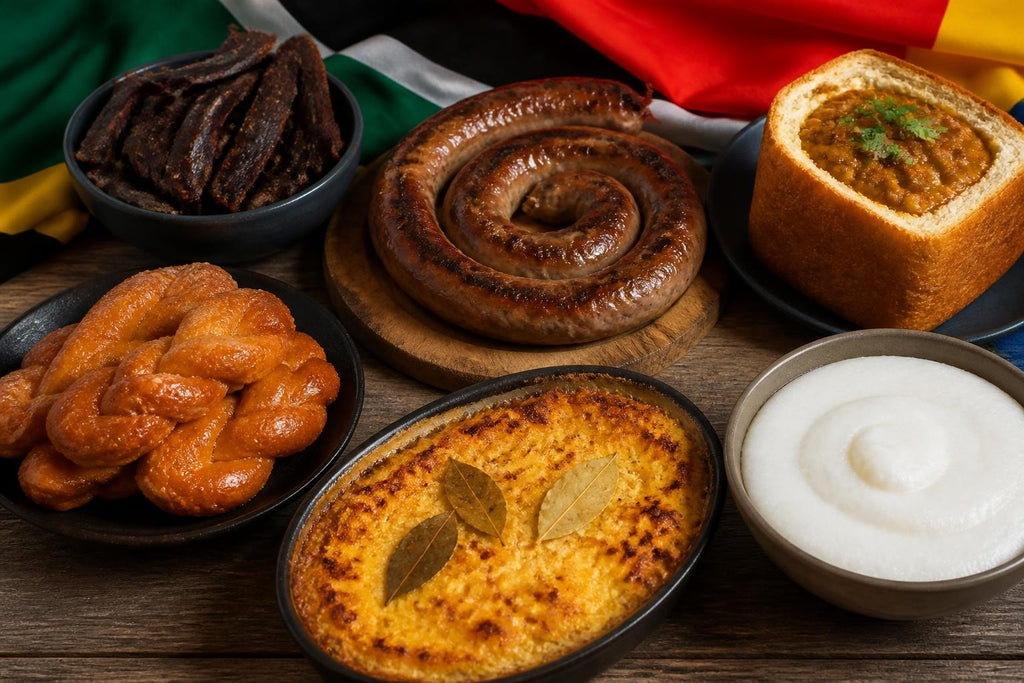
South African foods represent a vibrant tapestry woven from indigenous traditions, colonial influences, and diverse cultural communities. From the aromatic spices of Cape Malay cuisine to the hearty comfort of traditional braai fare, the country's culinary landscape reflects centuries of cultural exchange and adaptation. For South Africans living abroad, particularly in New Zealand, these familiar flavours offer more than sustenance; they provide a tangible connection to home, family memories, and shared cultural identity. Understanding the depth and diversity of South African cuisine reveals why expatriates actively seek out these products and why retailers like Something From Home have become essential lifelines for those craving authentic tastes from the rainbow nation.
The Foundation of South African Culinary Heritage
South African cuisine emerged from the convergence of multiple cultures, each contributing distinctive ingredients, techniques, and traditions. The indigenous Khoisan and Bantu peoples introduced game meats, indigenous plants, and grilling techniques that remain fundamental to modern South African cooking. European colonisation brought Dutch, British, French, and German influences, whilst indentured labourers from the Indian subcontinent and enslaved people from Southeast Asia enriched the culinary landscape with complex spice blends and cooking methods.
Indigenous Ingredients and Traditional Staples
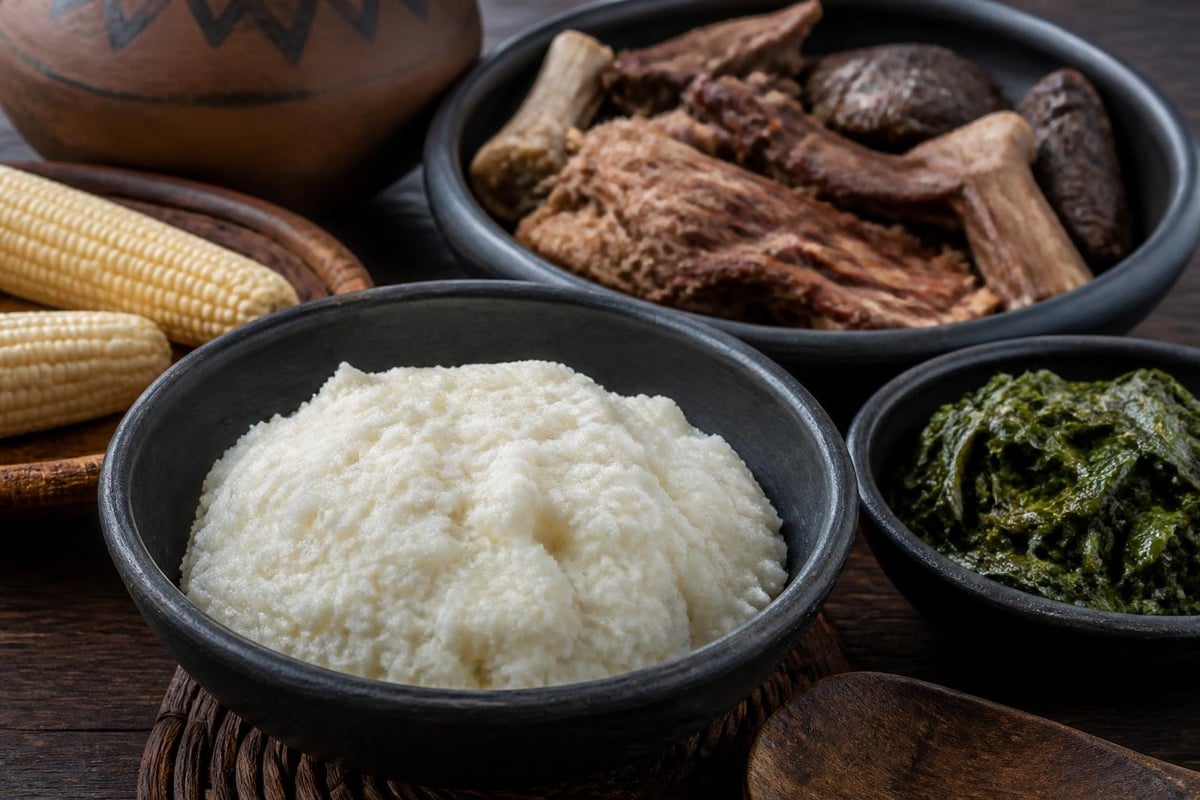
Maize (mielie) forms the cornerstone of South African foods, particularly in the form of pap, a porridge-like staple consumed across all demographics. According to food security data from the FAO, maize remains the primary grain crop in South Africa, reflecting its central role in daily nutrition. Pap appears in various consistencies, from smooth breakfast porridge to the firmer stywe pap served alongside meat and gravy at braais.
Indigenous leafy vegetables, collectively known as morogo or imifino, represent another crucial component of traditional cooking. These nutrient-dense greens include:
- African nightshade (umsobo)
- Amaranth leaves (thepe)
- Cowpea leaves (delele)
- Pumpkin leaves (uxabaniso)
Traditional South African foods also incorporate game meats such as kudu, springbok, and ostrich, though beef, lamb, and chicken have become more prevalent in contemporary cooking. The preparation methods for these proteins often involve slow cooking, grilling over open flames, or air-drying, techniques that have been refined over generations.
Iconic South African Foods and Their Cultural Significance
The national food landscape showcases dishes that have become synonymous with South African identity, each carrying historical and cultural weight that extends beyond mere nutrition.
Biltong and Dried Meat Traditions
Biltong stands as perhaps the most internationally recognised South African food product. This dried, spiced meat developed from the need to preserve protein during long treks and before refrigeration. Unlike jerky, biltong undergoes a curing process using vinegar, salt, and coriander alongside other spices, then air-dries for several days.
The art of biltong-making has evolved into both tradition and craft, with regional variations in spice blends and preferred meat cuts. Beef remains the classic choice, though game meats like kudu and springbok create premium varieties. Freddy Hirsch Original Biltong Spice enables home enthusiasts to recreate authentic flavours, maintaining cultural practices even when living abroad.
Droëwors, the dried sausage cousin of biltong, offers another preserved meat option with a distinctive texture and concentrated flavour profile. Both products have transcended their preservation origins to become beloved snacks and essential braai accompaniments.
Boerewors and Braai Culture
Boerewors (literally "farmer's sausage") embodies South African communal food traditions through its central role in braai culture. This coiled sausage must contain at least 90% meat (typically beef mixed with pork or lamb) and specific spice proportions including coriander, black pepper, nutmeg, and cloves to qualify as authentic boerewors.
The braai itself represents more than cooking; it functions as a social institution where families and communities gather around open flames. Official South African tourism materials recognise braai culture as a defining national characteristic that transcends racial and economic boundaries, uniting South Africans through shared culinary ritual.
| Braai Essential | Description | Cultural Role |
|---|---|---|
| Boerewors | Spiced beef sausage | Communal centrepiece |
| Sosaties | Marinated meat skewers | Cape Malay influence |
| Lamb chops | Simply seasoned cutlets | Protein variety |
| Pap & sous | Maize porridge with tomato-onion gravy | Starch accompaniment |
Cape Malay Cuisine and Spice Heritage
Cape Malay foods contribute aromatic complexity to South African cuisine through centuries-old spice traditions. Research into sensory flows of spice practices demonstrates how these culinary traditions maintain cultural identity and belonging amongst communities.
Bobotie, a curried mince dish topped with savoury custard, exemplifies Cape Malay ingenuity. Combining sweet and savoury elements with spices like turmeric, curry powder, and dried fruit, bobotie showcases the cuisine's distinctive flavour profile. Spices essential to authentic Cape Malay cooking remain highly sought after by expatriates maintaining these traditions abroad.
Bredie (slow-cooked stews) and koeksisters (plaited, syrup-soaked doughnuts) represent further Cape Malay contributions. The latter should not be confused with Afrikaner koeksisters, which are spiced and rolled in coconut, demonstrating how similar names can represent distinct culinary traditions.
Regional Specialities and Street Food Culture
South African foods vary significantly across regions, with local ingredients and cultural demographics shaping distinctive culinary identities. Urban street food culture has evolved into a recognised sector supporting livelihoods whilst providing affordable nutrition, though research into informal food vendors highlights ongoing food safety and regulatory challenges.
KwaZulu-Natal and Indian Influences
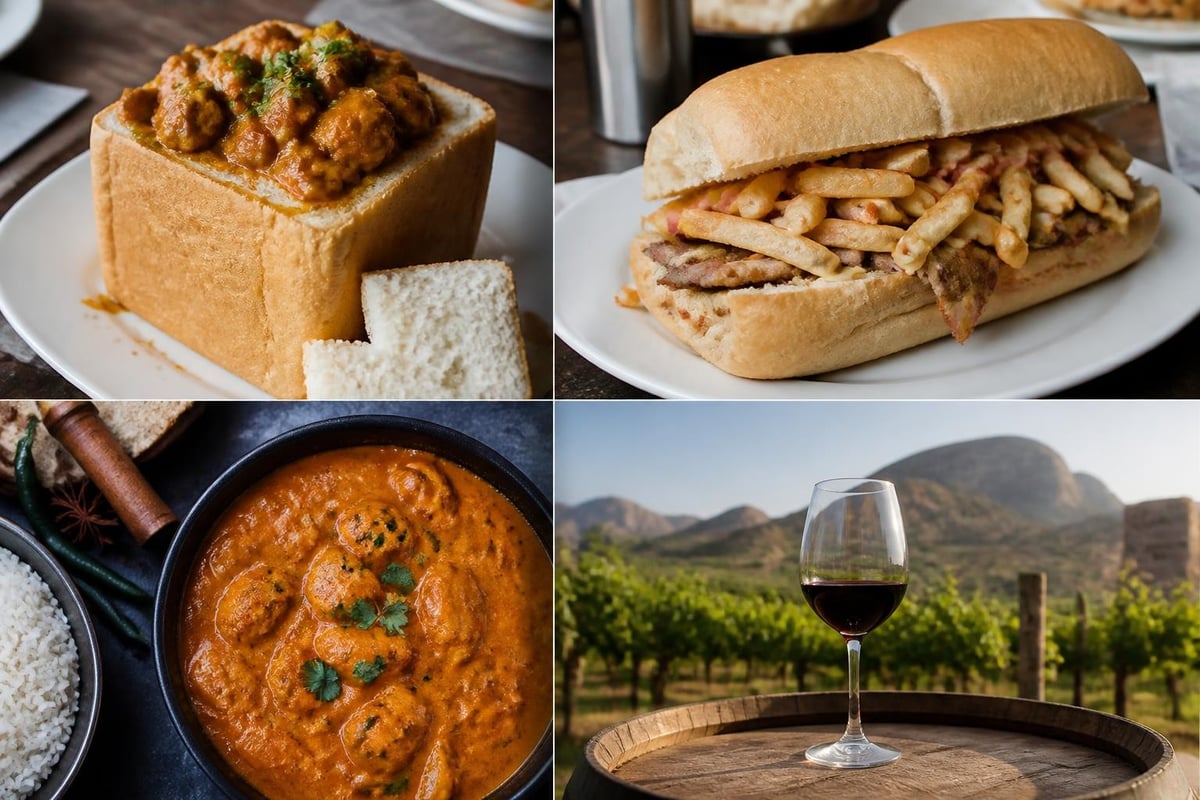
Bunny chow originated in Durban's Indian community, consisting of hollowed-out bread loaf filled with curry. This portable meal reflects both ingenuity and the fusion of Indian cooking techniques with local adaptations. Variations include bean, chicken, mutton, or vegetable curries, each with devoted followings.
Samoosas (samosas) and roti demonstrate further Indian culinary integration into broader South African food culture. These items transcend their community of origin to become nationally beloved foods available from street vendors to formal restaurants.
Western Cape Innovations
The Western Cape's gatsby sandwich rivals bunny chow as an iconic street food, featuring French bread filled with chips, meat, sauce, and salad. Originally from Cape Town's Cape Flats communities, the gatsby has achieved legendary status amongst locals and visitors alike.
Wine production in the Western Cape contributes significantly to South African food culture, with wine regions around Stellenbosch, Franschhoek, and Paarl producing internationally acclaimed vintages. Wine pairings with traditional foods create sophisticated dining experiences that showcase South African culinary evolution.
Beloved South African Snacks and Treats
Nostalgia for childhood treats drives significant demand for South African snacks amongst expatriate communities. These products carry emotional weight beyond their ingredients, evoking memories of school tuckshops, family gatherings, and carefree youth.
Biscuits and Rusks
South African biscuits occupy a special category within the national food consciousness. Ouma Rusks remain the quintessential dunking biscuit, designed specifically for dipping into coffee or tea. These twice-baked treats come in various flavours, from traditional buttermilk to muesli and condensed milk variants.
Tennis Biscuits, coconut-flavoured sandwich biscuits, and Lemon Creams represent childhood staples that adults continue seeking. Eet-Sum-Mor biscuits, with their distinctive caramel and coconut coating, command fierce loyalty amongst devotees.
The humble Marie biscuit serves multiple purposes in South African households, from tea-time accompaniment to dessert base for fridge tarts and crumb crusts.
Confectionery Classics
- Peppermint Crisp - The iconic green chocolate bar that appears both as standalone treat and crushed ingredient in Peppermint Crisp tart
- Jelly Tots - Brightly coloured, fruit-flavoured jellies that transcend age demographics
- Fizzers - Effervescent tablets that fizz on the tongue, creating sensory childhood memories
- Astros - Chocolate-coated wafer spheres available in multiple flavours
These products exist within a broader context of South African confectionery culture that includes koeksisters, melktert (milk tart), and malva pudding, each representing distinct preparation traditions and serving occasions.
Condiments and Flavour Foundations
South African foods rely heavily on distinctive condiments and sauces that create characteristic flavour profiles. These products transform simple ingredients into recognisably South African dishes.
Essential Sauces and Chutneys
Mrs Ball's Chutney stands as the nation's most beloved condiment, with its sweet-tangy profile complementing everything from cheese sandwiches to curry accompaniments. The Original recipe maintains devoted followers, though Peach and Hot varieties cater to different preferences.
Worcestershire sauce features prominently in South African cooking, particularly in marinades and stews. Local brands have developed their own interpretations suited to South African palates and applications.
Monkey Gland sauce, despite its alarming name, contains no primate ingredients but delivers a fruity, spicy complement to steaks and burgers. Peri-peri sauce reflects Portuguese-African fusion, bringing chilli heat to chicken and other proteins.
Spice Blends and Seasonings
Pre-mixed spice blends simplify the creation of authentic South African foods whilst maintaining consistent flavour profiles. Braai spice, peri-peri seasoning, and boerewors spice enable home cooks to recreate restaurant-quality results.
Worcester sauce braai spice combines the umami depth of Worcestershire with grilling-appropriate seasonings, demonstrating how South African products evolve to meet specific culinary needs.
Beverages and Drink Culture
South African beverage traditions encompass both indigenous developments and adapted imports that have acquired local characteristics.
Soft Drinks and Cordials
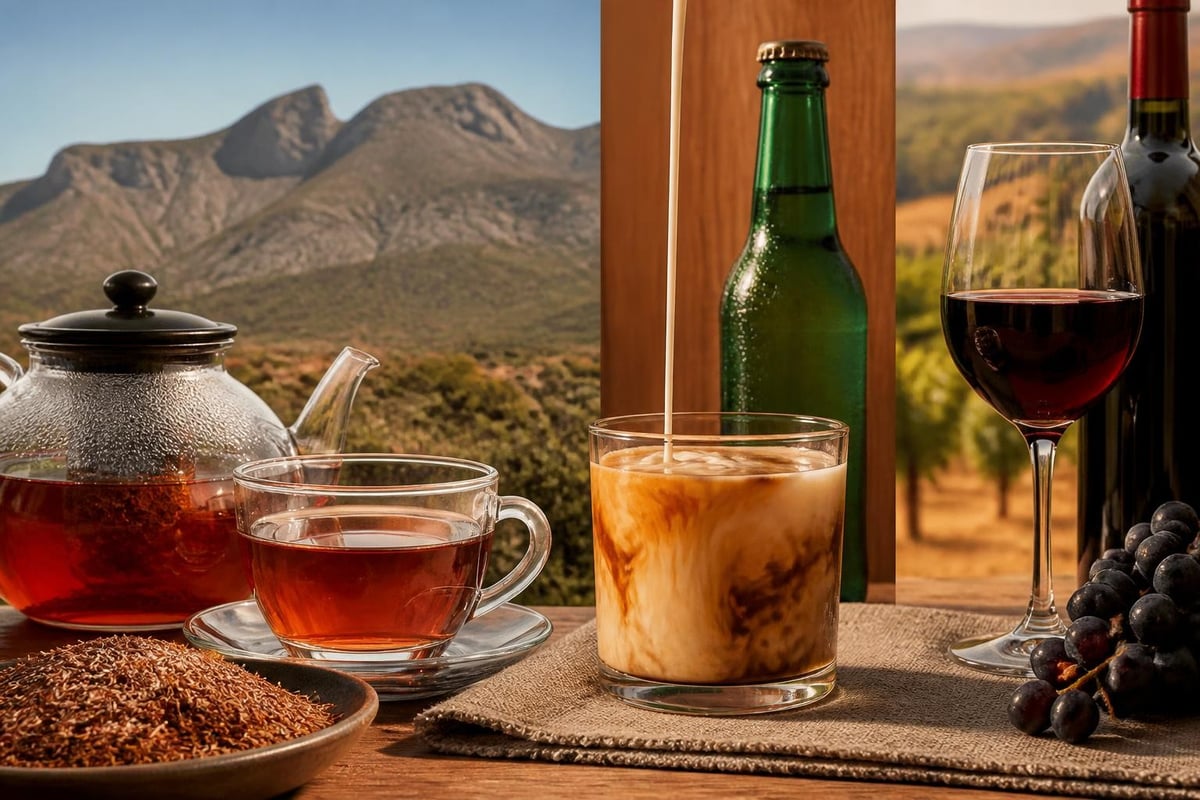
Rooibos tea (red bush tea) represents South Africa's unique contribution to global beverage culture. This caffeine-free infusion, exclusive to the Cederberg region, has gained international recognition for its antioxidant properties and distinctive flavour. Health contexts around nutrition, as discussed in WHO South Africa reports, increasingly recognise traditional beverages like rooibos in dietary recommendations.
Sparletta Cream Soda maintains cult status amongst South Africans, with its bright green colour and distinctive sweetness creating instant nostalgia. Iron Brew, Stoney Ginger Beer, and Appletiser round out the distinctive soft drink offerings.
Condensed milk coffee and Frisco represent sweet beverage traditions, with Frisco serving as both instant coffee and dessert ingredient in recipes like fridge tarts.
Finding South African Foods in New Zealand
South Africans residing in New Zealand face the challenge of maintaining culinary connections to their heritage whilst adapting to a new food environment. The demand for authentic South African products has created a specialised retail sector serving expatriate communities.
The Role of Specialised Retailers
Something From Home operates as a comprehensive South African food store in New Zealand, stocking more than 2,500 South African products across multiple categories. From everyday staples like Tennis Biscuits to specialty items, dedicated retailers bridge the geographical gap between New Zealand residents and their favourite South African foods.
Online shopping capabilities enable customers throughout New Zealand to access products regardless of proximity to physical stores. This accessibility proves crucial for South Africans living outside major urban centres who might otherwise struggle to source familiar ingredients and snacks.
Product Categories and Availability
| Category | Examples | Importance |
|---|---|---|
| Biltong & Droëwors | Beef, kudu, game varieties | Cultural staple, protein snack |
| Biscuits & Rusks | Ouma, Tennis, Marie | Daily comfort, tea-time ritual |
| Condiments | Mrs Ball's, Worcestershire | Flavour foundation |
| Confectionery | Peppermint Crisp, Jelly Tots | Childhood nostalgia |
| Beverages | Rooibos, Cream Soda | Drink traditions |
| Spices & Sauces | Braai spice, peri-peri | Authentic cooking |
The breadth of available products enables South Africans to recreate entire meals rather than merely approximating flavours with local substitutes. This authenticity matters deeply when food serves as cultural anchor and emotional connection.
Cooking South African Foods Abroad
Maintaining cooking traditions whilst living overseas requires both ingredient access and technique preservation. South African expatriates in New Zealand often become ambassadors for their cuisine, introducing Kiwi friends and families to distinctive flavours and preparation methods.
Adapting Recipes and Techniques
Some South African foods translate easily to New Zealand kitchens, requiring only the right spices and condiments. Bobotie, potjiekos (three-legged pot cooking), and melktert can be prepared with locally available proteins, produce, and dairy products when combined with authentic South African seasonings.
Braai culture adapts well to New Zealand's outdoor lifestyle, though purists argue that gas barbecues cannot replicate the authentic flavour achieved through wood or charcoal fires. The social aspects of braai translate universally, creating opportunities for cultural exchange around shared meals.
Essential Pantry Items
Building a South African pantry in New Zealand begins with cornerstone products that enable multiple dishes:
- Spice blends (braai, boerewors, peri-peri)
- Mrs Ball's Chutney for sandwiches and curries
- Biltong spice for home preservation
- Rooibos tea for daily beverages
- Condensed milk for desserts and coffee
- Rusks for morning rituals
These items create the foundation upon which South African expatriates rebuild familiar food routines, adapting where necessary whilst preserving essential flavours and traditions.
The Emotional Connection to South African Foods
Food operates as powerful trigger for memory and emotion, particularly amongst diaspora communities separated from their homeland. South African foods carry associations extending far beyond nutrition into realms of identity, belonging, and cultural continuity.
Comfort and Nostalgia
The first bite of an Ouma Rusk dunked in morning coffee can transport South African expatriates back to childhood kitchens, family gatherings, and the rhythms of life in their home country. These sensory experiences provide comfort during homesickness and maintain connections across vast geographical distances.
Comfort foods serve particularly important functions during celebrations, holidays, and moments of stress. The ability to prepare or consume familiar South African foods during these times provides emotional stability and cultural continuity.
Cultural Identity and Transmission
For South African families raising children in New Zealand, food becomes a primary vehicle for cultural transmission. Teaching children to appreciate biltong, enjoy rusks, and participate in braai culture helps maintain South African identity across generations. These practices ensure that cultural heritage persists even when physical return to South Africa may be infrequent or impossible.
Community gatherings centred around South African foods create spaces where expatriates can share experiences, maintain language, and support one another through the challenges of living abroad. These events reinforce collective identity and provide intergenerational connection.
Health and Nutrition Considerations
Modern perspectives on South African foods increasingly consider nutritional value alongside cultural significance. Traditional diets featured whole grains, vegetables, and lean proteins, though urbanisation and processed food availability have shifted consumption patterns.
Traditional Wisdom and Modern Concerns
Indigenous ingredients like morogo provide excellent nutritional density, whilst maize-based pap offers sustained energy when consumed with protein and vegetables. However, contemporary South African diets often include high levels of sugar, salt, and processed foods, raising health concerns.
Confectionery and snacks, whilst culturally important for nostalgia and comfort, benefit from mindful consumption balanced against nutritional needs. The emotional value of these foods need not conflict with health consciousness when approached with moderation.
Adapting Traditions for Wellness
South African foods can support healthy eating when traditional preparations are honoured. Braais featuring lean proteins and vegetable sides, rooibos tea as a beneficial beverage, and indigenous vegetables all contribute positively to balanced nutrition. The challenge lies in maintaining authentic flavours whilst adapting preparation methods and portion sizes to contemporary health understanding.
South African foods encompass far more than ingredients and recipes; they represent cultural heritage, emotional connection, and shared identity that transcends geographical boundaries. For South Africans living in New Zealand, access to authentic products enables the maintenance of culinary traditions that anchor cultural identity and provide comfort through familiar flavours. Whether you're seeking childhood favourites, essential cooking ingredients, or products to share your heritage with others, Something From Home offers comprehensive access to more than 2,500 South African products, ensuring that the tastes of home remain within reach no matter how far you've travelled.