
Sampler Biscuits: A South African Sweet Tradition
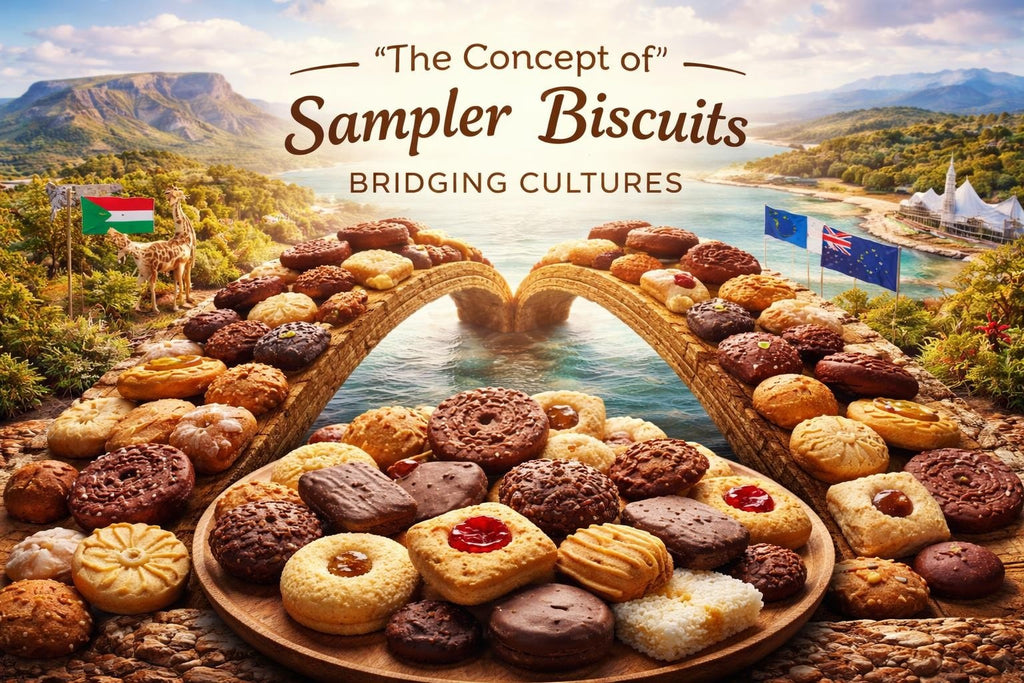
For South Africans living in New Zealand and Australia, few things evoke the warmth of home quite like opening a tin of biscuits. Whether it's the familiar crunch of a Tennis biscuit or the comforting sweetness of a Marie, these simple treats carry memories of afternoon tea with family, Sunday visits with ouma, and special occasions celebrated around the kitchen table. Sampler biscuits offer a unique way to experience multiple flavours in one package, making them ideal for expatriates who want to taste a variety of their favourite South African treats without committing to full packets of each individual type.
The Cultural Significance of Biscuit Assortments
South African biscuit culture runs deep, with certain brands and varieties holding iconic status across generations. Sampler biscuits serve as an introduction to this rich tradition, particularly for younger family members born abroad who may not have experienced the full range of South African sweet treats.
These assortment packs typically contain between six and twelve different biscuit varieties, carefully selected to represent the diversity of flavours and textures that define South African baking. From buttery shortbreads to coconut-covered delights, each variety tells a story of regional preferences and family traditions that have been passed down through decades.
Why Variety Packs Appeal to Expatriates
Living far from home creates a unique relationship with familiar foods. Sampler biscuits address several needs simultaneously:
- Nostalgia management: Different biscuits trigger different memories, allowing for a more complete reminiscence experience
- Budget-friendly exploration: Testing multiple varieties without purchasing full packets of each
- Sharing opportunities: Perfect for introducing Kiwi and Australian friends to South African culture
- Gift-giving versatility: Ideal presents for fellow South Africans or curious locals
The south african groceries market in New Zealand and Australia has grown substantially over the past decade, with sampler biscuits becoming increasingly popular as both personal treats and thoughtful gifts.
Traditional South African Biscuit Varieties in Samplers
Understanding what makes sampler biscuits authentically South African requires knowledge of the classic varieties that frequently appear in these assortments. Each biscuit type has earned its place through decades of popularity and cultural significance.
Iconic Biscuit Types
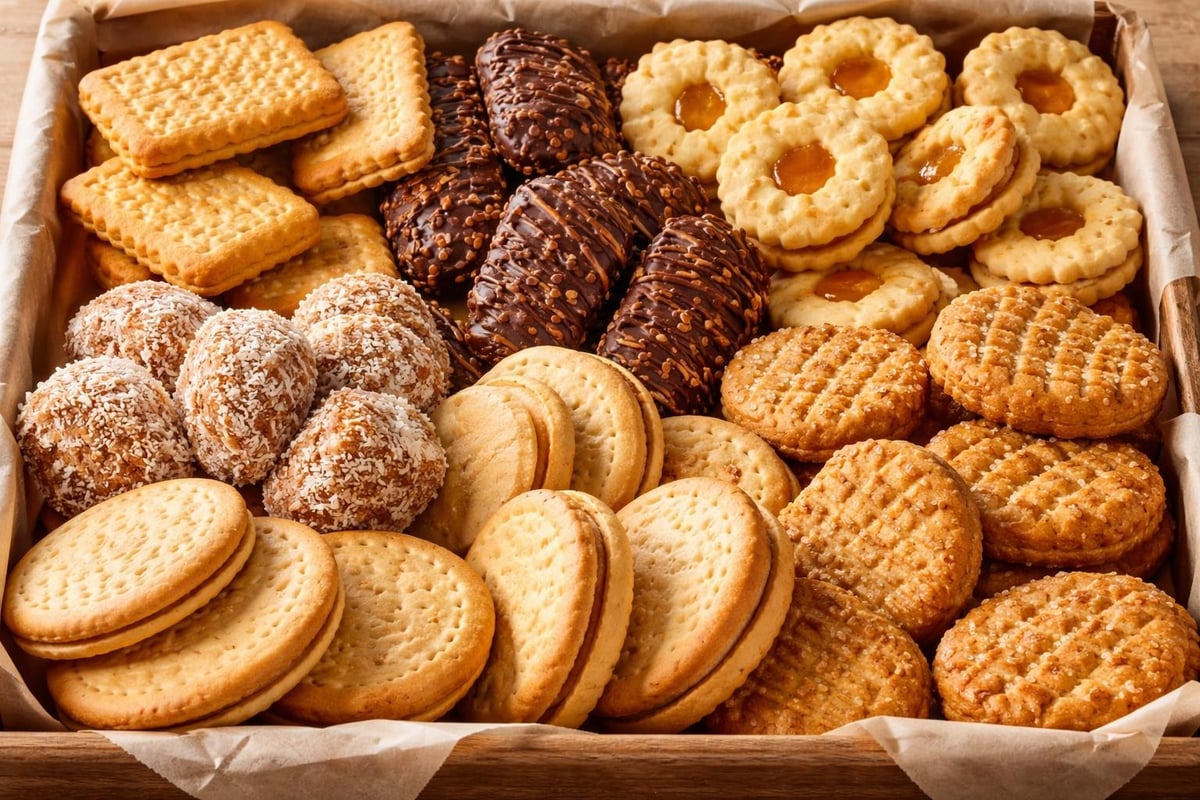
Tennis Biscuits dominate most South African biscuit selections. These coconut-covered treats feature two biscuits sandwiched with a sweet filling, creating the perfect balance of texture and flavour. Their distinctive appearance and taste make them instantly recognisable to anyone who grew up in South Africa.
Marie Biscuits represent the workhorse of South African tea time. Plain yet satisfying, these versatile biscuits work equally well dunked in tea, spread with butter, or enjoyed plain. Many South Africans have childhood memories of Marie biscuits as comfort food during illness or as an after-school snack.
Lemon Creams provide a citrus-forward option in most assortments. The tangy filling between two crisp biscuits offers a refreshing contrast to richer, sweeter varieties.
| Biscuit Type | Flavour Profile | Texture | Best Pairing |
|---|---|---|---|
| Tennis | Sweet coconut | Crisp with soft filling | Rooibos tea |
| Marie | Mild, slightly sweet | Firm and crisp | Black tea |
| Lemon Cream | Citrus, tangy | Light and crisp | Earl Grey |
| Custard Cream | Vanilla, buttery | Smooth, melt-in-mouth | Coffee |
| Ginger Nut | Spicy, warming | Very firm | Milk |
The Griffin's Sampler Biscuits Assortment demonstrates how New Zealand has its own biscuit tradition, though South African varieties maintain their distinct character and loyal following among expatriates.
Creating the Perfect Sampler Experience
Assembling or selecting sampler biscuits requires thoughtful consideration of flavour balance, texture variety, and personal preferences. Whether purchasing a pre-made assortment or creating a custom selection, certain principles enhance the overall experience.
Balancing Flavours and Textures
Successful sampler biscuits incorporate contrasting elements:
- Sweet versus savoury: While most South African biscuits lean sweet, including cheese or savoury options adds dimension
- Soft versus crispy: Alternating between tender shortbreads and crunchy ginger nuts prevents palate fatigue
- Rich versus light: Heavy, buttery biscuits need counterbalancing with lighter, airier options
- Traditional versus contemporary: Mixing classic varieties with newer innovations appeals to different generations
The Premier Savory Biscuit Sampler from Lark Fine Foods illustrates how savoury options can complement traditional sweet biscuits, though South African tastes typically favour the sweeter spectrum.
Storage and Presentation Considerations
Proper storage ensures sampler biscuits maintain their quality throughout consumption. Most South African biscuits contain preservatives that extend shelf life, but careful handling remains important.
Storage tips for maintaining freshness:
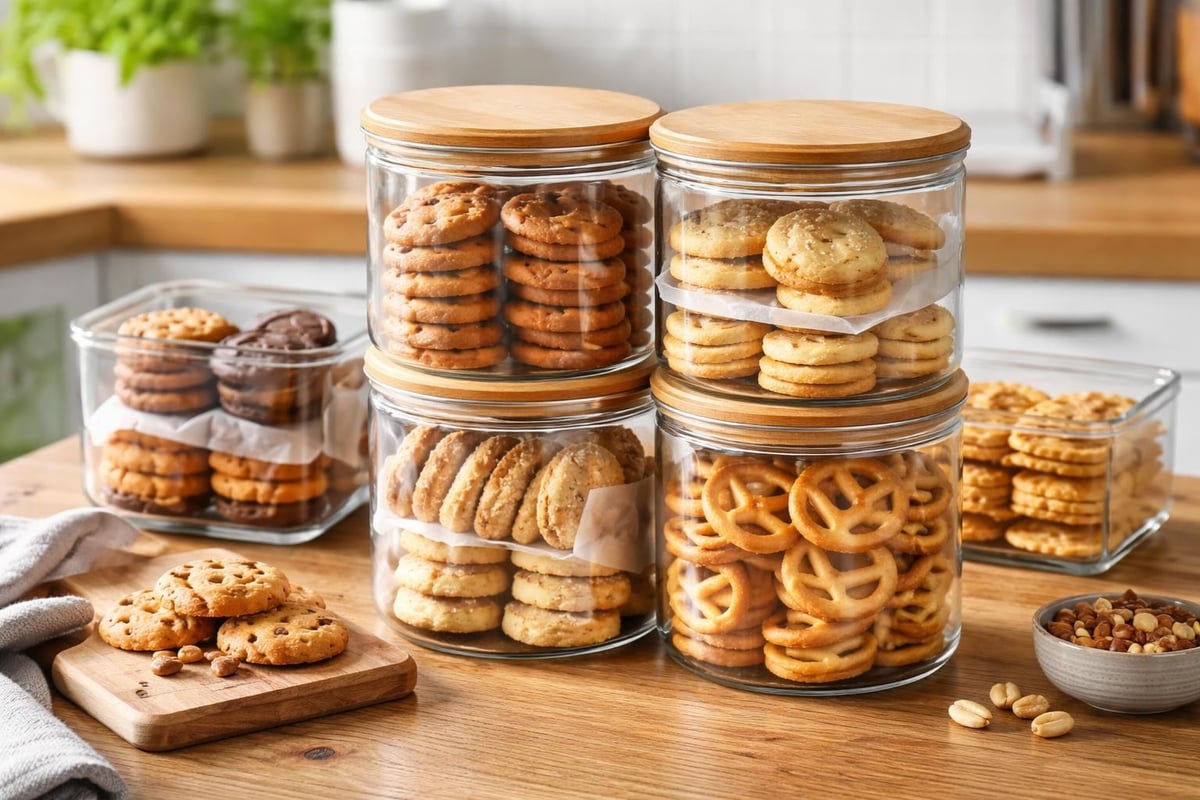
- Transfer biscuits to airtight containers immediately after opening original packaging
- Separate soft and crispy varieties to prevent moisture transfer
- Store in cool, dry locations away from direct sunlight
- Use within three months of opening for optimal flavour
- Freeze individual portions if planning extended storage
Presentation matters, particularly when serving sampler biscuits to guests. Traditional South African homes often featured decorative biscuit tins, and this practice continues among expatriate communities. Arranging varieties in a circular pattern on a plate, grouping by colour or size, creates visual appeal that enhances the tasting experience.
The Business of Biscuit Samplers
For retailers serving the South African expatriate community, sampler biscuits represent both an opportunity and a challenge. These products require careful sourcing, storage, and marketing to meet customer expectations whilst maintaining profitability.
Sourcing Authentic Products
Retailers must navigate complex supply chains to bring genuine South African biscuits to New Zealand and Australia. Importation challenges include:
- Shipping costs: Biscuits are relatively heavy and fragile, increasing freight expenses
- Shelf life management: Balancing stock levels against expiration dates
- Authenticity verification: Ensuring products match South African manufacturing standards
- Customs regulations: Complying with food importation requirements in both countries
The Biscuit Sampler 6-Pack from Effie's Homemade shows how artisanal producers create premium sampler experiences, though South African expatriates typically seek familiar commercial brands rather than gourmet alternatives.
Pricing Strategies for Expatriate Markets
Sampler biscuits occupy a unique position in the expatriate food market. Customers understand they pay premium prices for imported goods, yet excessive markups can discourage purchases. Successful pricing balances several factors:
- Import costs including freight, duties, and clearance fees
- Storage and handling expenses for fragile products
- Market competition from other South African food retailers
- Customer willingness to pay for authentic products
- Promotional opportunities during South African holidays
| Pricing Approach | Advantages | Disadvantages | Best For |
|---|---|---|---|
| Cost-plus markup | Simple, predictable | May not reflect market value | Stable, established products |
| Competitive pricing | Market-responsive | Requires constant monitoring | High-competition categories |
| Value pricing | Emphasises quality | Requires strong branding | Premium or unique items |
| Bundle discounts | Encourages larger purchases | Reduces per-unit profit | Customer acquisition |
Health and Nutritional Considerations
Modern consumers increasingly scrutinise food products for nutritional content, and sampler biscuits must navigate this health-conscious landscape. Traditional South African biscuits were created during an era less concerned with dietary restrictions, presenting challenges for contemporary markets.
Understanding Nutritional Profiles
Most South African biscuits contain similar base ingredients: wheat flour, sugar, vegetable oils, and various flavourings. These components create nutritional profiles that differ significantly from health-food alternatives popular in New Zealand and Australia.
Common nutritional characteristics:
- High carbohydrate content from refined wheat flour
- Moderate to high sugar levels, particularly in cream-filled varieties
- Trans fats from hydrogenated vegetable oils in some traditional recipes
- Limited fibre content compared to wholegrain alternatives
- Minimal protein unless nuts or seeds are included
The Chocolate Sables Shortbread Biscuit Sampler from Godiva demonstrates the premium, indulgent end of the biscuit spectrum, where nutritional considerations take secondary importance to flavour and experience.
Accommodating Dietary Restrictions
South African biscuit manufacturers have slowly adapted to modern dietary requirements, though options remain limited compared to broader market trends. Sampler biscuits rarely include dedicated sections for dietary restrictions, complicating choices for consumers with specific needs.
Current dietary limitation challenges:
- Gluten-free options: Virtually absent from traditional South African biscuit ranges
- Vegan varieties: Most contain dairy products in fillings or butter in bases
- Sugar-free alternatives: Limited availability and often inferior taste profiles
- Nut allergies: Cross-contamination concerns in facilities processing multiple varieties
- Halal certification: Not consistently available across all brands
For expatriates with dietary restrictions, the nostalgic appeal of sampler biscuits often conflicts with health requirements, creating difficult choices between cultural connection and personal wellbeing.
Sampler Biscuits as Cultural Ambassadors
Beyond their role as snacks, sampler biscuits function as cultural ambassadors, introducing non-South Africans to unique flavours whilst helping expatriates maintain connections to their heritage. This dual purpose elevates these simple treats to symbols of cultural exchange and preservation.
Sharing South African Culture
Many South Africans in New Zealand and Australia use sampler biscuits as conversation starters and cultural education tools. Offering Tennis biscuits to Kiwi colleagues or bringing a biscuit assortment to an Australian neighbourhood gathering creates opportunities to share stories, traditions, and memories.
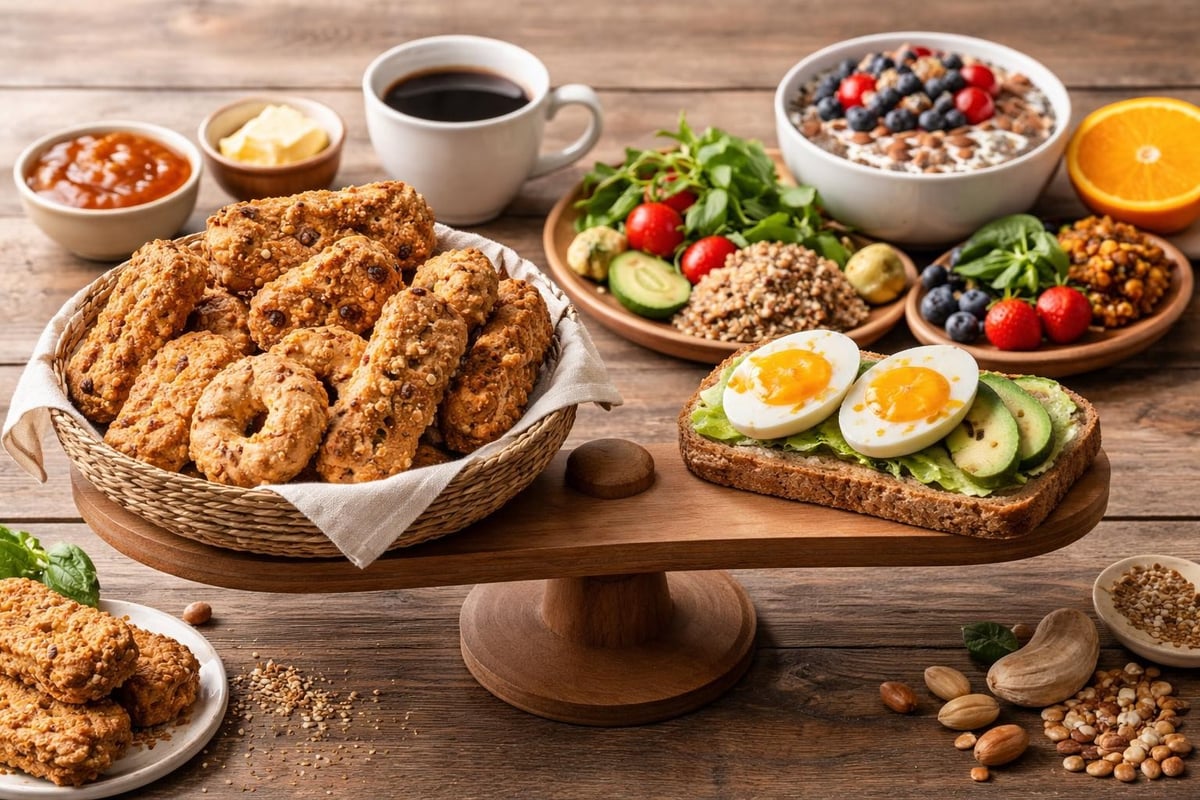
The Grande Savory Biscuit Sampler approach of pairing biscuits with complementary items like jams could inspire South African retailers to create culturally authentic pairings, such as biscuits with rooibos tea or traditional preserves.
Preserving Food Heritage
Second and third-generation South Africans born in New Zealand or Australia face challenges maintaining cultural connections. Food provides tangible links to ancestral heritage, and sampler biscuits offer accessible entry points to South African culinary traditions.
Ways sampler biscuits preserve cultural heritage:
- Introducing children to flavours their parents and grandparents enjoyed
- Providing topics for intergenerational conversation about South African life
- Creating new traditions that blend South African and local customs
- Maintaining taste memories that might otherwise fade across generations
- Supporting South African businesses and manufacturing through continued demand
The Sampler Box from Costas Biskotery in Australia shows how diverse communities appreciate variety packs, though South African versions carry additional cultural significance for expatriates.
Commercial Opportunities in the Sampler Market
The sampler biscuits segment presents numerous opportunities for businesses serving South African communities in New Zealand and Australia. Understanding market dynamics, customer preferences, and competitive positioning enables retailers to capitalise on this niche but passionate customer base.
Market Segmentation Strategies
Different customer segments approach sampler biscuits with varying needs and expectations:
- Recent immigrants: Seek exact replicas of products available in South Africa
- Long-term expatriates: May accept local alternatives if authentic products unavailable
- Second-generation South Africans: Often curious about heritage but less brand-loyal
- Cultural enthusiasts: Non-South Africans interested in exploring different cuisines
- Gift buyers: Purchase for South African friends or as cultural curiosities
Successful retailers recognise these segments and tailor offerings accordingly. A recent immigrant might prioritise authentic brands regardless of price, whilst a second-generation customer might accept broader "South African-style" products if flavours approximate memories.
Product Development Possibilities
Innovation in sampler biscuits could differentiate retailers in competitive markets. Potential development directions include:
- Customisable samplers: Allowing customers to select specific varieties for personalised assortments
- Themed collections: Curating biscuits around occasions like Christmas or heritage day celebrations
- Subscription services: Monthly or quarterly deliveries of rotating sampler selections
- Pairing suggestions: Including tea, coffee, or jam recommendations with each sampler
- Recipe cards: Sharing traditional South African ways to enjoy or use different biscuits
The Assorted Biscoitos from Little Portugal Bakery demonstrates how cultural food businesses successfully market traditional biscuits to diaspora communities, providing a model South African retailers might adapt.
Building Customer Loyalty Through Biscuit Programmes
Sampler biscuits create natural opportunities for customer engagement and loyalty development. Their variety, shareability, and emotional resonance make them ideal products for building lasting customer relationships.
Engagement Strategies
Educational content helps customers appreciate the products they're purchasing. Sharing stories about biscuit origins, manufacturing processes, or cultural significance deepens emotional connections. Many expatriates know they love certain biscuits but may not understand their history or traditional uses.
Community building through sampler biscuits might include:
- Hosting tasting events featuring different South African biscuit varieties
- Creating online communities where customers share biscuit memories and recipes
- Partnering with South African cultural organisations for special events
- Developing loyalty programmes rewarding repeat purchases
- Encouraging customer reviews and recommendations
Seasonal promotions align with both South African and local calendars. Heritage Day samplers, Christmas assortments featuring traditional South African favourites, or back-to-school selections tap into different purchase motivations throughout the year.
Quality Assurance and Customer Trust
Maintaining product quality remains paramount when serving expatriate communities. Customers purchasing sampler biscuits expect authentic products that match their memories and meet their quality standards.
Quality maintenance practices:
- Regular supplier audits ensuring consistent product standards
- Proper storage conditions throughout the supply chain
- Clear expiration date communication and management
- Responsive customer service addressing concerns quickly
- Transparent communication about product changes or substitutions
Trust, once established, creates loyal customers who return repeatedly and recommend retailers to others within the South African community. The relatively small expatriate populations in New Zealand and Australia mean reputation matters significantly, as word-of-mouth recommendations travel quickly through tight-knit communities.
The Future of Sampler Biscuits in Expatriate Markets
As South African communities in New Zealand and Australia continue evolving, so too will the sampler biscuits market. Several trends suggest how this product category might develop over coming years.
Emerging Consumer Preferences
Younger generations of South African expatriates demonstrate different purchasing patterns than their parents. They value authenticity but also prioritise sustainability, health, and ethical production. Sampler biscuits adapting to these preferences might include:
- Reduced packaging waste through bulk options or refillable containers
- Transparent sourcing information about ingredients and manufacturing
- Healthier formulations maintaining traditional flavours
- Support for South African small businesses rather than only large manufacturers
- Carbon-offset shipping or local production under license
The Sampler Bag of 10 Biscuits for pets illustrates how sampler concepts extend across categories, suggesting South African food businesses might explore adjacent product areas.
Digital Commerce Evolution
Online shopping has transformed how expatriates access South African products. Sampler biscuits benefit particularly from e-commerce advantages:
Digital retail benefits:
- Wider selection without physical shelf space limitations
- Detailed product information and customer reviews
- Subscription models ensuring regular deliveries
- Targeted marketing to specific customer segments
- Data collection improving inventory and selection decisions
Successful online retailers combine convenience with cultural understanding, creating shopping experiences that acknowledge the emotional significance of these products beyond mere transactions.
Sustainability and Ethical Considerations
Environmental consciousness increasingly influences purchasing decisions. Shipping biscuits from South Africa to New Zealand and Australia carries significant carbon footprints, creating tension between cultural connection and environmental responsibility.
Potential solutions include:
- Carbon offset programmes for international shipping
- Local manufacturing under license from South African brands
- Larger, less frequent shipments to reduce transportation impacts
- Minimal packaging designs reducing waste
- Supporting South African manufacturers with sustainable practices
Balancing these competing priorities requires thoughtful approaches that respect both cultural needs and environmental obligations.
Sampler biscuits represent far more than simple snacks for South African communities in New Zealand and Australia. These carefully curated assortments connect expatriates to their heritage whilst introducing others to unique cultural traditions. Whether enjoyed during afternoon tea, shared with curious friends, or savoured as nostalgic treats, sampler biscuits create moments of connection and cultural preservation. For authentic South African products including traditional biscuits and much more, explore the extensive selection at Something From Home, where you'll find the foods and flavours that make any place feel a little more like home.