Meat Tenderizer NZ: The Complete Guide for 2026
Meat Tenderizer NZ: Quick Answer
Meat can be tenderised mechanically, with controlled marinating, or with a tenderising marinade. Royco Garlic Steak Dry Marinade is designed to tenderise and flavour meat before braaing, grilling or frying.
Shop now: Royco Marinade Garlic Steak - 39g.
Frequently asked questions
How do I use Royco Garlic Steak Marinade?
Follow the packet directions. The manufacturer instructs users to mix the contents with cold water, pierce the meat, coat it and marinate for the specified time before cooking.
Can I leave tenderising marinade on overnight?
Do not exceed the product’s stated marinating time, because tenderisers can change the meat’s texture when left too long.
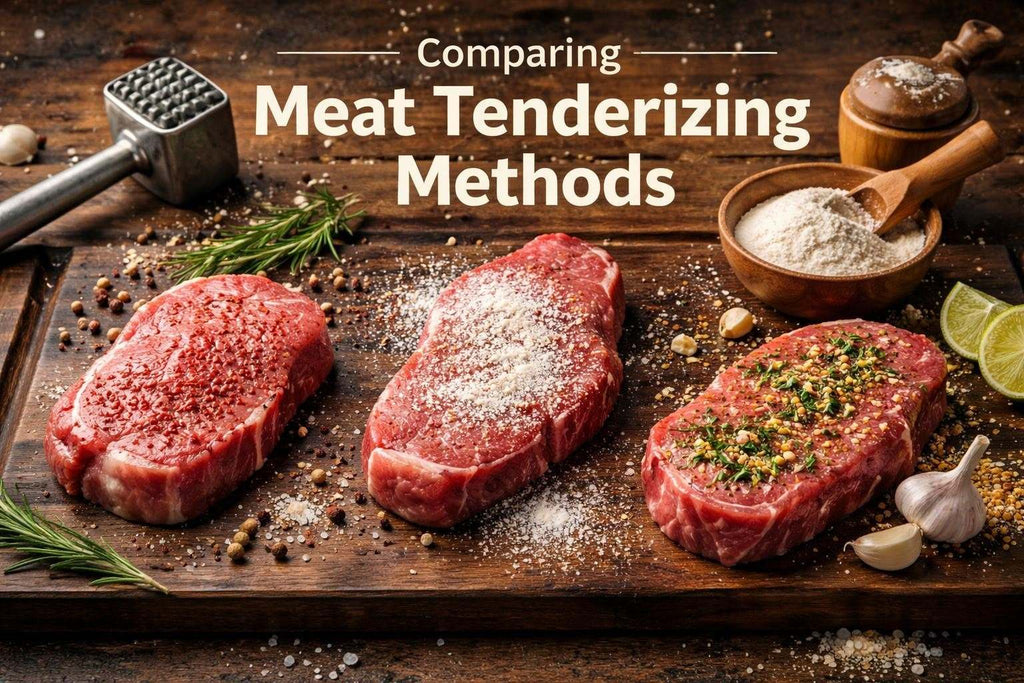
Finding the right meat tenderizer in NZ can transform your cooking experience, especially when preparing traditional cuts for a proper braai or Sunday roast. Whether you're working with tougher cuts of beef, venison, or lamb, understanding the various tenderizing methods available across New Zealand helps you achieve restaurant-quality results at home. This comprehensive guide explores everything from mechanical tools to enzyme-based solutions, helping you select the perfect approach for your cooking style.
Understanding Meat Tenderization Methods
The science behind meat tenderization involves breaking down muscle fibres and connective tissue to create a more palatable texture. When searching for a meat tenderizer nz, you'll encounter several distinct categories, each suited to different cuts and cooking applications.
Mechanical Tenderizers
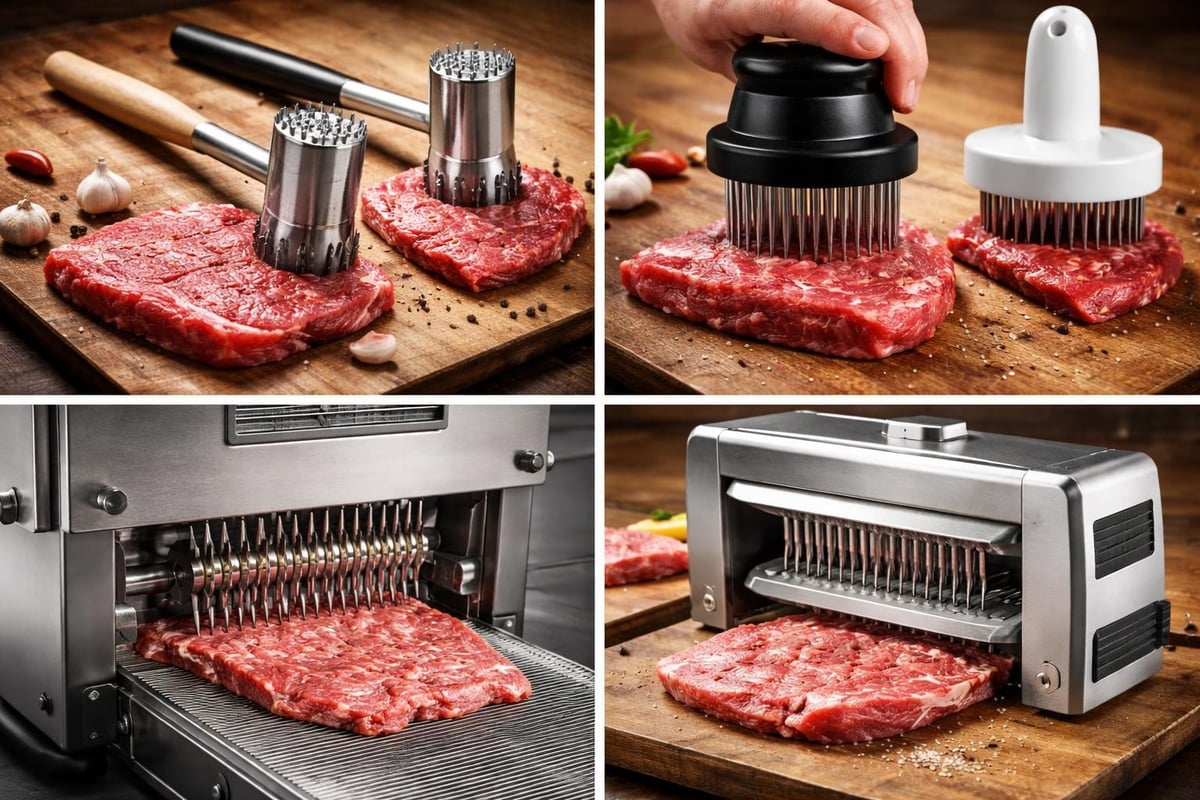
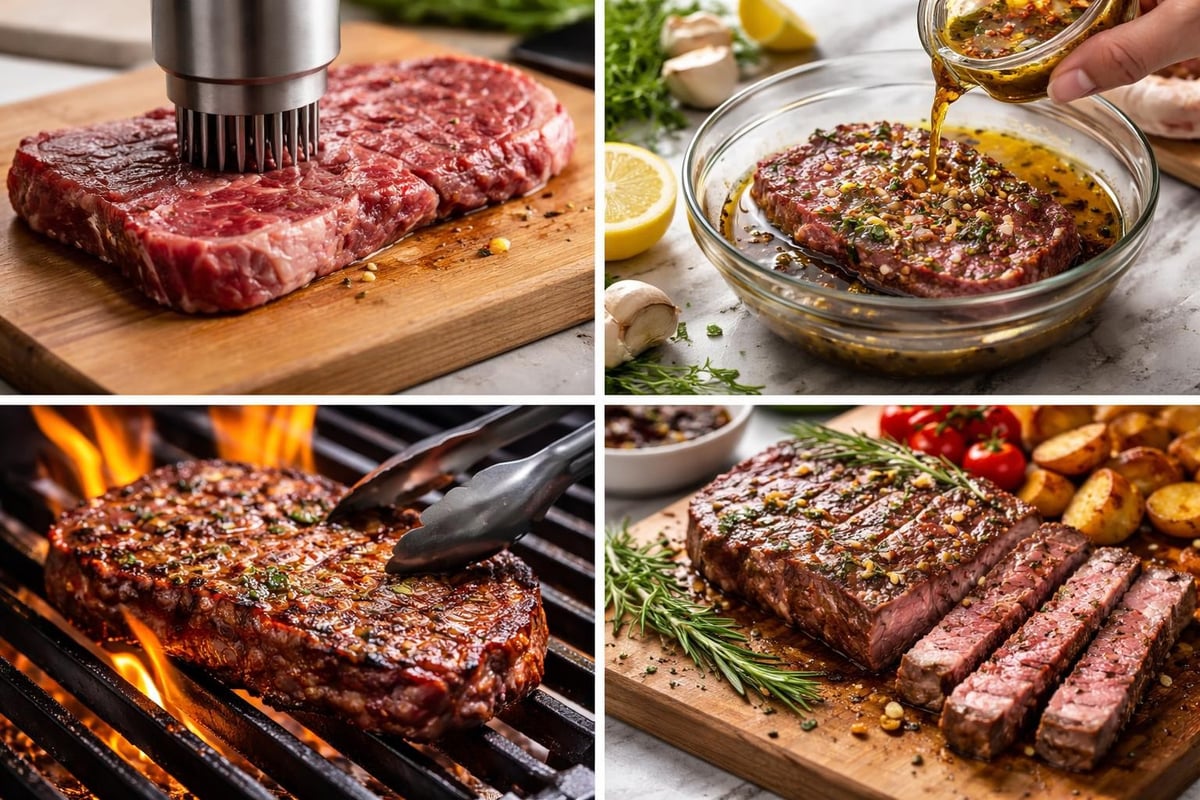
Physical tenderization tools work by puncturing or pounding meat fibres to break down tough connective tissue. The OXO Good Grips Meat Tenderizer represents a popular choice among New Zealand home cooks, featuring die-cast aluminium construction that withstands repeated use.
Key mechanical options include:
- Mallets with dual-sided heads (flat and textured surfaces)
- Needle tenderizers with multiple sharp blades
- Commercial-grade machines for high-volume preparation
- Rolling tenderizers with blade wheels
The Stainless Steel Meat Tenderizer Needles provide an ergonomic alternative, using sharp needles to penetrate meat without significantly altering its appearance. This method proves particularly effective for steaks and chops where you want to maintain presentation while improving tenderness.
For commercial applications, the BRPRO9CL Meat Tenderiser offers professional-grade performance suitable for restaurants and butcher shops throughout New Zealand. These machines process large quantities quickly while ensuring consistent results across multiple cuts.
Enzyme-Based Tenderizers
Natural enzymes provide a chemical approach to breaking down protein structures in meat. When looking for an enzyme-based meat tenderizer nz, you'll find products containing papain (from papaya), bromelain (from pineapple), or ficin (from figs).
Research published in Science Direct demonstrates how cold-adapted collagenolytic proteases can effectively tenderize beef at lower temperatures, offering insights into modern enzyme applications. Similarly, studies on PubMed examining Bacillus subtilis protease show promising results for alternative enzyme treatments.
| Enzyme Type | Source | Best For | Application Time |
|---|---|---|---|
| Papain | Papaya | Beef, game meats | 30-60 minutes |
| Bromelain | Pineapple | Pork, chicken | 20-40 minutes |
| Ficin | Figs | Lamb, venison | 40-90 minutes |
These enzymes work by breaking down collagen and elastin, the primary proteins responsible for meat toughness. However, timing proves critical-over-tenderizing can result in mushy texture that compromises the eating experience.
Traditional South African Approaches
South African cooking traditions offer time-tested methods for tenderizing meat, particularly relevant for those preparing authentic braai experiences in New Zealand.
Marinades and Spice Rubs
Acidic marinades containing vinegar, wine, or citrus juice naturally break down protein structures while infusing flavour. Traditional South African marinades often incorporate ingredients readily available through Something From Home, combining aromatic spices with acidic components.
Effective tenderizing marinade components:
- Red wine or beer (alcohol and acids soften fibres)
- Worcestershire sauce (contains vinegar and enzymes)
- Tomato-based sauces (natural acids and sugars)
- Yogurt or buttermilk (lactic acid tenderizes effectively)
The combination of acid and time allows enzymes to penetrate deep into meat tissue. For optimal results with tougher cuts, marinate for 4-24 hours in the refrigerator, turning occasionally to ensure even coverage.
Salt Brining Techniques
Dry brining with coarse salt draws moisture to the surface before reabsorbing it, carrying salt deep into the meat structure. This process, known as osmosis, breaks down proteins while enhancing flavour retention during cooking.
A simple dry brine requires only salt applied generously to all surfaces, then refrigerated uncovered for 12-48 hours depending on thickness. The meat surface dries slightly, promoting better browning when cooking over high heat-ideal for braai preparation.
Choosing the Right Meat Tenderizer NZ Options
Selection depends on several factors including cut type, cooking method, and available preparation time. Understanding these variables ensures you invest in tools that match your specific requirements.
Budget Considerations
| Price Range | Tool Type | Best Use Case |
|---|---|---|
| $15-$30 | Basic mallets | Occasional home use |
| $30-$60 | Quality needle tenderizers | Regular home cooking |
| $60-$150 | Premium manual tools | Serious home cooks |
| $150+ | Commercial equipment | Business applications |
Entry-level options suit occasional cooks preparing family meals, while serious braai enthusiasts benefit from investing in durable, professional-grade tools. When evaluating a meat tenderizer nz purchase, consider frequency of use against initial investment.
Cut-Specific Recommendations
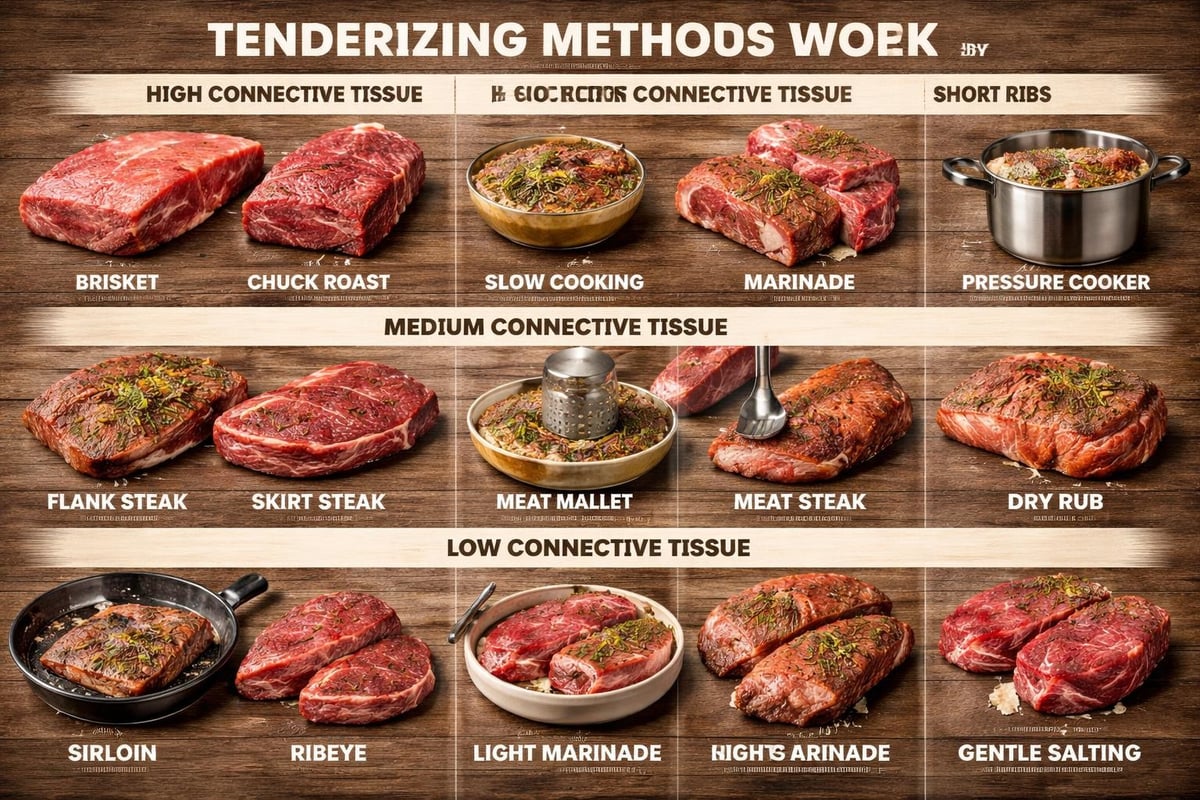
Different cuts respond better to particular tenderization methods. Tough cuts with significant connective tissue require more aggressive approaches, while premium cuts need gentler handling to preserve their natural qualities.
Tougher cuts (brisket, chuck, silverside):
- Mechanical tenderizers combined with long marinades
- Enzyme treatments for 60-90 minutes
- Slow cooking methods post-tenderization
Medium cuts (rump, sirloin, flank):
- Light mechanical tenderization
- Brief enzyme exposure (30-45 minutes)
- Acidic marinades for 4-8 hours
Premium cuts (fillet, ribeye, scotch):
- Minimal intervention required
- Quick salt brining only
- Gentle pounding if needed for even thickness
Professional Kitchen Applications
Commercial kitchens and butcher shops throughout New Zealand require robust solutions that handle high volumes while maintaining consistency. Professional-grade equipment offers features beyond residential tools, including adjustable blade depth and motorized operation.
The investment in commercial equipment pays dividends through improved efficiency and reduced labour costs. Processing 50kg of meat daily manually proves exhausting, while motorized tenderizers complete the same work in minutes with consistent results across every piece.
Safety and Hygiene Standards
Food safety regulations in New Zealand demand proper sanitization of all meat-contact surfaces. Stainless steel construction simplifies cleaning while resisting corrosion from repeated exposure to meat juices and cleaning chemicals.
Essential safety practices include:
- Disassembling and cleaning after each use
- Sanitizing with food-safe solutions
- Inspecting blades for damage or dullness
- Proper storage to prevent contamination
Regular maintenance extends equipment lifespan while ensuring consistent performance. Blade sharpening services throughout New Zealand help maintain optimal cutting efficiency, particularly important for needle-style tenderizers that rely on sharp penetration.
Innovative Tenderizing Technologies
Modern research continues exploring novel approaches to meat tenderization, including ultrasonic treatment and high-pressure processing. While these remain primarily in commercial applications, understanding emerging technologies helps predict future home kitchen innovations.
Scientific studies, such as research examining alternative protease applications, demonstrate ongoing efforts to identify more effective enzymatic solutions. These advances may eventually translate into improved consumer products available throughout New Zealand.
Natural Fruit Enzymes
Fresh fruits containing natural enzymes offer an accessible alternative to commercial powders. Kiwifruit, grown extensively in New Zealand, contains actinidin-a powerful proteolytic enzyme that effectively tenderizes meat.
Simply pureeing fresh kiwifruit and rubbing it onto meat surfaces creates an effective tenderizer without artificial additives. However, careful timing prevents over-tenderization, as these natural enzymes work aggressively. Limit application to 20-30 minutes for most cuts.
Pineapple offers similar benefits through bromelain content, while papaya provides papain. These fruits work particularly well in Asian-fusion preparations popular in New Zealand's diverse culinary landscape.
Maximizing Results with Combined Methods
Experienced cooks often combine multiple tenderization techniques to achieve optimal results. Layering mechanical and chemical approaches addresses different aspects of meat structure, producing superior tenderness compared to single-method applications.
Strategic Layering Approach
Beginning with mechanical tenderization creates channels for marinades to penetrate deeper into meat tissue. Follow physical treatment with enzyme-based or acidic marinades that work throughout the interior, not just surface layers.
Recommended sequence:
- Mechanical tenderization (mallet or needles)
- Dry salt application (15-30 minutes)
- Acidic marinade with spices (4-12 hours)
- Final seasoning before cooking
This multi-stage process requires advanced planning but delivers exceptional results, particularly valuable when preparing special occasion meals or entertaining guests with authentic South African dishes from Something From Home's grocery collection.
Temperature Considerations
Bringing meat to room temperature before cooking ensures even heat penetration, while proper resting post-cooking allows juices to redistribute throughout the muscle fibres. These steps complement tenderization efforts, maximizing the textural benefits achieved through preparation.
Common Mistakes to Avoid
Even with quality tools, improper technique undermines tenderization efforts. Understanding frequent errors helps you avoid disappointing results when preparing important meals.
Over-Tenderization Issues
Excessive enzyme exposure or overly aggressive mechanical treatment destroys meat structure, creating mushy, unappealing texture. This particularly affects enzyme-based products-strict adherence to recommended timing prevents degradation beyond optimal tenderness.
Monitor marinating times carefully, setting alarms if necessary. What seems like "just 30 more minutes" can cross the threshold from tender to unpleasant, especially with powerful enzymes like papain or bromelain.
Inconsistent Application
Uneven tenderization creates portions with varying texture, disrupting the eating experience. Whether using mechanical tools or marinades, ensure complete coverage across all meat surfaces.
Consistency tips:
- Pound meat from center outward in overlapping strokes
- Submerge meat completely in liquid marinades
- Turn regularly during marination periods
- Apply needle tenderizers in systematic grid patterns
Professional results demand attention to detail throughout every preparation stage. Rushing through tenderization compromises the final product, wasting both quality ingredients and your valuable time.
Selecting Equipment for New Zealand Conditions
New Zealand's climate and import regulations influence product availability and performance requirements. Humidity levels affect enzyme storage, while import restrictions limit certain commercial equipment options.
Storage and Shelf Life
Enzyme-based tenderizers require cool, dry storage to maintain potency. New Zealand's variable humidity, particularly in coastal regions, necessitates airtight containers with desiccant packets to prevent moisture absorption that degrades enzyme effectiveness.
Mechanical tools benefit from periodic oil application on moving parts and hinges, preventing rust formation in humid conditions. Stainless steel construction resists corrosion better than carbon steel alternatives, justifying the higher initial investment for long-term reliability.
Import Considerations
While many meat tenderizer nz options are locally available, specialty items may require international ordering. Factor shipping costs and delivery times when comparing prices, particularly for commercial-grade equipment from overseas suppliers.
Local retailers throughout New Zealand stock popular residential options, offering the advantage of immediate availability and simplified returns if products prove unsuitable. Building relationships with specialty kitchen suppliers provides access to professional advice tailored to New Zealand cooking conditions.
Preparing Authentic South African Cuts
Traditional South African meat preparations often feature cuts less common in mainstream New Zealand butcheries. Understanding how to tenderize these specialty items ensures authentic results when recreating homeland favourites.
Boerewors and Sausage Applications
While boerewors typically uses specific mince blends, tenderizing tougher cuts before mincing improves final texture. Brief mechanical tenderization breaks down fibres that might otherwise create chewy bits in finished sausages.
This proves particularly valuable when working with game meats or tougher beef cuts, ensuring smooth, consistent texture throughout each sausage link. The effort invested in pre-tenderization manifests in noticeably superior eating quality.
Sosaties and Kebab Preparation
Marinated meat skewers benefit enormously from proper tenderization, especially when using economical cuts. The combination of mechanical treatment and spiced marinades creates tender, flavourful sosaties comparable to those made with premium ingredients.
Traditional Cape Malay spice blends work synergistically with acidic components, both tenderizing and flavouring meat simultaneously. These authentic seasonings, available through specialty South African suppliers, contain ingredients selected specifically for their tenderizing properties alongside aromatic qualities.
Maintenance and Care Guidelines
Proper maintenance extends equipment lifespan while ensuring food safety and consistent performance. Developing regular cleaning routines prevents bacterial growth and mechanical failures.
Cleaning Protocols
Immediately after use, rinse tools under hot water to remove meat particles before they dry and adhere to surfaces. Disassemble multi-part tools completely, cleaning each component individually with hot, soapy water.
Sanitize using food-safe solutions, paying particular attention to blade surfaces and crevices where bacteria might harbour. Thorough drying prevents rust formation, especially important for tools with exposed metal components.
Blade Sharpening Services
Dull blades tear rather than cut meat fibres, reducing tenderization effectiveness while increasing required pressure. Professional sharpening services throughout New Zealand restore optimal edge geometry, though many needle tenderizers feature replaceable blade cartridges for convenient maintenance.
Inspect blades monthly for damage or excessive wear. Bent or broken needles compromise performance and may pose safety hazards, warranting immediate replacement before further use.
Environmental and Sustainability Aspects
Choosing durable, repairable tools over disposable alternatives aligns with New Zealand's environmental consciousness. Quality mechanical tenderizers last decades with proper care, eliminating waste associated with frequent replacements.
Material Selection Impact
Stainless steel and aluminium tools offer superior longevity compared to plastic alternatives, justifying higher purchase prices through extended service life. These materials also facilitate thorough cleaning and sanitization, supporting food safety while reducing environmental impact.
When selecting enzyme-based products, consider packaging waste and ingredient sourcing. Bulk purchases reduce packaging materials while typically offering better value, particularly relevant for commercial operations processing significant meat volumes.
Whether you're preparing a traditional braai or experimenting with modern culinary techniques, the right meat tenderizer nz solution makes all the difference in achieving perfectly tender, flavourful results. By understanding the various methods available and selecting tools appropriate for your specific needs, you'll consistently produce restaurant-quality meat dishes at home. For authentic South African ingredients and specialty products that complement your tenderized meats, explore the extensive selection at Something From Home, where you'll find everything needed to recreate the flavours you miss most, now shipping throughout New Zealand and Australia.