South African Food Store: Your Guide to Authentic Flavours

Finding authentic South African products overseas can feel like searching for a needle in a haystack. Whether you're craving the distinctive taste of Mrs Ball's Chutney or the comfort of a proper rusk with your morning coffee, a south african food store serves as a vital connection to home for expatriates living in New Zealand and Australia. These specialised retailers understand that food represents more than sustenance-it embodies memory, culture, and identity. The growing South African diaspora across Australasia has created strong demand for authentic products that remind them of the Rainbow Nation's unique culinary heritage.
Understanding the South African Food Store Market
The concept of a south african food store extends far beyond simply stocking imported products. These retailers curate carefully selected inventories that reflect the diverse culinary landscape of South Africa, from Cape Malay curries to traditional Afrikaner bakes. The market has evolved significantly over the past decade, driven by increasing migration patterns and improved international shipping capabilities.
South African expatriates represent one of the fastest-growing communities in New Zealand, with many settling permanently while maintaining strong cultural ties to their homeland. This demographic creates sustained demand for authentic products that aren't available through mainstream supermarkets. Food serves as the most accessible way to maintain cultural connection, making these specialised stores essential community hubs.
Key Product Categories
A comprehensive south african food store typically organises inventory across several core categories:
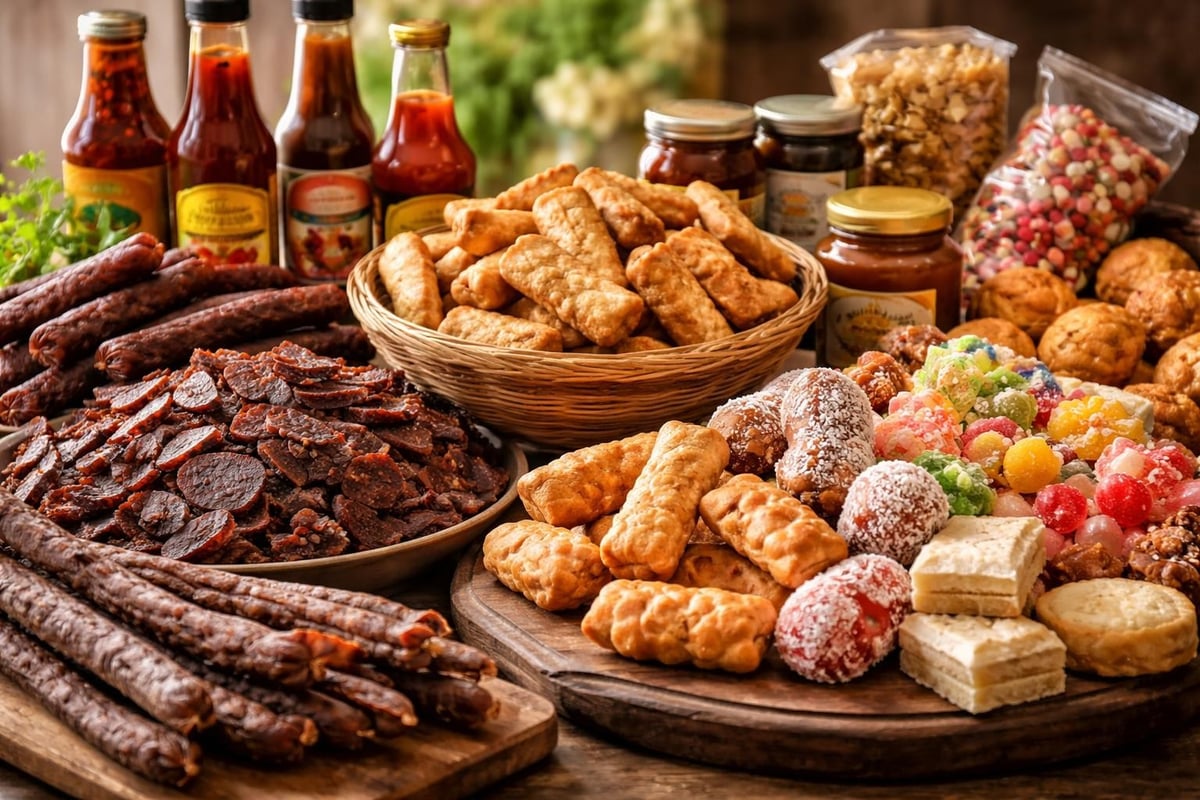
- Biltong and droëwors: Air-dried meats that define South African snacking culture
- Rusks and biscuits: From Ouma Rusks to Tennis Biscuits, breakfast essentials
- Sauces and condiments: Mrs Ball's Chutney, Nando's Peri-Peri, and aromatic spice blends
- Beverages: Rooibos tea, Oros concentrate, and Stoney Ginger Beer
- Sweets and chocolates: Peppermint Crisp, Tex Bar, and other nostalgic treats
- Cooking essentials: Boerewors spice, baking ingredients, and traditional seasonings
The selection reflects both everyday necessities and special occasion items that allow expatriates to recreate authentic South African meals and celebrations. According to market analysis on South African food trends, conscious consumption and premiumisation of local experiences continue shaping consumer preferences, even among those living abroad.
What Distinguishes Quality South African Food Retailers
Not all importers understand the nuances of South African food culture. A truly exceptional south african food store demonstrates several distinguishing characteristics that elevate it beyond basic import operations. These factors determine whether a retailer merely sells products or genuinely serves its community.
Authenticity and Product Selection
The foundation of any reputable south african food store lies in sourcing genuine South African brands rather than inferior substitutes. Customers immediately recognise the difference between authentic Simba chips and generic alternatives. Quality retailers maintain direct relationships with South African manufacturers and distributors, ensuring products match what customers remember from home.
Breadth of selection matters significantly. While staples like biltong and rusks form the core inventory, exceptional stores stock harder-to-find regional specialities. This might include koeksisters syrup, boerewors spice mix, or specific brands of condensed milk for traditional recipes. The South African confectionery market shows expanding diversity in product offerings, reflecting varied consumer preferences that extend to expatriate communities.
| Quality Factor | Excellent Store | Average Store |
|---|---|---|
| Product Authenticity | Direct South African imports | Mixed origin alternatives |
| Brand Selection | 200+ authentic brands | 50-100 limited brands |
| Product Freshness | Regular stock rotation | Irregular updates |
| Community Engagement | Active customer feedback | Minimal interaction |
Shipping and Logistics Excellence
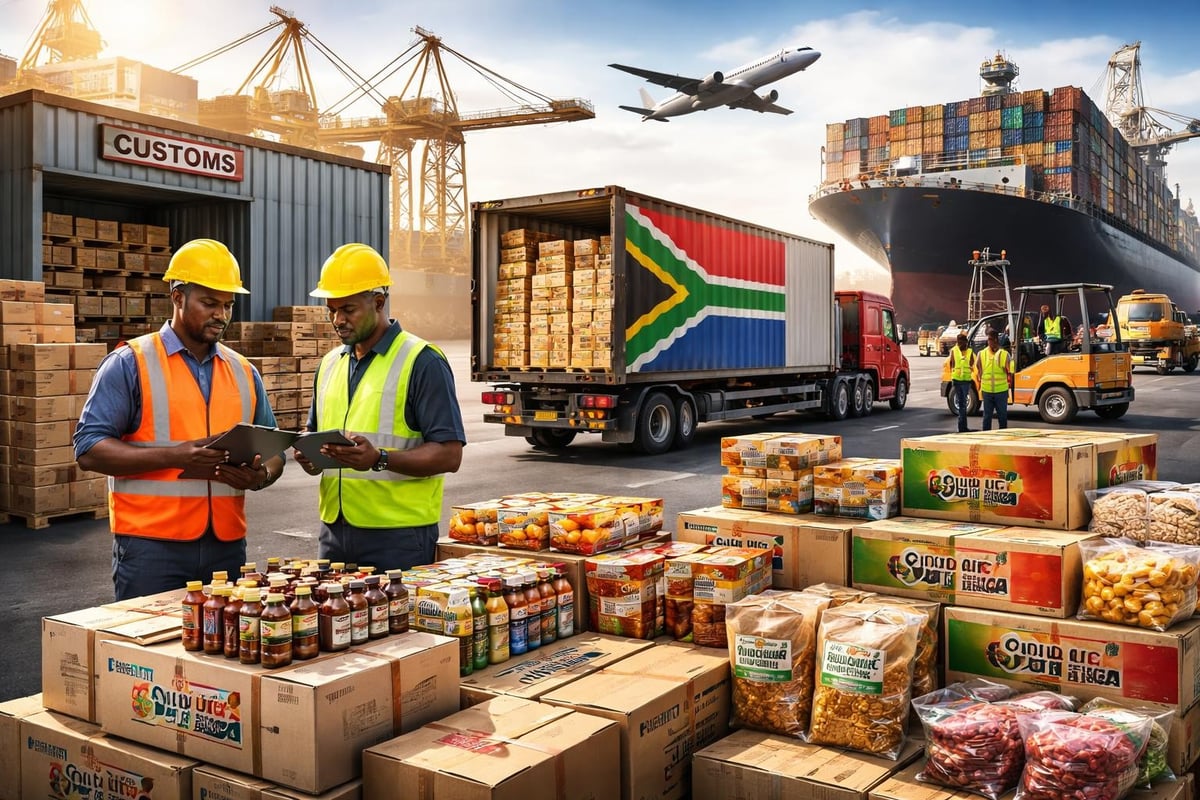
Operating a south african food store in New Zealand or Australia requires sophisticated logistics management. Products must travel halfway around the world while maintaining freshness and quality. Professional retailers invest in proper warehousing, temperature control for sensitive items, and efficient distribution networks.
Transparent shipping policies build customer trust. Customers appreciate knowing exactly when their order will arrive and having access to tracking information. Something From Home demonstrates this commitment through comprehensive parcel tracking guidance that keeps customers informed throughout the delivery process.
Building Customer Loyalty in Specialty Food Retail
The most successful south african food store operations understand that they're not just selling groceries-they're providing emotional connection to homeland and culture. This deeper understanding shapes every aspect of customer interaction and business strategy.
Creating Community Connection
Food retailers that thrive recognise their role as community anchors. They facilitate connections between expatriates, share recipes and cooking tips, and create spaces (physical or digital) where South Africans can engage with familiar culture. This might include hosting braai events, sharing traditional recipes, or simply maintaining active social media presence that celebrates South African heritage.
The Something From Home rewards programme exemplifies how loyalty initiatives can strengthen customer relationships beyond transactional exchanges. By recognising repeat customers and offering meaningful benefits, retailers transform one-time buyers into committed community members.
Responding to Customer Needs
- Regular inventory updates: Monitor customer requests for specific products and brands
- Seasonal offerings: Stock special items for holidays like Heritage Day or Christmas
- Recipe inspiration: Provide cooking guidance for traditional dishes
- Customer service excellence: Respond promptly to enquiries and resolve issues professionally
- Flexible payment options: Accommodate various payment preferences for customer convenience
Understanding the demands of the food retail sector in South Africa helps international retailers appreciate quality standards and consumer expectations they need to meet.
Popular Products and Emerging Trends
Consumer preferences within the south african food store market continue evolving, influenced by both nostalgic favourites and contemporary dietary trends. Successful retailers balance these dynamics by maintaining classic offerings while introducing new products that align with changing lifestyles.
Timeless Favourites
Certain products remain perpetually popular regardless of trends or seasons. These items form the backbone of any successful south african food store inventory:
- Biltong and droëwors: Consistently top-selling categories, with customers often purchasing in bulk
- Ouma Rusks: Essential breakfast items that many South Africans consider non-negotiable
- Mrs Ball's Chutney: The iconic condiment that defines South African flavour profiles
- Simba chips: Nostalgic snacks that transport customers back to childhood
- Peppermint Crisp: The chocolate bar that sparks memories and inspires dessert creations
Contemporary Developments
Modern south african food store operations also track emerging preferences. Health-conscious consumers increasingly seek products aligned with wellness goals while maintaining authentic flavours. This includes:
Plant-based alternatives are gaining traction, reflecting global trends noted in South African confectionery market analysis. Vegetarian biltong alternatives and plant-based boerewors now complement traditional meat products, expanding market reach to diverse dietary preferences.
Artisanal and premium products attract customers willing to invest in superior quality. Small-batch chutneys, craft biltong from heritage breeds, and organic rooibos represent the premiumisation trend affecting South African food retail globally.
The frozen foods market in South Africa demonstrates changing consumption patterns that influence what expatriates seek overseas. Convenience products that maintain authentic flavours appeal to busy families balancing work and cultural traditions.
Operating Considerations for South African Food Specialists
Running a successful south african food store requires more than passion for South African culture. It demands careful attention to regulatory compliance, inventory management, and customer experience optimisation.
Regulatory and Quality Standards
Food importation involves navigating complex regulations in both source and destination countries. New Zealand's food safety standards require meticulous documentation, proper labelling, and adherence to biosecurity protocols. Professional retailers maintain transparent relationships with regulatory authorities and ensure all products meet required specifications.
Temperature-sensitive products like chocolate require special handling, particularly during summer months. Quality-focused stores invest in climate-controlled storage and expedited shipping for perishable items, protecting product integrity from warehouse to customer doorstep.
Inventory Management Strategies
| Challenge | Solution | Benefit |
|---|---|---|
| Long shipping times | Maintain safety stock levels | Prevent stockouts |
| Product expiry dates | First-in-first-out rotation | Ensure freshness |
| Seasonal demand fluctuations | Predictive ordering | Optimise cash flow |
| Currency exchange volatility | Strategic bulk purchasing | Price stability |
Effective south african food store operators develop sophisticated forecasting models that account for seasonal patterns, cultural events, and emerging trends. They balance inventory investment against storage costs while ensuring popular items remain continuously available.
Digital Presence and E-commerce Excellence
Modern consumers expect seamless online shopping experiences, making digital capabilities essential for any contemporary south african food store. The shift toward e-commerce accelerated dramatically during recent years, with many customers now preferring online ordering over physical store visits.
Website Functionality and User Experience
A professional online south african food store requires intuitive navigation, comprehensive product information, and secure transaction processing. Customers should easily browse all available items, search for specific brands, and discover new products through curated collections.
High-quality product photography and detailed descriptions help customers make informed purchasing decisions. Since many shoppers can't physically inspect items before purchase, clear images and comprehensive specifications build confidence and reduce return rates.
Content Marketing and Community Building
Beyond basic e-commerce functionality, successful retailers create value through educational content. Recipe blogs, product usage guides, and cultural stories engage customers beyond transactional interactions. The Cremora tarts recipe exemplifies how sharing beloved South African recipes builds community while subtly promoting relevant products.
Social media presence allows real-time engagement with customers, announcing new stock arrivals, sharing customer testimonials, and celebrating South African culture. This ongoing dialogue strengthens brand loyalty and keeps the south african food store top-of-mind when customers need authentic products.
Pricing Strategy and Value Proposition
Pricing products in a south african food store requires balancing multiple factors: import costs, currency fluctuations, shipping expenses, and customer expectations. South African expatriates understand that authentic products command premium prices compared to local alternatives, but they also expect reasonable value.
Transparent Pricing Philosophy
Customers appreciate understanding what drives pricing decisions. Import duties, international shipping costs, and currency exchange rates all impact final prices. Transparent communication about these factors builds trust and helps customers understand the value they receive.
Volume discounts and bulk purchasing options appeal to customers stocking up on staples like rusks, biltong, or beverages. Multi-buy promotions encourage larger basket sizes while providing genuine savings that customers recognise and appreciate.
Competitive Positioning
The South African retail sector demonstrates increasing competitiveness, with major chains expanding and e-commerce growing rapidly. International retailers must remain aware of market dynamics in South Africa while adapting strategies for their local markets in New Zealand and Australia.
Differentiation through service quality, product selection breadth, and community engagement often matters more than competing purely on price. Customers willing to pay slightly more for superior service, guaranteed product availability, and reliable delivery create sustainable business models.
Seasonal Opportunities and Cultural Celebrations
A south african food store calendar revolves around cultural events and celebrations that drive demand for specific products. Understanding these patterns allows strategic inventory planning and targeted marketing campaigns.
Heritage Day and National Celebrations
Heritage Day in September triggers increased demand for braai essentials, boerewors spice, and traditional side dish ingredients. Smart retailers prepare months in advance, ensuring adequate stock of high-demand items and promoting relevant products through themed collections.
Christmas celebrations in the southern hemisphere differ significantly from northern traditions. South African expatriates often maintain their unique holiday traditions, creating demand for specific products like ginger beer, condensed milk for desserts, and festive sweets.
Creating Memorable Experiences
- Curated gift hampers: Pre-assembled collections for birthdays, anniversaries, or care packages
- Limited edition products: Exclusive items that create urgency and excitement
- Cultural event support: Partnering with South African community organisations
- Recipe campaigns: Seasonal cooking inspiration featuring relevant products
- Customer appreciation: Special offers for loyal customers during key periods
The Something From Home VIP list provides early access to new products and exclusive offers, creating additional value for engaged customers.
Expanding Beyond Traditional Boundaries
While food products form the core offering, many successful south african food store operations diversify into complementary categories that enhance customer lifetime value and strengthen cultural connections.
Lifestyle and Cultural Products
Traditional crafts, South African-designed fashion accessories, and cultural items broaden appeal beyond purely food-focused shopping. Items like beaded accessories, African-print fabrics, and locally-designed homewares allow customers to incorporate South African aesthetics throughout their homes and wardrobes.
The south african groceries collection remains central, but thoughtful category expansion creates additional touchpoints with customers and increases average order values.
Health and Personal Care
South African brands in cosmetics and toiletries offer familiar quality and effectiveness that resonates with customers. Products formulated for South African conditions often perform differently from local alternatives, making authentic imports particularly valuable.
Rooibos-based skincare, traditional remedies, and wellness products aligned with South African heritage represent growing categories that complement food offerings while addressing broader lifestyle needs.
Future Outlook for South African Food Retail
The south african food store sector faces exciting opportunities as technology, logistics, and consumer preferences continue evolving. Forward-thinking retailers position themselves to capitalise on emerging trends while maintaining core values of authenticity and community connection.
Technology Integration
Advanced inventory management systems, artificial intelligence-driven product recommendations, and automated reordering capabilities will increasingly separate professional operations from amateur importers. Customers expect Amazon-level convenience even from speciality retailers, requiring ongoing technology investment.
Subscription models allowing regular delivery of favourite products provide convenience while creating predictable revenue streams. Monthly biltong subscriptions or quarterly rusk deliveries suit customers wanting continuous access without repeated ordering efforts.
Sustainability Considerations
Environmental consciousness influences purchasing decisions across all retail sectors. South african food store operators increasingly consider packaging sustainability, carbon footprint reduction through optimised shipping consolidation, and supporting South African suppliers committed to ethical practices.
Balancing authenticity with sustainability presents challenges but also opportunities for differentiation. Customers appreciate retailers making genuine efforts toward environmental responsibility while maintaining product quality and cultural authenticity.
Whether you're craving the comfort of familiar flavours or introducing friends to South African culinary traditions, accessing authentic products matters deeply to maintaining cultural connections. The right south african food store serves as more than a retailer-it becomes a bridge between your current home and cherished memories. Something From Home offers New Zealand and Australia's most comprehensive selection of authentic South African products, from everyday essentials to special treats, all delivered directly to your door with the care and attention your heritage deserves.