How to Celebrate South African Heritage Day in New Zealand
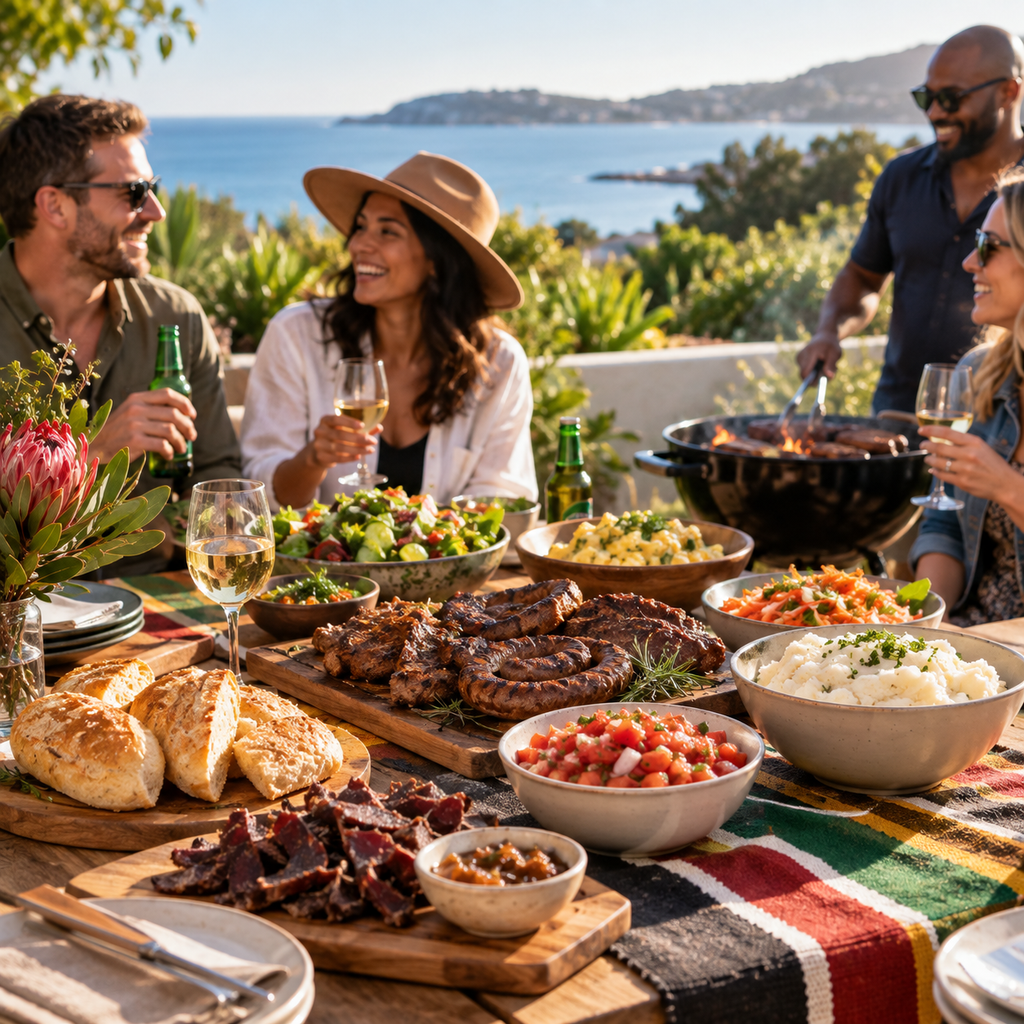
If you are celebrating South African Heritage Day in New Zealand, you do not need to recreate a formal event or build an enormous feast. The most meaningful version is usually much simpler: gather people, cook food that carries a story, share the traditions your family grew up with, and make space for the different cultures that make South Africa South Africa.
Heritage Day falls on 24 September. In 2026, South Africa's official theme is “Celebrating Our Living Heritage: Strengthening the Ties That Bind Us.” That idea travels particularly well for South Africans living in New Zealand: heritage is not something left behind when you move countries. It lives in language, recipes, music, family habits, stories and the way people gather around a table.
What is Heritage Day actually celebrating?
Heritage Day is a South African public holiday that recognises the country's diverse cultures and histories. The South African Department of Sport, Arts and Culture describes living heritage as something actively practised and passed on through language, music, dance, rituals, oral traditions, knowledge, craftsmanship, beliefs and customs. In other words, heritage is not only about monuments or history books; it is also about what people continue to do.
That makes food especially relevant. A recipe taught by a grandparent, the smell of coriander-spiced wors over coals, the way your family makes pap, a favourite chutney, koeksisters at tea time or a dish associated with a particular community can all become practical ways of carrying culture into a new home.
For 2026, the national Heritage Day celebration in South Africa is scheduled for Thursday 24 September in Thembalethu, George, Western Cape, following a venue change announced by the South African Government on 18 September. The date itself remains the important part for South Africans abroad.
Why is Heritage Day often associated with a braai?
The braai has become a popular way to mark Heritage Day because cooking over fire is familiar across many South African communities, even though the foods, methods and accompaniments vary enormously. It should not be treated as the definition of South African heritage, but it is an easy communal format: people gather, everyone contributes something, and food becomes the starting point for conversation.
Recent South African community discussions show exactly that variety. When people are asked which foods feel most representative of home, braaied meat, boerewors, pap, tomato-and-onion sauce, chutney, chakalaka and biltong appear repeatedly—but people also point out that favourites differ by region and family. That is a useful reminder: there is no single “correct” Heritage Day menu.
If you want more background on the tradition itself, read our guide to South African braai culture and traditions.
What can you serve for a Heritage Day braai in New Zealand?
A good menu does not need to be complicated. Choose a few foods that mean something to your household and add what works for the people around your table.
1. Boerewors or another favourite braai meat
Boerewors is an obvious centrepiece, but Heritage Day is about diversity rather than enforcing one menu. Steak, lamb, chicken, sosaties, fish or vegetables can all belong on the fire. If you make your own sausage, Freddy Hirsch Boerewors Gold Medal seasoning is currently available from Something From Home, and our Outdoor Cooking collection brings together useful braai products in one place.
2. Pap with tomato-and-onion sauce, relish or chakalaka
Pap and wors is a familiar combination for many South Africans, although not every region or household grew up eating it in the same way. Serve soft or stiff pap according to your own tradition, with tomato-and-onion sauce, chakalaka or relish. You can browse our maize meal collection for currently listed options.
3. Chutney at the table
For many families, a sweet-tangy chutney is simply part of the braai table. Mrs H.S. Ball's Original Chutney 1.1kg is currently in stock at Something From Home and works alongside wors, grilled meat, sandwiches and leftovers.
4. One dish that tells your family's story
This is the part worth keeping. Bring the dish that would make someone in your family say, “That tastes like home.” It might be bobotie, curry, samp and beans, roosterkoek, vetkoek, chakalaka, potato salad, melktert, malva pudding, koeksisters or something completely different. The point is not to assemble a checklist of “South African foods”; it is to keep a real tradition in circulation.
How do you make Heritage Day meaningful when your children are growing up in New Zealand?
Give them more than the food. Tell them who used to make the recipe. Explain the Afrikaans, isiZulu, isiXhosa, Sesotho or other words your family uses around it. Play music from different parts of South Africa. Show them where family members lived. Ask grandparents to tell a short story over a video call. Let children help make a dish rather than only eating it.
There is a useful lesson in a New Zealand-based community example shared on Reddit: an Afrikaans class held a bring-and-share lunch where students brought foods including biltong, droëwors, koeksisters, milk tart, malva pudding, bobotie and wors. Most of the class did not have South African roots, but the food became a way to teach language and culture. That is living heritage in a very practical sense.
Can you celebrate Heritage Day with Kiwi friends?
Absolutely. In fact, inviting people who did not grow up with the tradition can make the day more interesting. Rather than presenting one dish as “the” South African experience, explain why your family eats it and ask other guests about foods connected to their own backgrounds.
For a simple New Zealand Heritage Day gathering, ask each household to bring one dish with a story attached. It keeps the meal manageable and turns the table into a genuine cultural exchange rather than a themed party.
A simple Heritage Day plan for South Africans in New Zealand
- Choose the gathering: a weeknight meal on 24 September or a larger braai on the nearest weekend.
- Pick one main tradition: braai, potjie, curry, a family bake or another meal that matters to you.
- Add two or three familiar sides: pap, relish, salad, bread, chakalaka or whatever belongs at your family's table.
- Include a story: a family recipe, song, photograph, language lesson or memory from home.
- Invite someone in: Heritage Day works best as a celebration of shared and diverse culture, not as a test of who is “South African enough.”
Frequently asked questions about Heritage Day in New Zealand
When is South African Heritage Day in 2026?
Heritage Day is on Thursday, 24 September 2026. It is a public holiday in South Africa, but not in New Zealand.
Is Heritage Day the same as National Braai Day?
“National Braai Day” is a popular social way of celebrating 24 September, but Heritage Day is broader. The official observance recognises South Africa's cultural diversity and living heritage; a braai is one way people choose to gather and celebrate it.
What food should I make for Heritage Day?
There is no official Heritage Day menu. Braai meat, boerewors, pap, chakalaka, chutney and traditional desserts are popular choices, but the strongest menu is one that reflects your own family's regional and cultural traditions.
Where can I find South African ingredients in New Zealand?
Something From Home is a South African shop in New Zealand with a broad range of currently available groceries and familiar products. For Heritage Day, start with the foods you genuinely plan to cook rather than buying a collection of products simply because they are South African.
Heritage can travel
Living in New Zealand changes the setting, but it does not have to weaken the connection. A Heritage Day meal in Auckland, Wellington, Christchurch, Hamilton or a small Kiwi town can still carry the recipes, language and memories that came before it—and create new traditions for the next generation.
Light the fire if that is your tradition. Cook the family recipe if it is not. Invite people to the table. Then tell the story behind the food.