
Palmolive Shampoo: A South African Household Staple

For many South Africans who have relocated to New Zealand, the quest to find familiar household products extends beyond food items to everyday essentials like shampoo. Palmolive shampoo holds a special place in South African homes, representing not just a cleaning product but a connection to the comfort and routines of home. This iconic brand has been part of South African bathroom cabinets for generations, and its continued availability in New Zealand through specialised retailers helps expatriates maintain their familiar self-care rituals while adapting to life in a new country.
The Heritage of Palmolive in South African Households
Palmolive has maintained a strong presence in the South African market for decades, becoming synonymous with affordable, reliable personal care. The brand's history in South Africa mirrors the country's diverse consumer landscape, offering products that cater to various hair types and needs across different communities.
South African families have traditionally valued products that deliver quality without excessive cost, and palmolive shampoo fits this criterion perfectly. The brand's accessibility through major retailers, pharmacies, and even local corner shops made it a staple in households from Cape Town to Johannesburg.
Cultural Significance of Familiar Products
When South Africans immigrate to New Zealand, they often seek out products that remind them of home. While African food online platforms primarily focus on culinary items, the desire for familiar personal care products runs equally deep.
The psychological comfort derived from using the same shampoo brand used back home cannot be understated. It represents continuity in a time of significant change, offering a small but meaningful connection to the life left behind. This sentiment drives many South Africans living in New Zealand to specifically search for South African stores near me that stock both food items and household essentials.

Understanding Palmolive Shampoo Formulations
Palmolive offers multiple shampoo variants designed to address specific hair care needs. The brand has evolved significantly over the years, incorporating modern formulation science while maintaining the affordability that made it popular.
Key Ingredients and Their Functions
Most palmolive shampoo formulations contain surfactants that create lather and remove dirt and oil from hair. The primary cleansing agent in many shampoos, including various Palmolive products, is sodium lauryl sulfate, a widely-used compound known for its effective cleansing properties.
Understanding the science behind shampoo ingredients helps consumers make informed choices:
- Surfactants: Create foam and remove sebum and dirt particles
- Conditioning agents: Help detangle hair and improve manageability
- Preservatives: Ensure product stability and prevent microbial growth
- Fragrances: Provide the characteristic scent associated with each variant
- pH adjusters: Maintain optimal acidity levels for hair and scalp health
Popular Palmolive Shampoo Variants
The Palmolive range in South Africa has traditionally included several distinct product lines:
| Variant | Target Hair Type | Key Benefits |
|---|---|---|
| Naturals | Normal to dry hair | Moisturising with natural extracts |
| Vibrant Colour | Colour-treated hair | Colour protection and shine |
| Anti-Dandruff | Flaky, itchy scalp | Dandruff control and soothing |
| Daily Shine | All hair types | Regular cleansing with added gloss |
Each formulation addresses specific consumer needs, reflecting the brand's understanding of diverse hair care requirements in the South African market.
Safety and Regulatory Considerations
European cosmetic regulations provide comprehensive frameworks for assessing shampoo safety. The EUR-Lex cosmetics regulation establishes stringent requirements for product safety, ingredient disclosure, and labeling standards that many international brands follow as best practice.
Evaluating Surfactant Safety
The safety profile of common shampoo ingredients has been extensively studied. Research on human and environmental toxicity provides valuable insights into the risk assessment of surfactants used in personal care products.
While sodium lauryl sulfate is generally recognised as safe for use in rinse-off products like shampoo, some individuals may experience sensitivity. The concentration and formulation context significantly influence the potential for irritation.
Factors affecting individual tolerance include:
- Concentration of active surfactants
- Contact time with skin and scalp
- Individual skin barrier function
- Pre-existing scalp conditions
- Frequency of application
The European Medicines Agency's assessment of sodium lauryl sulfate provides additional context for understanding its safety profile in topical applications.

Palmolive Shampoo Availability in New Zealand
South Africans residing in New Zealand face unique challenges when seeking familiar products. While major New Zealand supermarkets stock international personal care brands, specific formulations popular in South Africa may not always be available through mainstream retail channels.
Where to Find South African Products
Specialised South African retailers in New Zealand bridge this gap by importing products directly from South Africa. Something From Home operates as a dedicated South African food store in New Zealand with more than 2,500 South African products, though their primary focus remains on food items, snacks, and groceries that expatriates miss most.
The availability of personal care products varies among South African shops in New Zealand, with most prioritising shelf-stable food items due to shipping constraints and customer demand patterns.
Alternative Shopping Strategies
South Africans in New Zealand employ several strategies to access familiar products:
- Direct shipping: Ordering from South African online retailers with international shipping
- Visiting during trips home: Stocking up on favourite products when visiting South Africa
- Community networks: Sharing information about product availability through expatriate groups
- Local substitutes: Finding New Zealand equivalents that closely match preferred brands
The Economics of Imported Personal Care Products
Understanding the pricing dynamics of imported products helps consumers make informed purchasing decisions. Several factors influence the final retail price of palmolive shampoo and similar imported items in New Zealand.
Cost Components for Imported Goods
| Cost Element | Impact on Price | Typical Percentage |
|---|---|---|
| Product cost (ex-factory) | Base price in South Africa | 20-30% |
| International freight | Shipping from SA to NZ | 15-25% |
| Customs duties | Import taxes and fees | 5-10% |
| Storage and handling | Warehouse operations | 10-15% |
| Retail markup | Store profit margin | 25-35% |
These components explain why imported South African products typically cost more in New Zealand than they did back home, even accounting for currency conversion.
Value Propositions Beyond Price
Despite higher costs, many South Africans willingly pay premium prices for familiar products because of intangible benefits:
Emotional value: The comfort of using products from home Cultural connection: Maintaining ties to South African identity Quality assurance: Trust in familiar brand formulations Nostalgic satisfaction: Recreating aspects of previous life
Hair Care Practices in South African Communities
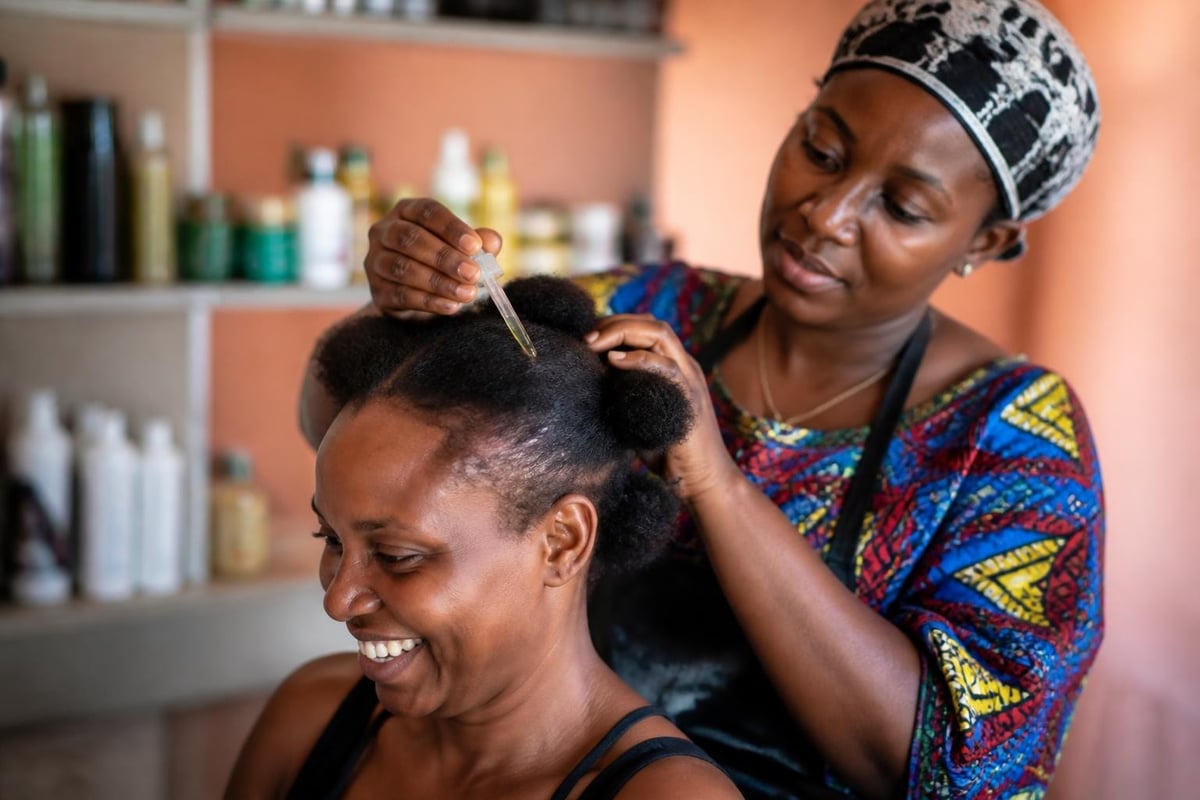
South African hair care traditions reflect the country's multicultural landscape, with different communities maintaining distinct practices and product preferences. Understanding this diversity provides context for why certain products hold particular significance.
Traditional and Modern Approaches
South African hair care encompasses both traditional methods passed down through generations and modern commercial products like palmolive shampoo. Many families blend these approaches, using commercial shampoos for regular cleansing while incorporating traditional treatments for deep conditioning or special occasions.
The practice of washing hair with specific frequencies varies across communities, influenced by hair type, cultural norms, and personal preference. Palmolive's range of formulations has allowed it to serve diverse needs within this varied landscape.
Comparing Palmolive to New Zealand Alternatives
South Africans adjusting to life in New Zealand often experiment with local shampoo brands while maintaining loyalty to familiar products. Understanding how palmolive shampoo compares to readily available New Zealand alternatives helps inform purchasing decisions.
New Zealand Market Leaders
The New Zealand personal care market features both international brands and local favourites. Major supermarkets stock extensive shampoo ranges, including:
- Global brands: Pantene, Head & Shoulders, Herbal Essences
- Premium lines: Schwarzkopf, L'Oréal, TRESemmé
- Natural alternatives: Ethique, ecostore, Trilogy
- Pharmacy brands: Neutrogena, Nizoral, Sukin
Each category serves different consumer priorities, from budget-consciousness to environmental concerns to specific hair care needs.
Price and Performance Comparison
When comparing palmolive shampoo to New Zealand alternatives, several factors merit consideration:
| Comparison Factor | Palmolive | NZ Budget Brands | NZ Premium Brands |
|---|---|---|---|
| Price per 100ml | Moderate-High (imported) | Low | High |
| Availability | Limited (specialist stores) | Widespread | Widespread |
| Formulation familiarity | High for South Africans | Variable | Variable |
| Environmental credentials | Standard | Increasingly eco-focused | Often emphasised |
Environmental Considerations in Shampoo Selection
Modern consumers increasingly consider environmental impact when selecting personal care products. The Scientific Committee on Consumer Safety evaluates not only human safety but also environmental implications of cosmetic ingredients.
Sustainability Factors
Several environmental aspects influence the overall sustainability of shampoo products:
- Ingredient biodegradability: How quickly components break down in water systems
- Packaging materials: Plastic type, recyclability, and recycled content
- Manufacturing footprint: Energy use and emissions during production
- Transportation impact: Carbon emissions from international shipping
- Water usage: Both in manufacture and during consumer use
For imported products like palmolive shampoo purchased in New Zealand, the transportation footprint represents a significant environmental consideration that doesn't apply to locally manufactured alternatives.
Maintaining South African Identity Through Product Choices
The decision to seek out specific brands like palmolive shampoo extends beyond mere preference into the realm of cultural identity maintenance. For South Africans living in New Zealand, these choices represent deliberate acts of connection to their heritage.
The Psychology of Familiar Products
Research into expatriate behaviour consistently shows that maintaining connections to home culture helps psychological adjustment during immigration. Small daily reminders, whether through food items available at a South African shop or personal care products, contribute to emotional wellbeing during transition periods.
The scent of familiar shampoo can trigger positive memories and provide comfort during challenging adaptation phases. This psychological dimension explains why many South Africans prioritise finding specific brands even when functional equivalents exist locally.
Practical Tips for South Africans in New Zealand
Successfully navigating product availability in a new country requires strategy and flexibility. South Africans seeking familiar items can benefit from these practical approaches.
Building Your Product Strategy
Prioritise your must-haves: Not every product needs to be the exact South African version. Focus resources on items that matter most emotionally or functionally.
Explore local alternatives: New Zealand offers high-quality products across all categories. Trying local options may reveal new favourites while reducing reliance on expensive imports.
Connect with the community: South African expatriate groups in New Zealand share valuable information about product availability and shopping resources.
Plan bulk purchases wisely: When importing or having items sent from South Africa, consolidate shipments to maximise value and minimise freight costs per item.
Balancing Nostalgia and Practicality
While maintaining connections to South African products provides comfort, building a new life in New Zealand also means embracing local offerings. Many South Africans find satisfaction in a hybrid approach, maintaining a core selection of essential South African items while integrating New Zealand products into daily routines.
The extensive range of over 2,500 South African products available through dedicated retailers ensures that the most important food items remain accessible, even if every personal care product cannot be regularly sourced.
The Future of South African Product Availability
The South African expatriate community in New Zealand continues to grow, driving demand for familiar products across all categories. Market dynamics suggest several trends likely to shape future availability.
Evolving Retail Landscape
Specialised South African retailers increasingly focus on high-demand categories where emotional connection drives purchasing despite premium pricing. Food items naturally dominate this space, as culinary traditions represent particularly strong cultural touchstones.
Personal care products occupy a secondary tier, with retailers typically stocking items when demand justifies the inventory investment and shelf space allocation. Palmolive shampoo availability through South African channels in New Zealand likely depends on sustained customer requests and economically viable order quantities.
Digital Commerce Opportunities
Online shopping platforms have revolutionised access to international products. South Africans in New Zealand can now order directly from South African online retailers, though shipping costs and delivery times remain considerations.
The growth of platforms facilitating international e-commerce may increase access to specific product variants not economically viable for physical retailers to stock locally.
Palmolive shampoo represents more than just a hair care product for South Africans living in New Zealand; it embodies continuity, familiarity, and cultural connection during a significant life transition. While availability through specialised channels may vary, the broader principle remains constant: maintaining ties to home through familiar products contributes to emotional wellbeing during immigration. Whether you're seeking palmolive shampoo specifically or the countless food items that define South African culinary culture, Something From Home serves the New Zealand South African community with an extensive range of authentic products that help make your new house feel like home.