South African Restaurant Auckland: Dining & Food Guide
Auckland's culinary landscape has been significantly enriched by the growing South African community, creating opportunities for both dining out and accessing authentic ingredients. Whether you're seeking a traditional meal at a south african restaurant auckland venue or looking to recreate family favourites at home, understanding the options available helps you maintain that vital connection to South African food culture while living in New Zealand. This guide explores the restaurant scene, grocery options, and why South Africans continue to seek out familiar flavours thousands of kilometres from home.
The South African Restaurant Scene in Auckland
Auckland currently offers several dining destinations that celebrate South African cuisine, each with its own approach to traditional flavours. Okumnandi, Auckland's first South African-fusion restaurant, has pioneered the concept of blending traditional dishes with contemporary twists, making South African food accessible to both expats and curious Kiwi diners.
Another notable establishment is Bushman's Grill, a South African-themed steakhouse that focuses on authentic flavours and warm hospitality reminiscent of dining experiences back home. These venues represent different approaches to presenting South African cuisine to the Auckland market.
What to Expect at a South African Restaurant Auckland Venue
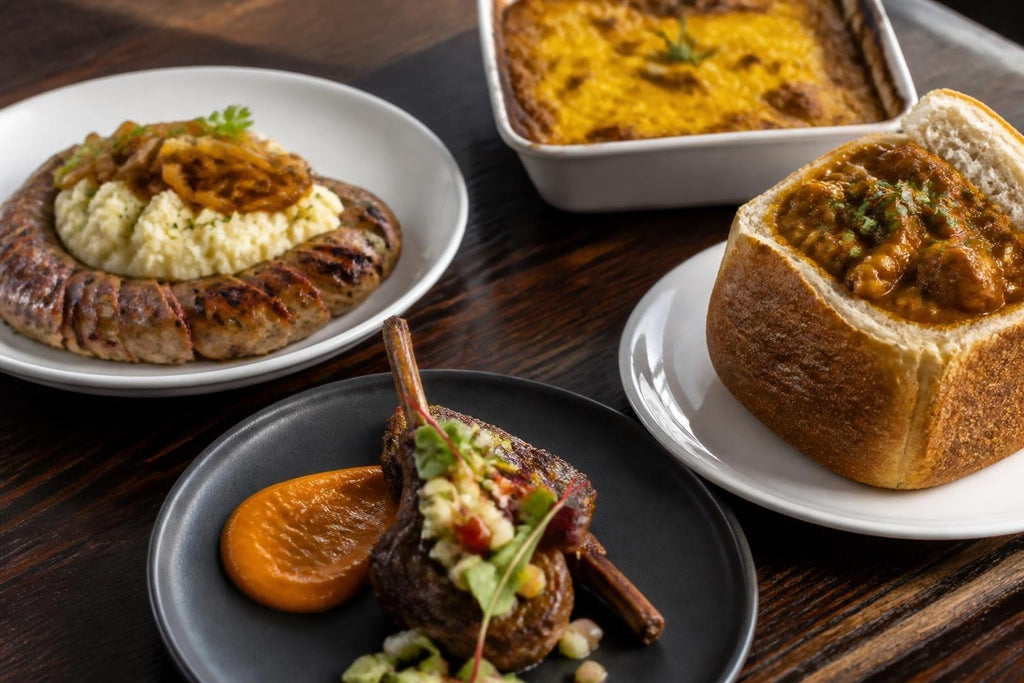
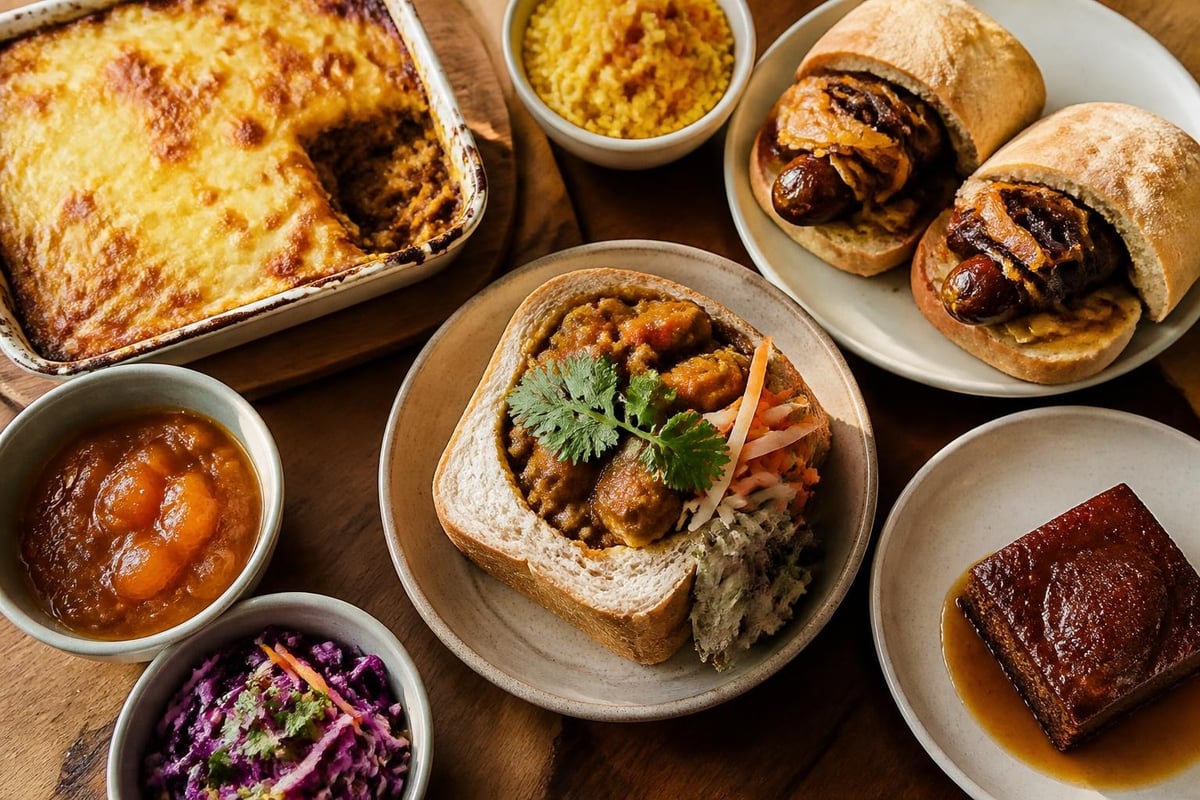
When visiting a south african restaurant auckland establishment, you'll typically encounter dishes that represent the diverse culinary traditions of the Rainbow Nation:
- Boerewors and pap showcasing traditional braai culture
- Bobotie with its distinctive Cape Malay influence
- Bunny chow from Durban's Indian community
- Potjiekos slow-cooked in three-legged pots
- Malva pudding and milk tart for dessert
These restaurants often incorporate ingredients that are challenging to source locally, which explains their premium positioning in the market. The authenticity depends heavily on access to proper spices, biltong, boerewors, and other specialised products.
The Challenge of Authentic South African Ingredients
Running a south african restaurant auckland operation requires consistent access to authentic ingredients that simply aren't available through standard New Zealand suppliers. This challenge affects both commercial kitchens and home cooks who want to recreate traditional dishes.
Key ingredients that define South African cooking include:
- Mrs Ball's Chutney for that distinctive sweet-tangy flavour
- Robertsons spices for proper seasoning blends
- Ouma rusks for traditional breakfast experiences
- Aromat seasoning for authentic taste profiles
- Biltong spices for home preparation
Where Restaurants and Home Cooks Source Products
Professional kitchens and households alike turn to specialised suppliers to maintain authenticity. Something From Home operates as a comprehensive South African food store in New Zealand, stocking 2,200 South African products that range from everyday groceries to specialty items required for traditional cooking.
The advantage of accessing a dedicated South African shop extends beyond convenience. It ensures consistency in flavour profiles that define authentic dishes, whether prepared commercially or at home.
| Product Category | Restaurant Use | Home Cooking |
|---|---|---|
| Spice blends | Marinades, curries | Everyday seasoning |
| Biltong & droëwors | Appetisers, platters | Snacking, entertaining |
| Sauces & chutneys | Condiments, cooking bases | Accompaniments |
| Baking ingredients | Desserts, breads | Traditional treats |
South African Food Culture Beyond Restaurants
While dining at a south african restaurant auckland establishment provides a convenient taste of home, South African food culture extends far deeper than occasional restaurant visits. The tradition of braai, family gatherings around potjiekos, and afternoon tea with rusks represents a lifestyle that many South Africans work hard to maintain in New Zealand.
The braai culture particularly struggles to translate through restaurant dining alone. Traditional South African cooking techniques emphasise outdoor cooking over wood or charcoal, creating flavours that are difficult to replicate in commercial kitchens designed for efficiency.
Recreating Home Traditions in New Zealand
Many South African expats find that maintaining their food culture requires a combination of restaurant visits and home cooking. This dual approach allows them to enjoy professional preparations while also hosting traditional gatherings that restaurants cannot fully replicate.
Home preparation becomes especially important for:
- Weekend braais with proper boerewors and sosaties
- Traditional baking like melktert and koeksisters
- Biltong making using proper spice blends
- Potjiekos for family celebrations
The Something From Home blog section offers numerous recipes and guides for recreating these traditions, including detailed instructions for making homemade biltong and the best vetkoek recipe.
The Growing Demand for South African Products in New Zealand
The South African community in New Zealand continues to expand, with Auckland hosting the largest concentration of South African expats. This growing population drives demand for both restaurant dining and retail access to familiar products.
Statistics show that South Africans represent one of the largest immigrant groups in New Zealand, particularly in Auckland. This demographic reality supports the viability of both restaurant operations and specialist grocery suppliers serving this community.
Why South Africans Seek Familiar Products
The connection to familiar foods extends beyond simple preference. For many South Africans living in New Zealand, accessing traditional products serves multiple purposes:
- Cultural identity maintenance for families with children
- Comfort and nostalgia during challenging transitions
- Social connections through shared meals and gatherings
- Health and wellness through familiar dietary patterns
These needs cannot be fully met by occasional restaurant visits alone. Having reliable access to a South African food store ensures that families can maintain their culinary traditions daily, not just for special occasions.
Comparing Restaurant Dining with Home Cooking
When deciding between visiting a south african restaurant auckland venue or preparing meals at home, several factors come into play. Each approach offers distinct advantages depending on circumstances and objectives.
Restaurant Dining Advantages:
- Professional preparation of complex dishes
- Opportunity to try new interpretations
- Social experience outside the home
- No shopping or cleanup required
Home Cooking Advantages:
- Cost-effective for regular consumption
- Complete control over ingredients and portions
- Ability to host larger gatherings
- Teaching opportunities for younger generations
Most South African families in Auckland find that a balanced approach works best, reserving restaurant visits for special occasions while maintaining home cooking traditions for everyday meals and family gatherings.
The Economic Reality of South African Dining
A south african restaurant auckland meal typically costs between $25 and $45 per person for a main course, with appetisers and desserts adding to the total. For families, this pricing makes frequent restaurant visits financially challenging.
Compare this with purchasing ingredients from a South African food store, where a kilogram of boerewors might cost $18 to $22, feeding a family of four for a braai. The ingredients for a traditional potjiekos serving six people typically total $40 to $60, dramatically less than restaurant pricing for equivalent portions.
Specialty Products That Define Authenticity
Whether cooking at home or evaluating a south african restaurant auckland menu, certain products serve as authenticity markers. These items represent flavour profiles that cannot be adequately substituted with New Zealand alternatives.
Essential South African Groceries
The South African Shop in Howick, Auckland, along with online retailers, recognises the importance of stocking these fundamental items. As noted by the South African Shop, providing traditional groceries and freshly made products like biltong and boerewors remains central to serving the community.
| Product | Home Use | Restaurant Application |
|---|---|---|
| Mrs Ball's Chutney | Sandwiches, cheese boards | Bobotie, sosatie marinades |
| Aromat | General seasoning | Signature spice blends |
| Ouma Rusks | Breakfast, tea time | Dessert bases, cheesecakes |
| All Gold Tomato Sauce | Cooking, condiment | Traditional sauce recipes |
| Bakers Tennis Biscuits | Snacking, peppermint crisp tart | Dessert preparation |
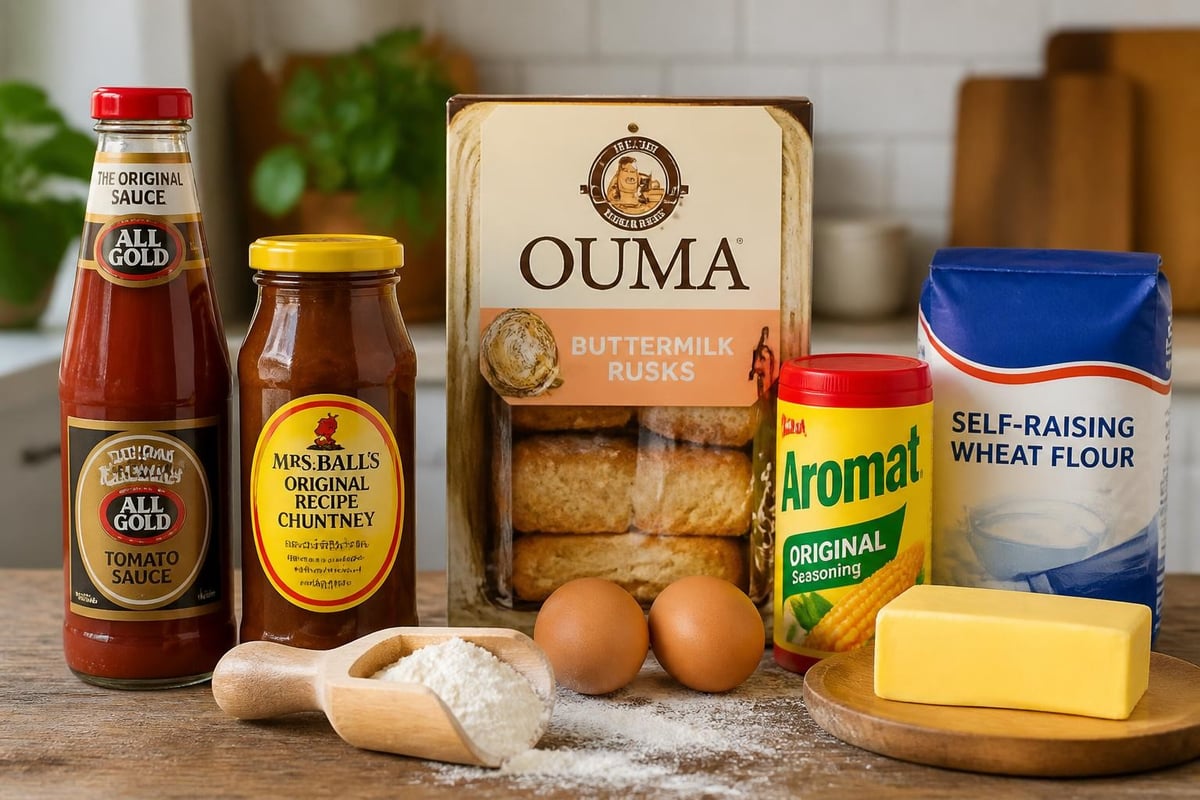
Access to these products through a dedicated South African food store makes authentic home cooking viable. For those interested in traditional desserts, the Peppermint Crisp Tart recipe demonstrates how iconic South African products create dishes impossible to replicate with local substitutes.
The Fusion Trend in South African Cuisine
Modern South African restaurants worldwide, including those in Auckland, increasingly embrace fusion approaches that honour tradition while incorporating contemporary techniques. Kudu in London exemplifies this trend, bringing refined South African cuisine to international audiences.
This evolution reflects broader changes in how South African food is perceived globally. Rather than being confined to traditional presentations, chefs now explore how South African ingredients and techniques can dialogue with other culinary traditions.
How Fusion Affects Auckland's Dining Scene
In Auckland, fusion approaches at South African restaurants may incorporate:
- New Zealand lamb prepared with South African spice rubs
- Local seafood prepared braai-style
- Māori ingredients combined with Cape Malay techniques
- Asian influences reflecting New Zealand's multicultural context
While these innovations create exciting dining experiences, they also highlight the importance of having access to traditional ingredients for those times when authentic, unmodified classics are desired. This is where having a reliable South African shop becomes invaluable.
Wine and Beverage Pairings
No discussion of South African restaurant dining would be complete without addressing wine. South African wine has undergone significant transformation, with a new generation of winemakers focusing on quality and terroir.
Auckland restaurants serving South African cuisine often feature wine lists highlighting:
- Pinotage as South Africa's signature varietal
- Chenin Blanc showcasing versatility
- Cape blends demonstrating winemaking innovation
- Methode Cap Classique for celebrations
Beyond wine, traditional South African beverages include Rooibos tea, Appletiser, and Cream Soda, all of which are available through specialist South African food stores for home enjoyment.
Building Community Through Food
The south african restaurant auckland scene serves an important social function beyond simply providing meals. These establishments become gathering places where South Africans connect, share news from home, and maintain cultural bonds.
However, the intimacy and scale of home gatherings often prove more effective for building lasting community connections. Traditional braais, potjiekos evenings, and afternoon tea gatherings create opportunities for deeper relationships than restaurant dining typically allows.
Supporting Both Commercial and Home Food Culture
The most vibrant South African communities in Auckland support both restaurant businesses and home cooking traditions. Restaurants provide professional venues for celebrations and introductions to the cuisine, while home cooking maintains daily cultural practices and teaches younger generations.
Having access to comprehensive South African grocery options through stores stocking thousands of products enables this dual approach. Families can regularly cook traditional meals while still enjoying occasional restaurant outings for special occasions.
Online Shopping for South African Products
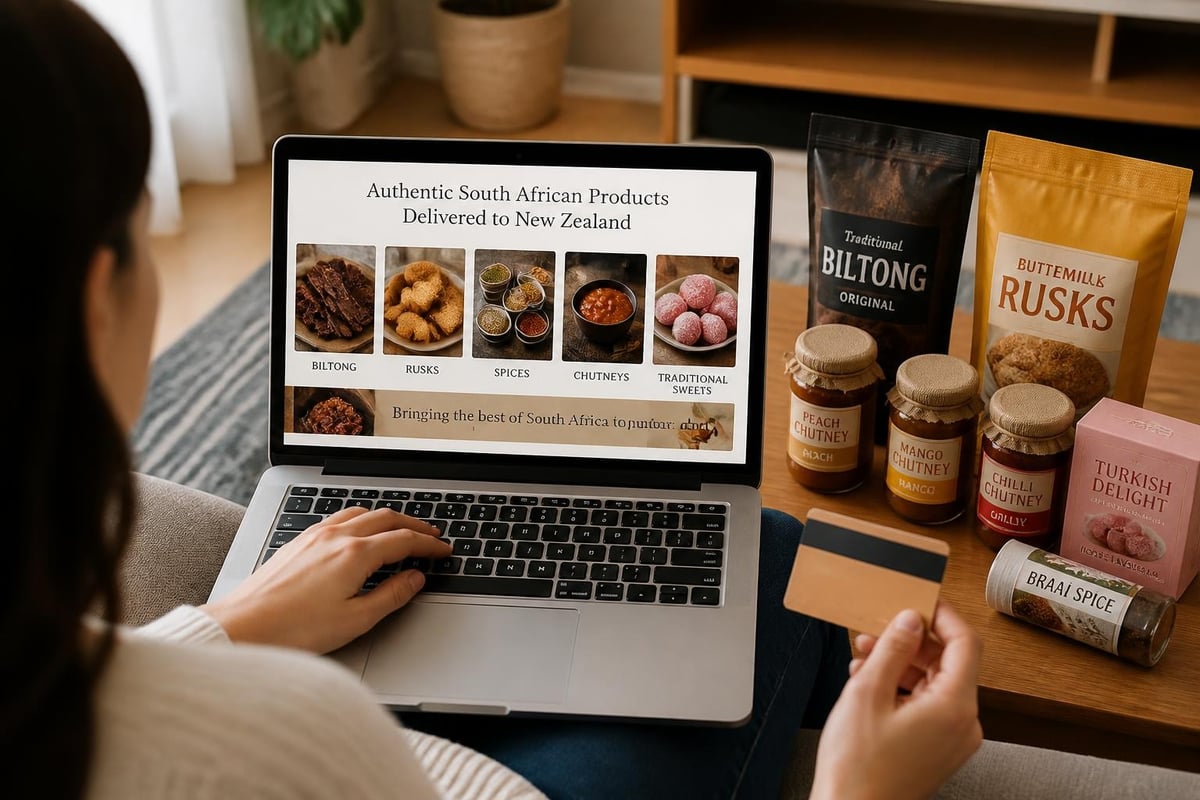
The convenience of online ordering has transformed how South Africans in Auckland access familiar products. Rather than limiting purchases to physical store visits, customers can now browse extensive catalogues, place orders, and receive deliveries throughout New Zealand.
This accessibility particularly benefits those living outside central Auckland, where physical South African shops may not be easily accessible. Online platforms allow anyone in New Zealand to maintain their food culture regardless of location.
What to Look for in a South African Food Store
When selecting a supplier for South African groceries, several factors ensure satisfaction:
- Product range covering everyday items and specialty products
- Freshness guarantees particularly for biltong and perishables
- Reliable delivery throughout New Zealand
- Competitive pricing reflecting bulk purchasing power
- Customer service understanding South African product needs
Stores that stock 2,200 South African products demonstrate the commitment necessary to serve the community comprehensively, going well beyond token offerings to provide genuine alternatives to restaurant dining for everyday meals.
The Future of South African Dining in Auckland
As Auckland's South African community continues growing, both restaurant options and grocery access will likely expand. The success of existing venues demonstrates viable demand, while the evolution of online retail makes product access increasingly convenient.
Future developments may include:
- Additional south african restaurant auckland venues in different suburbs
- Expanded product ranges at specialist suppliers
- Greater New Zealand awareness of South African cuisine
- Increased fusion experimentation by innovative chefs
For South Africans living in New Zealand, these developments promise improved access to the tastes of home, whether through professional dining experiences or home cooking with authentic ingredients.
Making the Most of Available Options
Living far from South Africa requires creativity and resourcefulness in maintaining food culture connections. The combination of occasional restaurant visits and regular home cooking using authentic products provides the most sustainable approach for most families.
Strategic shopping from a South African food store enables cost-effective home cooking for daily meals, while restaurants serve as venues for special celebrations or when time doesn't permit home preparation. This balanced approach maintains cultural connections without excessive financial strain.
For those new to Auckland or recently arrived from South Africa, connecting with both restaurant venues and reliable grocery suppliers should be early priorities. These connections provide not just food access but also community links and cultural continuity during the transition period.
Auckland's growing South African dining scene and expanded grocery access mean maintaining food culture connections has never been easier for South African expats. While restaurants provide professional interpretations and social venues, home cooking with authentic ingredients remains central to daily cultural practice. Whether you're seeking ingredients for a weekend braai or traditional baking supplies, Something From Home offers the comprehensive range of South African products necessary to keep those treasured food traditions alive in New Zealand.