Spices in Curry: A South African Culinary Tradition
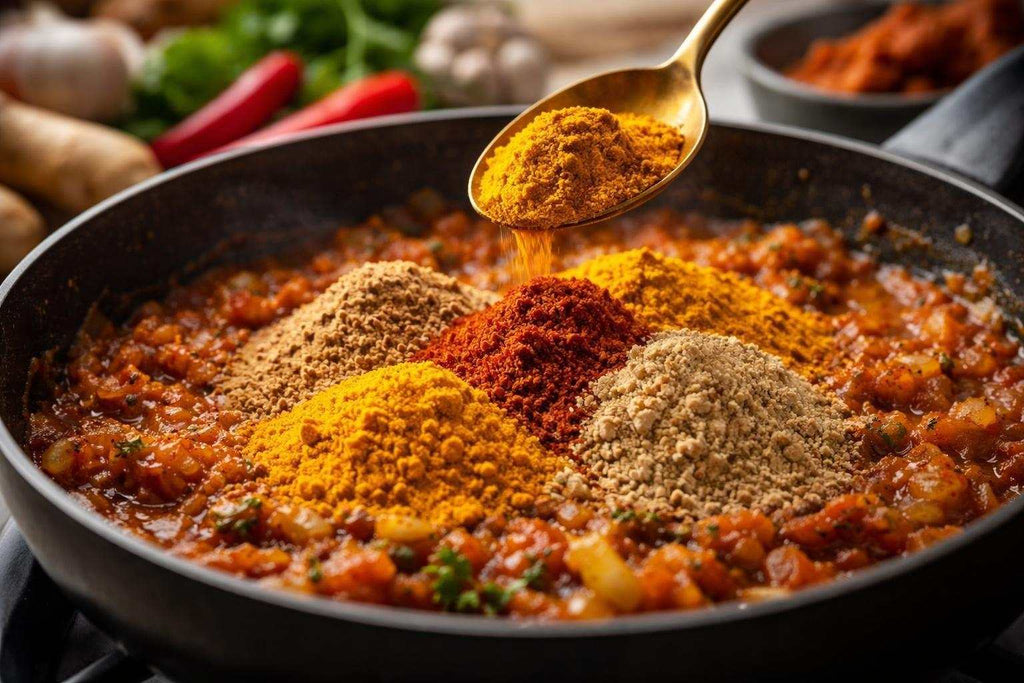
The aromatic complexity of curry has captivated food lovers across continents, and nowhere is this more evident than in South African cuisine. For South Africans living in New Zealand, the familiar scent of curry simmering on the stove evokes powerful memories of home. Understanding the essential spices in curry not only enhances your cooking but also connects you to a rich culinary heritage that blends Indian, Malay, and uniquely South African influences. Whether you're recreating your grandmother's curry recipe or exploring new flavour combinations, mastering these foundational spices transforms ordinary meals into extraordinary experiences.
Understanding the Foundation of Curry Spices
The core spices in curry form the backbone of countless South African dishes, from the beloved bunny chow to traditional potjiekos variations. Turmeric, cumin, coriander, and cardamom create the essential flavour profile that defines authentic curry.
Turmeric provides the characteristic golden colour and earthy undertones that distinguish curry from other spiced dishes. This powerful anti-inflammatory spice imparts a slightly bitter, peppery flavour that balances sweeter elements. Cumin adds warmth and nuttiness, particularly when toasted before grinding, releasing essential oils that deepen the curry's complexity.
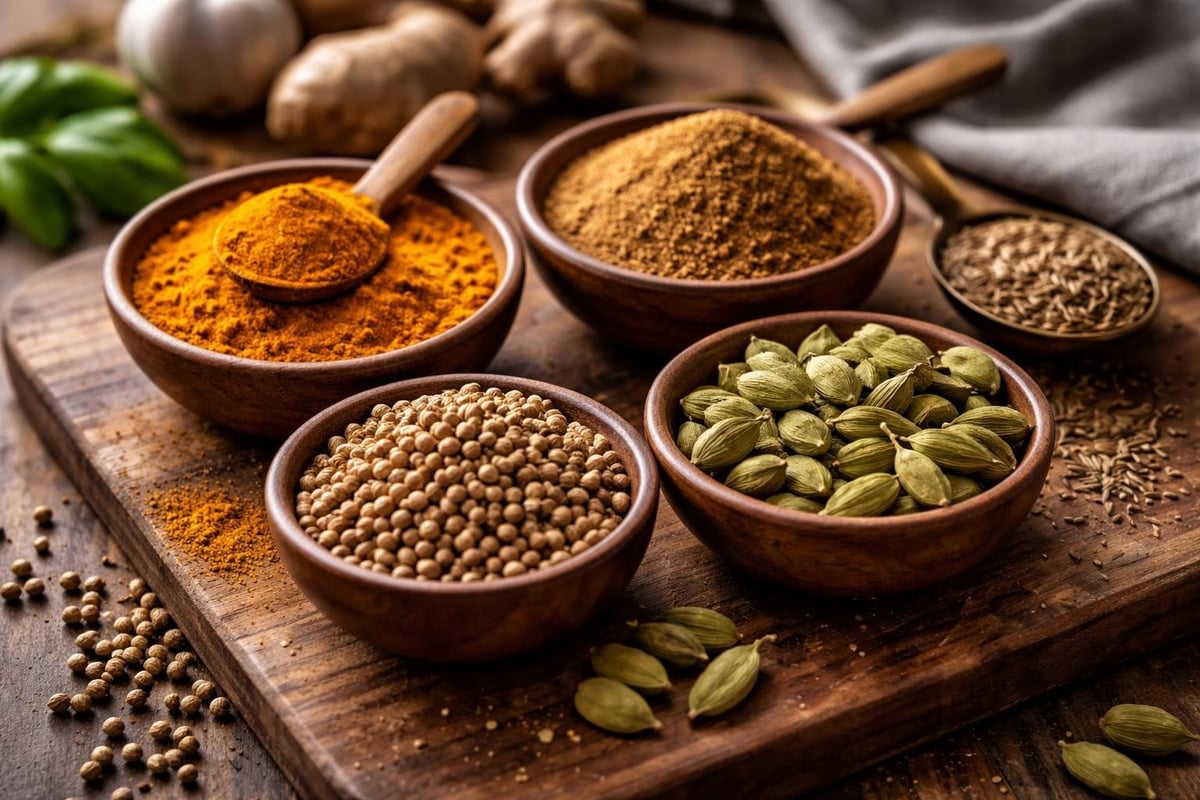
Coriander seeds offer citrusy, slightly sweet notes that brighten heavier curry bases. Many South African cooks combine ground coriander with fresh coriander leaves (dhania) to achieve layered flavour depth. Cardamom, whether green or black, contributes floral, eucalyptus-like aromatics that elevate curry from simple to sophisticated.
Building Complexity Through Secondary Spices
Beyond the foundational four, what spices are in curry varies significantly based on regional traditions and personal preferences. South African curry traditions often incorporate additional spices that reflect the country's diverse cultural influences.
Fenugreek brings a maple-like sweetness with slightly bitter undertones. Used sparingly, it adds depth without overwhelming other flavours. Fennel seeds contribute anise-like sweetness, particularly popular in Cape Malay curry recipes that balance sweet and savoury elements.
Mustard seeds, both black and yellow, provide pungent heat when fried in oil at the beginning of curry preparation. This tempering technique, common in South African Indian cooking, releases volatile compounds that infuse the entire dish. Cloves and cinnamon add warm, sweet spiciness that rounds out curry's flavour profile, particularly in meat-based preparations.
| Spice | Flavour Profile | Best Used In | Typical Ratio |
|---|---|---|---|
| Turmeric | Earthy, slightly bitter | All curries | 1-2 teaspoons |
| Cumin | Warm, nutty | Meat and vegetable curries | 2-3 teaspoons |
| Coriander | Citrusy, sweet | All curries | 3-4 teaspoons |
| Cardamom | Floral, eucalyptus | Rice and dessert curries | 4-6 pods |
| Fenugreek | Maple-like, bitter | Bean and lentil curries | ½-1 teaspoon |
Heat Elements in Traditional Curry
The heat level in curry comes from various chilli peppers and pepper varieties, each contributing unique flavour characteristics beyond simple spiciness. Understanding spices for a curry includes recognizing how different heat sources interact with aromatic spices.
Cayenne pepper provides straightforward, intense heat without additional flavour complexity. South African cooks often blend cayenne with milder spices to control heat levels precisely. Kashmiri chilli powder offers vibrant red colour with moderate heat, popular in dishes where visual appeal matters as much as taste.
Black pepper, though often overlooked in favour of chilli heat, contributes sharp, clean spiciness that enhances rather than masks other flavours. Freshly ground black pepper maintains potency far better than pre-ground alternatives. Ginger, while technically a rhizome, functions as a warming spice that adds both heat and aromatic complexity.
For South Africans accustomed to specific heat levels, recreating familiar curry recipes in New Zealand sometimes requires adjusting chilli quantities. Local New Zealand chillies may differ in heat intensity from varieties commonly available in South Africa, necessitating careful tasting and adjustment during cooking.
Balancing Heat with Aromatic Depth
Creating well-balanced curry involves layering heat elements with cooling spices that prevent overwhelming spiciness. This balance reflects traditional South African curry-making wisdom passed down through generations.
- Start with aromatics: Sauté onions, garlic, and ginger before adding ground spices
- Toast whole spices: Dry-toast cumin, coriander, and fennel seeds to release oils
- Build gradually: Add heat incrementally, tasting between additions
- Cool strategically: Use yoghurt, coconut milk, or tomato to temper excessive heat
- Finish fresh: Add fresh herbs like coriander or curry leaves at the end
The Cape Malay tradition, integral to South African curry culture, emphasizes gentle, fragrant curries rather than extremely spicy preparations. This approach allows individual spice characteristics to shine through rather than competing for dominance.
Regional Variations in South African Curry Spices
South African curry traditions reflect the country's multicultural heritage, with distinct regional variations that utilize spices in curry differently. Understanding these regional distinctions helps recreate authentic flavours when living abroad in places like New Zealand.
Durban curry, heavily influenced by Indian immigrants, typically features robust spice blends with prominent cumin, coriander, and fenugreek. The famous Durban bunny chow showcases curry's ability to deliver intense flavour in hearty, satisfying preparations. This style often includes curry leaves, a crucial ingredient that adds citrusy, slightly bitter notes impossible to replicate with substitutes.
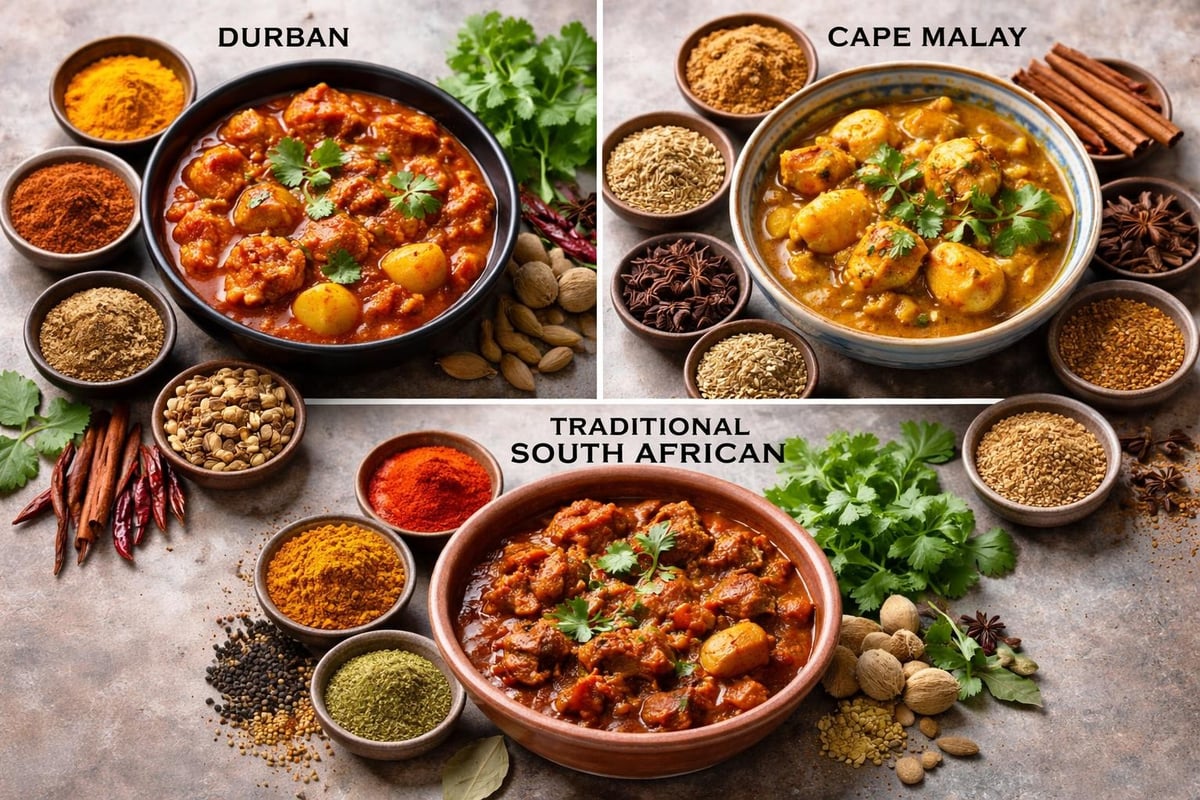
Cape Malay curry reflects Indonesian and Malaysian influences, incorporating sweeter elements like dried apricots, raisins, and almonds alongside traditional spices. Star anise and cassia bark frequently appear in Cape Malay recipes, contributing distinctive liquorice and cinnamon notes. These curries balance savoury and sweet more explicitly than other regional styles.
Adapting Traditional Recipes in New Zealand
South Africans living in New Zealand often face challenges sourcing specific curry spices that define home-cooking authenticity. While many spices are available in New Zealand supermarkets, certain blends and fresh ingredients require specialist suppliers.
Something From Home addresses this need by stocking authentic South African curry powders, masalas, and hard-to-find spices that maintain traditional flavour profiles. Access to familiar brands ensures your South African curry and rice tastes exactly as it should, not an approximation using substitute ingredients.
Fresh curry leaves, particularly difficult to source in New Zealand, make significant differences in authentic curry preparation. When unavailable, some cooks freeze curry leaves brought from South Africa or grow curry leaf plants at home, though New Zealand's climate challenges this approach in colder regions.
Creating and Storing Curry Spice Blends
Many experienced South African cooks prepare their own curry powder blends, controlling ratios to suit family preferences. This practice connects directly to 10 must-have curry spices for every kitchen, ensuring you maintain the essential ingredients for spontaneous curry preparation.
Basic South African curry powder typically includes:
- Toast whole spices (cumin, coriander, fenugreek, fennel) until fragrant
- Cool completely before grinding to prevent moisture buildup
- Combine with ground spices (turmeric, cayenne, ginger powder)
- Add optional extras (cinnamon, cardamom, cloves) to taste
- Store in airtight containers away from light and heat
Proper storage extends spice lifespan significantly. Whole spices maintain potency for approximately two years, while ground spices deteriorate within six months. Many South African families maintain two spice collections: whole spices for special occasions when fresh grinding matters, and pre-ground blends for everyday cooking.
Quality Considerations for Maximum Flavour
The quality of spices in curry dramatically affects final dish outcomes. Fresh, properly stored spices deliver vibrant flavours that tired, old spices cannot match. When moving to New Zealand, many South Africans bring favourite spice blends, but maintaining supply requires reliable sources.
| Storage Method | Shelf Life | Best For | Notes |
|---|---|---|---|
| Airtight glass jars | 6-24 months | All ground spices | Protect from light |
| Whole spices | 2-3 years | Special occasions | Grind as needed |
| Freezer storage | 2-3 years | Curry leaves, fresh spices | Prevents deterioration |
| Vacuum-sealed bags | 12-18 months | Bulk purchases | Oxygen removal extends life |
Purchasing spices from reputable suppliers ensures freshness and authenticity. Something From Home stocks South African spice brands familiar to expatriates, eliminating uncertainty about flavour profiles when recreating traditional recipes.
Mastering Curry Spice Techniques
Beyond selecting the right spices, proper technique determines curry success. Understanding when and how to add spices in curry preparations separates competent cooking from exceptional results that capture authentic South African flavours.
Tempering (or tadka) involves frying whole spices in hot oil to release essential oils before adding other ingredients. This technique creates flavour foundations impossible to achieve by simply stirring ground spices into liquids. Mustard seeds, cumin seeds, and curry leaves benefit most from tempering.
Blooming ground spices in oil or ghee before adding liquids prevents raw, harsh flavours. Heat activates flavour compounds and mellows potentially bitter elements. This step requires careful attention, as burnt spices impart acrid tastes that ruin entire dishes.
Layering Spices Throughout Cooking
Professional curry-making involves adding spices at multiple stages, building complexity through layered applications rather than single additions. This approach, detailed in resources about spice up your curry, creates depth that single-stage spicing cannot achieve.
- Early stage: Whole spices and aromatics establish foundational flavours
- Mid cooking: Ground spice blends develop during simmering
- Late additions: Fresh herbs and finishing spices brighten completed dishes
- Table service: Condiments like sambals allow individual heat adjustments
This layered approach characterizes traditional South African curry preparation, particularly in dishes that simmer for extended periods. Potjiekos curry, for instance, develops flavour over hours, with spices added at strategic intervals to maintain aromatic intensity without becoming muddy or overwhelming.
Pairing Curry Spices with Different Proteins
Different proteins benefit from specific spice combinations that enhance natural flavours rather than masking them. South African curry traditions recognize these distinctions, varying spice ratios based on whether you're preparing chicken, lamb, seafood, or vegetable curries.
Chicken curry typically features lighter spice applications that complement mild meat without overwhelming delicate flavours. Turmeric, coriander, and cumin form the base, with ginger and garlic providing aromatic support. Cape Malay chicken curry often includes dried apricots and cinnamon, adding gentle sweetness.
Lamb and mutton curries accommodate robust spicing that stands up to stronger meat flavours. Increased cumin, additional cardamom, and sometimes cloves create bold profiles that enhance rather than compete with lamb. Many South African lamb curries incorporate tomatoes and yoghurt, which interact with spices differently than coconut-based sauces.
Seafood curries require careful spice balancing to avoid overpowering delicate fish or prawns. Lighter applications of turmeric and coriander work well, while curry leaves add complexity without excessive heat. Coastal South African communities developed seafood curry traditions that emphasize freshness and aromatics over intense spicing.
Vegetable and Legume Curry Considerations
Vegetarian curries showcase spices most transparently, as vegetables and legumes provide neutral canvases for spice expression. Understanding how spices in curry interact with different vegetables creates more sophisticated meat-free dishes.
Bean and lentil curries benefit from earthy spices like cumin, coriander, and fenugreek that complement legume flavours. These dishes often feature tempering with mustard seeds and curry leaves, adding textural interest and aromatic punch. Many South African families maintain vegetarian curry traditions influenced by Indian vegetarian cooking.
Potato and cauliflower curries absorb spices beautifully, making them ideal for practicing spice techniques. These vegetables pair well with turmeric's earthiness and cumin's warmth. Dry curries (with minimal sauce) allow spice coatings to caramelize slightly, intensifying flavours through Maillard reactions.
Green vegetable curries featuring spinach, beans, or peas work best with lighter spicing that preserves bright colours and fresh flavours. Excessive turmeric turns green vegetables unappetizing brown, so many cooks reduce this spice or eliminate it entirely from green curries.
Curry Powder Versus Fresh Spice Blending
The debate between using commercial curry powder and freshly grinding individual spices divides South African cooks, with passionate advocates on both sides. Each approach offers distinct advantages depending on circumstances, time availability, and desired outcomes.
Commercial curry powders provide convenience and consistency, particularly valuable for weeknight cooking when time constraints prevent elaborate spice preparation. Quality South African curry powder brands deliver familiar flavour profiles that expatriates crave when living abroad. These blends have been refined over generations, balancing spices in curry to achieve crowd-pleasing results.
However, pre-made curry powders sacrifice customization and freshness. Once ground, spices begin losing volatile compounds that contribute to complex aromas and flavours. Commercial blends also cannot accommodate individual preferences for heat levels, sweetness, or specific spice prominence.
Fresh spice grinding offers maximum control and superior flavour intensity. Toasting and grinding whole spices immediately before use captures peak aromatic complexity impossible in pre-ground alternatives. This approach allows adjustment for specific dishes, proteins, and personal taste preferences.
Finding the Right Balance
Most experienced South African cooks maintain both commercial curry powders for convenience and whole spices for special occasions when superior results justify additional effort. This pragmatic approach recognizes that everyday cooking sometimes requires shortcuts without compromising special meal quality.
For South Africans in New Zealand missing specific curry powder brands, Something From Home provides access to familiar products that deliver authentic tastes. Having trusted curry powders available eliminates the worry of whether local New Zealand alternatives will produce the flavours you remember from home.
When experimenting with fresh spice blends, start with small batches to avoid wasting expensive ingredients on unsuccessful combinations. Document successful ratios for future reference, building a personal recipe collection that reflects your family's preferences.
Health Benefits and Nutritional Aspects
Beyond flavour contributions, spices in curry offer significant health benefits that traditional South African cooking wisdom recognized long before modern nutritional science confirmed these advantages. Understanding these benefits adds another dimension to curry appreciation.
Turmeric contains curcumin, a powerful anti-inflammatory compound linked to numerous health benefits including joint health, digestive support, and potential cognitive protection. Traditional curry preparations that combine turmeric with black pepper enhance curcumin absorption significantly, suggesting generations of cooks intuitively understood optimal pairing.
Cumin supports digestion and may help regulate blood sugar levels. Its iron content contributes to preventing anemia, particularly relevant in vegetarian curry traditions. Coriander seeds possess similar digestive benefits while adding antimicrobial properties.
Ginger and garlic, present in virtually all South African curries, provide immune support, anti-inflammatory effects, and cardiovascular benefits. The combination creates synergistic effects greater than either ingredient alone.
Nutritional Considerations for Dietary Needs
Modern dietary awareness influences how many South Africans approach traditional curry recipes, adapting family favourites to accommodate health requirements without sacrificing authenticity. Spice selection and preparation methods can significantly impact nutritional profiles.
- Reduce oil for tempering while maintaining spice flavours through dry-toasting
- Increase antioxidant-rich spices like turmeric, cinnamon, and cloves
- Use yoghurt-based curries instead of cream for lower saturated fat
- Incorporate fresh herbs alongside dried spices for added nutrients
- Choose whole spices and grind fresh to maximize beneficial compound retention
These adaptations allow health-conscious cooks to enjoy traditional South African curries while supporting wellness goals. The inherent spice complexity in curry means reduced salt remains feasible without bland results, as aromatic spices provide flavour intensity that compensates for lower sodium levels.
Troubleshooting Common Curry Spice Issues
Even experienced cooks encounter challenges when working with curry spices, particularly when adapting to new environments like New Zealand with different ingredient availability and quality. Recognizing common problems and solutions improves consistency and confidence.
Bitter curry often results from burnt spices, excessive fenugreek, or over-toasted spices. Prevention involves careful temperature control when blooming ground spices and using fenugreek sparingly. If bitterness develops, adding sweetness through tomatoes, coconut milk, or small amounts of sugar can balance flavours.
Flat, one-dimensional taste suggests insufficient spice layering or old, deteriorated spices. Fresh spices make dramatic differences, as does adding spices at multiple cooking stages rather than single additions. Finishing with fresh curry leaves, coriander, or a squeeze of lemon brightens flat curries.
Excessive heat that masks other flavours requires cooling strategies beyond simply adding more liquid. Dairy products like yoghurt or cream neutralize capsaicin effectively. Alternatively, prepare additional curry base without chilli and combine with the over-spiced batch to dilute heat while maintaining flavour complexity.
Adjusting for Ingredient Substitutions
Living in New Zealand sometimes necessitates ingredient substitutions when specific curry spices prove unavailable. Understanding appropriate alternatives preserves dish integrity when perfect authenticity isn't possible.
| Unavailable Spice | Best Substitute | Flavour Impact | Usage Notes |
|---|---|---|---|
| Curry leaves | Bay leaves + lime zest | Approximate but different | Use sparingly |
| Kashmiri chilli | Paprika + cayenne | Similar colour, adjust heat | Match heat levels carefully |
| Black cardamom | Green cardamom + smoked paprika | Loses some smokiness | Reduce quantity slightly |
| Fenugreek | Maple syrup (tiny amount) | Sweet but not bitter | Emergency only |
While substitutions work in emergencies, maintaining supplies of essential curry spices through reliable sources like Something From Home ensures consistent results. The South African food store stocks more than 2,500 products, including specialty spices that might not appear in standard New Zealand supermarkets.
The Cultural Significance of Curry in South African Life
Understanding spices in curry extends beyond cooking technique into cultural territory where food connects communities, preserves traditions, and expresses identity. For South Africans living in New Zealand, preparing traditional curry maintains links to heritage while sharing culture with new communities.
Curry features prominently in South African social gatherings, from casual family dinners to celebration feasts. The communal nature of curry preparation, often involving multiple cooks contributing different elements, reinforces social bonds and transmits knowledge between generations. Younger family members learn spice ratios and techniques through participation rather than formal instruction.
Regional curry variations reflect South Africa's multicultural composition, with distinct traditions from Indian, Malay, British, and indigenous African influences blending into uniquely South African preparations. This fusion cooking demonstrates how immigrant communities adapted traditional techniques to local ingredients and tastes, creating something new while honouring origins.
Maintaining Traditions Abroad
For South Africans who have relocated to New Zealand, recreating authentic curry becomes an act of cultural preservation and emotional connection. The familiar aromas of curry spices trigger powerful memories and provide comfort when experiencing homesickness.
Many South African expatriates in New Zealand gather for shared meals featuring traditional curries, maintaining community connections through food. These gatherings introduce New Zealand friends and neighbours to South African food culture, fostering cross-cultural understanding through shared dining experiences.
Access to authentic ingredients through suppliers like Something From Home enables South Africans to maintain culinary traditions without compromise. The ability to prepare curry that tastes exactly right, not adapted or approximated, matters enormously for cultural continuity and personal wellbeing.
Teaching children and grandchildren traditional curry preparation while living abroad ensures these culinary traditions continue into future generations. Even South Africans born in New Zealand can connect with their heritage through learning family curry recipes and understanding the significance of specific spice combinations.
Mastering the essential spices in curry opens doors to countless flavour possibilities while connecting you to rich South African culinary traditions. Whether you're recreating beloved family recipes or exploring new curry variations, understanding how different spices interact creates more satisfying, authentic results. For South Africans living in New Zealand, maintaining access to quality curry spices and familiar brands preserves important cultural connections. Explore the extensive range of South African spices, curry powders, and specialty ingredients at Something From Home, where more than 2,500 authentic products help you bring the tastes of home to your New Zealand kitchen.