
Wheat Bran: Nutritional Benefits and Uses in 2026
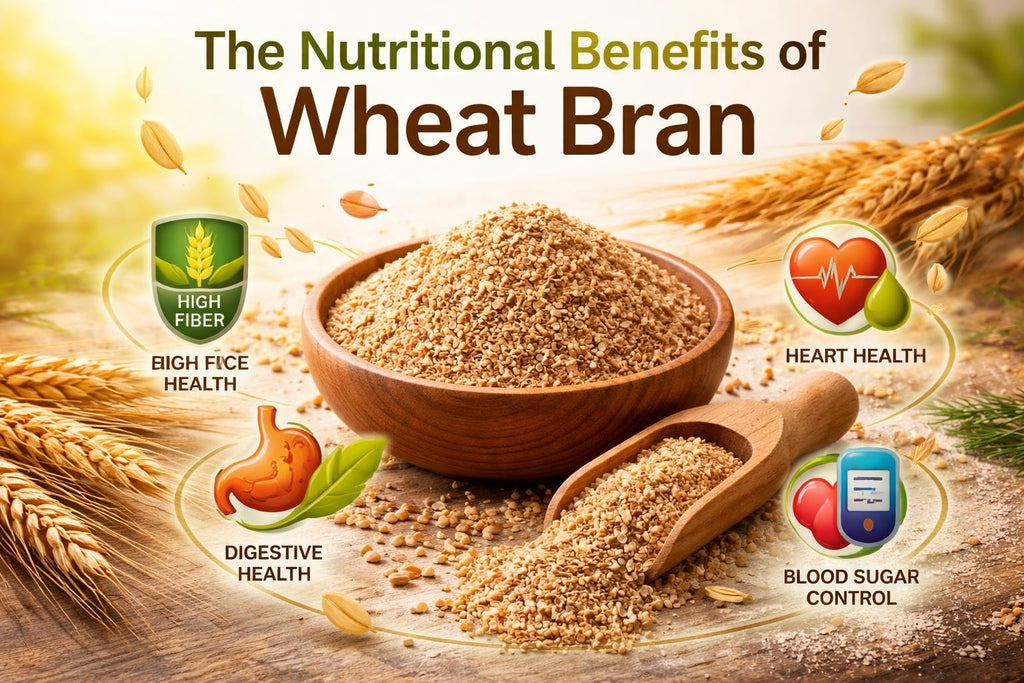
When South Africans relocate to New Zealand or Australia, they bring with them a deep appreciation for wholesome, nutritious foods that have sustained generations. Among these traditional ingredients, wheat bran stands as a testament to simple, effective nutrition. This humble byproduct of wheat milling has earned its place in kitchens worldwide, offering remarkable health benefits backed by modern nutritional science. Whether you're familiar with bran from traditional rusks or discovering its potential for the first time, understanding this ingredient can transform your approach to daily nutrition and digestive wellness.
Understanding Wheat Bran and Its Origins
Wheat bran represents the outer protective layer of the wheat kernel, removed during the milling process that creates refined white flour. This fibrous coating contains concentrated nutrients that would otherwise be discarded, making it one of nature's most efficient nutritional supplements.
The production process separates wheat kernels into three distinct components: the endosperm (used for white flour), the germ (rich in oils and vitamins), and the bran. What remains as wheat bran consists primarily of the aleurone layer and the pericarp, both packed with beneficial compounds that support human health.
Nutritional Composition and Value
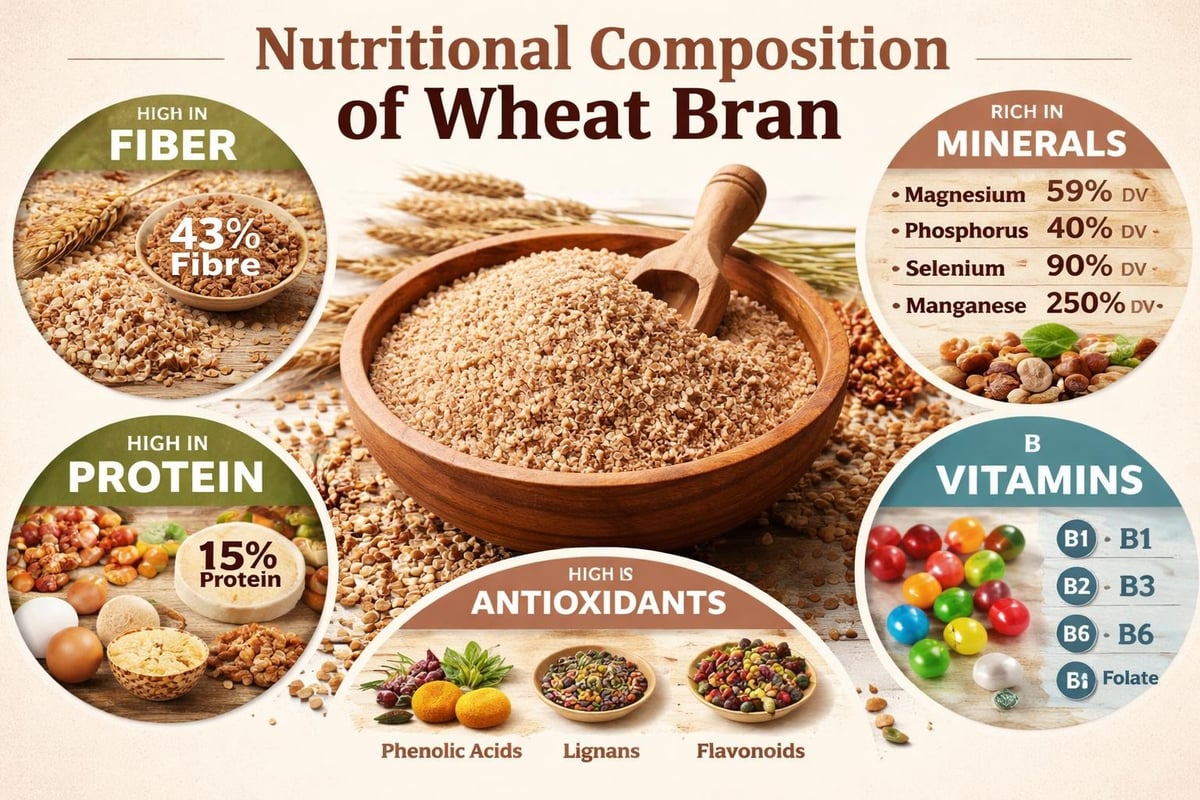
The nutritional profile of wheat bran reveals why this ingredient deserves attention in any health-conscious household. A single cup of crude wheat bran delivers approximately 125 calories, yet provides an impressive 25 grams of dietary fibre.
Key Nutritional Components:
- Dietary Fibre: Approximately 42% by weight, predominantly insoluble
- Protein: 16 grams per cup, supporting muscle maintenance
- Essential Minerals: Magnesium, phosphorus, selenium, and manganese
- B Vitamins: Thiamin, niacin, and vitamin B6
- Antioxidants: Phenolic acids and ferulic acid
The mineral content particularly stands out, with wheat bran providing over 180% of the daily manganese requirement and significant portions of magnesium and phosphorus. These minerals support bone health, energy production, and countless metabolic processes throughout the body.
Health Benefits That Matter
The health benefits of wheat bran extend far beyond simple nutrition, influencing multiple body systems simultaneously. For South African expatriates maintaining their health in new environments, these advantages offer practical, affordable wellness support.
Digestive Health and Regularity
Insoluble fibre forms the cornerstone of wheat bran's digestive benefits. This type of fibre absorbs water as it moves through the intestinal tract, adding bulk to stool and promoting regular bowel movements. Unlike soluble fibre that dissolves in water, insoluble fibre maintains its structure, acting as a natural intestinal broom.
Research consistently demonstrates that wheat bran relieves constipation more effectively than many other fibre sources. The mechanism involves both physical bulk and gentle stimulation of intestinal walls, encouraging natural peristaltic movement.
Digestive Benefits Include:
- Reduced transit time through the colon
- Prevention of diverticular disease
- Lower risk of haemorrhoids
- Improved gut microbiome diversity
- Enhanced nutrient absorption from other foods
Many traditional South African recipes naturally incorporate fibre-rich ingredients, making wheat bran a logical addition to familiar dishes. Consider adding it to your homemade biltong recipe marinade or incorporating it into rusks for enhanced nutritional value.
Blood Sugar Management and Diabetes Support
The impact of wheat bran on blood sugar regulation provides significant benefits for individuals managing diabetes or seeking to prevent metabolic syndrome. The high fibre content slows the absorption of sugars from the digestive tract, preventing the sharp spikes in blood glucose that characterise poor glycaemic control.
Studies indicate that regular wheat bran consumption improves insulin sensitivity, allowing cells to respond more effectively to insulin signals. This enhanced response reduces the amount of insulin required to manage blood sugar levels, decreasing pancreatic stress over time.
| Blood Sugar Benefit | Mechanism | Expected Outcome |
|---|---|---|
| Slower glucose absorption | Fibre creates physical barrier | Reduced post-meal spikes |
| Improved insulin sensitivity | Enhanced cellular response | Lower insulin requirements |
| Reduced glycaemic load | Dilutes meal carbohydrate density | More stable energy levels |
| Better long-term control | Consistent daily intake | Improved HbA1c readings |
Heart Health and Cholesterol Reduction
Cardiovascular benefits represent another compelling reason to incorporate wheat bran into daily nutrition. The soluble fibre fraction, though smaller than the insoluble component, binds to cholesterol in the digestive tract and facilitates its elimination before absorption.
Clinical trials demonstrate that consistent wheat bran intake reduces total cholesterol levels by 5-10% over several months. More importantly, this reduction primarily affects LDL (low-density lipoprotein) cholesterol-the type associated with increased cardiovascular risk-while leaving beneficial HDL cholesterol relatively unchanged.
The antioxidants present in wheat bran, particularly ferulic acid, provide additional cardiovascular protection by reducing oxidative stress and inflammation in blood vessel walls. This dual action of cholesterol reduction and antioxidant protection creates a comprehensive heart health strategy from a single ingredient.
Practical Applications in Daily Cooking
Incorporating wheat bran into everyday meals requires minimal effort yet delivers maximum nutritional impact. South African cooking traditions already emphasise wholesome ingredients, making wheat bran a natural fit for familiar recipes.
Baking and Breakfast Foods
Traditional South African rusks benefit enormously from wheat bran addition. The ingredient adds nutritional density without significantly altering taste or texture when used appropriately. Start by replacing 25% of regular flour with wheat bran in your favourite rusk recipe, gradually increasing the proportion as your palate adjusts.
Popular Baking Applications:
- Rusks: Replace up to 40% of flour for extra fibre
- Muffins: Add 3-4 tablespoons per batch
- Breads: Substitute 20-30% of flour content
- Scones: Mix in 2 tablespoons per cup of flour
- Pancakes: Include 1-2 tablespoons per serving
Breakfast cereals and porridges welcome wheat bran addition, whether you prefer traditional oats or more contemporary options. Simply stir in 2-3 tablespoons of wheat bran to your morning bowl, allowing it to soften in the liquid for a few minutes before eating.
Cooking and Recipe Enhancement
Beyond baking, wheat bran serves multiple culinary purposes that enhance both nutrition and texture. When preparing vetkoek, adding a tablespoon of wheat bran to the dough increases fibre content without compromising the traditional fluffy texture.
Meat dishes particularly benefit from wheat bran inclusion. Use it as a binder in burger patties, meatballs, or even your sausage making adventures. The bran absorbs moisture and fat, helping maintain juiciness while adding nutritional value.
Smoothies and Beverages
For those seeking convenient nutrition, wheat bran blends seamlessly into smoothies and shakes. Unlike some fibre supplements that create unpleasant textures, properly blended wheat bran integrates smoothly when combined with fruits, vegetables, and liquid bases.
Smoothie Incorporation Tips:
- Start with 1 tablespoon and gradually increase
- Blend bran with liquid first for smoother texture
- Pair with naturally sweet fruits to balance flavour
- Add healthy fats (avocado, nuts) to improve satiety
- Let mixture sit 2-3 minutes before drinking for better consistency
Nutritional Considerations and Intake Guidelines
While wheat bran offers remarkable benefits, understanding proper usage ensures optimal results without unwanted side effects. The nutritional science behind wheat bran consumption emphasises gradual introduction and adequate hydration.
Recommended Daily Intake
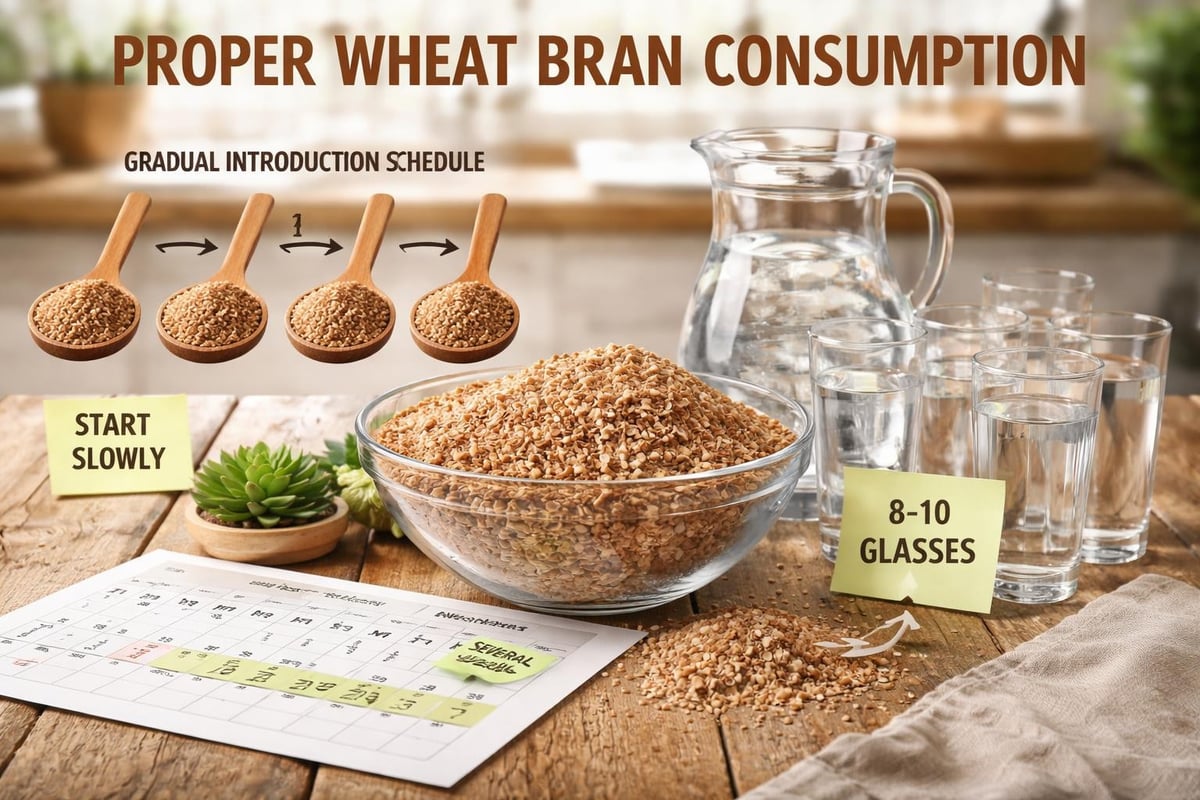
Most nutritional authorities suggest 20-35 grams of total dietary fibre daily for adults, with wheat bran contributing a portion of this requirement. Beginning with 1-2 tablespoons daily (approximately 5-10 grams) allows your digestive system to adapt to the increased fibre load.
| Week | Daily Amount | Total Fibre Provided | Adjustment Notes |
|---|---|---|---|
| 1-2 | 1 tablespoon | 3-4 grams | Monitor digestive response |
| 3-4 | 2 tablespoons | 6-8 grams | Increase water intake |
| 5+ | 3-4 tablespoons | 9-12 grams | Maintain as needed |
Individual requirements vary based on age, activity level, and existing dietary patterns. Those already consuming high-fibre diets may require less supplementation, while individuals transitioning from low-fibre eating patterns benefit from gradual increases.
Hydration Requirements
Adequate water intake becomes crucial when consuming wheat bran regularly. Fibre requires fluid to function properly; insufficient hydration can paradoxically worsen constipation rather than relieve it. Aim for at least 8-10 glasses of water daily when incorporating wheat bran into your diet.
The relationship between fibre and fluid creates a synergistic effect in the digestive tract. As wheat bran absorbs water, it swells and softens, achieving the optimal consistency for promoting regular bowel movements. Without sufficient fluid, the fibre can become compacted, potentially causing discomfort.
Potential Side Effects and Precautions
Most individuals tolerate wheat bran well, but some experience temporary digestive adjustments during the initial introduction period. These effects typically resolve within 1-2 weeks as the gut microbiome adapts to increased fibre intake.
Common Initial Responses:
- Mild bloating or gas production
- Increased bowel movement frequency
- Temporary cramping or discomfort
- Changes in stool consistency
People with existing digestive conditions, particularly irritable bowel syndrome (IBS) or inflammatory bowel disease (IBD), should consult healthcare providers before significantly increasing wheat bran consumption. The high insoluble fibre content may exacerbate symptoms in some individuals with these conditions.
Wheat Bran Versus Other Fibre Sources
Understanding how wheat bran compares to alternative fibre sources helps inform dietary decisions and optimise nutritional strategies. Each fibre type offers unique benefits, making wheat bran one component of a comprehensive approach to digestive health.
Comparing Fibre Types
Oat bran, often mentioned alongside wheat bran, contains significantly more soluble fibre than its wheat counterpart. This soluble fibre excels at cholesterol reduction but provides less bulk for digestive regularity. Wheat bran's predominance of insoluble fibre makes it superior for promoting bowel movements and preventing constipation.
Psyllium husk, another popular fibre supplement, swells dramatically when mixed with liquid, creating a gel-like consistency. While effective for some applications, many people find the texture off-putting. Wheat bran maintains a more palatable consistency and integrates more naturally into cooked foods.
Fibre Source Comparison:
| Fibre Type | Insoluble % | Soluble % | Best Application | Texture |
|---|---|---|---|---|
| Wheat Bran | 95% | 5% | Digestive regularity | Firm flakes |
| Oat Bran | 50% | 50% | Cholesterol reduction | Soft powder |
| Psyllium | 30% | 70% | Bulk laxative | Gel-forming |
| Rice Bran | 80% | 20% | General fibre | Fine powder |
Nutritional Density Advantages
Beyond fibre content, wheat bran delivers concentrated micronutrients that many alternative sources lack. The mineral profile particularly distinguishes wheat bran from competitors, offering therapeutic amounts of magnesium, phosphorus, and manganese in relatively small servings.
This nutritional density makes wheat bran especially valuable for individuals with increased nutrient requirements, including pregnant women, athletes, and elderly individuals. A small daily serving provides substantial portions of multiple essential nutrients simultaneously.
Sourcing Quality Wheat Bran Products
Finding authentic, high-quality wheat bran matters significantly for both nutritional value and culinary success. Storage conditions, processing methods, and product freshness all influence the final product's effectiveness and taste.
Selection Criteria
When purchasing wheat bran, prioritise products labelled as "unprocessed" or "crude" wheat bran. These varieties retain maximum nutritional value, particularly the delicate B vitamins and antioxidants that deteriorate during excessive processing or prolonged storage.
Check packaging dates and select the freshest available options. Wheat bran contains small amounts of natural oils that can become rancid over time, particularly when exposed to heat, light, or moisture. Fresher products deliver better flavour and nutritional benefits.
Quality Indicators:
- Light brown colour without dark spots
- Fresh, slightly nutty aroma
- Absence of musty or off odours
- Intact flakes rather than excessive powder
- Clear packaging date and storage instructions
Storage and Shelf Life
Proper storage extends wheat bran's usable life and preserves nutritional integrity. Transfer purchased bran to an airtight container immediately after opening, storing in a cool, dark location. Refrigeration further extends shelf life, particularly in warmer climates like those experienced during New Zealand and Australian summers.
Correctly stored wheat bran maintains quality for 6-12 months, though freshness gradually diminishes over time. Consider purchasing smaller quantities more frequently rather than bulk buying, ensuring optimal freshness with each use.
Cultural Connections and Traditional Uses
For South African expatriates living in New Zealand and Australia, wheat bran carries cultural significance beyond mere nutrition. The ingredient features prominently in traditional recipes passed down through generations, connecting current cooking practices to ancestral wisdom.
Heritage Recipes and Modern Adaptations
Traditional South African rusks, known as "beskuit," often incorporated wheat bran for its keeping qualities and nutritional benefits. These twice-baked treats sustained farmers and travellers, providing portable nutrition that resisted spoilage during long journeys.
Modern adaptations of heritage recipes benefit from wheat bran inclusion without compromising authenticity. Whether preparing date squares or traditional milk tart, adding wheat bran enhances nutritional value while honouring traditional flavours.
Maintaining Nutritional Traditions Abroad
The challenge of maintaining traditional dietary patterns while living abroad makes reliable ingredient access crucial. South African expatriates particularly value authentic products that support familiar cooking methods and nutritional approaches.
Finding quality wheat bran and other traditional ingredients becomes simpler when shopping with specialists who understand expatriate needs. Whether you're preparing koeksisters or simply seeking everyday nutritional support, access to authentic products maintains both physical health and cultural connections.
Scientific Research and Future Perspectives
Contemporary research continues validating traditional knowledge about wheat bran's health benefits while uncovering new applications and mechanisms. Studies published in 2025 and 2026 demonstrate expanding understanding of how dietary fibre influences overall health beyond simple digestive effects.
Emerging Research Areas
Recent investigations explore wheat bran's potential role in weight management, revealing that high-fibre diets promote satiety and reduce overall calorie intake. The bulking effect of insoluble fibre creates physical fullness, while slower digestion maintains stable blood sugar levels that prevent hunger spikes.
Gut microbiome research reveals that wheat bran, though primarily insoluble, still influences beneficial bacteria populations. While not as directly fermentable as soluble fibres, wheat bran alters the intestinal environment in ways that favour beneficial bacterial species over potentially harmful varieties.
Current Research Focus:
- Interactions between wheat bran and gut bacteria
- Long-term cardiovascular outcomes from regular consumption
- Potential anti-cancer properties of wheat bran compounds
- Optimal processing methods for nutrient retention
- Synergistic effects when combined with other fibres
Practical Application of Research Findings
Translating research insights into daily practice requires understanding both the science and realistic implementation strategies. The evidence supporting wheat bran consumption continues strengthening, yet success depends on consistent, appropriate use rather than sporadic supplementation.
For those exploring South African products while living abroad, wheat bran represents one element of comprehensive nutritional wellness. Combining it with traditional foods, regular physical activity, and adequate hydration creates synergistic health benefits that exceed the sum of individual components.
Addressing Common Questions and Misconceptions
Several persistent myths about wheat bran deserve clarification, particularly concerning nutrient absorption, digestive effects, and appropriate usage patterns. Understanding facts versus fiction enables informed dietary decisions.
Nutrient Absorption Concerns
Some sources claim wheat bran interferes with mineral absorption, citing phytic acid content as problematic. While wheat bran does contain phytates, research demonstrates that this effect matters primarily for individuals with marginal mineral status consuming extremely high phytate loads.
For most people eating varied, adequate diets, the minerals provided by wheat bran itself outweigh any minor absorption interference. The net nutritional effect remains strongly positive, particularly regarding magnesium, phosphorus, and manganese.
Gluten Considerations
Wheat bran contains gluten, making it unsuitable for individuals with coeliac disease or genuine gluten sensitivity. However, for the majority of people without these conditions, gluten poses no health concerns. The protein structure of gluten becomes problematic only in specific medical contexts.
Those avoiding gluten for medical reasons should explore alternative fibre sources like rice bran or gluten-free oat bran (certified uncontaminated). These substitutes provide similar fibre benefits without triggering immune responses.
Processing and Nutritional Value
Questions frequently arise regarding processed versus unprocessed wheat bran. While minimal processing preserves maximum nutrients, moderate processing doesn't significantly diminish wheat bran's primary benefits. The fibre structure remains intact even through standard commercial processing methods.
Focus primarily on freshness and proper storage rather than obsessing over processing distinctions. Fresh, properly stored wheat bran delivers excellent nutritional value regardless of minor processing variations among reputable brands.
Wheat bran stands as a testament to how simple, traditional ingredients continue supporting modern health needs through scientifically validated mechanisms. From digestive regularity to cardiovascular protection, this humble grain byproduct delivers remarkable benefits for minimal cost and effort. For South African expatriates seeking to maintain nutritional traditions while embracing life in New Zealand or Australia, wheat bran provides a practical connection to heritage alongside contemporary wellness benefits. Something From Home understands the importance of authentic ingredients in maintaining both health and cultural identity, offering the foods and flavours you miss most with convenient delivery throughout New Zealand and Australia.