
Worcester Sauce: South African Food Culture & Uses
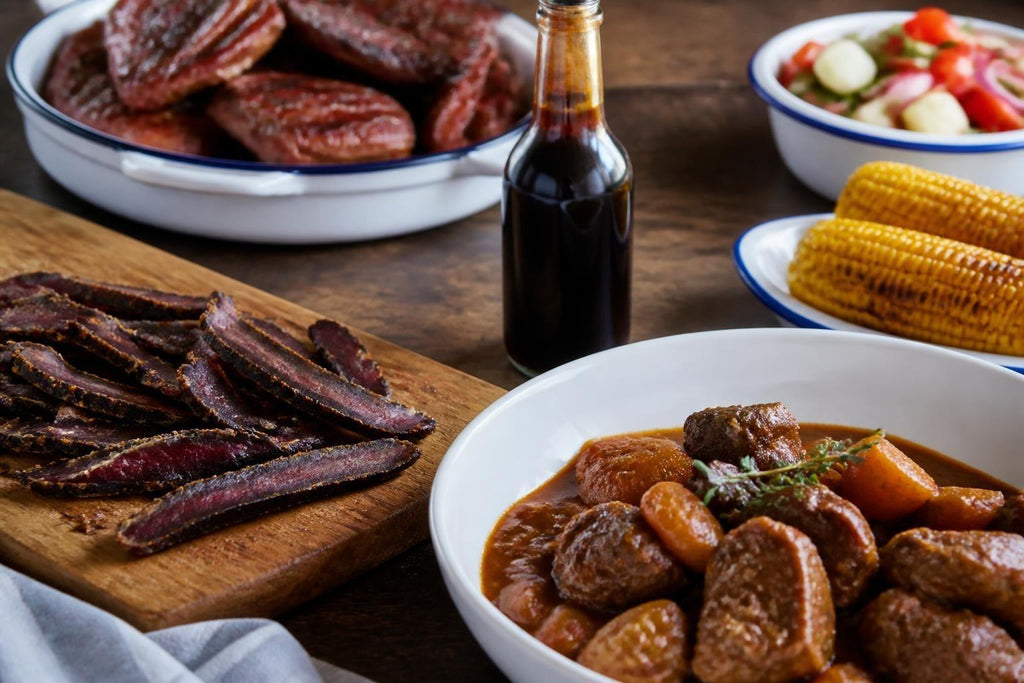
Worcester sauce holds a special place in South African kitchens, where it has been adopted into the culinary fabric alongside traditional recipes and modern cooking methods. This dark, savoury condiment brings depth and complexity to everything from braai marinades to traditional potjiekos, and for South Africans living in New Zealand, it remains an essential pantry staple that connects them to home cooking traditions. Understanding worcester sauce and its role in South African food culture reveals why this British-born condiment has become indispensable in homes across the Rainbow Nation and beyond.
The Heritage and Origins of Worcester Sauce
The story behind worcester sauce begins in 1830s England, where chemists John Wheeley Lea and William Henry Perrins created what would become one of the world's most recognisable condiments. The original Worcestershire sauce emerged from an attempt to recreate a recipe brought back from Bengal by Lord Sandys, a nobleman who commissioned the pharmacists to develop the complex blend.
Initially, the mixture was considered a failure and left to age in barrels. When rediscovered months later, the fermentation process had transformed the ingredients into a remarkably flavourful sauce. This accidental success launched a product that would travel across the British Empire and beyond.
How Worcester Sauce Reached South Africa
Colonial trade routes brought worcester sauce to South African shores during the 19th century, where it quickly found favour among diverse communities. The condiment's ability to enhance meat dishes particularly resonated with South African cooking traditions centred around livestock farming and outdoor grilling.
Key factors in its adoption included:
- Compatibility with beef and game meats common in South African cuisine
- Long shelf life suitable for rural areas and farms
- Versatility across different cultural cooking styles
- Affordability compared to imported spices

Understanding What Makes Worcester Sauce Unique
Worcester sauce contains a complex blend of ingredients that undergo fermentation to develop its distinctive flavour profile. The base typically includes malt vinegar, molasses, sugar, salt, anchovies, tamarind extract, onions, and garlic, along with various spices that vary by manufacturer.
The fermentation period can extend from several months to years, depending on the producer. This ageing process allows the sharp acidic notes to mellow while umami compounds develop, creating the balanced complexity that makes worcester sauce irreplaceable in certain dishes.
| Component | Purpose | Flavour Contribution |
|---|---|---|
| Malt vinegar | Base and preservation | Tangy acidity |
| Molasses | Sweetness and body | Deep, rich sweetness |
| Tamarind | Fruity tartness | Complex sourness |
| Anchovies | Umami depth | Savoury intensity |
| Spices | Complexity | Warmth and aroma |
South African Variations and Preferences
While Lea & Perrins remains the gold standard globally, South African households have embraced various worcester sauce brands over the decades. Local preferences tend toward slightly sweeter profiles that complement the robust flavours of traditional braai dishes and biltong seasoning.
Worcester Sauce in Traditional South African Recipes
The integration of worcester sauce into South African cuisine demonstrates the country's talent for adapting international ingredients into local cooking traditions. From coastal to inland regions, this condiment appears in recipes that define South African food culture.
Braai Marinades and Basting Sauces
No South African braai is complete without a proper marinade, and worcester sauce forms the backbone of countless family recipes. The sauce's ability to tenderise meat while adding savoury depth makes it ideal for preparing lamb chops, boerewors, and steak.
Popular braai applications include:
- Beef marinade with worcester sauce, garlic, and olive oil
- Chicken basting sauce combining worcester sauce with apricot jam
- Lamb chops seasoned with worcester sauce and rosemary
- Sosatie marinades featuring worcester sauce and curry powder
The acid content helps break down protein fibres, while the complex flavour compounds penetrate deep into the meat during the marinating process. This scientific principle explains why worcester sauce consistently delivers superior results compared to simpler seasonings.
Potjiekos and Stew Enhancement
Traditional potjiekos cooking benefits enormously from worcester sauce additions. The slow-cooking method allows the condiment's flavours to meld with vegetables, meat, and stock, creating layered complexity that develops over hours of simmering.
In oxtail stew, a quintessential South African comfort dish, worcester sauce adds depth that complements the rich, gelatinous texture of the meat. The same principle applies to venison stews, where the sauce balances gamey flavours with savoury umami notes.

Modern Applications in South African Kitchens
Contemporary South African cooking continues to find new uses for worcester sauce beyond traditional applications. Home cooks and professional chefs alike appreciate its versatility in fusion dishes that blend international techniques with local ingredients.
Breakfast and Brunch Dishes
Worcester sauce has become a standard accompaniment to South African breakfast favourites. A few dashes elevate scrambled eggs, add complexity to cheese and tomato sandwiches, and enhance the flavour of boerewors rolls served at morning gatherings.
The condiment's appearance at breakfast tables reflects broader South African food culture, where savoury, hearty morning meals predominate. This contrasts with sweeter breakfast traditions found in other countries, demonstrating how worcester sauce aligns perfectly with local preferences.
Snack Foods and Biltong Seasoning
Biltong makers have discovered that worcester sauce works exceptionally well in brining solutions, contributing both flavour and tenderising properties. The fermented nature of worcester sauce complements the curing process, enhancing rather than overpowering the characteristic taste of air-dried meat.
For South Africans in New Zealand seeking authentic ingredients, Something From Home stocks worcester sauce alongside other essential items for preparing traditional biltong and droëwors at home.
Worcester Sauce Availability in New Zealand
South African expatriates living in New Zealand often struggle to locate familiar brands and products that meet their expectations for authentic flavour. While worcester sauce is available in New Zealand supermarkets, specific brands preferred in South African cooking may prove harder to find.
Shopping for South African Groceries Online
The challenge of accessing authentic South African products has driven many Kiwi-based South Africans to seek specialised suppliers. South African grocery stores in New Zealand bridge this gap by importing products directly from South Africa, ensuring quality and authenticity.
Benefits of specialised South African shops include:
- Authentic brands familiar from home
- Products formulated to South African taste preferences
- Wider selection beyond mainstream offerings
- Reliable stock of hard-to-find items
- Understanding of customer needs and recipe requirements
Online shopping has revolutionised access to South African food in New Zealand, allowing customers throughout the country to receive deliveries of essential ingredients without traveling to physical stores.
Building a South African Pantry in New Zealand
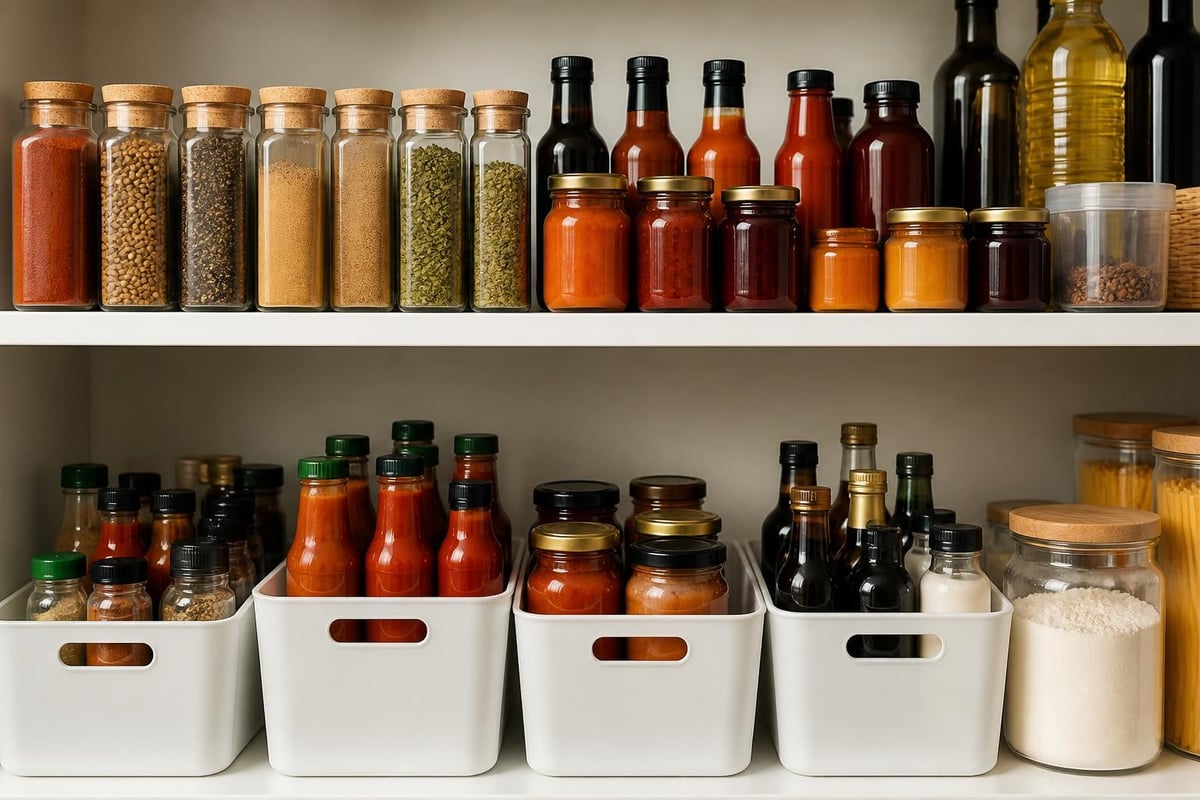
Creating a well-stocked South African pantry in New Zealand requires more than just worcester sauce. Essential items typically include Mrs Ball's Chutney, Aromat seasoning, All Gold Tomato Sauce, and various biltong spices. These products work together to recreate authentic South African flavours in a foreign kitchen.
| Essential Item | Primary Use | Complements Worcester Sauce |
|---|---|---|
| Mrs Ball's Chutney | Condiment, marinade base | Yes, in braai sauces |
| Aromat | All-purpose seasoning | Yes, in stews |
| Biltong spice | Meat curing | Yes, in brines |
| Boerewors spice | Sausage making | Indirectly, in sides |
Health Considerations and Dietary Information
While worcester sauce enhances flavour remarkably, consumers should understand its nutritional profile and potential dietary concerns. The composition of worcester sauce includes anchovies, making it unsuitable for vegetarian and vegan diets unless specifically labelled otherwise.
Sodium Content and Usage
Worcester sauce contains significant sodium levels due to the salt content and fermentation process. A single tablespoon typically provides 15-20% of recommended daily sodium intake, making moderation important for those monitoring salt consumption.
Strategies for balanced use include:
- Using worcester sauce as a flavour enhancer rather than primary seasoning
- Reducing added salt when recipes include worcester sauce
- Diluting with stock or water in marinades
- Choosing reduced-sodium versions where available
Allergen Information
Beyond the obvious fish content from anchovies, worcester sauce may contain other allergens depending on the manufacturer. Gluten-sensitive individuals should verify that their chosen brand uses gluten-free malt vinegar or alternative bases.
South African brands and international versions may differ in formulation, so reading labels remains essential for those with dietary restrictions or allergies.
Cooking Tips and Storage Recommendations
Maximising worcester sauce's potential requires understanding proper storage methods and cooking techniques. The condiment's shelf life and flavour stability make it a practical pantry staple, but certain practices ensure optimal results.
Proper Storage Methods
Worcester sauce's high vinegar and salt content provides natural preservation, allowing unopened bottles to remain stable for years. Once opened, refrigeration extends freshness, though the product remains safe at room temperature due to its acidic nature.
Best practices for storage:
- Keep away from direct sunlight and heat sources
- Ensure cap is tightly sealed after each use
- Refrigerate after opening for optimal flavour retention
- Check for sediment, which is normal and can be shaken before use
- Discard if unusual odours or mould develop (rare)
Cooking Techniques for Maximum Flavour
Adding worcester sauce at different stages of cooking produces varying results. Early addition allows flavours to meld and mellow, while finishing with worcester sauce provides a sharper, more pronounced taste.
For braai marinades, overnight marinating achieves superior results compared to quick applications. The extended contact time allows enzymes to tenderise meat while flavours penetrate deeply. In stews and potjiekos, adding worcester sauce during the initial browning stage helps develop fond, those flavourful browned bits that enrich the final dish.
Cultural Significance for South African Expatriates
Food represents far more than nutrition for expatriate communities. For South Africans living in New Zealand, worcester sauce and other familiar ingredients provide tangible connections to home, family traditions, and cultural identity.
Maintaining Food Traditions Abroad
The act of preparing traditional South African dishes in New Zealand kitchens helps preserve cultural heritage for both first-generation immigrants and their children. Worcester sauce plays a small but significant role in this cultural continuity, enabling authentic flavour profiles that might otherwise prove difficult to replicate.
Many South African families in New Zealand report that familiar tastes and smells create powerful emotional connections to childhood memories and family gatherings. These sensory experiences become especially meaningful during holidays and special occasions when traditional dishes take centre stage.
Community and Shared Culinary Experiences
South African expatriate communities in New Zealand often organise braais and social gatherings centred around traditional food. These events strengthen community bonds while introducing Kiwi friends and neighbours to South African culinary culture. Worcester sauce inevitably appears at such gatherings, whether in marinades, table condiments, or cooking demonstrations.
The sharing of recipes and cooking techniques within expatriate networks ensures that knowledge passes between generations and newcomers. Worcester sauce features prominently in these exchanges, with experienced cooks offering tips for achieving authentic flavours using ingredients available in New Zealand.
Recipe Development and Experimentation
While traditional applications of worcester sauce remain popular, creative cooks continue discovering new uses that blend South African and New Zealand culinary influences. This fusion approach respects heritage while embracing local ingredients and preferences.
Adapting Recipes for Local Ingredients
New Zealand's excellent lamb, beef, and seafood provide opportunities for applying worcester sauce in ways that honour both South African techniques and Kiwi produce. A traditional South African lamb sosatie might incorporate New Zealand spring lamb, while maintaining authentic marinade flavours through worcester sauce and apricot preserves.
Innovative applications include:
- Worcester sauce in Kiwi meat pie fillings for enhanced depth
- Seafood marinades combining worcester sauce with New Zealand green-lipped mussels
- Fusion braai sauces using local honey and worcester sauce
- Vegetable side dishes featuring worcester sauce-enhanced roasted kumara
Teaching the Next Generation
South African parents in New Zealand often face the challenge of passing culinary traditions to children who may identify more strongly with Kiwi culture. Teaching kids to cook traditional dishes with ingredients like worcester sauce creates hands-on cultural education that extends beyond simple recipes.
These cooking sessions become opportunities to share family stories, explain cultural practices, and build appreciation for heritage. Worcester sauce serves as a gateway ingredient, introducing young palates to complex flavours while connecting them to their South African roots.
Comparing Worcester Sauce Brands and Alternatives
While Lea & Perrins dominates globally, various manufacturers produce worcester sauce with subtle formulation differences. South African cooks may have strong preferences based on childhood experiences and family traditions.
Brand Differences and Preferences
Some worcester sauce brands emphasise sweetness, others highlight vinegar sharpness, and certain varieties increase spice complexity. These variations suit different applications, with sweeter versions working well in braai marinades and sharper formulations excelling in cocktails and dressings.
South African expatriates often seek specific brands that match their remembered flavours from home. Specialty importers recognise this demand, stocking preferred brands alongside mainstream options to serve diverse customer preferences.
Substitute Options and Limitations
When worcester sauce proves unavailable, home cooks sometimes attempt substitutions using soy sauce, balsamic vinegar, or tamarind paste. While these alternatives provide certain flavour elements, none truly replicate worcester sauce's complex profile.
Substitution challenges include:
- Missing the fermented umami depth
- Lacking balanced sweet-sour-savoury notes
- Different consistency and texture
- Altered colour in finished dishes
- Incomplete flavour integration
For authentic South African cooking, using genuine worcester sauce rather than substitutes ensures results that meet expectations and honour traditional recipes.
Worcester sauce remains an irreplaceable ingredient in South African cooking, whether in traditional braai marinades, hearty stews, or modern fusion dishes. For South Africans living in New Zealand, accessing authentic worcester sauce alongside other familiar grocery items maintains vital connections to home and heritage. Something From Home understands these needs, offering worcester sauce and over 2,500 South African products delivered throughout New Zealand, making it easier than ever to keep South African food traditions alive in Kiwi kitchens.