Biltong Spices: Essential Guide to South African Flavours
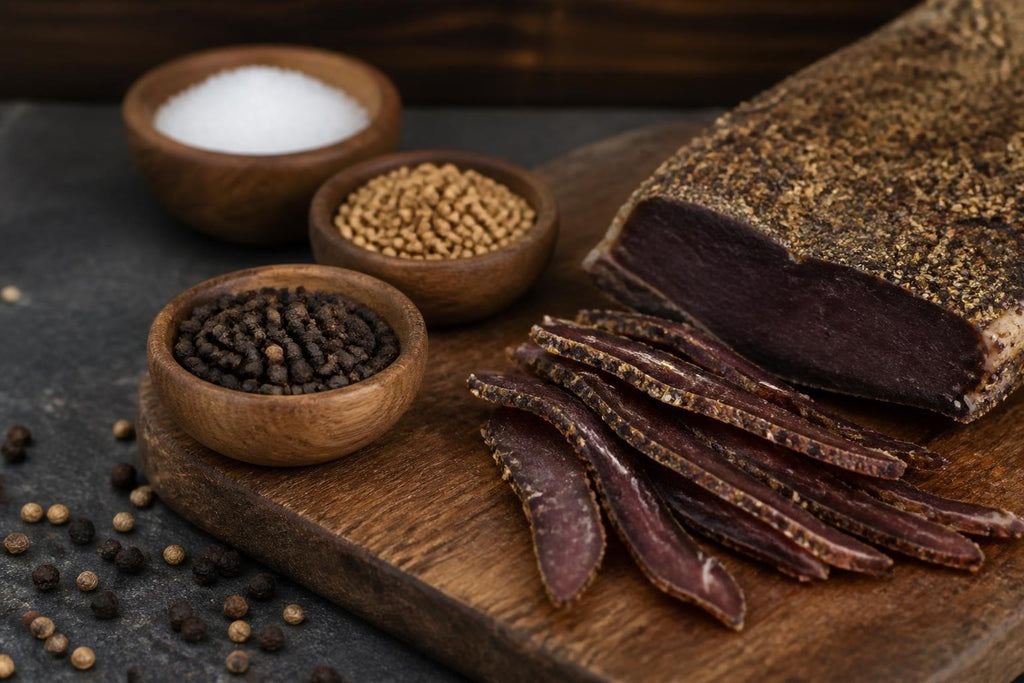
The art of making authentic biltong relies heavily on the perfect combination of spices that have been passed down through generations of South African families. These carefully selected seasonings not only create the distinctive flavour that South Africans crave but also play a crucial role in the preservation process that transforms raw meat into the beloved dried delicacy. For South Africans living in New Zealand, finding the right biltong spices can be the difference between a nostalgic taste of home and a disappointing attempt at recreating this traditional snack.
Understanding Traditional Biltong Spice Compositions
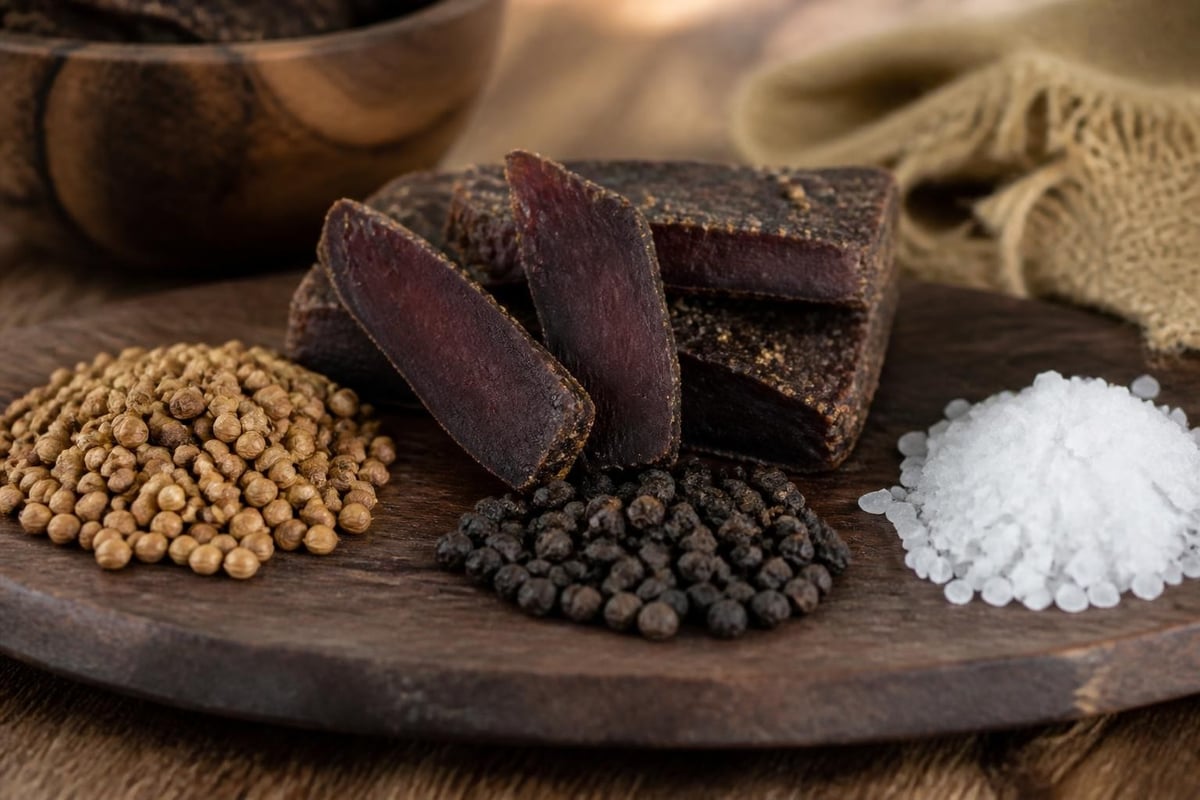
The foundation of authentic biltong begins with a precise blend of spices that has remained relatively consistent across South Africa for centuries. The core components typically include coarsely ground coriander seeds, black pepper, and salt, with variations emerging based on regional preferences and family traditions.
Coriander seeds form the backbone of most biltong spice blends, providing the characteristic earthy, slightly citrusy flavour that defines traditional biltong. The seeds are typically roasted before grinding to release their essential oils and deepen their aromatic properties. Black pepper adds heat and complexity, while salt serves the dual purpose of seasoning and drawing moisture from the meat during the curing process.
Core Ingredients and Their Ratios
Creating the perfect biltong spice blend requires understanding the balance between preservation and flavour enhancement. Professional biltong makers and home enthusiasts alike follow specific ratios to achieve consistent results.
| Ingredient | Typical Ratio | Primary Function |
|---|---|---|
| Coarse Salt | 40-45% | Moisture extraction, preservation |
| Roasted Coriander | 35-40% | Primary flavour profile |
| Black Pepper | 10-15% | Heat and depth |
| Optional Additions | 5-10% | Customization and variation |
The grinding consistency matters significantly when preparing biltong spices. Coarsely ground spices adhere better to the meat surface and release their flavours gradually during the drying process, whereas finely ground blends can create an overpowering taste or form a crust that prevents proper moisture release.
Regional Variations Across South Africa
Different regions of South Africa have developed their own interpretations of biltong spices, reflecting local tastes and available ingredients. The Western Cape tradition often incorporates brown sugar or vinegar in the preparation process, creating a slightly sweeter profile. In contrast, Northern regions tend to favour more robust, peppery blends with increased heat levels.
Some families add garlic powder, onion powder, or dried chilli flakes to their biltong spices, creating signature flavours that distinguish their biltong from commercial varieties. These additions transform the basic three-ingredient foundation into complex flavour profiles that can range from mildly aromatic to intensely spicy.
The Science Behind Spice Selection for Preservation
Beyond flavour, biltong spices serve critical preservation functions that have been validated by modern food safety research examining the microbial profile of biltong processing. The antimicrobial properties of certain spices contribute to the safety and shelf stability of this traditional dried meat product.
Coriander contains linalool and other compounds that exhibit antibacterial activity against common foodborne pathogens. Black pepper's piperine offers similar protective benefits, working synergistically with salt to create an environment hostile to bacterial growth while the meat undergoes its transformation from raw to dried.
The effectiveness of these natural preservatives becomes particularly important when considering that biltong is traditionally air-dried without refrigeration. Research has shown that pathogens associated with biltong production can be controlled through proper use of spices and other hurdles.
Temperature and Spice Interaction
The interaction between ambient temperature, humidity, and biltong spices affects both the drying rate and final product quality. In New Zealand's more temperate climate, South Africans often need to adjust their traditional methods to account for higher humidity levels that can slow the drying process.
Properly applied biltong spices create a protective barrier on the meat's surface, regulating moisture release and preventing case hardening, where the exterior dries too quickly while the interior remains moist. This balance ensures even drying throughout the meat, producing the characteristic texture that makes biltong so appealing.
Commercial Versus Homemade Biltong Spice Blends
South Africans in New Zealand face a choice between purchasing pre-mixed biltong spices or creating their own blends from individual components. Each approach offers distinct advantages depending on convenience requirements, volume needs, and desired customization levels.
Commercial biltong spice mixes provide consistency and convenience, particularly valuable for those new to biltong making or producing large batches. Many established South African brands have perfected their formulations over decades, offering reliable results that closely replicate traditional flavours.
Benefits of Commercial Blends:
- Pre-measured ratios eliminate guesswork
- Consistent flavour across batches
- Time-saving preparation
- Tested formulations with proven preservation properties
- Often include subtle ingredients that enhance complexity
Advantages of Custom Blending:
- Complete control over heat levels and flavour intensity
- Ability to adjust ratios based on personal preference
- Fresher spices when purchasing whole and grinding at home
- Cost-effectiveness for regular biltong makers
- Opportunity to experiment with unique flavour combinations
Sourcing Quality Biltong Spices in New Zealand
For South Africans living in New Zealand, accessing authentic biltong spices can present challenges, as mainstream supermarkets typically don't stock specialized South African food products. Fortunately, dedicated South African food stores have emerged to serve the expatriate community's needs.
Something From Home operates as a comprehensive South African shop in New Zealand, stocking more than 2,500 South African products including various biltong spices and related ingredients. This accessibility allows South Africans to maintain their culinary traditions without compromising on authenticity or resorting to inferior substitutes.
When selecting biltong spices, whether shopping online or in-store, examine the ingredient list carefully to ensure the blend contains genuine coriander seeds rather than ground coriander leaves (cilantro), which produce an entirely different flavour profile. Quality biltong spices should list coriander seeds or coriander as the primary ingredient after salt.
Evaluating Spice Freshness and Quality
Spice freshness significantly impacts the final biltong flavour, as essential oils dissipate over time, particularly in pre-ground blends. Purchase biltong spices in quantities you'll use within three to six months, storing them in airtight containers away from heat and light to preserve their potency.
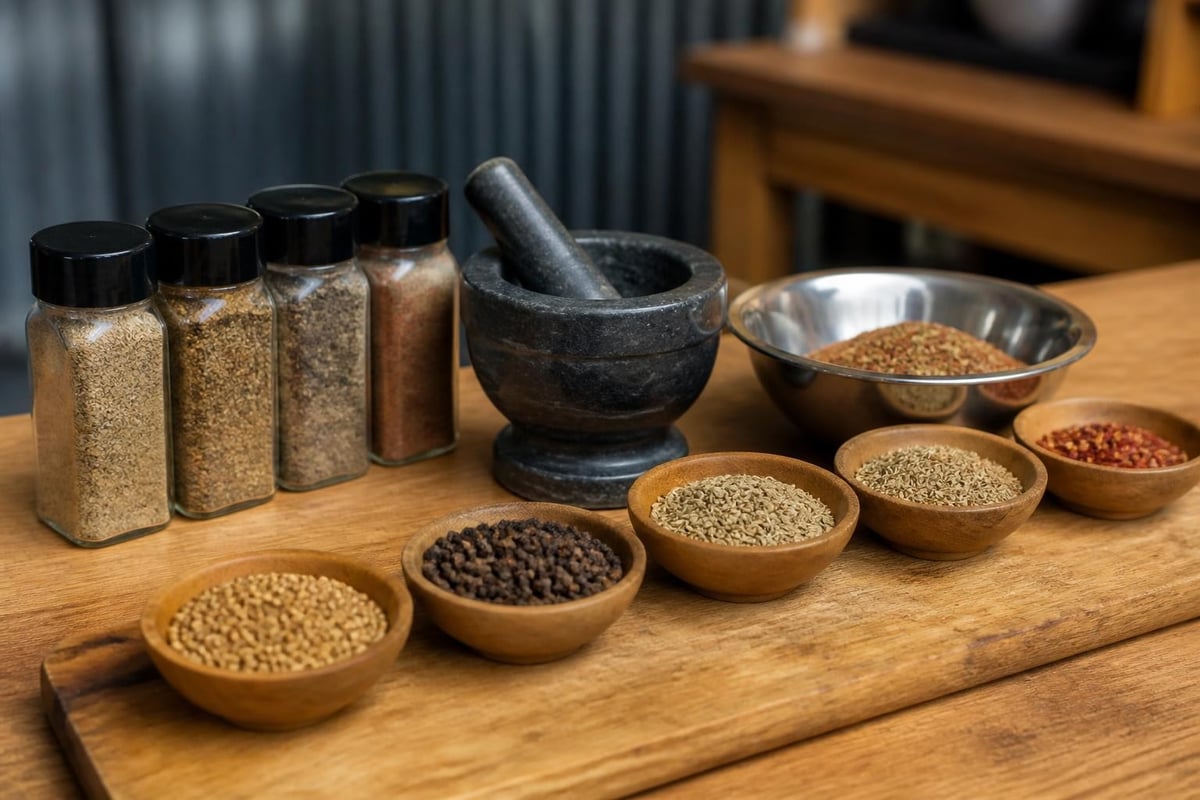
Whole coriander seeds maintain their flavour longer than pre-ground versions, making them an excellent choice for serious biltong makers who don't mind the extra preparation step. A quick roast in a dry pan followed by grinding in a spice mill or mortar and pestle releases maximum flavour while ensuring optimal freshness.
Application Techniques for Maximum Flavour Penetration
The method of applying biltong spices to meat affects both flavour distribution and preservation effectiveness. Traditional techniques have evolved to maximize spice adhesion and ensure even coverage across all meat surfaces.
Step-by-Step Application Process
- Initial vinegar treatment: Brush or spray meat strips with brown vinegar or apple cider vinegar to create a slightly acidic surface that enhances spice adhesion and adds preservation benefits
- Generous spice coating: Apply biltong spices liberally to all surfaces, pressing gently to ensure adherence
- Resting period: Allow seasoned meat to rest for 2-4 hours, enabling spices to begin drawing moisture and penetrating the meat
- Excess removal: Shake off loose spices before hanging to prevent clumping and ensure even air circulation
- Drying commencement: Hang meat in a well-ventilated area with consistent airflow
The vinegar step, while optional in some recipes, serves multiple purposes beyond spice adhesion. It contributes a subtle tanginess to the finished product while creating an environment that supports the preservation qualities that make biltong a safe dried meat product.
Common Application Mistakes to Avoid
Many first-time biltong makers either under-season or over-season their meat, both of which produce suboptimal results. Under-seasoning leads to bland biltong with potential preservation issues, while excessive spicing can overpower the meat's natural flavour and create an unpleasantly salty or spicy product.
The meat's thickness influences how much biltong spices you should apply. Thicker cuts require more generous seasoning to compensate for their reduced surface area relative to volume, while thinner strips need lighter applications to prevent overwhelming spice intensity.
Modern Variations and Flavour Innovations
Contemporary biltong makers have expanded beyond traditional biltong spices to create innovative flavour profiles that appeal to broader audiences while respecting the foundational techniques that define authentic biltong.
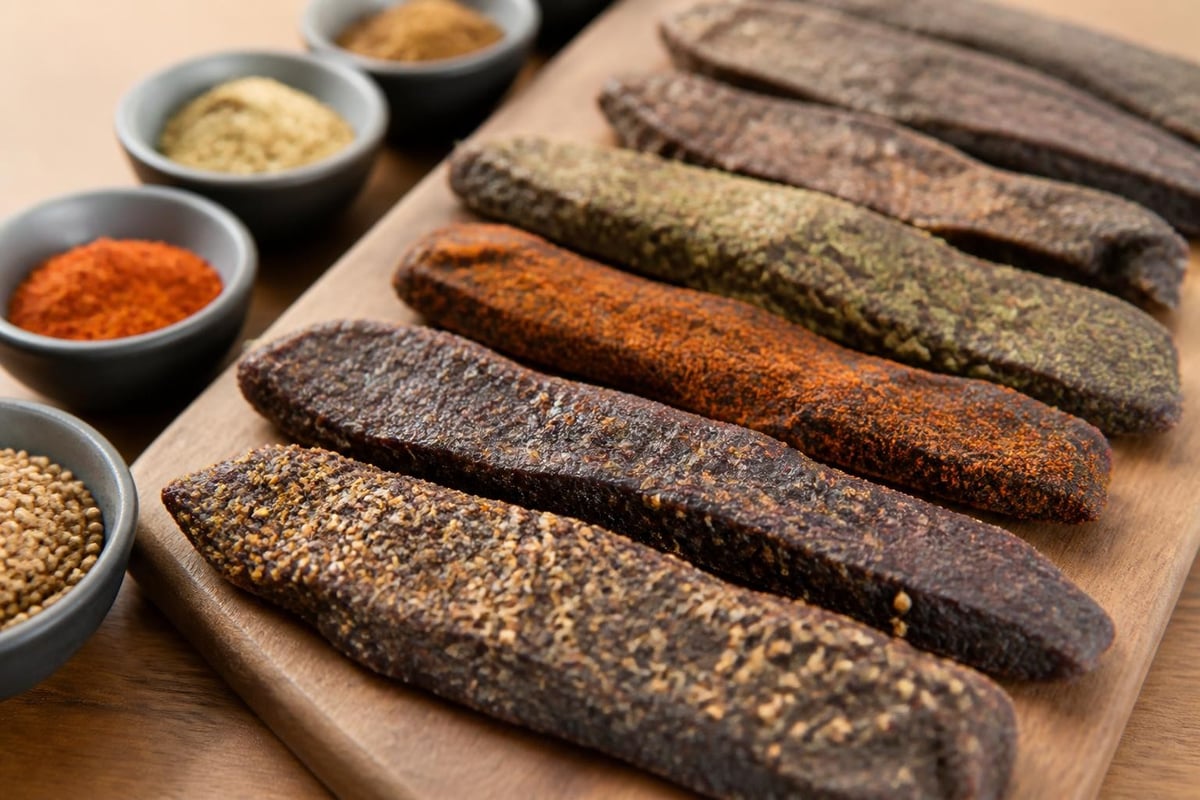
Different biltong spice blends and their flavour profiles now include options like peri-peri, BBQ, garlic and herb, and chilli variants that maintain the core preservation principles while introducing new taste experiences.
Popular Modern Variations:
- Peri-Peri Biltong: Incorporates African bird's eye chilli and paprika for intense heat
- Garlic & Herb: Adds dried garlic, rosemary, and thyme to the traditional base
- Sweet & Spicy: Balances brown sugar with increased pepper levels
- Smokehouse: Includes smoked paprika and subtle liquid smoke elements
- Cape Malay: Features curry powder and turmeric for distinctive aromatic qualities
These innovations demonstrate how biltong spices can evolve while maintaining the essential characteristics that define this South African delicacy. The experimentation reflects the adaptability of South African food culture as it spreads globally and encounters new culinary influences.
Storage and Shelf Life Considerations
Proper storage of both biltong spices and finished biltong ensures maximum flavour retention and food safety. Understanding how environmental factors affect these products helps South Africans in New Zealand maintain quality standards regardless of local climate conditions.
Unopened commercial biltong spice blends typically maintain quality for 12-18 months when stored in cool, dark conditions. Once opened, transfer spices to airtight containers and use within six months for optimal flavour. Glass jars with tight-sealing lids work better than plastic containers, which can allow moisture infiltration and essential oil degradation.
New Zealand's variable humidity levels require extra attention to spice storage. Consider using silica gel packets in spice containers if you live in particularly humid regions, as moisture exposure causes clumping and reduces the antimicrobial effectiveness of the blend.
Finished Biltong Storage
Properly dried biltong made with quality biltong spices can last several weeks at room temperature in paper bags that allow continued air circulation. For extended storage, vacuum-sealing and refrigeration extends shelf life to several months, while freezing preserves biltong for up to a year without significant quality loss.
The spice coating on finished biltong continues to influence flavour over time, with coriander notes becoming more pronounced during the first week after drying completes. This flavour development means biltong often tastes better after a few days' rest than immediately upon finishing the drying process.
Cultural Significance and Connection to Home
For South Africans living in New Zealand, biltong spices represent more than mere seasoning ingredients. They embody cultural heritage, family traditions, and powerful connections to homeland memories. The distinctive aroma of roasted coriander instantly transports many expatriates back to childhood experiences of watching parents or grandparents prepare biltong.
This emotional connection drives the strong demand for authentic South African groceries in New Zealand's expatriate communities. When South Africans gather for braai occasions, the presence of properly spiced biltong serves as both snack and conversation starter, reinforcing cultural bonds and shared experiences.
The act of making biltong using traditional spice blends becomes a way to pass cultural knowledge to children born in New Zealand, teaching them about their heritage through hands-on food preparation. Many South African families in New Zealand maintain biltong-making as an annual or seasonal tradition, creating opportunities to share stories and preserve cultural practices.
Building Community Through Shared Traditions
South African food stores in New Zealand function as more than retail spaces. They serve as community hubs where expatriates exchange recipes, compare biltong-making techniques, and share recommendations for achieving authentic flavours despite being far from home.
The availability of proper biltong spices through specialized retailers enables South Africans to maintain their culinary traditions without compromise. This accessibility reduces the homesickness that often accompanies expatriate life, providing tangible connections to cultural identity through familiar flavours and aromas.
Health and Nutritional Aspects
Beyond preservation and flavour, the spices used in biltong contribute nutritional benefits that complement the high protein content of the dried meat itself. Understanding these health aspects helps contextualize biltong as more than an indulgent snack.
Coriander seeds contain antioxidants, dietary fiber, and minerals including iron, magnesium, and manganese. Black pepper provides piperine, which enhances nutrient absorption and offers anti-inflammatory properties. When combined with the lean protein and low carbohydrate profile of properly made biltong, these spices contribute to a snack option that aligns with various dietary approaches.
| Nutritional Component | Contribution from Spices | Health Benefit |
|---|---|---|
| Antioxidants | Coriander, black pepper | Cellular protection, anti-inflammatory |
| Dietary Fiber | Coriander seeds | Digestive health support |
| Essential Minerals | Coriander, salt | Electrolyte balance, metabolic function |
| Antimicrobial Compounds | Coriander, pepper | Natural preservation, food safety |
The salt content in biltong spices requires consideration for individuals monitoring sodium intake. However, the amount consumed per serving remains relatively modest, particularly when biltong is enjoyed as an occasional snack rather than a dietary staple.
Troubleshooting Common Biltong Spice Issues
Even experienced biltong makers occasionally encounter challenges related to spice application, storage, or results. Recognizing and addressing these issues ensures consistent quality across batches.
Problem: Spices won't adhere to meat surface
Solution: Ensure meat is properly moistened with vinegar before application; pat meat slightly damp rather than dripping wet
Problem: Biltong tastes overly salty
Solution: Reduce salt content in spice blend by 10-15%; rinse meat briefly after initial seasoning period
Problem: Insufficient coriander flavour
Solution: Toast whole coriander seeds before grinding; increase coriander proportion in blend by 5%
Problem: Uneven spice distribution
Solution: Apply spices in layers, rotating meat between applications; massage spices into meat surface
Problem: Spice blend clumps during storage
Solution: Store in airtight containers with moisture-absorbing packets; avoid storing near heat sources
These troubleshooting approaches help maintain the quality standards that define authentic South African biltong, ensuring that each batch honours the traditions that make this snack so beloved.
Pairing Biltong with Complementary Flavours
While biltong spices create a complete flavour profile on their own, understanding complementary tastes enhances the overall eating experience. South Africans traditionally pair biltong with specific accompaniments that highlight rather than compete with the spice blend.
Cream cheese serves as a classic pairing, with its mild, creamy texture providing contrast to the intense, savoury spice coating. The combination creates a balanced bite that showcases both the biltong's complexity and the cheese's smooth richness. Some enthusiasts add a drop of hot sauce or chutney to this pairing, introducing additional flavour layers.
Dried fruit, particularly dried mango or apricots, offers sweet counterpoints to the savoury biltong spices. This pairing reflects the Cape Malay influence in South African cuisine, where sweet and savoury combinations feature prominently. The fruit's natural sugars and chewy texture create textural and flavour contrast that many find irresistible.
Beverage Pairings
South African red wines, particularly Pinotage or Shiraz, complement the robust spice profiles in traditional biltong. The wine's tannins and fruit notes interact with the coriander and pepper, creating harmonious flavour combinations. For non-alcoholic options, rooibos tea provides earthy undertones that echo the coriander's character.
Beer pairings favour lagers and pale ales that cleanse the palate between bites without overwhelming the biltong spices. The carbonation cuts through the richness of the dried meat while the beer's subtle malt sweetness balances the savoury spice elements.
Mastering the art of biltong spices opens doors to authentic South African flavours and preserves cultural traditions that connect expatriates to their heritage. Whether you're experimenting with traditional three-ingredient blends or exploring modern variations, quality spices form the foundation of exceptional biltong. South Africans in New Zealand can find everything needed to create authentic biltong, from traditional spice blends to specialty ingredients, through Something From Home, ensuring that the tastes of home remain accessible no matter how far you've travelled.