Boerewors and Sausage: A South African Tradition
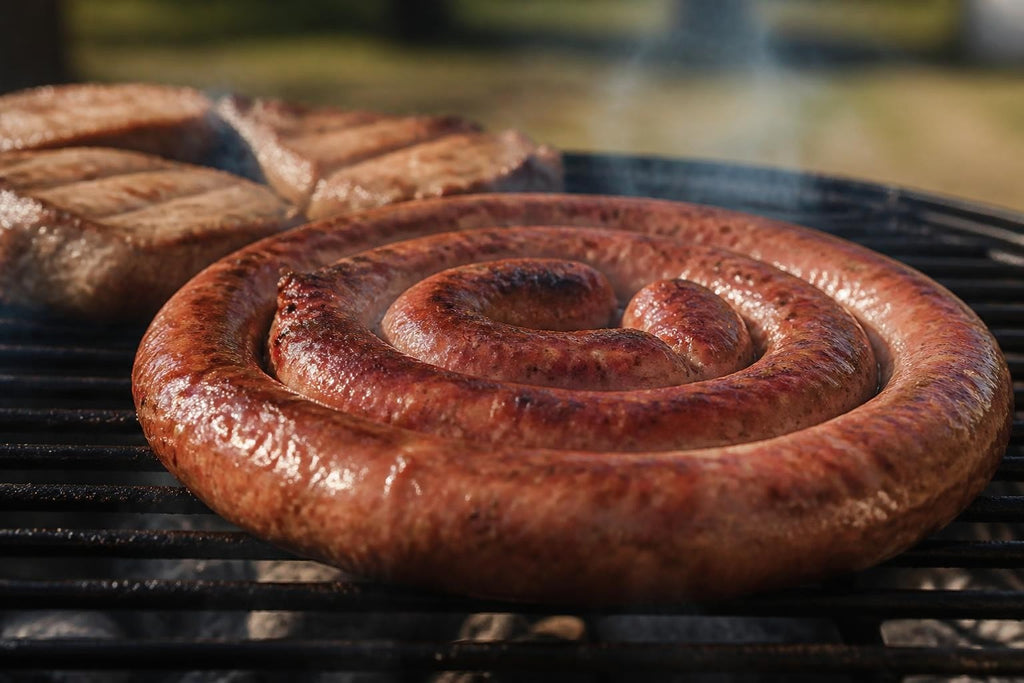
When South Africans gather around a braai, one ingredient remains non-negotiable: authentic boerewors. This distinctly South African creation stands apart from conventional sausages through its unique composition, traditional spicing, and cultural significance. For South Africans living in New Zealand, finding genuine boerewors and sausage products that meet the strict standards of their homeland has become an essential part of maintaining culinary connections to home. Understanding the difference between boerewors and sausage, alongside the regulations that protect this heritage food, helps explain why expats seek out specialist suppliers and why authentic products command premium positions in South African food stores.
What Distinguishes Boerewors From Conventional Sausage
The fundamental differences between boerewors and sausage begin with strict compositional requirements that have been codified in South African law. According to South African Government regulations, authentic boerewors must contain at least 90% meat content, with beef being the primary component. This stands in stark contrast to many commercial sausages worldwide, which often contain significantly lower meat percentages supplemented with fillers, binders, and extenders.
Boerewors composition requirements:
- Minimum 90% meat (beef, or beef combined with lamb, pork, or game)
- Maximum 30% fat content
- No more than 10% spice, seasoning, and permitted ingredients
- Absolutely no mechanically recovered meat, offal, or non-meat protein
- Natural or artificial casings permitted
The Spice Profile That Defines Authenticity
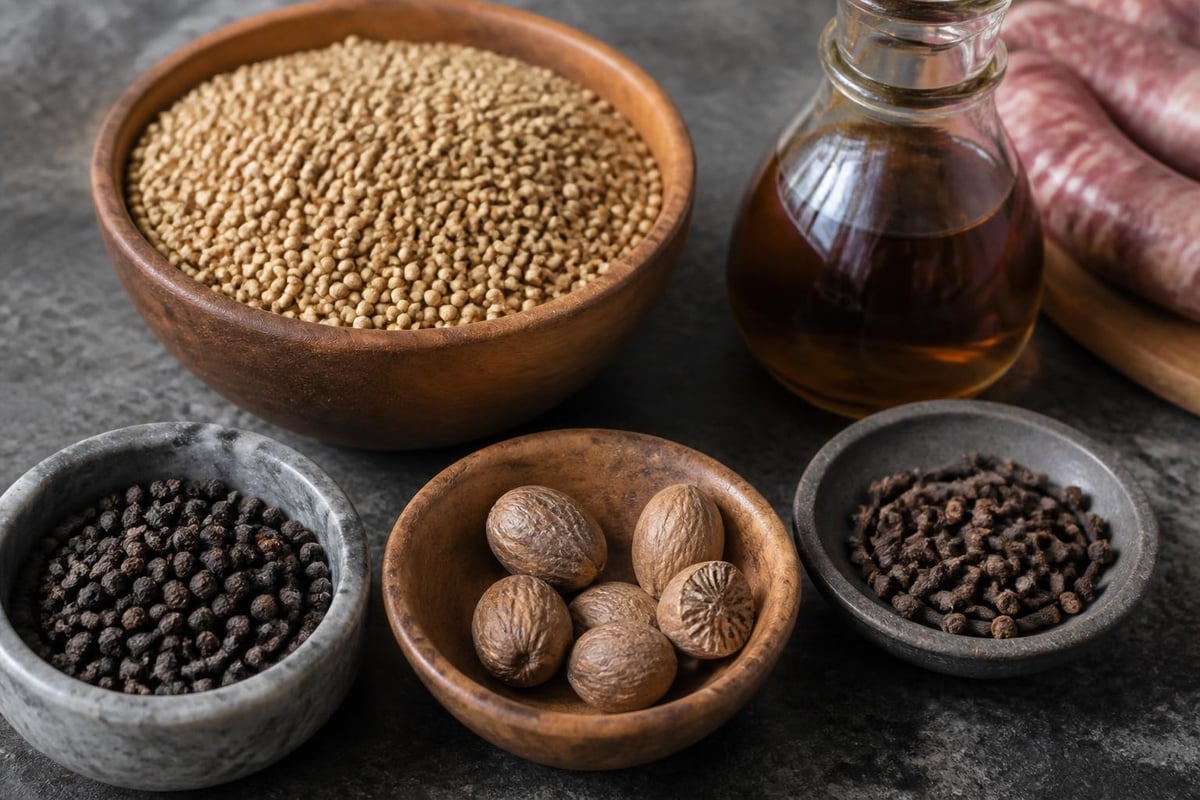
Traditional boerewors spicing follows a formula refined over generations. Coriander dominates the flavour profile, typically representing at least 60% of the spice blend. This distinctive taste immediately identifies authentic boerewors and separates it from generic sausage products.
Additional spices include black pepper, nutmeg, cloves, and allspice, though regional and family variations exist. Vinegar, traditionally wine vinegar, provides both flavour and acts as a natural preservative. According to FAO guidance on sausage formulation, this careful spice balance not only defines flavour but contributes to the product's keeping qualities and microbiological safety.
Legal Standards and Quality Protection
South Africa's agricultural product standards provide one of the world's most stringent regulatory frameworks for a traditional sausage. The Department of Agriculture's market requirements establish clear boundaries that protect consumers and preserve culinary heritage.
| Requirement | Boerewors | Typical Sausage |
|---|---|---|
| Minimum meat content | 90% | Often 50-70% |
| Fat maximum | 30% | Variable, often higher |
| Offal permitted | No | Often yes |
| MRM permitted | No | Often yes |
| Spice specification | Coriander dominant | Unregulated |
| Coil format required | Yes (traditional) | No |
These standards mean that only products meeting specific criteria can legally be labelled "boerewors" in South Africa. When South Africans living in New Zealand search for authentic products, they're looking for suppliers who respect these traditional standards, even when operating outside South African jurisdiction.
Manufacturing Methods and Artisanal Traditions
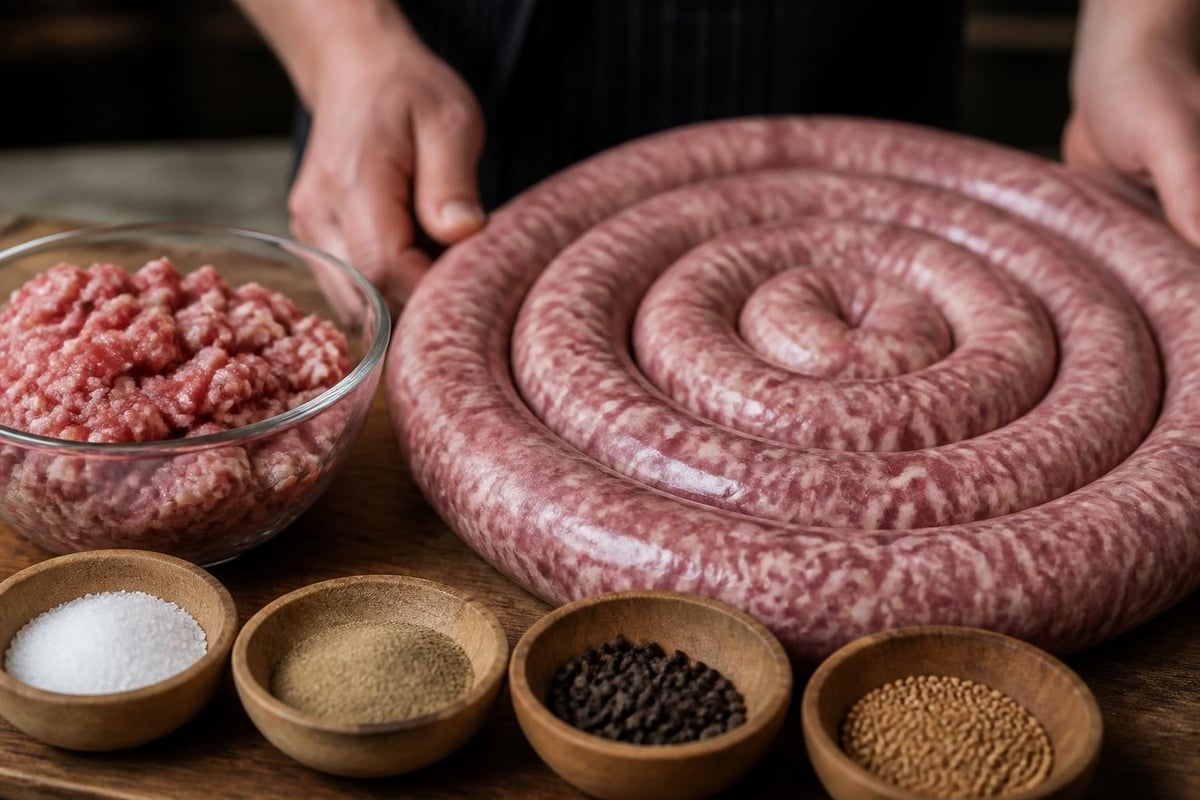
Research from the University of the Free State documents how boerewors production methods have evolved while maintaining core traditional principles. The continuous coil format, typically presented in spiral form rather than individual links, represents both practical and cultural preferences developed over centuries.
Production Process Essentials
Professional boerewors makers follow systematic approaches that balance food safety with traditional character:
- Meat selection and preparation: Prime cuts of beef, trimmed and cubed, form the foundation
- Fat incorporation: Proper fat distribution ensures moisture and flavour without exceeding regulatory limits
- Spice blending: Precise measurement maintains authentic taste profiles
- Mixing methodology: Careful blending prevents emulsification whilst ensuring even distribution
- Casing and filling: Natural sheep casings traditionally preferred, filled to proper density
- Coiling technique: Creating the characteristic continuous spiral
- Chilling and distribution: Rapid temperature reduction for food safety
The FAO's technical guidance on small-scale sausage production emphasises that traditional methods, when combined with modern food safety practices, produce superior products that honour heritage whilst meeting contemporary standards.
Boerewors and Sausage in South African Food Culture
Beyond its composition, boerewors holds profound cultural significance in South African life. The braai-South Africa's national social institution-centres on this product. Where other cultures might feature standard sausages at barbecues, South Africans specifically seek boerewors, making it the defining protein of outdoor gatherings.
This cultural importance explains why expatriate communities prioritise finding authentic products. South Africans in New Zealand don't simply want "a sausage"-they seek the specific taste, texture, and experience of genuine boerewors. Something From Home addresses this need by stocking authentic South African products, recognising that food represents powerful connections to heritage and identity.
Cultural contexts for boerewors:
- Family braais: Weekend gatherings centred on grilled boerewors
- Sports events: Rugby matches and boerewors form inseparable pairings
- Heritage celebrations: National holidays and Heritage Day specifically
- Community fundraisers: Boerewors rolls as fundraising staples
- Nostalgia and comfort: Taste memories connecting expats to home

Nutritional Considerations and Health Context
The WHO's information brief on red and processed meat provides context for understanding boerewors within broader dietary patterns. As a processed red meat product, boerewors shares characteristics with other sausages regarding nutritional composition and health considerations.
However, boerewors and sausage products differ significantly in several nutritional aspects:
| Nutritional Factor | Boerewors Advantage | Standard Sausage |
|---|---|---|
| Meat protein content | High (90% minimum) | Variable, often lower |
| Filler content | Minimal to none | Often significant |
| Transparency | Regulated composition | Less standardised |
| Additive use | Limited by regulation | More permissive |
The high meat content and limited additives in authentic boerewors mean clearer nutritional profiles. Consumers know they're primarily consuming beef with traditional spices, rather than encountering hidden fillers, extenders, or unexpected ingredients common in less-regulated sausage products.
Varieties and Regional Interpretations
While regulations define standard boerewors, South African culinary tradition encompasses several recognised variations that expand the category whilst respecting core principles:
Traditional Variants
Beef boerewors forms the baseline, using exclusively beef. Boerewors with lamb introduces sweeter, richer notes through the addition of mutton or lamb, though beef must remain predominant. Pork boerewors incorporates pork alongside beef, creating different fat distributions and flavour profiles. Game boerewors features kudu, springbok, or other South African game meats, popular in areas with hunting traditions.
Each variant maintains the essential 90% meat requirement and coriander-dominant spicing that defines the category. These aren't different products-they're expressions within the boerewors framework, distinguishing them from generic sausage varieties that might simply substitute ingredients without maintaining defining characteristics.
Finding Authentic Boerewors in New Zealand
For South Africans living in New Zealand, sourcing authentic boerewors and sausage products presents unique challenges. Distance from South Africa, import regulations, and limited production of genuine boerewors locally mean that expatriates must identify reliable suppliers who understand and respect traditional standards.
Specialist South African food stores fill this crucial gap. Something From Home operates as a dedicated South African food store in New Zealand, maintaining a warehouse stocked with more than 2,500 South African products. This specialisation ensures that products meet the expectations of customers familiar with authentic standards, rather than offering generic substitutes.
What to Look for When Purchasing
Discerning buyers evaluate several factors:
- Ingredient lists: Verify high meat content and traditional spicing
- Supplier knowledge: Assess whether vendors understand boerewors standards
- Product origin: Determine if products are imported from South Africa or locally made to authentic specifications
- Casing type: Natural casings indicate traditional production
- Coil presentation: Authentic boerewors comes in continuous coils
- Fat distribution: Visual inspection should show proper marbling
The South African groceries collection available through specialist importers provides access to products that would otherwise be unavailable in standard New Zealand supermarkets.
Storage, Handling, and Preparation
Proper handling maximises both safety and quality for boerewors and sausage products. As a fresh meat product, boerewors requires refrigeration and relatively short shelf life compared to cured sausages.
Storage Guidelines
Fresh boerewors should be stored at 0-4°C and consumed within 3-5 days of purchase. Frozen boerewors maintains quality for approximately three months when properly wrapped and stored at -18°C or below. Thawing should occur in refrigeration rather than at room temperature to prevent bacterial growth.
Cooking Methods
Traditional braai cooking over wood or charcoal remains the preferred method, developing smoky flavours whilst maintaining juicy interiors. However, boerewors adapts to various cooking approaches:
- Grilling: Maintain medium heat to prevent splitting whilst ensuring thorough cooking
- Pan-frying: Use minimal oil; boerewors contains sufficient fat
- Oven-baking: Suitable for large quantities, though less traditional
- Boiling then grilling: Some cooks pre-boil to reduce cooking time, though purists object
Internal temperature should reach 75°C to ensure food safety, though experienced braai masters often judge doneness by appearance, firmness, and aroma rather than thermometers.
The Economic and Social Value of Heritage Foods
Understanding boerewors and sausage differences extends beyond culinary appreciation to recognising heritage foods' broader cultural and economic roles. For expatriate communities, access to authentic products supports:
Cultural continuity: Maintaining food traditions across generations living abroad strengthens cultural identity and provides tangible connections to heritage. Community building: Shared appreciation for specific foods creates social bonds within expatriate populations and introduces New Zealand friends to South African culture. Economic support: Purchasing from specialist suppliers sustains businesses serving niche communities whilst encouraging product diversity in New Zealand's food landscape.
The popular South African snack brands article explores similar themes around other heritage foods, demonstrating how entire product categories maintain importance for expatriate populations.
Complementary Products and Complete Braai Experiences
Boerewors rarely appears in isolation. South African braai culture encompasses complementary products that together create authentic culinary experiences:
- Pap: Maize porridge served alongside grilled boerewors
- Chakalaka: Spicy vegetable relish providing contrast
- Mrs Ball's Chutney: Traditional condiment enhancing boerewors flavour
- Boerewors rolls: Fresh rolls specifically for serving grilled boerewors
- Traditional South African beverages: Castle Lager, Appletiser, Oros
The braai collection at South African specialist stores typically encompasses these complementary items, recognising that authentic experiences require complete ingredient sets rather than individual products in isolation.
Quality Indicators and Common Substitutions
Not all products labelled "South African-style sausage" meet authentic boerewors standards. Understanding quality indicators helps consumers make informed choices and avoid disappointing substitutions.
Red Flags Indicating Non-Authentic Products
Products described as "boerewors-style" or "South African sausage" rather than simply "boerewors" often indicate failure to meet compositional standards. Ingredient lists showing cereals, rusk, soya protein, or other fillers immediately disqualify products from authentic boerewors classification. Similarly, meat content below 90% or absence of coriander-dominant spicing suggests generic sausage marketed to South African nostalgia rather than genuine traditional production.
When Substitution Makes Sense
Some situations warrant quality sausage alternatives when authentic boerewors isn't available. Understanding that you're making a substitution-rather than believing you've purchased genuine boerewors-maintains realistic expectations. However, for significant occasions or when taste memories matter most, seeking authentic products from specialist suppliers justifies additional effort and expense.
The Future of Traditional Foods in Global Markets
As South African expatriate populations grow globally, including New Zealand's substantial community, demand for authentic heritage foods continues expanding. This creates interesting dynamics between traditional production methods, regulatory frameworks, and international distribution.
New Zealand's distance from South Africa presents both challenges and opportunities. Challenges include freight costs, shelf-life considerations during shipping, and maintaining cold chains across long distances. Opportunities emerge through local production by South African entrepreneurs who bring authentic recipes and standards to New Zealand-based operations, potentially reducing costs whilst maintaining quality.
Whether imported or locally produced to authentic standards, the key remains preserving the characteristics that define boerewors and distinguish it from generic sausage products. Regulatory standards, cultural knowledge, and consumer expectations all contribute to maintaining authenticity as heritage foods navigate global markets.
Understanding the distinction between boerewors and sausage reveals how cultural heritage, regulatory protection, and culinary tradition combine to create products that transcend mere ingredients. For South Africans in New Zealand, accessing authentic boerewors means more than simply purchasing meat-it represents maintaining connections to home, culture, and community. Whether you're planning your next braai or seeking to share South African food culture with Kiwi friends, finding suppliers who respect traditional standards ensures genuine experiences. Visit Something From Home to explore their extensive range of authentic South African groceries, including boerewors and all the complementary products that make a proper braai unforgettable.