Mushroom Soup Recipes NZ: From Classic to South African
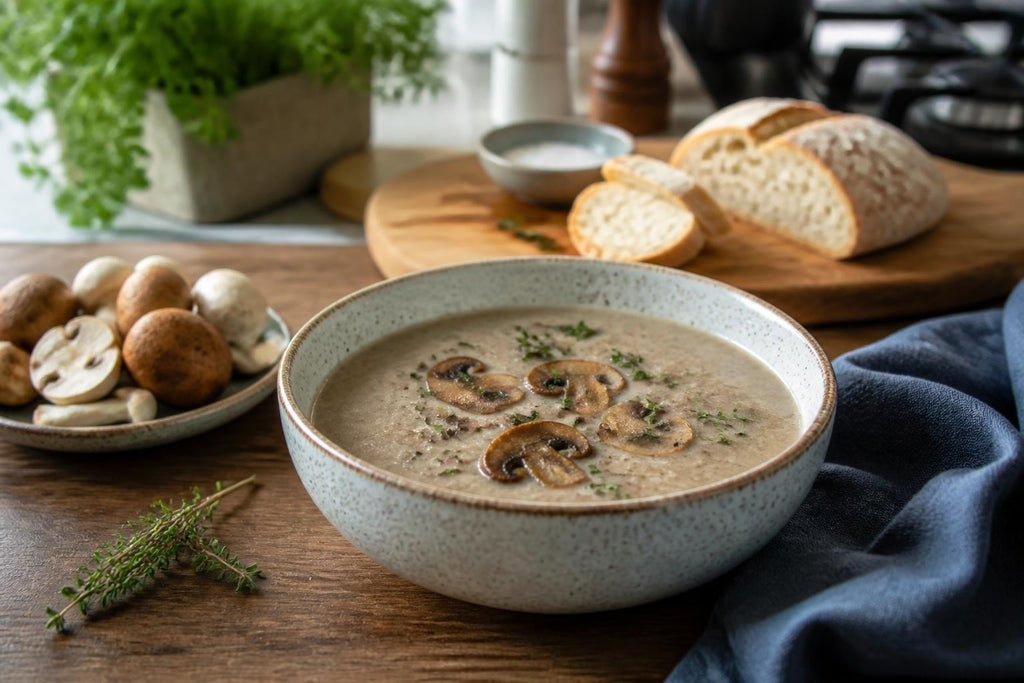
Mushroom soup holds a special place in kitchens across New Zealand, offering comfort during cold winter months and showcasing the country's excellent seasonal produce. For South Africans living in New Zealand, mushroom soup recipes provide an opportunity to blend classic techniques with the aromatic spices and bold flavours of home. Whether you're seeking a traditional creamy style or a spiced variation that evokes memories of Sunday lunches in Johannesburg or Cape Town, exploring mushroom soup recipes NZ cooks have perfected reveals a delicious intersection of cultures and ingredients.
Understanding Mushroom Varieties Available in New Zealand
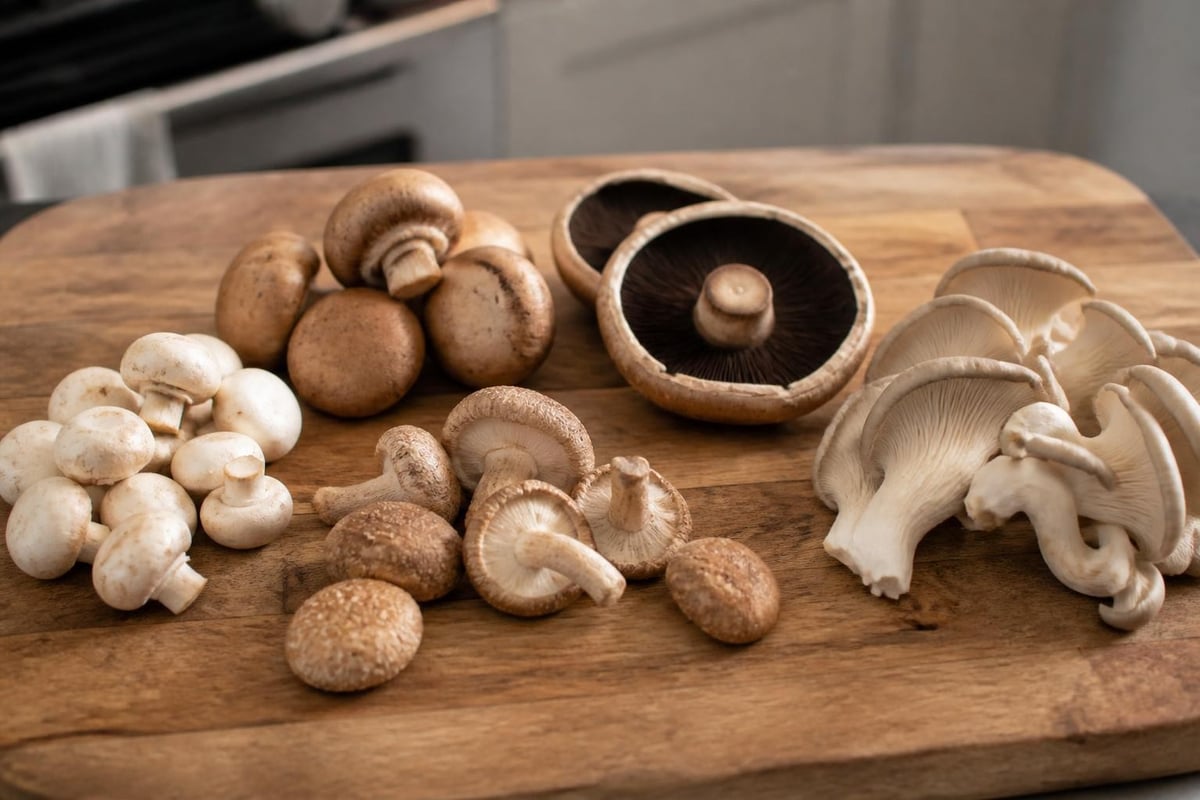
New Zealand's supermarkets and farmers' markets stock an impressive range of mushroom varieties throughout the year. Button mushrooms remain the most accessible and affordable option, perfect for beginners experimenting with mushroom soup recipes NZ kitchens rely upon.
Swiss brown mushrooms deliver a deeper, earthier flavour that elevates any soup beyond the ordinary. Portobello mushrooms, with their meaty texture and robust taste, create hearty soups that satisfy as a main course rather than merely a starter.
Seasonal and Wild Mushrooms
For adventurous cooks, New Zealand's seasonal mushroom availability opens exciting possibilities. Oyster mushrooms, shiitake, and enoki appear regularly in specialty stores, each contributing unique textures and flavour profiles.
Wild mushroom enthusiasts should exercise extreme caution. New Zealand hosts both edible and highly toxic species, making proper identification essential. Landcare Research's Virtual Mycota provides authoritative guidance for those interested in foraging, though purchasing cultivated varieties remains the safest approach for most home cooks.
Key mushroom selection tips:
- Choose firm mushrooms with no slime or dark spots
- Store in paper bags rather than plastic to prevent moisture buildup
- Use within 3-5 days for optimal flavour
- Wipe clean with damp cloth rather than washing when possible
Classic Creamy Mushroom Soup Recipe
The foundation of excellent mushroom soup recipes NZ cooks master begins with proper technique. This classic approach delivers consistent results every time.
Ingredients and Preparation
Essential ingredients:
- 500g mushrooms (button, Swiss brown, or mixed varieties)
- 2 tablespoons butter
- 1 large onion, finely diced
- 2 cloves garlic, minced
- 3 tablespoons plain flour
- 1 litre chicken or vegetable stock
- 200ml cream
- Fresh thyme sprigs
- Salt and white pepper to taste
Begin by cleaning and slicing mushrooms uniformly to ensure even cooking. Heat butter in a large, heavy-based pot over medium heat, then sauté onions until translucent but not browned.
Cooking Method
Add mushrooms to the pot, stirring frequently. The mushrooms will release moisture initially before beginning to brown. This concentration step develops the deep umami flavour characteristic of exceptional mushroom soup.
Once mushrooms achieve a golden colour, add garlic and cook for one minute before sprinkling flour over the mixture. Stir continuously for two minutes to cook out the raw flour taste and create a roux base.
Step-by-step process:
- Gradually add stock while stirring to prevent lumps
- Bring to a gentle simmer and add thyme sprigs
- Cook uncovered for 15-20 minutes to develop flavours
- Remove thyme sprigs and blend until smooth (or leave chunky if preferred)
- Stir through cream and adjust seasoning
- Serve immediately with crusty bread
BBC Good Food's mushroom soup recipe offers additional refinements to this classic technique, perfect for those seeking professional-level results.
South African-Inspired Mushroom Soup Variations
South Africans living in New Zealand often seek ways to incorporate familiar flavours into everyday cooking. Mushroom soup recipes NZ kitchens produce can easily adapt to include the aromatic spices that define South African cuisine.
Adding South African Spice Blends
Transform a basic mushroom soup by incorporating spices commonly found in South African cooking. Something From Home, a South African food store in New Zealand with more than 2,500 South African products, stocks essential spice blends that work beautifully in mushroom soups.
Spice additions:
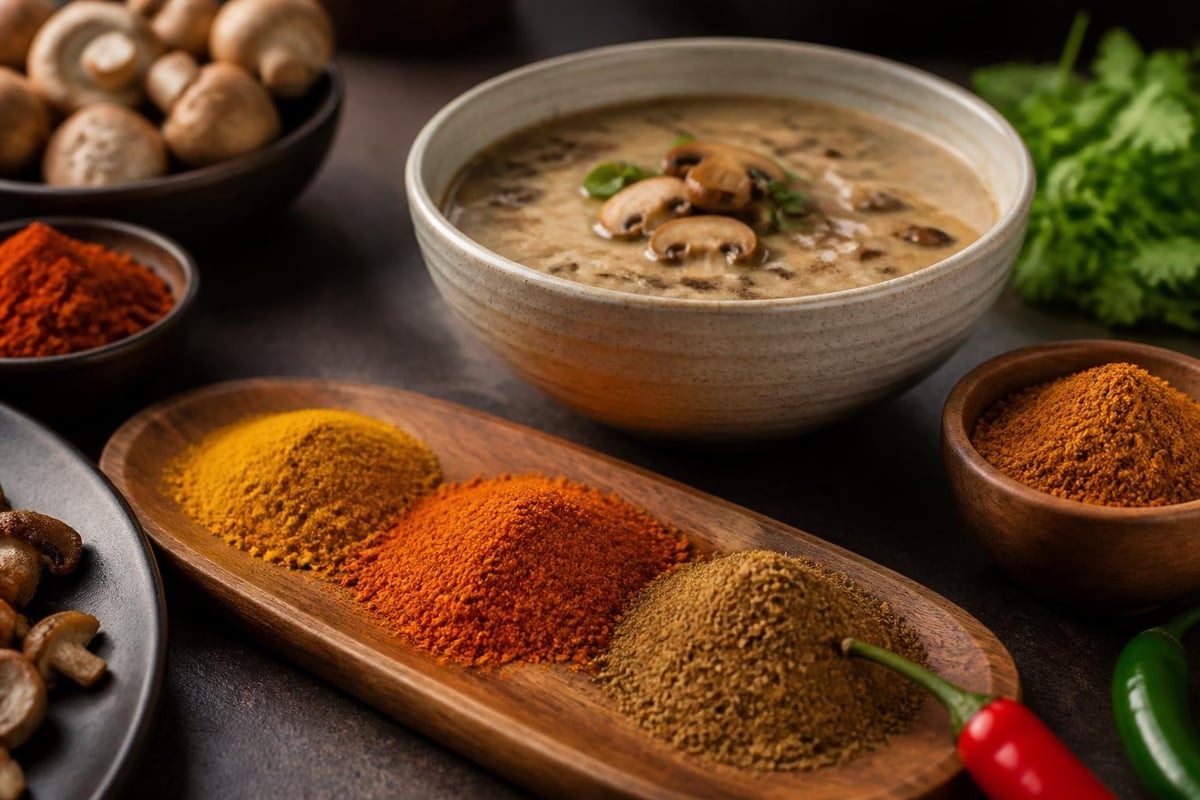
- Curry powder: Add 1-2 teaspoons for warmth and complexity
- Peri-peri seasoning: Creates a spicy, tangy variation perfect for cold days
- Aromatic masala: Brings layers of coriander, cumin, and cardamom
- Smoked paprika: Delivers subtle smokiness reminiscent of braai flavours
When incorporating these spices, toast them briefly in the butter before adding onions. This technique, fundamental to South African curry preparation, releases essential oils and intensifies flavours dramatically.
Cultural Fusion Techniques
South African food culture emphasizes bold flavours and generous hospitality, values that translate beautifully into soup-making. Consider these adaptations that honour both traditions:
| Technique | South African Element | NZ Element | Result |
|---|---|---|---|
| Stock base | Oxtail or mutton stock | Local beef stock | Deep, rich foundation |
| Cream substitute | Full-cream milk with roux | NZ fresh cream | Lighter yet flavourful |
| Texture variation | Chunky with vegetables | Smooth purée | Rustic comfort food |
| Garnish | Fresh coriander | Local herbs | Aromatic finish |
The South African curry and rice tradition shares similar spice profiles that work exceptionally well in mushroom soups, creating familiar comfort for expats.
Wild Mushroom Soup: A New Zealand Specialty
For those seeking to explore local ingredients, wild mushroom varieties create exceptional soups with distinctive regional character. RNZ's wild mushroom soup recipe showcases how New Zealand chefs approach these prized ingredients.
Working with Dried Wild Mushrooms
Dried porcini, shiitake, or local wild varieties add concentrated umami depth impossible to achieve with fresh mushrooms alone. Rehydrate dried mushrooms in hot water for 20-30 minutes, reserving the flavourful soaking liquid as part of your stock base.
Preparation steps:
- Rinse dried mushrooms briefly under cold water
- Cover with boiling water in a heat-proof bowl
- Weight down with a small plate to keep submerged
- Strain through muslin or coffee filter to remove grit
- Chop rehydrated mushrooms and add to soup
- Use strained soaking liquid as flavourful stock addition
Combining Fresh and Dried Mushrooms
The most successful mushroom soup recipes NZ chefs develop often combine fresh and dried varieties. Fresh mushrooms provide texture and volume, while dried mushrooms contribute concentrated flavour and complexity.
A typical ratio combines 400g fresh mushrooms with 30-40g dried varieties. This proportion delivers robust mushroom flavour without overwhelming the palate or budget.
Food Safety and Storage Considerations
Safe handling practices ensure your homemade mushroom soup remains both delicious and safe to consume. MPI's food safety guidance provides essential information for home cooks.
Proper Cooling and Storage
Critical safety steps:
- Cool soup rapidly by transferring to shallow containers
- Refrigerate within two hours of cooking
- Store in sealed containers for maximum 3-4 days
- Reheat to 75°C throughout before serving
- Never reheat more than once
Cream-based soups require particular attention, as dairy products can harbour bacteria if mishandled. Freeze portions without cream added, then incorporate cream during reheating for optimal safety and quality.
Freezing Mushroom Soup
Most mushroom soup recipes NZ cooks prepare freeze exceptionally well, making batch cooking practical and economical. Pour cooled soup into freezer-safe containers, leaving 2cm headspace for expansion.
| Storage Method | Duration | Quality Notes |
|---|---|---|
| Refrigerator | 3-4 days | Best texture and flavour |
| Freezer (with cream) | 1 month | Cream may separate slightly |
| Freezer (without cream) | 3 months | Excellent quality maintained |
| Reheated portions | Use immediately | Never refreeze |
Label containers with preparation date and contents. Thaw overnight in the refrigerator rather than at room temperature for food safety.
Nutritional Benefits and Research Perspectives
Mushrooms offer impressive nutritional value beyond their culinary appeal. Research from Plant & Food Research explores how New Zealand scientists investigate mushrooms' functional properties and potential health benefits.
Key Nutritional Components
Mushroom nutritional highlights:
- Vitamin D: Especially when exposed to sunlight or UV light
- B vitamins: Including riboflavin, niacin, and pantothenic acid
- Selenium: Important antioxidant mineral
- Beta-glucans: Compounds supporting immune function
- Protein: Plant-based protein source with essential amino acids
The Future Food Research Centre at University of Auckland investigates mushroom-based protein and bioactive compounds, contributing to New Zealand's understanding of these versatile ingredients.
Making Soup More Nutritious
Enhance the nutritional profile of mushroom soup recipes NZ families enjoy by incorporating additional vegetables and legumes. Carrots, celery, and leeks add vitamins without altering the fundamental mushroom character.
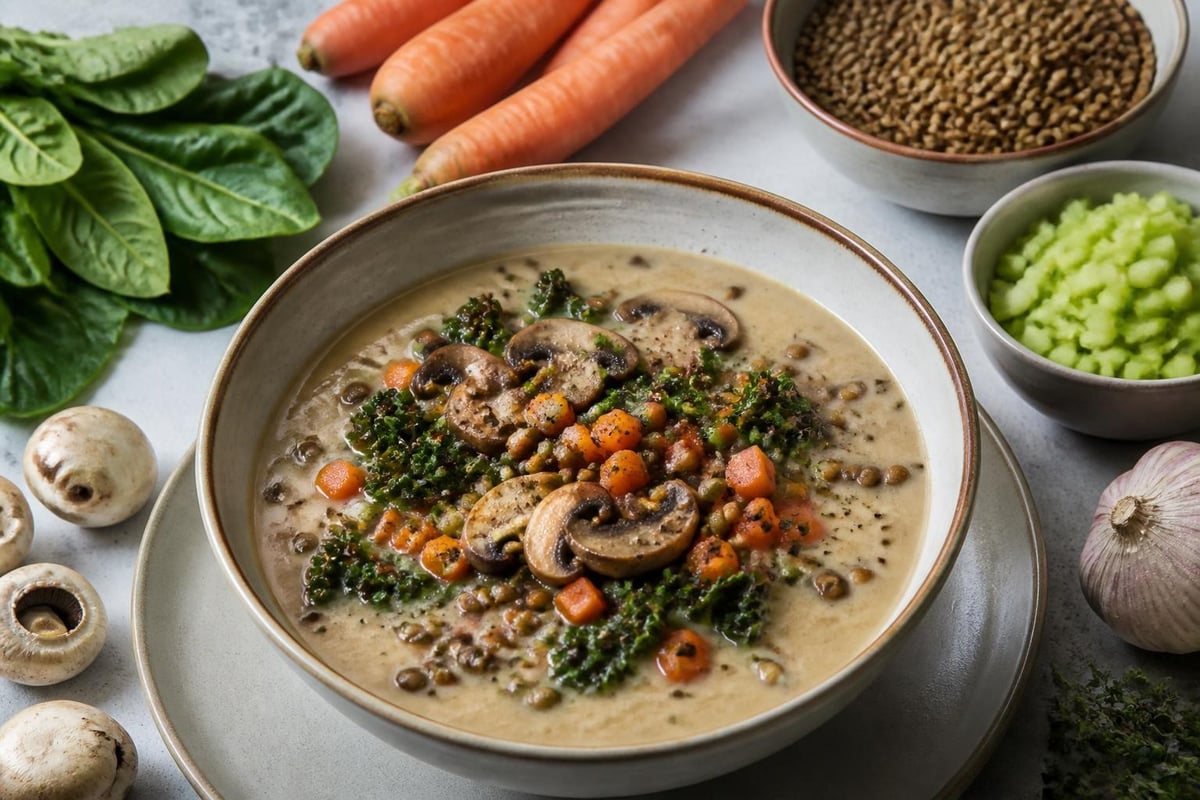
For South African-inspired variations, consider adding lentils or split peas, common ingredients in traditional South African soups. These additions create heartier, more protein-rich meals perfect for winter evenings.
Serving Suggestions and Accompaniments
Presentation and accompaniments transform simple mushroom soup into memorable meals. Both New Zealand and South African food traditions offer excellent pairing ideas.
Bread and Baked Goods
Crusty sourdough bread represents the New Zealand preference, perfect for soaking up creamy mushroom soup. Toast thick slices and rub with garlic for additional flavour.
South Africans might prefer serving mushroom soup alongside vetkoek, the beloved fried bread that pairs beautifully with both sweet and savoury dishes. The contrast between crispy exterior and soft interior complements soup's smooth texture perfectly.
Garnish Options
Finishing touches:
- Swirl of cream or crème fraîche
- Fresh herbs (parsley, thyme, chives)
- Crispy fried mushroom slices
- Toasted pine nuts or almonds
- Truffle oil (use sparingly)
- Freshly cracked black pepper
For South African flair, finish with a sprinkle of fresh coriander and a dash of peri-peri sauce on the side, allowing diners to adjust heat levels to personal preference.
Shopping for Ingredients in New Zealand
Finding quality ingredients for mushroom soup recipes NZ kitchens produce requires knowing where to shop. Fresh mushrooms appear in every supermarket, but specialty varieties demand more investigation.
Local Sources
Farmers' markets throughout New Zealand offer seasonal mushrooms, often including varieties rarely seen in supermarkets. Vendors typically provide preparation advice and recipe suggestions, making them valuable resources for home cooks.
Asian supermarkets stock dried mushroom varieties at competitive prices, essential for anyone regularly preparing mushroom soups. These establishments also carry fresh specialty mushrooms like shiitake and oyster varieties.
South African Ingredients
For South Africans seeking familiar flavours, popular South African snack brands and ingredients remain accessible through specialty importers. Spice blends, stock powders, and aromatic masalas that enhance mushroom soup recipes are readily available.
Something From Home stocks Knorr soup products and essential spices that South African expats remember from home, making it easier to recreate authentic flavours in New Zealand kitchens.
Adapting Recipes for Dietary Requirements
Modern mushroom soup recipes NZ cooks develop must accommodate various dietary needs without sacrificing flavour or satisfaction.
Dairy-Free Versions
Replace cream with coconut cream for rich, dairy-free mushroom soup. The subtle coconut flavour complements mushrooms surprisingly well, particularly when curry spices are incorporated.
Dairy-free alternatives:
| Ingredient | Replacement | Notes |
|---|---|---|
| Butter | Olive oil or coconut oil | Use quality oils for best flavour |
| Cream | Coconut cream | Full-fat provides best texture |
| Milk | Almond or oat milk | Choose unsweetened varieties |
| Cheese garnish | Nutritional yeast | Adds umami depth |
Gluten-Free Adaptations
Substitute plain flour with cornflour or potato starch for thickening gluten-free mushroom soups. Mix thickener with cold water before adding to soup, preventing lumps and ensuring smooth consistency.
Rice flour also works effectively, though it requires slightly longer cooking time to eliminate any raw taste. For South African-inspired versions using curry powder, verify spice blends contain no wheat-based fillers.
Batch Cooking and Meal Planning
Efficient home cooks recognize that mushroom soup recipes NZ families rely upon work beautifully for batch preparation and meal planning.
Scaling Recipes
Most mushroom soup recipes scale easily, making large-batch cooking practical. Double or triple ingredient quantities, ensuring your pot accommodates the volume. Larger batches require extended simmering time to develop full flavour.
Batch cooking benefits:
- Reduces overall cooking time across the week
- Ensures ready-made meals for busy evenings
- Provides emergency meals for unexpected guests
- Freezes well for future convenience
- Cost-effective use of ingredients
Incorporating into Weekly Menus
Plan mushroom soup as both starter and main course throughout the week. Serve smaller portions before hearty South African-style braai leftovers, or increase portion sizes and pair with substantial bread for complete meals.
Pack mushroom soup in insulated containers for work lunches, reducing reliance on expensive takeaway options. This approach particularly appeals to South African expats managing New Zealand's higher cost of living while maintaining quality nutrition.
Cultural Significance and Comfort Food
For South Africans living far from home, food provides powerful connections to identity and memory. Mushroom soup recipes NZ kitchens produce can bridge cultural distances while embracing local ingredients.
Food as Cultural Connection
The act of cooking familiar dishes in new environments helps maintain cultural identity while adapting to different circumstances. South African expats often describe seeking specific ingredients not merely for taste, but for the memories and connections they represent.
Mushroom soup, while not exclusively South African, becomes a vehicle for incorporating beloved spices and techniques into New Zealand life. The familiar warmth of curry powder or the distinctive taste of aromatic masala transforms ordinary soup into comfort food that spans continents.
Building New Traditions
Many South African families in New Zealand develop hybrid food traditions, combining elements from both cultures. Mushroom soup might appear alongside traditional boerewors at family gatherings, or feature South African spices while showcasing New Zealand's excellent local mushrooms.
These evolving traditions represent the dynamic nature of immigrant food culture, where adaptation doesn't mean abandonment of heritage, but rather creative fusion that honours both past and present.
Expert Tips for Perfect Results
Professional chefs and experienced home cooks share consistent advice for achieving exceptional mushroom soup regardless of recipe variation.
Technique Refinements
Professional secrets:
- Don't crowd the pan: Mushrooms release moisture when crowded, preventing proper browning
- Season in layers: Add salt at multiple stages rather than only at the end
- Balance acidity: A squeeze of lemon juice brightens flavour before serving
- Reserve some mushrooms: Sauté separately and add as garnish for textural interest
- Finish with fresh herbs: Add at the last minute to preserve bright, fresh flavour
Common Mistakes to Avoid
Even experienced cooks occasionally make errors that compromise mushroom soup quality. Avoid washing mushrooms under running water, as they absorb moisture like sponges, diluting flavour and creating watery soup.
Never add cream while soup boils vigorously, as high heat can cause dairy products to separate or curdle. Remove from heat or reduce to gentle simmer before incorporating cream.
Making Mushroom Soup Your Own
The beauty of mushroom soup recipes NZ cooks develop lies in their adaptability. Once you master basic techniques, experimentation becomes both safe and rewarding.
Flavour Variations to Try
Creative additions:
- White wine or sherry for elegant depth
- Miso paste for additional umami complexity
- Smoked paprika for subtle barbecue notes
- Fresh ginger for warming spice
- Roasted garlic for sweetness
- Chilli for heat
Texture Adjustments
Experiment with blending ratios to discover your preferred consistency. Fully smooth soups feel elegant and refined, while partially blended versions offer rustic charm with varied textures in each spoonful.
Some cooks prefer completely chunky soups, celebrating mushroom texture rather than hiding it. This approach works particularly well with larger mushroom varieties like portobello, where substantial pieces provide satisfying chew.
Mastering mushroom soup recipes NZ kitchens rely upon opens endless possibilities for creative, comforting meals that honour both local ingredients and cultural heritage. Whether you prefer classic creamy styles or South African-spiced variations, quality mushrooms and proper technique deliver consistently delicious results. For South African expats seeking familiar spices and ingredients to enhance their cooking, Something From Home provides everything needed to create authentic flavours while embracing your New Zealand home.