New Zealand Cadbury Chocolate: History & Local Production
New Zealand has enjoyed a long-standing relationship with Cadbury chocolate, dating back over 150 years when the iconic Dunedin factory first opened its doors. For many Kiwis, the purple-wrapped blocks and familiar dairy milk bars represent childhood memories and national pride. However, for South Africans living in New Zealand, the experience of new zealand cadbury chocolate often prompts comparisons with the distinctly different formulations they grew up enjoying back home. Understanding the unique characteristics, production history, and current manufacturing landscape of Cadbury products in Aotearoa provides valuable context for anyone seeking quality chocolate or navigating the differences between regional variations.
The Historical Significance of Cadbury in New Zealand
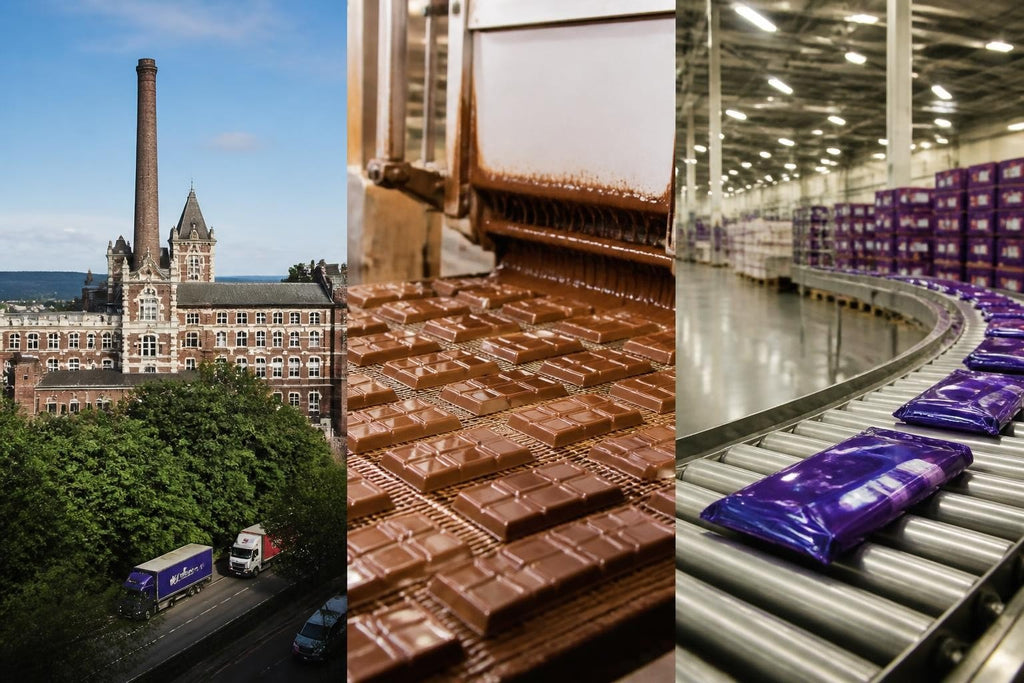
New Zealand's Cadbury story began in 1868 when the Dunedin factory was established, making it one of the oldest commercial chocolate production facilities in the southern hemisphere. The site became a cornerstone of the local economy, employing generations of workers and producing beloved confectionery for both domestic consumption and export markets.
The factory's location in Dunedin wasn't coincidental. The region's access to high-quality New Zealand dairy products, particularly fresh milk from local farms, positioned the facility to create chocolate with a distinctive creamy profile. This access to premium New Zealand dairy became a defining characteristic of new zealand cadbury chocolate, setting it apart from varieties produced elsewhere.
The 2018 Factory Closure
In March 2018, Cadbury's Dunedin factory closed after 150 years of continuous operation. The shutdown marked the end of an era for New Zealand chocolate manufacturing. Production shifted primarily to Australia, with some specialty lines moving to other Mondelēz International facilities across the Asia-Pacific region.
The closure generated significant community concern and consumer debate. Many loyal customers worried about potential recipe changes, quality variations, and the loss of the "made in New Zealand" designation that had been a point of pride. The factory shutdown represented more than just a business decision; it symbolised shifting global manufacturing strategies within multinational food corporations.
Composition and Regulatory Standards
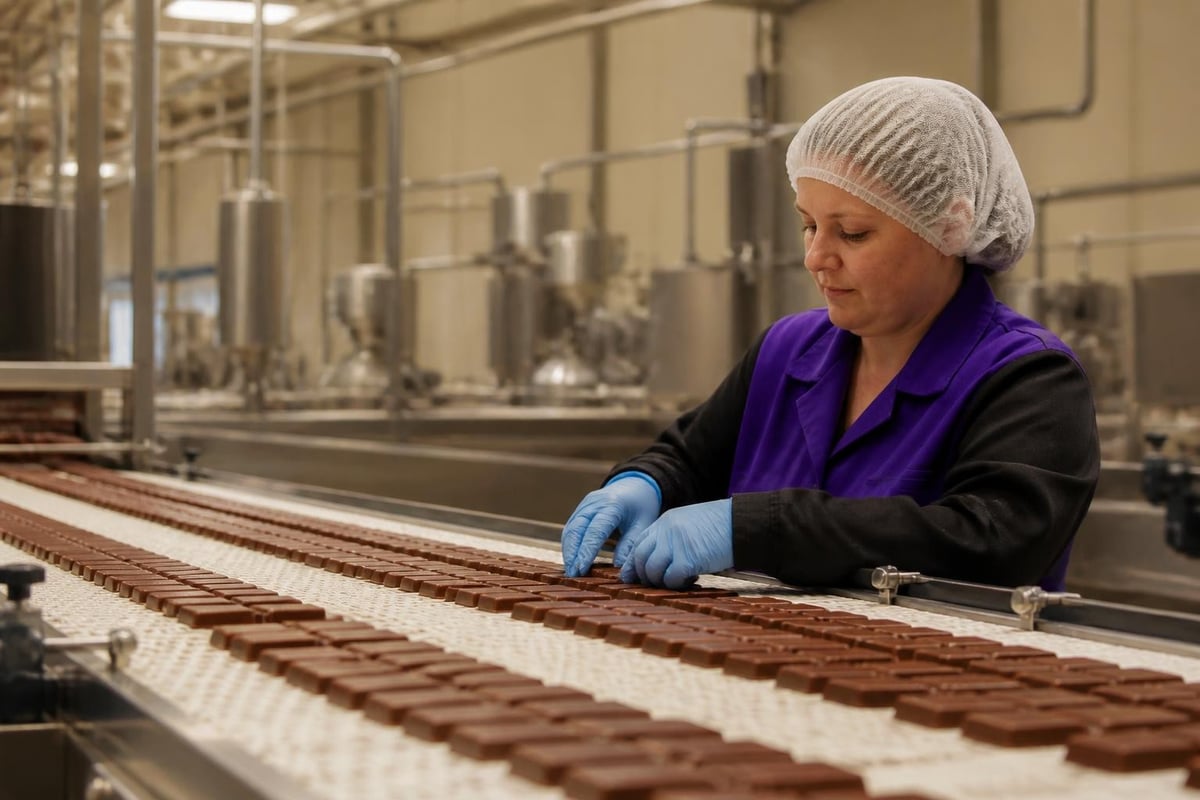
The formulation of new zealand cadbury chocolate must comply with strict food safety and labelling requirements. New Zealand operates under a joint food standards system with Australia, governed by Food Standards Australia New Zealand (FSANZ). This regulatory framework ensures consistency in chocolate composition, ingredient declaration, and consumer protection.
| Regulatory Aspect | Requirement | Impact on Cadbury Products |
|---|---|---|
| Cocoa solids minimum | Specified percentages for dark/milk chocolate | Determines chocolate classification |
| Milk solids content | Mandatory declaration on packaging | Affects creaminess and taste profile |
| Vegetable fat limits | Restricted usage in "chocolate" designation | Maintains authentic chocolate character |
| Allergen labelling | Clear declaration required | Protects consumers with sensitivities |
Under New Zealand food safety legislation, all chocolate products must meet compositional standards and carry accurate ingredient lists. The FSANZ ingredient labelling guidance requires manufacturers to declare characterising ingredients, including cocoa solids percentages and milk content, enabling informed consumer choices.
New Zealand Versus South African Formulations
South Africans relocating to New Zealand frequently notice differences between new zealand cadbury chocolate and the varieties they purchased back home. These variations stem from several factors:
- Milk source and processing: New Zealand formulations use local dairy with distinct flavour characteristics compared to South African milk
- Sugar content: Regional taste preferences influence sweetness levels across different markets
- Cocoa sourcing: While both regions source through Cadbury's Cocoa Life programme, processing methods may vary
- Manufacturing location: Post-2018, most NZ Cadbury comes from Australian facilities, whilst South African Cadbury is produced locally
These differences aren't necessarily indicators of quality but reflect regional preferences and supply chain logistics. Many South Africans living in New Zealand maintain a preference for the chocolate varieties they grew up with, which explains the strong demand for imported South African confectionery.
Current Manufacturing and Distribution
Mondelēz International now manages all Cadbury operations in New Zealand following the Dunedin closure. The company maintains a significant market presence despite no longer manufacturing locally, importing the majority of products from Australian facilities whilst maintaining some sourcing from other regional plants.
The supply chain for new zealand cadbury chocolate currently operates through several channels:
- Australian production facilities handle the bulk of dairy milk blocks, chocolate bars, and seasonal products
- Imported specialty lines arrive from international Mondelēz plants for niche products
- Distribution networks ensure consistent availability across supermarkets, convenience stores, and specialty retailers
- Cold chain management maintains product quality during transport and storage
Sustainability and Ethical Sourcing
Modern consumers increasingly prioritise ethical sourcing and environmental responsibility when purchasing chocolate. Mondelēz addresses these concerns through its Cocoa Life programme, which focuses on sustainable cocoa farming, community development, and supply chain transparency.
The 2024 Snacking Made Right report details Cadbury's commitments to:
- Sustainable cocoa sourcing across all product lines
- Human rights due diligence throughout supply chains
- Reduced environmental impact in manufacturing and distribution
- Support for cocoa-farming communities in source countries
These initiatives apply to all Cadbury products sold globally, including new zealand cadbury chocolate varieties available in local supermarkets and shops.

Popular Cadbury Products in New Zealand
New Zealand consumers enjoy access to a wide range of Cadbury products, though the specific varieties differ somewhat from what's available in South Africa. Understanding these differences helps expatriates manage expectations and discover new favourites.
Core Product Lines
Dairy Milk Range
- Original Dairy Milk blocks (various sizes)
- Fruit & Nut variations
- Caramello varieties
- Marvellous Creations limited editions
Seasonal Offerings
- Easter eggs and novelty shapes
- Christmas selections
- Limited-time flavour releases
Counting Products
- Roses assortments
- Favourites boxes
- Individual treat-sized bars
The new zealand cadbury chocolate selection emphasises dairy milk as the flagship product, reflecting local taste preferences that favour creamy, sweet milk chocolate over darker, more intense varieties.
The South African Chocolate Experience in New Zealand
For South Africans who have made New Zealand home, the chocolate aisle can feel simultaneously familiar and foreign. Whilst Cadbury branding appears similar, the taste profiles, product names, and even packaging dimensions differ from what they remember.
This disconnect creates demand for authentic South African chocolate varieties. Popular South African snack brands including specific Cadbury formulations become comfort foods that connect expatriates to their heritage and childhood memories.
Why South Africans Seek Familiar Products
The psychology of food nostalgia runs deep, particularly for immigrants adjusting to life in a new country. Familiar flavours provide:
- Emotional comfort during periods of homesickness or cultural adjustment
- Cultural connection for children growing up between two identities
- Social bonding when entertaining South African friends or celebrating traditional occasions
- Taste authenticity when recreating beloved recipes from home
Many South African recipes specifically call for local chocolate varieties. Attempting to substitute new zealand cadbury chocolate in desserts like Peppermint Crisp Tart or Tennis Biscuit desserts may produce different results due to formulation variations.
Accessing South African Chocolate in New Zealand
Finding authentic South African confectionery in New Zealand once required careful planning, international shipping, or relying on visiting friends and family to pack suitcases full of treats. The establishment of dedicated South African food stores has transformed this landscape significantly.
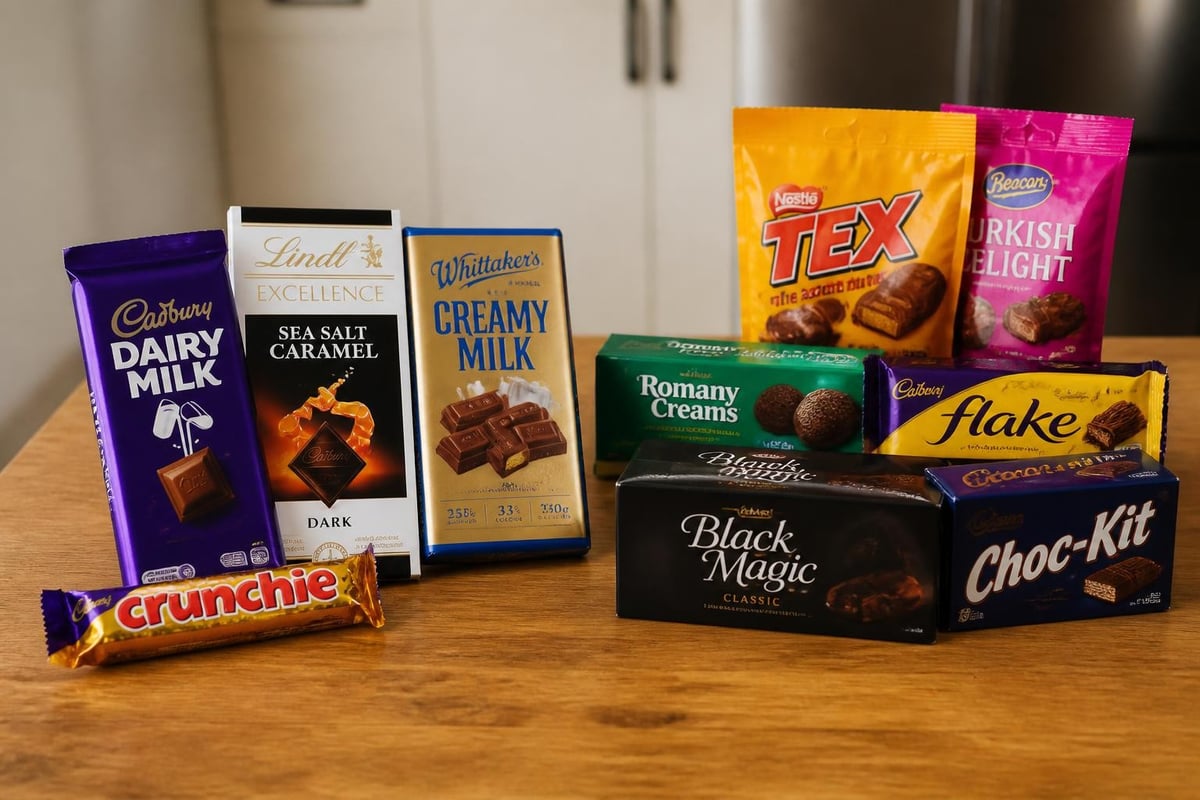
Specialised retailers now stock comprehensive ranges of imported South African products, including chocolate brands and varieties unavailable through mainstream New Zealand supermarkets. These shops understand the specific needs of the South African expatriate community and actively source products that address the gaps in local retail offerings.
Online Shopping Solutions
The digital age has made accessing South African products more convenient than ever. Online platforms allow customers throughout New Zealand to order authentic goods and receive delivery directly to their homes, regardless of location.
Key advantages of online South African food shopping include:
- Comprehensive selection of over 2,500 products including chocolate, biscuits, and confectionery
- Convenient delivery eliminating the need to travel to physical store locations
- Stock reliability with dedicated supply chains from South African manufacturers
- Price transparency allowing comparison shopping and budget planning
- Regular updates as new products and seasonal items become available
For South Africans living outside main centres, online shopping removes geographic barriers and ensures equal access to familiar products regardless of residential location.
Comparing Value and Quality
When evaluating chocolate purchases, South Africans in New Zealand often weigh several factors beyond simple taste preference. The decision between purchasing new zealand cadbury chocolate locally or ordering imported South African varieties involves practical considerations.
| Factor | NZ Cadbury (Local) | SA Cadbury (Imported) |
|---|---|---|
| Availability | Immediate at supermarkets | Requires specialist retailers |
| Price point | Standard NZ retail pricing | Premium due to import costs |
| Taste profile | Adapted for NZ preferences | Authentic SA formulation |
| Product range | NZ-specific varieties | SA-specific favourites |
| Freshness | Consistently fresh | Dependent on turnover |
Neither option is inherently superior; the choice depends on individual priorities, budget constraints, and specific usage contexts. Many South African households maintain supplies of both varieties, using local options for everyday consumption whilst reserving imported products for special occasions or specific recipes.
Cultural Significance and Food Identity
Food represents far more than mere sustenance, particularly for immigrant communities maintaining connections to their cultural heritage. Chocolate, despite seeming trivial, carries significant emotional and social weight for South Africans navigating life in New Zealand.
The specific taste of South African Cadbury products triggers powerful sense memories, transporting people instantly to childhood birthday parties, school tuck shops, or family gatherings. These sensory experiences cannot be replicated by even the highest-quality substitutes with different formulations.
Sharing Heritage Through Food
Second-generation South African Kiwis, children born or raised in New Zealand, often straddle two cultural identities. Parents frequently use traditional foods, including familiar chocolate varieties, to teach cultural heritage and maintain family connections to South African roots.
Serving authentic South African treats at children's parties, sharing specific chocolate bars with school friends, or creating traditional desserts for family celebrations becomes a way of preserving and transmitting cultural identity across generations.
The Business Landscape for South African Food Retailers
The growing South African population in New Zealand has created viable market opportunities for specialised food retailers. These businesses fulfil a genuine community need whilst operating sustainable commercial models.
Successful South African food stores in New Zealand typically offer:
- Extensive product ranges covering groceries, snacks, beverages, and household items
- Reliable supply chains ensuring consistent stock of high-demand products
- Community engagement through social media, events, and customer service
- Competitive pricing balancing import costs against customer budgets
- Delivery services reaching customers throughout the country
These retailers understand that they're providing more than products; they're offering tangible connections to home for people who've made significant life changes by relocating to New Zealand.
Product Quality and Storage Considerations
Maintaining chocolate quality requires proper storage and handling, particularly for imported products that have travelled significant distances. Understanding optimal storage conditions helps consumers maximise product lifespan and enjoyment.
Temperature Control Chocolate should be stored between 15-18°C in low-humidity environments. New Zealand's climate varies significantly by region, requiring different storage approaches:
- Auckland and northern regions: Climate-controlled storage often necessary during humid summer months
- Wellington: Moderate temperatures generally suitable with standard pantry storage
- Christchurch and southern regions: Cool, dry conditions ideal for chocolate storage year-round
Light Exposure Direct sunlight and fluorescent lighting can degrade chocolate quality, causing flavour deterioration and visual defects. Dark pantry storage or opaque containers provide optimal protection.
Humidity Management Moisture exposure creates sugar bloom, appearing as white, grainy deposits on chocolate surfaces. Whilst harmless, bloom affects texture and appearance, reducing enjoyment.
Recipe Adaptation and Substitution
Many beloved South African desserts and treats incorporate specific chocolate products as key ingredients. When authentic items aren't available or practical, understanding substitution principles helps home cooks achieve satisfactory results using new zealand cadbury chocolate alternatives.
Successful Substitution Strategies
Matching cocoa content: Select NZ products with similar cocoa percentages to specified SA varieties
Adjusting sweetness: Reduce added sugar if the substitute chocolate is sweeter than the original
Considering texture: Account for differences in melting characteristics and consistency
Testing first: Create small batches when experimenting with unfamiliar substitutions
Some recipes tolerate substitution better than others. Baked goods incorporating chocolate as one of many ingredients generally adapt more successfully than showcase desserts where chocolate dominates the flavour profile.
The Future of Chocolate in New Zealand
The New Zealand chocolate market continues evolving, influenced by changing consumer preferences, sustainability concerns, and global manufacturing trends. Several emerging patterns may impact how new zealand cadbury chocolate and competing products develop over coming years.
Premiumisation trends: Growing consumer interest in high-cocoa, single-origin, and craft chocolate varieties
Health-conscious formulations: Reduced sugar options, smaller portion sizes, and functional ingredient additions
Sustainability focus: Increased transparency about sourcing, manufacturing impact, and packaging recyclability
Local production revival: Potential for boutique manufacturers to establish New Zealand-based chocolate production
Whilst Cadbury maintains strong market presence, the competitive landscape includes both international brands and emerging local producers, creating diverse choices for New Zealand consumers.
Building Community Through Shared Food Experiences
The South African community in New Zealand has grown substantially over the past two decades, creating vibrant social networks and cultural organisations throughout the country. Food plays a central role in community building, with familiar products serving as conversation starters and connection points.
Community events often feature traditional South African foods and treats, creating opportunities for cultural sharing with the broader New Zealand population whilst providing comfort and familiarity for expatriates. These gatherings demonstrate how simple products like chocolate transcend their commercial purpose to become cultural ambassadors and community-building tools.
For South Africans seeking to connect with their heritage whilst building lives in New Zealand, access to authentic products through dedicated retailers becomes more than convenient shopping; it represents acknowledgment of their dual identity and the validity of maintaining cultural connections whilst embracing their new home.
New Zealand Cadbury chocolate offers quality confectionery with its own distinct character, yet many South Africans in Aotearoa understandably prefer the familiar formulations they grew up enjoying. Whether you're seeking authentic South African chocolate varieties for traditional recipes, nostalgic treats, or simply the taste of home, Something From Home provides a comprehensive solution with more than 2,500 South African products available for delivery throughout New Zealand. Browse the extensive selection online to discover your favourite South African snacks, groceries, and confectionery items today.