Steers: Understanding Their Role in South African Cuisine
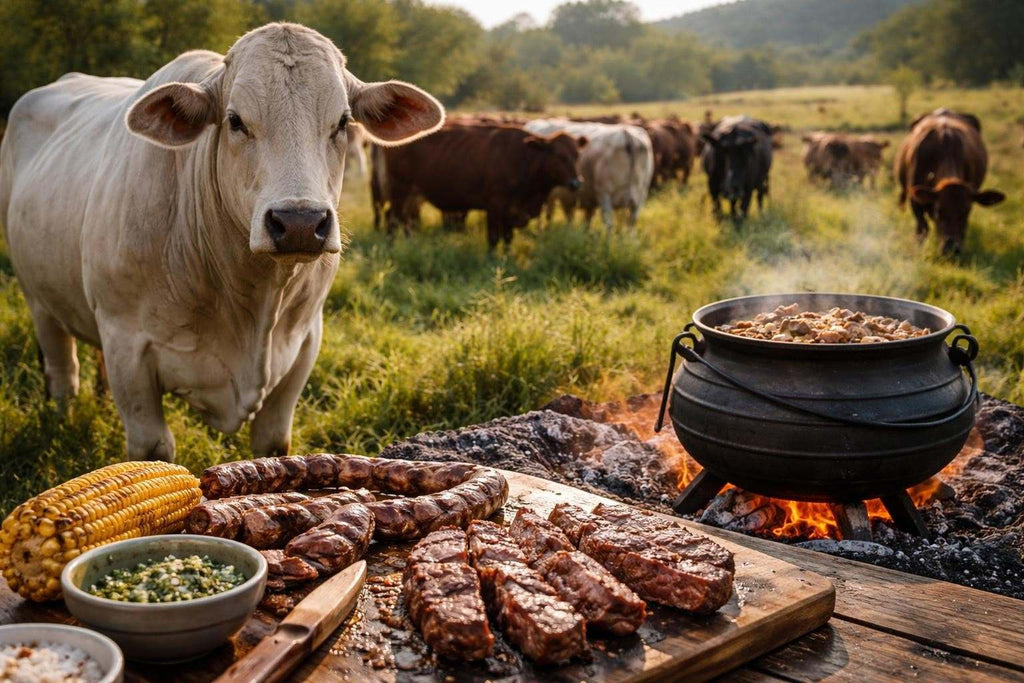
South African food culture is deeply intertwined with the country's agricultural heritage, and understanding the role of steers in beef production provides insight into why certain meat products hold such importance in traditional cuisine. For South Africans living in New Zealand, the connection to authentic flavours extends beyond snacks and condiments to the very foundation of how beef is produced, prepared, and enjoyed. This knowledge enriches appreciation for the cooking sauces, marinades, and spice blends that transform quality beef into memorable meals.
What Are Steers and Why They Matter
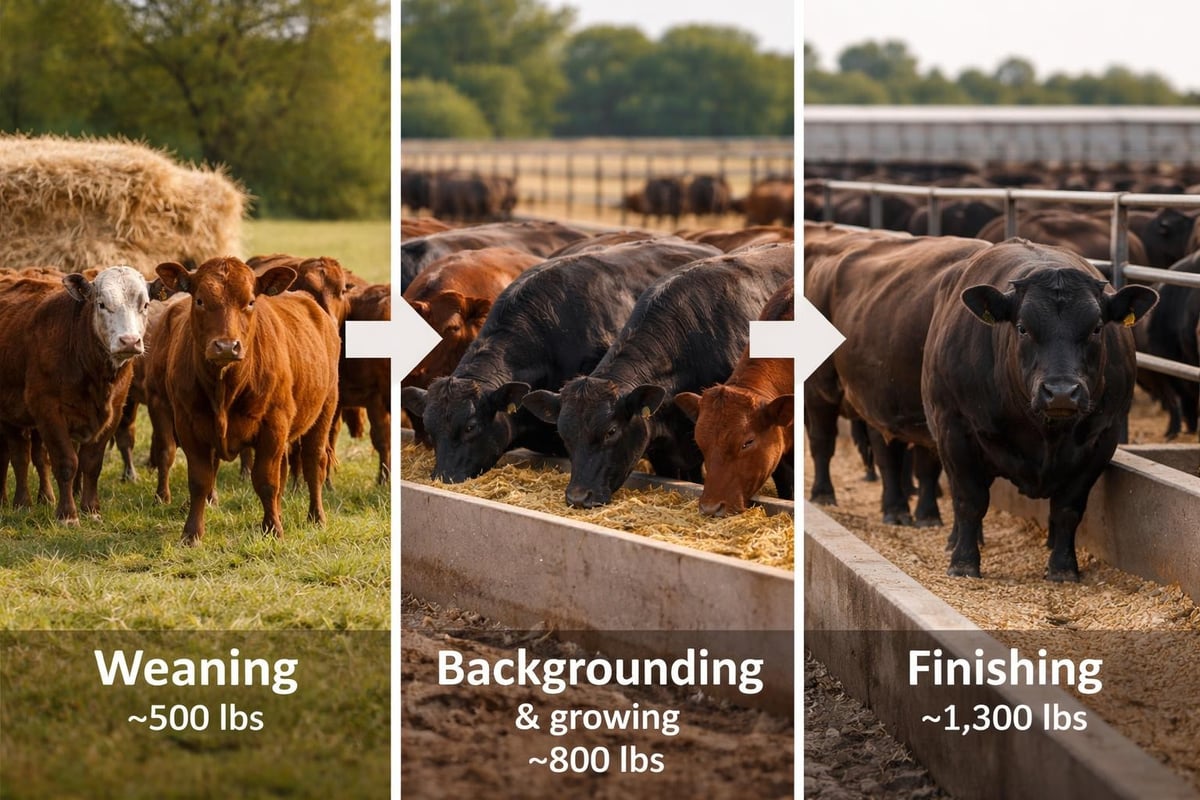
Steers are castrated male cattle raised primarily for beef production, distinguished from bulls by their more docile temperament and superior meat quality. The castration process, typically performed early in the animal's life, results in cattle that are easier to handle and produce beef with better marbling and flavour characteristics. This agricultural practice has been fundamental to beef industries worldwide, including South Africa's robust cattle farming sector.
Characteristics That Define Quality Beef
The development of steers follows specific patterns that influence meat quality:
- Growth rate: Steers typically grow more steadily than bulls, producing consistent carcass weights
- Marbling: Fat distribution throughout muscle tissue creates tender, flavourful beef
- Temperament: Calmer animals experience less stress, which improves meat quality
- Feed efficiency: Research on feeding behaviour patterns shows variations in how efficiently different steers convert feed to muscle
Weight ranges for market-ready steers typically fall between 500 and 700 kilograms, though this varies based on breed and management practices. South African farmers have historically favoured breeds like Brahman, Bonsmara, and Nguni, each contributing unique characteristics to the beef produced.
South African Beef Culture and Tradition
South African cuisine celebrates beef in ways that reflect the nation's diverse cultural landscape. The braai tradition, more than just grilling, represents a social institution where quality beef takes centre stage. Understanding how steers contribute to this culture helps explain why South Africans in New Zealand seek out specific products to recreate authentic flavours.
Traditional Dishes That Showcase Beef
| Dish | Beef Cut Typically Used | Cooking Method |
|---|---|---|
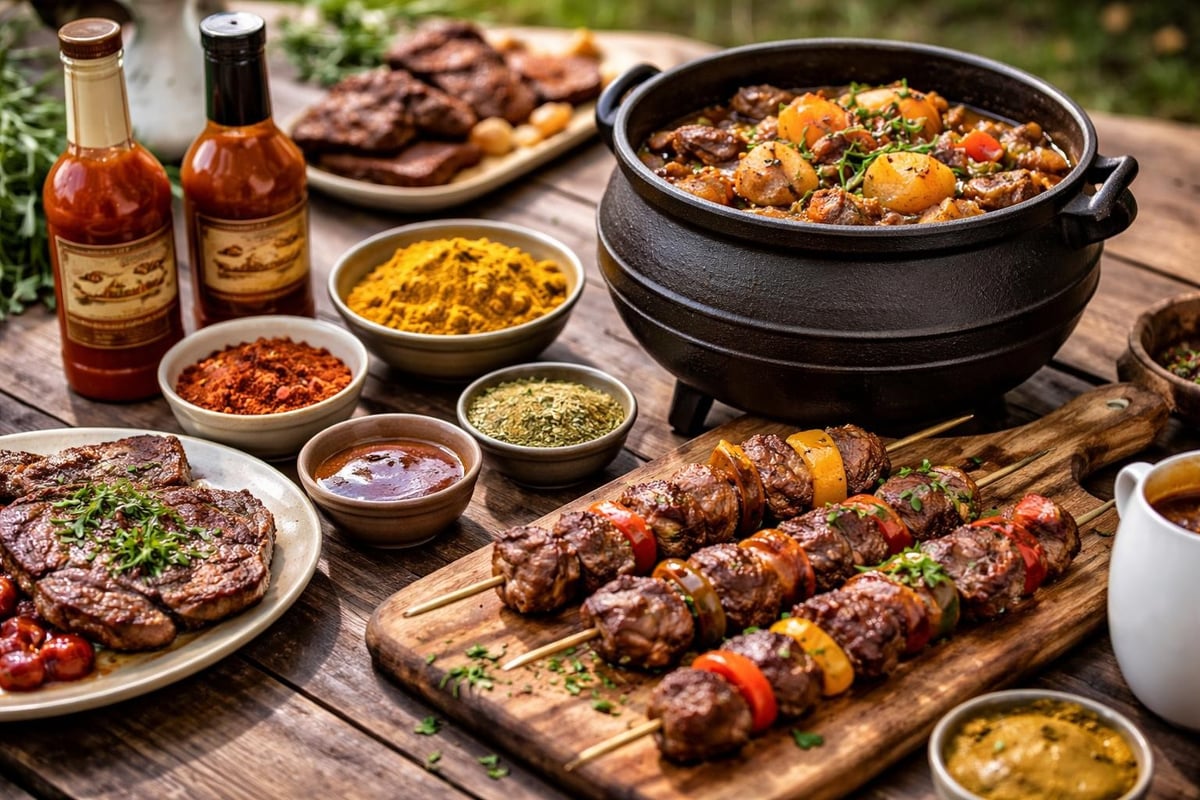
| Potjiekos | Chuck, shin, or oxtail | Slow-cooked in cast iron pot |
| Boerewors | Various cuts, minced | Grilled over open flame |
| Sosaties | Cubed steak | Marinated and grilled |
| Tomato bredie | Stewing beef | Slow-braised with vegetables |
The potjiekos tradition deserves special mention, as this method of slow-cooking beef with vegetables in a three-legged cast iron pot produces deeply flavoured dishes that have sustained families for generations. Many South Africans living abroad find that learning to care for and use these traditional pots helps maintain culinary connections to home.
The Role of Marinades and Seasonings
Quality beef from well-raised steers provides an excellent foundation, but South African cooking transforms it through distinctive flavour profiles. Traditional marinades incorporate ingredients like:
- Worcestershire sauce and vinegar for tenderising
- Coriander and cumin for aromatic depth
- Peri-peri for heat and complexity
- Garlic and herb combinations for savoury notes
Products like Ina Paarman's Peri Peri Coat & Cook Sauce and Lemon Herb Coat & Cook Sauce have become staples because they capture these traditional flavour combinations in convenient formats. These products work particularly well with beef from steers, as the meat's natural marbling absorbs and carries the seasonings beautifully.
Beef Production Systems and Quality
Modern beef production systems vary significantly, influencing the characteristics of meat that eventually reaches consumers. Understanding these systems provides context for why certain South African beef products have distinct flavour profiles that expatriates seek to recreate.
Grass-Fed Versus Grain-Finished Systems
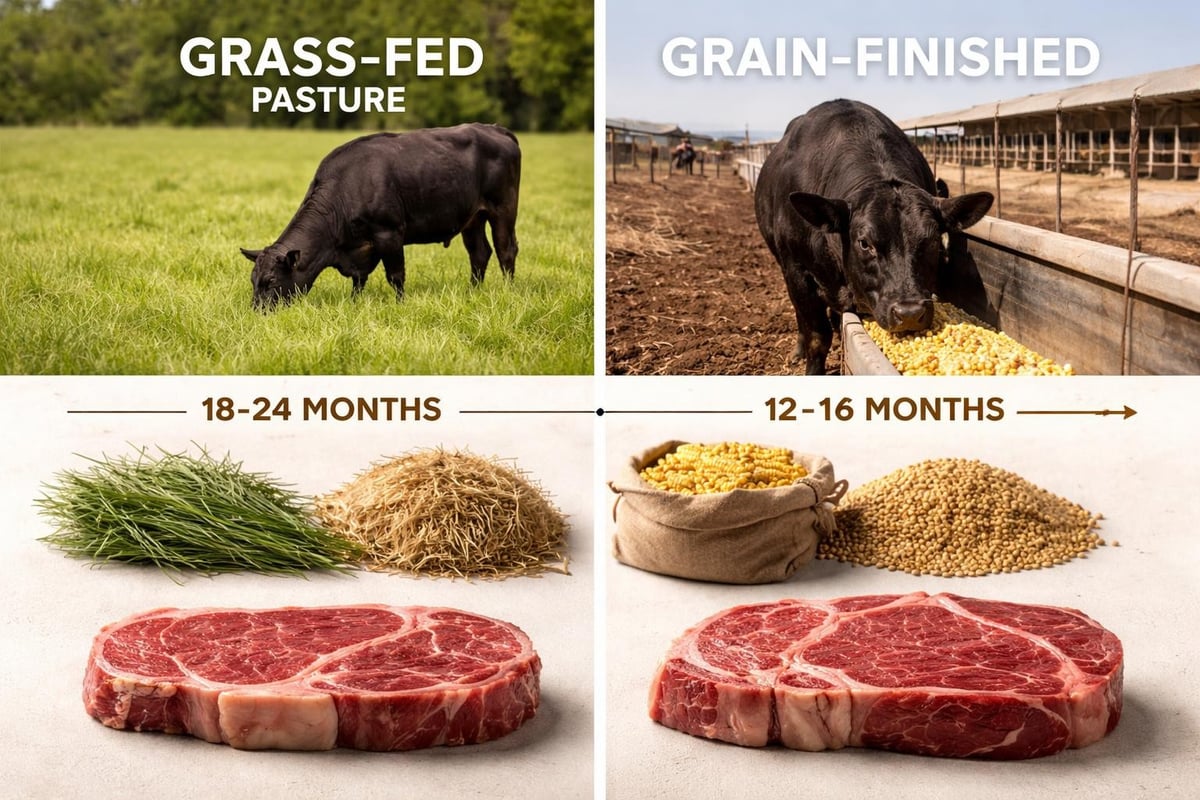
South African cattle farming traditionally emphasised pasture-based systems, with steers spending most of their lives grazing natural veldgrass. This approach differs from intensive feedlot operations and produces beef with:
Flavour complexity that reflects the diverse plant species in pasture systems
Leaner meat with different fat composition compared to grain-finished beef
Nutrient profiles that vary based on forage quality and diversity
Research comparing grass-fed and corn-supplemented finishing diets demonstrates measurable differences in carcass characteristics and meat quality. These variations explain why beef raised in different regions develops distinct taste profiles that become part of culinary identity.
The Economics of Raising Steers
Modern analyses of cattle economics reveal the financial considerations that shape beef production. Farmers must balance:
- Feed costs versus growth rates
- Market timing and seasonal price fluctuations
- Management strategies for different cattle types
- Environmental conditions and pasture quality
These economic realities influence which cattle reach market and at what quality grade. Price relationships between steers, heifers, and bulls fluctuate based on market demand, affecting the entire supply chain from farm to retail.
Cooking Techniques for Premium Beef
The beef produced from well-managed steers deserves cooking methods that honour its quality. South African traditions offer time-tested approaches that maximise flavour while creating opportunities for social connection.
The Art of the Braai
Braai culture goes beyond simple grilling, incorporating specific techniques:
- Fire preparation: Using hardwood or charcoal to create the right heat
- Meat selection: Choosing appropriate cuts for direct versus indirect heat
- Temperature control: Managing fire intensity throughout cooking
- Timing: Understanding how thickness affects cooking duration
- Resting: Allowing meat to redistribute juices before serving
Direct heat works best for thinner cuts like steaks, while indirect heat suits larger roasts or cuts requiring slower cooking. The smoke from wood fires adds another flavour dimension that electric or gas grills cannot replicate.
Slow-Cooking Methods for Tougher Cuts
Not all beef from steers becomes premium steaks. Secondary cuts benefit from slow-cooking techniques that break down connective tissue:
- Shin meat for traditional potjiekos recipes
- Chuck roast for braised dishes
- Brisket for low-and-slow smoking
- Short ribs for flavourful stews
These cooking methods align perfectly with South African flavour profiles. Using marinades like Ina Paarman's Chilli Garlic before slow-cooking infuses meat with complex flavours that develop further during the cooking process.
Maintaining Food Connections Across Continents
For South Africans who have relocated to New Zealand, recreating authentic meals involves more than following recipes. It requires access to specific ingredients that capture familiar flavour profiles and cooking traditions. The emotional connection to food from home extends to understanding how ingredients work together.
Why Authentic Products Matter
The difference between generic seasonings and authentic South African products lies in:
- Recipe formulation: Traditional spice ratios that create recognisable flavours
- Quality standards: Ingredients that meet specific taste expectations
- Culinary context: Products designed for specific cooking methods
- Cultural authenticity: Brands that represent genuine South African food heritage
When preparing beef dishes, having access to proper seasonings transforms the experience from merely cooking to reconnecting with cultural identity. This explains why South Africans in New Zealand actively seek out specialised South African food stores rather than settling for approximate substitutes.
Building a South African Pantry in New Zealand
| Product Category | Essential Items | Uses |
|---|---|---|
| Marinades | Peri-peri, lemon herb, rosemary olive | Beef preparation, grilling |
| Spice Blends | Braai spice, steak rubs, curry powder | Seasoning, traditional dishes |
| Condiments | Chutney, atchar, worcestershire | Accompaniments, cooking bases |
| Cooking Sauces | Tomato-based, herb-infused | Potjiekos, stews, casseroles |
Creating this foundation allows home cooks to prepare traditional beef dishes regardless of which local beef they source. Ina Paarman's Rosemary Olive product line, for instance, provides versatile options that work with various cuts from steers.
Understanding Cattle Terminology
The beef industry uses specific terminology that helps consumers understand what they're purchasing. Educational resources about cattle clarify these distinctions:
Key Terms in Beef Production
Bulls are intact male cattle used for breeding, producing meat that tends to be tougher and less desirable for most culinary applications.
Heifers are female cattle that haven't calved, offering meat quality between steers and bulls.
Cows are female cattle that have produced calves, typically processed for ground beef or processed products.
Steers occupy the preferred category for quality beef production due to their growth characteristics and meat attributes.
Understanding these distinctions helps consumers make informed choices when purchasing beef, whether in New Zealand or South Africa. The cattle type significantly influences cooking requirements and final dish quality.
Modern Management and Traditional Values
Contemporary beef production balances efficiency with quality maintenance. Simulation models for cattle growth help producers optimise nutrition and management practices, but the fundamental principles remain consistent with traditional approaches.
Environmental Considerations
Raising steers involves environmental stewardship that affects both sustainability and meat quality:
- Pasture management for optimal grazing
- Water resource conservation
- Soil health maintenance
- Biodiversity preservation in rangeland systems
Research on grazing management examines how different approaches influence both cattle performance and environmental outcomes. South African farmers have developed expertise in managing cattle on diverse landscapes, from highveld grasslands to more arid regions.
Quality Assurance Through the Supply Chain
From farm to table, multiple factors ensure beef quality:
- Genetics: Breed selection for desired characteristics
- Nutrition: Feed quality and management protocols
- Health: Veterinary care and welfare standards
- Processing: Humane handling and proper aging
- Distribution: Temperature control and hygiene
These systems work together to deliver beef that meets consumer expectations. For expatriates preparing traditional dishes, the quality of locally sourced New Zealand beef combined with authentic South African seasonings creates satisfying results.
Practical Cooking Applications
Translating knowledge about steers into practical cooking requires understanding how different cuts respond to various methods. The marbling and texture characteristics that develop in well-managed steers influence cooking decisions.
Matching Cuts to Cooking Methods
Premium cuts like ribeye, sirloin, and tenderloin benefit from quick, high-heat cooking that preserves tenderness. These cuts showcase the quality marbling that develops in steers raised under optimal conditions.
Secondary cuts including chuck, brisket, and shank contain more connective tissue that requires slow cooking to achieve tenderness. These cuts often deliver more intense flavour and work beautifully in traditional South African dishes.
Ground beef from various trim levels provides versatility for dishes like boerewors or mince-based curries. The fat content influences moisture and flavour in finished dishes.
When preparing South African curry and rice, choosing the right cut ensures the meat remains tender through extended cooking while absorbing the complex spice blend.
Temperature and Timing Guidelines
| Cut Type | Cooking Method | Internal Temperature | Resting Time |
|---|---|---|---|
| Steaks (premium) | Grill/pan-sear | 54-60°C (medium-rare) | 5-10 minutes |
| Roasts | Oven/indirect heat | 60-65°C (medium) | 15-20 minutes |
| Stewing beef | Slow-cook/braise | 90°C+ (fall-apart tender) | Minimal |
| Ground beef | Various | 71°C (well-done) | 3-5 minutes |
Proper temperature control ensures food safety while maximising flavour and texture. Using a reliable meat thermometer removes guesswork from the cooking process.
Cultural Significance Beyond the Plate
Food represents more than sustenance in South African culture. It embodies community, tradition, and shared identity. Understanding the journey from farm to table, including the role of steers in beef production, deepens appreciation for traditional dishes and cooking methods.
Community and Celebration
Traditional beef-centred gatherings serve multiple social functions:
- Celebrating milestones and achievements
- Strengthening family bonds
- Maintaining cultural practices across generations
- Creating shared experiences in new environments
For South Africans living in New Zealand, recreating these gatherings helps preserve cultural identity while building community among fellow expatriates. Access to authentic ingredients through specialised retailers makes these connections possible even thousands of kilometres from home.
Passing Down Traditions
Teaching younger generations about traditional cooking methods ensures cultural continuity. This includes:
- Explaining the significance of specific dishes
- Demonstrating proper cooking techniques
- Sharing stories associated with family recipes
- Understanding ingredient selection and preparation
Whether preparing a simple braai or elaborate potjiekos, these culinary traditions connect past and present, creating continuity across continents and generations.
Understanding the role of steers in beef production enriches appreciation for South African culinary traditions and helps explain why quality ingredients matter when recreating authentic dishes. For South Africans in New Zealand seeking to maintain these food connections, Something From Home offers more than 2,500 South African products, including the marinades, spices, and cooking sauces that transform quality beef into memorable traditional meals, bringing the flavours of home to your New Zealand kitchen.