Corn Flour NZ: A Complete Guide for 2026

Corn flour has become an essential pantry staple in New Zealand kitchens, valued for its versatility as a thickening agent, baking ingredient, and gluten-free alternative. Whether you're a home baker experimenting with new recipes, someone managing dietary restrictions, or a South African expat searching for familiar ingredients to recreate beloved dishes, understanding corn flour nz options helps you make informed purchasing decisions. This comprehensive guide explores the characteristics, applications, and availability of corn flour across New Zealand, providing practical insights for both everyday cooking and specialty baking.
Understanding Corn Flour in the New Zealand Market
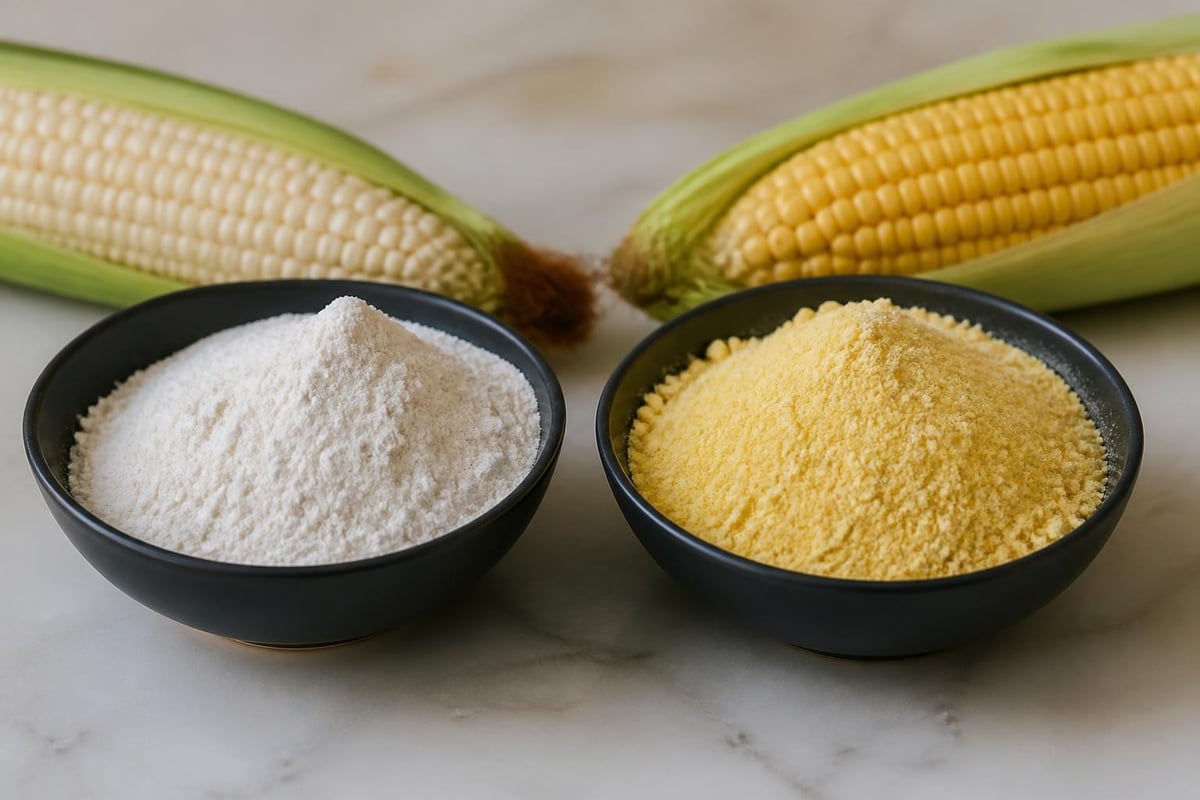
Corn flour nz refers to the finely milled powder derived from corn kernels, though the terminology can cause confusion for international shoppers. In New Zealand, the term "corn flour" typically describes what Americans call "cornstarch," a pure starch extract used primarily for thickening. However, some specialty stores stock whole-grain corn flour, which retains the entire kernel and offers different nutritional properties.
The Terminology Difference
The distinction between corn flour and cornstarch matters significantly when following recipes from different countries. New Zealand supermarkets predominantly stock the refined white powder marketed as corn flour, which functions identically to cornstarch in North American recipes. This product dissolves easily in cold liquids and creates smooth, glossy sauces without imparting flavour.
Key characteristics of standard corn flour nz products:
- Ultra-fine white powder texture
- Neutral taste profile
- Excellent thickening capacity
- Gluten-free composition
- Heat-stable when properly prepared
Whole-grain corn flour, sometimes called maize flour, presents a yellow colour and contains the entire kernel, including the germ and bran. This variety offers more nutritional value but behaves differently in recipes, making it unsuitable as a direct substitute for refined corn flour.
Culinary Applications and Cooking Techniques
The versatility of corn flour nz extends far beyond simple sauce thickening. Professional chefs and home cooks alike rely on this ingredient for numerous culinary applications, from creating velvety gravies to producing light, tender baked goods.
Thickening Sauces and Gravies
Corn flour excels at thickening liquids because its starch molecules absorb water and swell when heated. The role of corn flour as a thickening agent proves invaluable for creating smooth, lump-free sauces. Unlike flour-based roux, corn flour produces clearer results and activates at lower temperatures.
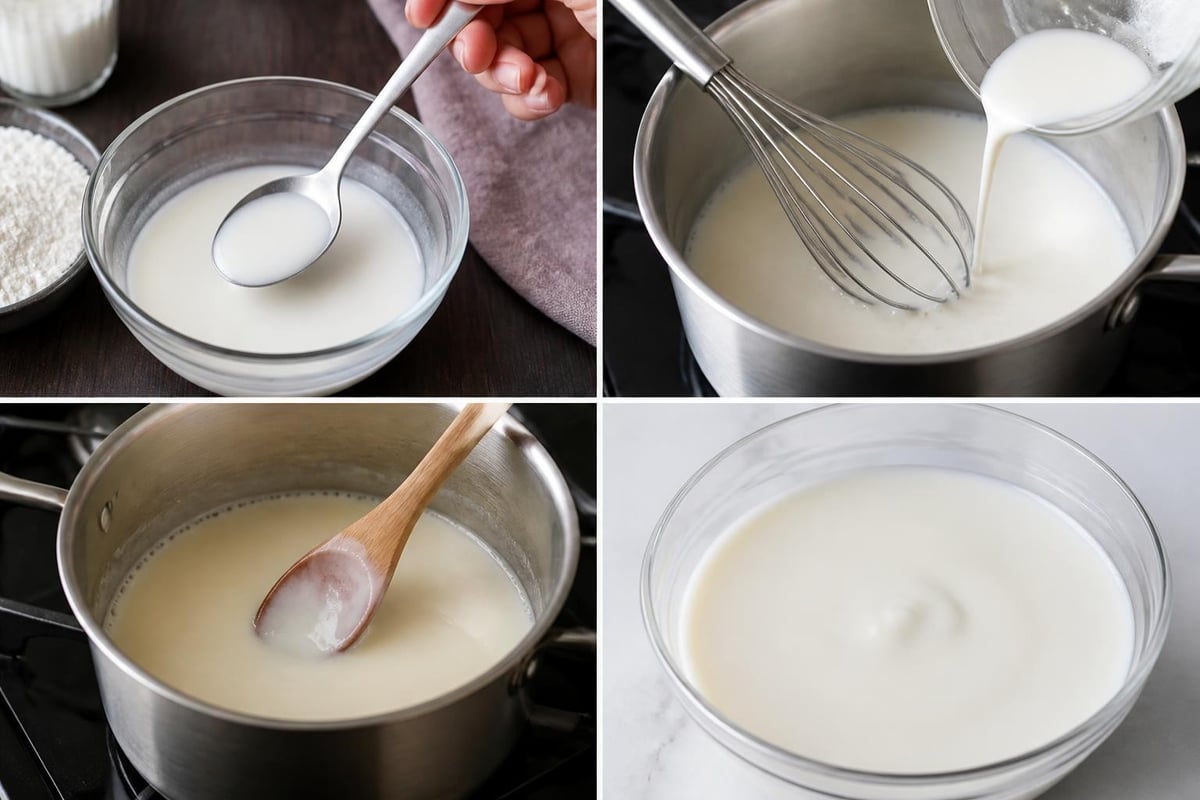
Proper thickening technique:
- Mix corn flour with cold liquid at a 1:2 ratio
- Stir until completely dissolved
- Add slurry to hot liquid while stirring constantly
- Bring to a gentle simmer for maximum thickening
- Remove from heat once desired consistency achieved
| Liquid Type | Corn Flour Ratio | Best Applications |
|---|---|---|
| Thin sauces | 1 tablespoon per cup | Asian stir-fry sauces, light gravies |
| Medium sauces | 1.5 tablespoons per cup | Pie fillings, puddings |
| Thick sauces | 2 tablespoons per cup | Custards, dessert toppings |
Baking Applications
In baking, corn flour nz products serve multiple purposes beyond thickening. Adding corn flour to cake batters produces exceptionally tender crumb structures because the starch dilutes gluten formation. Many traditional recipes incorporate corn flour for its unique textural benefits.
South African bakers frequently use corn flour in melktert (milk tart) filling, koeksisters, and various biscuit recipes. For expats living in New Zealand who want to recreate these nostalgic treats, finding quality corn flour becomes essential. When preparing traditional South African baked goods, the right ingredients make all the difference.
Gluten-Free Cooking Solutions
The naturally gluten-free properties of corn flour make it invaluable for people with coeliac disease or gluten sensitivities. Unlike wheat-based thickeners, corn flour allows those with dietary restrictions to enjoy smooth sauces, crispy coatings, and tender baked goods without compromising texture or flavour.
Gluten-free applications:
- Coating for fried foods
- Base for gluten-free baking blends
- Thickener for soups and stews
- Dusting powder for preventing sticking
- Binder in vegetarian patties
Nutritional Profile and Health Considerations
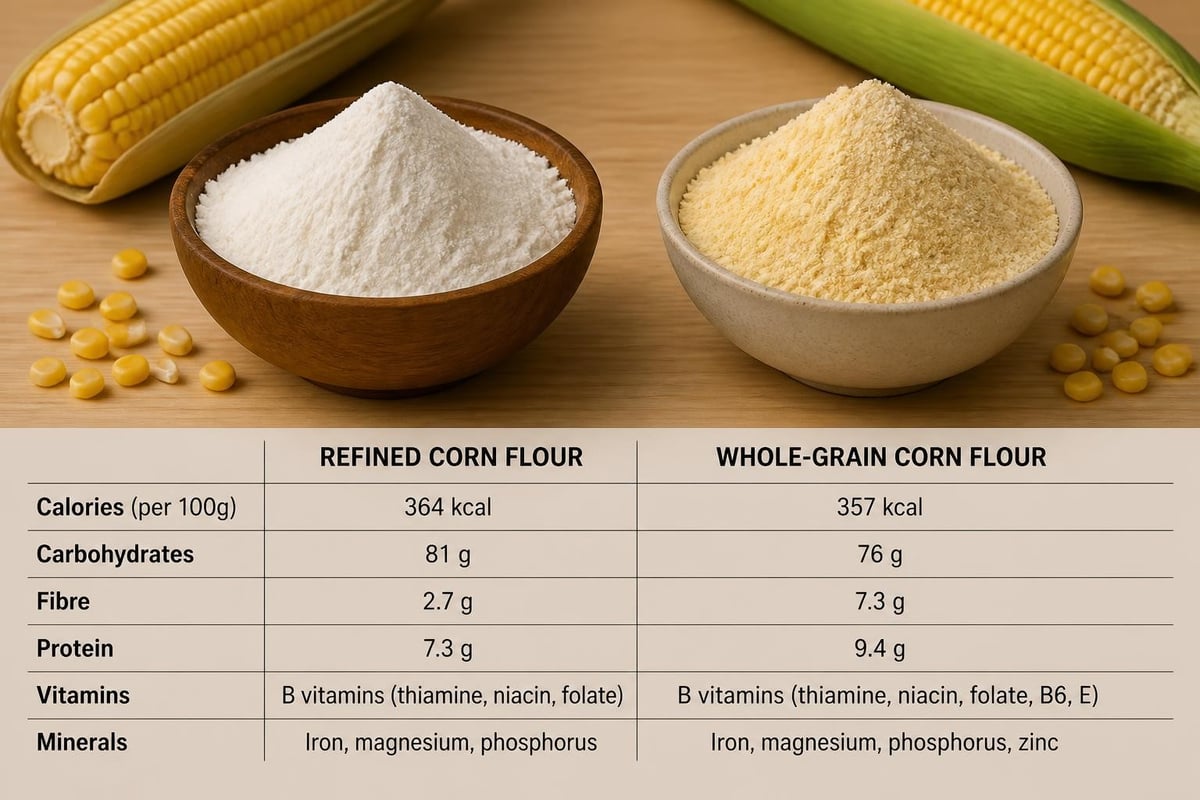
Understanding the nutritional aspects of corn flour nz helps consumers make informed dietary choices. The nutritional characteristics of corn flour vary depending on whether you choose refined or whole-grain varieties.
Refined Corn Flour Nutrition
Standard white corn flour contains primarily carbohydrates in the form of starch, with minimal protein, fat, or fibre. A typical serving (approximately one tablespoon) provides around 30 calories and 7 grams of carbohydrates. While not nutrient-dense, refined corn flour serves functional purposes rather than nutritional ones.
Whole-Grain Corn Flour Benefits
Whole-grain corn flour retains more nutritional value, including dietary fibre, B vitamins, and minerals like iron and magnesium. Organic yellow corn flour varieties offer additional benefits through traditional stone-grinding methods that preserve nutrient content.
Sourcing Quality Corn Flour in New Zealand
New Zealand consumers have multiple options for purchasing corn flour nz, from mainstream supermarkets to specialty food stores and online retailers. Quality varies significantly between brands, affecting performance in different recipes.
Supermarket Brands
Major New Zealand supermarket chains stock several corn flour brands in their baking aisles. These products typically meet standard quality requirements for everyday cooking and baking. Prices remain competitive, generally ranging from four to eight dollars for a 300-400 gram package.
Specialty and Organic Options
Health food stores and organic retailers stock premium corn flour nz options, including premium cornflour products that emphasise quality sourcing and processing methods. These varieties often cost more but may offer superior performance in delicate baking applications.
For South Africans living in New Zealand seeking familiar brands or specific products for traditional recipes, African grocery options provide access to imported ingredients. Something From Home stocks a comprehensive range of South African pantry staples, making it easier to recreate authentic flavours from home.
Online Shopping Advantages
Purchasing corn flour through online platforms offers convenience and often better pricing, especially when buying larger quantities. Many New Zealand e-commerce sites provide detailed product information, customer reviews, and bulk purchasing options that physical stores cannot match.
Benefits of online corn flour shopping:
- Wider product selection
- Competitive pricing
- Home delivery convenience
- Easy price comparison
- Access to specialty varieties
Cultural Significance and International Uses
Corn flour holds importance across multiple culinary traditions, making it a truly international ingredient. Understanding these diverse applications enriches our appreciation of this versatile product.
South African Cooking Traditions
In South African cuisine, corn flour appears in numerous traditional dishes beyond baking. Pap, a staple porridge made from maize meal (a coarser corn product), represents a fundamental element of South African food culture, though it differs from refined corn flour. However, corn flour itself features prominently in desserts, custards, and baked goods.
South African expats in New Zealand often struggle to find familiar ingredients and brands that deliver authentic flavours. The challenge of recreating beloved family recipes intensifies when ingredient quality or type differs from what's available back home. This explains why many turn to specialist retailers that understand these specific needs.
Latin American Applications
Latin American cuisine relies heavily on corn-based products, though they typically use masa harina or specially processed corn flour. White corn flour varieties serve specific purposes in making arepas, empanadas, and other traditional dishes where texture and flavour requirements differ from standard corn flour nz products.
Asian Culinary Techniques
Asian cuisines, particularly Chinese cooking, extensively use corn flour for creating silky sauce textures and coating proteins before stir-frying. The technique of velveting meat, which involves marinating protein in a corn flour mixture, produces exceptionally tender results that define authentic Chinese restaurant-quality dishes.
Storage and Shelf Life Management
Proper storage of corn flour nz ensures maximum shelf life and maintains quality for optimal cooking performance. Environmental factors like humidity, temperature, and air exposure significantly impact how long corn flour remains usable.
Optimal Storage Conditions
| Storage Method | Expected Shelf Life | Key Considerations |
|---|---|---|
| Original packaging (opened) | 6-12 months | Seal tightly after each use |
| Airtight container (pantry) | 12-18 months | Keep in cool, dark location |
| Refrigerated container | 18-24 months | Prevents moisture absorption |
| Freezer storage | 24+ months | Best for long-term storage |
Store corn flour in airtight containers away from strong-smelling foods, as it readily absorbs odours. Glass or food-grade plastic containers with secure seals work best. Label containers with purchase dates to track freshness.
Signs of Spoilage
While corn flour rarely spoils in traditional ways, quality degradation occurs over time. Watch for these indicators:
- Musty or off odours
- Clumping that doesn't break apart
- Discolouration or dark spots
- Presence of insects or webbing
- Loss of thickening power
Cooking Tips and Common Mistakes
Achieving consistent results with corn flour nz requires understanding proper techniques and avoiding common pitfalls that affect texture and appearance.
Preventing Lumps
The most frequent complaint about corn flour involves lumpy sauces and gravies. This problem stems from adding dry corn flour directly to hot liquids, causing immediate surface gelatinisation that traps dry powder inside.
Foolproof lump prevention:
- Always mix with cold liquid first
- Use a whisk or fork for thorough blending
- Strain slurry if lumps form during mixing
- Add gradually to hot liquid while stirring
- Maintain constant stirring during heating
Avoiding Over-Thickening
Corn flour continues thickening as it cools, often catching inexperienced cooks by surprise. Many people add too much corn flour because they judge consistency while the sauce remains hot. The mixture thickens considerably upon cooling, resulting in an overly stiff final product.
Monitor consistency carefully and err on the side of less corn flour. You can always add more if needed, but diluting an over-thickened sauce proves difficult and often compromises flavour.
Temperature Considerations
Corn flour-thickened sauces break down if held at high temperatures for extended periods or if reheated too aggressively. The starch molecules that create thickness begin to separate under prolonged heat exposure, causing the sauce to thin unexpectedly.
For best results, thicken sauces at the end of cooking and serve promptly. When reheating, use gentle heat and avoid boiling. If sauce separation occurs, whisking vigorously while heating may restore consistency, though results vary.
Shopping Considerations for New Zealand Consumers
Making informed purchasing decisions about corn flour nz involves evaluating multiple factors beyond price alone. Quality, packaging size, and specific application requirements all influence which product best suits your needs.
Price Comparisons
Corn flour prices in New Zealand range significantly depending on brand, quantity, and retailer. Budget-friendly supermarket brands typically cost between $1.50 and $3.00 per 100 grams, while premium organic varieties may reach $4.00 to $6.00 per 100 grams. Bulk purchasing often reduces per-unit costs substantially.
Package Sizing
Consider your usage frequency when selecting package sizes. Occasional users benefit from smaller packages that stay fresh before expiration, while frequent bakers and cooks save money with larger quantities. Standard sizes range from 250 grams to 1 kilogram, with some specialty retailers offering larger commercial sizes.
Brand Quality Differences
While corn flour seems like a commodity product, quality variations exist between brands. Premium brands often feature finer milling, which produces smoother textures and better thickening performance. Understanding these quality differences helps justify price differences and guides purchasing decisions.
Finding South African Products in New Zealand
For the substantial South African community in New Zealand, accessing familiar food products maintains cultural connections and enables authentic home cooking. The challenge of finding specific South African brands and ingredients leads many to seek specialist retailers who understand these unique requirements.
Something From Home operates as a dedicated South African food store in New Zealand, stocking 2,200 South African products for expats and food enthusiasts. This extensive range includes baking ingredients, condiments, snacks, and specialty items difficult to source elsewhere in New Zealand. The convenience of ordering African food online eliminates the frustration of searching multiple stores for specific products.
Building Your South African Pantry
Creating a well-stocked pantry with South African essentials enables spontaneous cooking of traditional dishes without last-minute shopping trips. Beyond corn flour, consider stocking spices, baking ingredients, sauces, and convenience items that capture authentic South African flavours.
Essential South African pantry items:
- Aromat seasoning
- Mrs Ball's Chutney
- Biltong spices
- Koeksister syrup
- Rusks and biscuits
- Traditional spice blends
Corn Flour Versus Corn Starch Clarification
The confusion between corn flour and corn starch creates recipe challenges for international cooks using resources from different countries. While these terms are often used interchangeably in New Zealand, understanding the nuances prevents cooking disasters.
In New Zealand and the United Kingdom, "corn flour" typically refers to the refined starch product. American recipes calling for "cornstarch" require this same product. However, American "corn flour" refers to finely ground whole corn, similar to polenta but with a finer texture. This distinction between corn flour and corn starch significantly impacts recipe outcomes.
When following international recipes, verify which product the recipe requires based on the intended use. Thickening applications almost always call for refined corn flour (cornstarch), while specific baking recipes might require whole-grain corn flour.
Environmental and Sustainability Considerations
Modern consumers increasingly prioritise environmental impact when making purchasing decisions. Corn flour production, sourcing, and packaging all carry environmental implications worth considering.
Organic Versus Conventional
Organic corn flour comes from corn grown without synthetic pesticides or fertilisers, reducing environmental chemical loads. However, organic farming typically yields less per hectare, requiring more land for equivalent production. The environmental trade-offs between these approaches remain complex and context-dependent.
Local Versus Imported Products
New Zealand produces some corn for food processing, though much corn flour sold domestically arrives as imported products. Local products reduce transportation emissions but may cost more due to smaller production scales. Balancing environmental concerns with budget constraints requires individual assessment based on personal values and financial capacity.
Packaging Waste
Corn flour packaging ranges from single-use plastic bags to recyclable cardboard boxes and reusable containers. Choosing products with minimal or recyclable packaging reduces waste, though these options may carry premium pricing. Bulk purchasing reduces packaging waste per gram while offering cost savings.
Recipe Adaptation and Substitution
Understanding how corn flour nz behaves in recipes enables successful substitutions and adaptations when following diverse culinary traditions.
Substituting Other Thickeners
When corn flour isn't available, several alternatives provide thickening capabilities, though results vary:
| Thickener | Substitution Ratio | Best For | Limitations |
|---|---|---|---|
| Arrowroot | 1:1 | Delicate sauces, fruit fillings | Breaks down in dairy |
| Tapioca starch | 1:1 | Pie fillings, puddings | Stringy texture possible |
| Potato starch | 1:1 | Soups, gravies | Weakens when overheated |
| Wheat flour | 2:1 | General thickening | Contains gluten, cloudier |
Adjusting Recipes for Altitude
New Zealand's varied terrain means some cooks work at significant altitudes where atmospheric pressure affects cooking. High-altitude locations require recipe adjustments for corn flour-thickened dishes, as liquids boil at lower temperatures and evaporation increases.
At elevations above 900 metres, increase corn flour quantities by 10-15 percent to compensate for altered cooking conditions. Monitor consistency carefully and adjust as needed, as exact requirements vary based on specific elevation and recipe.
Professional Applications and Commercial Uses
Beyond home kitchens, corn flour nz serves numerous commercial and industrial applications across food service, manufacturing, and other industries.
Restaurant and Catering
Professional kitchens rely heavily on corn flour for consistent sauce preparation, particularly in high-volume operations where efficiency matters. The quick-thickening properties and neutral flavour make corn flour ideal for diverse applications from Asian cuisine to European classics.
Food Manufacturing
Commercial food production uses corn flour as a texturiser, anti-caking agent, and processing aid. Products ranging from soups to confectionery incorporate corn flour for functional properties that consumers rarely notice but significantly affect product quality.
Non-Food Applications
Corn flour's absorbent properties and fine texture make it useful beyond culinary applications. Industries use corn flour in pharmaceuticals, cosmetics, and manufacturing processes where its specific characteristics provide functional benefits.
Understanding corn flour nz options, applications, and sourcing strategies empowers both everyday cooks and serious food enthusiasts to achieve excellent results across diverse recipes. Whether you're thickening a simple gravy, baking delicate pastries, or recreating traditional South African dishes that taste like home, choosing quality ingredients makes all the difference. For South Africans in New Zealand seeking authentic products and familiar brands, Something From Home offers comprehensive access to 2,200 South African products, making it easier to maintain culinary connections to home while building a new life in New Zealand.