African Grocery Guide: Your Essential Handbook for 2026
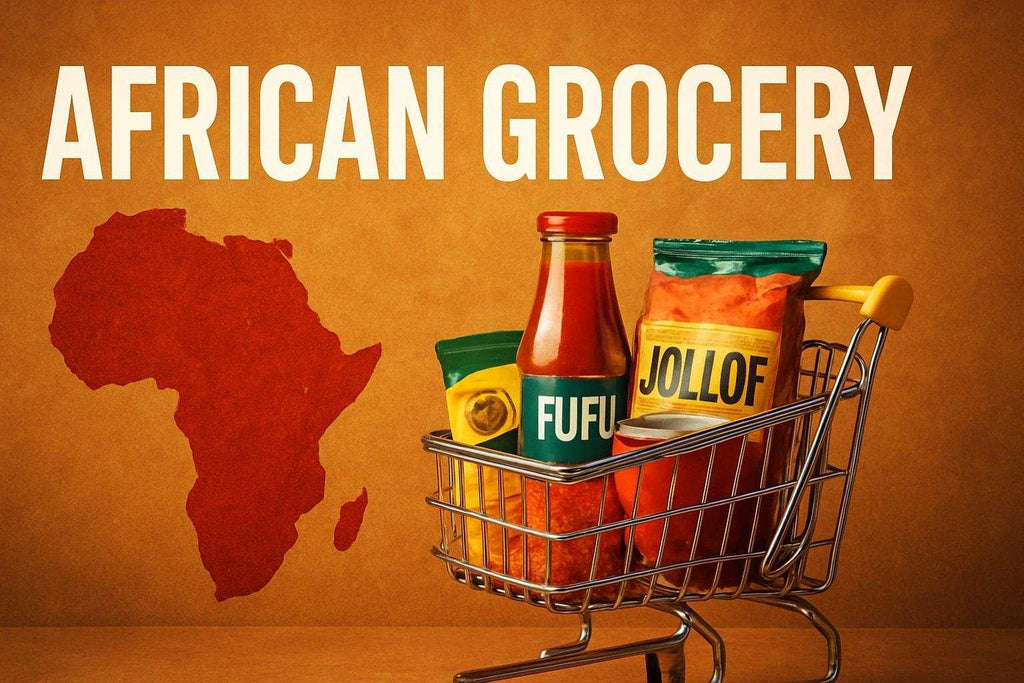
Craving the vibrant flavours of Africa in your kitchen? You’re not alone. Across New Zealand and Australia, African grocery options are booming as more people discover the unique tastes and traditions of this diverse continent.
This essential 2026 handbook is designed to be your trusted guide for sourcing, understanding, and enjoying authentic african grocery products wherever you are. Our goal is to help you confidently explore the world of African groceries, from staple ingredients to specialty shops and convenient online options.
Inside, you’ll find expert tips for building your pantry, identifying quality products, navigating different shopping channels, and planning delicious meals with African groceries. Let’s unlock a new world of flavour, culture, and inspiration together.
Understanding African Groceries: Diversity, Staples, and Regional Flavours
African grocery shopping is a vibrant journey through a continent of extraordinary culinary traditions. With 54 countries, Africa offers a tapestry of flavours and ingredients, each reflecting local agriculture, climate, and culture. Whether you are new to african grocery aisles or have grown up with these foods, there is always more to discover.
The rich diversity of African cuisines and grocery needs
Africa’s culinary map is incredibly diverse, shaped by geography, history, and community. From the aromatic tagines of North Africa to the spicy stews of West Africa, each region brings distinct flavours and ingredients to the african grocery landscape.
Staple foods form the backbone of most meals. West and Central African households rely on maize, cassava, yams, and plantains, while North Africa is known for couscous and semolina. In the east, teff flour is essential for making injera, a beloved Ethiopian flatbread. Rice and millet are common across the continent, providing energy and versatility for countless traditional dishes.
Proteins are equally varied. Beans, lentils, dried fish, goat, and chicken appear on many tables, often paired with rich sauces. Spices and condiments like peri-peri, berbere, suya, harissa, and atchar create bold, memorable taste profiles.
Regional specialties highlight this diversity. Enjoy jollof rice in Nigeria and Ghana, chakalaka in South Africa, or a Moroccan tagine in the north. Colonial influences introduced new crops and cooking methods, but indigenous ingredients remain central. Preserved and dried foods, such as biltong and smoked fish, help families stretch their african grocery supplies and enjoy seasonal produce year-round.
Demand for authentic african grocery items is rising rapidly in New Zealand and Australia. Statista reports an 18 percent year-on-year increase in African food imports in 2025, reflecting a growing appreciation for these unique flavours.
Common pantry essentials across African households
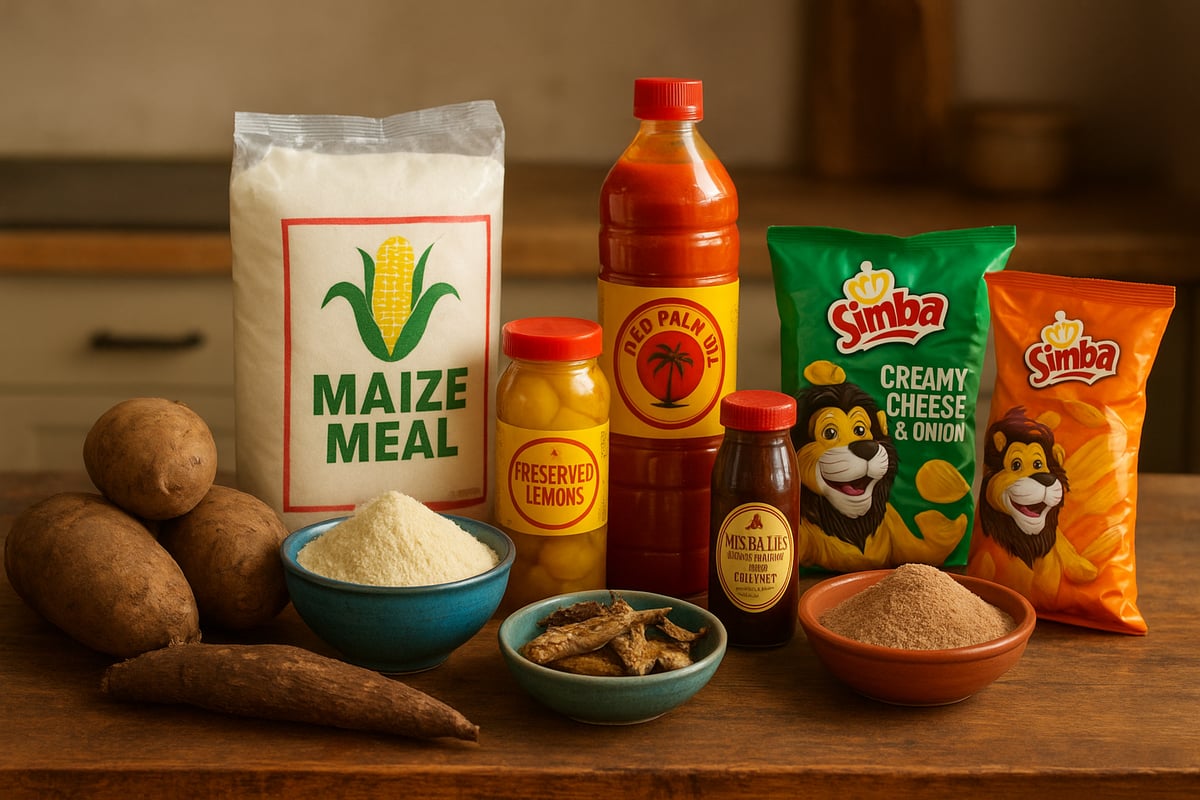
A well-stocked african grocery pantry bridges tradition and convenience. Grains like maize meal, fufu flour, semolina, and couscous are everyday staples, forming the basis for porridge, dumplings, and breads. Oils, especially red palm oil and groundnut oil, add richness and depth to dishes.
Sauces and spreads are also essential. Peanut butter and sweet chili sauce are used in everything from stews to snacks. Tinned and dried goods such as beans, chickpeas, sardines, and pilchards offer protein and convenience, making meal prep easier for busy families.
Sweets and snacks bring comfort and nostalgia. Chin chin, a crunchy fried treat, is beloved in West Africa. South African favourites like Simba chips, Mrs Ball’s Chutney, and Ouma Rusks are pantry must-haves for many in New Zealand and Australia. For a deeper dive into these staples and how they are used, see this South African groceries overview.
Typical african grocery essentials include:
- Maize meal and fufu flour
- Red palm oil and groundnut oil
- Tinned beans and pilchards
- Simba chips, Mrs Ball’s Chutney, and Ouma Rusks
These products keep traditions alive and make it easy to prepare authentic meals in any kitchen. Whether you are seeking familiar comforts or exploring new flavours, stocking up on these essentials is the first step in mastering african grocery shopping.
Navigating regional specialities and their grocery requirements
Each African region boasts its own grocery must-haves, reflecting centuries of local adaptation. North African cuisine is famous for couscous, preserved lemons, and harissa paste. West Africans often shop for egusi seeds, gari, and palm nut cream. In East Africa, teff flour and pilau spices are indispensable, while coconut milk features prominently in coastal recipes.
Southern African pantries are filled with mealie meal, biltong, boerewors, and a variety of chutneys. When shopping for these regional items, understanding local names and authentic product labels is key. Look for “Product of South Africa” or “Imported from Ghana” to ensure you are buying the real thing.
Rare ingredients are sometimes tricky to source, especially outside major cities. Online specialty stores, community recommendations, and cultural markets are valuable resources for expanding your african grocery collection. By learning the names, uses, and origins of these products, you can confidently explore the full spectrum of African cuisine in your own home.
How to Shop for African Groceries in 2026: Channels & Best Practices
Shopping for African grocery items in 2026 is more convenient and exciting than ever. With both traditional and digital options, you have a wealth of choices to explore authentic ingredients and flavours. Understanding where to shop, how to evaluate quality, and how to budget will empower you to make the most of your African grocery experience.
Where to buy: Brick-and-mortar vs. online African grocery stores
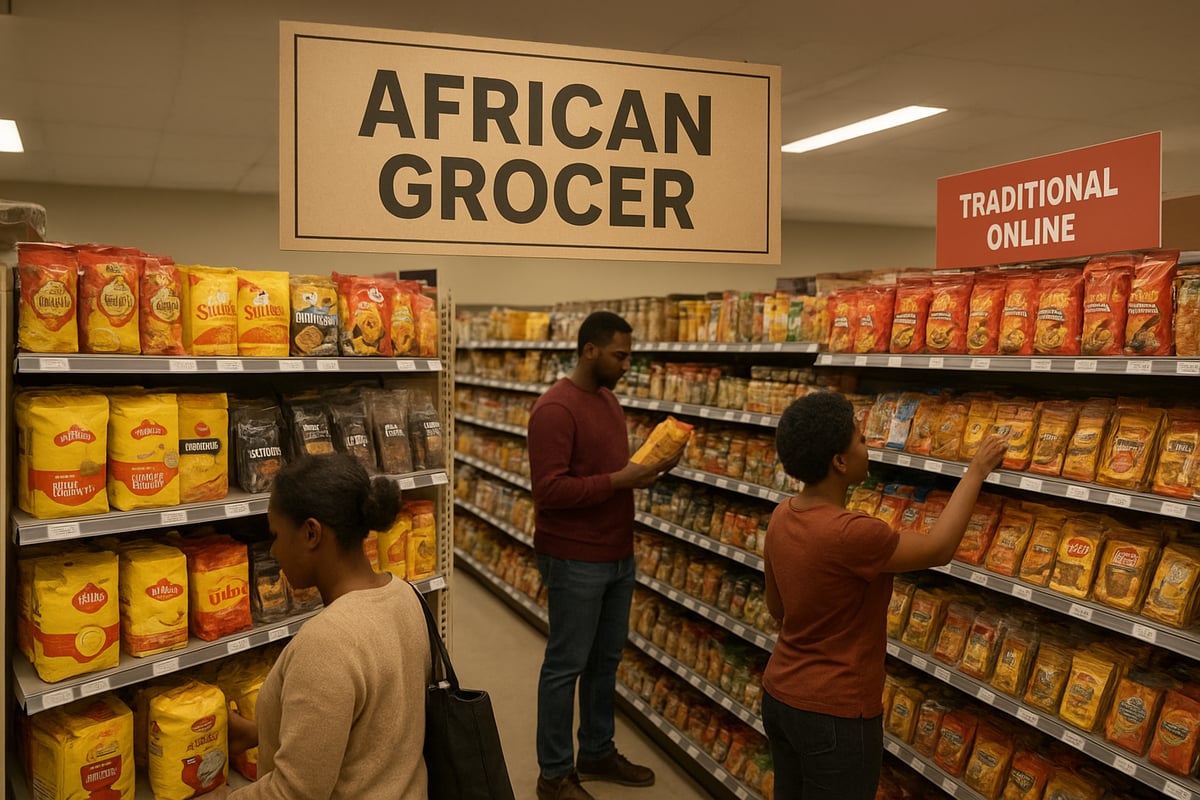
Choosing where to buy your African grocery essentials depends on what matters most to you: selection, freshness, price, or convenience. In major cities like Auckland, Sydney, and Melbourne, you will find dedicated African grocery shops that offer a wide range of products, from maize meal to biltong. These stores often feature knowledgeable staff who can guide you to new ingredients and share cooking tips.
Supermarkets have expanded their international aisles, but the variety of African grocery products is usually limited. You may find pantry staples like couscous and sauces, but specialty items are rare.
Online African grocery stores have seen rapid growth, offering convenience, broad selection, and home delivery. Many platforms provide transparent best-before dates and detailed product information.
For more practical advice on finding the right store, check out these African supermarket shopping tips to make your shopping experience smoother.
- Pros of brick-and-mortar: Freshness, immediate availability, personal recommendations.
- Pros of online: Convenience, wider range, delivery to your door.
- Cons of supermarkets: Limited selection, less product turnover.
Whether you prefer browsing aisles in person or shopping from your couch, the right African grocery store is out there for you.
Evaluating quality and authenticity
Selecting high quality African grocery products is crucial for an authentic cooking experience. Start by checking the product’s country of origin and looking for clear labels such as “Product of South Africa” or “Imported from Ghana.” Trusted brands like Simba, Mrs Ball’s Chutney, and Ouma Rusks are reliable indicators of authenticity.
Always inspect packaging for signs of tampering, damage, or repackaging. Counterfeit goods are rare but can occur, especially with popular African grocery brands. If a price seems unusually low, double check the quality and expiry date. Look for certifications or seals that confirm the product’s authenticity.
When buying online, read customer reviews and check for clear return policies. Many shoppers rely on word of mouth and online forums to identify trustworthy sellers and high quality African grocery items.
Safe storage is also important. For example, keep biltong in a cool, dry place, and always inspect dried goods for freshness. This attention to detail ensures your meals taste as they should.
Price comparison and budgeting for African groceries
Smart shopping starts with knowing the price range for essential African grocery items. Prices can vary between stores and seasons, so it helps to compare options and watch for promotions.
Bulk buying can be cost effective for staple items like maize meal or beans, especially if you have storage space at home. Specialty stores may offer loyalty programmes or seasonal discounts, adding extra value for regular shoppers.
Below is a table comparing typical African grocery prices in NZ/AU for 2026:
| Product | Typical Price (NZD) | Store Type | Notes |
|---|---|---|---|
| Simba Nik Naks Cheese 135g | $4.69 | Online/Physical | Popular snack, multi-buy deals |
| Maize Meal 2.5kg | $7.99 | Online/Physical | Staple for pap, ugali, sadza |
| Biltong 250g | $19.99 | Specialty | Sliced or stick options |
Consider shelf life when buying in bulk. Dried and canned African grocery products often keep well, but always check best-before dates and rotate your stock. Some online stores offer rewards or points for frequent purchases, which can help stretch your budget further.
Planning meals ahead and buying key African grocery staples in bulk can save money and reduce food waste, making your pantry both economical and authentic.
Must-Have African Grocery Staples for Every Kitchen
Building a well-stocked african grocery pantry is the foundation of enjoying authentic African flavours at home. Whether you are preparing a family feast or exploring new recipes, these must-have staples bring the continent’s culinary traditions into your kitchen.
Essential grains, flours, and starches
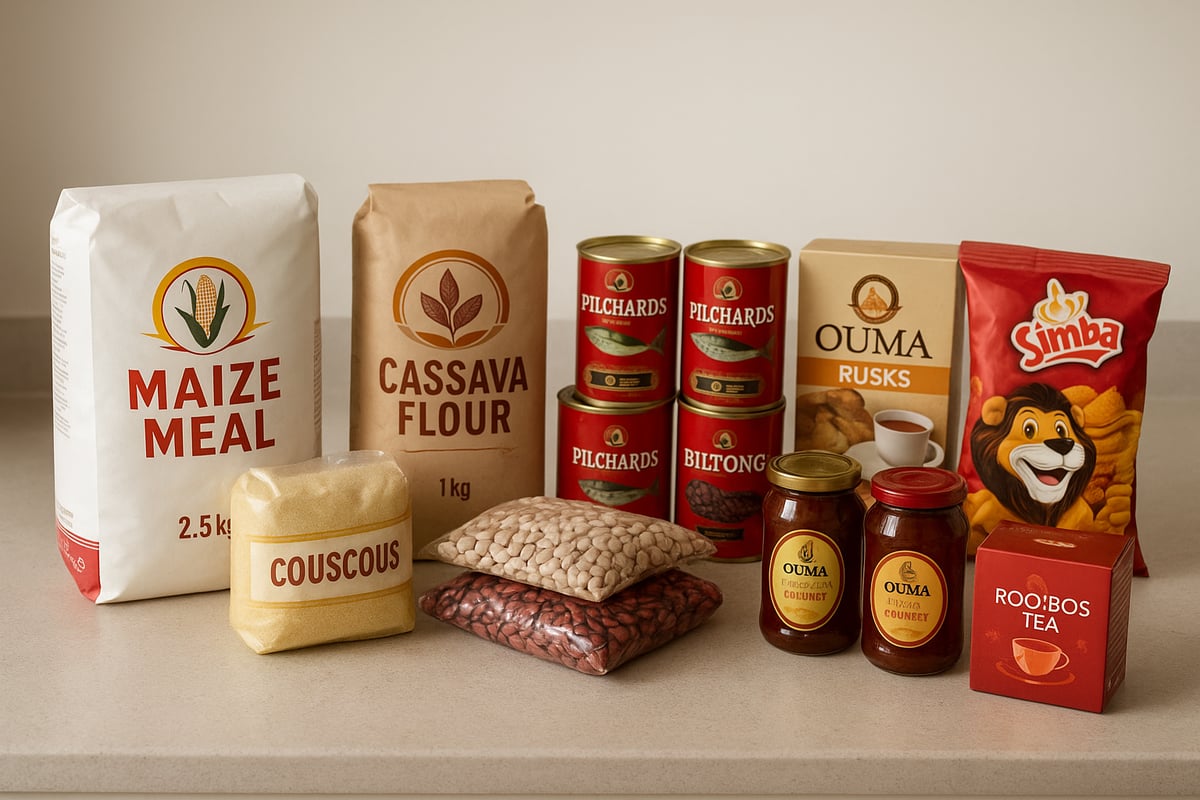
The heart of any african grocery is its collection of grains and starches. Maize meal is a staple used to prepare pap, sadza, and ugali, forming the backbone of many Southern and Eastern African meals. For West African dishes, cassava flour and fufu flour are indispensable, providing the unique textures needed for classic recipes.
Teff flour is essential for crafting Ethiopian injera, an iconic sourdough flatbread. In North African cuisine, couscous and semolina are go-to ingredients for hearty stews and salads. Selecting the right grain ensures you achieve authentic taste and texture in every dish.
Popular choices to include in your pantry:
- Maize meal
- Cassava flour
- Fufu flour
- Teff flour
- Couscous
- Semolina
Explore these staples in your african grocery to create a strong culinary foundation for a range of traditional meals.
Proteins, legumes, and preserved meats
No african grocery is complete without a variety of protein sources. Dried and canned beans such as black-eyed peas, kidney beans, and chickpeas are pantry essentials, perfect for stews and soups across the continent. Lentils also feature prominently, offering versatility and nutrition.
Canned fish, including sardines, pilchards, and mackerel, are reliable sources of protein and are widely enjoyed in African households. For a taste of South Africa, stock up on preserved meats like biltong and boerewors, which deliver savoury flavour and convenience. If you want to ensure optimal quality and longevity, see this helpful resource on how to keep biltong fresh.
Include these proteins in your african grocery for balanced and flavourful meals.
Spices, sauces, and condiments
Spices and condiments are the soul of any african grocery, bringing rich aromas and bold tastes to your table. Stock up on spice blends such as berbere, peri-peri, and suya for authentic heat and complexity. Chutneys and pickles, especially Mrs Ball’s Chutney, add sweetness and tang to various dishes.
Oils play an important role in African cooking. Red palm oil and groundnut oil are traditional choices, each imparting distinct flavours. Stock cubes and bouillon, like Maggi and Knorr, are pantry staples for building depth in soups and stews.
Key condiments to have on hand:
- Berbere, peri-peri, suya spice blends
- Mrs Ball’s Chutney
- Red palm oil, groundnut oil
- Maggi, Knorr stock cubes
With these items in your african grocery, you can create truly authentic flavour profiles for any occasion.
Sweets, snacks, and beverages
Enjoying African snacks and drinks is a delightful way to bring variety to your african grocery experience. Classic baked treats like Ouma Rusks and chin chin are perfect with a cup of Rooibos tea. For a crunchy snack, try Simba chips, Nik Naks, or Fritos.
Beverages like malt drinks and ginger beer are popular for both everyday enjoyment and special occasions. Many households also keep festive sweets on hand for celebrations, making the african grocery a source of comfort and nostalgia.
Rounding out your pantry with these snacks and drinks ensures your kitchen is ready for any craving or celebration.
Shopping Tips: How to Identify Quality and Authenticity
Choosing the right african grocery products is vital for both flavour and safety. With a growing range of options in New Zealand and Australia, shoppers need to be confident about what they’re buying. These tips will help you spot genuine products, avoid common pitfalls, and make the most of your african grocery experience.
Reading labels and understanding product origins
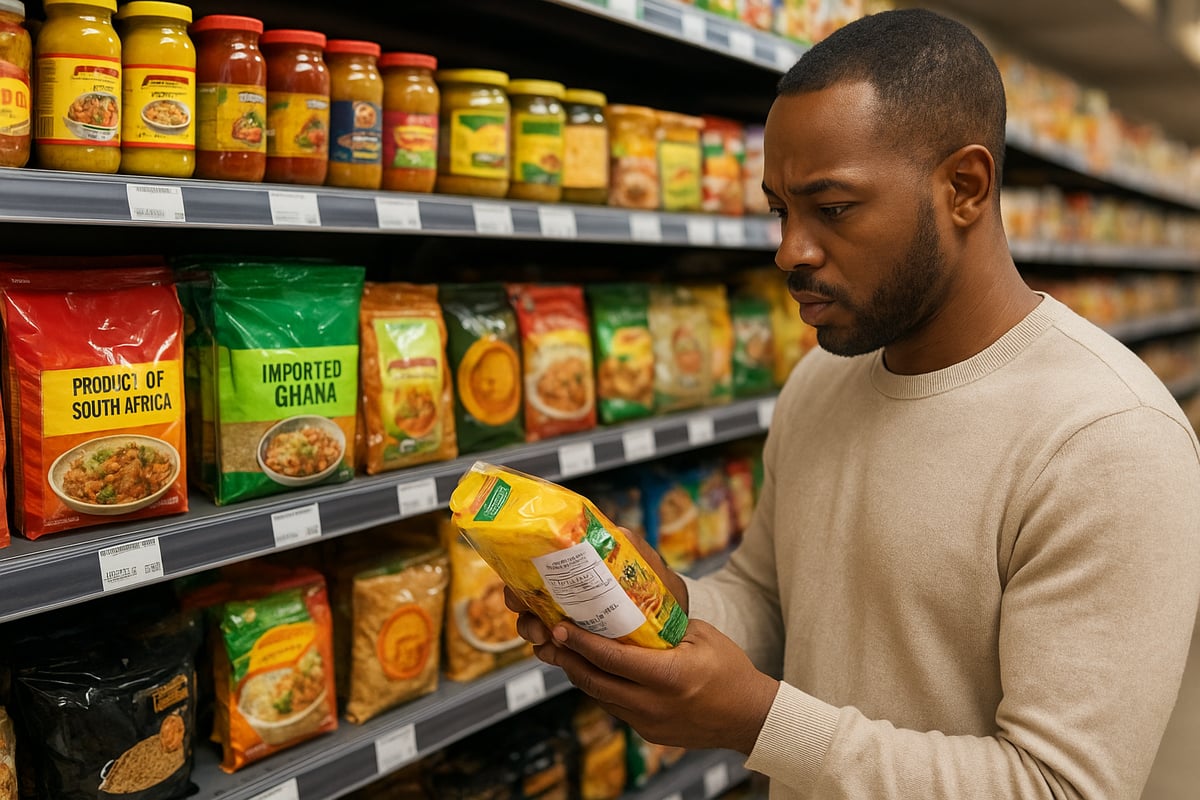
Always start by closely examining the label of any african grocery item. Look for clear information about the country of origin, such as “Product of South Africa” or “Imported from Ghana.” Authentic brands take pride in their heritage, and reputable products display this prominently.
Review the ingredient list for allergens, additives, and preservatives. Genuine african grocery brands often use traditional recipes with minimal additives. Make sure packaging is intact, with no signs of tampering.
Expiry and best-before dates are crucial. Authentic products will have clear, legible dates printed on the packaging. For a deeper understanding of what best-before dates mean for your african grocery purchases, see this helpful guide: Understanding best-before dates.
Avoiding common pitfalls and counterfeit products
Counterfeit products are a risk in any specialised market, including the african grocery sector. Be alert for packaging that looks different from what you see on official brand websites. If the price seems too good to be true, it probably is.
Check for signs of tampering, such as broken seals or faded labels. Only purchase from trusted retailers who are known for authentic african grocery offerings. Read reviews and ask for recommendations within your community before trying a new seller.
Community feedback is invaluable. If other shoppers have had issues with a particular product or seller, consider this a red flag. Remember, authenticity is more important than a bargain.
Storage and handling for freshness and safety
Proper storage keeps your african grocery items fresh and safe to eat. Grains and flours should be kept in airtight containers, away from moisture and pests. For preserved meats like biltong, refrigeration is recommended after opening to maintain flavour and prevent spoilage.
Store tinned goods and dried beans in a cool, dry place. Always check the packaging for storage recommendations specific to the product. Rotate your stock, using older items first to avoid waste and ensure maximum freshness for your african grocery staples.
If you buy in bulk, consider dividing portions into smaller containers. This not only keeps products fresher but also makes daily meal prep easier.
Leveraging community knowledge and support
Your local african grocery community can be one of your best resources. Join online forums or social media groups focused on african cuisine and shopping. Members often share trusted store recommendations, shopping tips, and even recipes.
Attend cultural events or food fairs to connect with others who share your passion for authentic african grocery products. Word-of-mouth advice from experienced shoppers can help you find the best deals and avoid unreliable sellers.
Sharing your experiences and asking questions will help you become a more confident, informed african grocery shopper. Community support ensures everyone benefits from collective knowledge and enjoys the best that african cuisine has to offer.
Cooking and Meal Planning with African Groceries
Craving vibrant, home-cooked African flavours? Building your kitchen around authentic african grocery essentials sets the stage for endless culinary adventures. Whether you are new to these ingredients or a seasoned home chef, thoughtful planning unlocks the full potential of your pantry.
Building a versatile African pantry
A well-stocked pantry is the heart of every successful african grocery experience. Begin with foundational grains like maize meal, teff flour, and couscous. These staples allow you to whip up dishes such as pap, injera, or tagine with ease.
Keep essential proteins on hand, including biltong, dried beans, and canned options like pilchards. Stock up on red palm oil and groundnut oil for authentic flavour, and do not forget Maggi or Knorr cubes for easy seasoning.
Organise your pantry so that spices like berbere, peri-peri, and suya blends are always within reach. This preparation streamlines weekly meal planning, making it easy to create a variety of dishes from your african grocery finds.
Batch cooking is a smart strategy. Prepare large portions of stews, beans, or grains, then freeze individual servings for busy days. This approach maximises the value of your african grocery staples and reduces food waste.
Easy African recipes for beginners
Diving in with simple recipes is the best way to become comfortable with your african grocery staples. Start with classic dishes like pap and chakalaka. To make pap, simmer maize meal in salted water until smooth and fluffy. Pair it with chakalaka, a spicy vegetable relish, for a satisfying meal.
Jollof rice is another crowd-pleaser. Sauté onions and tomatoes, add rice, stock, and a blend of spices, then cook until tender. For egusi soup, use egusi seeds, leafy greens, and your preferred protein.
Enhance your dishes with Mrs Ball’s Chutney or atchar. Experiment with spice blends like peri-peri to add depth and heat. When meal planning, mix and match mains with sides such as Ouma Rusks for breakfast or Simba chips as a snack.
With a well-curated african grocery selection, you can develop a week’s worth of meals that are nutritious and full of character. Start small, and soon you will be confident experimenting with new ingredients and recipes.
Embracing fusion and creativity
Once you are comfortable with the basics, let your creativity shine by blending african grocery staples with local produce. Try adding kumara or pumpkin to stews, or create fusion snacks like peri-peri roasted vegetables.
African flavours also shine at barbecues, picnics, and festive gatherings. Serve boerewors alongside classic kiwi sides, or offer rooibos tea as a caffeine-free alternative at afternoon tea.
A growing number of New Zealand and Australian shoppers are embracing healthy, plant-based options in their african grocery routines. According to health-conscious consumption trends, the demand for organic and vegan African products continues to rise, inspiring new meal ideas and product innovations.
Experimenting with african grocery staples is not just about food, it is a way to connect with culture and community. Share recipes, attend food fairs, and invite friends to try your latest creations. With 43% of shoppers in NZ and AU exploring African-inspired meals, there has never been a better time to bring these vibrant flavours to your table.
The Future of African Grocery Shopping: Trends & Innovations for 2026
The african grocery landscape is transforming rapidly, driven by digital innovation and changing consumer needs. In 2026, online grocery platforms and mobile apps will play a pivotal role in how shoppers access authentic products. According to recent projections, the african grocery market in New Zealand and Australia is set to surpass NZ$50 million, reflecting robust demand and evolving habits. With the rise of e-commerce across Africa and the diaspora, more consumers are choosing convenience and variety online. For example, South Africa's e-commerce growth highlights how digital shopping is becoming a norm for grocery buyers.
Subscription boxes and curated grocery bundles are gaining traction, providing tailored selections of african grocery staples delivered directly to homes. This trend is supported by the adoption of advanced retail technologies, such as automated checkout and digital inventory management. These innovations are reshaping how retailers meet the needs of both diaspora communities and adventurous foodies. For deeper insight, the Retail technology trends in Africa report explores how automation and digital tools are streamlining the african grocery shopping experience.
Sustainability is also at the forefront, with more brands embracing eco-friendly packaging and ethical sourcing. Mainstream supermarkets are expanding their african grocery sections, making it easier for shoppers to find traditional and specialty items. There is a notable shift toward vegan, organic, and health-focused products, reflecting broader consumer trends. Community-driven brands are using food as a bridge for cultural education, connecting people to their roots and new flavours alike.
Key Trends Shaping 2026 African Grocery Shopping
| Trend | Description |
|---|---|
| Digital Platforms | Online stores, mobile apps, home delivery |
| Subscription Boxes | Curated bundles for convenience |
| Sustainability | Eco-friendly packaging, ethical sourcing |
| Retail Innovation | Automation, smart inventory, digital payments |
| Health-Conscious Options | Vegan, organic, and allergen-friendly products |
| Cultural Connection | Community brands, education, and diaspora links |
As technology continues to evolve, the african grocery sector will offer even more personalised, accessible, and sustainable ways to shop. Whether you are seeking nostalgic flavours or new culinary adventures, these innovations ensure every kitchen can celebrate the richness of African cuisine.
As you explore the vibrant world of African groceries, you’ll see just how much variety and authenticity are now available right here in New Zealand and Australia. Whether you’re searching for pantry staples like maize meal, unique snacks, or those special ingredients that bring home closer, there’s never been a better time to discover what’s possible. If you’re ready to fill your kitchen with the foods and flavours you love, take the next step and View product range to see the largest selection of authentic South African groceries delivered right to your door.