
Curry Bunny Guide: Discover the Flavours of 2026

Tempt your taste buds with the curry bunny, South Africa's boldest street food sensation, now capturing the imagination of culinary explorers in 2026. This vibrant comfort food is a flavour-packed fusion of spicy curry nestled within pillowy bread, offering an experience that is both nostalgic and innovative.
In this guide, we will unveil the fascinating history, evolving flavours, and step-by-step secrets behind the curry bunny. Discover its origins, creative twists, authentic recipes, ingredient sourcing, serving traditions, and expert tips. Whether you are a devoted foodie or a curious home cook, prepare to unlock the full potential of the curry bunny in your own kitchen.
The Origins and Evolution of Curry Bunny
The journey of curry bunny is a captivating tale of innovation, necessity, and cultural fusion. Its story begins in the bustling city of Durban, where resourcefulness met culinary creativity, and continues to evolve, reflecting global tastes and traditions.

The Birth of Bunny Chow: Durban’s Culinary Invention
Curry bunny has its roots in 1930s Durban, where the city’s Indian, Chinese, and local African communities faced economic hardship during the Great Depression. The need for a quick, portable, and affordable meal led to the ingenious idea of hollowing out a white bread loaf to serve as an edible bowl for spicy bean curry. This practical solution, originally called “Bania Chow”, quickly became a staple among plantation workers and schoolchildren seeking a hearty, filling lunch.
Over time, “Bania Chow” evolved in name and form. The phrase gradually transformed into “Bunny Chow” and, as it spread beyond Durban, the term “curry bunny” emerged to celebrate the dish’s signature flavour. The original filling was a robust sugarbean curry, chosen for its affordability and satisfying taste. The unsliced “government sandwich loaf”, with its sturdy crust and soft crumb, was essential for holding the aromatic curry without falling apart.
Bunny chow’s social and cultural importance in KwaZulu-Natal cannot be overstated. It became a symbol of community, resilience, and shared heritage, enjoyed by people of all backgrounds. For a deeper dive into its colourful past, explore the Bunny chow history and origins for more fascinating insights.
Curry Bunny in the Modern Era
Today, curry bunny has transcended its humble beginnings and is celebrated across South Africa and beyond. As South African migrants introduced the dish to countries like New Zealand, the UK, and Australia, curry bunny gained mainstream appeal, appearing in both casual street stalls and high-end restaurant menus.
Modern versions of curry bunny now feature a diverse range of fillings. Alongside the classic lamb and sugarbean curries, you’ll find chicken, beef, butter bean, and even jackfruit or vegan options, reflecting global food trends and dietary preferences. The dish’s adaptability means gourmets and home cooks alike can experiment with fusion flavours, using local ingredients and contemporary spices.
Curry bunny has become a star attraction at food festivals and pop-up markets, drawing crowds eager to experience authentic South African street food. Since 2020, statistics show a marked increase in demand for South African cuisine abroad, with curry bunny leading the way as a comfort food favourite. Whether enjoyed at a bustling market or recreated at home, curry bunny continues to unite communities and inspire culinary creativity.
Key Ingredients and Flavour Profiles
The unmistakable charm of curry bunny lies in its perfect balance of comforting bread, aromatic curry, and vibrant garnishes. Each element plays a crucial role in delivering the authentic taste and texture that makes curry bunny a favourite across generations and continents.
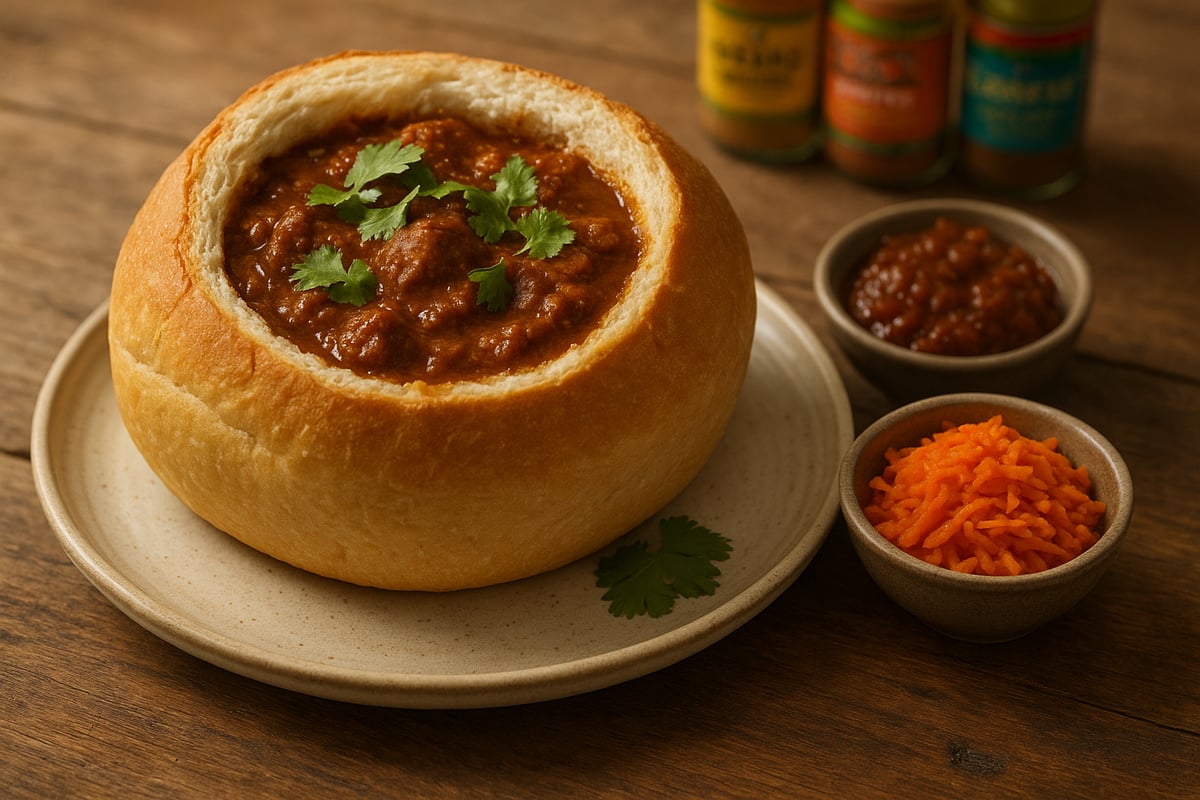
The Bread: Foundation of the Curry Bunny
At the core of every curry bunny is the bread, responsible for both structure and flavour. Traditionally, an unsliced white loaf with a flat top, often called a “government sandwich loaf,” is prized for its thick crust and pillowy, soft crumb. This bread is sturdy enough to hold generous helpings of hot curry without collapsing or becoming overly soggy.
When hollowed out, the loaf transforms into an edible bowl, capturing the spicy sauce and juices for maximum flavour impact. The bread “lid,” removed during hollowing, is always retained and served on the side, perfect for soaking up the last traces of curry.
Alternatives have emerged in recent years, such as Portuguese bread, ciabatta, or gluten-free loaves, catering to different dietary needs. The key is ensuring the bread has a robust crust and delicate interior to absorb the curry without falling apart. Reviews consistently show that purists favour the traditional white loaf for its nostalgic texture and taste, though adventurous cooks enjoy experimenting with new bases for their curry bunny.
The Curry: Heart of the Bunny
The soul of curry bunny is its richly spiced curry, a testament to Durban’s culinary heritage. The foundation begins with whole spices like star anise, cinnamon, cardamom, cumin, and fennel, which are gently fried to release their aromas. Layered on top are spice blends such as garam masala, turmeric, coriander, and chilli powder, which shape the curry’s distinctive depth and heat.
Fillings have evolved beyond the original sugarbean curry. Today, options include slow-cooked lamb, tender beef, chicken, and a variety of plant-based choices such as butter beans or chickpeas. Vegetarian and vegan innovations are increasingly popular, especially with the global shift towards plant-based eating. Slow simmering ensures proteins become tender and the sauce thickens, infusing the bread with every nuance of spice.
For those seeking authentic flavours, sourcing high-quality spices is essential. Many home chefs now turn to specialty retailers to explore South African spices, ensuring their curry bunny captures the true taste of Durban. Whether traditional or contemporary, the curry filling remains the heart of this beloved street food.
Signature Garnishes and Sides
No curry bunny is complete without its signature garnishes and sides, adding freshness, crunch, and contrast to every bite. The classic accompaniment is grated carrot salad, often tossed with vinegar, coriander, and a pinch of sugar, providing a sweet-tangy balance to the robust curry. Sambal, chopped chillies, or a dollop of chutney further brighten the dish.
Fresh coriander leaves are scattered on top, while onion slices or pickles may be added for extra bite. These elements not only enhance the presentation but also elevate the overall eating experience. Serving curry bunny piping hot, and eating it with your hands, is the time-honoured tradition—bringing out the best in texture and flavour.
Reviewers frequently mention the importance of sambal for authenticity, recommending it alongside the curry bunny for a truly South African experience. The interplay of bread, curry, and vibrant sides is what transforms this humble meal into a comfort food classic.
Step-by-Step: How to Make the Ultimate Curry Bunny
Embarking on your own curry bunny adventure is both rewarding and delicious. The process blends tradition with creativity, inviting you to master each layer of flavour and texture. Whether you are new to South African street food or a seasoned enthusiast, following these steps will help you recreate the magic of the curry bunny in your own kitchen.
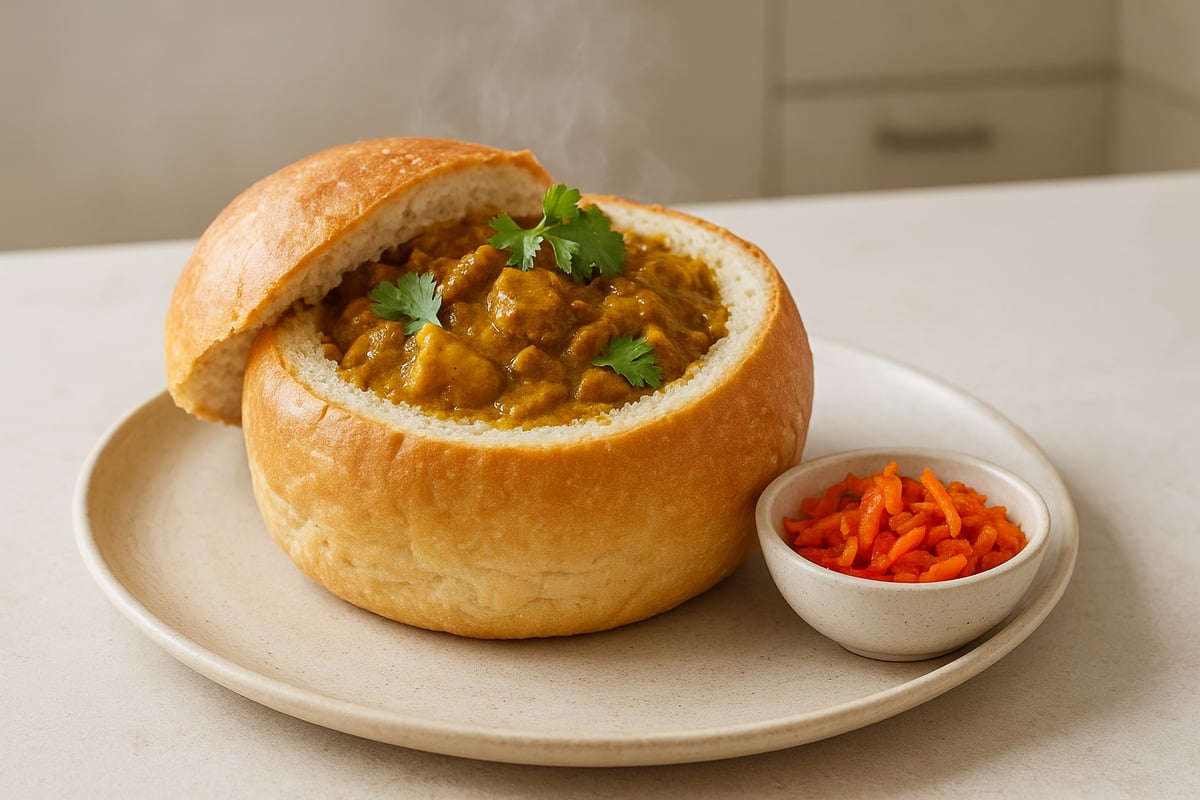
Preparing the Bread Bowl
The foundation of every outstanding curry bunny is the bread bowl. Traditionally, a sturdy, unsliced white sandwich loaf with a flat top is used. This bread is robust enough to hold generous portions of curry without falling apart, while the soft crumb absorbs the rich, spicy sauce beautifully.
To prepare the bread, select a fresh, unsliced loaf. Using a sharp bread knife, slice the loaf into large, square portions, typically a quarter or a half depending on your appetite. Gently hollow out the centre of each portion, leaving a thick wall and base to prevent leaks. Carefully remove the inner bread, keeping the “lid” intact for serving.
If you are catering to gluten-free or artisanal preferences, alternatives such as gluten-free sandwich loaves, ciabatta, or even Portuguese bread can be used. The key is to choose bread with a thick crust and a soft, absorbent crumb. For a creative twist, try using a Portuguese roll or a rustic sourdough boule.
Tips for success:
- Always use fresh bread for the best texture.
- Avoid pre-sliced loaves, as they are too thin and may become soggy.
- Use the hollowed-out bread as a side to mop up extra curry.
Mastering the bread bowl is the first step to an authentic curry bunny experience.
Crafting the Perfect Curry
The heart of the curry bunny lies in its curry filling. A symphony of spices and textures, the curry can be tailored to your taste and dietary needs. Begin by gathering your whole spices: star anise, cinnamon stick, cardamom pods, cumin seeds, and fennel. These are gently fried in oil to release their aroma.
Next, add finely chopped onions and sauté until golden. Layer in ground spices such as garam masala, turmeric, coriander powder, and chilli powder. Stir in diced tomatoes for body and a tangy depth. The choice of protein is yours: cubed lamb, beef, chicken, or a vegetarian option like butter beans or sugarbeans. For a plant-based twist, jackfruit or chickpeas are excellent substitutes.
Add curry leaves, minced ginger, and garlic for extra flavour. Incorporate diced potatoes to absorb the spice and thicken the sauce. Simmer the curry slowly, allowing the flavours to meld and the protein to become tender.
For those in New Zealand, sourcing authentic spices and curry powders is simple through the South African Groceries Collection, which offers essentials for a genuine curry bunny.
Key tips:
- Fry whole spices first to enhance aroma.
- Simmer slowly for tender meat or creamy beans.
- Adjust chilli and salt to taste.
A well-crafted curry is what transforms a simple loaf into the iconic curry bunny.
Assembling and Serving
Assembling your curry bunny is both an art and a celebration. Begin by filling the hollowed bread bowl generously with hot curry, ensuring plenty of sauce so the bread can soak up every bit of flavour. Replace the bread “lid” on top for a classic presentation.
Garnish with fresh coriander and, if desired, a spoonful of carrot sambal or chopped chillies. Traditional sides include grated carrot salad, tangy chutneys, or a vinegar-based sambal. Serving the curry bunny hot is vital for the full sensory experience.
For authenticity, encourage guests to eat with their hands, tearing off bits of bread and scooping up the curry. This communal style of eating brings people together and honours the dish’s roots. If you are serving a crowd, arrange several curry bunnies on a platter for a family-style feast.
Tips for serving:
- Serve immediately to keep bread crisp.
- Offer extra sambal or chutney on the side.
- Pair with a cold drink or sweet lassi for balance.
With these steps, you can enjoy the full comfort and boldness of a homemade curry bunny, right down to the last spicy bite.
Regional and Contemporary Variations in 2026
The curry bunny is a dish with roots that stretch across continents and cultures. As we move into 2026, both tradition and innovation shape how this iconic street food is enjoyed, from Durban’s bustling markets to New Zealand’s vibrant food scene.
Durban’s Classic vs. Modern Takes
In Durban, the classic curry bunny remains a beloved staple. Traditionally, it features a hearty sugarbean or rich lamb curry nestled inside a white sandwich loaf. This classic version is renowned for its spicy, comforting flavours and straightforward presentation. As demand grows, modern takes on the curry bunny have emerged, reflecting evolving tastes and dietary needs.
Today, fillings like chicken tikka, vegan jackfruit, and even seafood offer new twists while keeping the essence of the original. Chefs in New Zealand and Australia often incorporate local produce and spices, giving the curry bunny a regional flair. For instance, a butter bean curry bunny has become popular among vegetarians, while gluten-free and low-carb bread options cater to a wider audience.
Adaptations for special diets are now common, ensuring the curry bunny remains accessible to all. Whether you prefer the time-honoured sugarbean filling or adventurous new ingredients, there is a version to suit every palate. For a deeper look at how this street food has evolved from Durban’s working-class roots to a symbol of culinary creativity, see Bunny Chow: Tracing Durban's Iconic Curry Culture.
International Twists and Fusion Flavours
Beyond South Africa, the curry bunny has taken on new identities in cities like London, Auckland, and Sydney. Food entrepreneurs and home cooks alike experiment with indigenous spices and locally sourced proteins, resulting in fusion versions that celebrate both heritage and innovation.
Gourmet curry bunny offerings are gaining traction at pop-up restaurants and food festivals. Artisanal breads, premium meats, and exotic spice blends elevate the humble dish to fine dining status. For example, some Auckland eateries pair the curry bunny with house-made chutneys or fermented salads for a modern twist.
Social media has amplified the curry bunny’s global appeal. Hashtags, recipe videos, and festival highlights showcase the many ways this dish is being reimagined. The rise in mentions and photos online reflects a growing curiosity and enthusiasm for both traditional and contemporary curry bunny styles.
Home Cooking vs. Street Food Experience
Enjoying a curry bunny at home is a different experience from grabbing one at a street market or food truck. Home cooks often adjust portion sizes, spice levels, and presentation to suit family preferences. DIY kits and ready-to-eat options have made it easier than ever to prepare a curry bunny in your own kitchen.
Family recipes are frequently adapted for modern appliances and dietary needs, allowing new generations to connect with tradition. During the recent boom in food delivery, more people have discovered the convenience of ordering curry bunny for a taste of comfort at home.
While the street food version is prized for its bold flavours and communal atmosphere, the home-cooked curry bunny offers personalisation and nostalgia. Both approaches celebrate the dish’s adaptability and enduring popularity in 2026.
Where to Find Authentic Curry Bunny Ingredients in New Zealand
Craving the unmistakable taste of a true curry bunny in New Zealand? Sourcing genuine ingredients is the first step to recreating this South African classic at home. With the growing popularity of international street food, New Zealand now offers more options than ever for finding the essential spices, breads, and chutneys that define a perfect curry bunny.
Specialty Shops and Online Retailers
To make an authentic curry bunny, start with the right ingredients. New Zealand’s diverse food scene means you can find South African essentials at both local ethnic grocers and dedicated online stores. Look for these must-have items:
- Spices: Garam masala, curry powder, turmeric, cumin, star anise, and cardamom are foundational for curry bunny curries.
- Bread: Unsliced white sandwich loaves are traditional, but Portuguese bread or ciabatta can be excellent alternatives.
- Chutneys and Pickles: South African chutneys and pickles add depth and sweetness to your curry bunny experience.
- Fresh Produce: Curry leaves, coriander, and chillies are widely available at Asian and Indian grocers across New Zealand.
For those looking to try before they buy, some food events and pop-ups showcase South African street food. The South African Food Truck Events page regularly updates listings for food trucks and tastings, making it easier to sample a curry bunny or chat with local experts about sourcing ingredients.
Demand for these products has grown steadily, with more New Zealanders discovering the joy of preparing curry bunny at home. Whether you shop in person or online, a quick search for South African grocers will reveal a range of options for every home chef.
Discover Authentic South African Ingredients at Something From Home
For a one stop shop, Something From Home offers New Zealand’s largest selection of South African foods, making it easy to find everything needed for a true curry bunny. Their curated range includes:

- Over 2,200 products, from curry powders to bread mixes and traditional chutneys.
- Authentic spice blends and hard to find items like curry leaves and masala.
- Unsliced white loaves and ready to bake bread kits.
- Fresh chutneys, pickles, and even ready-made sambals.
With reliable stock, clear best-before dates, and nationwide delivery, it’s never been easier to gather the core ingredients for your next curry bunny feast. The Browns Bay, Auckland store also offers a friendly community hub for South African expats and Kiwi foodies alike. Click & Collect, in-store browsing, and helpful staff make ingredient shopping straightforward and enjoyable.
Exploring these specialty sources ensures your curry bunny will have the rich, authentic flavours that set this dish apart. Whether you’re an experienced cook or trying it for the first time, sourcing top quality ingredients is the key to a truly memorable meal.
Expert Tips and FAQs for the Perfect Curry Bunny
Unlocking the secrets to a truly memorable curry bunny goes beyond just following a recipe. Precision, tradition, and a few expert tricks can elevate this South African street food icon into a dish worth sharing at any table.
Mastering Flavour and Texture
Getting the flavour and texture right in your curry bunny is both an art and a science. Start by balancing your spices. Use a blend of garam masala, cumin, coriander, and chilli powder, but adjust the heat to suit your taste. If you find your curry too spicy, add a touch of coconut cream or a squeeze of lemon juice.
Bread selection is equally crucial. Choose an unsliced white loaf with a thick crust to prevent the curry from soaking through. Serve the curry immediately after filling the bread to keep the outside crisp and the inside soft.
For the curry itself, slow simmering is key for tender meat or creamy beans. Fry whole spices first to release their aroma before adding onions or tomatoes. This technique, rooted in Indian heritage shaping Durban's curry culture, ensures a deep, layered flavour.
Tip: Reduce the amount of garam masala at the end to avoid a powdery mouthfeel. Reviewers often suggest this for a smoother finish.
Frequently Asked Questions
Curious about making your curry bunny perfect every time? Here are answers to the most common questions:
- Can I use any bread? Authentic curry bunny uses unsliced white bread, but ciabatta or gluten-free loaves work as alternatives.
- How do I make a vegan or gluten-free version? Substitute butter beans or jackfruit in the curry, and select appropriate bread.
- What sides pair best? Classic choices include carrot sambal, fresh coriander, and a spoonful of chutney.
- How should I store and reheat leftovers? Store curry and bread separately. Reheat the curry gently, then assemble just before eating.
- Are there kid-friendly options? Yes. Use mild spices and add a splash of chicken stock for a gentle flavour.
Interest in curry bunny has surged globally, with the South African Version of Curry Wins New Respect, highlighting its appeal well beyond its roots.
Serving and Eating Traditions
Enjoying a curry bunny is as much about the experience as the taste. Traditionally, it is eaten with your hands, breaking off chunks of bread to scoop up the curry. This communal method brings people together and turns every meal into a celebration.
Sharing a curry bunny at gatherings or family events is a cherished tradition for many South Africans and expats. In restaurants or at food festivals, you might find individual portions served with utensils, but eating with your hands remains the gold standard for authenticity.
For homesick expats, the curry bunny is more than a meal—it is a taste of home and a way to reconnect with cultural roots. Social trends show a rise in communal eating and sharing, making this dish perfect for bringing people together.
Whether you’re inspired to recreate a classic Durban curry bunny at home or eager to experiment with new flavours for 2026, having the right ingredients is essential for an authentic experience. From specialty breads and robust curry powders to genuine South African chutneys, sourcing quality products makes all the difference. I recommend exploring the wide selection of authentic ingredients available, so you can bring the true taste of South Africa to your table, wherever you are in New Zealand or Australia. Ready to discover everything you need for your next curry bunny adventure
View product range
Choose curry products for bunny chow
Compare curry powders, masala, pastes and sauces, including available Rajah, Gorima's and Pakco options. Use the heat level and directions on the pack to match your recipe.