9 Must-Try Famous South African Dishes for Food Lovers 2026

Embark on a culinary journey to the heart of South Africa, where bold flavours and rich traditions come alive at every meal. This guide reveals the famous south african dishes that capture the nation’s vibrant spirit and multicultural heritage. Discover a tapestry of tastes, from spicy street food to comforting family classics, each rooted in generations of history. Tempt your senses, ignite your curiosity, and get ready to experience these iconic dishes at home or on your next adventure.
The Rich Tapestry of South African Cuisine
South African cuisine is a vibrant mosaic, shaped by centuries of migration, trade, and cultural exchange. The journey to discovering famous south african dishes begins with understanding the many layers that make up this unique food culture. Each meal tells a story, connecting people across generations and geographies.
Historical Influences and Cultural Diversity
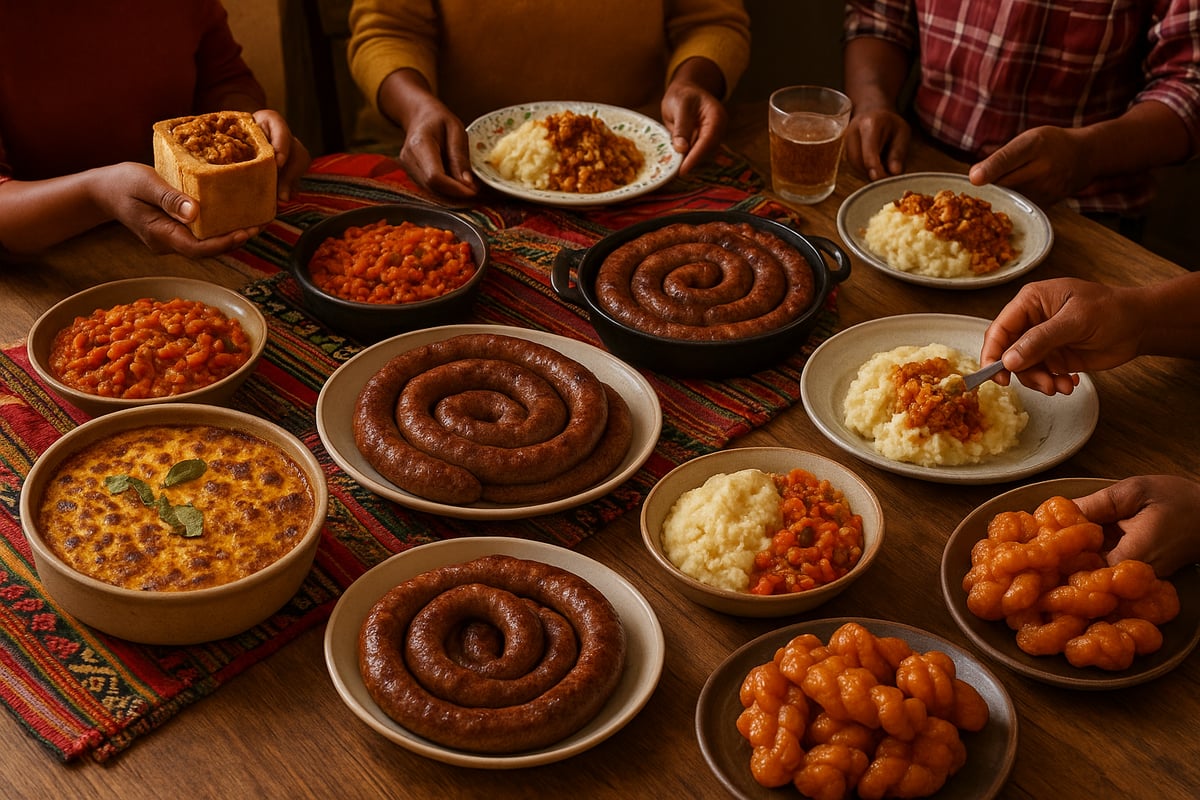
The roots of famous south african dishes run deep, drawing from indigenous traditions and the influences of Dutch, Malay, Indian, and British settlers. Colonisation and global trade brought spices, new ingredients, and cooking methods that merged with local customs. This blend gave rise to dishes like bobotie and bunny chow, both reflecting layers of history in every bite.
For example, braai (barbecue) culture is a legacy of both indigenous and European practices, while the use of aromatic spices traces back to Indian and Cape Malay communities. The result is a cuisine that is both familiar and adventurous. To explore these diverse origins in more depth, visit this Cultural influences on South African cuisine resource.
Key Ingredients and Flavour Profiles
Famous south african dishes are defined by their bold ingredients and complex flavours. Staples such as maize, beef, lamb, and dried fruits feature in many traditional recipes. The use of imported spices, including cinnamon, coriander, and curry powders, is balanced by the freshness of local produce.
Distinctive flavour combinations set South African food apart. Sweet and savoury often mingle, as in bobotie, while spicy and smoky notes emerge in dishes like boerewors. This harmony of taste is the hallmark of the nation’s culinary identity, making every meal memorable.
Dining Traditions and Social Significance
Sharing food is at the heart of South African life. Famous south african dishes are often enjoyed in communal settings, where laughter and conversation are as important as the meal itself. The braai is more than just a barbecue, it is a social ritual, uniting friends and family around fire and food.
Sunday lunches remain a cherished tradition, bringing together multiple generations. Across communities, food acts as a bridge, fostering unity and celebrating diversity. These customs ensure that every dish is more than nourishment, it is a symbol of connection and heritage.
South African Cuisine in 2026: Trends and Innovations
In 2026, famous south african dishes continue to evolve. Plant-based versions of classics like boerewors and chakalaka are gaining popularity, catering to health-conscious and environmentally aware diners. Global culinary trends are inspiring creative twists, while chefs reinterpret tradition with modern flair.
South African restaurants and food festivals are flourishing worldwide, introducing these flavours to new audiences. The enduring appeal of the cuisine lies in its adaptability, with innovation breathing fresh life into time-honoured recipes and ensuring their place on the world stage.
Where to Experience Authentic South African Food in New Zealand
South African food has become a vibrant part of New Zealand’s multicultural dining scene. With the growing number of expats and adventurous food lovers, the appetite for famous south african dishes is stronger than ever. Kiwis are increasingly keen to explore the bold flavours and unique traditions that define this cuisine.
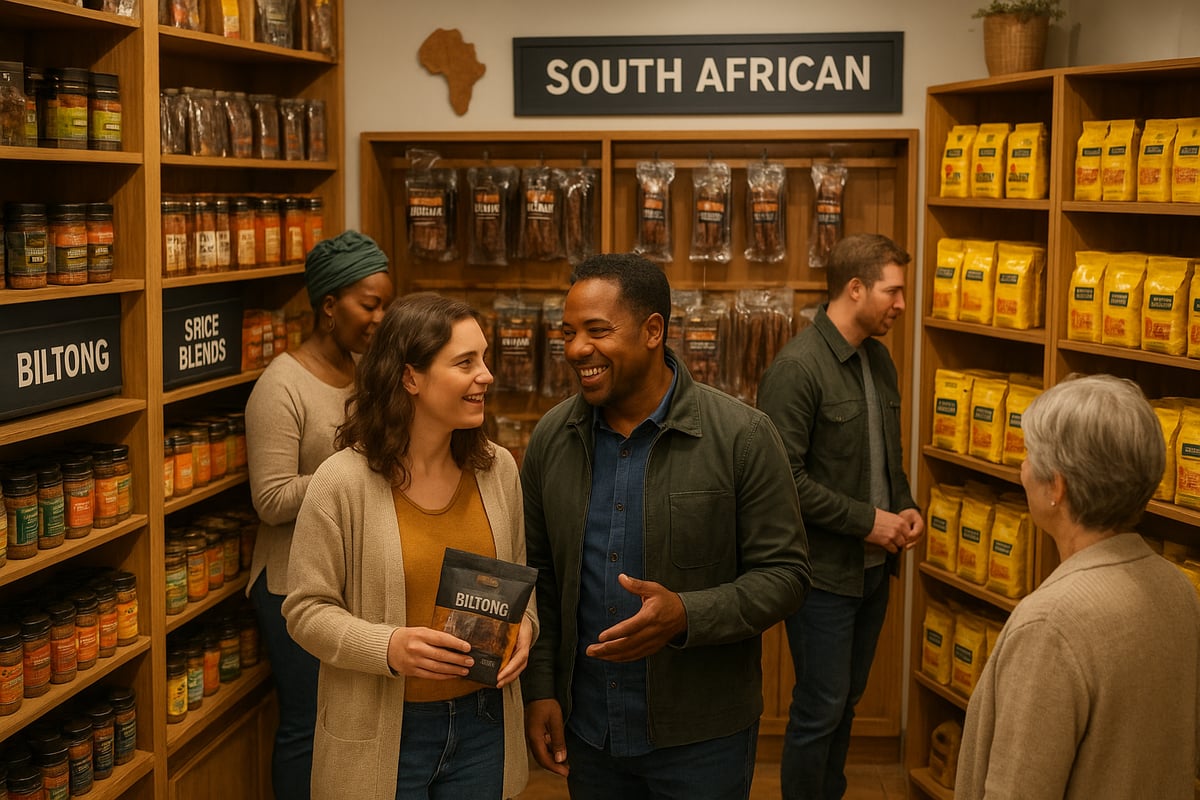
A variety of specialty stores and restaurants now cater to this demand. In major cities like Auckland, Wellington, and Christchurch, you’ll find eateries serving biltong, boerewors, and other classics. Dedicated South African grocers bring in hard-to-find ingredients, while local restaurants offer both traditional recipes and inventive new takes.
However, sourcing authentic ingredients for famous south african dishes can be challenging. Many home cooks struggle to find the right spices, meats, and pantry staples. Thankfully, businesses like Authentic South African groceries bridge this gap, making it easier to recreate your favourite meals at home.
Beyond food, these stores and eateries act as community hubs. They host cultural events, celebrate South African holidays, and offer a welcoming space for connection. For expats, sharing a meal or shopping for familiar products is a powerful way to stay connected to their roots.
For those looking to cook at home, key products like biltong, boerewors, maize meal, and spice blends are now widely available. Whether you’re a South African missing home or a local foodie eager to experiment, New Zealand offers plenty of opportunities to enjoy the rich tapestry of famous south african dishes.
9 Must-Try Famous South African Dishes
Embark on a sensory adventure through the most famous South African dishes every food lover should try. Each iconic plate tells a story of heritage, innovation, and vibrant flavours, offering a delicious glimpse into the country’s rich culinary landscape. Ready to discover what makes South African cuisine so unforgettable?
1. Biltong
Biltong stands out as one of the most famous South African dishes, beloved for its robust flavour and satisfying texture. This air-cured, spiced dried meat snack originated with Dutch settlers who needed a way to preserve meat during long journeys. Today, biltong is made from beef, game, or even ostrich, each offering a unique taste.
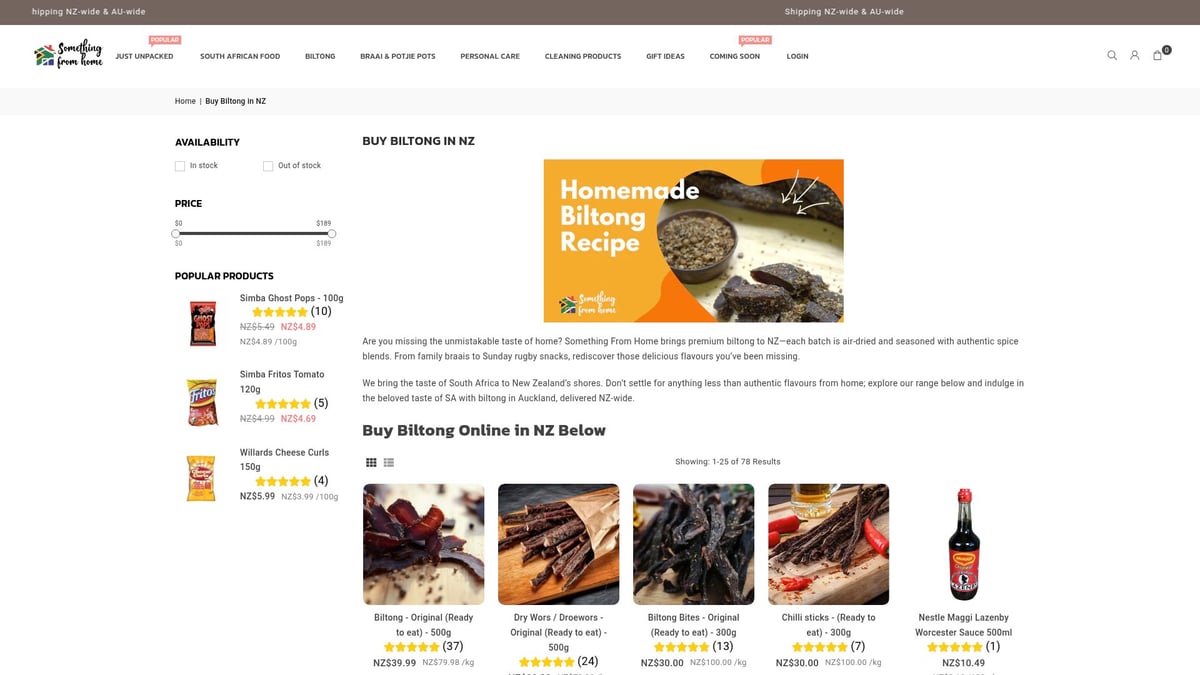
Preparation involves marinating thick meat strips in vinegar and an aromatic blend of spices, including coriander and pepper. The meat is then carefully air-dried before being sliced to the perfect thickness. This process creates a high-protein, low-carb snack that’s both nutritious and delicious.
You’ll find biltong at sports events, road trips, and gatherings, where it’s shared among friends and family. Its popularity rivals that of beef jerky, though biltong is typically richer and less sweet. For New Zealanders, authentic biltong is available from specialty stores, ensuring you never miss out on this essential taste of home.
2. Bobotie
Bobotie is a true classic among famous South African dishes, offering a comforting blend of savoury and sweet. This baked casserole features spiced minced beef or lamb, studded with raisins and almonds, then topped with a golden, egg-based custard.
The dish’s origins trace back to Cape Malay cuisine, where aromatic spices like curry powder, turmeric, and cinnamon were introduced by settlers from Southeast Asia. Over centuries, bobotie has become a staple for family dinners and festive events.
The flavour profile is rich and complex, with sweet notes from dried fruit balancing the warmth of the spices. Bobotie is traditionally served with yellow rice and a side of chutney, turning any meal into a celebration. Home cooks in NZ can find spice blends and recipe kits to recreate this beloved dish.
3. [Bunny Chow]
No list of famous South African dishes is complete without Bunny Chow, a Durban street food legend. This bold creation features a hollowed-out loaf of bread filled with fiery curry, making it both hearty and portable.
Bunny Chow began in Durban’s Indian community, where resourceful cooks served spicy curries in bread for easy takeaway. Today, popular fillings include chicken, mutton, or beans for a vegetarian twist. The curry is aromatic, spicy, and deeply satisfying.
Eaten with your hands, Bunny Chow is meant for sharing and brings people together over its irresistible flavours. Find versions in South African restaurants or try making it at home. Curious about its origins and recipes? Explore this Bunny Chow origins and recipes guide for inspiration.
4. Boerewors
Boerewors is a must-have at any braai and a staple among famous South African dishes. This traditional, spiral-shaped sausage is hand-coiled and grilled over an open flame, infusing the meat with a smoky, savoury depth.
Crafted from a blend of beef and pork, boerewors is seasoned with coriander, black pepper, nutmeg, and cloves. The result is a sausage with a robust, spicy flavour and a satisfying bite.
Boerewors symbolises South African hospitality and togetherness, often served on a roll, alongside pap, or as part of a mixed grill. In New Zealand, boerewors is available both pre-made and as DIY kits for authentic braai experiences.
5. Pap and Chakalaka
Pap and Chakalaka are pillars of famous South African dishes, offering a comforting and flavourful combination. Pap is a maize porridge, served soft, stiff, or crumbly, depending on regional preferences.
Chakalaka, a spicy relish made from beans, tomatoes, onions, peppers, and a bold blend of spices, brings colour and heat to the table. Together, they form a nourishing, affordable, and filling meal that’s enjoyed at braais, festivals, and everyday family dinners.
Pap is easy to prepare using maize meal, and chakalaka mixes make recreating this staple a breeze in New Zealand. Serve with grilled meats or on its own for a true taste of South Africa.
6. [Cape Malay Curry]
Cape Malay Curry is a fragrant, mildly spiced dish that highlights the multicultural roots of famous South African dishes. Influenced by Malaysian, Indonesian, and Dutch traditions, this curry is known for its delicate balance of sweet, spicy, and savoury notes.
Key ingredients include lamb or chicken, dried fruits like apricots or sultanas, cinnamon, turmeric, and a medley of aromatic spices. The curry is slow-cooked until tender and served with fluffy rice, sambals, and rotis.
Cape Malay Curry is especially popular in Cape Town, where regional variations abound. Home cooks can access pre-made spice blends and recipe books, making it easy to bring this beloved dish to the NZ dinner table.
7. Potjiekos
Potjiekos, meaning "small pot food," is the essence of communal cooking in the lineup of famous South African dishes. This hearty stew is prepared outdoors in a cast-iron potjie pot, using a slow-cooking method that layers meats, vegetables, and spices.
Originating with the Voortrekkers, potjiekos is never stirred during cooking, allowing the flavours to develop gradually. Ingredients often include beef, lamb, chicken, potatoes, carrots, and sometimes a splash of beer or wine.
The potjie pot sits over open coals, making the meal a centrepiece of gatherings and celebrations. Today, vegetarian and seafood versions are gaining popularity, ensuring everyone can enjoy this iconic dish.
8. [Melktert (Milk Tart)]
Melktert is a beloved dessert that completes the experience of famous South African dishes. With roots in Dutch colonial baking, this creamy milk tart features a delicate pastry crust filled with silky custard, flavoured with cinnamon and vanilla.
Ingredients are simple: milk, eggs, sugar, and flour, yet the result is a dessert that’s both comforting and elegant. Melktert is served chilled or at room temperature, often accompanied by coffee or tea.
This sweet treat is a favourite at tea time, birthdays, and special occasions. Ready-made melktert and baking kits are available for those wanting to recreate the magic at home in New Zealand.
9. [Koeksisters]
Koeksisters round out our journey through famous South African dishes with a burst of sweetness and tradition. These plaited, deep-fried pastries are soaked in syrup, resulting in a sticky, aromatic delight.
There are two main types: the traditional Afrikaner koeksister, which is crisp and syrupy, and the Cape Malay version, which is spiced and rolled in coconut. Both are symbols of hospitality and celebration, often enjoyed at markets, bakeries, and family gatherings.
The braiding technique and syrup infusion require practice, but home baking kits make it easier for anyone to master. For a deeper dive into their history and cultural meaning, visit this Koeksisters South Africa guide.
Tips for Cooking South African Dishes at Home
Embarking on the journey to cook famous south african dishes at home is both rewarding and delicious. With the right ingredients, tools, and a few insider tips, you can recreate authentic flavours that transport you straight to South Africa’s vibrant kitchens. Here are essential tips to help you master these beloved recipes and bring a taste of South Africa to your table.
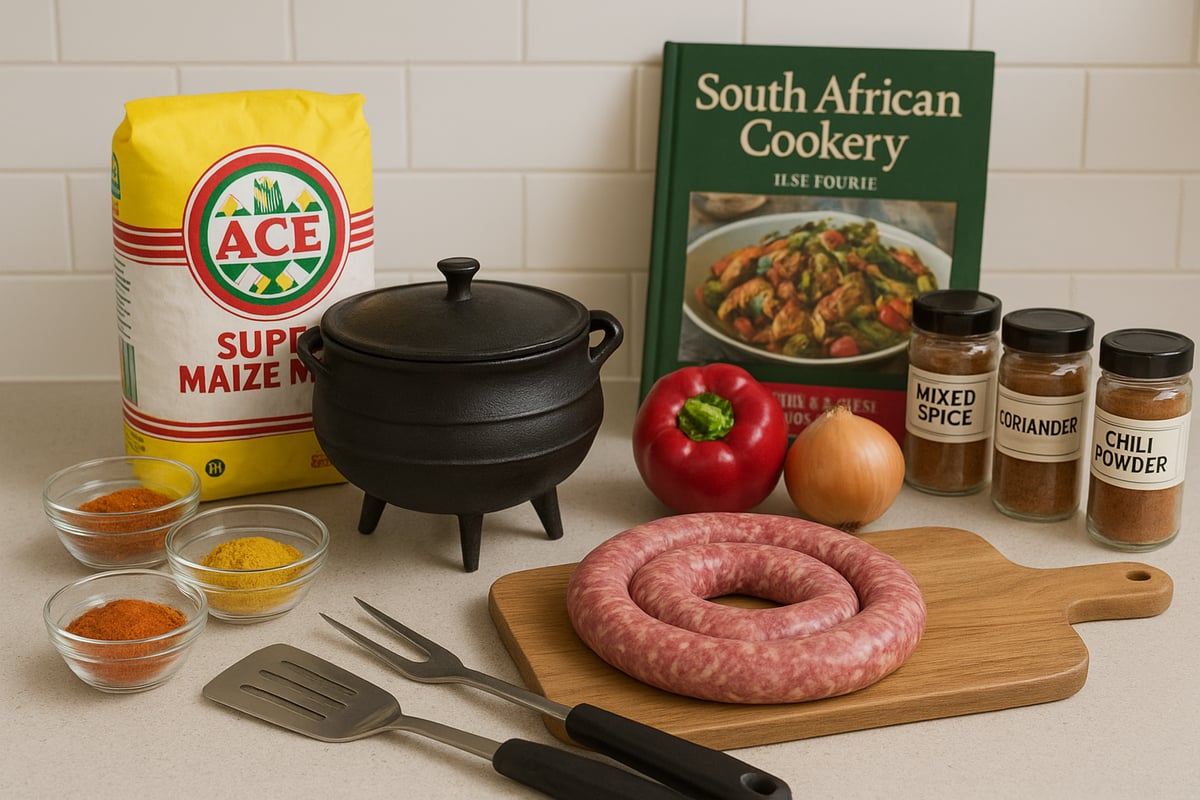
Sourcing Authentic Ingredients in New Zealand
Finding genuine ingredients is crucial for preparing famous south african dishes true to their roots. In New Zealand, specialty stores and online shops offer staples like biltong, boerewors, maize meal, and unique spice blends. Local stores may stock basics, but for specific items such as chakalaka mixes or Mrs H.S. Ball’s Chutney, South African grocers are your best bet.
Online shopping expands your options, with many shops providing nationwide delivery. When making classic rice-based meals or accompaniments, explore South African rice dish traditions for extra inspiration and sourcing tips. Using authentic products ensures the flavours of your famous south african dishes remain genuine and satisfying.
Essential Cookware and Tools
The right equipment makes a difference when preparing famous south african dishes. A traditional potjie pot is essential for slow-cooked stews like potjiekos, while a sturdy braai grill brings out the best in boerewors and sosaties. If you lack these items, heavy cast iron pots and gas barbecues can substitute.
Other useful tools include wooden spoons, sharp knives, and durable chopping boards. Many South African cookware essentials are available through online retailers, making it easy for New Zealand home cooks to equip their kitchens. When adapting recipes, focus on maintaining key techniques and don’t hesitate to invest in authentic gear for the best results with your famous south african dishes.
Cooking Techniques and Flavour Secrets
Mastering the techniques behind famous south african dishes unlocks their full potential. Marinating meats with robust spice blends, layering flavours, and slow-cooking are central to many recipes. For instance, boerewors benefits from a blend of coriander, cloves, and nutmeg, while potjiekos relies on gentle, even heat and careful layering.
Balance is a hallmark—South African cuisine often combines sweet with savoury or spicy with smoky. Taste as you cook, adjusting spices or sweetness to suit your palate. Even in modern kitchens, traditional methods like braaing over coals or simmering stews in a cast iron pot enhance the authenticity and enjoyment of these famous south african dishes.
Adapting Recipes for Dietary Preferences
Famous south african dishes are versatile and can be adapted to suit various dietary needs. Many classics now have plant-based or gluten-free versions, such as lentil bobotie or vegan chakalaka. If you have allergies, swap nuts or dairy for safe alternatives, ensuring the spirit and flavour remain intact.
Sourcing local produce can help replicate tastes if original ingredients are unavailable. For more guidance, consult blogs, cookbooks, and online communities that share tips on adjusting traditional recipes. Understanding the broader history and diversity of South African cuisine can inspire creative adaptations, making these dishes accessible to everyone without losing their unique charm.
The Enduring Appeal of South African Food Culture
South African food culture weaves together history, community, and innovation, making it a living tradition that resonates far beyond the country’s borders. The enduring popularity of famous south african dishes is rooted in more than just taste; it is about identity, connection, and a sense of belonging. As you explore these flavours, you will discover why these dishes remain beloved, both at home and around the world.
Food as a Connector: Community and Heritage
Food is the heart of South African community life. Whether it is a family gathering for Sunday lunch or friends uniting around a braai, meals are about more than sustenance. Sharing famous south african dishes keeps traditions alive and strengthens bonds between generations.
Many families cherish recipes handed down through decades, with each variation telling a story. These dishes play a vital role at cultural festivals and local events in New Zealand, where expats celebrate their roots and introduce new friends to their heritage. Community cookouts, potlucks, and food fairs are common ways to bring people together.
Recipe books, online groups, and social gatherings help preserve this culinary heritage. For a deeper look at the traditions behind these meals, the South African culinary heritage resource provides valuable context on how food shapes identity. The experience of preparing and sharing these iconic dishes is as meaningful as the flavours themselves.
South African Cuisine on the Global Stage
Famous south african dishes are gaining recognition in major cities worldwide. International food festivals, restaurant openings, and the influence of celebrity chefs have all contributed to their rising profile. Whether it is biltong served as a gourmet snack or boerewors featured on global grill menus, South African flavours are being embraced by food lovers everywhere.
This global momentum is driven by the unique fusion of tastes and techniques that define the cuisine. The blend of indigenous, European, Asian, and African influences sets it apart. To understand how this fusion developed, read more about South African cuisine's global influences.
Food trucks, pop-up kitchens, and cooking classes are making these dishes more accessible. The international appeal of famous south african dishes continues to grow, inspiring curiosity and creativity in kitchens from Auckland to London.
Health, Sustainability, and Modern Lifestyles
The appeal of famous south african dishes endures in part because of their balance of nutrition and flavour. Many classic meals feature lean meats, beans, and fresh vegetables, supporting a wholesome diet. Dishes such as pap and chakalaka or potjiekos can be both satisfying and nourishing, especially when prepared with quality ingredients.
Sustainability is also shaping the way South Africans cook and eat. Ethical sourcing of meats and the use of seasonal produce are becoming more common. Plant-based adaptations of traditional recipes allow more people to enjoy these flavours while considering their health and the environment.
Modern lifestyles demand flexibility, and South African cuisine adapts with gluten-free, vegetarian, and allergy-friendly options. This evolution ensures that famous south african dishes stay relevant for today’s diners while honouring their roots.
The Future of South African Food in New Zealand
Looking ahead, the future of famous south african dishes in New Zealand is bright. Fusion cuisine, food tourism, and innovative pop-ups are introducing these flavours to new audiences. Local producers and entrepreneurs are finding ways to source authentic ingredients, making it easier for Kiwis to enjoy these tastes at home.
Community-driven events, such as South African food festivals and cooking workshops, continue to grow in popularity. These gatherings not only celebrate tradition but also foster new connections among expats and locals alike.
As more New Zealanders discover the joy of sharing famous south african dishes, opportunities for collaboration and cultural exchange expand. The community of South African food lovers in NZ and Australia is vibrant, ensuring these dishes will remain part of the culinary landscape for years to come.
If exploring these nine must try South African dishes has sparked your curiosity or made you crave the flavours of home you are not alone Whether you are an expat missing the taste of a classic braai or a food lover eager to try something new you will find that the right ingredients make all the difference At Something From Home you can discover authentic spices meats and treats to help you recreate these iconic recipes in your own kitchen Take the next step in your culinary adventure and View product range to bring the vibrant taste of South Africa to your table today