Lamb Bobotie Guide: Authentic Flavours for 2026
There is something undeniably comforting about the warm, aromatic embrace of lamb bobotie—a dish that has captivated food lovers from Cape Town to Auckland. As South African cuisine continues its global rise, this guide offers a fresh take on lamb bobotie for 2026.
Discover the secrets behind its signature blend of spices, golden custard topping, and perfect balance of sweet and savoury. We will explore the rich history, essential ingredients, and step-by-step techniques that make lamb bobotie unforgettable.
Ready to master this iconic dish at home? Let us unlock the authentic flavours and innovative twists that define lamb bobotie today.
The Origins and Evolution of Lamb Bobotie
Lamb bobotie is more than just a comforting casserole, it is a culinary symbol that captures the heart of South African heritage. This dish, with its rich blend of spices and sweet-savoury layers, has travelled centuries and continents to become a beloved favourite in homes worldwide.
Historical Roots and Cultural Significance
The story of lamb bobotie begins in the 17th century, within the kitchens of Cape Malay communities. Early settlers from Dutch, Indonesian, and Indian backgrounds brought their spices, cooking methods, and culinary traditions to the Cape, leading to a fusion of flavours that defined South African cuisine. Lamb, abundant and versatile, quickly became a staple protein, especially for dishes like lamb bobotie.
Over time, families adapted the recipe to suit local ingredients and tastes. The combination of minced or shredded lamb, fragrant spices, and a creamy egg custard topping became a signature of gatherings and celebrations. Bobotie’s role as a centrepiece meal was cemented as it evolved from a way to use up leftover lamb into a highlight of communal feasts.
Today, lamb bobotie stands among the top five most searched South African recipes online, a testament to its enduring popularity. The Cape Malay community’s commitment to preserving and innovating the dish has ensured its legacy, with each generation adding subtle twists while maintaining its core identity. For a deeper dive into the cultural influences that shaped this dish, see the South African cuisine cultural influences.
Evolution and Modernisation
As lamb bobotie recipes travelled beyond the Cape, they embraced local interpretations. Migration across South Africa introduced new ingredients and presentation styles. The traditional method, using leftover roast lamb, gradually shifted to include freshly ground lamb, enhancing both texture and flavour.
Innovative chefs, both at home and in restaurants, have reimagined lamb bobotie for contemporary palates. Modern versions might feature rice crisps, sultana purée, or even deconstructed presentations using ring moulds. Yet, the essence of lamb bobotie remains unchanged: a harmonious blend of savoury, sweet, and aromatic elements.
Below is a comparison between traditional and modern approaches:
| Feature | Traditional Lamb Bobotie | Modern Lamb Bobotie (2026) |
|---|---|---|
| Protein | Leftover roast or ground lamb | Fresh ground lamb or lamb leg |
| Topping | Simple egg and milk custard | Flavoured custards, striped omelettes |
| Presentation | Family-style casserole | Individual portions, ring moulds |
| Accompaniments | Yellow rice, chutney, sambals | Rice crisps, sultana purée, salads |
The global rise of lamb bobotie reflects its ability to adapt while staying true to its roots. Whether enjoyed at a festive table or in a modern restaurant, lamb bobotie continues to bring people together, celebrating South Africa’s vibrant and evolving food story.
Essential Ingredients for Authentic Lamb Bobotie
Crafting an unforgettable lamb bobotie begins with choosing the finest ingredients, each playing a vital role in building the dish’s iconic sweet-savoury profile. The right elements create a balance of texture, aroma, and depth that defines true South African comfort food.
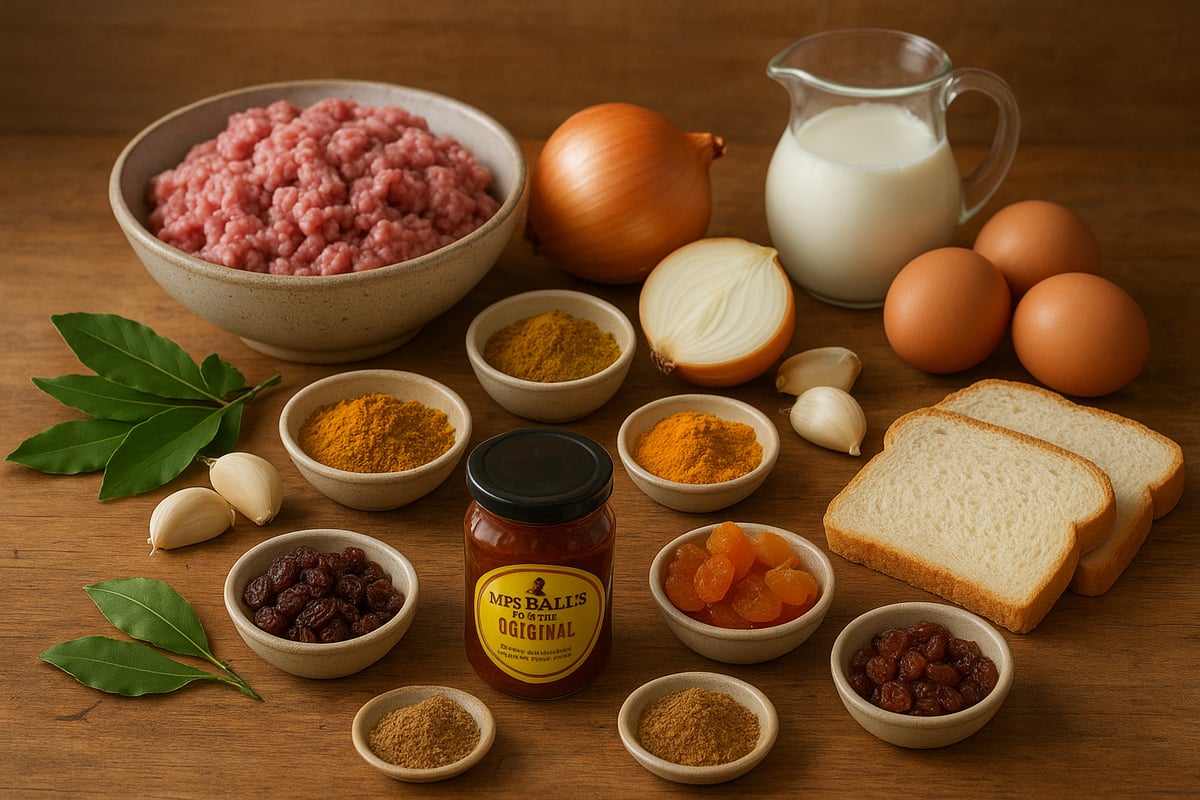
The foundation of lamb bobotie is quality lamb, either ground for a traditional texture or slow-roasted and shredded for extra richness. Fresh onions and garlic add savoury undertones, while carrots can provide subtle sweetness and colour. Bread soaked in milk ensures the filling is tender and moist, blending seamlessly with the meat.
Spices are at the heart of lamb bobotie. Curry powder, turmeric, coriander, and cumin deliver warmth and complexity. When combined with a touch of cinnamon or even nutmeg, they create a flavour profile that is both comforting and intriguing. The right blend of spices is essential—too little, and the dish lacks depth; too much, and it can overpower the lamb.
Dried fruits such as raisins, sultanas, or chopped dried apricots bring bursts of sweetness that contrast beautifully with the savoury lamb. Chutney, particularly Mrs Ball’s Chutney, adds a tangy sweetness and sticky texture, perfectly tying the flavours together. Some cooks prefer apricot jam for a brighter note, while others experiment with apple for a hint of tartness.
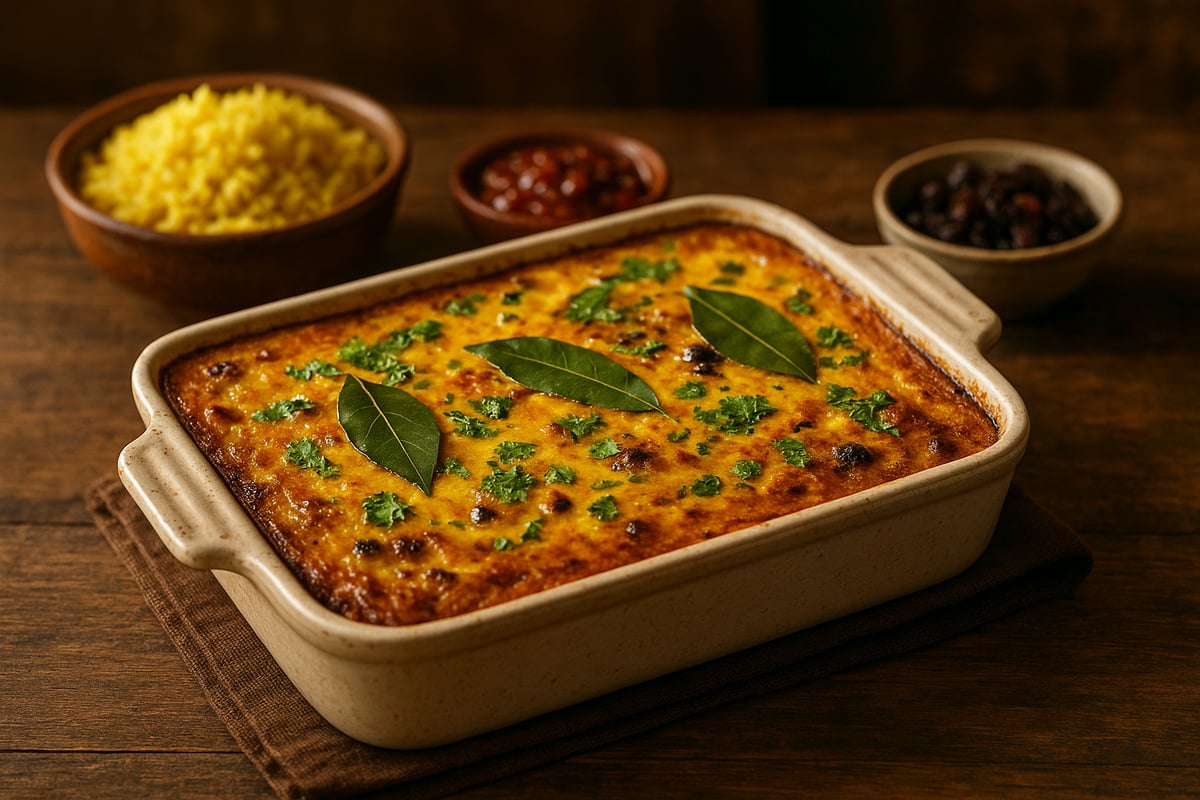
The custard topping, made from milk and eggs, is what gives lamb bobotie its signature golden finish. Before baking, bay leaves are arranged on top, infusing the dish with subtle herbal notes. Even the choice of bread can shape the final result—seed loaf provides texture, while classic white bread keeps things soft and neutral.
Modern interpretations for 2026 see adventurous additions like sultanas and even crispy vermicelli rice noodles for texture. These innovations keep lamb bobotie relevant and exciting, making it a favourite at both family tables and gourmet events.
Sourcing authentic ingredients is crucial for capturing the true spirit of lamb bobotie. In New Zealand and Australia, more than 2,200 authentic South African products are available, making it easier than ever to cook with traditional flavours. For essentials like curry powder, turmeric, and other key spices, you can shop South African spices online for guaranteed authenticity and freshness.
Choosing the right combination of ingredients transforms lamb bobotie from a simple meal into a celebration of South African heritage. With these essentials at hand, you are well on your way to mastering this iconic dish.
Step-by-Step Guide: Preparing Classic Lamb Bobotie
Mastering lamb bobotie at home is a rewarding process that combines tradition with adaptability. This step-by-step guide ensures you achieve the perfect balance of flavour, texture, and presentation. Whether you are an experienced cook or exploring bobotie for the first time, follow each stage for a memorable result.
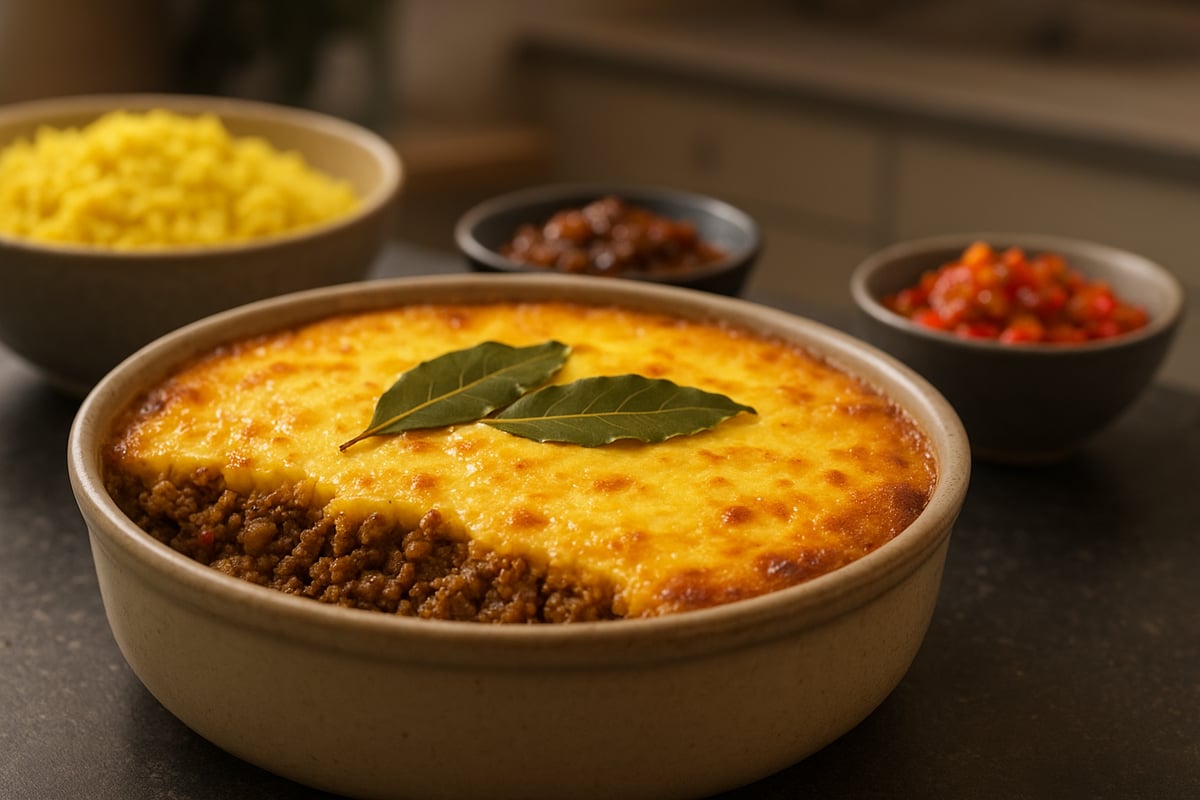
Step 1: Preparing the Lamb and Base
Begin by selecting your lamb. You can opt for ground lamb, which offers a consistent texture and is easy to find, or use shredded leftover roast lamb for added depth and a rustic feel. The choice of lamb cut will influence the final mouthfeel of your lamb bobotie.
Marinate your lamb with lemon juice, salt, and pepper. This step brightens the flavours and tenderises the meat. While marination is optional, it is highly recommended for a more nuanced taste.
Sauté finely chopped onions, garlic, and carrots in a heavy-based pan until soft and fragrant. This mixture forms the aromatic base and builds the essential savoury foundation for lamb bobotie. Once the vegetables are golden, add the lamb and cook until browned, stirring often to prevent sticking.
Next, incorporate soaked bread. Use either traditional white bread or a modern seed loaf, soaked in milk until soft, then squeezed to remove excess liquid. Tear the bread into small pieces and mix into the lamb. This step keeps the lamb bobotie moist and binds the filling.
The result at this stage should be a well-seasoned, aromatic base that is ready for the next layer of flavour.
Step 2: Building Flavour with Spices and Fruit
Transform the base into a true lamb bobotie by layering in signature spices. Add curry powder, turmeric, coriander, and cumin to the pan, stirring well to coat the meat and vegetables. For a hint of warmth, a small pinch of cinnamon can be introduced.
Balance the savoury profile with sweetness by mixing in chutney, apricot jam, raisins, and sultanas. These ingredients are crucial for the dish’s iconic sweet-savoury contrast. If you prefer a tangy note, diced Granny Smith apple can be added alongside dried apricots for extra complexity.
Taste the mixture at this stage and adjust seasoning as needed. This is your opportunity to fine-tune the spice and sweetness levels to your liking.
If you need authentic South African ingredients like chutney, curry powders, or dried fruits, consider shopping at South African groceries online for a comprehensive selection.
With the lamb bobotie filling now deeply flavoured and balanced, you are ready to assemble the dish.
Step 3: Assembling and Baking
Preheat your oven to 180°C (350°F). Lightly grease a deep casserole or baking dish. Spread the lamb bobotie mixture evenly into the dish, pressing gently to level the surface.
Prepare the custard topping by whisking together eggs and milk (or half and half for a richer finish). Pour the custard over the lamb mixture, ensuring it covers the top completely. This creamy layer is what sets lamb bobotie apart, creating a golden, set finish after baking.
Arrange a few bay leaves on top for aroma and visual appeal. These will infuse the custard with subtle herbal notes as it bakes.
Bake in the centre of the oven for 40 to 50 minutes, or until the custard is firm and beautifully golden. To achieve clean slices, allow the lamb bobotie to cool slightly before serving. This step helps the layers set and makes plating easier.
Step 4: Serving and Garnishing
Lamb bobotie is traditionally served with yellow rice, enhanced with turmeric, cinnamon, and raisins. This pairing not only adds colour but also complements the dish’s gentle spices. For a modern twist, try serving with couscous or a vibrant salad.
Classic accompaniments include sambals—fresh tomato, onion, and coconut mixtures—and crispy poppadums. These sides add freshness and crunch, balancing the rich bobotie.
For garnish, sprinkle freshly chopped coriander or add deep-fried curry leaves for a contemporary presentation. Innovative chefs in 2026 are also experimenting with rice crisps and sultana purée, elevating the visual and flavour profile of lamb bobotie.
Whatever your choice, present the dish with pride at family dinners or special occasions, letting the unique character of lamb bobotie shine.
Pro Tips and Variations for 2026
Mastering lamb bobotie requires both respect for tradition and a willingness to innovate. As this iconic dish evolves in 2026, chefs and home cooks alike are exploring expert techniques and creative variations to elevate every bite. Whether you are aiming for classic authenticity or a modern twist, these strategies will help you achieve exceptional flavour, texture, and presentation.
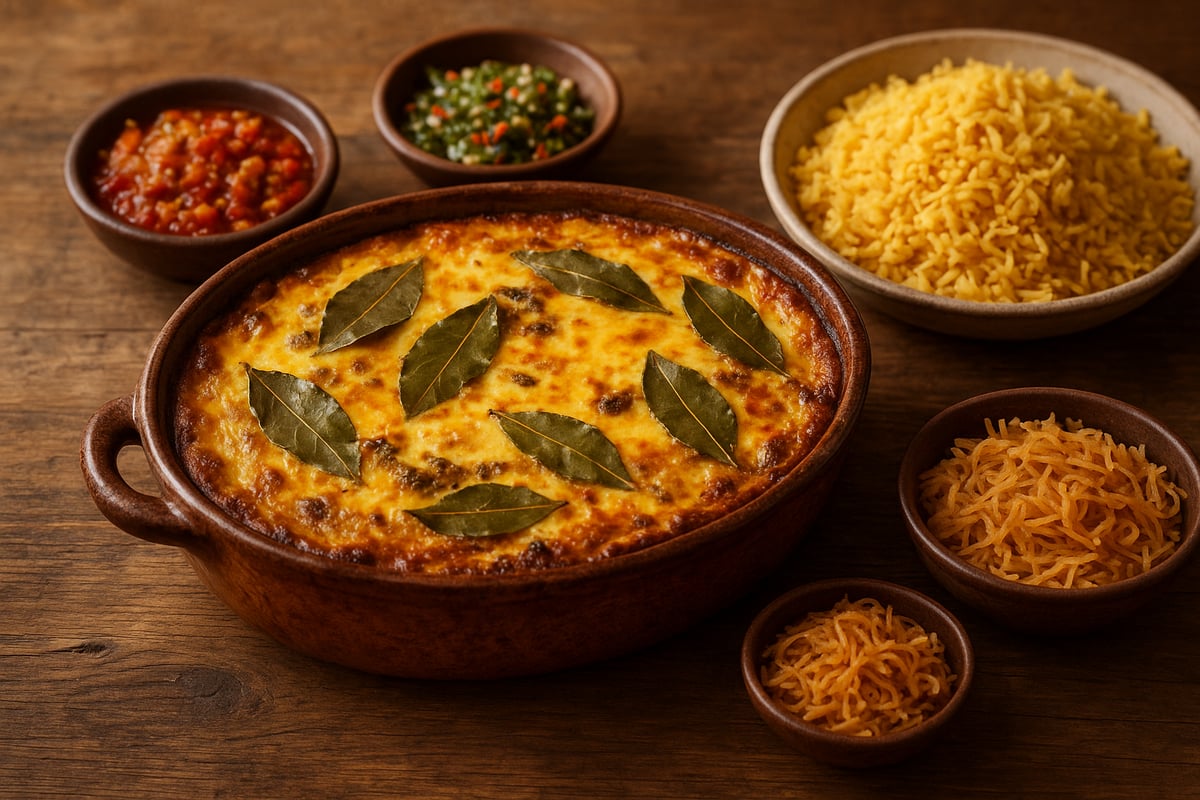
Expert Techniques for Flavour and Texture
For the ultimate lamb bobotie, start by selecting premium lamb. Ground lamb offers a homogenous texture, while hand-shredded leg of lamb provides a more rustic, meaty bite. Marinating the meat with lemon juice, salt, and pepper before cooking enhances tenderness and depth.
Using a Dutch oven or heavy-based casserole dish ensures even browning and slow, gentle cooking. This method locks in moisture and infuses the lamb bobotie with layers of complex flavour. As you sauté onions, garlic, and spices, allow each ingredient to develop fully before adding the next. This patience is crucial for building a rich, harmonious base.
Layering is another technique gaining popularity in modern kitchens. Some chefs roll the spiced lamb mixture in thin omelette wraps, creating striking visual stripes when sliced. Innovative ingredient swaps, such as dried apricots or diced apple, add subtle sweetness and an intriguing twist to the traditional flavour profile. A sprinkle of ground almonds can introduce a delicate nuttiness.
Adjust the spice blend confidently to suit your palate. Whether you prefer a mild curry powder or a punchier, extra-hot blend, the right balance is key to an unforgettable lamb bobotie. Taste frequently and make small adjustments as you cook.
Innovative Variations and Trending Twists
In 2026, lamb bobotie continues to inspire creative interpretations both online and in professional kitchens. Make-ahead options are especially valuable for entertaining. Prepare the meat mixture and custard topping a day ahead, then assemble and bake just before serving. This not only saves time but also allows the flavours to meld and intensify overnight.
Vegetarian and vegan versions of lamb bobotie are becoming more mainstream. Substitute plant-based mince or cooked lentils for lamb, and use coconut milk and vegan egg replacer for the custard topping. These adaptations retain the comforting essence of the dish while catering to diverse diets.
For a contemporary flourish, consider topping your lamb bobotie with deep-fried vermicelli rice noodles or rice crisps. This adds crunch and visual appeal, making the dish a showstopper for guests. Modern presentations often include vibrant sultana purée or micro herbs as garnishes.
Social media and culinary publications are brimming with new takes on lamb bobotie. Trending ideas include layered bobotie jars, mini bites for canapés, and the use of ring moulds for elegant plating. For more on how to pair your creation with the perfect rice accompaniment, see this South African rice dish guide.
Embrace these pro tips and variations to make your lamb bobotie truly stand out in 2026. By blending time-honoured techniques with modern flair, you will enjoy a dish that honours its heritage while delighting contemporary palates.
Serving Suggestions and Pairings
Perfecting lamb bobotie does not stop at the oven. The right sides, sauces, and drinks turn this classic into a memorable feast. Whether you prefer tradition or want to explore modern trends, thoughtful pairings highlight the signature flavours of lamb bobotie and elevate every bite.
Traditional Sides and Sauces
For a truly authentic experience, serve lamb bobotie with classic South African sides. The most popular is yellow rice, enriched with turmeric and cinnamon, and dotted with plump raisins. This subtly sweet, aromatic rice balances the gentle heat of the bobotie spices.
Sambals, such as chopped tomato and onion or coconut, add freshness and a pop of colour to the plate. Crispy poppadums are perfect for scooping up bites of lamb bobotie and rice, making every mouthful more enjoyable.
Traditional condiments are essential. Mrs Ball’s Chutney brings a sweet, tangy note, while atchar and peri-peri sauce add punch for those who love extra heat. According to recent surveys, 70% of South Africans prefer their lamb bobotie with yellow rice and chutney, underscoring the enduring appeal of these pairings.
Modern Pairings and Presentation
Contemporary chefs are reimagining lamb bobotie with inventive sides and stylish plating. Swap yellow rice for fluffy couscous or a citrusy quinoa salad to introduce new textures and flavours. Roasted root vegetables or a crisp green salad with orange segments offer a refreshing, modern contrast.
For special occasions, elevate the presentation with rice crisps or a sultana purée swirl on the plate. Garnish with fresh coriander or deep-fried curry leaves for a 2026-inspired twist. Try serving lamb bobotie in individual ramekins or using ring moulds for a gourmet look that impresses guests.
When entertaining, arrange all accompaniments in small bowls so everyone can customise their plate. This interactive approach keeps the meal relaxed and engaging, whether it is a family dinner or a festive gathering.
Drinks and Dessert Pairings
A well-chosen drink enhances the complex flavours of lamb bobotie. South African Chenin Blanc or Pinotage are classic choices, their crisp acidity or bold fruit notes complementing the dish’s richness. For a non-alcoholic option, serve chilled rooibos tea, which refreshes the palate and offers a subtle earthy finish.
No lamb bobotie meal is complete without a traditional dessert. Melktert, with its creamy custard filling, provides a gentle, sweet finale. For something truly South African, consider koeksisters, a syrup-soaked pastry twist. You can find an authentic koeksisters recipe to bring this classic treat to your table.
Pairing lamb bobotie with thoughtfully chosen sides, drinks, and desserts creates a balanced, satisfying dining experience that celebrates the best of South African cuisine.
Lamb Bobotie in Modern South African Cuisine
Lamb bobotie stands as a timeless favourite, but its evolution in modern South African cuisine is nothing short of remarkable. As global interest in South African flavours surges, chefs and home cooks alike are pushing the boundaries of tradition, creating new ways to enjoy this beloved dish. The result is a balance of authenticity and innovation that keeps lamb bobotie at the forefront of contemporary dining.
Modern Presentations and Adaptations
Today’s culinary landscape sees lamb bobotie reimagined in striking new forms. Chefs are crafting mini bobotie bites for canapés, layering the dish in elegant glass jars, or deconstructing it for gourmet tasting menus. The use of ring moulds to shape portions and striped omelettes as edible wraps adds visual flair, while deep-fried toppings like vermicelli noodles introduce exciting textures.
Health-conscious diners are also influencing the evolution of lamb bobotie. Recipes now feature leaner cuts of lamb, gluten-free bread, and reduced sugar options without losing the signature balance of spices and sweetness. Fusion cuisine plays a role as well, with bobotie paired alongside global sides or infused with unexpected flavours, making the dish accessible to a wider audience.
Social media and top culinary magazines are amplifying these trends, while data shows lamb bobotie appears on 3 out of 5 leading South African restaurant menus in New Zealand and Australia. This widespread presence reflects the dish’s adaptability and enduring appeal.
Cultural Presence and Ongoing Relevance
The story of lamb bobotie is deeply woven into South Africa’s culinary identity, both at home and abroad. As South African communities have settled around the world, they have carried their food traditions with them, sharing family recipes and adapting them to local tastes. This has helped lamb bobotie gain popularity far beyond its origins, making it a highlight at food festivals and in fine dining establishments.
Cape Town, recognised as one of the world’s best cities for food, has played a pivotal role in elevating traditional dishes like lamb bobotie on the global stage. According to Cape Town's culinary recognition, the city’s vibrant dining scene celebrates both heritage and innovation, ensuring bobotie remains relevant and respected.
As the South African foodservice market continues to grow, the demand for authentic yet contemporary takes on lamb bobotie rises. This adaptability, combined with its cultural resonance, ensures that lamb bobotie will continue to inspire chefs and delight diners well into the future.
After exploring the traditions and innovative twists that make lamb bobotie so special, you might be inspired to bring these authentic flavours into your own kitchen. Whether you’re searching for that signature chutney, a blend of aromatic spices, or South African pantry staples, having the right ingredients is essential to recreating this classic dish. I encourage you to discover the best selection of genuine products that capture the true taste of home. If you’re ready to start your culinary adventure or simply want to browse what’s available, View product range and find everything you need for an unforgettable bobotie experience.