9 Must-Try South African Dishes to Savour in 2026
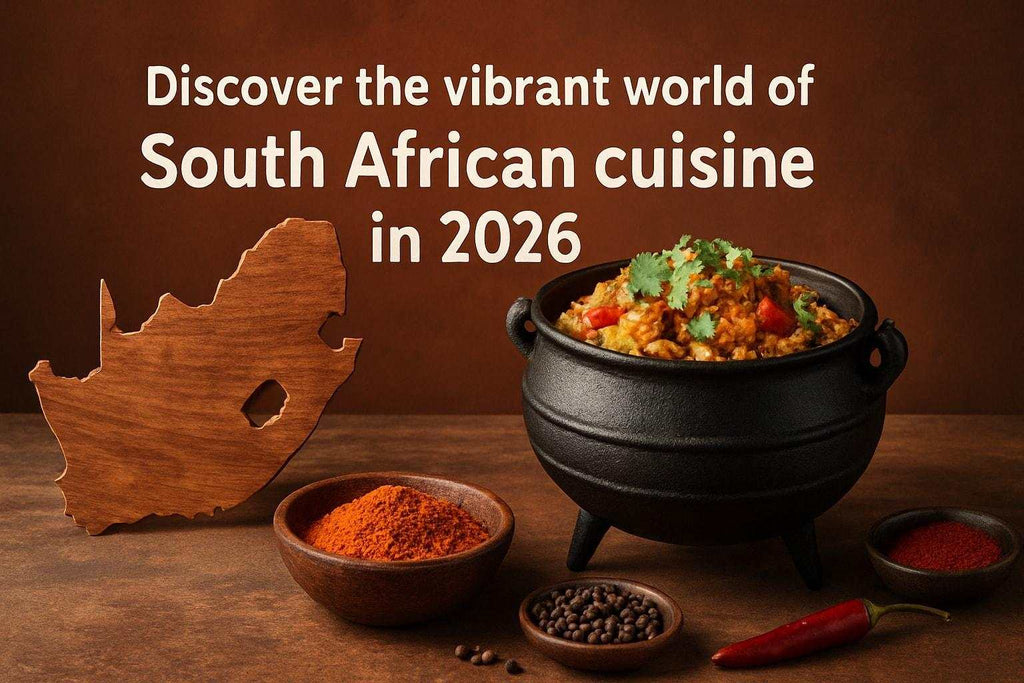
Step into the vibrant world of south african dishes as 2026 brings their colourful flavours and traditions to the forefront. Experience a culinary journey where every bite tells a story of heritage, fusion, and celebration.
This article unveils nine must-try south african dishes that capture the heart of the nation’s diverse food culture. Whether you are a food enthusiast, expat, or adventurous eater, you will discover authentic tastes that connect communities across continents.
Explore iconic mains, beloved street foods, and irresistible sweet treats. Find out how to enjoy these classics or recreate them in New Zealand and Australia, with expert tips for sourcing ingredients and maintaining tradition.
The Flavours of South Africa: Culinary Diversity Unveiled
South African dishes tell a story of centuries of cultural exchange and culinary evolution. The country’s food scene is a vibrant mosaic, shaped by Indigenous peoples, Dutch settlers, Malay traders, Indian migrants, and British colonists. Each group left a distinct mark, resulting in a cuisine that balances robust flavours, diverse textures, and bold colours.
Culinary Roots and Regional Diversity
The landscape of south african dishes is defined by its regions. In the Western Cape, Cape Malay cuisine offers sweetly spiced curries, bredies, and bobotie, reflecting Indonesian and Malaysian heritage. KwaZulu-Natal is known for its fiery Indian-inspired curries and street foods like bunny chow. The Karoo region celebrates hearty, slow-cooked stews and game meats, while the Eastern Cape is famous for dishes featuring maize and wild greens.
Each area brings unique ingredients and preparation methods. For example, the braai (barbecue) culture unites all regions, though the choice of meat, marinades, and side dishes varies from province to province. This diversity means south african dishes can range from delicate and aromatic to bold and rustic, depending on where you are.
Signature Ingredients that Define a Nation
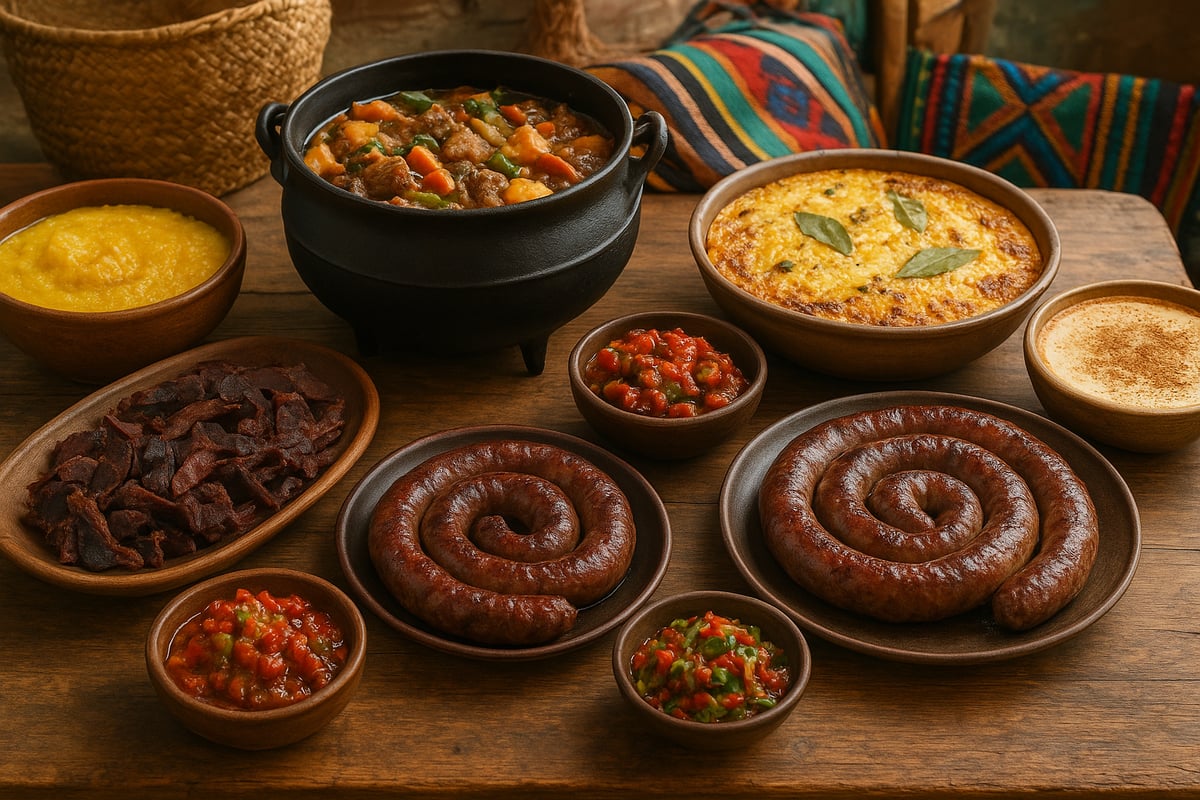
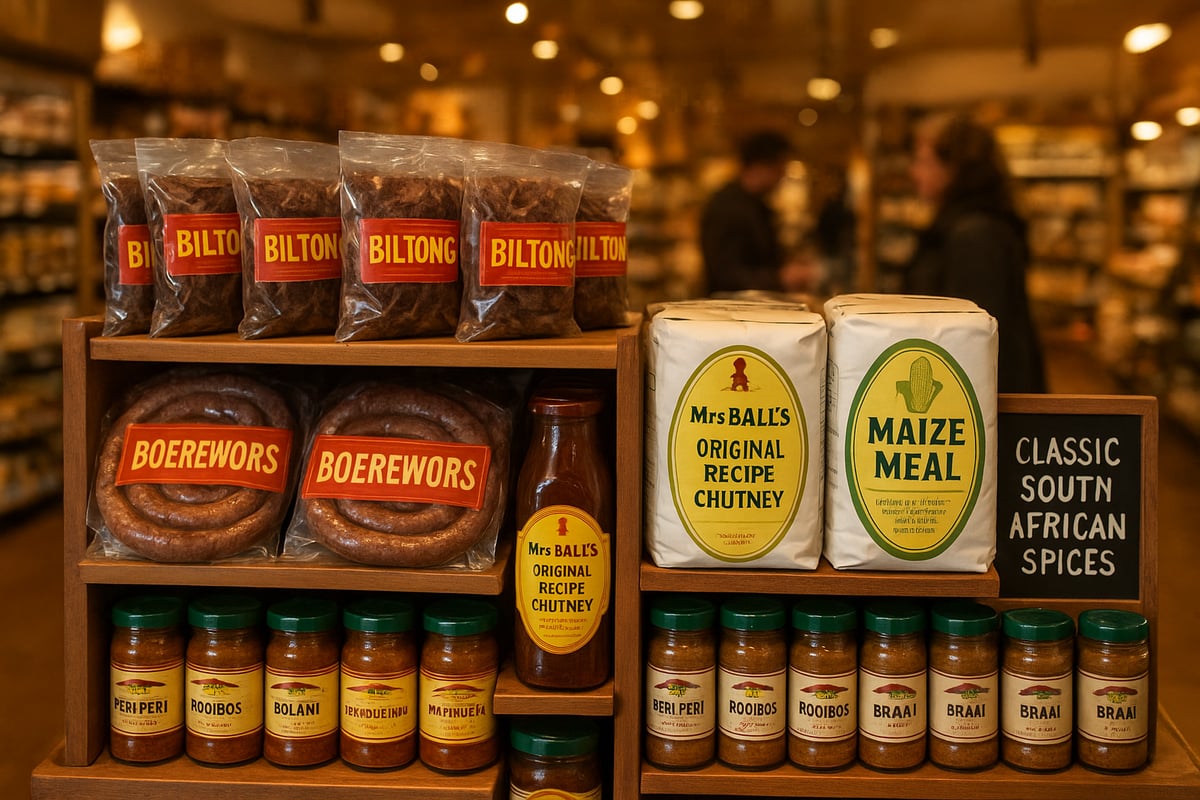
Central to many south african dishes are staple ingredients that have stood the test of time. Maize meal forms the base of pap, a beloved porridge. Spices like coriander, cinnamon, and cloves create the unforgettable aromas found in curries and stews. Biltong, a cured meat snack, and boerewors, a coiled sausage, are icons at any gathering.
Chutneys, especially Mrs Balls Chutney, add sweetness and tang to savoury meals. Rooibos tea, native to the Cederberg region, is enjoyed by millions and even features in desserts and marinades. The interplay of these ingredients creates a tapestry of flavour that sets south african dishes apart.
| Ingredient | Typical Use | Regional Highlight |
|---|---|---|
| Maize Meal | Pap, porridge | Eastern Cape, Limpopo |
| Coriander | Biltong, boerewors | Nationwide |
| Dried Fruit | Curries, bobotie | Western Cape (Cape Malay) |
| Chutney | Stews, braai sides | National |
| Rooibos Tea | Beverages, baking | Cederberg, Western Cape |
Food as the Heartbeat of Social Life
Food is at the centre of South African celebrations. From family braais to lavish weddings, every event is marked by generous platters and shared feasts. Meals are about more than sustenance: they are a way to connect, celebrate, and honour tradition.
Many south african dishes are designed for sharing. Potjiekos, a communal stew cooked over an open fire, brings people together outdoors. Sweet treats like melktert and koeksisters are passed around at tea time, while spicy curries and chakalaka are staples at community festivals. The culture of generosity and togetherness is woven into every bite.
Global Influence and Modern Trends
In recent years, south african dishes have found new audiences in New Zealand and Australia. The number of South African grocery stores and restaurants has grown, and Google search trends for traditional recipes have surged. According to recent statistics, South African food exports to these countries have increased by over 20% in five years.
Fusion cuisine is also on the rise, with chefs blending classic flavours with local ingredients. Vegan bobotie, gluten-free pap, and rooibos-infused desserts are just a few examples. The appeal of authentic, home-style meals remains strong, especially for expats seeking a taste of home.
For a deeper dive into the origins and evolution of these culinary traditions, explore the food cultures of southern Africa.
Sourcing Authenticity Abroad
Maintaining the integrity of south african dishes abroad can be a challenge. Sourcing genuine ingredients, from proper boerewors to authentic spices, is essential for recreating the flavours of home. Many expats rely on specialty shops and online retailers to find what they need.
The pursuit of authenticity is about more than taste; it is a way to maintain cultural identity and share a connection with others. Whether you are a seasoned chef or a curious foodie, exploring south african dishes offers a journey through history, community, and the joy of great food.
Where to Find Authentic South African Ingredients in New Zealand & Australia
For many food enthusiasts and expats, recreating south african dishes abroad can be a rewarding yet challenging experience. The unique flavours and textures of classic recipes often depend on specific ingredients that are not always readily available in mainstream supermarkets across New Zealand and Australia.
Sourcing authentic products is crucial for maintaining the original taste of beloved south african dishes. Ingredients like biltong, boerewors, and Mrs Balls Chutney are cornerstones of many traditional meals. Genuine maize meal, spices, and chutneys also play a vital role in achieving the right balance of flavours.
One of the biggest hurdles is identifying which brands truly reflect South African heritage. When searching for key items, look for well-known brands such as Mrs Balls, Ouma, and All Gold. These labels are a sign of authenticity and quality, giving confidence that your south african dishes will taste just right. Always check expiry dates and packaging for freshness, especially with dried meats and spices.
Luckily, a growing network of specialty stores, butchers, and online retailers now cater to the South African community in both countries. Community markets sometimes feature pop-up stalls offering homemade treats and imported goods. For a comprehensive selection, the South African groceries collection at Something From Home is a reliable destination, offering everything from pantry basics to braai essentials.
Freshness and quality are essential for key ingredients. For example, biltong should be made from premium cuts and properly spiced, while boerewors is best when freshly coiled and packed. When shopping online, look for customer reviews and delivery guarantees to ensure you receive top-quality products for your south african dishes.
Beyond shopping, many expats find a strong sense of cultural connection through food. Cooking traditional meals can evoke nostalgic memories of family gatherings and celebrations. Community groups and social media platforms are excellent resources for sourcing tips, sharing recipes, and connecting with others who share a passion for south african dishes.
In summary, while sourcing authentic ingredients can require extra effort, the reward is a true taste of home. Whether you are preparing a family favourite or exploring new recipes, the right products will elevate your south african dishes and keep culinary traditions alive.
9 Must-Try South African Dishes to Savour in 2026
Embarking on a journey through south african dishes reveals a tapestry of flavours, history, and cultural pride. Each dish on this list has been selected for its ability to capture the heart of South Africa’s diverse food landscape, its popularity among locals and expats, and its growing presence in New Zealand and Australia. Whether you are an adventurous eater or seeking a taste of home, these dishes promise an authentic culinary experience.
1. [Biltong]
Biltong is one of the most iconic south african dishes, beloved for its intense flavour and satisfying texture. This air-dried, spiced meat snack is made from premium beef, seasoned with vinegar, coriander, and pepper. Its origins trace back to indigenous preservation techniques, later refined by Dutch settlers seeking ways to keep meat fresh during long journeys.
Today, biltong is more than just a snack; it is a symbol of South African ingenuity and tradition. Compared to other dried meats, biltong boasts a higher protein content with less sugar and additives, making it a healthier choice for those seeking a nutrient-rich treat. Its popularity is surging in New Zealand and Australia, not only among expats but also among locals curious about authentic south african dishes.
You can discover a range of Biltong essentials and snacks to suit every palate, from traditional cuts to innovative flavours. Serve biltong on its own, mix it into salads, or use it as a topping for a unique twist. Statistically, biltong exports have grown steadily, reflecting its increasing global appeal.
2. [Bunny Chow]
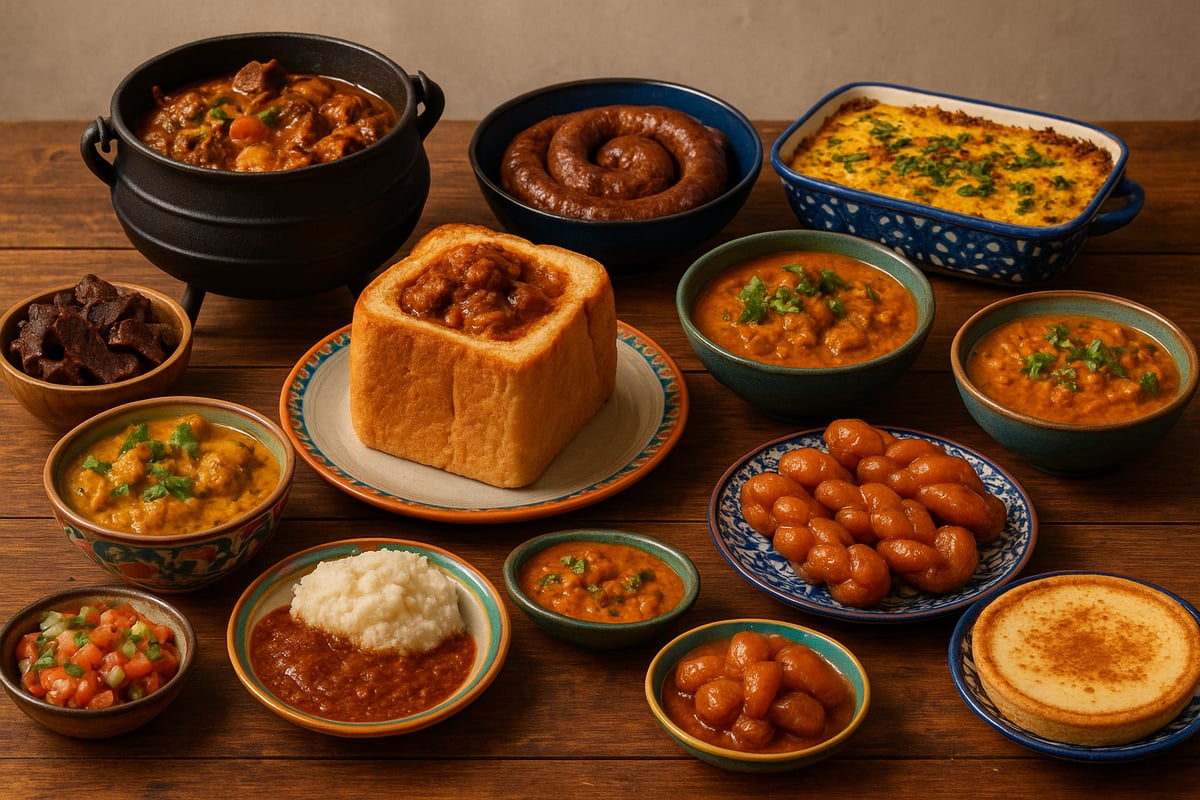
Bunny Chow stands out among south african dishes as a beloved street food with a rich backstory. Originating in Durban in the 1940s, this dish was created by the Indian community as a practical way to serve spicy curry in a hollowed-out loaf of bread. Traditionally, fillings range from chicken and lamb to vegetarian curries, each offering a unique take on the classic.
The allure of Bunny Chow lies in its comforting blend of soft bread and bold, aromatic curry. It is a staple at community gatherings and a favourite comfort meal for many. Regional variations introduce different fillings and spice levels, making each bite a new adventure.
In New Zealand and Australia, you can find Bunny Chow at select South African restaurants and food trucks, often at community events. Making it at home is simple with authentic curry blends and a fresh loaf of bread. Bunny Chow’s enduring popularity showcases the ingenuity and diversity of south african dishes.
3. [Bobotie]
Bobotie is a standout among south african dishes, celebrated for its sweet and savoury profile. This baked mince dish, topped with a golden egg custard, reflects Cape Malay influences dating back to the 17th century. Key ingredients include curry spices, raisins, almonds, and a generous spoonful of Mrs Balls Chutney, which adds depth and authenticity.
What makes Bobotie irresistible is its harmonious blend of spices and textures. It is a family favourite, often served with yellow rice and sambals. Modern twists on Bobotie include vegetarian and vegan alternatives, proving its versatility within the world of south african dishes.
For those recreating Bobotie in New Zealand or Australia, sourcing authentic chutney and spice blends is essential. The dish embodies the warmth and conviviality of South African gatherings, making it a must-try for anyone exploring the nation’s cuisine.
4. [Boerewors]
Boerewors is a cornerstone of south african dishes, especially during braais (barbecues). This traditional sausage is crafted from a blend of beef, pork, coriander, cloves, and vinegar, then hand-coiled for a rustic presentation. The art of making boerewors lies in the perfect balance of spices and the technique of coiling the sausage.
Culturally, boerewors is at the centre of celebrations and social gatherings, uniting friends and family around the grill. In New Zealand and Australia, you can find boerewors at specialty stores and butcheries, ensuring an authentic taste.
Boerewors can be grilled, pan-fried, or baked, and is best served with pap, fresh rolls, or a dollop of chutney. Its enduring popularity reflects the importance of south african dishes in bringing people together, both at home and abroad.
5. [Potjiekos]
Potjiekos is a hearty, slow-cooked stew that holds a special place in south african dishes. Traditionally prepared in a cast-iron potjie pot over an open fire, this dish layers meat, seasonal vegetables, potatoes, and spices, allowing each ingredient to retain its unique flavour.
The roots of Potjiekos go back to the Voortrekkers and Dutch settlers, who relied on communal cooking during their travels. Today, potjiekos remains central at festivals and family gatherings, where the cooking process is as important as the meal itself.
Modern versions include vegetarian and seafood options, making it a versatile addition to your repertoire of south african dishes. For authentic results, use a traditional potjie pot and allow the flavours to develop slowly. Potjiekos captures the spirit of South African hospitality and shared experience.
6. [Pap en Sous]
Pap en Sous is a fundamental component of many south african dishes, offering a comforting and nourishing base. Made from maize meal, pap can be soft, stiff, or crumbly, adapting to personal preference and regional tradition. It is typically served with a savoury tomato-and-onion sauce known as sous.
This staple food is gluten-free and provides a substantial source of energy, making it a daily favourite. Pap en Sous is often enjoyed with braais, stews, and chakalaka, highlighting its versatility within south african dishes.
To recreate this classic in New Zealand or Australia, look for maize meal at specialty stores. Serve pap with boerewors, chakalaka, or a rich gravy for an authentic South African meal. The simplicity and adaptability of Pap en Sous make it a beloved comfort food.
7. [Cape Malay Curry]
Cape Malay Curry is a fragrant and distinctive entry among south african dishes, known for its balance of sweet, spicy, and savoury notes. Typical ingredients include cinnamon, cardamom, cloves, and dried fruit, creating a unique flavour profile that reflects Indonesian, Dutch, and Indian influences.
Proteins such as chicken, lamb, fish, or vegetables are commonly used, making this curry suitable for a variety of diets. What sets Cape Malay Curry apart is its mild spice and subtle sweetness from dried fruit, catering to a range of palates.
For genuine taste, source Cape Malay Curry Powder and pair the dish with yellow rice, sambals, and chutney. Cape Malay Curry demonstrates the multicultural depth of south african dishes, offering a memorable dining experience.
8. [Melktert]
Melktert, or milk tart, is a classic dessert among south african dishes, cherished for its creamy custard filling and delicate cinnamon topping. This sweet treat originated with Dutch settlers and has become a fixture at celebrations, tea times, and family gatherings.
Ingredients include milk, eggs, sugar, a pastry crust, and cinnamon. Melktert is enjoyed in various forms, from traditional tarts to mini versions and even crustless adaptations. Its light, creamy texture and subtle sweetness make it a perennial favourite.
In New Zealand and Australia, you can bake your own using a melktert mix or find it at select bakeries. Serve chilled or at room temperature for the best experience. Melktert’s popularity endures, making it a must-sample among south african dishes.
9. [Koeksisters]
Koeksisters are a delightful sweet treat, rounding off our list of essential south african dishes. These syrup-soaked, braided doughnuts come in two main varieties: the Cape Malay version, which is spiced and coated in coconut, and the Afrikaner variety, which is plaited and crunchy.
Ingredients include flour, sugar, syrup, and spices, with the preparation involving deep-frying and dipping the doughnuts in syrup to achieve a perfect texture. Koeksisters are a highlight at markets, family gatherings, and special occasions throughout South Africa.
For those craving authentic koeksisters in New Zealand or Australia, koeksister mix makes preparation simple. The balance of sweetness and crispness makes koeksisters a beloved finish to any meal featuring south african dishes.
South African Food Culture: Celebrations, Traditions & Modern Trends
South African food culture is a vibrant tapestry woven from centuries of shared meals, celebrations, and evolving traditions. At the heart of every gathering, whether a small family braai or a national holiday, food serves as both a symbol and a connector. South african dishes are not just recipes, but stories that bring communities together and keep heritage alive.

The Ritual of Braai: More Than Just a Meal
Braai is more than a method of cooking, it is a cherished tradition and a social ritual that unites people from all walks of life. Gathering around the fire, sharing stories, and preparing favourites like boerewors, sosaties, and pap is an essential part of many South African celebrations. The etiquette of a braai is rooted in hospitality and respect, with each person often bringing a dish to share.
Central to every authentic braai are the right tools and accessories. For those in New Zealand and Australia, finding braai tools and accessories ensures the experience remains true to its roots. These essentials help recreate the unmistakable aroma and flavour that define many south african dishes.
Street Food and Community Markets Abroad
South african dishes are also celebrated in bustling markets and street food events, both in South Africa and across New Zealand and Australia. Food trucks and pop-up stalls introduce newcomers to classics like bunny chow, vetkoek, and samoosas. These gatherings offer a taste of home for expats and a culinary adventure for locals.
For those eager to explore the latest offerings, South African food truck events showcase freshly made favourites and foster a sense of community. The energy of these markets reflects the dynamic spirit of South African food culture.
Fusion, Health Trends, and Culinary Innovation
Modern south african dishes are evolving, shaped by global trends and creative chefs. Fusion cuisine blends traditional flavours with local ingredients, resulting in unique takes like peri-peri chicken tacos or vegan bobotie. There is a growing focus on vegan, gluten-free, and health-conscious adaptations, making these dishes accessible to a wider audience.
Contemporary chefs embrace innovation while honouring authenticity. Cooking classes, online tutorials, and social media have made it easier than ever to learn and share new interpretations of time-honoured recipes. The result is a vibrant food scene that balances tradition and modernity.
Food, Festivals, and Cultural Identity
Food plays a central role in South African festivals and community events abroad. Special days such as Heritage Day and Freedom Day are marked by the sharing of beloved south african dishes, reinforcing cultural bonds. Community groups, pop-up restaurants, and themed gatherings provide expats with opportunities to celebrate their heritage and introduce others to their cuisine.
For many, preparing and enjoying these dishes is a way to stay connected to home and pass traditions on to the next generation. In every kitchen and at every table, south african dishes continue to unite people and keep cultural identity strong.
Tips for Cooking and Enjoying South African Dishes Abroad
Exploring south african dishes in New Zealand or Australia is a rewarding journey, blending nostalgia with culinary discovery. Whether you are an expat longing for home comforts or a foodie eager to try something new, recreating these flavours is easier with the right approach.
Sourcing Authentic Ingredients
Finding authentic ingredients is often the first step towards truly enjoying south african dishes abroad. Specialty stores, like Something From Home, stock essentials such as boerewors, biltong, maize meal, and Mrs Balls Chutney.
Online retailers can deliver hard-to-find staples straight to your door, ensuring freshness and quality. Community markets and South African-owned grocery shops are also valuable sources. When a particular ingredient is unavailable, seek local alternatives but try to keep the spirit of the dish intact.
Essential Tools and Cooking Methods
Equipping your kitchen with traditional tools brings you closer to the authentic experience of south african dishes. A Potjie Pot is ideal for slow-cooked stews, while a sturdy braai grill is essential for that unmistakable smoky flavour. Spice grinders help achieve the perfect blend for curries and marinades.
Familiarise yourself with different cooking methods, such as braai, potjie, baking, and slow-cooking. These techniques are central to the taste and texture of many classic recipes. Adapting to local climates or equipment is possible, but staying true to the original process enhances authenticity.
Recipe Resources and Community Connections
Access to reliable recipe resources can make recreating south african dishes less daunting. Blogs, cookbooks, and YouTube channels offer step-by-step guides, video demonstrations, and helpful tips. Social media groups and local expat forums are excellent for sharing recipes, sourcing advice, and finding support.
Connecting with the local South African community can be especially valuable. According to South African New Zealanders demographics, thousands of South Africans now call New Zealand home, creating a vibrant network for culinary inspiration and cultural exchange.
Hosting and Preserving Authenticity
Sharing south african dishes with friends and family is about more than just food; it is a celebration of heritage. Host a themed dinner party or a braai, introducing guests to classic flavours and customs.
Experiment with recipes using locally sourced produce, but always aim to preserve the essence of the cuisine. Embrace innovation, yet respect tradition, so each meal becomes a bridge between cultures and a source of pride for both new and seasoned cooks.
After exploring the rich stories and flavours behind each must try South African dish you might be wondering how to bring these tastes into your own kitchen here in New Zealand or Australia Whether you are craving the comfort of bobotie the bold spice of Cape Malay curry or the irresistible sweetness of koeksisters finding authentic ingredients is key to recreating these beloved recipes That is where Something From Home comes in With the largest selection of genuine South African products you can easily access the foods and flavours you miss most Ready to start your culinary adventure View product range