
Tennis Biscuits: A South African Icon in New Zealand
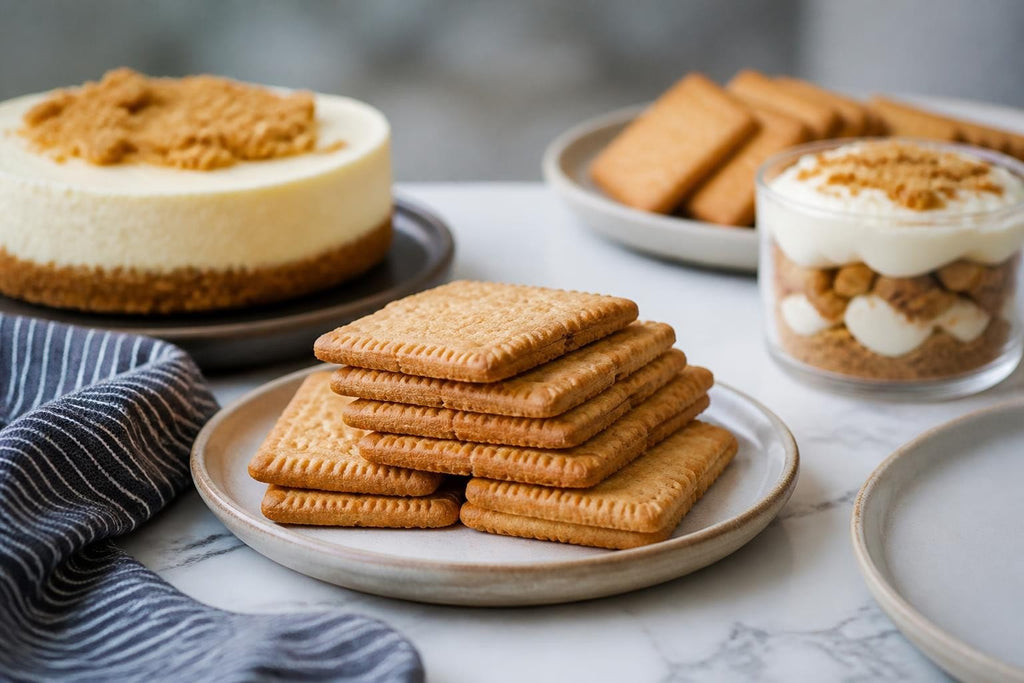
Few South African snacks evoke as much nostalgia and versatility as the humble tennis biscuit. These golden, coconut-flavoured treats have been a staple in South African households for generations, serving everything from teatime companions to essential dessert ingredients. For South Africans living in New Zealand, tennis biscuits represent more than just a snack – they're a tangible connection to home, childhood memories, and the distinctive food culture that defines the Rainbow Nation.
The Heritage and History of Tennis Biscuits
Tennis biscuits have occupied a unique position in South African food culture since their introduction by National Brands Limited, the manufacturer behind the Bakers brand. The product's distinctive rectangular shape, crisp texture, and subtle coconut flavour quickly established it as a household favourite across South Africa.
Legal Protection and Market Position
The commercial success of tennis biscuits has led to significant legal protections for the brand. National Brands has vigorously defended its Tennis® trademark in South African courts, demonstrating the product's substantial market value and consumer recognition. These legal battles underscore how deeply embedded tennis biscuits are in the South African marketplace.
The trademark litigation and brand protection efforts reveal the commercial importance of maintaining brand integrity in a competitive biscuit market. For South African expatriates, the authentic Tennis® brand carries particular significance, as copycat products simply cannot replicate the exact taste and texture they remember.

Nutritional Profile and Ingredients
Understanding what goes into tennis biscuits helps explain their enduring appeal and versatility in South African cooking.
Key Components
The foundation of tennis biscuits rests on several essential ingredients:
- Wheat flour providing structure and texture
- Coconut delivering the signature flavour profile
- Sugar for sweetness and browning
- Vegetable oils creating the crisp texture
- Leavening agents ensuring proper rise
According to nutritional data for Bakers Tennis Biscuits, a serving of three biscuits contains approximately 120-130 calories, with a balanced macronutrient distribution suitable for moderate consumption as part of a varied diet.
Regulatory Compliance
All packaged biscuits sold in South Africa, including tennis biscuits, must comply with food control regulations governing labelling and advertising. These standards ensure consumers receive accurate nutritional information and ingredient declarations. The SA Foods nutritional database provides authoritative composition data for packaged biscuits, supporting informed dietary choices.
| Nutritional Aspect | Per 3 Biscuits (approx.) | Percentage Context |
|---|---|---|
| Energy | 120-130 kcal | 6% of 2000 kcal diet |
| Total Fat | 4-5g | Moderate fat content |
| Carbohydrates | 20-22g | Quick energy source |
| Protein | 2-3g | Minimal protein contribution |
| Sugar | 8-10g | Moderate sweetness |
Culinary Applications and Recipe Uses
Tennis biscuits transcend their role as a simple snack, functioning as a versatile ingredient in South African home cooking and baking.
Dessert Foundation
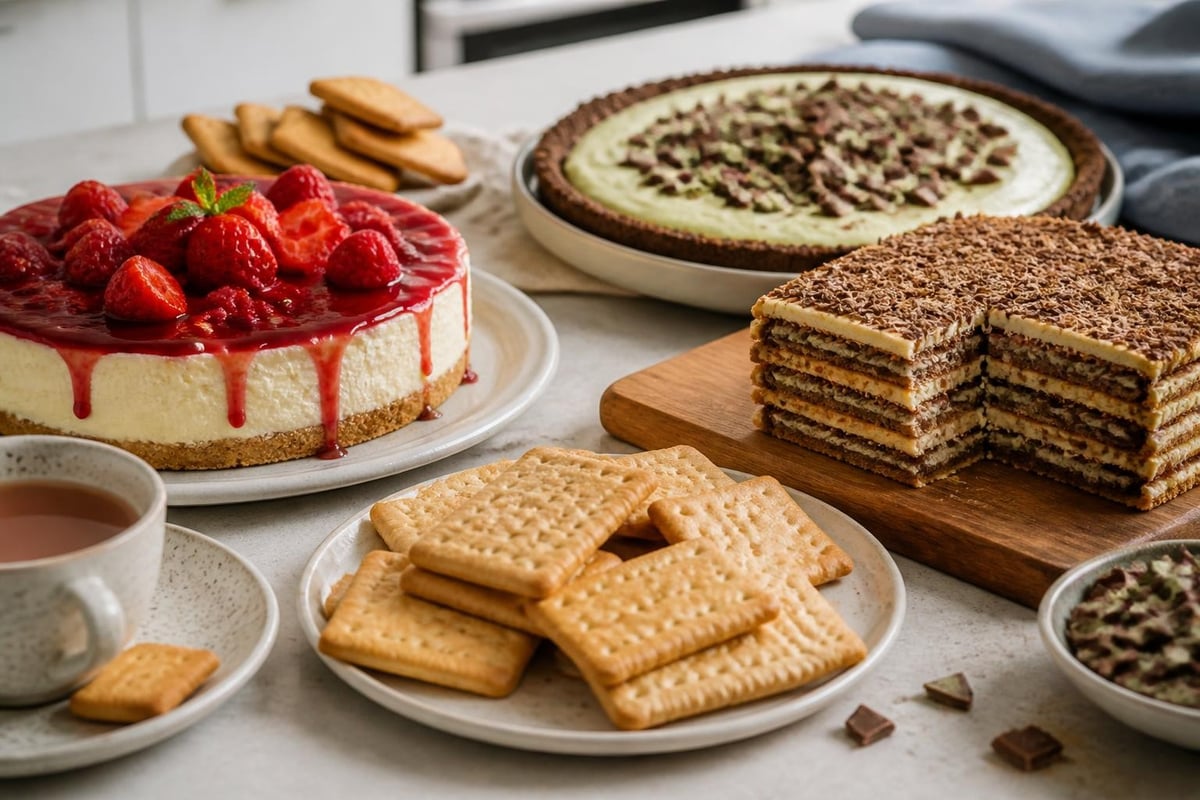
The most celebrated use of tennis biscuits involves dessert preparation. Their firm texture and subtle coconut flavour make them ideal for:
- Peppermint Crisp tart bases – Crushed tennis biscuits create the perfect foundation
- Cheesecake crusts – Mixed with melted butter for no-bake desserts
- Biscuit cake – Layered with caramel and chocolate
- Ice cream sandwiches – Sandwiching South African ice cream flavours
- Fridge tart bases – Providing structure for set desserts
Home cooks can even attempt homemade versions, though many South Africans maintain that the authentic manufactured product delivers superior results for both snacking and cooking applications. Much like the beloved Marie biscuit, tennis biscuits serve dual purposes in South African kitchens.
Traditional Serving Methods
Beyond elaborate desserts, tennis biscuits feature in everyday South African food rituals:
- Morning tea with rooibos or Five Roses tea
- School lunchboxes as a reliable snack
- Afternoon coffee paired with strong South African coffee
- Braai desserts crushed over ice cream or cream
- Travel snacks for long road trips across the country
Tennis Biscuits in South African Food Culture
The cultural significance of tennis biscuits extends far beyond their ingredients or nutritional content. These biscuits represent shared experiences across South African demographics and generations.
Generational Connections
For many South Africans, tennis biscuits evoke powerful memories:
Childhood associations include after-school snacks, birthday parties, and family gatherings. Adult nostalgia centres on comfort, familiarity, and connection to South African identity. Expatriate longing manifests as a desire for authentic tastes from home, particularly when living abroad in countries like New Zealand.
The competitive biscuit market in South Africa has produced various brands and imitations, but South Africans maintain strong brand loyalty to the original Tennis® product. This loyalty travels with South Africans when they relocate internationally.
Brand Recognition and Anti-Copycat Measures
The commercial success of tennis biscuits has inspired both legitimate competition and copycat products. Bakers has implemented packaging redesigns specifically to differentiate authentic tennis biscuits from imitations, protecting both brand equity and consumer expectations.
These design innovations ensure that South Africans purchasing tennis biscuits in specialist shops receive the genuine product they remember, maintaining quality standards and flavour consistency.
Accessing Tennis Biscuits in New Zealand
For South Africans who have made New Zealand their home, accessing familiar food products presents both challenges and solutions. The distance from South Africa creates natural supply chain complexities, but dedicated importers bridge this gap.
The South African Food Market in New Zealand
New Zealand hosts a significant South African expatriate community, particularly in Auckland, Wellington, and Christchurch. This demographic creates sustained demand for South African grocery items, including tennis biscuits.
Market characteristics include:
- Growing expatriate population seeking familiar products
- Limited availability in mainstream New Zealand supermarkets
- Specialist importers filling market gaps
- Online ordering facilitating nationwide access
- Regular shipments maintaining product freshness
Something From Home operates as a dedicated South African food store in New Zealand, stocking more than 2,500 South African products including tennis biscuits. This specialist approach ensures product authenticity and regular availability for customers across New Zealand.
Purchasing Options and Considerations
New Zealand-based South Africans have several options for obtaining tennis biscuits:
| Purchase Method | Advantages | Considerations |
|---|---|---|
| Specialist online stores | Wide range, authentic products, nationwide delivery | Shipping costs, delivery timeframes |
| Physical South African shops | Immediate availability, product inspection | Limited to major cities |
| Visiting South Africa | Large quantities, personal selection | Luggage restrictions, customs limits |
| Friends and family | No commercial cost, personal touch | Irregular availability, dependency |
Online ordering through specialist South African food stores offers the most reliable and convenient solution for most New Zealand residents, combining product authenticity with practical accessibility.

Storing and Preserving Tennis Biscuits
Proper storage ensures tennis biscuits maintain their characteristic crisp texture and fresh coconut flavour, particularly important when products travel long distances to reach New Zealand.
Optimal Storage Conditions
Tennis biscuits require specific environmental conditions to preserve quality:
- Cool, dry location away from direct sunlight
- Airtight container after opening the original packaging
- Humidity control preventing moisture absorption
- Temperature stability avoiding heat exposure
- Separation from strong odours maintaining flavour purity
New Zealand's temperate climate generally supports good biscuit storage, though coastal areas may require extra attention to humidity control. Properly stored tennis biscuits typically maintain quality for several months beyond their best-before date.
Signs of Freshness
Fresh tennis biscuits exhibit specific qualities that South Africans recognize instantly:
- Crisp snap when broken in half
- Golden colour without darkening or fading
- Distinct coconut aroma upon opening the package
- Firm texture without softness or staleness
- Clean flavour free from rancidity
When purchasing tennis biscuits from South African food stores in New Zealand, checking packaging dates and storage conditions ensures optimal product quality.
Tennis Biscuits Versus Other South African Biscuits
The South African biscuit market offers numerous options, each serving distinct purposes in food culture and culinary applications.
Comparative Analysis
Tennis biscuits occupy a specific niche within the broader South African biscuit category:
Marie biscuits provide a plainer, less sweet alternative suitable for different recipes and preferences. Romany Creams offer chocolate indulgence for special treats. Lemon Creams deliver citrus flavour profiles distinct from coconut. Eet-Sum-Mor biscuits present caramel sweetness in a different format.
Each biscuit type serves particular purposes, but tennis biscuits remain uniquely versatile, functioning equally well as standalone snacks or recipe ingredients. This adaptability contributes to their enduring popularity across multiple generations of South Africans.
Recipe Substitution Considerations
While other biscuits can sometimes substitute for tennis biscuits in recipes, results vary significantly:
- Texture differences affect dessert structure and mouthfeel
- Flavour profiles change the final taste outcome
- Moisture absorption varies between biscuit types
- Crushing characteristics influence base consistency
- Cultural authenticity matters for traditional recipes
Most South African cooks insist on authentic tennis biscuits for traditional recipes, maintaining flavour accuracy and textural integrity. This specificity drives demand for genuine products among expatriates.
The Economics of Imported South African Biscuits
Understanding the commercial realities of importing tennis biscuits to New Zealand helps explain pricing structures and availability patterns.
Cost Factors
Several elements influence the retail price of tennis biscuits in New Zealand:
International shipping from South Africa to New Zealand ports adds baseline costs. Import duties and taxes apply to commercial food imports. Currency exchange rates between the rand and New Zealand dollar fluctuate. Storage and warehousing in New Zealand require infrastructure investment. Distribution networks deliver products to customers nationwide.
Despite these costs, specialist importers maintain competitive pricing that makes regular purchases feasible for South African expatriates seeking familiar tastes. The emotional and cultural value often justifies the premium over local New Zealand biscuit alternatives.
Market Sustainability
The South African food import market in New Zealand demonstrates robust sustainability indicators:
- Consistent expatriate population growth
- Regular reordering patterns from established customers
- New Zealand-born children of South African parents maintaining cultural food connections
- Special occasion demand (South African holidays, gatherings)
- Gift purchases for South African friends and family
This market stability supports ongoing availability of tennis biscuits and other South African grocery items through dedicated suppliers who understand community needs and preferences.
Modern Variations and Product Innovation
While traditional tennis biscuits remain the standard, the broader Bakers range and market evolution have introduced variations and related products.
Product Line Extensions
National Brands has periodically explored flavour variations and format changes, though the original tennis biscuit formulation remains dominant in South African markets. Innovation typically focuses on:
- Packaging sizes suitable for different household needs
- Multi-pack formats offering value for regular consumers
- Premium ranges with enhanced ingredients or flavours
- Seasonal editions tied to South African holidays
- Export-specific packaging designed for international markets
For New Zealand-based customers, availability typically centres on the core tennis biscuit product, which represents the authentic taste that drives expatriate demand.
Consumer Preferences
South African expatriates in New Zealand consistently prioritize authenticity over innovation when selecting tennis biscuits. Market research indicates that nostalgia and cultural connection drive purchasing decisions more powerfully than novelty or variation.
This preference pattern influences import selections, with specialist South African food stores focusing inventory on established, traditional products rather than experimental variations that may have limited appeal among expatriate communities seeking familiar tastes.
Tennis Biscuits in Contemporary South African Cuisine
Modern South African cooking continues to find new applications for tennis biscuits while respecting traditional uses.
Chef Applications
Professional and home chefs incorporate tennis biscuits into contemporary dessert presentations:
Deconstructed classics reinterpret traditional biscuit-based desserts with modern plating. Fusion desserts combine South African ingredients with international techniques. Artisanal ice cream pairings showcase tennis biscuits alongside craft flavours. Catering presentations utilize tennis biscuits for recognizable South African elements.
These culinary innovations maintain respect for the product's heritage while demonstrating continued relevance in evolving food culture. South Africans in New Zealand often recreate these contemporary applications, sharing their food culture with New Zealand-born family members and friends.
Social Media and Recipe Sharing
Digital platforms have amplified tennis biscuit visibility and recipe innovation. South African food bloggers, expatriate communities, and home cooks share creative applications, preserving food knowledge across geographical distances.
This online recipe ecosystem helps South Africans in New Zealand maintain culinary connections, discover new applications, and share nostalgic food experiences with broader audiences. The accessibility of tennis biscuits through specialist importers enables practical implementation of these shared recipes.
Cultural Significance for South African Expatriates
The psychological and emotional importance of tennis biscuits extends beyond nutritional or culinary considerations for South Africans living in New Zealand.
Identity and Belonging
Food serves as a powerful cultural marker, and tennis biscuits function as edible symbols of South African identity. For expatriates, accessing these familiar products:
- Reinforces cultural connections despite geographical distance
- Provides comfort during homesickness or cultural adjustment
- Creates teaching moments for New Zealand-born children about South African heritage
- Facilitates social bonding with other South African expatriates
- Maintains family traditions across generations and continents
The ability to purchase tennis biscuits from a South African shop in New Zealand transforms a simple snack into a meaningful cultural practice, supporting wellbeing and community connection.
Community Building
Shared food experiences unite South African communities in New Zealand. Tennis biscuits appear at:
- Expatriate social gatherings celebrating South African holidays
- School events where South African parents contribute familiar treats
- Sports viewing parties for Springbok rugby matches
- Cultural festivals showcasing South African heritage
- Informal networks where South Africans share product recommendations
These communal experiences strengthen social bonds and cultural preservation, with tennis biscuits serving as accessible, recognizable symbols of shared identity.
Tennis biscuits represent far more than a simple coconut-flavoured snack – they embody South African food heritage, culinary versatility, and cultural connection for expatriates worldwide. Whether used as a dessert foundation, teatime treat, or nostalgic comfort food, these iconic biscuits maintain their relevance across generations and continents. For South Africans living in New Zealand who seek authentic products from home, Something From Home provides access to tennis biscuits and thousands of other South African favourites, delivered nationwide to keep you connected to the tastes that matter most.