Guide to South African Rice Dish: Flavours & Traditions 2026
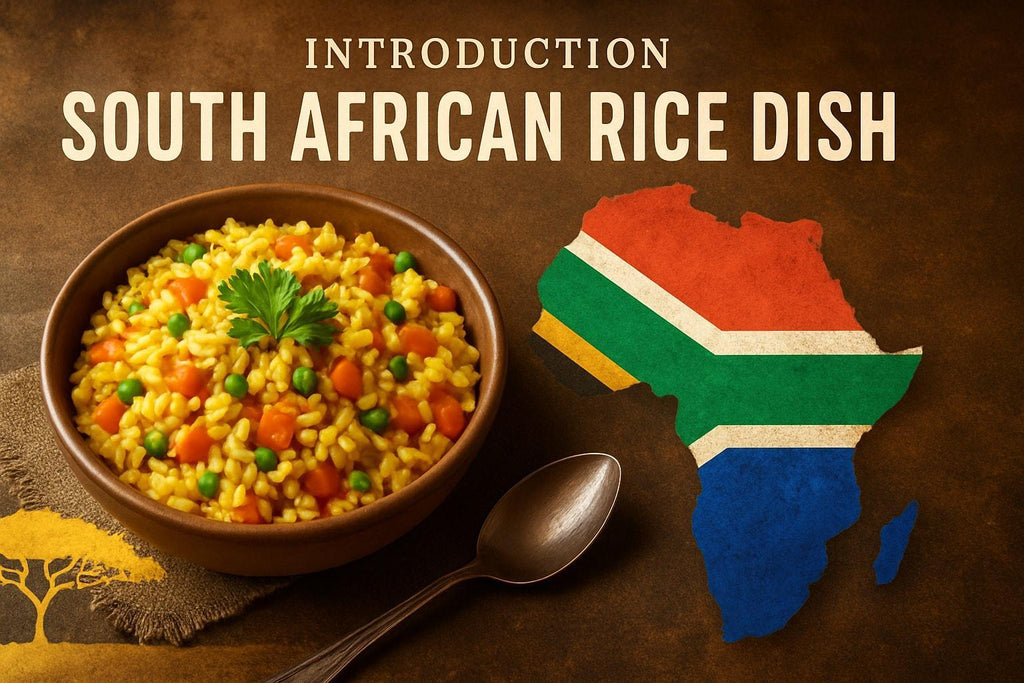
Step into the vibrant world of South African cuisine, where the aroma of spices and the warmth of family gatherings come alive in every bite. Few meals capture this spirit better than a classic south african rice dish, a symbol of the nation’s rich, multicultural heritage.
This guide invites you to discover the fascinating history, deep cultural roots, and evolving flavours of these treasured recipes as we look ahead to 2026. From ancient traditions to modern twists, you will explore iconic dishes, signature ingredients, and step-by-step methods for preparing authentic meals at home.
Ready to savour tradition and make these unforgettable dishes part of your table? Let’s begin this delicious journey together.
The Origins and Traditions of South African Rice Dishes
South Africa’s culinary landscape is a vibrant tapestry, shaped by centuries of migration, trade, and cultural exchange. At the heart of this story is the south african rice dish, which not only nourishes but also unites families and communities through time-honoured traditions.
Historical Roots and Cultural Fusion
The roots of the south african rice dish reach deep into the nation's complex history. Rice first arrived on South African shores during the 17th and 18th centuries, transported by Dutch and British colonial traders who established new connections with Asia. As rice became more accessible, it blended seamlessly into the local diet, especially among communities in the Cape.
A defining influence came from the Cape Malay community. Descendants of enslaved people and settlers from Indonesia, Malaysia, and elsewhere in Southeast Asia, the Cape Malays infused local cuisine with aromatic spices, sweet-savoury contrasts, and creative use of rice. Their culinary legacy is seen in dishes like Bobotie, a savoury spiced mince baked with a golden egg custard, traditionally served alongside vibrant yellow rice.
The Indian diaspora, arriving in the 19th century, further enriched the south african rice dish repertoire. Flavours of cumin, coriander, and cardamom merged with indigenous African ingredients and European techniques. This fusion resulted in a melting pot of recipes, each telling a story of adaptation and resilience.
Rice quickly became a staple at the heart of communal gatherings, religious celebrations, and everyday meals. In fact, StatSA 2024 reports that rice is now among the top five staple foods in South African households, a testament to its enduring popularity.
A quick comparison of cultural influences on the south african rice dish:
| Influence | Key Contribution | Signature Dish Example |
|---|---|---|
| Dutch Settlers | Oven baking, custards | Bobotie with yellow rice |
| Cape Malay | Spice blends, sweet notes | Breyani, yellow rice |
| Indian Community | Aromatics, layering, lentils | Breyani, curry rice |
| Indigenous African | Local vegetables, stews | Tomato Bredie with rice |
Debates continue over the exact origins of Bobotie, with some claiming Malaysian roots and others pointing to early settler adaptations. Regardless, its evolution captures the spirit of the south african rice dish as a symbol of the country’s multicultural heritage. For a broader look at classic meals that feature rice, you can explore this overview of Traditional South African dishes.
Rituals and Family Traditions
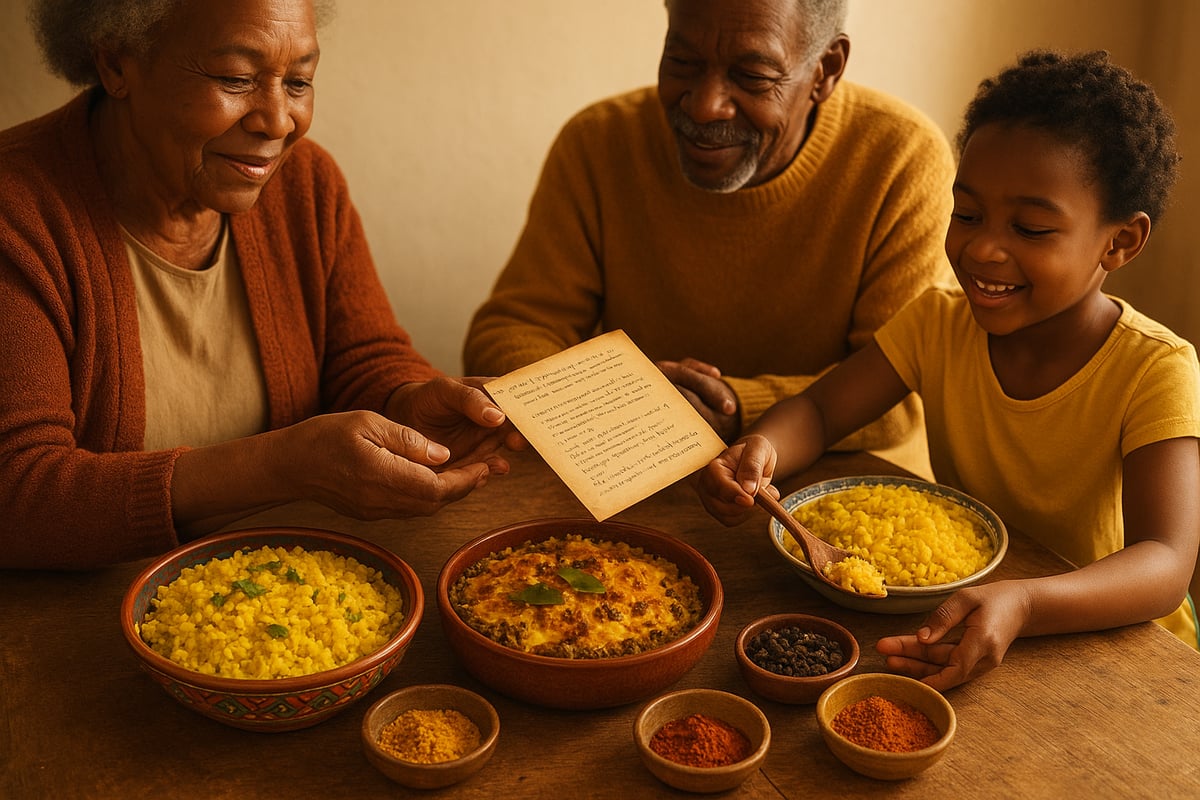
Beyond their historical origins, every south african rice dish carries deep social and emotional meaning. Recipes are lovingly passed down through generations, often preserved in handwritten family cookbooks or shared orally during festive gatherings.
Rice dishes are a fixture at significant life events. Weddings often feature elaborate Breyani or Bobotie feasts, symbolising abundance and unity. Funerals and memorials bring families together over comforting plates of tomato bredie served with rice, offering warmth and solace. National holidays and religious festivals, such as Eid or Christmas, see the communal table filled with vibrant rice dishes that celebrate heritage and togetherness.
In countless households, Sunday lunches are incomplete without a signature south african rice dish. Community potlucks and neighbourhood gatherings offer opportunities to showcase treasured recipes, each with its unique twist—perhaps a special blend of spices or a secret family ingredient.
Key occasions where rice dishes shine:
- Weddings and engagement celebrations
- Funerals and remembrance gatherings
- Religious festivals (Eid, Christmas, Passover)
- Sunday family lunches and potlucks
Through these rituals, the south african rice dish not only satisfies hunger but also strengthens bonds, preserves culture, and creates cherished memories. The passing on of these recipes ensures that the flavours and stories of South Africa continue to thrive, both at home and across the world.
Iconic South African Rice Dishes
South African cuisine is a vibrant tapestry of flavours, and the south african rice dish holds a special place at the heart of this culinary heritage. From the aromatic kitchens of Cape Malay homes to festive tables across the country, these dishes reflect centuries of cultural fusion, family tradition, and bold innovation. Let’s explore the most iconic rice dishes that continue to delight and unite communities.
Bobotie with Yellow Rice
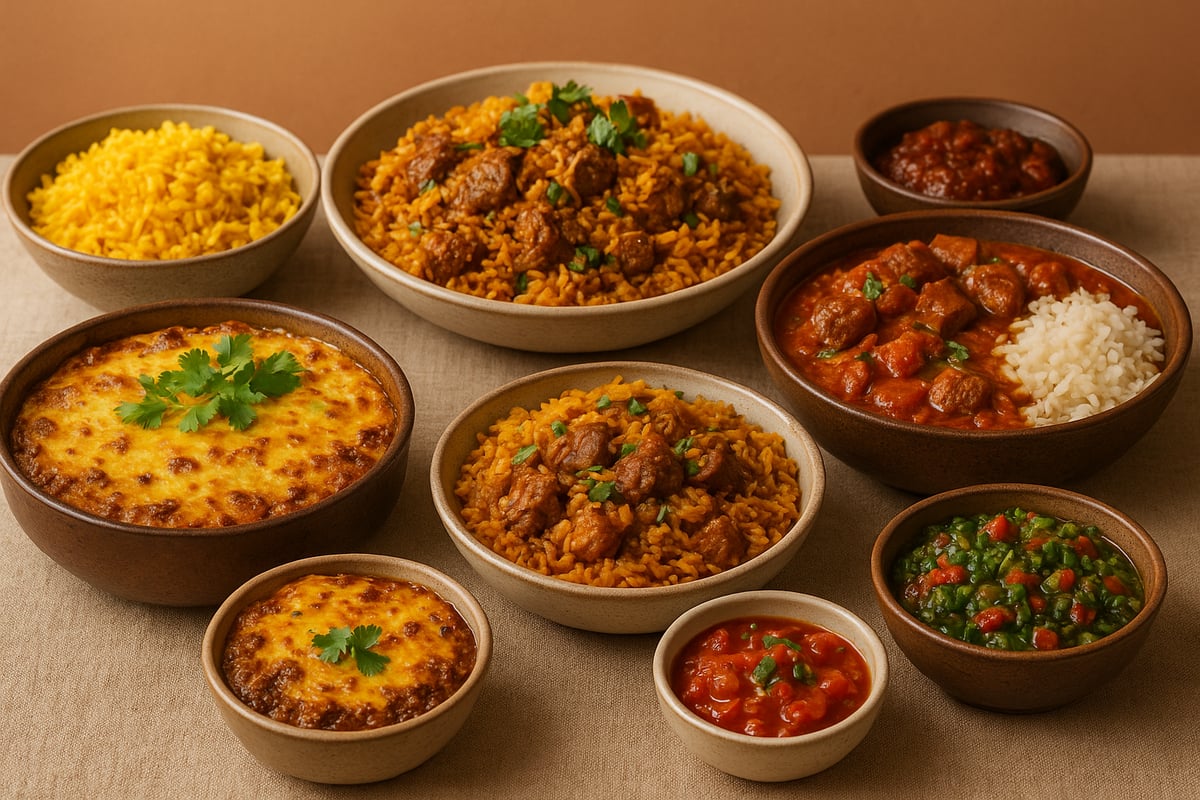
No south african rice dish is more iconic than Bobotie served with fragrant yellow rice. Bobotie is a comforting casserole of spiced minced beef, enriched with soaked bread, onions, and a blend of curry powder, turmeric, raisins, and apricot jam. The mixture is topped with a savoury egg custard, then baked until golden and set.
Yellow rice, known locally as geelrys, gets its colour and subtle flavour from turmeric and sometimes cinnamon sticks or bay leaves. Sweet touches like raisins are added for contrast. A classic Bobotie meal is often completed with Mrs Ball’s Chutney for an authentic South African flavour.
Traditional preparation involves:
- Soaking bread in milk for moisture
- Frying onions with spices and mince
- Mixing in chutney, jam, and lemon juice
- Layering in an oven dish and topping with egg custard
- Baking until set
Bobotie’s roots are deeply Cape Malay, though its exact origins are debated. Today, this south african rice dish is a favourite at family gatherings and a clever way to use leftovers.
Breyani (Biryani)
Breyani, sometimes called South African Biryani, is a festive south african rice dish that showcases Indian and Cape Malay influences. It features delicate layers of rice, marinated meat (often lamb or chicken), lentils, potatoes, and aromatic spices. Saffron, fried onions, and boiled eggs add complexity and vibrant colour.
Preparation highlights include:
- Marinating meat with yoghurt and spices
- Cooking lentils and parboiling rice separately
- Layering rice, meat, potatoes, and fried onions in a heavy pot
- Steaming gently to infuse flavours
Cape Malay adaptations stand out with their unique spice blends and the addition of sweet and savoury elements. Breyani is especially popular during religious festivals, weddings, and communal feasts, representing unity and sharing.
This south african rice dish brings people together, often cooked in large batches for celebrations and enjoyed with sambals or atchar on the side.
Tomato Bredie with Rice
Tomato Bredie is a beloved stew that pairs perfectly with fluffy rice, making it a staple south african rice dish in many homes. This slow-cooked meal typically combines lamb or beef with tomatoes, potatoes, onions, and a hint of cinnamon or bay leaf.
Key ingredients include:
- Diced lamb or beef
- Fresh tomatoes and potatoes
- Onions, garlic, and mild spices
The origins of Tomato Bredie can be traced to Cape Dutch settlers, who adapted the dish from Malaysian influences. It remains a favourite for Sunday lunches and family gatherings. For more on the history and preparation of this dish, see the Tomato Bredie Overview.
Tomato Bredie with rice is comforting and nourishing, exemplifying how a south african rice dish brings warmth and tradition to the table.
Other Notable Dishes
Beyond the classics, the south african rice dish repertoire includes everyday favourites and vegetarian options. Curry Mince and Rice is a simple yet flavourful meal, combining spiced ground beef with vegetables, served over steaming rice.
Sosaties with Rice feature skewered, marinated meats grilled and paired with savoury rice. The marinade often contains apricot jam, curry powder, and garlic for a sweet-spicy kick.
Vegetarian and vegan choices are also celebrated. Spicy lentil rice and pumpkin rice offer hearty, plant-based alternatives, using local produce and traditional spices.
These dishes highlight the versatility and adaptability of the south african rice dish, making it accessible and enjoyable for every palate and occasion.
Signature Flavours and Key Ingredients
The signature flavours of every south african rice dish are a celebration of vibrant spices, bold aromatics, and a balance of sweet and savoury notes. Each bite is a reflection of centuries of culinary fusion, where tradition meets creativity in every grain of rice.
Spices and Aromatics
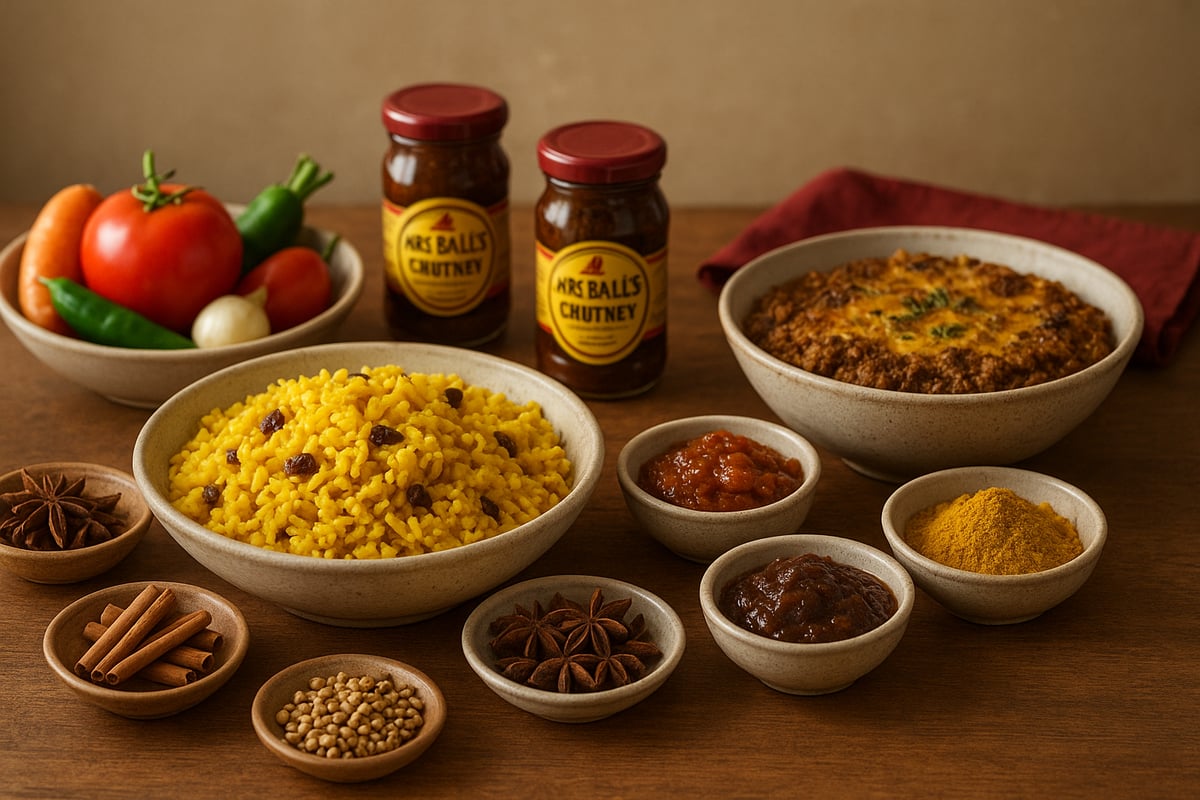
At the heart of any south african rice dish lies a tapestry of spices, both familiar and unique. Turmeric gives yellow rice its sunlit colour and earthy aroma, while curry powder, coriander, cinnamon, and bay leaves add depth and warmth. Cape Malay and Indian communities have contributed distinctive spice blends, layering flavour in every mouthful.
Aromatic ingredients such as star anise and cardamom are often used sparingly, elevating the rice’s fragrance. For those preparing a south african rice dish at home, sourcing authentic curry powders and spice blends is essential. You can Explore South African spices to find the exact blends needed for traditional recipes.
Table: Core Spices in South African Rice Dishes
| Spice | Typical Use | Signature Dish Example |
|---|---|---|
| Turmeric | Colour, subtle earthiness | Yellow rice (Geelrys) |
| Curry powder | Warmth, complexity | Bobotie, Breyani |
| Cinnamon | Sweet-spicy accent | Breyani, yellow rice |
| Bay leaves | Herbal depth | Bobotie, tomato bredie |
| Star anise | Fragrant lift | Breyani, yellow rice |
Sweet and Savoury Contrasts
A defining trait of a south african rice dish is the harmonious blend of sweet and savoury. Dried fruit like raisins, and preserves such as apricot jam, are frequently stirred into savoury meat or lentil mixtures. This creates a delightful contrast, especially in bobotie, where the sweetness of jam or Mrs Ball’s Chutney balances the mild heat of curry powder.
Fruit chutneys, including the iconic Mrs Ball’s, are served alongside rice dishes, adding tang and complexity. The layering of sugar, spice, and acidity is a hallmark of South African culinary tradition, ensuring every south african rice dish delivers a memorable experience.
- Raisins in yellow rice for pockets of sweetness
- Apricot jam in mince for gentle fruitiness
- Chutney as a table condiment
Rice Varieties and Sourcing
Choosing the right rice is crucial for an authentic south african rice dish. Long-grain white rice is the most common base, prized for its fluffy texture and ability to absorb spices. Basmati rice, with its delicate aroma, is favoured in breyani and festive meals. Parboiled rice is also used for its resilience in slow-cooked dishes.
Recent customs data highlights a rise in basmati rice imports to New Zealand and Australia, reflecting the growing demand among South African expats. Local supermarkets stock basic varieties, but specialty stores offer a wider selection for those seeking true authenticity.
Table: Common Rice Varieties in South African Cuisine
| Rice Type | Texture | Best For |
|---|---|---|
| Long-grain | Fluffy, separate | Yellow rice, bobotie |
| Basmati | Aromatic, light | Breyani |
| Parboiled | Firm, holds shape | Stews, bredie |
Complementary Ingredients
A south african rice dish is rarely complete without its array of vegetables, proteins, and classic accompaniments. Onions, potatoes, carrots, and tomatoes form the foundation of many recipes, providing sweetness and body. Beef, lamb, and chicken are popular choices for protein, while lentils offer hearty vegetarian alternatives.
Traditional rice dishes are elevated by side servings of sambals, atchar (pickled vegetables), and chutneys. These accompaniments add freshness, crunch, and bursts of flavour that complement the spices in the main dish.
- Onions and tomatoes in tomato bredie
- Lentils layered in breyani
- Side plates of sambals and pickled atchar
Each element, from the rice itself to the smallest spoonful of chutney, completes the sensory journey of a true south african rice dish.
Step-By-Step Guide: Preparing Classic South African Rice Dishes
Mastering a south african rice dish at home is an experience that brings together tradition, flavour, and family. Whether you are new to these recipes or looking to perfect your technique, this detailed guide will support you every step of the way. Gather your ingredients, prepare your kitchen, and get ready to unlock the secrets behind timeless South African classics.
Ingredients and Tools Checklist
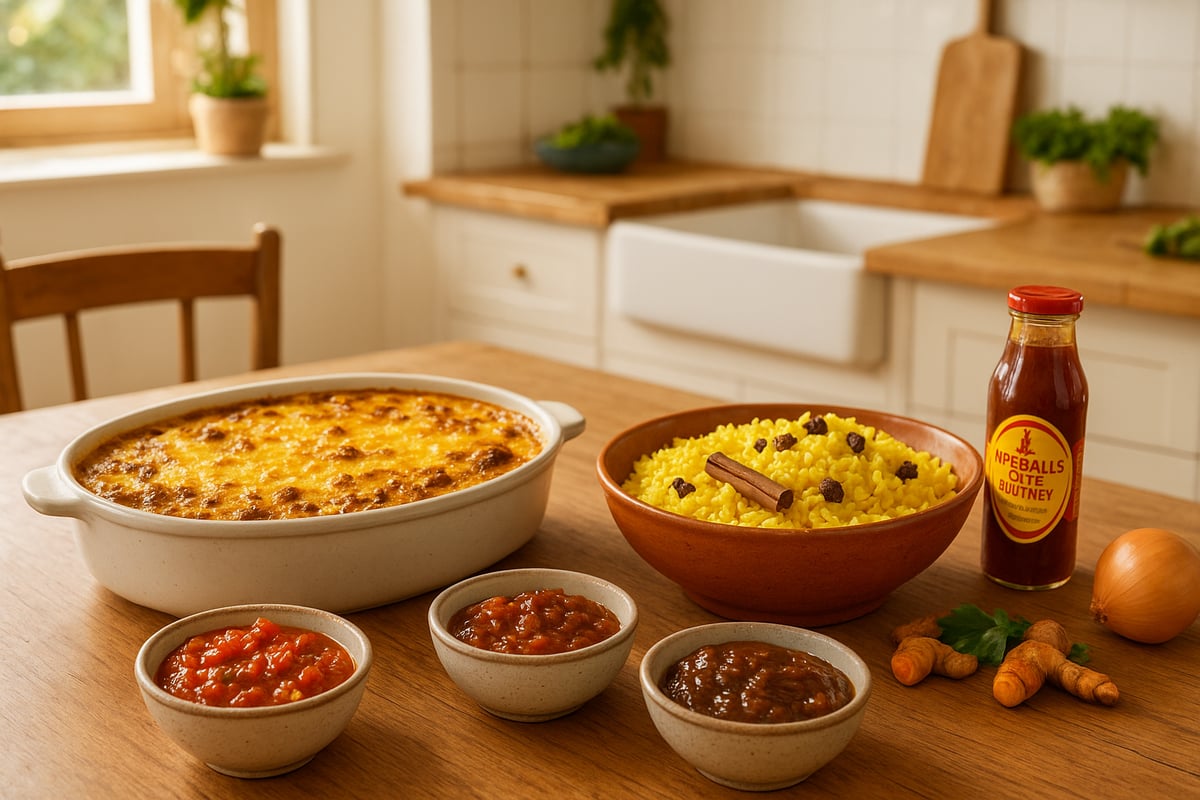
To prepare an authentic south african rice dish, start by gathering fresh ingredients and reliable tools. For Bobotie and yellow rice, you will need:
- Minced beef or lamb
- Sliced bread and milk
- Onions, garlic, and lemon juice
- Curry powder, turmeric, bay leaves, cinnamon stick
- Raisins, apricot jam, Mrs Ball’s Chutney, and eggs
- Long-grain or basmati rice
- Salt and sugar
Recommended tools include an ovenproof dish, mixing bowls, a large pot, wooden spoon, and a kitchen scale.
For those in New Zealand or Australia, sourcing authentic ingredients can be easy through Where to buy South African groceries, which offers a wide range of essential products for traditional recipes.
Step 1: Prepping the Rice
Every classic south african rice dish begins with perfectly cooked rice. Rinse your rice thoroughly under cold water until the water runs clear, removing excess starch and ensuring a fluffy result.
If making yellow rice, soak the rice for 20 minutes, then cook it in water with turmeric, cinnamon stick, a pinch of salt, and a handful of raisins. Simmer gently until the grains are tender and the kitchen fills with a warm, spiced aroma.
Drain any excess water and fluff the rice with a fork. Keep it warm while you prepare the main dish, as rice is best served fresh and aromatic alongside your chosen south african rice dish.
Step 2: Preparing the Main Dish (Bobotie Example)
The heart of a beloved south african rice dish like Bobotie lies in its spiced mince base. Begin by soaking sliced bread in milk and gently squeezing out the excess, reserving the milk for later.
In a large pan, sauté onions and garlic until translucent. Add minced beef, browning it to develop deep flavour. Stir in curry powder, turmeric, salt, raisins, a spoonful of Mrs Ball’s Chutney, apricot jam, and lemon juice.
Combine the soaked bread with the meat mixture. Layer everything evenly in a greased ovenproof dish, ready for the signature custard topping that defines this south african rice dish.
Step 3: Topping and Baking
To complete your south african rice dish, whisk eggs with the reserved milk until smooth. Pour the custard mixture over the spiced mince, allowing it to soak gently into the meat.
Arrange bay leaves on top for added fragrance. Place the dish in a preheated oven at 180°C and bake for 40–50 minutes until the custard has set and turned golden brown.
The aroma will signal when your Bobotie is ready. This method ensures every south african rice dish you prepare is rich in both flavour and tradition.
Step 4: Plating and Serving
Presentation is essential for any south african rice dish. Spoon generous portions of yellow rice onto each plate, then add a hearty slice of Bobotie alongside.
Garnish with fresh coriander or parsley for a burst of colour. Serve with classic accompaniments such as Mrs Ball’s Chutney, sambals, or atchar for extra depth.
For a complete meal, add a crisp green salad or warm bread. These touches transform a south african rice dish into a feast that brings people together.
Tips for Perfect Results
Elevate your south african rice dish with these tried-and-tested tips:
- Adjust spice levels to suit your family’s taste, adding more or less curry powder and chilli as desired.
- Bobotie and yellow rice can be made ahead, stored in the fridge, and reheated for easy leftovers.
- Double or halve the recipe to suit gatherings or intimate dinners.
- Experiment with vegetarian mince or lentils for a plant-based twist on your favourite south african rice dish.
With the right ingredients, careful preparation, and a touch of creativity, every south african rice dish you make will be a celebration of heritage and flavour.
Modern Twists and Regional Variations in 2026
South African cuisine is evolving, and the beloved south african rice dish is no exception. Modern cooks are blending tradition with innovation, creating meals that honour heritage while embracing contemporary tastes and dietary needs. Let’s explore how these dishes are transforming in 2026.
Health-Conscious Adaptations
As wellness trends grow, the south african rice dish is adapting to suit health-conscious households. Many families now swap fatty meats for lean cuts like chicken breast or use plant-based proteins such as lentils and chickpeas. This not only lowers saturated fat but also makes these meals accessible to vegetarians and vegans.
Reducing sugar and salt is another key change. Recipes for classic favourites like bobotie now use less apricot jam and chutney, or opt for reduced-sugar versions. These substitutions maintain the signature sweet-savoury balance without compromising on flavour.
Wholegrain or brown rice is increasingly popular, offering more fibre and nutrients than traditional white rice. Home cooks appreciate the nutty flavour and added texture, making every south african rice dish both wholesome and satisfying.
Fusion and Global Influences
The south african rice dish is flourishing in New Zealand and Australia, where local ingredients inspire inventive twists. Home chefs blend kumara, pumpkin, and even native herbs into traditional recipes, creating unique regional variations.
Plant-based and gluten-free versions are on the rise. Vegan bobotie made with lentils or mushrooms is a favourite at community gatherings. Gluten-free breyani uses naturally gluten-free rice and avoids wheat-based thickeners. For those seeking inspiration, the Isqa Rice Recipe showcases a vibrant, vegetable-packed south african rice dish that fits modern dietary preferences.
These adaptations reflect the spirit of South African cooking, which has always embraced new flavours and cultural influences while preserving the heart of each dish.
Regional and Family Variations
Across South Africa and its diaspora, the south african rice dish reflects local traditions and family secrets. Cape Malay recipes are known for their fragrant spices and subtle sweetness, while Durban styles often bring more heat and bold curry notes. Afrikaner versions might be milder, highlighting fresh herbs and simple accompaniments.
Each family takes pride in its own spice blend or secret ingredient, often passed down through generations. Community cook-offs and potlucks are lively occasions, where cooks compete to see whose rice dish best captures the essence of their heritage.
These regional and family differences ensure that the south african rice dish remains a living tradition, constantly adapting yet always rooted in shared memories.
Trends for 2026
Convenience is shaping how people prepare the south african rice dish. Ready-made spice blends, meal kits, and pre-cooked rice options save time without sacrificing authenticity. Food festivals and pop-up markets in NZ and Australia now feature South African rice dishes, introducing them to a wider audience.
According to Google Trends, online searches for “south african rice dish recipes” in NZ and Australia have surged by 30 percent since 2024. This reflects growing curiosity and pride among both expats and locals keen to explore these vibrant, comforting meals.
In 2026, the south african rice dish is more accessible, diverse, and celebrated than ever, bridging cultures and generations with every spoonful.
Celebrating South African Rice Dishes: Culture, Community, and Beyond
South African rice dishes are more than just meals; they are vibrant threads woven into the rich tapestry of South Africa’s cultural life. From bustling family gatherings to intimate community events, these dishes bring people together, creating moments of joy, remembrance, and connection.
Rice Dishes in South African Celebrations
The role of the south african rice dish in celebrations is profound. Weddings, birthdays, and religious festivals often centre around tables laden with fragrant yellow rice, Breyani, and Bobotie. For example, during Eid, families prepare generous platters of Breyani, while Christmas and birthdays often feature the comforting aroma of Geelrys, or yellow rice, paired with festive meats.
Sweet accompaniments are essential for authenticity. Many hosts include authentic jams and spreads for rice, such as apricot jam or Mrs Ball’s Chutney, which provide the signature sweet-savoury balance cherished in South African cuisine. These elements elevate every celebration and ensure that each south african rice dish is both memorable and meaningful.
Community and Identity
Sharing a south african rice dish is a powerful act of community and identity, especially for South Africans living abroad. In New Zealand and Australia, potlucks, braais, and cultural association events feature rice-based dishes as centrepieces, reinforcing a sense of belonging.
These meals are not just about food; they are about shared memories and stories. Preparing a traditional south african rice dish together allows families and friends to reconnect with their roots, celebrate their heritage, and introduce local friends to the flavours of home.
Sharing Recipes and Stories
The art of making a south african rice dish is often passed down through generations. Family recipe books, handwritten notes, and oral storytelling preserve these culinary traditions. Today, technology has expanded these connections. Social media groups, blogs, and YouTube channels are vibrant forums where South Africans exchange tips, demonstrate techniques, and celebrate the diversity within their rice dishes.
These platforms make it easier than ever to share the secrets of a perfect Bobotie or introduce new friends to the golden hues of Geelrys. Each shared recipe ensures that the legacy of the south african rice dish endures, adapting to new kitchens and cultures.
The Future of South African Rice Cuisine
Looking ahead, the south african rice dish continues to evolve. As tastes change and global influences grow, new generations experiment with flavours while respecting tradition. Culinary tourism and food festivals are shining a spotlight on these dishes, inviting people from all backgrounds to experience their warmth and complexity.
More South Africans in New Zealand and Australia are hosting community cook-offs and sharing their signature rice recipes at local events. The future promises even greater creativity, with healthier adaptations and fusion flavours emerging. Whether you are recreating a classic or inventing a new twist, every south african rice dish is a celebration of heritage, community, and the joy of sharing food.
As you’ve discovered, the heart of South African cuisine beats strongest in the vibrant rice dishes that bring people together for celebrations and everyday comfort alike. If you’re feeling inspired to recreate these authentic flavours in your own kitchen, you’ll want access to the best South African ingredients—from fragrant spices to chutneys and the right varieties of rice. We make it easy for you to enjoy the tastes of home or explore something new, wherever you are in New Zealand or Australia. Curious to see all that’s available?
View product range