Curry Masala: The Essential Spice Blend Explained
Curry masala represents far more than a simple spice blend. This aromatic mixture forms the foundation of countless dishes across South Africa, particularly in communities where Indian culinary traditions have flourished for generations. For South Africans living in New Zealand, finding authentic curry masala blends connects them to home-cooked meals, family gatherings, and the distinctive flavours that define South African cuisine. Understanding what makes curry masala special, how to use it properly, and where to source quality blends helps preserve these important culinary traditions thousands of kilometres from home.
Understanding Curry Masala Composition
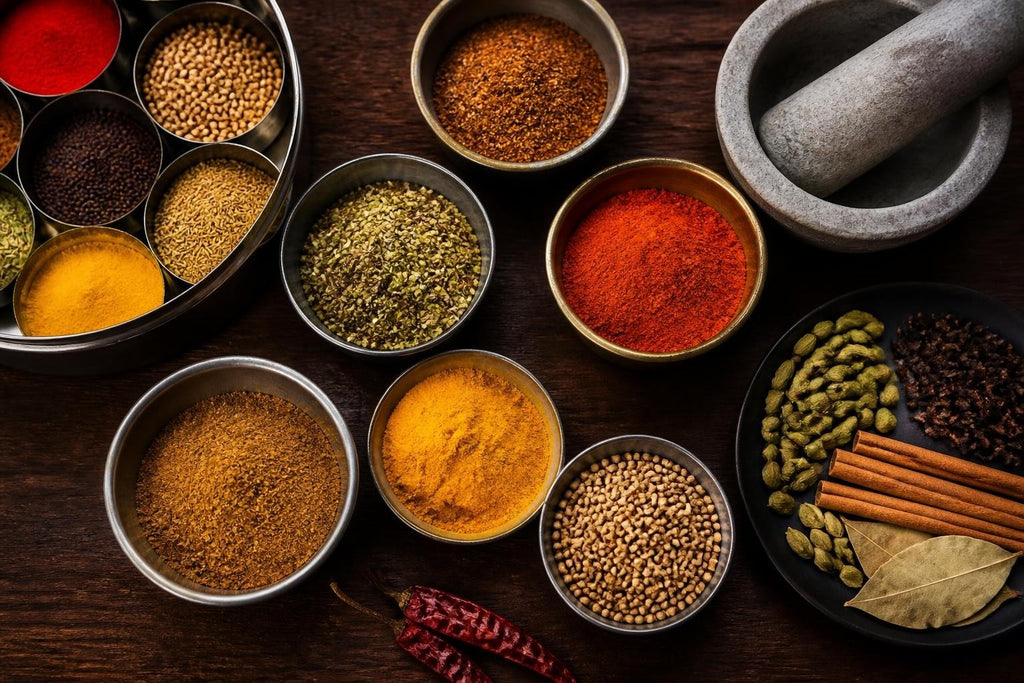
Curry masala blends typically contain a carefully balanced combination of ground spices, each contributing distinct flavour notes and aromatic qualities. The exact composition varies significantly between regional traditions and family recipes, but certain core ingredients appear consistently.
Essential components include:
- Turmeric – provides the characteristic golden colour and earthy undertone
- Coriander – adds citrus notes and mild sweetness
- Cumin – contributes warm, earthy depth
- Fenugreek – brings subtle bitterness and maple-like sweetness
- Fennel – offers gentle anise flavour
- Black pepper – provides heat and pungency
- Cardamom – adds complex floral notes
- Cinnamon – imparts warming sweetness
- Cloves – deliver intense aromatic punch
The FAO/WHO Codex Alimentarius provides international standards for spice blends, including curry powder specifications that help ensure consistency and quality across commercial products. These standards address composition ratios, moisture content, and labelling requirements that protect consumers.
Regional Variations and Traditions
South African curry masala differs noticeably from other global interpretations. The country's unique history, particularly the arrival of Indian indentured labourers in KwaZulu-Natal during the 1860s, created distinctive curry traditions that evolved independently.
Durban-style curry masala tends towards bolder heat levels and more pronounced spice intensity compared to British-style curry powders. This preference reflects the authentic South Indian cooking traditions maintained within South African Indian communities. Many families guard their custom masala recipes jealously, passing down precise ratios through generations.
Health Properties and Nutritional Considerations
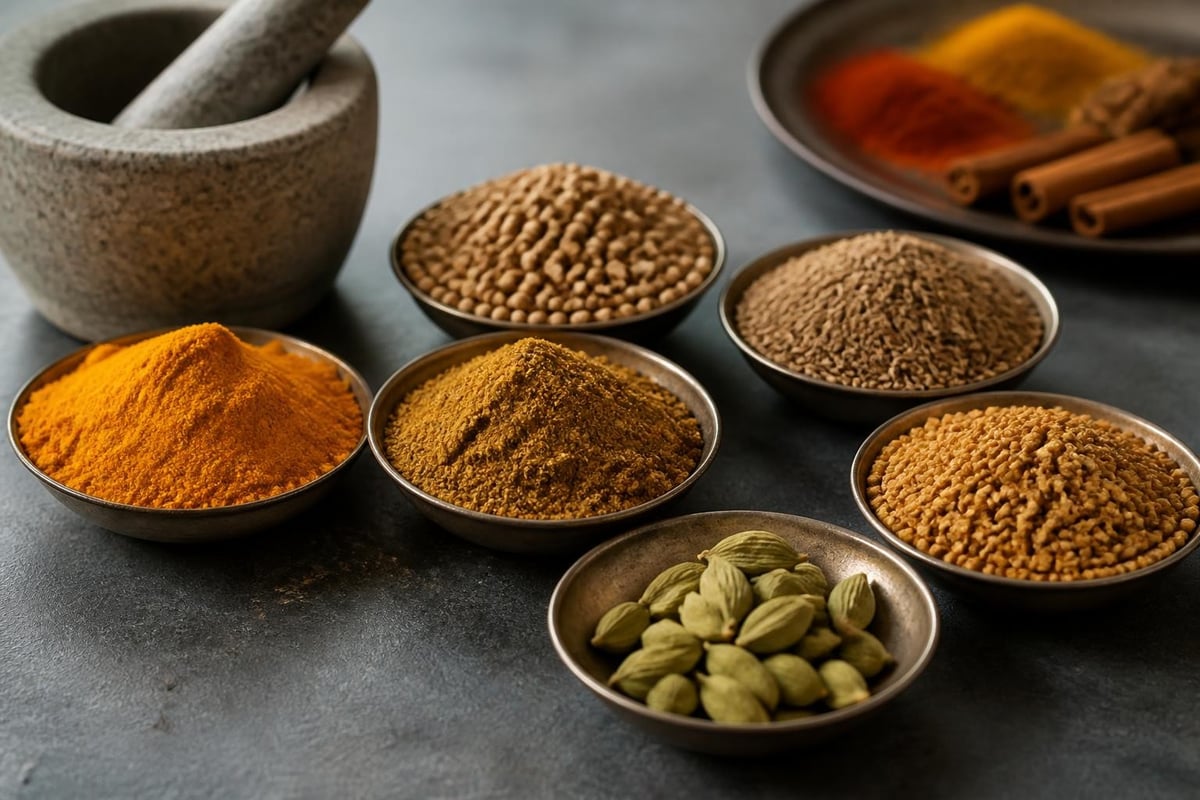
The individual spices within curry masala contribute various bioactive compounds that researchers have studied extensively. Turmeric contains curcumin, a polyphenol compound investigated for anti-inflammatory and antioxidant properties. Similarly, the essential oils and phytochemicals in cumin provide distinctive flavour whilst contributing potential health benefits.
| Spice Component | Key Compounds | Traditional Uses |
|---|---|---|
| Turmeric | Curcumin, turmerones | Anti-inflammatory applications |
| Coriander | Linalool, geraniol | Digestive support |
| Cumin | Cuminaldehyde, cymene | Metabolic enhancement |
| Black Pepper | Piperine | Bioavailability enhancement |
| Fenugreek | Trigonelline, diosgenin | Blood sugar modulation |
The combination of spices creates synergistic effects. Black pepper's piperine, for instance, significantly enhances curcumin absorption from turmeric, making the blend more effective than individual components consumed separately.
Food Safety Concerns
Recent research has identified concerning contamination issues affecting turmeric supplies globally. Studies documented widespread lead-chromate adulteration in turmeric across parts of South Asia, where unscrupulous suppliers add lead chromate to enhance the spice's colour artificially. This practice poses serious health risks, particularly for regular consumers.
The Canadian Food Inspection Agency has published testing results showing elevated lead levels in certain imported turmeric products. Research teams at Stanford University continue investigating these contamination patterns and developing intervention strategies to protect public health.
When purchasing curry masala, prioritise:
- Reputable brands with established quality control
- Products from countries with strict food safety standards
- Certified organic options when available
- Sealed packaging with clear origin information
- Recent manufacture dates ensuring freshness
Culinary Applications in South African Cuisine
Curry masala serves as the cornerstone for numerous beloved South African dishes. The spice blend's versatility extends from traditional curries to contemporary fusion applications.
The iconic bunny chow, Durban's legendary street food creation, relies heavily on properly spiced curry. This hollowed-out bread loaf filled with curry represents the ingenuity of Indian South African workers who needed portable, flavourful meals. The curry filling typically combines curry masala with tomatoes, onions, and either chicken, mutton, or beans.
Traditional Preparation Methods
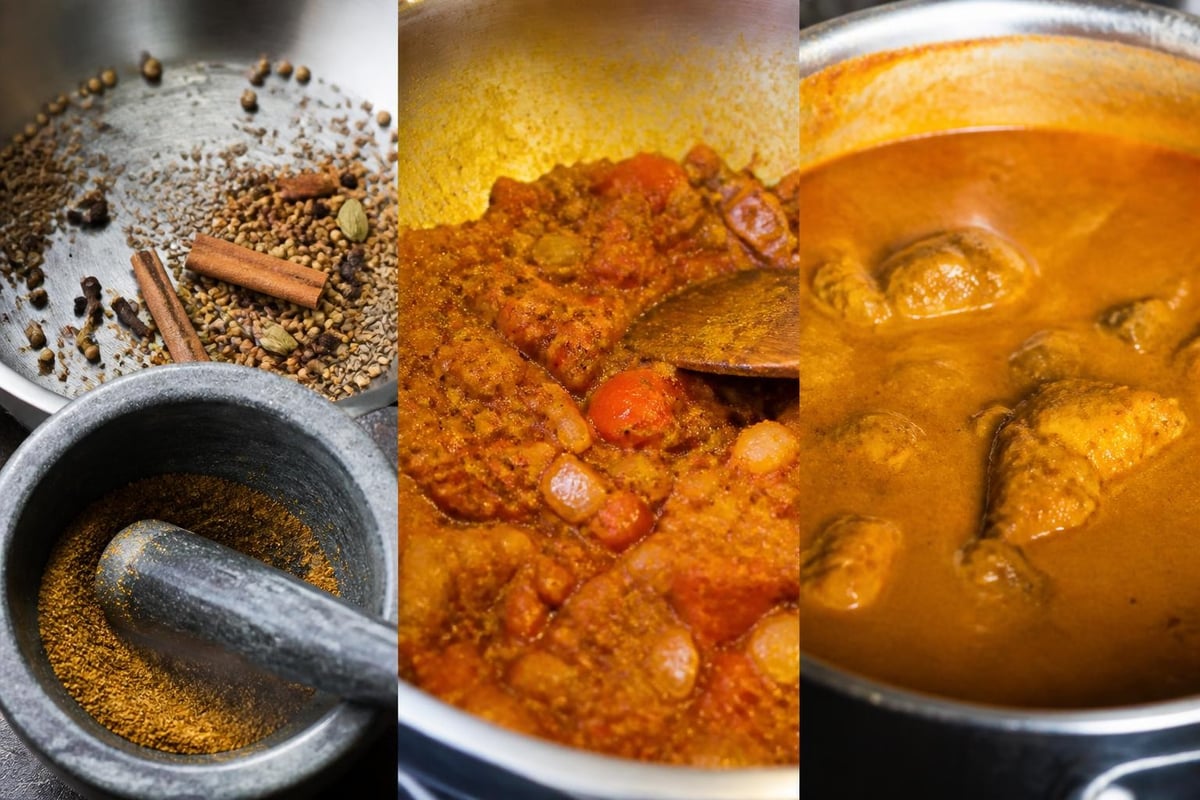
Authentic South African curry preparation involves toasting whole spices before grinding, a technique that intensifies flavour compounds through heat activation. Professional curry cooks layer flavours carefully, allowing each spice addition to bloom in hot oil before introducing the next component.
Step-by-step curry foundation:
- Heat oil or ghee until shimmering
- Add whole spices (cinnamon stick, cardamom pods)
- Fry until fragrant (30-45 seconds)
- Add chopped onions, cook until golden
- Introduce ginger-garlic paste
- Stir in curry masala powder
- Add tomatoes to form gravy base
- Incorporate protein or vegetables
- Simmer until flavours meld completely
The cooking time dramatically affects final flavour profiles. Quick curries retain brightness and individual spice notes, whilst slow-cooked versions develop depth and complexity as flavours integrate fully.
Selecting and Storing Curry Masala
Quality curry masala demonstrates vibrant colour, strong aroma, and fine, consistent texture. Inferior products appear dull, smell musty, or contain visible lumps indicating moisture exposure or improper grinding.
Fresh curry masala releases intense fragrance immediately upon opening. If the spice blend smells weak or stale, oxidation has degraded the volatile aromatic compounds responsible for flavour. Research on turmeric composition shows that essential oils deteriorate rapidly when exposed to light, heat, or oxygen.
Storage Best Practices
| Storage Factor | Optimal Condition | Avoid |
|---|---|---|
| Container | Airtight glass or metal | Plastic (absorbs oils) |
| Location | Cool, dark cupboard | Near stove or window |
| Temperature | Below 20°C | Temperature fluctuations |
| Humidity | Dry environment | Moisture exposure |
| Duration | Use within 6 months | Keeping beyond 1 year |
Whole spices maintain potency considerably longer than ground blends. Serious home cooks often purchase whole spices separately and grind small batches as needed, though quality pre-ground curry masala offers excellent convenience for everyday cooking.
South African Curry Culture in New Zealand
South Africans relocating to New Zealand frequently identify curry dishes amongst the foods they miss most intensely. The specific flavour profiles developed within South African curry traditions differ from Indian restaurants commonly found in New Zealand cities, creating a genuine gap in available cuisine.
Finding authentic South African curry masala blends in New Zealand presents challenges. Mainstream supermarkets stock generic curry powders that lack the characteristic heat and complexity expected in proper South African curries. This scarcity drives demand amongst expatriate communities seeking familiar tastes.
Something From Home operates as a South African food store in New Zealand, stocking more than 2,500 South African products including authentic spice blends. For South Africans craving the precise flavours of home-cooked curries, accessing proper ingredients makes the difference between disappointing approximations and genuinely satisfying meals.
Cooking South African Curries Abroad
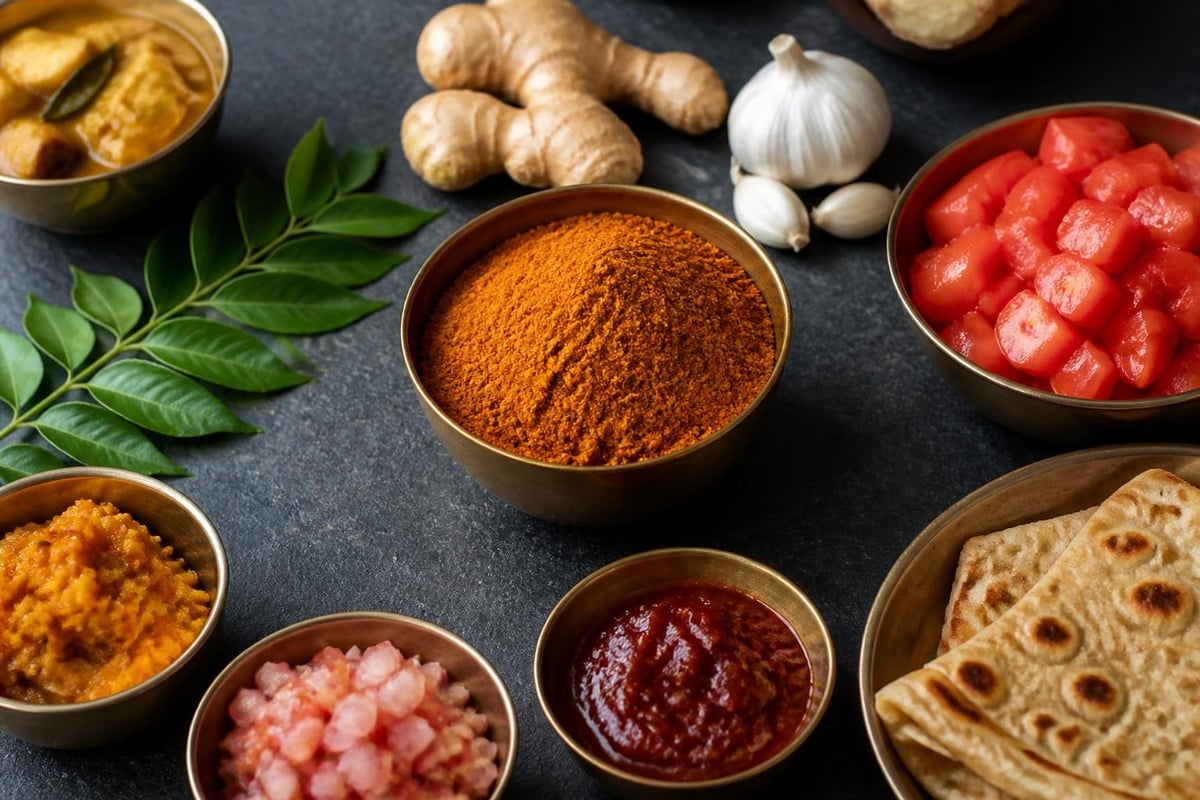
Recreating authentic South African curries in New Zealand requires more than correct spice blends. Other distinctive ingredients contribute to traditional flavours, including specific curry leaf varieties, particular tomato preparations, and preferred cooking fats.
Essential complementary ingredients:
- Fresh curry leaves (not always bay leaves, which differ significantly)
- Quality tomatoes or tomato paste
- Ghee or neutral cooking oil
- Fresh ginger and garlic
- Whole spices for tempering
- Long-grain rice varieties
Many South African curry recipes developed practical adaptations using locally available ingredients. These modifications reflect the resourcefulness required when traditional components weren't accessible, creating unique South African interpretations that differ from source cuisines whilst maintaining authentic character.
Making Custom Curry Masala Blends
Creating personalised curry masala allows precise control over heat levels, flavour emphasis, and ingredient quality. Home blending requires minimal equipment beyond a spice grinder or mortar and pestle, though electric grinders produce finer, more consistent results.
Basic curry masala formula (percentages by weight):
- 35% coriander seeds
- 20% cumin seeds
- 15% turmeric powder
- 10% fenugreek seeds
- 8% black peppercorns
- 5% fennel seeds
- 4% cardamom pods
- 2% cinnamon
- 1% cloves
Toast whole spices separately according to size and density. Smaller seeds like cumin require brief toasting (2-3 minutes), whilst larger spices need longer exposure. Monitor carefully, as burnt spices introduce bitter, acrid flavours that ruin entire batches.
Adjusting for Personal Preferences
Individual spice ratios adapt easily to personal taste preferences or dietary requirements. Reducing fenugreek decreases bitterness, whilst increasing cumin amplifies earthy depth. Some cooks add dried chillies directly to the blend for integrated heat, whilst others prefer controlling spice levels during cooking.
Modern South African curry cooks sometimes incorporate non-traditional additions like smoked paprika or dried lemon peel, creating fusion blends that honour tradition whilst embracing innovation. These experiments reflect how living cuisines evolve continuously rather than remaining frozen in historical forms.
Commercial Curry Masala Options
The commercial spice market offers bewildering variety, from mass-market supermarket brands to artisanal small-batch producers. Understanding label information helps identify quality products suited to specific applications.
Premium curry masala products typically list individual spice components in descending order by weight. Vague terms like "spices" or "natural flavours" suggest lower-quality formulations potentially containing fillers or artificial additives. Certification marks indicating organic production, fair trade sourcing, or quality testing provide additional assurance.
Evaluation criteria for commercial blends:
- Ingredient transparency – complete spice listing
- Origin information – manufacturing location and source countries
- Freshness indicators – manufacture and best-before dates
- Packaging quality – moisture and light protection
- Colour vibrancy – indicating fresh turmeric and proper storage
South African brands familiar from home often provide the most authentic flavour profiles for traditional recipes. These products reflect generations of refinement within South African Indian communities, capturing the precise balance expected in dishes like bunny chow or traditional mutton curry.
Curry Masala in Modern Fusion Cooking
Contemporary South African chefs increasingly incorporate curry masala beyond traditional applications. The spice blend enhances roasted vegetables, marinades for grilled meats, salad dressings, and even baked goods.
Curry masala works exceptionally well in rubs for braai (barbecue) preparations, adding complexity to traditional South African outdoor cooking. Combining curry spices with conventional braai seasonings creates unique fusion flavours that bridge different South African culinary traditions.
Some innovative applications include:
- Curry masala butter for corn on the cob
- Spiced roasted nuts and seeds for snacking
- Curry-infused mayonnaise and aioli
- Vegetable marinades before grilling
- Seasoning for roasted chickpeas
- Flavouring for savoury biscuits and crackers
These adaptations demonstrate curry masala's versatility whilst maintaining connections to traditional South African flavour profiles. For expatriates in New Zealand, experimenting with familiar spices in new contexts helps maintain culinary identity whilst adapting to different food cultures and available ingredients.
Pairing Curry Dishes with Traditional Sides
South African curry meals traditionally include various accompaniments that balance heat, add textural contrast, and complete nutritional profiles. These side dishes represent equally important components of authentic curry experiences.
Classic accompaniments:
- Sambals – Fresh vegetable relishes with onion, tomato, and chilli
- Atjar – Pickled vegetables providing acidic contrast
- Rotis – Flatbreads for scooping curry
- Rice – Long-grain varieties, often basmati
- Pappadums – Crispy lentil wafers
- Chutney – Mrs Ball's chutney being particularly popular
The interplay between hot curry and cooling accompaniments creates balanced dining experiences. Yoghurt-based raitas, sliced bananas, and grated coconut all serve to moderate spice intensity whilst contributing complementary flavours.
Many South African households serve curry with maize-based sides, reflecting the fusion of Indian and African culinary traditions. This blending characterises much South African food culture, where diverse influences created unique hybrid cuisines found nowhere else globally.
Curry masala remains central to South African culinary identity, particularly within communities maintaining Indian cooking traditions established over 150 years ago. Understanding quality indicators, proper storage, and authentic applications ensures this essential spice blend continues delivering the complex flavours that define South African curry dishes. Whether preparing traditional bunny chow or experimenting with modern fusion applications, sourcing quality curry masala makes all the difference. For South Africans in New Zealand seeking authentic ingredients and familiar flavours, Something From Home provides access to genuine South African products that help recreate the tastes of home.